
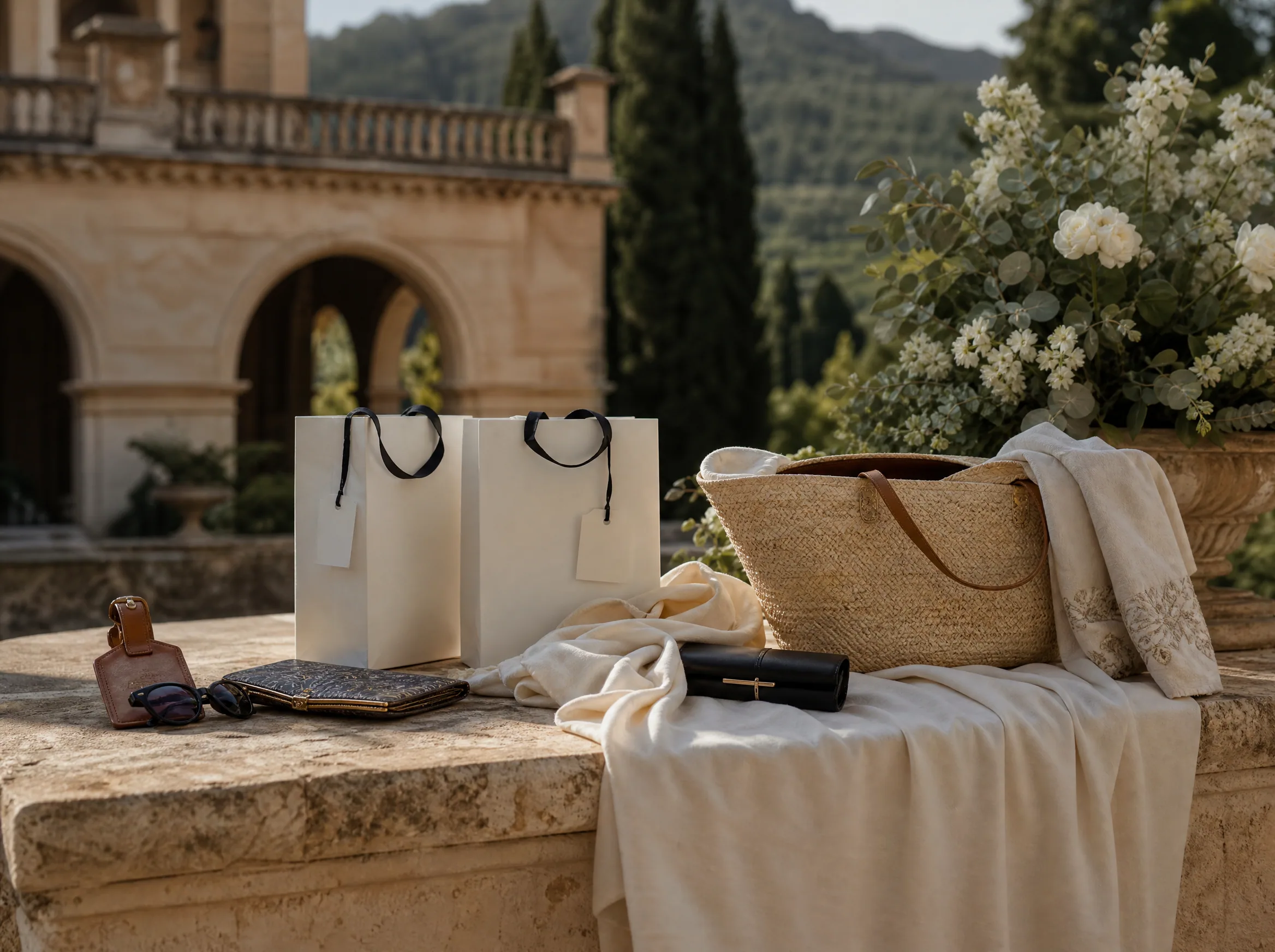
After a long Spanish wedding night—ceremony at golden hour, dinner past ten, dancing until the venue’s curfew—guests leave jackets on chairs, phones on cocktail tables, and prescription glasses in restroom baskets. By Sunday morning, half the group is already on airport transfers while the rest are searching hotel lobbies. For international couples, lost-and-found is not a cute afterthought; it is a logistics system that protects hospitality, privacy, and the couple’s post-wedding calm.
This guide is written for couples planning from abroad who want a clear plan for collecting, securing, identifying, and returning left-behind items across hotels, villas, coaches, and rural fincas—without turning your wedding team into an airport lost-luggage desk.

Why destination weddings create more left-behind items
Guests travel light, share rooms, change outfits, and move between multiple locations in one day. A shawl worn for an outdoor ceremony may be abandoned when the dance floor heats up. Phone chargers migrate from the getting-ready suite to the cocktail garden. Children’s toys vanish into villa sofas. Add late Spanish dinner timing, open-air venues, and mixed hotel room blocks, and belongings scatter across a geography that does not reset like a single banquet hall.
International guests also face a hard clock: once they clear hotel check-out or board a coach to Barcelona or Palma, returning a recovered item becomes expensive overnight shipping—or impossible if the item is medication or travel documents. That urgency is why you design the process before the weekend, not during Sunday brunch panic texts.

Map every place items can be left
Before the wedding week, list every physical zone guests will use, then assign a sweep owner for each:
- Getting-ready suites and hair/makeup rooms
- Ceremony seating, aisle edges, and gift/welcome tables
- Cocktail gardens, bars, and lounge furniture
- Dinner tables, chair backs, and under-table floor
- Dance floor edges, photo booth props, and coat-check or wrap baskets
- Restrooms, portable WCs, and vanity trays
- Coach buses, shuttle vans, and villa common rooms
- Hotel lobbies, holding rooms for luggage, and late-night snack stations
Rural Spanish estates often have multiple buildings and outdoor “rooms.” If a zone does not have an owner and a sweep time, assume items will disappear into the cleanup chaos.
Build a simple lost-and-found station guests can find
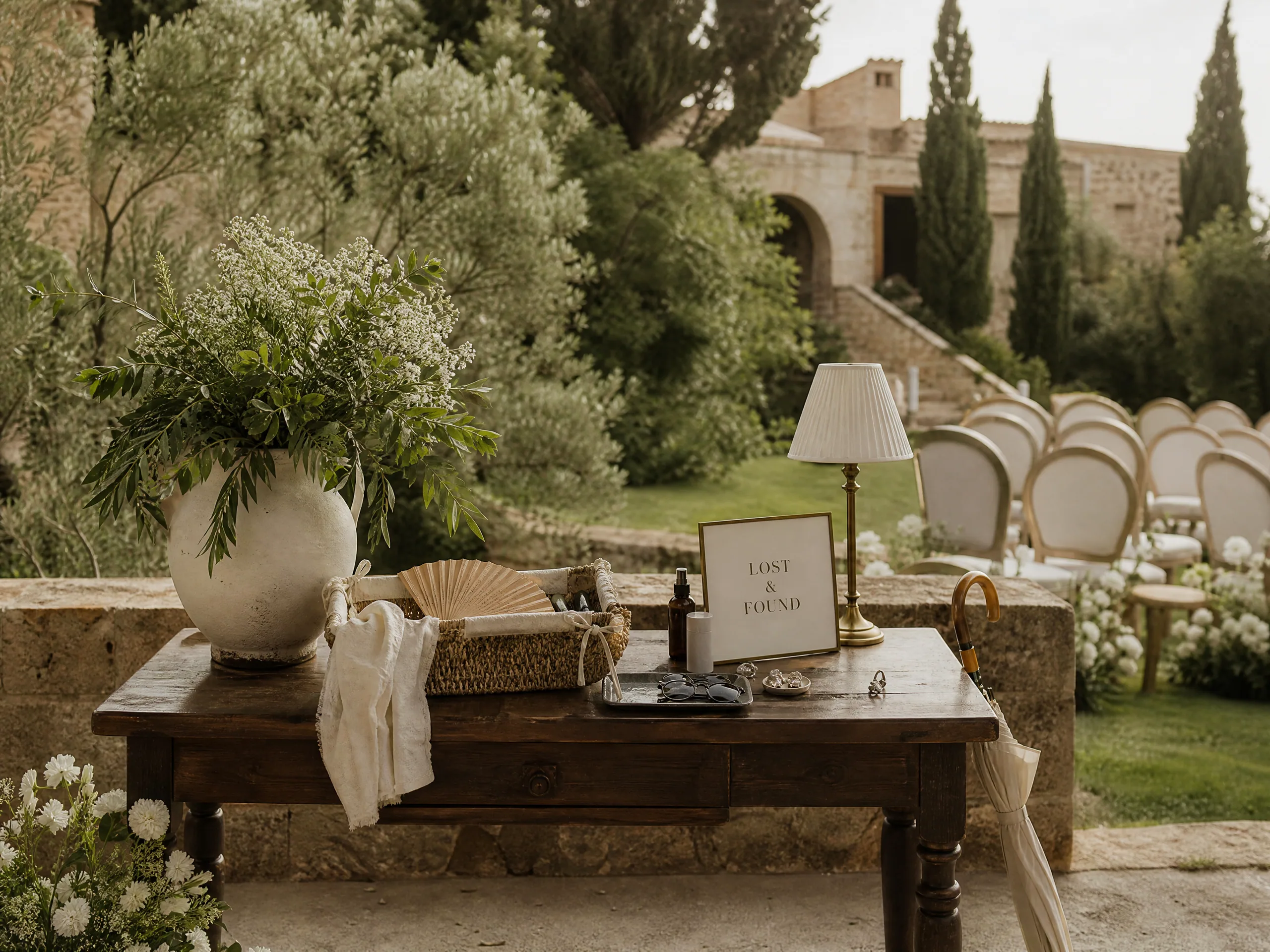
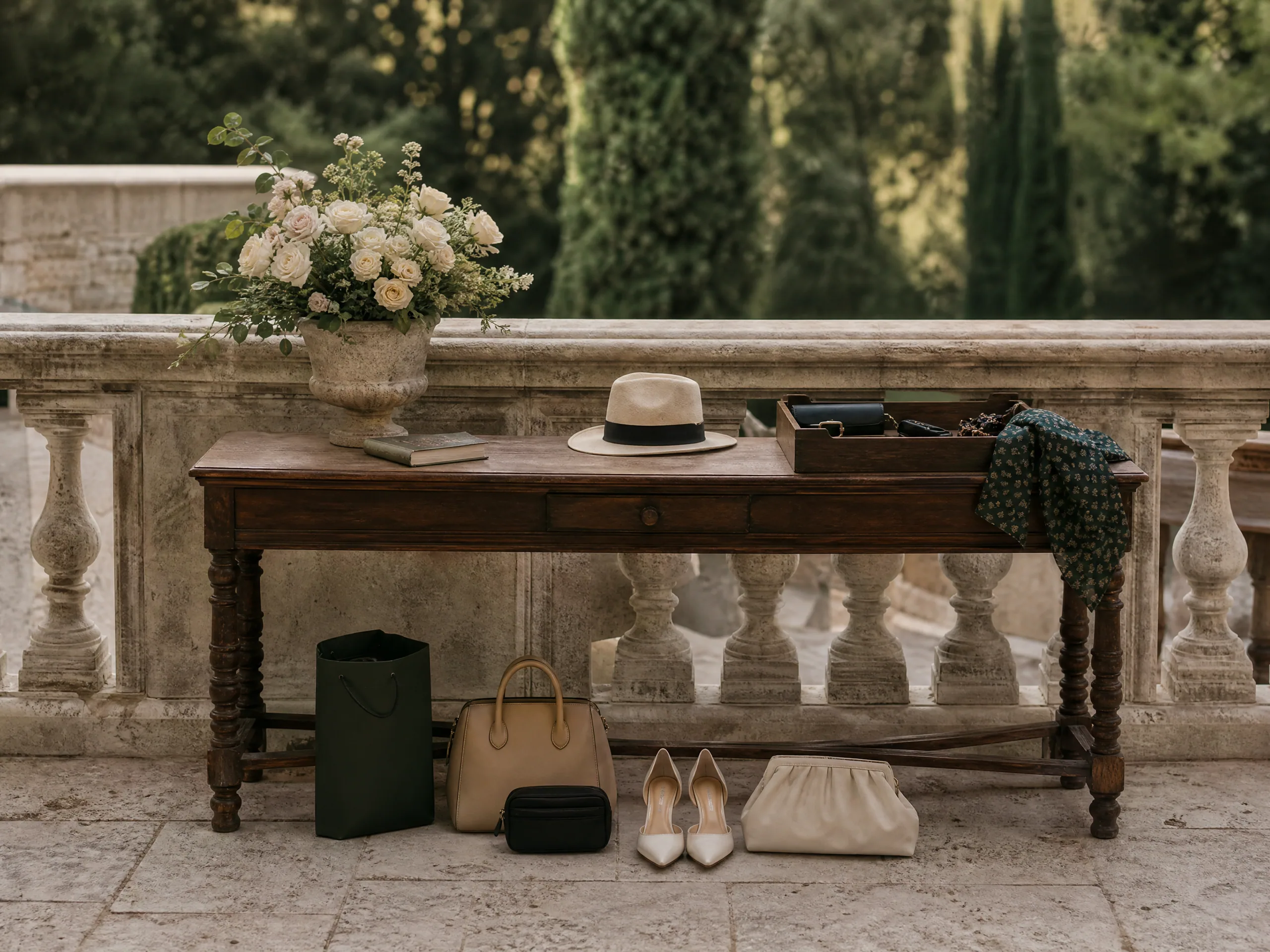
Choose one labeled collection point that is easy to describe in English and Spanish—usually near the welcome desk, production office, or a secured side room off the courtyard. Use a clear bin or labeled tote, a log sheet (paper or shared note), and a sealed zip bag supply for small valuables. Post a short sign: “Lost & Found / Objetos perdidos” with a WhatsApp number or email that will remain active for 72 hours after the wedding.
Keep the station staffed or locked. An open basket in a busy corridor invites further loss. Valuables (phones, wallets, jewelry, passports, keys, prescription meds, hearing aids) should move immediately into a locked bag held by the planner, venue manager, or hotel front desk—not stay in a public crate.

Run timed sweeps, not hope-based cleanup
Hope is not a logistics plan. Schedule short sweeps into the run of show:
- After ceremony transition to cocktails
- During dinner when guests are seated
- Right after the cake/dessert moment or first dances
- At the end of dancing, before vendors start full strike
- Morning-after villa/hotel common-area check before check-out rush
Give sweepers a flashlight, gloves, and a checklist. Coach drivers should do a seat-pocket pass at every drop-off. Housekeeping teams at room-block hotels should know who to call if they find wedding-related items with no room number attached.
Log items so returns are fast and private
Every recovered item needs four fields: what it is, where it was found, when it was found, and who is holding it. Add a fifth when possible: likely owner clues (hotel key sleeve, name tag, unique phone case, child’s jacket size). Photograph non-sensitive items for the shared team channel so people can identify without rummaging.
Never post guest passport pages, medication labels, or wallet contents in a large WhatsApp group. Share only with the planner lead and, when appropriate, the hotel front desk. For phones, use lock-screen emergency contact if available; otherwise hold securely and announce generically: “Black iPhone found near the bar—message the lost-and-found number.”
Create a reclaim window guests will actually use
Announce reclaim timing twice: once in the welcome briefing or printed weekend card, and once near the end of the night via MC or WhatsApp. Ideal windows:
- Fifteen minutes before official end of dancing
- At late-night snack or coach boarding
- Sunday morning at a hotel lobby desk before airport transfers
If guests are spread across towns, nominate one hotel as the return hub for 24–48 hours. Rural fincas rarely want to store personal items after load-out; hotels and planners are better custodians.
Plan shipping and donation rules before anyone asks
Decide your policy in writing:
- How long you will hold non-valuable items (commonly 7–14 days)
- Whether the guest pays shipping and insurance for returns abroad
- Which items you will not ship (liquids, aerosols, perishables, large décor)
- What happens to unclaimed clothing and accessories (donate locally, with venue permission)
Have a local contact ready who can pack and drop at Correos or a courier. International shipping from Spain can take longer than guests expect, and customs forms matter for some goods. For high-value jewelry, recommend the guest involve their travel insurer and collect in person if still in-country.
Protect the couple’s first married days
The newlyweds should not become the lost-and-found help desk on their honeymoon morning. Assign one owner—day-of coordinator, lead planner, or trusted family friend not in the wedding party’s critical path—and put that person’s contact on guest materials. Route all “Has anyone seen…?” messages there.
Give the couple a one-line script for when someone DMs them anyway: “Message [Name] at [number]—they’re handling returns this weekend.” Then let the system work.
A practical checklist from ten days out to Monday
- 10 days out: Confirm venue, hotel, and coach lost-item contacts; buy labels, bags, and a lockable pouch.
- 3 days out: Print bilingual signs; create the log template; brief vendors on sweep times.
- Wedding day: Open the station before guest arrival; run the scheduled sweeps; secure valuables immediately.
- End of night: Final dance-floor and restroom pass; announce reclaim; move remaining items to the Sunday hub.
- Sunday–Monday: Hotel lobby reclaim window; photograph/log leftovers; ship only with clear ownership; close the loop with donors/hotels.
Handled well, lost-and-found feels invisible—guests simply get their jacket back before the airport road. Handled poorly, it becomes a week of stressed messages that outlast the celebration. Build the system once, brief the team, and let your Spanish wedding weekend end as elegantly as it began.