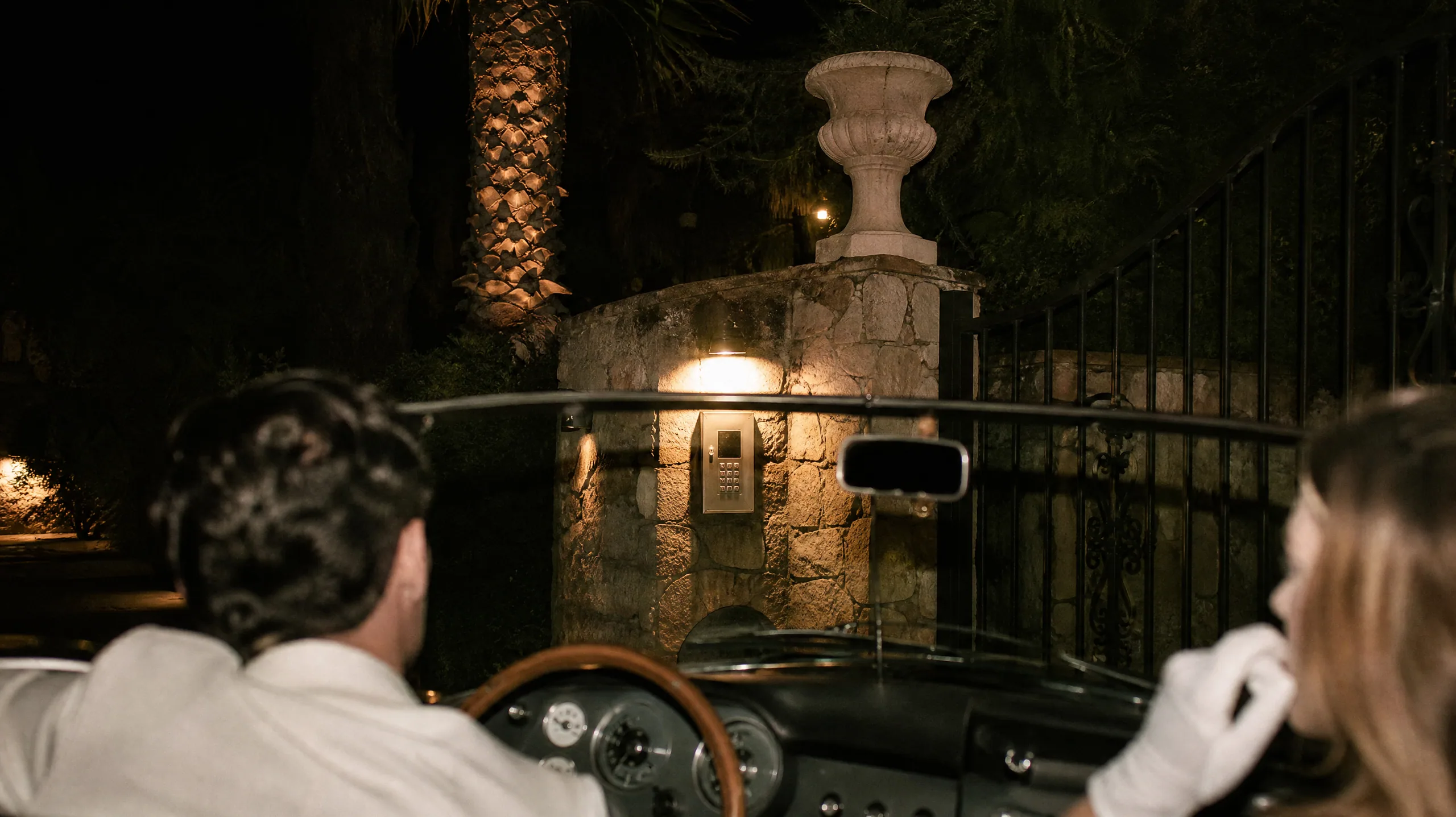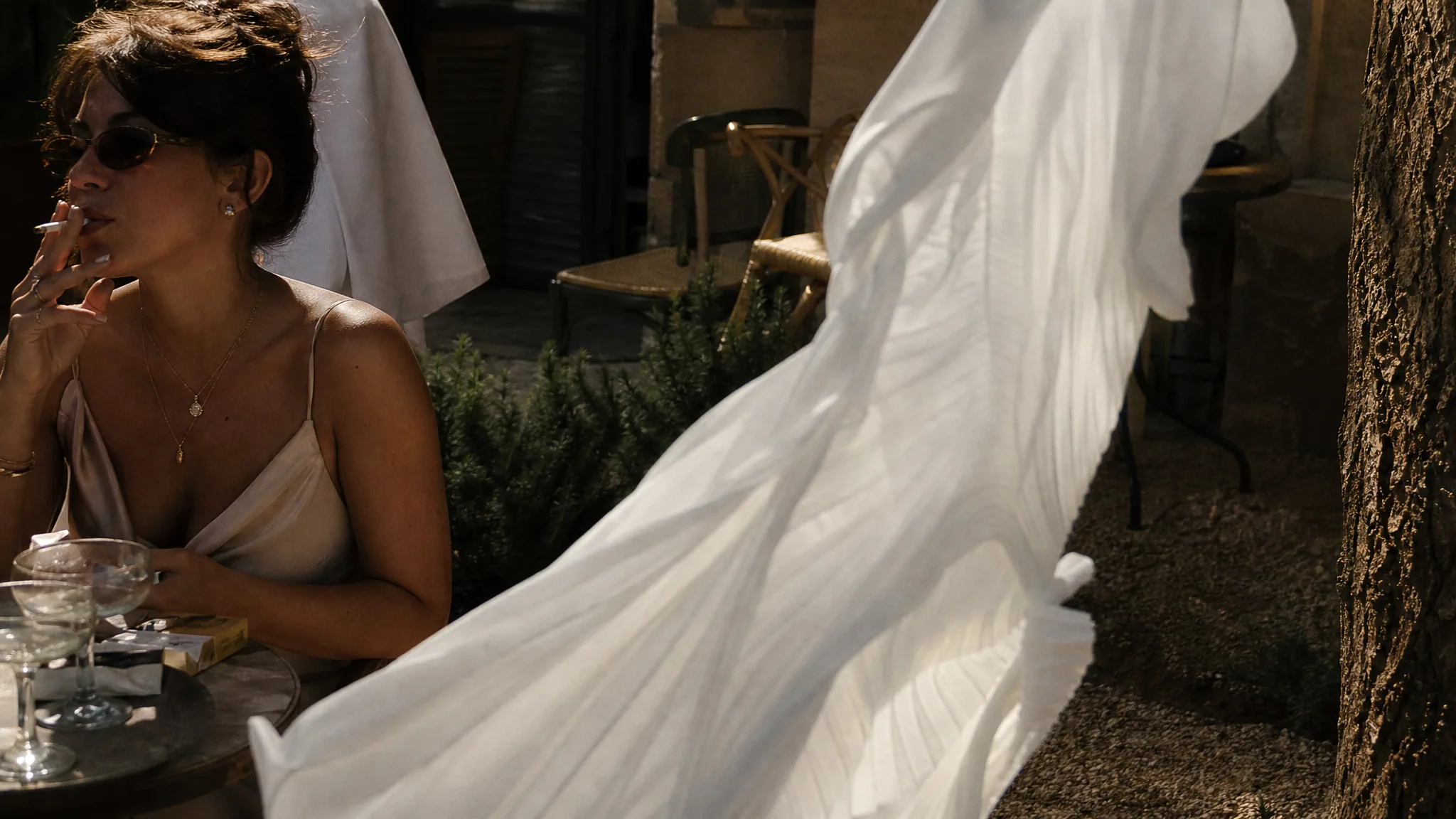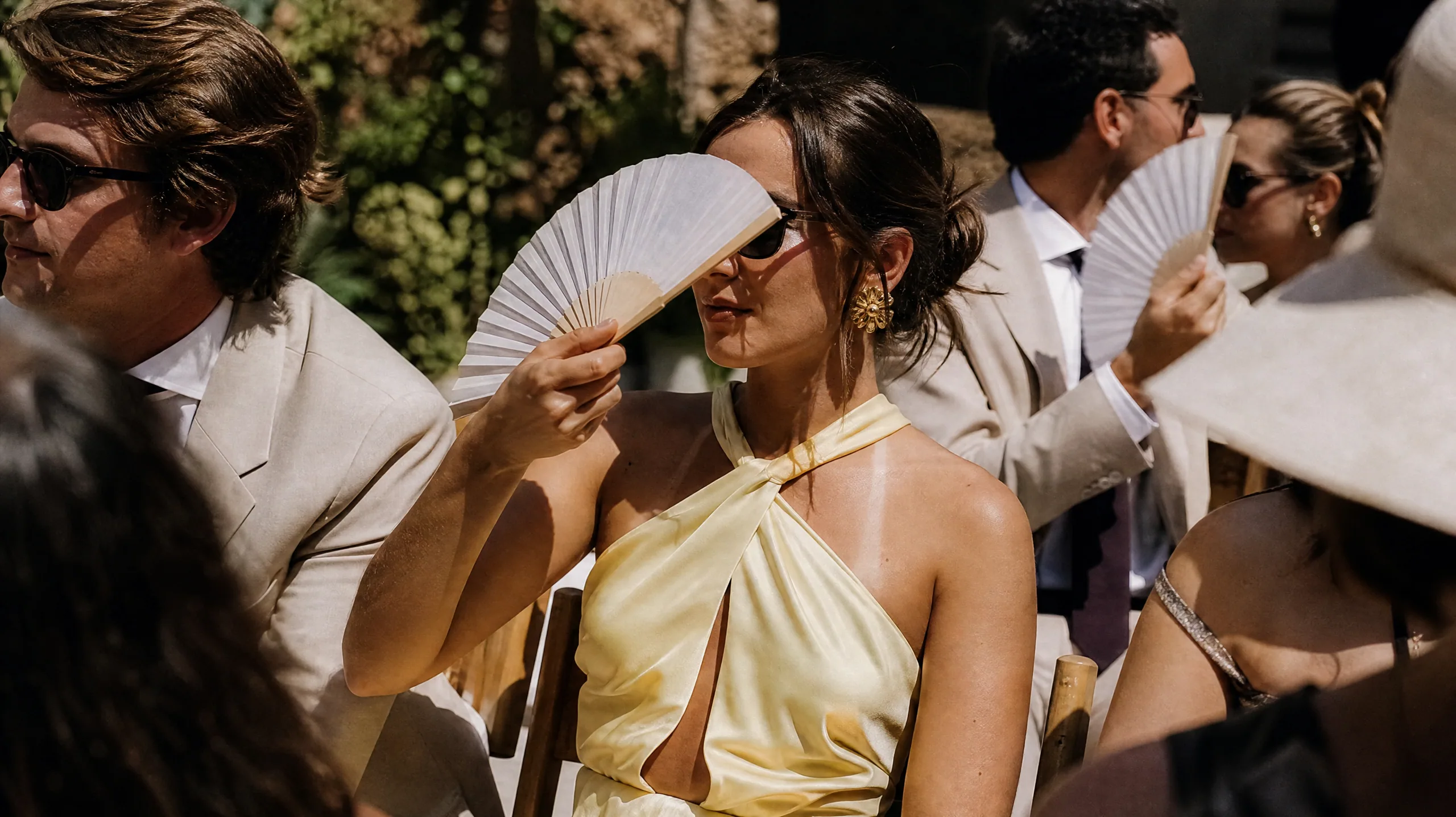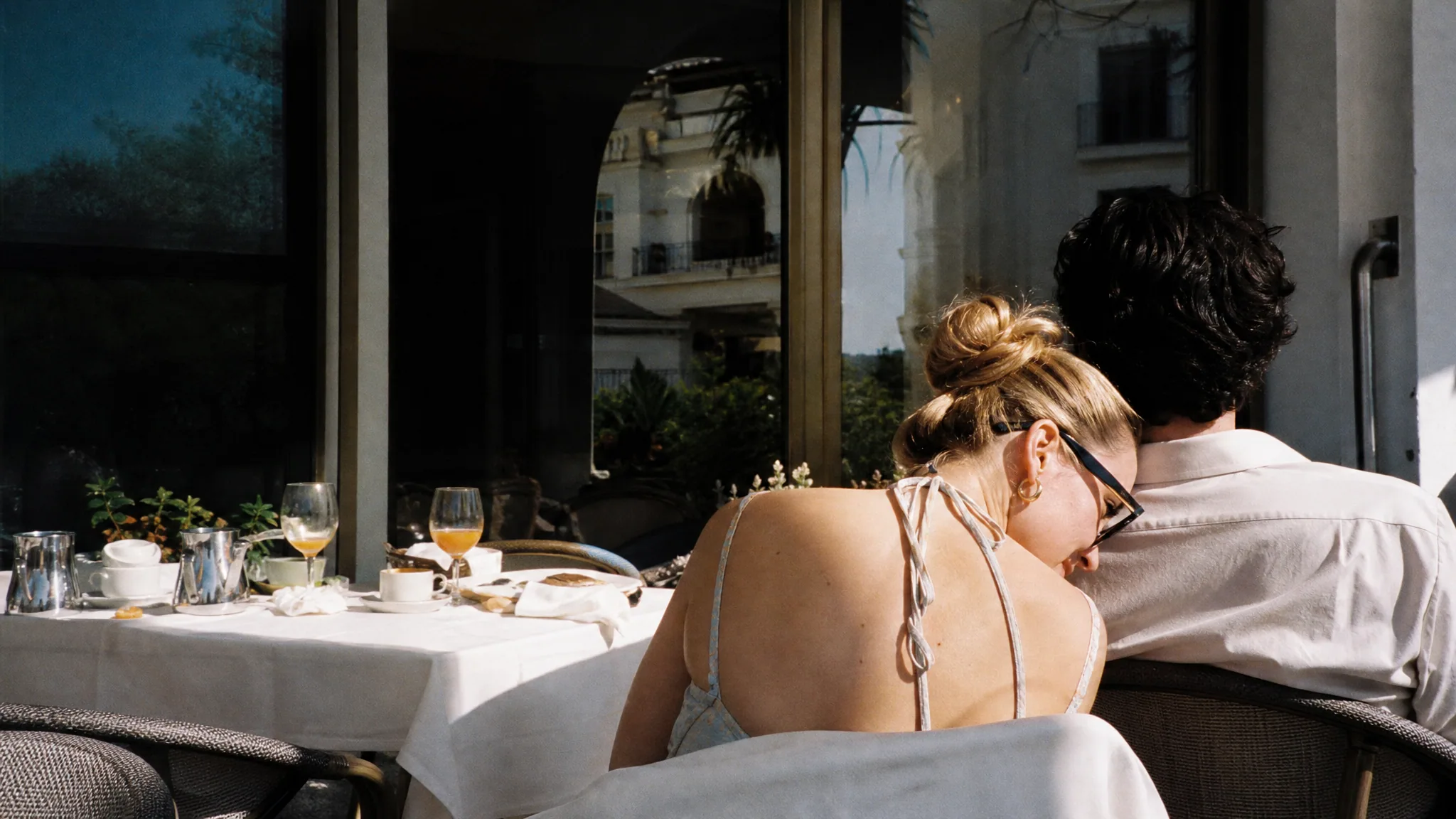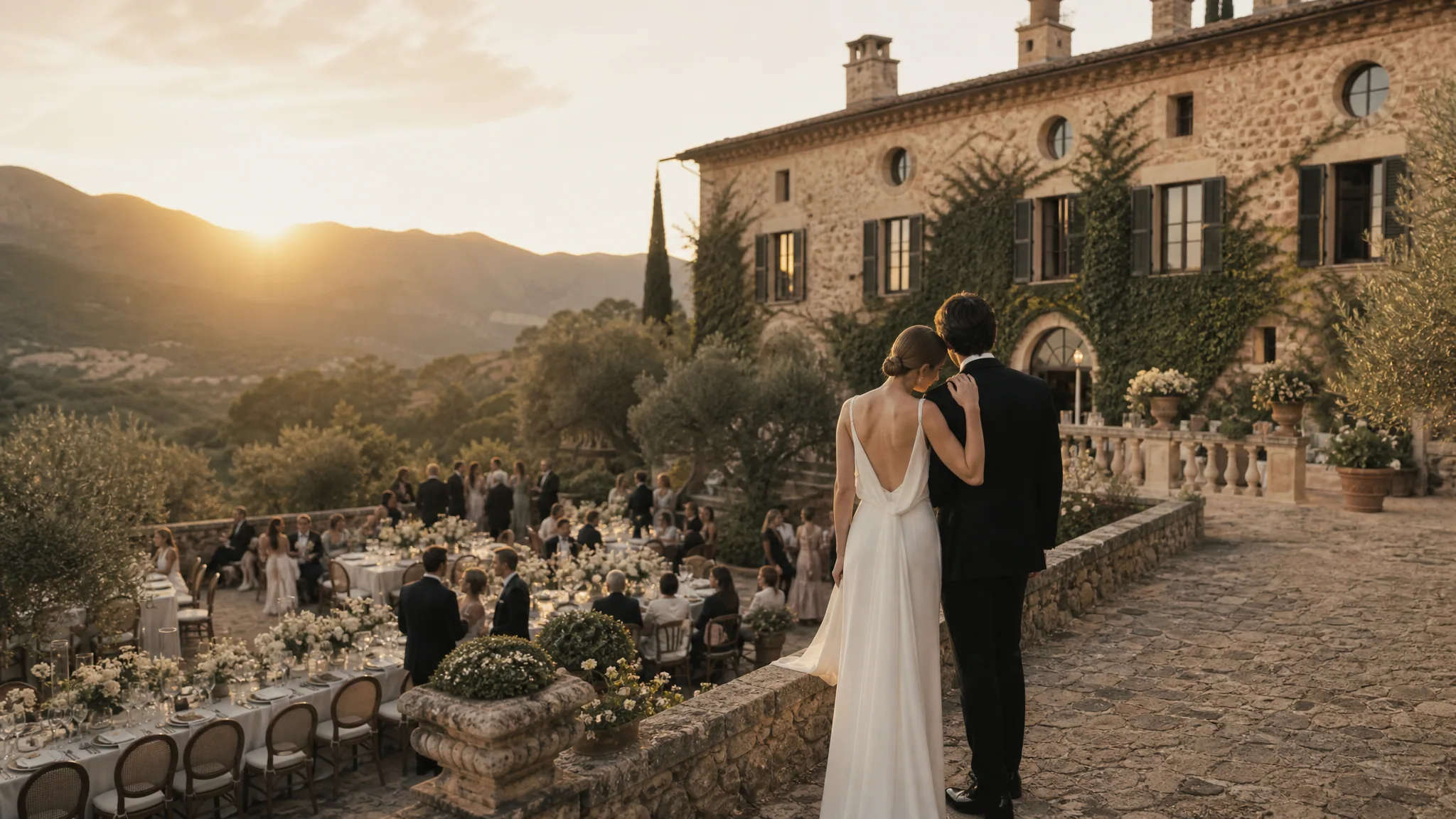
Spain’s wedding season is often imagined as endless summer light. In practice, many of the most cinematic destination weddings happen in spring and autumn—when gardens are soft, venues are more available, and golden hour arrives earlier. The trade-off is temperature. Coastal breezes, hilltop fincas, and stone courtyards that feel perfect at cocktail hour can turn sharp once the sun drops behind the olive trees.
For international couples planning from abroad, chill logistics are as important as shade plans in July. Guests who packed for “Mediterranean weather” may arrive with linen jackets and open-toe shoes, then spend the ceremony rubbing their arms. This guide covers how to warm an outdoor celebration without spoiling the atmosphere—or overloading a rural venue’s power and fire rules.
Why spring and autumn weddings feel colder than the forecast
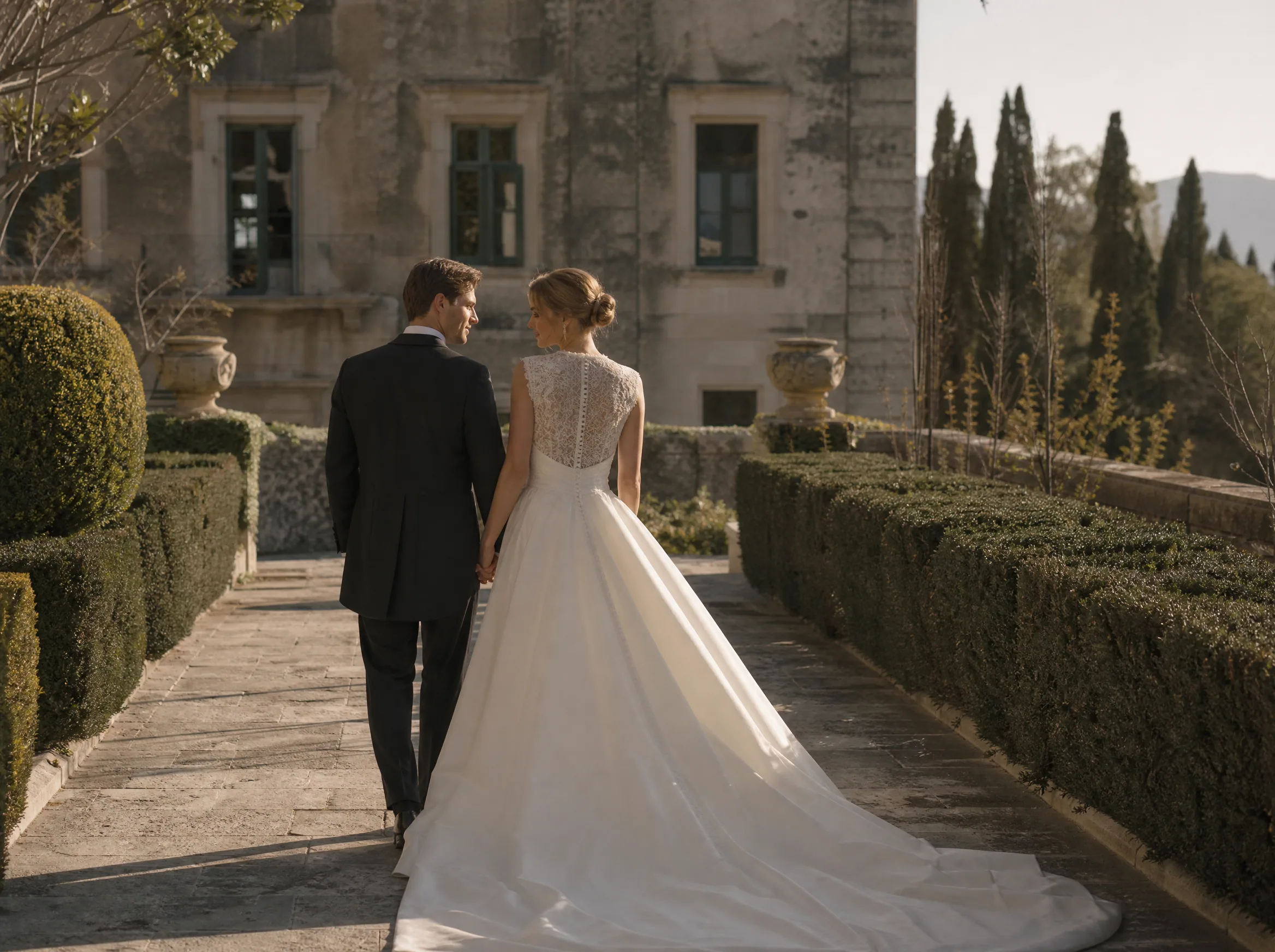
Forecast apps show daytime highs; wedding comfort is decided by shade, wind, humidity, and how long guests stay still. A seated ceremony on gravel or grass loses heat quickly. Stone terraces radiate warmth in August and cold in April. Mallorca and Costa Brava evenings often drop several degrees as soon as sea air moves inland. Add Spanish dinner timing—often after 9:00 p.m.—and guests may be outdoors for four to six hours after sunset.
International guests also misread dress codes. “Garden formal” in London or New York may mean light fabrics that fail on a breezy Catalan hill. Your heating plan should assume the forecast is optimistic and that half the guest list will underpack layers.
Map the cold zones before you rent a single heater
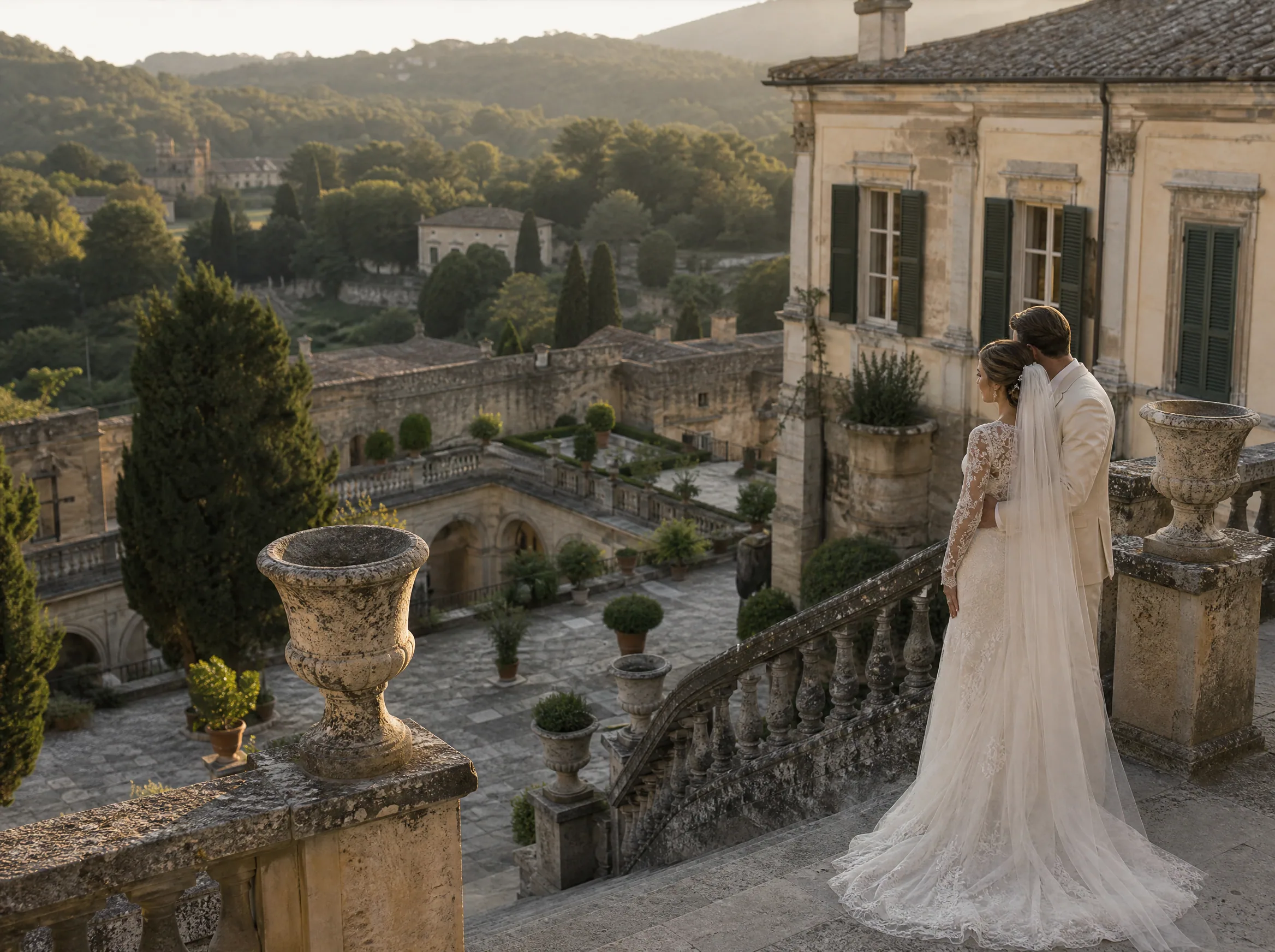
Walk the timeline with your planner or venue manager at the same clock times your ceremony and dinner will happen. Note where people sit still (ceremony chairs, dinner tables, speeches) versus where they move (cocktail gardens, dance floors). Cold zones are usually: open lawns, cliff edges, north-facing courtyards, and long tables without tent sides.
Also mark wind corridors between buildings. A beautiful aisle between two stone walls can become a wind tunnel after dusk. Heating without wind breaks wastes fuel and money; sometimes a sail, hedge, or partial tent wall solves more than three patio heaters.
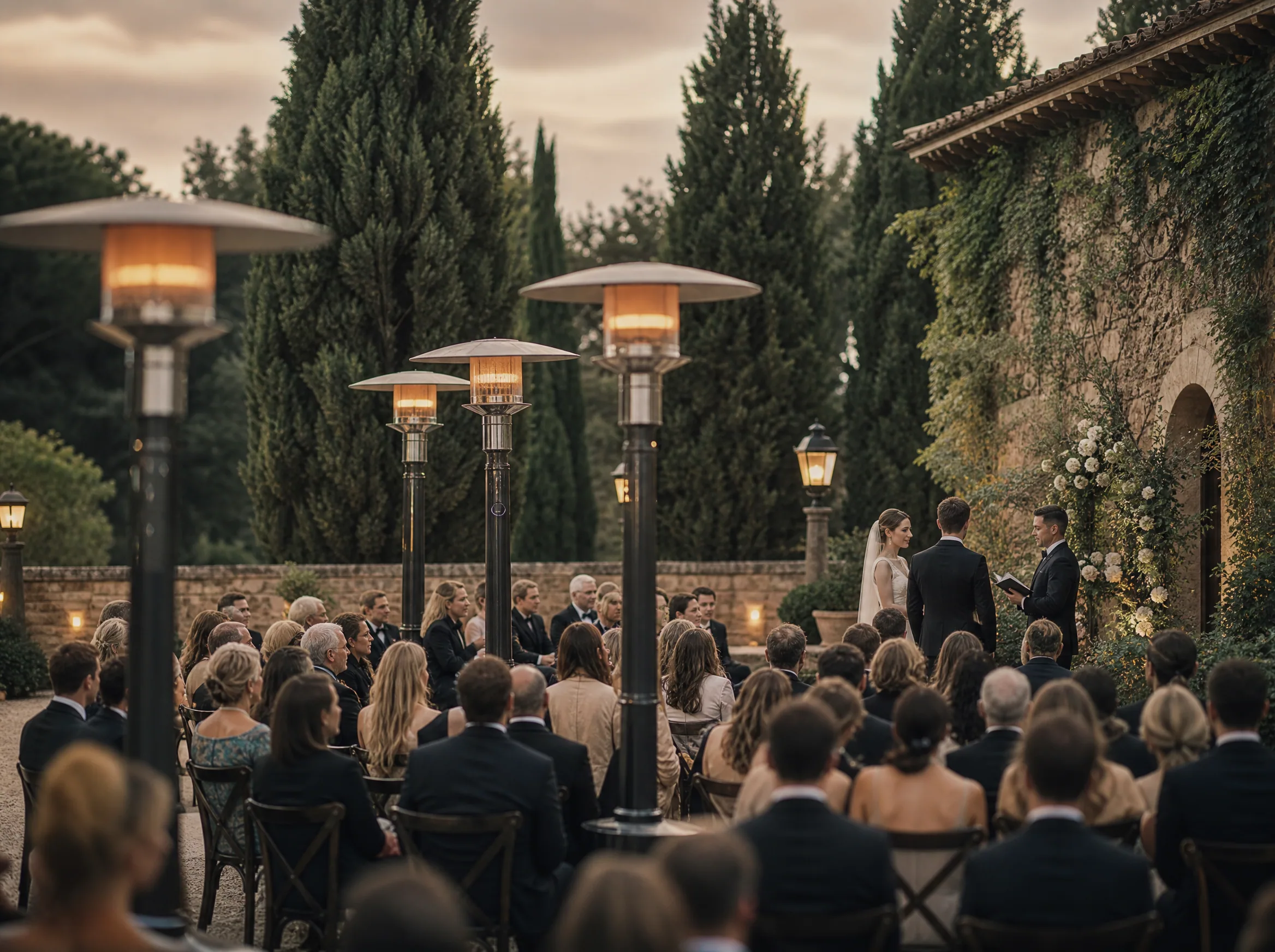
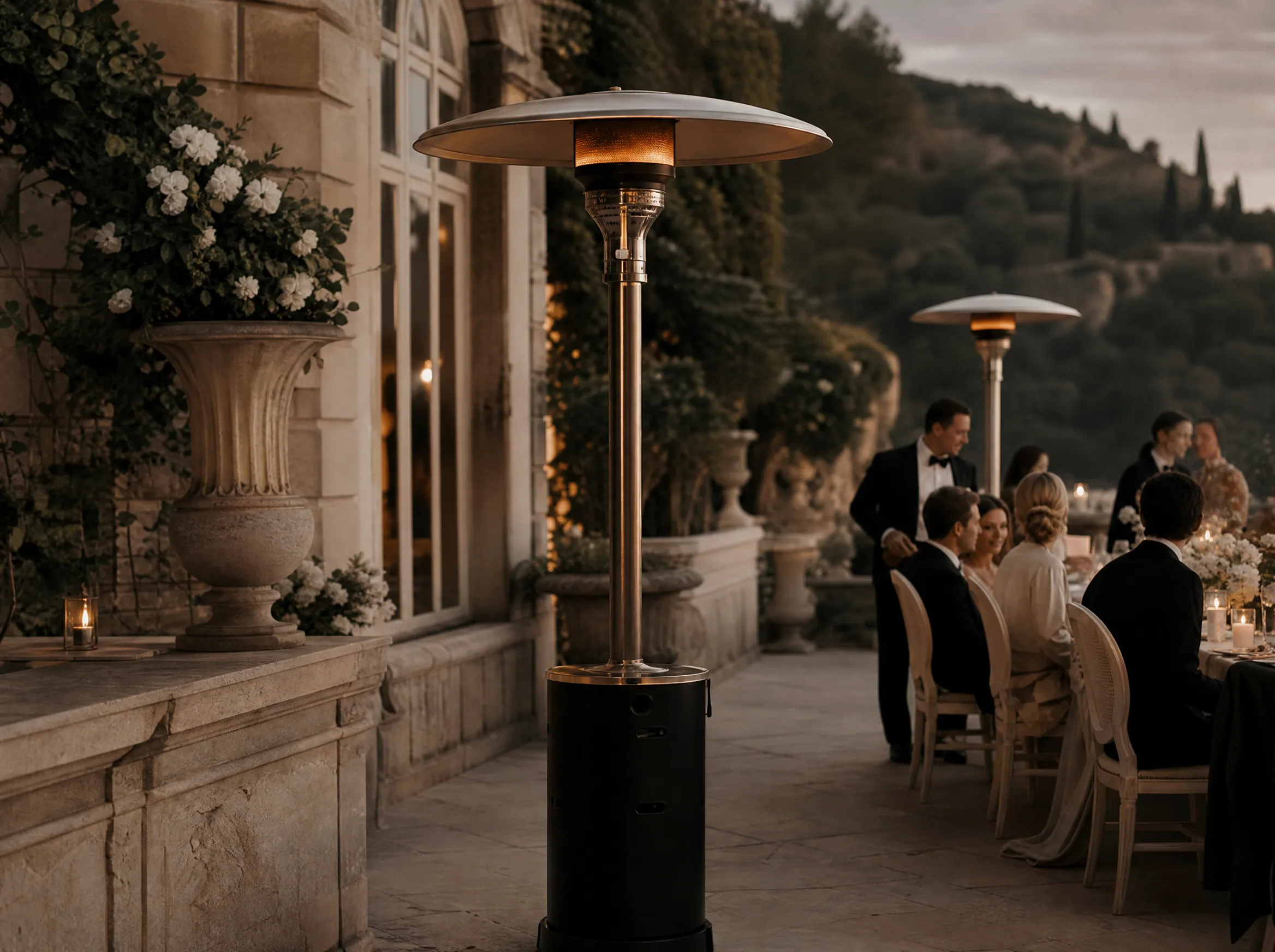
Patio heaters, mushroom heaters, and electric options
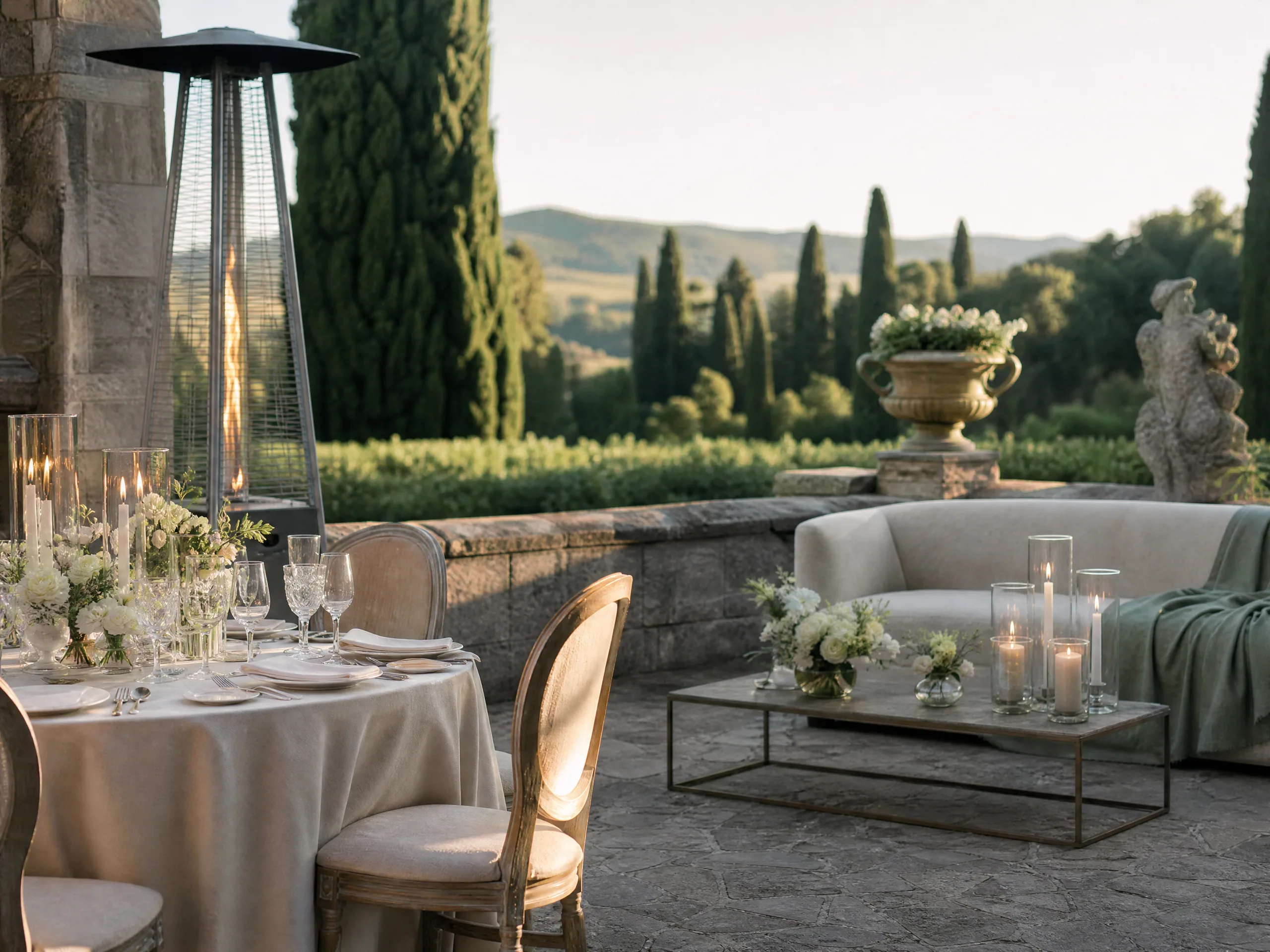
In Spain, venues commonly allow propane “mushroom” heaters, electric infrared heaters, or a mix. Confirm early: rural fincas may restrict open flame or gas bottles near dry vegetation, historic courtyards, or under olive trees. Ask who supplies heaters—venue inventory, rental house, or caterer—and who monitors flame and tip-over safety during the night.
Electric infrared feels cleaner under a marquee but needs real power. If your venue already runs lighting, DJ, and catering cold chain from a generator, add heater wattage to the load calculation rather than plugging extras into decorative outlets. Propane is more portable for scattered cocktail zones; electric is often better for covered dining.
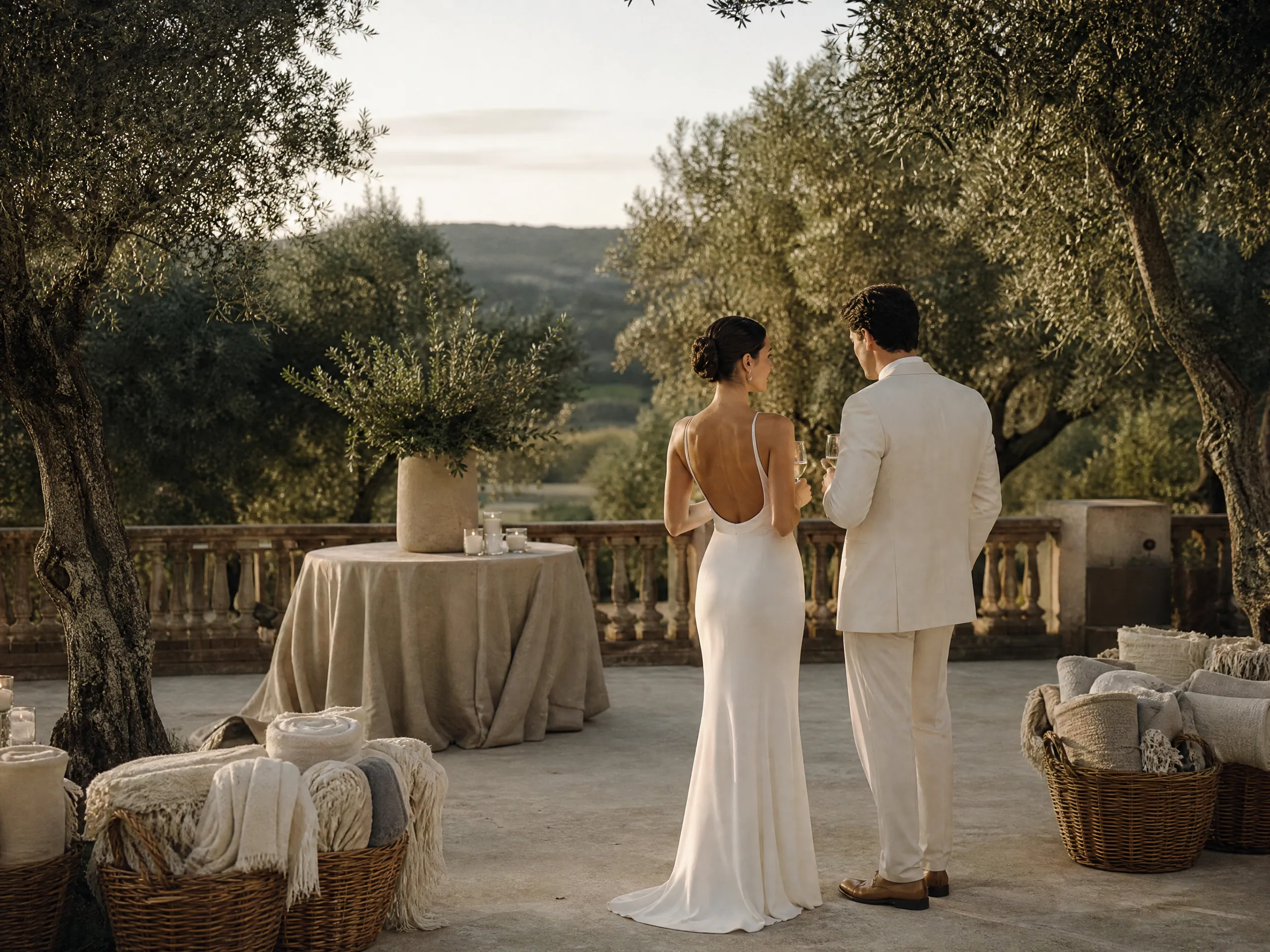
Blanket stations beat forced heater forests
A well-styled blanket station is quieter, prettier, and more guest-friendly than lining every aisle with industrial heaters. Use identical throws in your palette, stack them in labeled baskets near ceremony seating and again near dinner, and assign one team member to collect and reset them between events. Offer a few oversized wraps for elders and anyone in sleeveless attire.
Communicate the station in the weekend itinerary or welcome note so guests do not assume they must suffer politely. For destination crowds, permission to take a blanket is hospitality; silence looks like oversight.
Layered guest communication without sounding like a weather warning
Update the dress code with climate honesty: suggest a light jacket, shawl, or closed shoe option for evening. Mention terrain and temperature in the same sentence—“garden ceremony at golden hour; evenings cool quickly, so bring a layer.” Avoid alarming language; frame it as how Spanish outdoor weddings actually feel.
If many guests are flying in, put a short note in the welcome bag or hotel FAQ. Couples who already planned coat check can connect the two systems: wraps available during ceremony, then checked or draped on chair backs once dancing starts.
Ceremony timing, seating, and micro-comfort details
In cooler months, start ceremonies slightly earlier if your photography schedule allows, or keep vows concise so guests are not motionless in wind. Prefer chairs with backs; avoid metal seating that freezes hands. Consider aisle rugs or wooden platforms on damp grass—cold feet make the whole body feel colder.
For elders and guests with mobility needs, reserve seats near heaters or wind breaks, not only near the front for photos. A thoughtful seating chart is a comfort tool as much as a family-politics tool.
Dinner, lounge corners, and the long Spanish night
Spanish wedding dinners run late. Plan warmth for speeches and first courses, then reassess once dancing begins—bodies and dance floors generate heat that ceremony seating never will. Lounge corners with low heaters become the social refuge for jet-lagged guests who want conversation without standing in wind.
If you move from ceremony lawn to courtyard dinner, relocate portable heaters during cocktail hour rather than buying double inventory. Build ten minutes into the vendor timeline for that reset; do not assume it happens magically between photo groups.
Fire rules, insurance, and generator realism
Confirm with the venue what is insured and permitted: open flames, gas bottles, heater clearance from draping, and overnight storage of propane. Some municipalities and private estates have stricter autumn fire awareness after dry summers. Put approvals in writing.
Power-wise, ask for a single load sheet that includes lighting, sound, catering, and heating. Rural venues that “usually manage” in summer can fail when heaters join the circuit. If the answer is vague, hire a production electrician for the day—cheaper than a blackout during vows.
A simple chill-logistics checklist for couples abroad
Two months out: confirm seasonal temperature norms for your exact venue altitude and coast exposure; decide heater supplier and fuel type; align dress-code language. One month out: order matching blankets; place elders and underdressed-risk guests near warm zones; verify generator capacity. Wedding week: walk cold zones at dusk; test heater placement away from drapes and trees; brief the coordinator on blanket reset and propane monitoring. Wedding night: deploy heaters before guests sit, not after the first complaint; keep a spare blanket basket by restrooms and the welcome desk.
Outdoor spring and autumn weddings in Spain can feel more intimate than high summer precisely because the air sharpens and the light softens. With deliberate heating, wind planning, and guest communication, that chill becomes atmosphere—not a logistics failure your guests remember more than the vows.