Multi-day destination weddings in Spain ask guests to move between hotels, estates, dinners, and transfer points—often without strong mobile signal. A clear pocket itinerary and printed timeline card set keeps everyone oriented: what time to be downstairs, where the bus leaves, dress notes for the evening, and who to message if plans shift.
Kudrya Studio treats guest paper logistics as hospitality, not clutter. When welcome bags include a durable one-page weekend map and a small card for the wedding day itself, international couples reduce WhatsApp chaos, late arrivals, and the quiet stress of not knowing what comes next.
Decide what belongs on paper vs digital
Use digital channels for updates that may change: weather pivots, bus delays, restaurant confirmations. Use print for the stable skeleton: ceremony call time, reception address, shuttle windows, and a single emergency contact. Guests who land with drained phones still need a physical path through the weekend.
Keep the printed set short. One weekend overview plus one wedding-day card is enough for most Spain celebrations. Extra booklets invite people to leave them in the hotel safe and never look again.
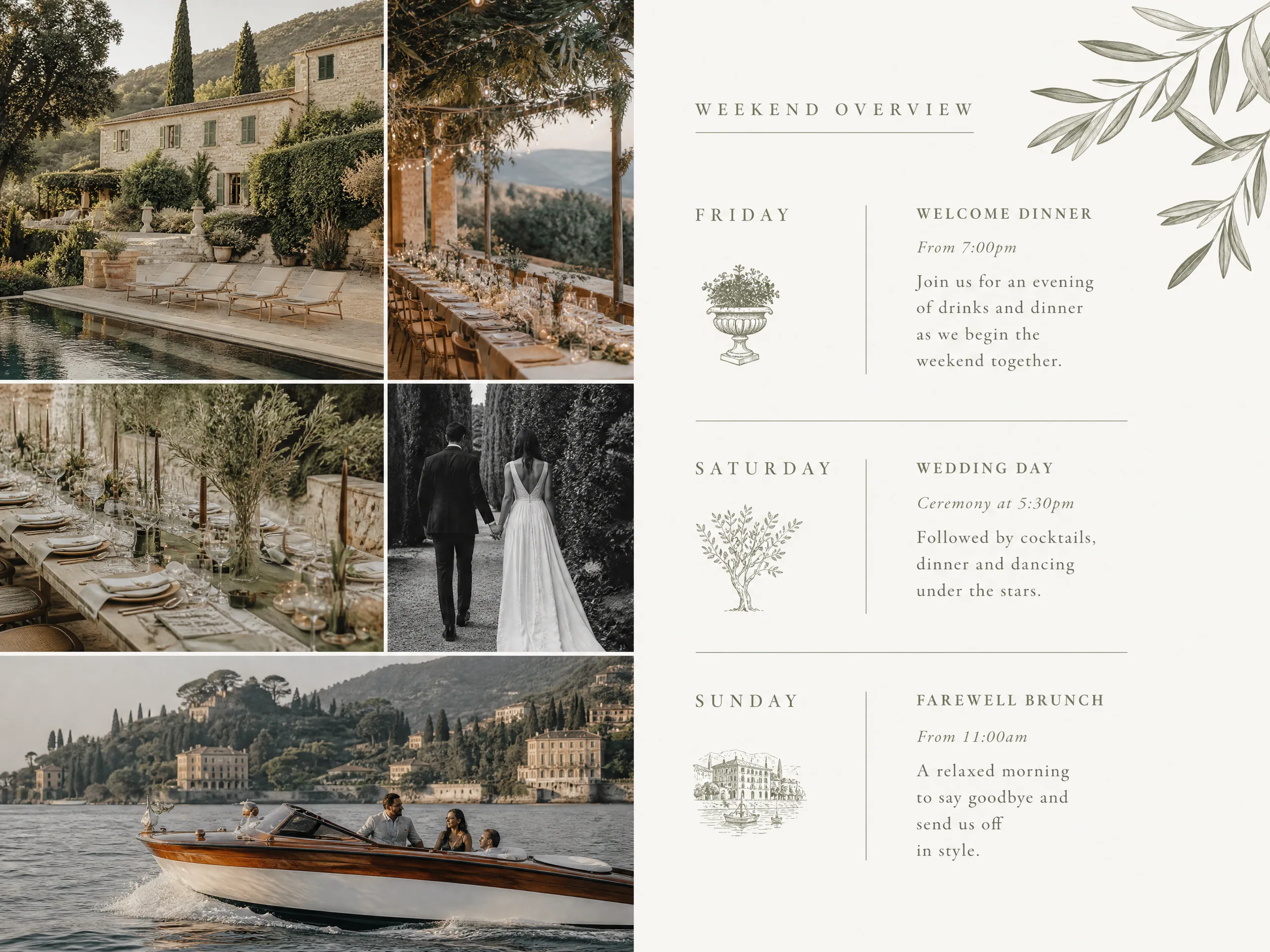
Design a one-page weekend overview guests will keep
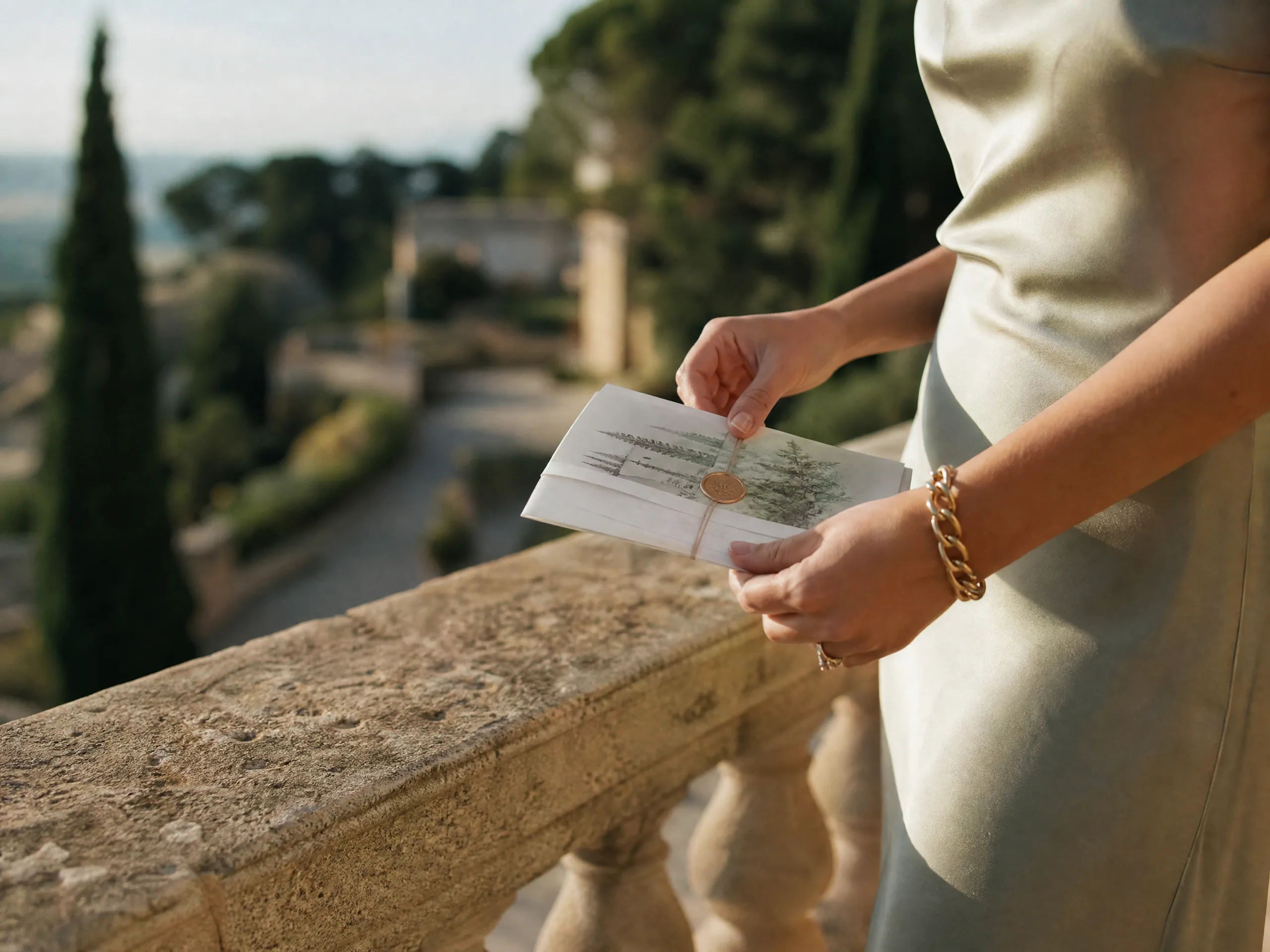
The overview should fit a folded A5 or sturdy postcard stock that survives a tote bag. List days in order with event names, start times, venues in plain language, and transfer notes. Add dress cues in one short line each—guests scanning in a lobby do not want paragraphs.
Include the couple’s names, wedding date, and a map pin or QR only if it still works offline as a backup address block. Rural Spanish venues benefit from the written village or estate name more than a link that fails on weak data.
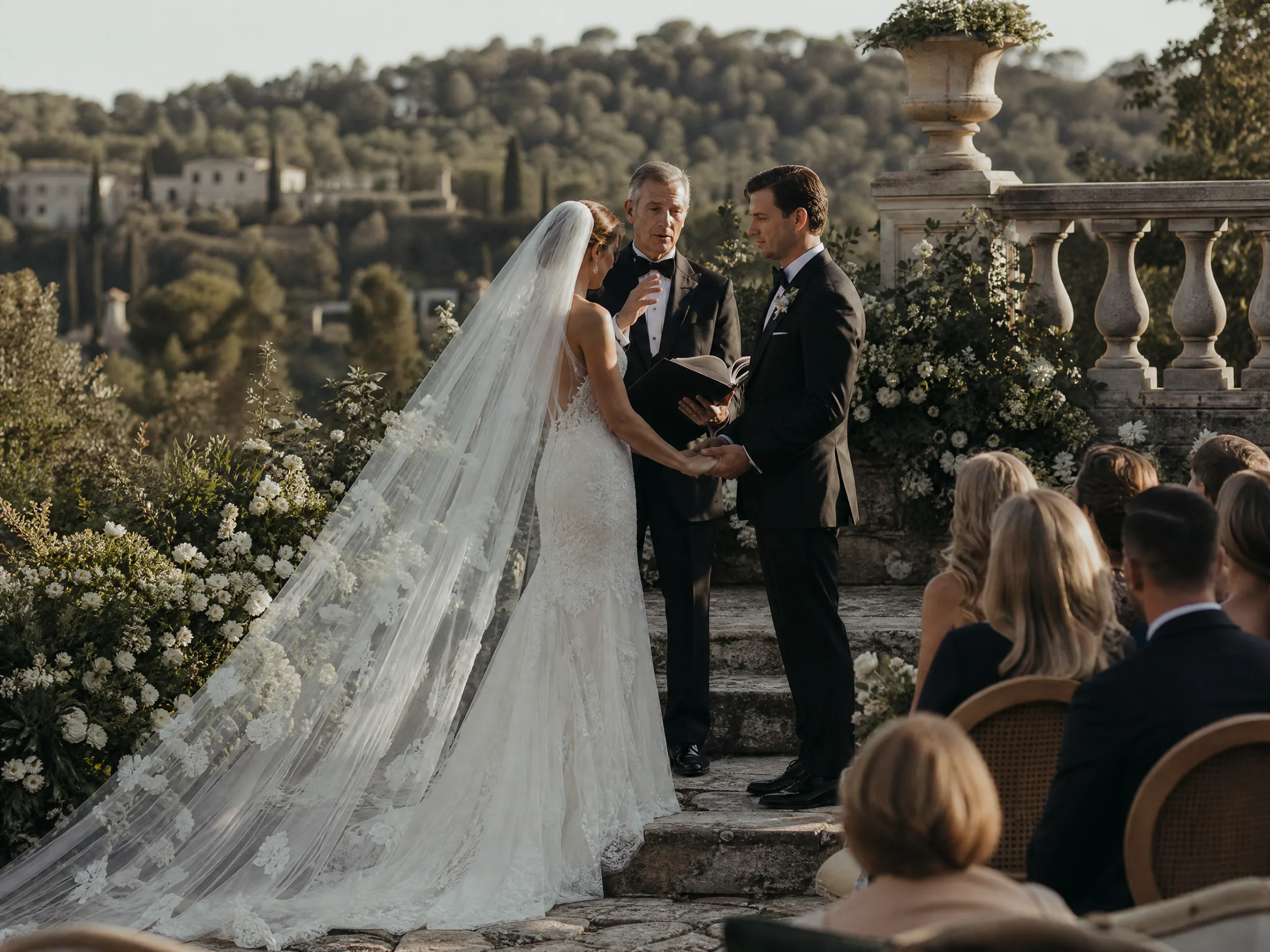
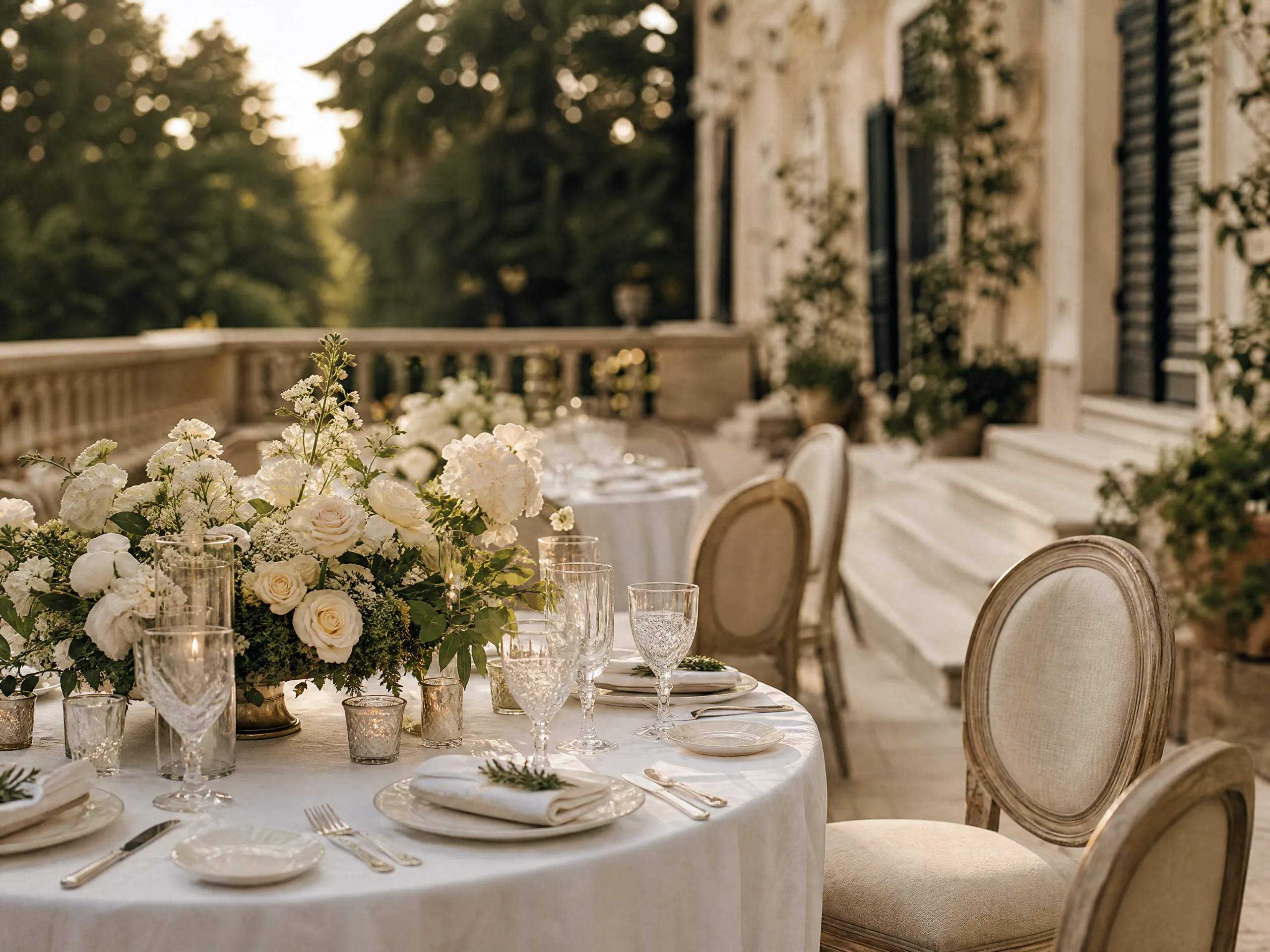
Build a wedding-day pocket card for the critical hours
The day-of card is narrower: ceremony arrival window, where to gather for shuttles, cocktail hour location if it differs, dinner seating cue, and the late-night return plan. Put the coordinator or welcome-desk number once, large enough to read without glasses in low light.
If guests split across hotels, print hotel-specific boarding lines (“Hotel X lobby · 15:45”) so people do not board the wrong coach. Color edges or small icons help fast sorting during load-in.

Match language and clarity for international groups
Bilingual cards help when Spanish-speaking family and traveling friends share the same weekend. Keep translations parallel, not poetic—times and place names must match exactly across languages. Avoid idioms that confuse non-native readers.
Write times in a single format guests already saw on the invitation, and note whether the schedule uses local Spain time. Jet-lagged arrivals often misread 24-hour clocks; a short legend (“18:30 = 6:30 pm”) prevents early or late show-ups.
Print locally with stock that survives heat and pockets
Spain summer weekends punish thin paper. Choose slightly heavier stock or a soft laminate so cards do not wilt in handbags or outdoor cocktail hours. Matte finishes photograph better and resist fingerprint glare near the dance floor.
Plan a local print window before guest arrivals—ideally after final vendor times lock. Build a small overrun for lost cards at the welcome desk. Kudrya Studio weekends often pair itinerary print with menus and place cards in one stationery run to save vendor trips.
Place cards where guests will actually find them
Put the weekend overview in welcome bags or on hotel pillows for the night guests arrive. Keep spare wedding-day cards at the welcome desk, coach boarding point, and with the coordinator. Do not rely on a single stack in a villa kitchen that half the group never enters.
For staggered arrivals, tell early guests where replacements live. A short line in the WhatsApp group—“extras at the welcome desk”—beats reprinting in a panic on Saturday morning.
Align print with transfers, hotels, and dress notes
Every time on the card should match the transfer spreadsheet and hotel briefing. If cocktail hour moves from garden to terrace, update print before bags are packed—or cover the change with a small sticker only when the shift is last-minute and unavoidable.
Dress lines should echo the invitation, not invent a new code. Guests already stressed about terrain and heat need consistency between save-the-date language and the pocket card in their clutch.
Plan a change protocol when weather or traffic shifts
Print cannot update itself. Decide in advance who posts the change, which channel is authoritative, and how the welcome desk verbally briefs late arrivals. Keep a simple script: what moved, new time, where to stand for the next shuttle.
For outdoor Spain ceremonies, pair the rain-plan message with a reminder that the pocket card times still apply unless the group chat says otherwise. Clarity beats clever redesigns mid-weekend.
Day-of checklist for couples and the coordinator
Confirm final times with venue and transport the morning cards go to print. Pack overview sheets into bags, wedding-day cards into a labeled envelope for hotel delivery, and a spare stack for the desk. Brief the driver or greeter on hotel-specific boarding lines printed on the cards.
After the ceremony, glance once: are guests still holding or asking for times? If questions spike, improve the next event’s verbal cue—not another reprint. A calm paper trail plus one live contact number is the logistics standard that keeps destination wedding weekends in Spain feeling intentional.