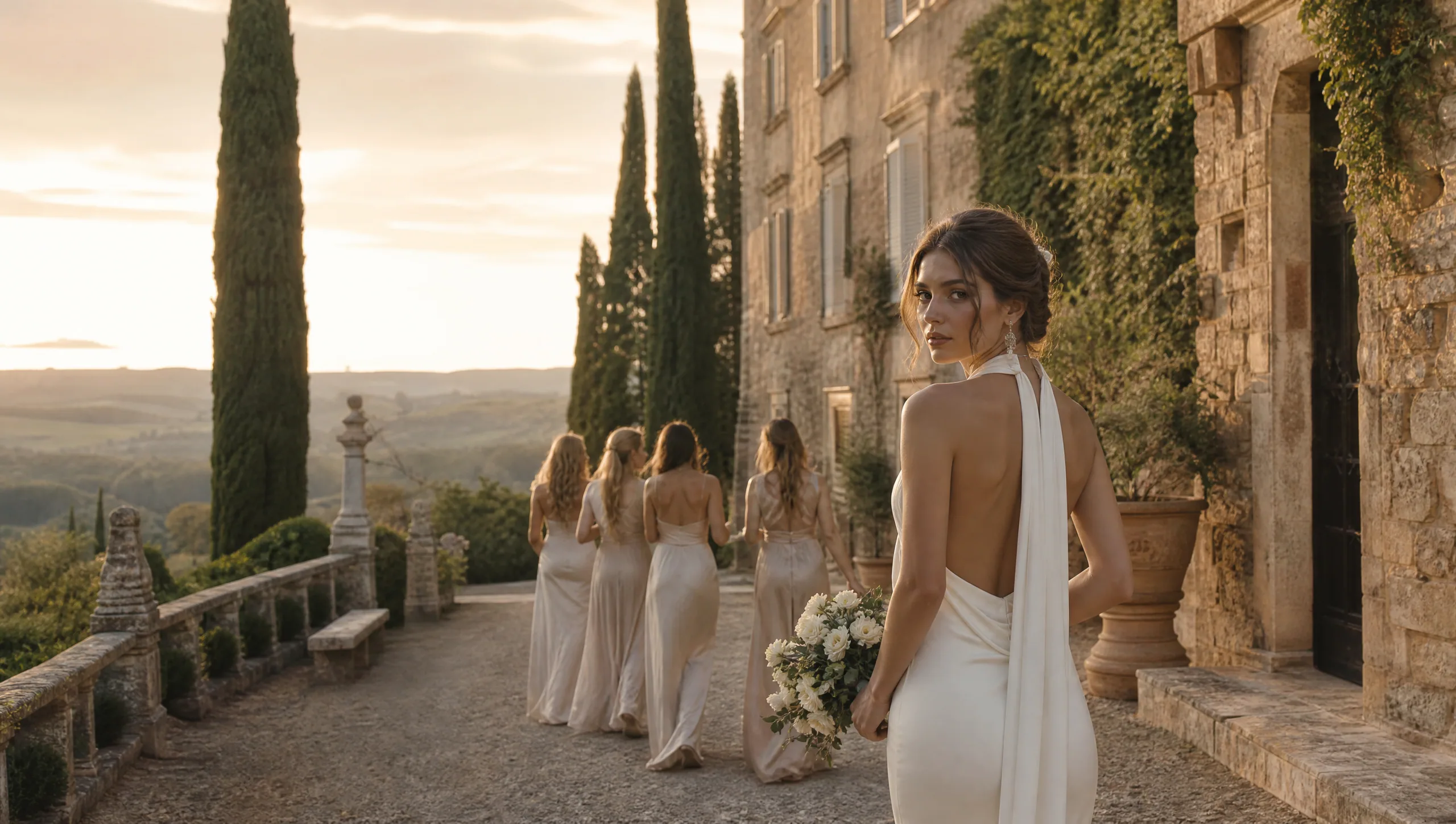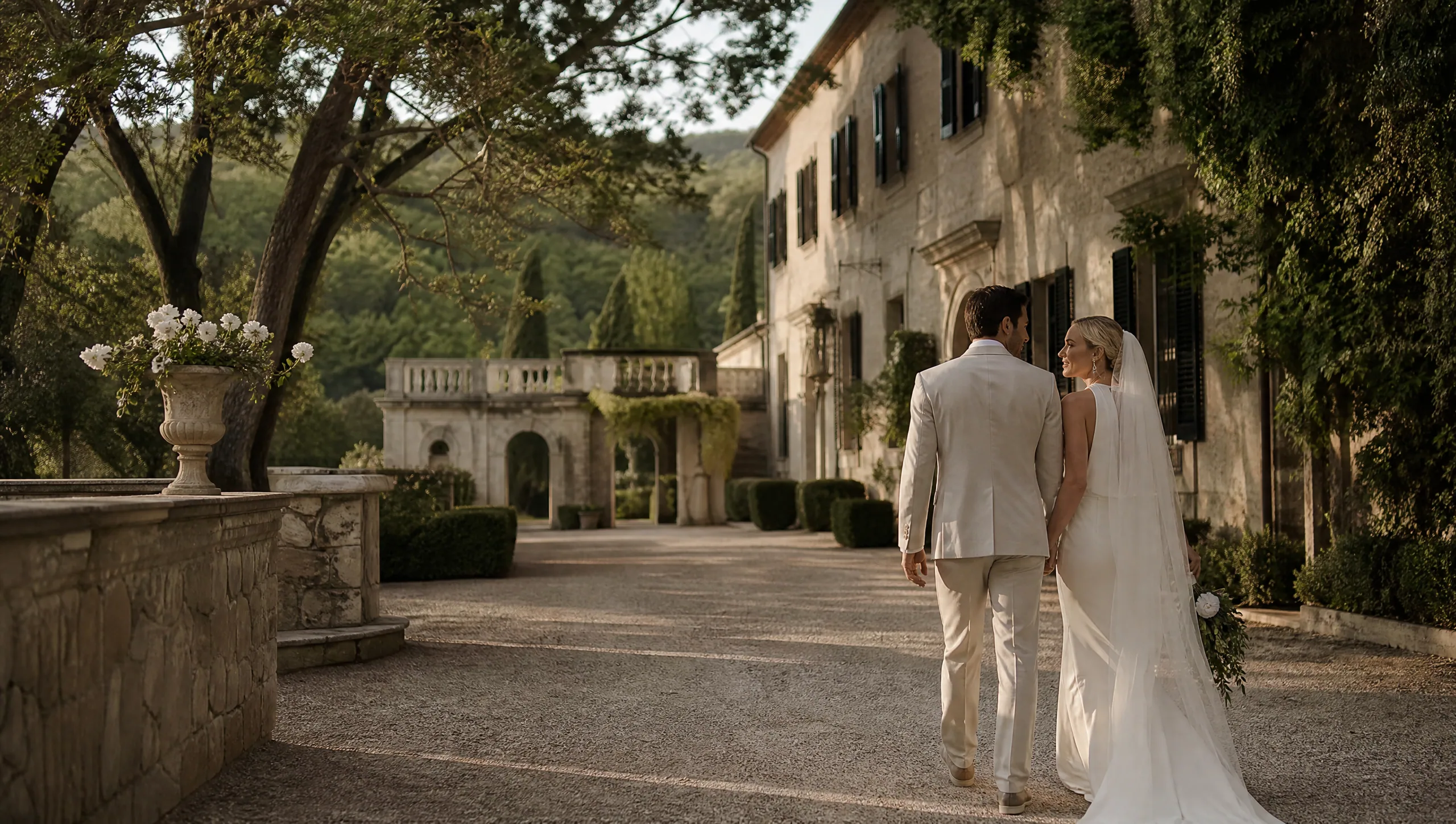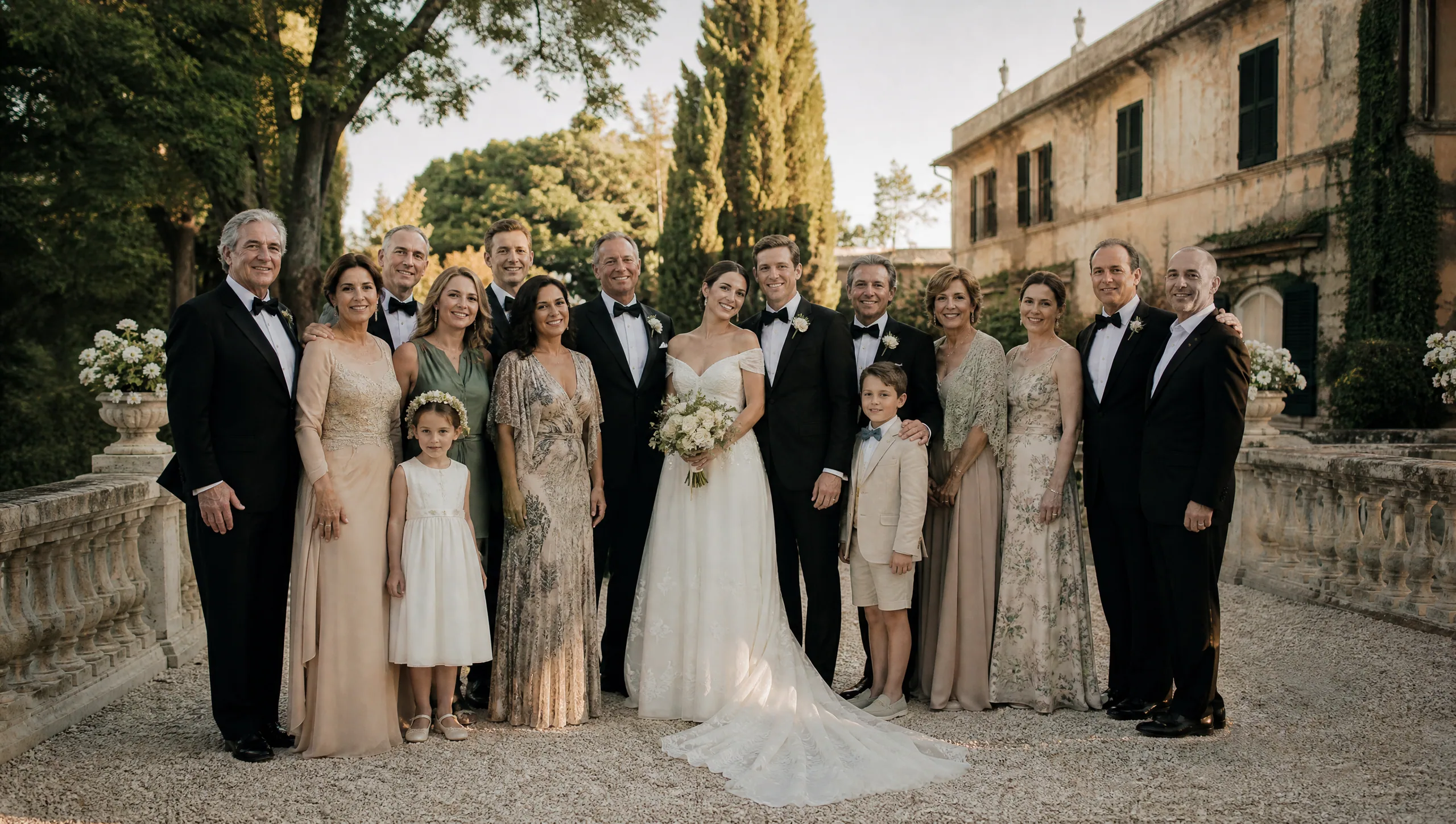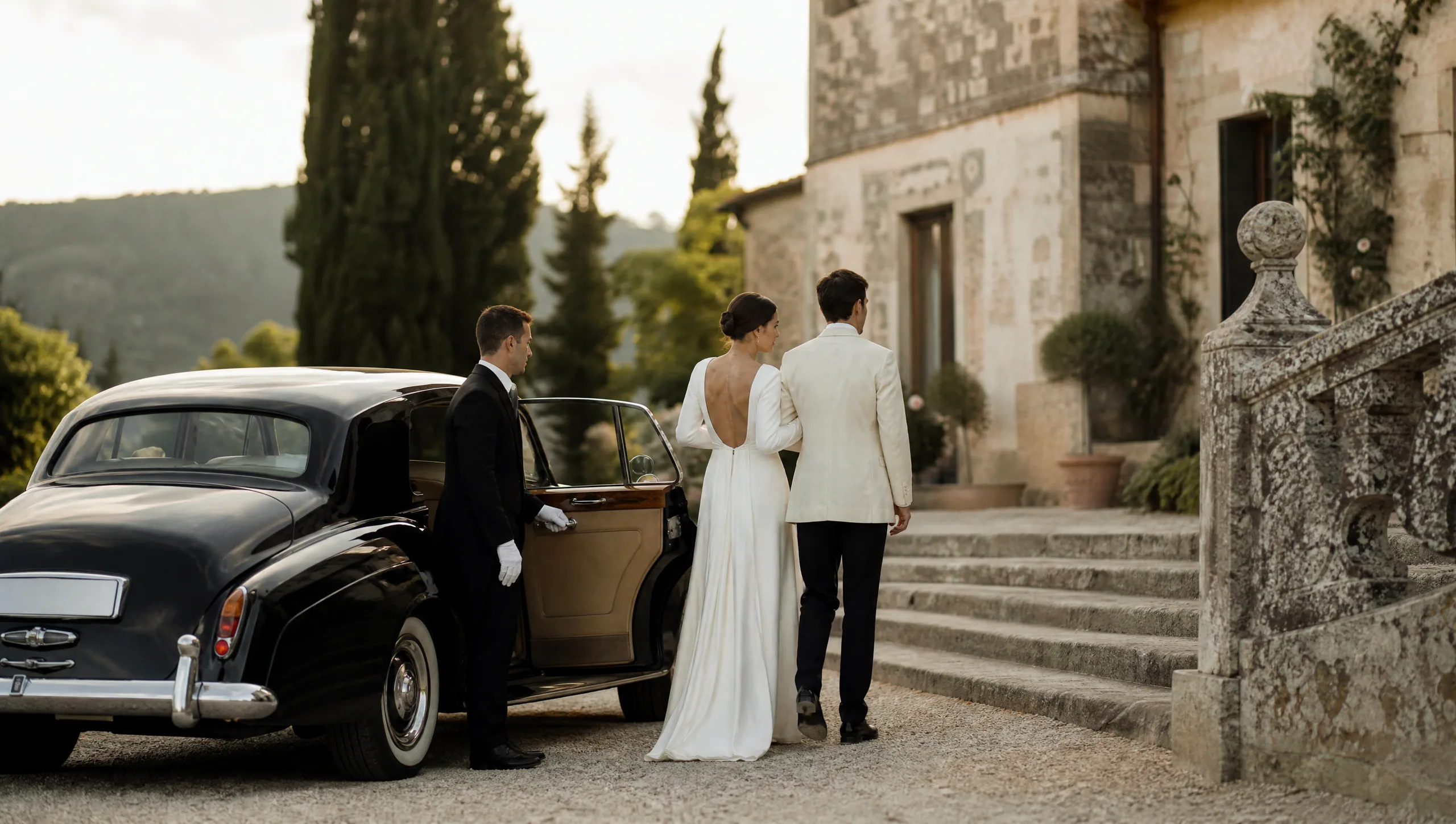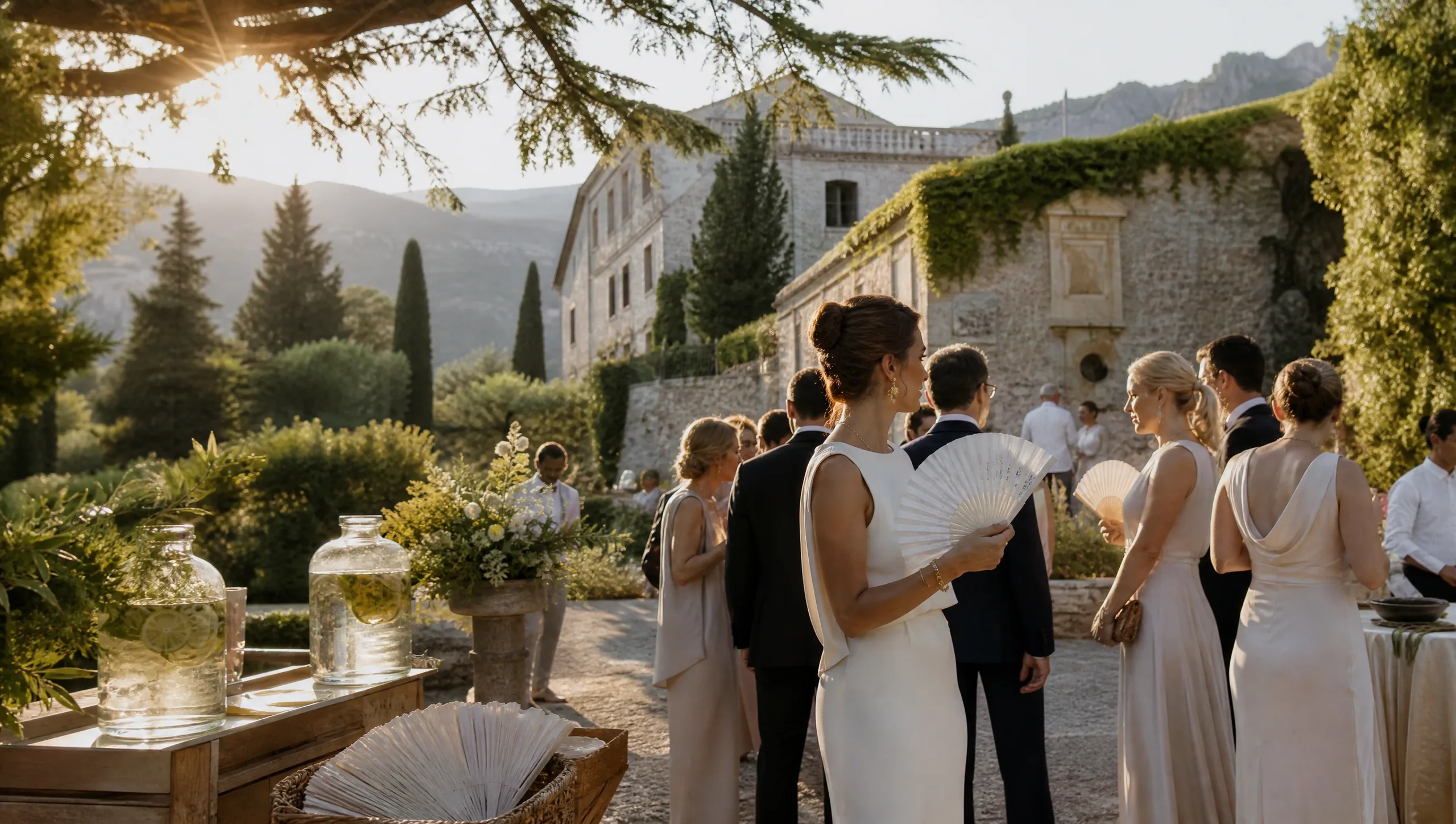
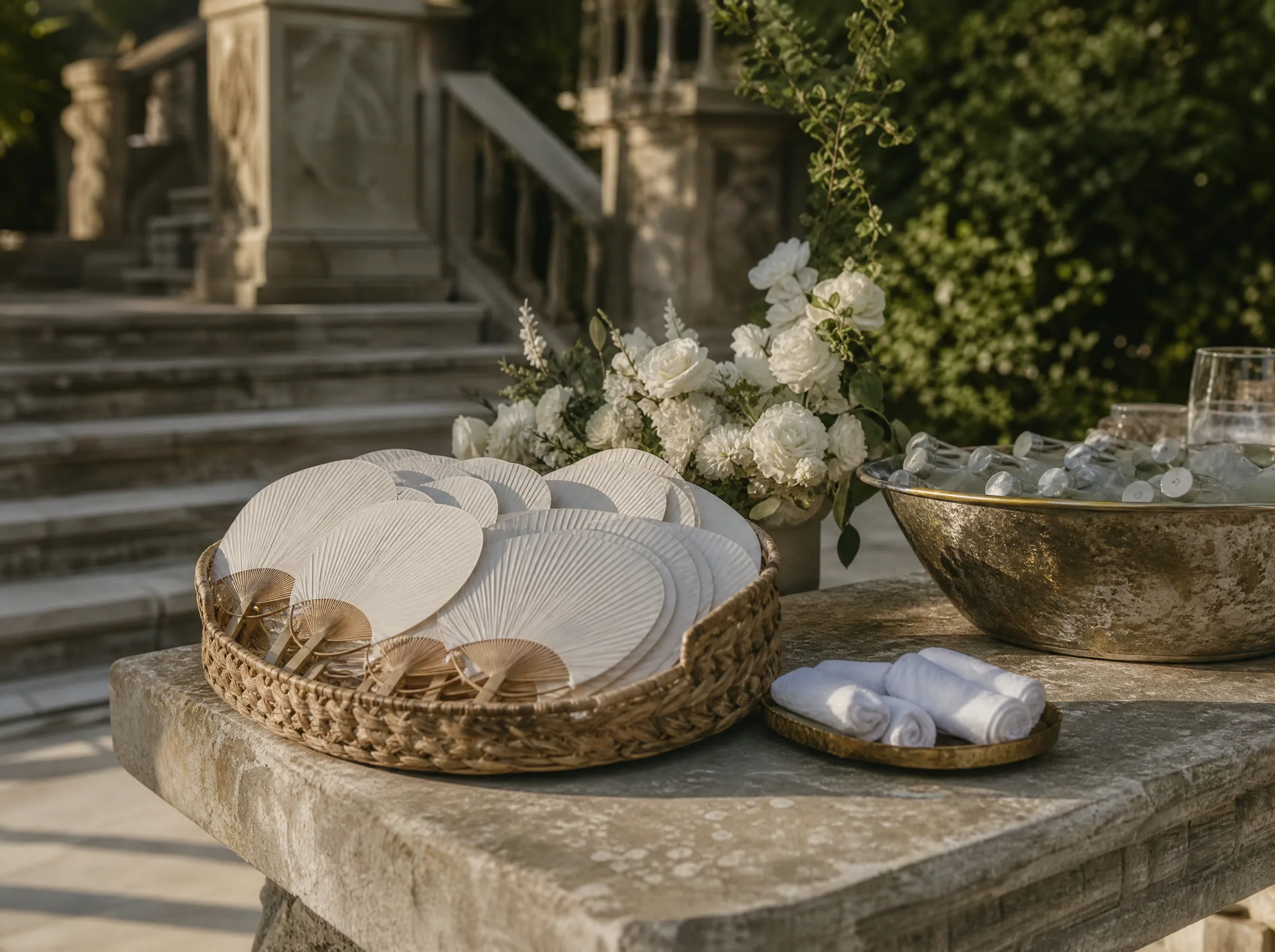
Summer destination weddings in Spain often mean outdoor vows under strong sun, stone courtyards that hold heat, and guests flying in from cooler climates. Hand fans and simple heat-relief stations are not decoration—they are guest-care logistics that protect comfort, photos, and ceremony pacing.
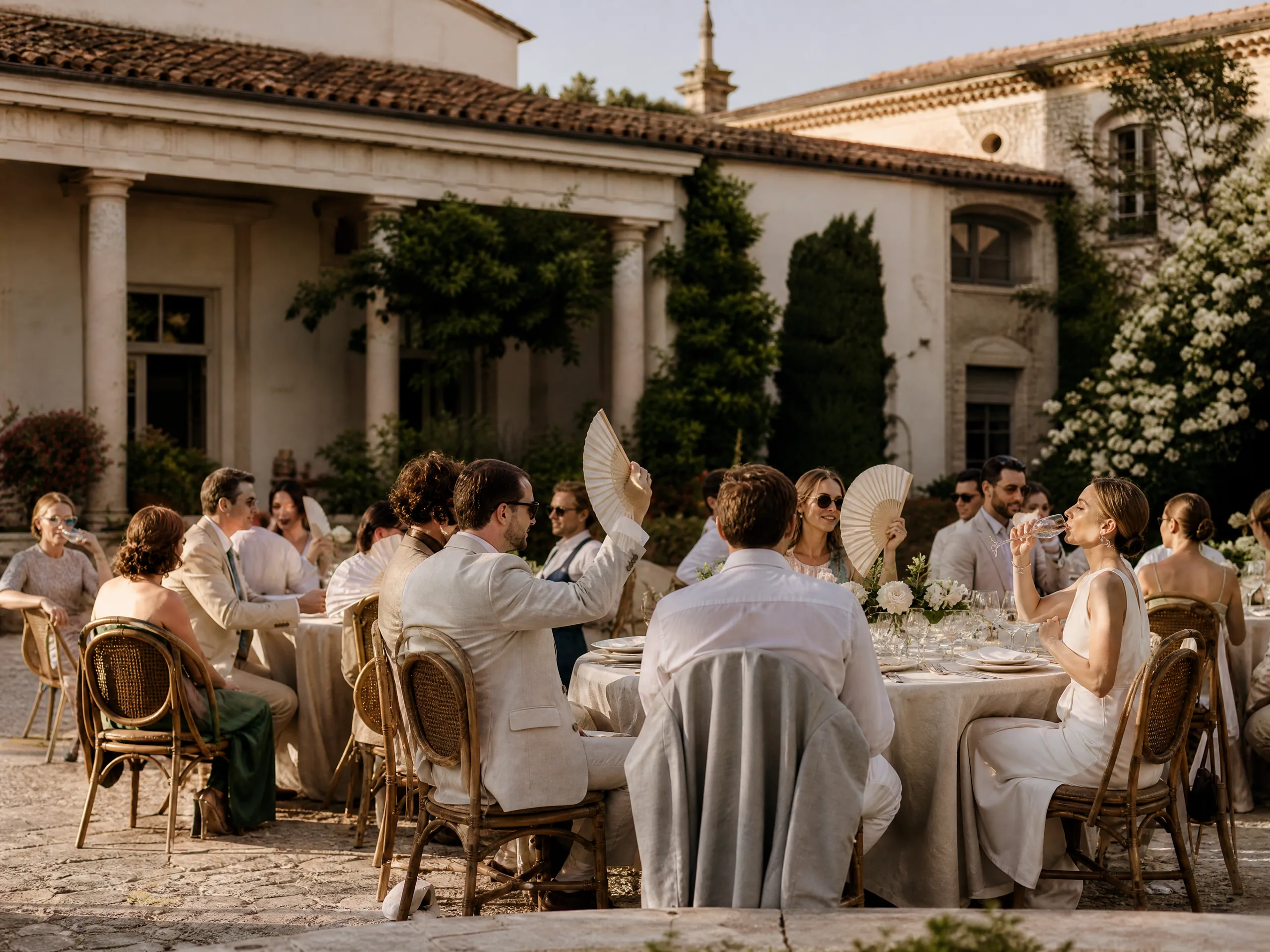
Why heat relief belongs in the guest plan, not the day-of scramble
International guests may underestimate Spanish summer intensity, especially at rural estates or coastal hilltops with little shade. A clear heat-relief plan—fans, water adjacency, short shade breaks—reduces fainting risk, restless seating, and the urge to leave mid-ceremony. Build it into the welcome note so guests know support is intentional, not improvised.
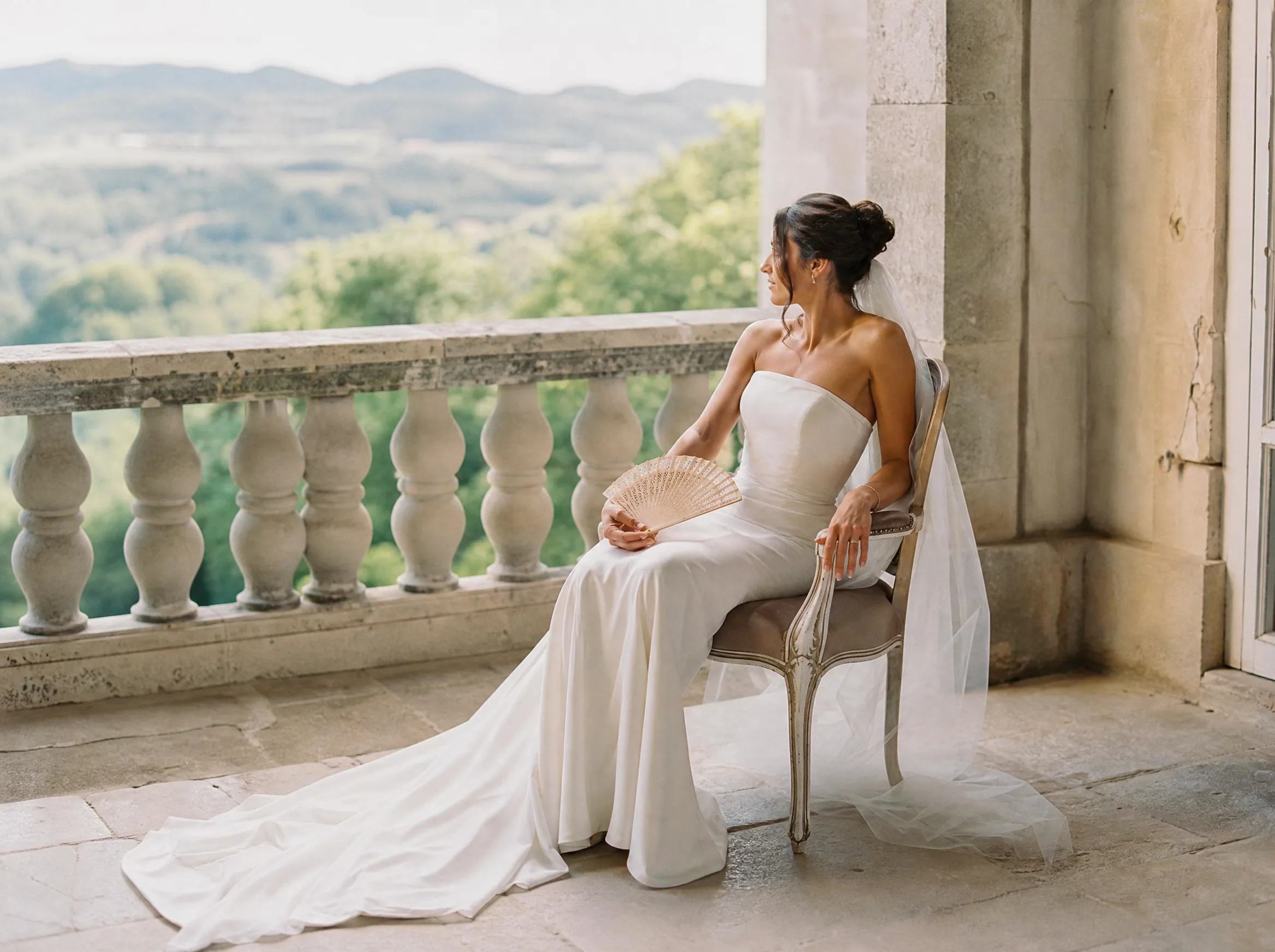
Choose fan styles that photograph cleanly and pack easily
Paper or fabric folding fans work well: lightweight, quiet, and easy to personalize with a monogram or weekend date. Avoid noisy plastic click fans near microphones. Order extras for vendors and late arrivals. If you prefer branded wooden fans, confirm lead times with a Spanish supplier early; summer weekends sell through quickly in wedding regions.
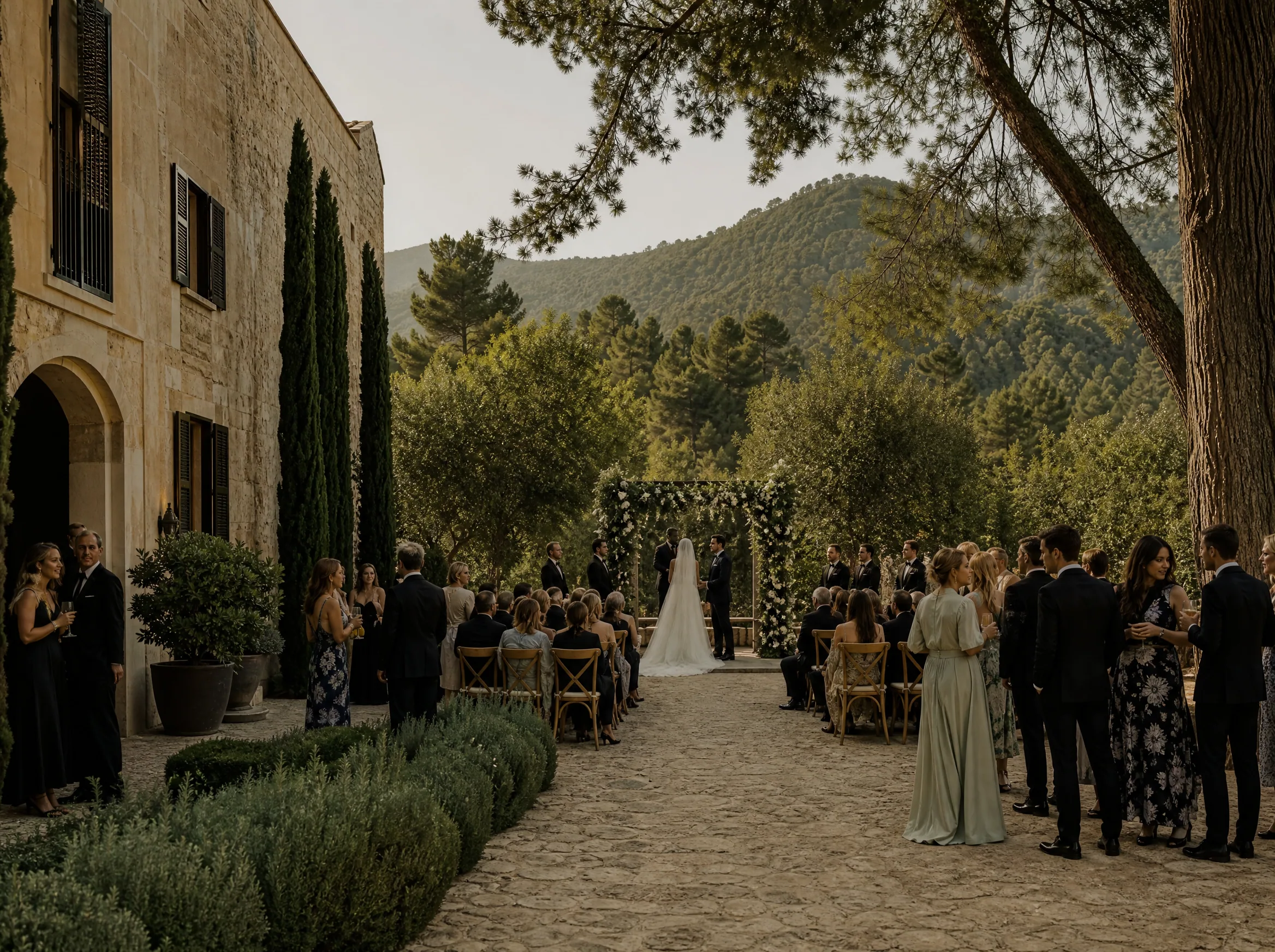
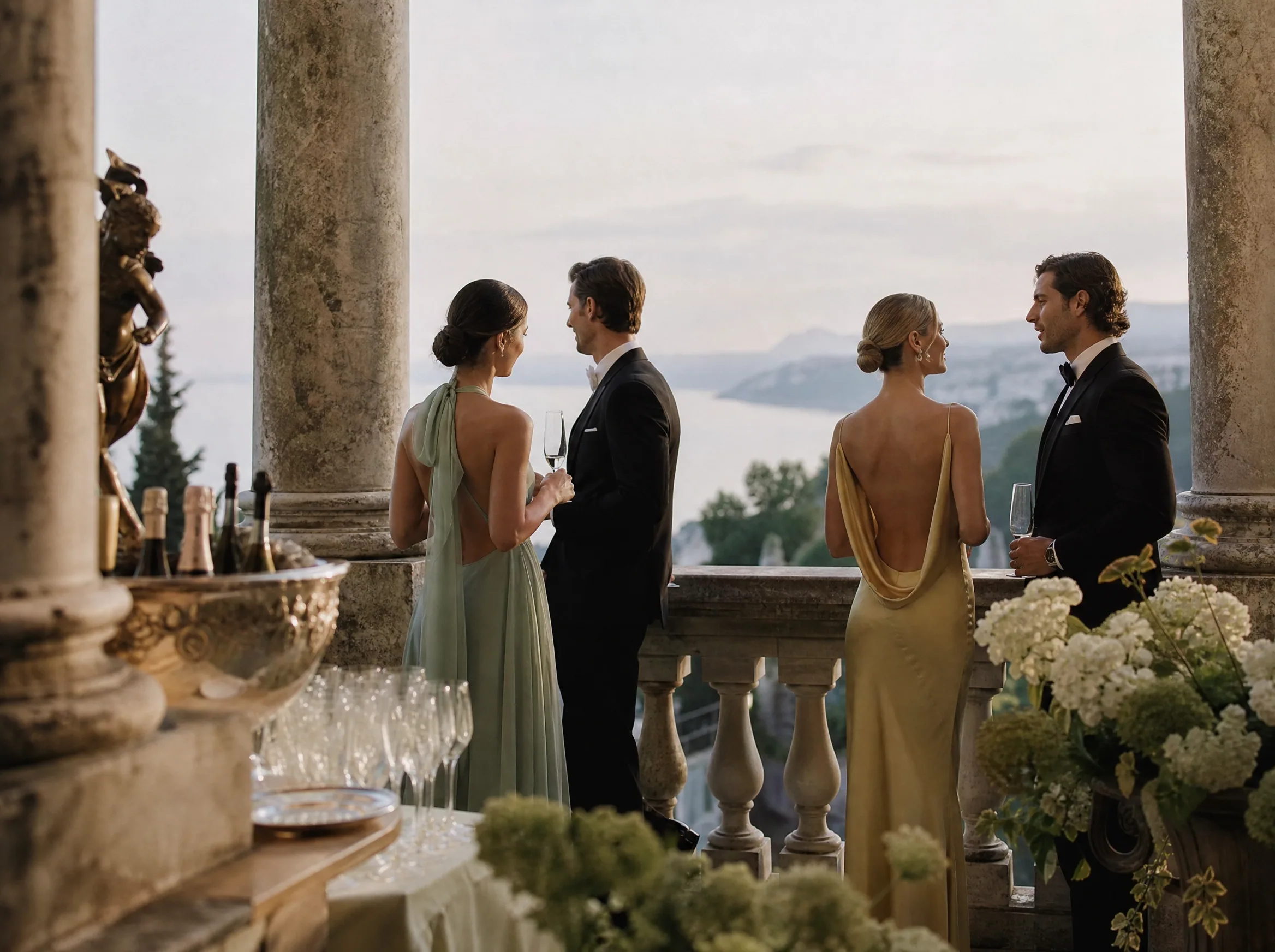
Place stations where guests naturally pause
Best placements are the welcome desk, the last shaded walk before the aisle, and a discreet side table near elderly or mobility-priority seating. Do not force a fan into every hand at the door if some guests prefer empty hands for programs—offer, do not mandate. Keep a small restock basket with the ushers so empty trays do not become a mid-ceremony distraction.
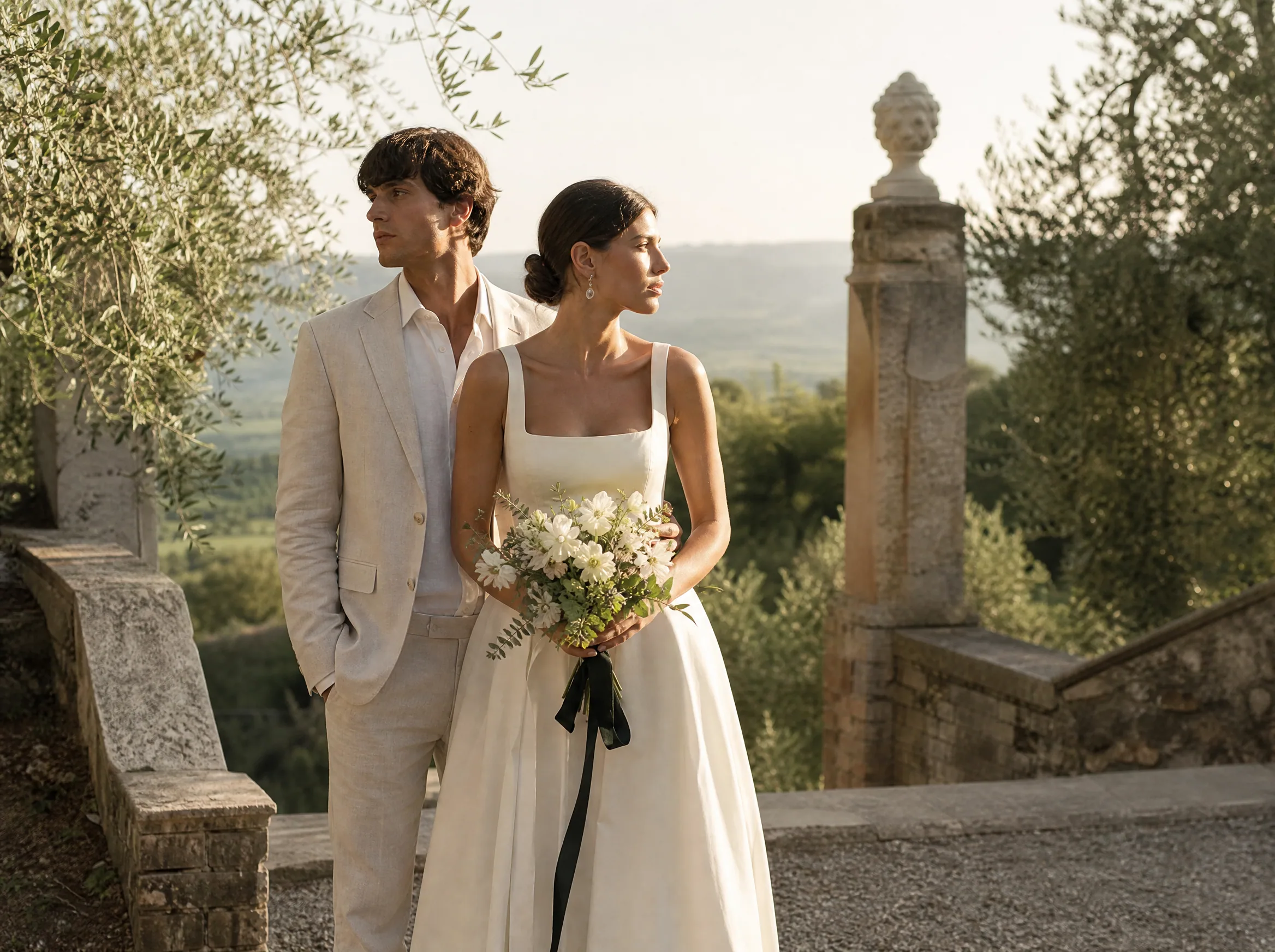
Pair fans with a compact heat-relief kit
A strong station includes folding fans, chilled water or refill cues nearby, individual cooling towels or mist sprays if wind allows, and a few disposable shade umbrellas for guests who need more cover. Label items in English and Spanish. Keep mist sprays away from silk aisles and string instruments. Coordinate with the florist so cooling towels do not clash with boutonniere or corsage placement.
Time ceremony length and shade against the heat index
Fans help, but duration matters more. For peak summer afternoons, shorten the outdoor portion, move legal or lengthy readings indoors, or schedule vows closer to golden hour. Tell the officiant and musician the hard stop for sun exposure. Guests forgive a shorter ceremony; they remember standing through an overheated one.
Brief ushers on priority seating and quiet interventions
Assign ushers to watch for flushed guests, especially older relatives and anyone recovering from travel. A pre-agreed cue—offer water, invite a brief shade seat, or escort someone inside—keeps help discreet. Place a few reserved chairs under trees or a sail shade for anyone who needs to step out without walking the full length of the estate.
Message guests before they dress for the day
In the morning WhatsApp or pocket itinerary, note: light colors, breathable fabrics, hats welcome until seats are taken, and fans available at arrival. Remind guests that Spanish outdoor ceremonies can run warmer than hotel lobbies suggest. A one-line note prevents last-minute panic packing and sets expectations for heel choices on hot stone.
Coordinate with photography, AV, and the rain-or-shine plan
Photographers should know fans are part of the visual language, not clutter to remove. AV needs clear microphone placement so fluttering fans do not brush cables. If your rain plan moves guests under a tent, redesign the heat-relief layout too—tents trap warmth. Align the heat plan with your existing sunscreen and water-refill stations so the guest journey feels like one hospitality system.
Close the loop after the ceremony
Collect leftover fans for evening favors or farewell-brunch takeaways, restock water for cocktail hour, and note what ran out first for the next day’s brunch or rehearsal if your weekend spans multiple outdoor moments. Small heat-care details signal the same polish as transport, seating, and translation logistics—and they make Spanish summer light feel celebratory instead of punishing.