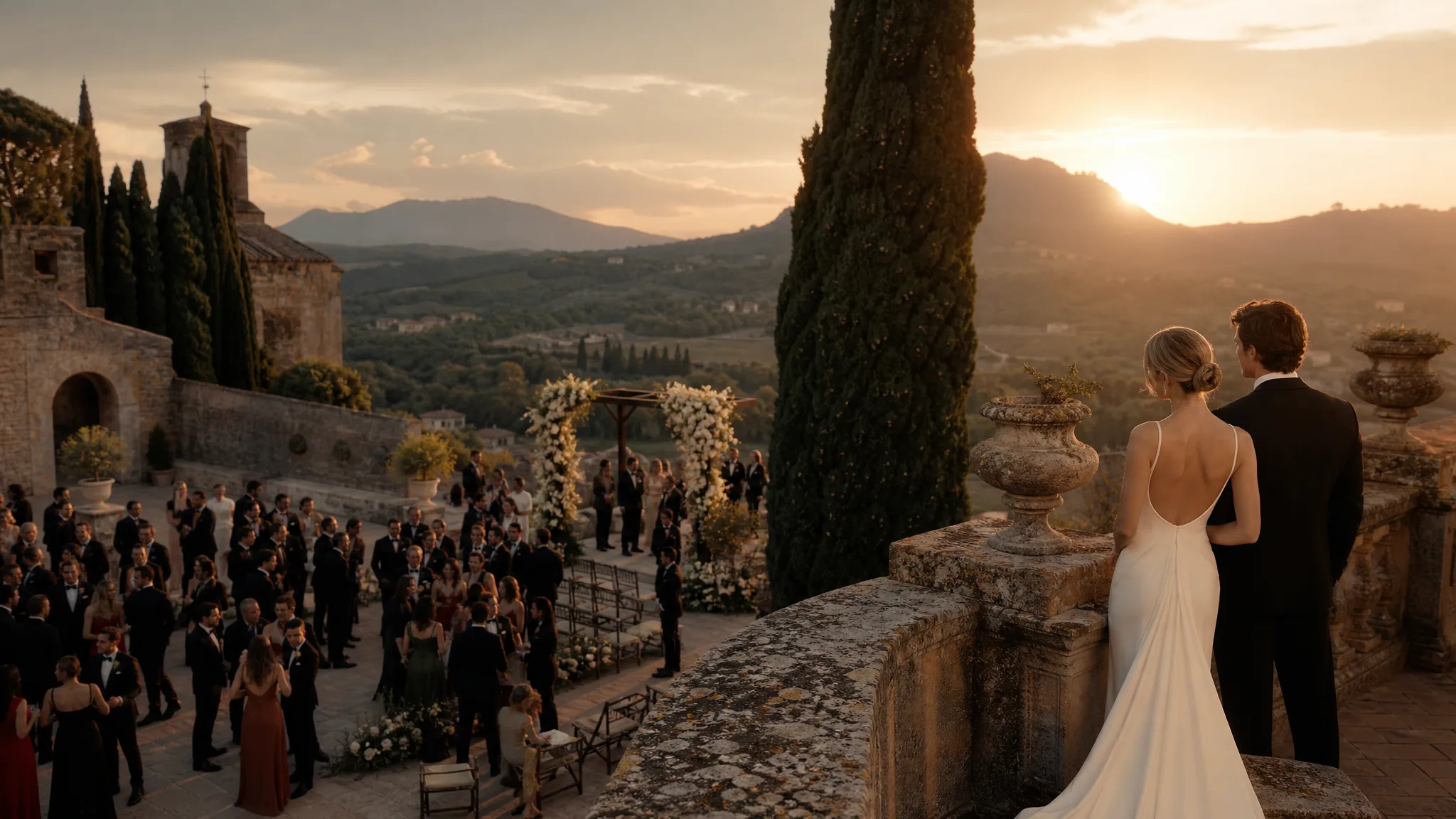
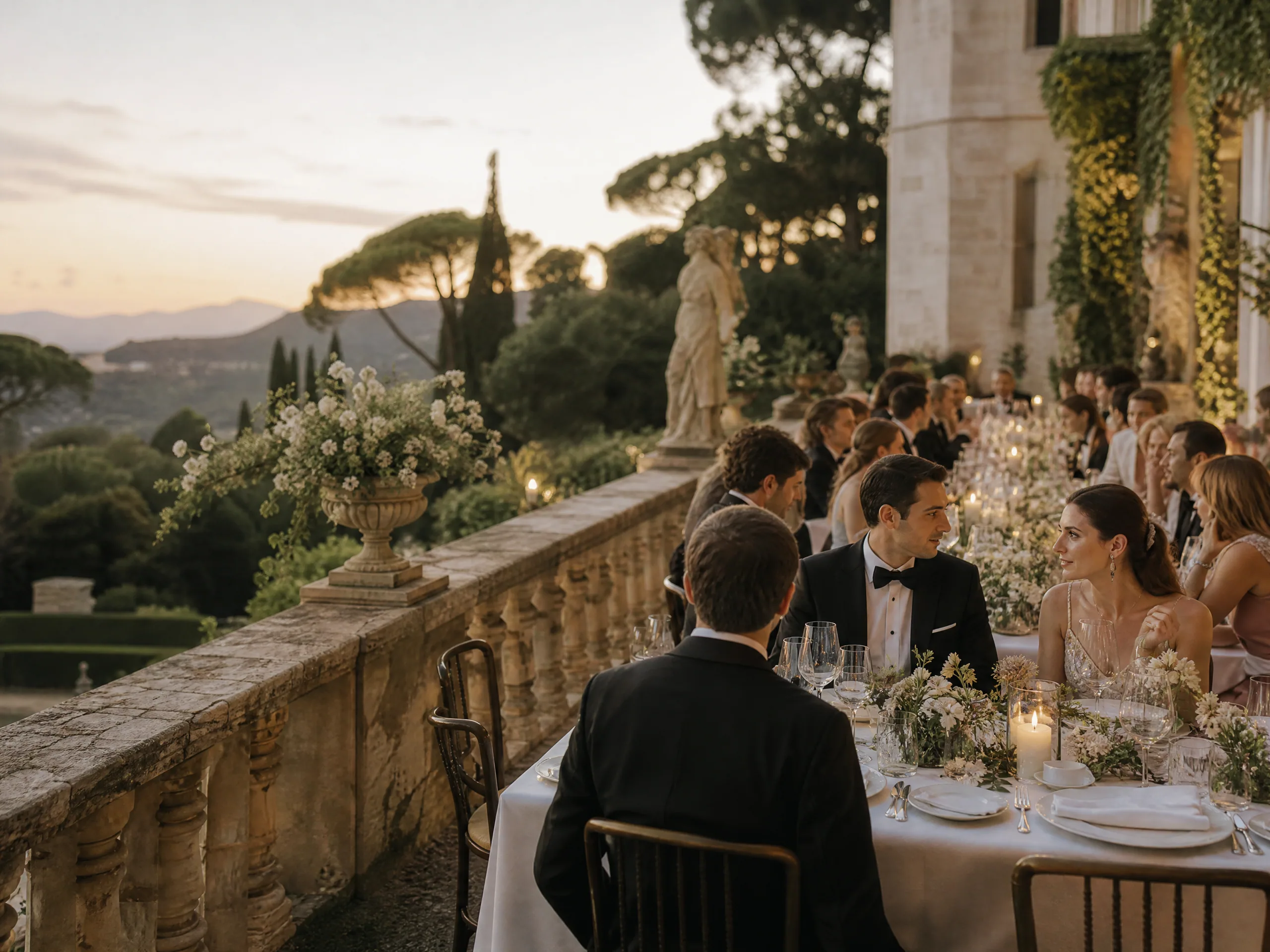
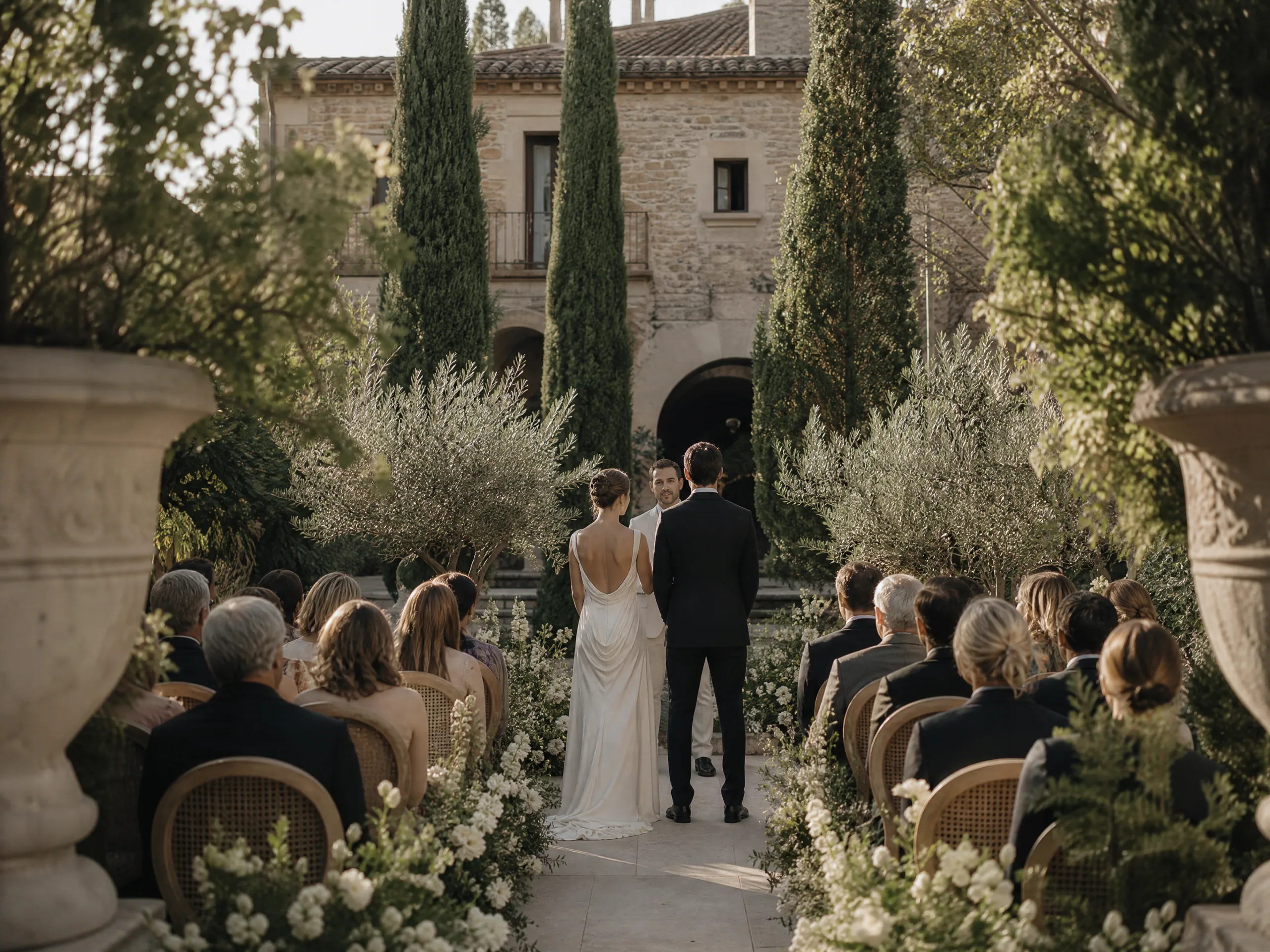
International guests arriving for a destination wedding in Spain often expect a ceremony at late afternoon and dinner by early evening. Many Spanish celebrations run on a different clock: later starts, a long aperitivo, and a seated dinner that may begin well after dark. Clear timing expectations protect guest energy, childcare plans, and the joy of the night—without anyone wondering whether they are early, late, or forgotten.
Why Spanish Wedding Timing Feels Later Than Home
In much of Spain, social evenings stretch later than in the US, UK, or Northern Europe. Guests may dine at 9:30 or 10:30 p.m., and wedding schedules often follow that rhythm. Jet-lagged travelers who skip lunch waiting for an “early” dinner can arrive drained. Brief your guest list early: the schedule is intentional, not delayed, and the night is designed around local hospitality rather than a rushed timeline.
Publish Call Times, Not Just Ceremony Clock Hours
List every guest-facing moment with a clear call time: shuttle boarding, arrival window, ceremony start, aperitivo, dinner seating, and last transfer. Add a one-line note that Spanish wedding evenings often run later than at home. Pocket itineraries and hotel briefing sheets should match the same clock so front desks and WhatsApp groups do not invent conflicting advice.
Set Expectations for Aperitivo Length
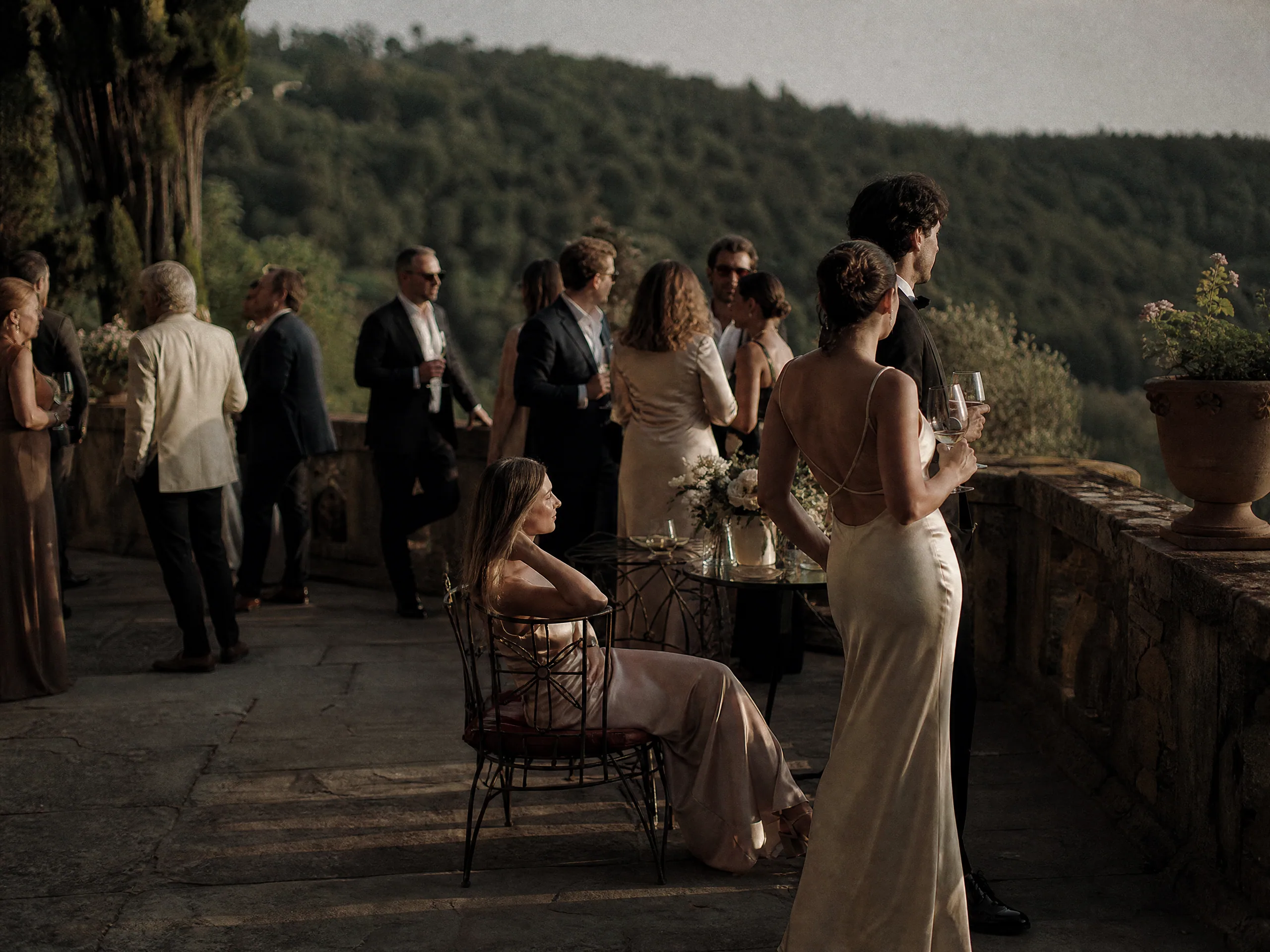
Aperitivo and vermouth-style cocktail hours in Spain can be generous—more of a social chapter than a short drink before seating. Tell guests to plan comfortable shoes, light layers for temperature drops, and patience between ceremony and dinner. If elders or families with children need an earlier exit option, name a quiet shuttle window so they are not trapped until midnight.
Plan Guest Fuel Before a Late Dinner
International guests who ate breakfast at hotel hours and skipped a proper lunch will struggle through a 10 p.m. first course. Suggest a real midday meal or a hotel snack window in the itinerary. On-site, consider a small merienda or light bite station mid-afternoon for day-of guests who are already on the estate—especially after beach mornings or vineyard visits.
Brief Families With Children and Older Relatives
Parents and older guests need honest timing more than anyone. Share approximate dinner seating and expected end-of-night transfer times so babysitters, medication schedules, and stamina plans are realistic. Offer a quiet rest room or earlier return shuttle without framing it as missing the party—hospitality includes an elegant exit.
Align Beauty, Speeches, and Vendor Call Sheets
Late dinners shift everything upstream and downstream: hair and makeup buffers, family formals light, speech order, and vendor meal breaks. Confirm that photographers, planners, and caterers share one master timeline. Guests feel the difference when speeches land after dinner energy peaks rather than during the hungriest hour of the night.
Communicate Temperature and Lighting Shifts After Dark
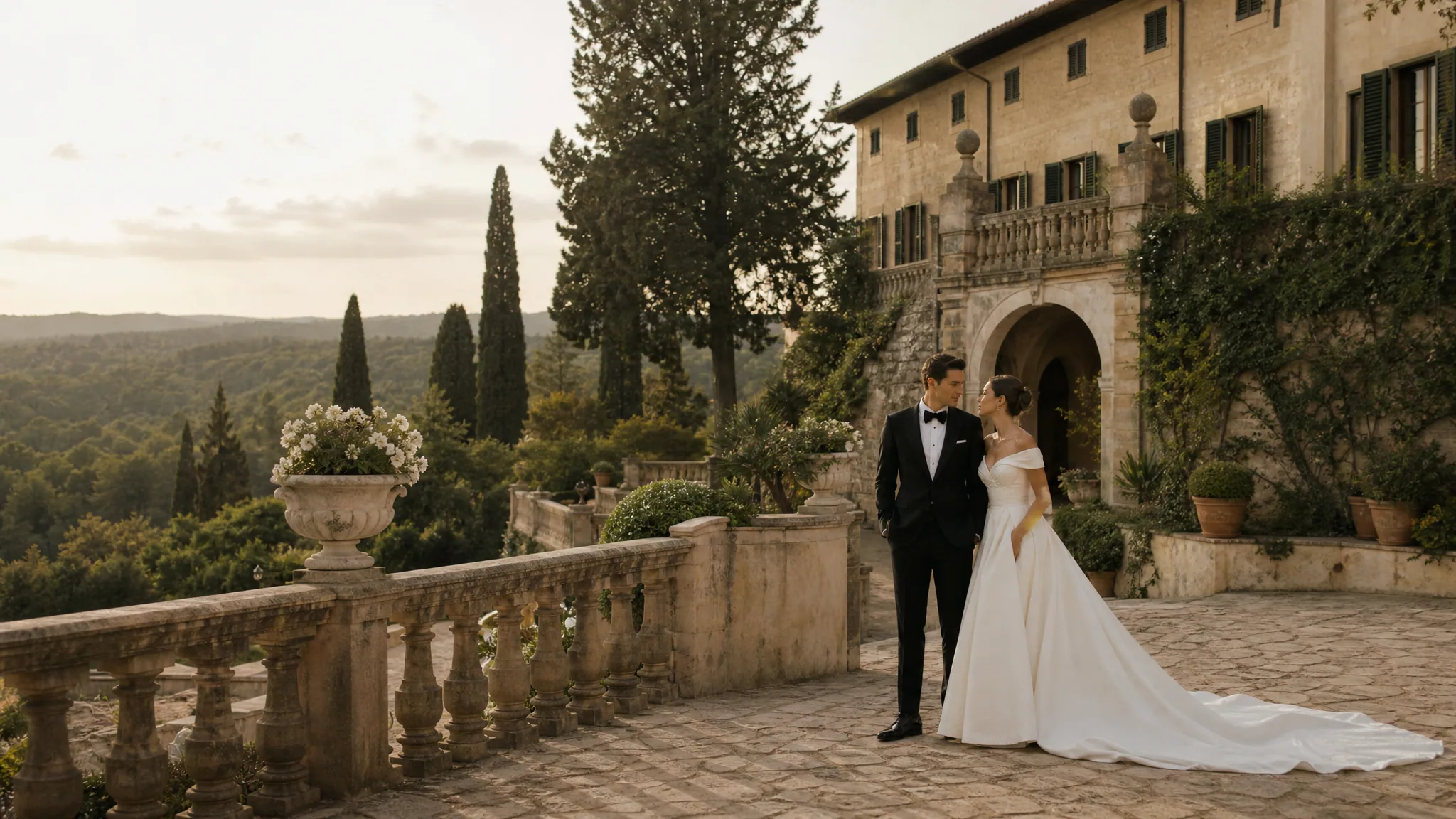
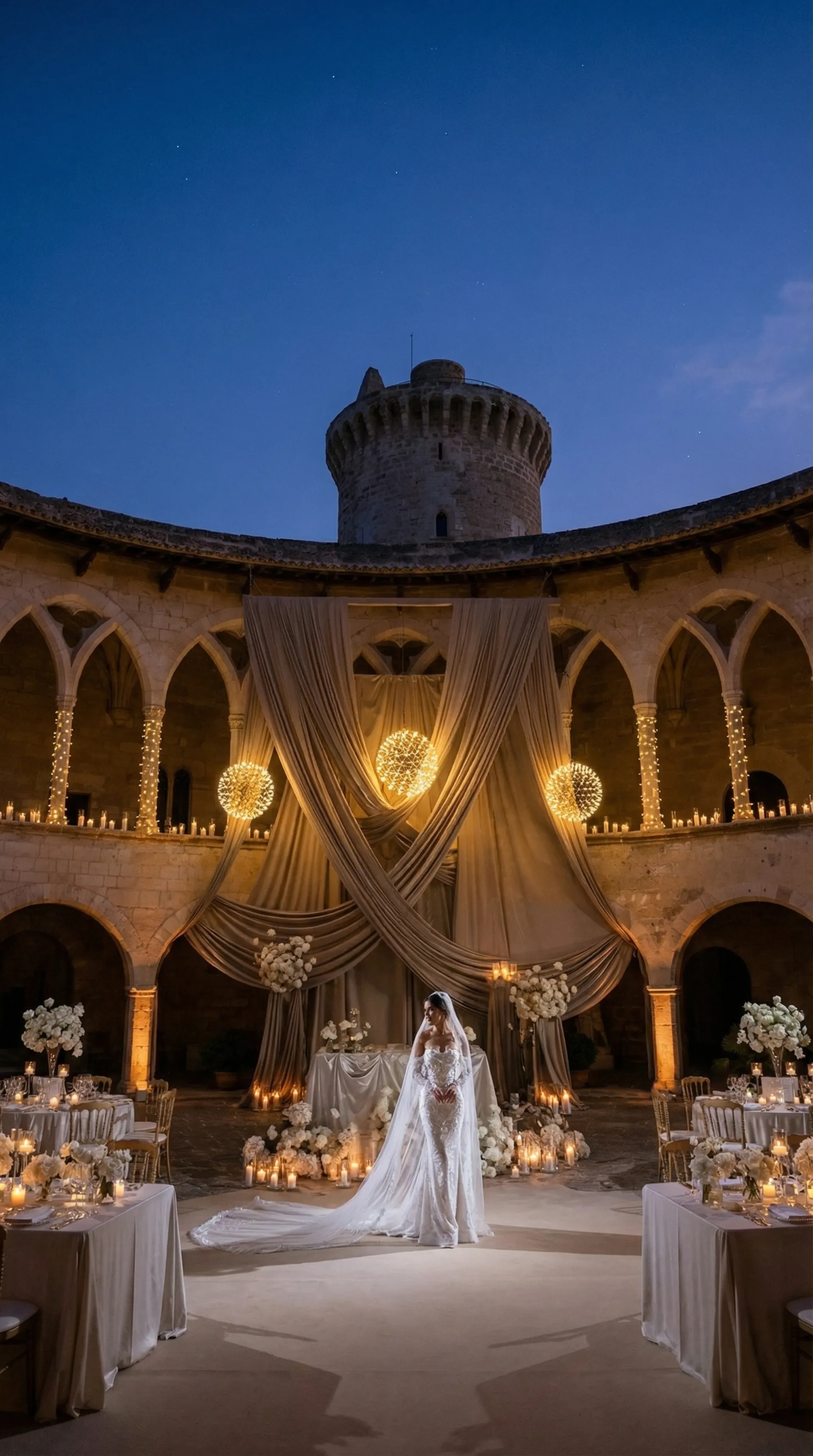
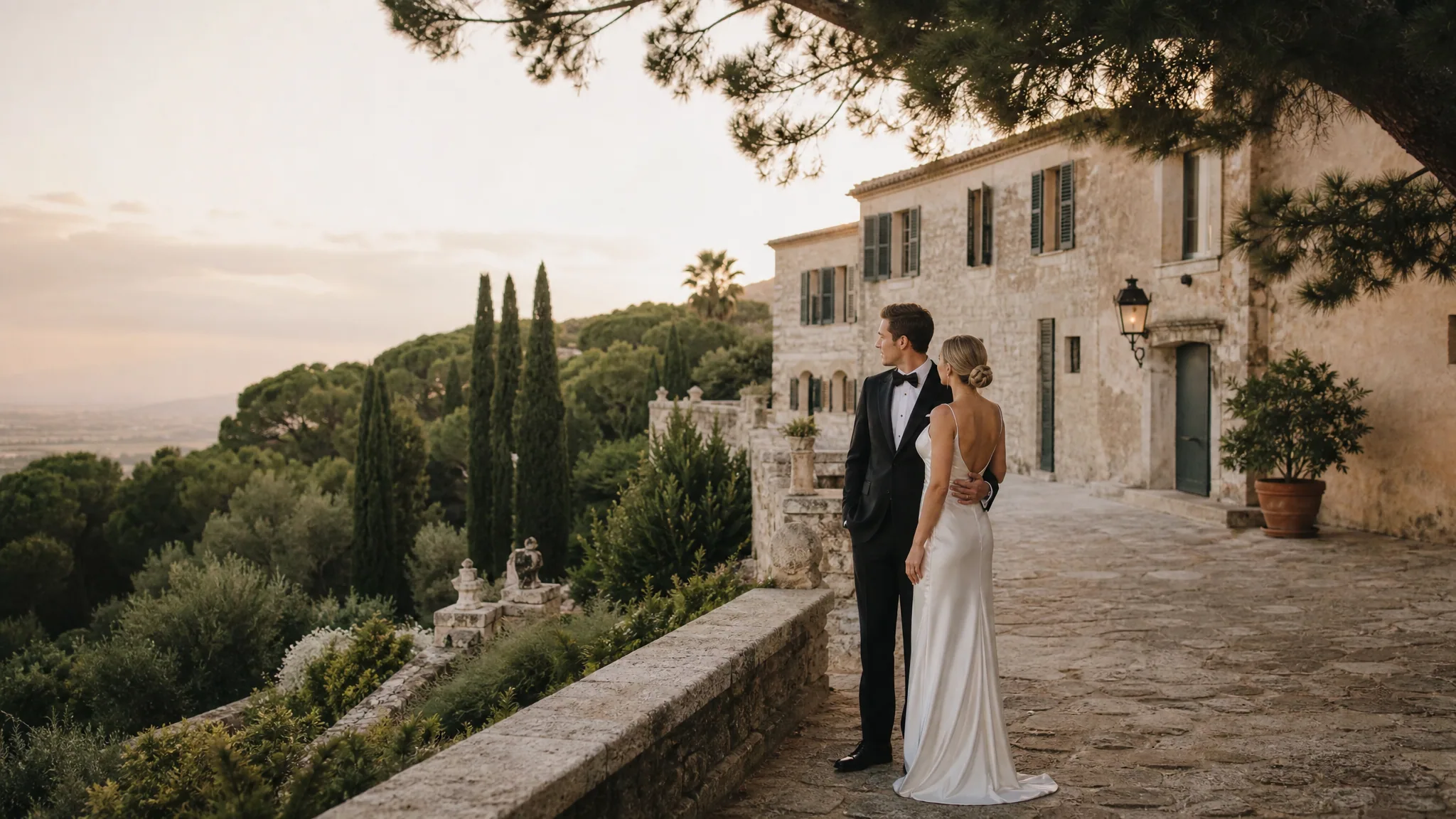
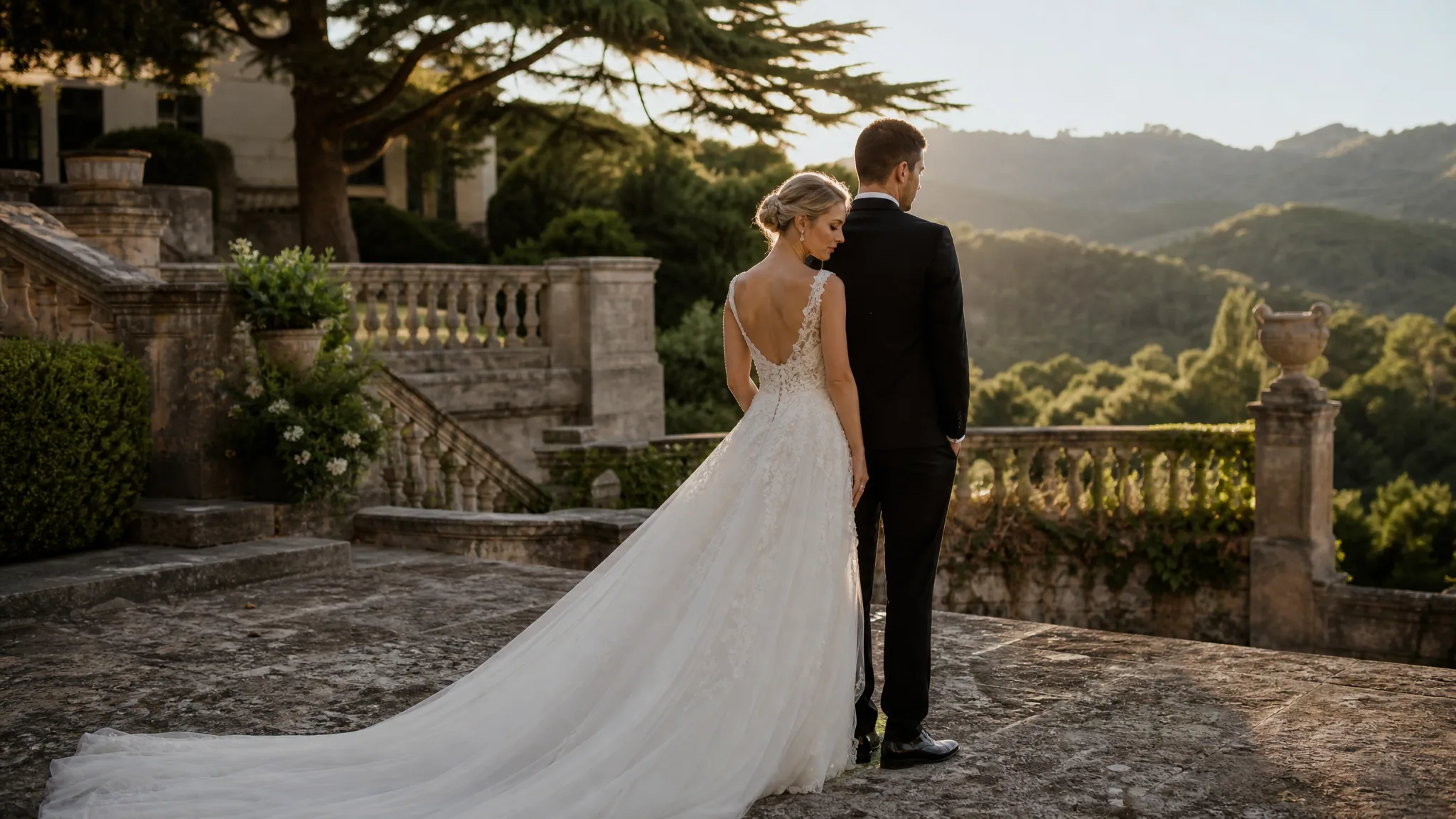
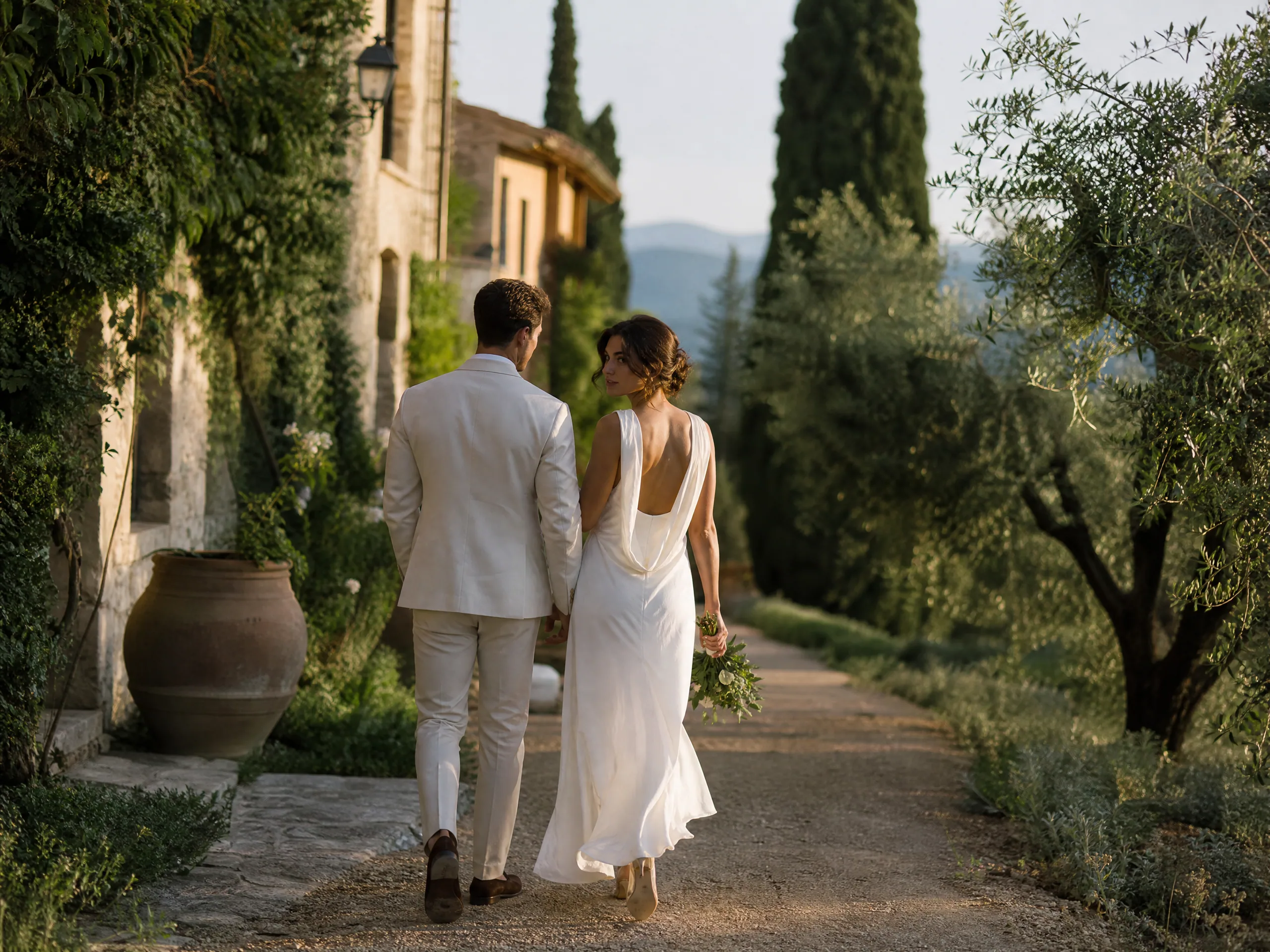
A ceremony in golden light and a dinner under stars can mean a sharp evening chill on rural estates and coastal terraces. Tell guests to pack a wrap, jacket, or stylish layer. Pair timing notes with pathway lighting and clear bathroom wayfinding so late-night comfort matches the schedule you asked them to trust.
Handle Jet Lag Without Forcing an Early Night
Guests flying in from the Americas or Asia may crash early if they fight the clock from arrival. Encourage a short first-day rest, a solid lunch, and caffeine cutoffs that still leave room for the celebration. A siesta-friendly free afternoon between events often works better than pushing everyone into tourist marathons before a late dinner.
Close the Loop in Welcome Materials
Repeat the timing story in welcome bags, hotel desk sheets, and the guest WhatsApp group: ceremony call time, aperitivo rhythm, dinner seating, and last shuttle. When every channel says the same thing, late Spanish hospitality feels intentional—and international guests can relax into the night instead of watching the clock.