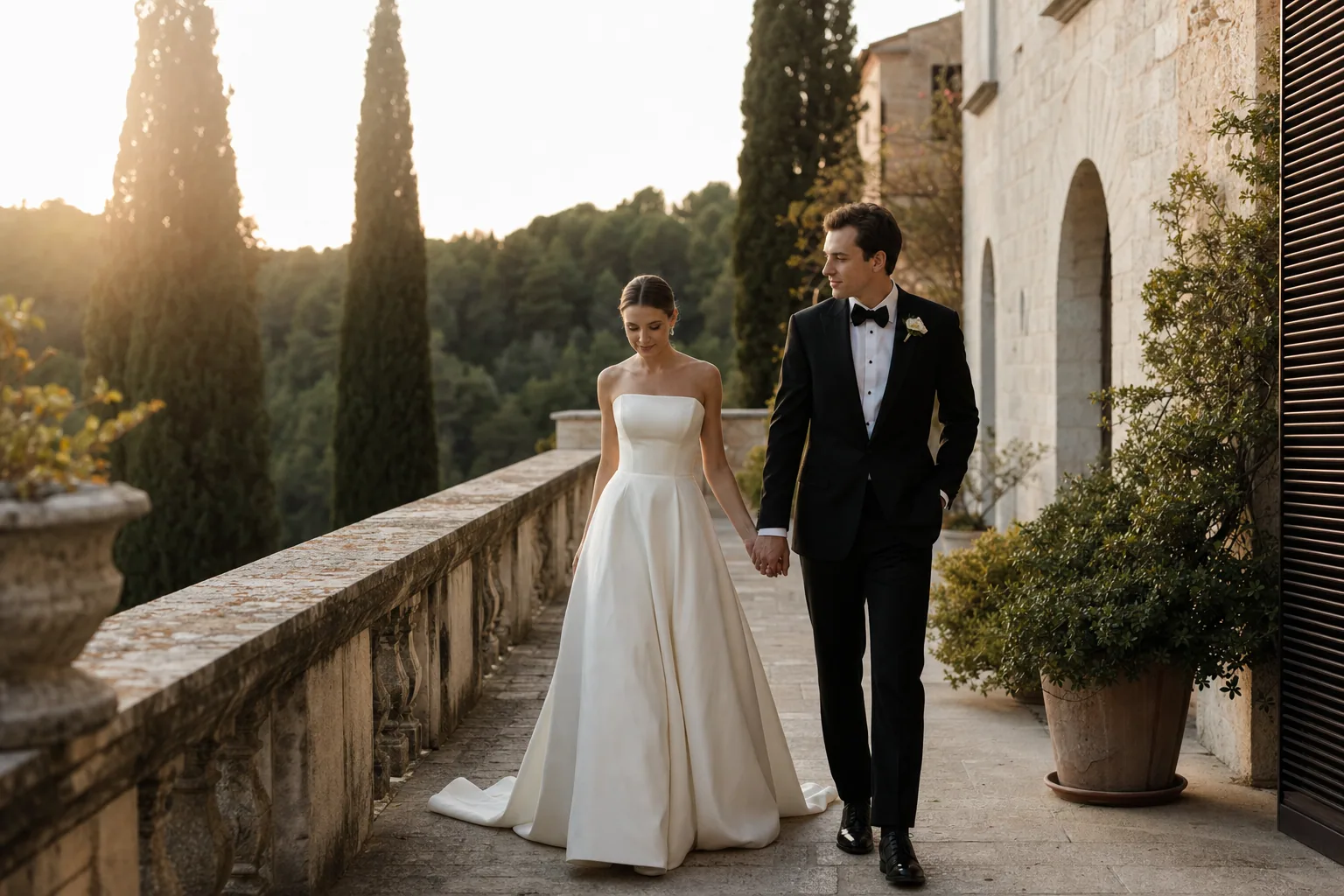
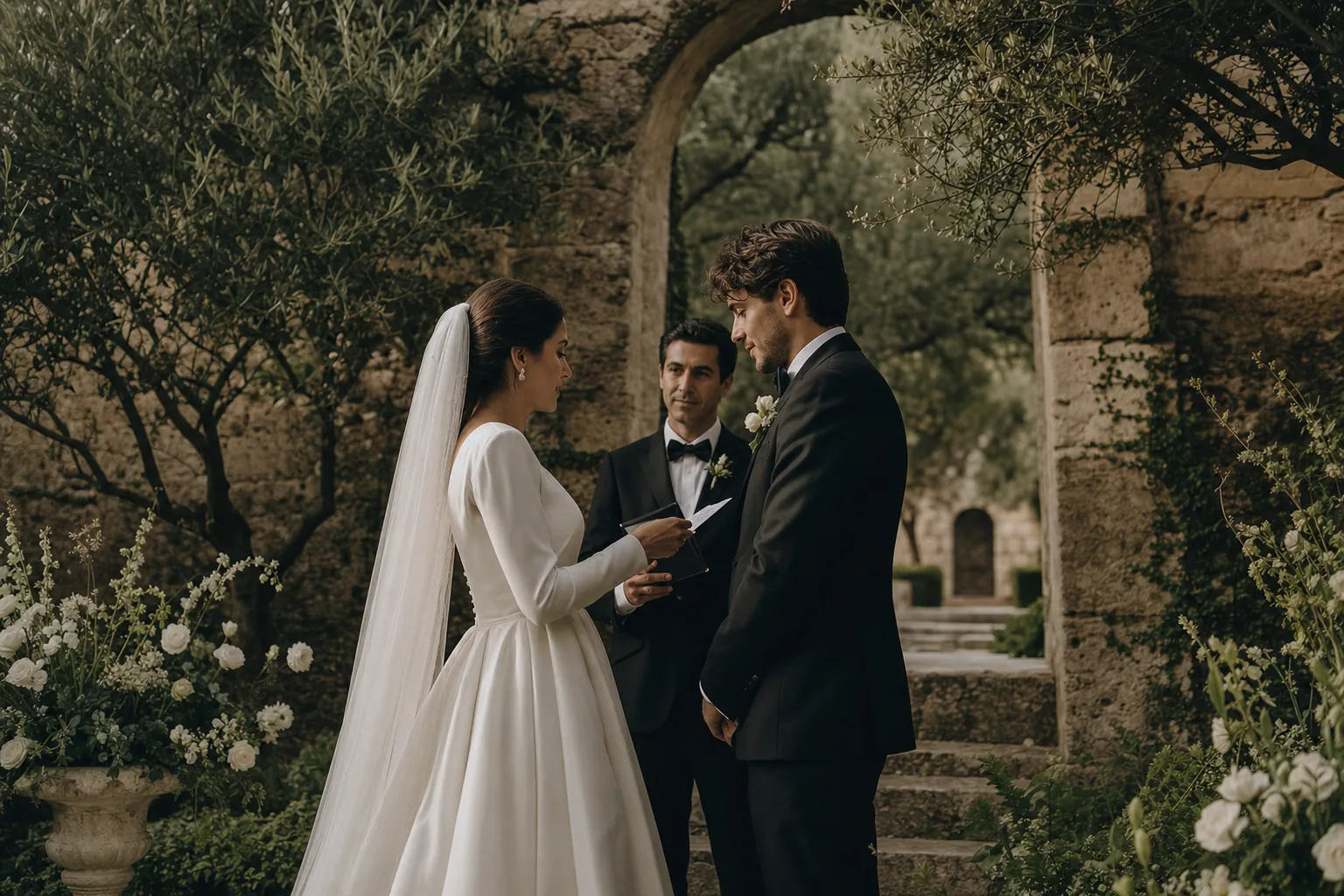
After filming over 200 weddings across Spain, I've learned that the difference between a rushed wedding day and one filled with genuine emotion often comes down to the timeline. International couples frequently underestimate how Spanish wedding customs, Mediterranean light, and local vendor schedules can impact their day.
The key isn't cramming everything into a tight schedule—it's building breathing room around the moments that matter most for both your experience and your wedding film.
Understanding Spanish Wedding Flow and Local Customs
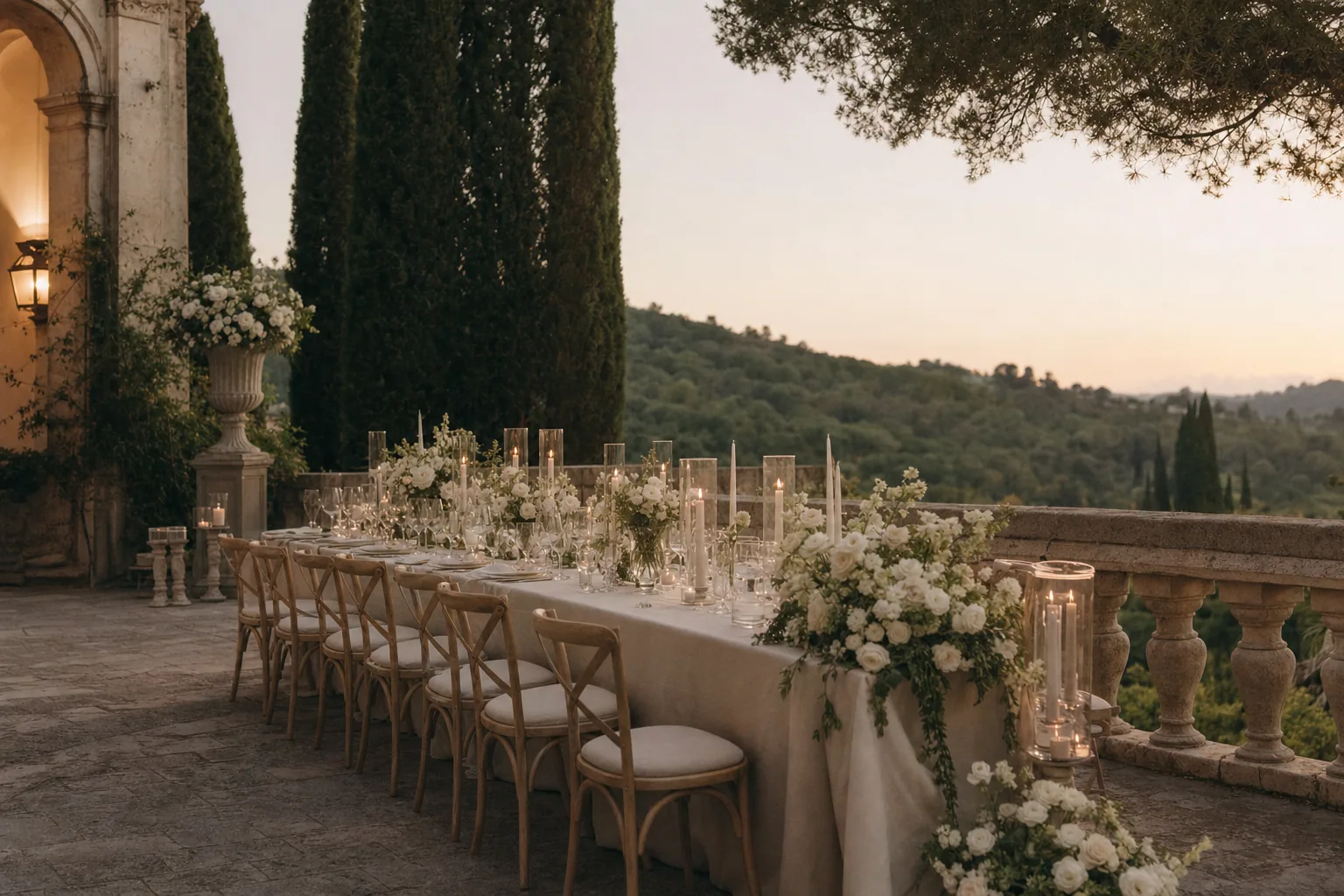
Spanish weddings follow a different rhythm than what many international couples expect. Traditional Spanish celebrations often start later and run longer, with dinner rarely beginning before 9 PM in summer months.
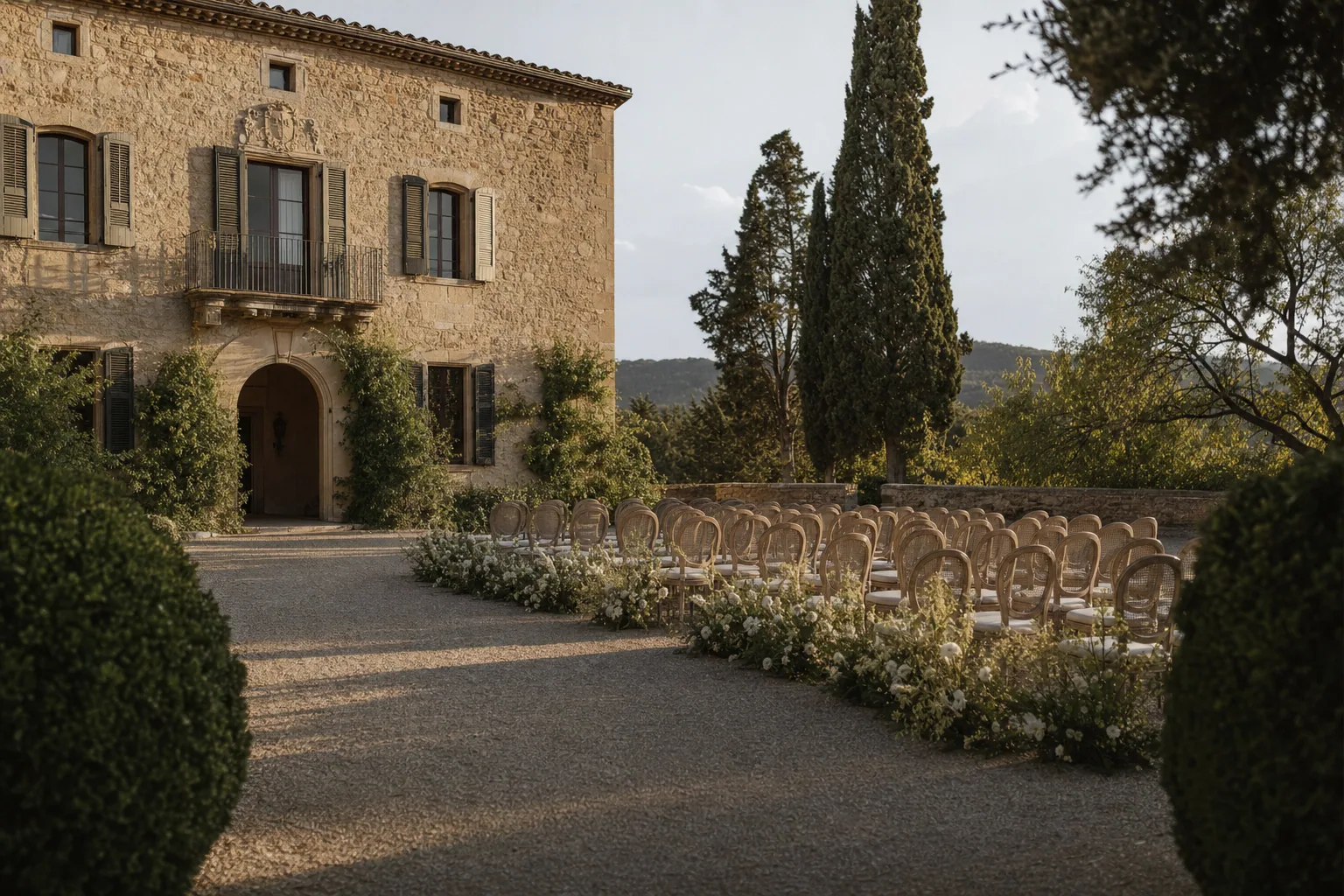
This timing actually works in your favor for wedding videography. The later start means we can capture your ceremony during golden hour, which typically begins around 7 PM during summer months in coastal areas like Barcelona or Valencia.
However, this extended timeline requires careful planning. Spanish vendors are accustomed to these longer days, but international guests may need preparation for the schedule. I always recommend including timeline cards with your invitations explaining the Spanish wedding flow.
Key Spanish Wedding Timing Considerations
- Ceremony: 6:30-7:30 PM for optimal light
- Cocktail hour: Immediately following ceremony (7:30-9:00 PM)
- Dinner service: 9:00-11:00 PM
- Dancing: 11:00 PM onwards, often until 3-4 AM
How Light Patterns Affect Your Wedding Film Timeline
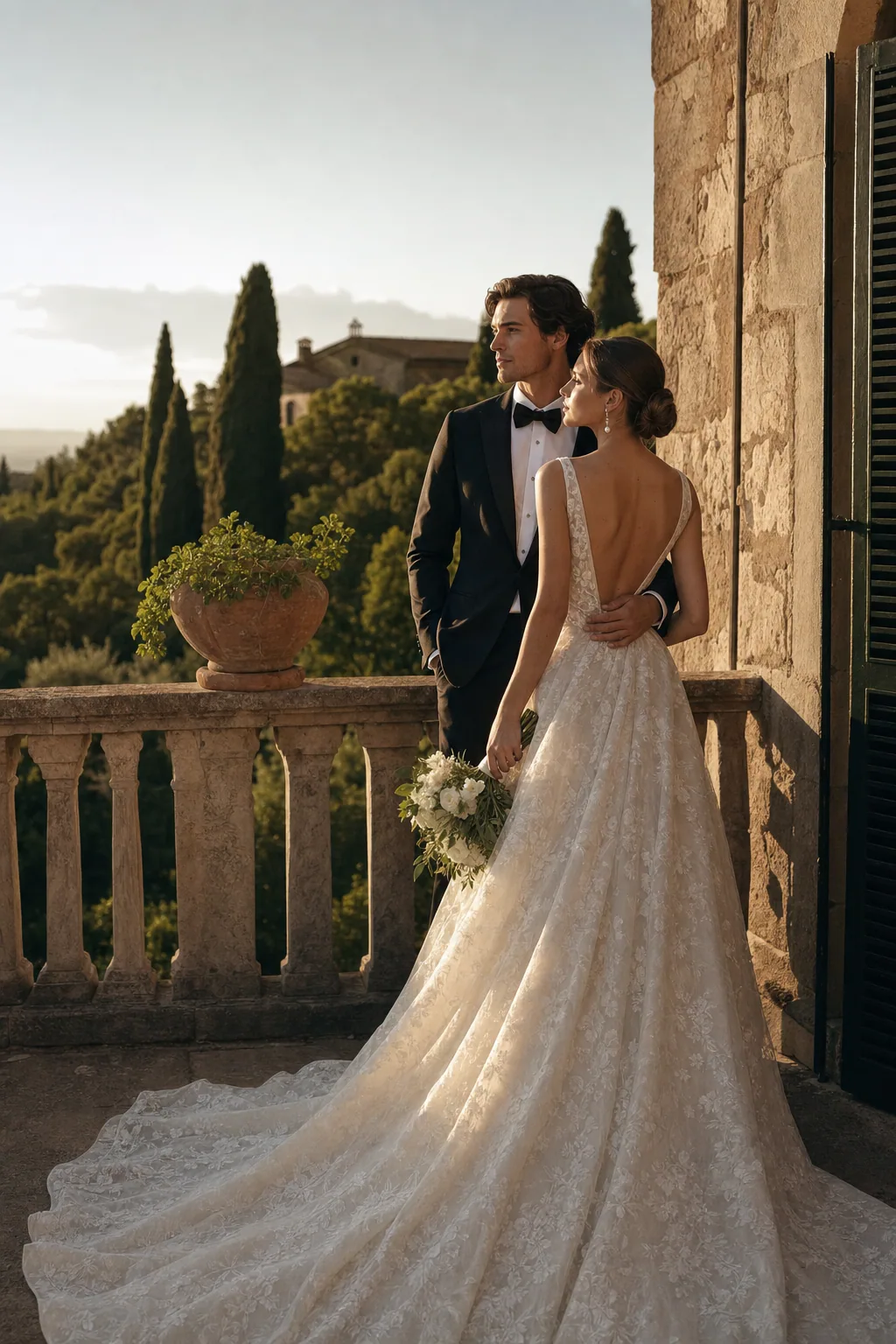
Mediterranean light changes dramatically throughout the day, and timing your key moments correctly can make or break your wedding film. After years of filming in Spain's diverse regions, I've mapped out the optimal timing for each part of your celebration.
Golden hour in Spain lasts longer than in northern European countries, giving us extended opportunities for romantic footage. However, the harsh midday sun between 1-5 PM creates unflattering shadows and requires different filming techniques.
For cinematic wedding films, I recommend scheduling your ceremony no earlier than 6 PM during summer months. This timing allows us to capture your vows in soft, warm light that transitions beautifully into the reception.
Morning preparations work best in natural window light between 10 AM-1 PM. This gives us clean, even lighting for getting-ready footage without the harsh contrast of afternoon sun.
Sample Timeline: Barcelona Summer Wedding
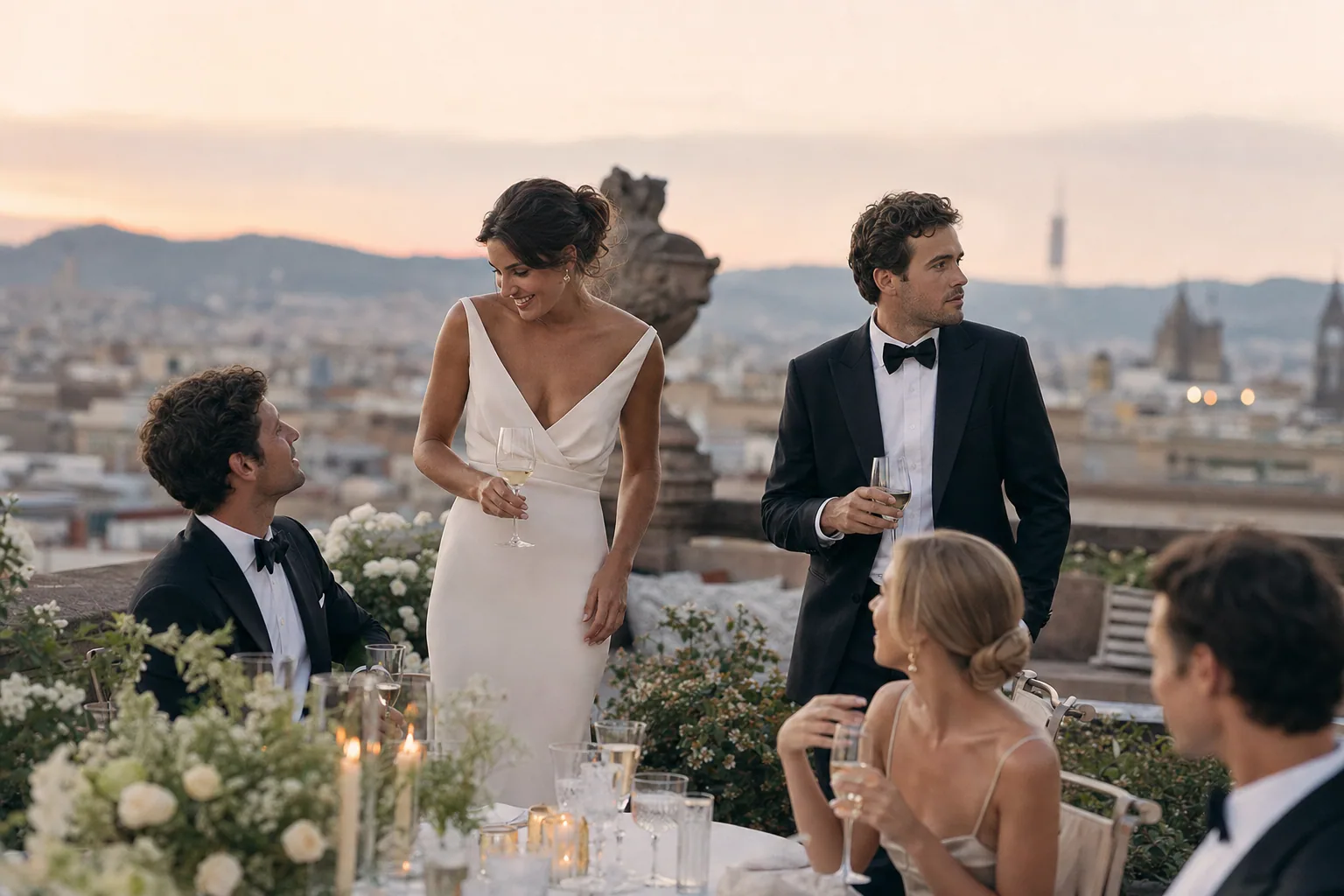
Here's a proven timeline structure I use for Mediterranean summer weddings, refined through countless celebrations in Barcelona, Costa Brava, and Valencia:
Morning (10:00 AM - 1:00 PM)
- 10:00 AM: Bride's preparation begins (hair, makeup)
- 11:00 AM: Groom's preparation starts
- 12:30 PM: Detail shots and getting-ready footage
- 1:00 PM: Break for lunch and rest
Afternoon (4:00 PM - 6:00 PM)
- 4:00 PM: Final preparations, dress, accessories
- 5:00 PM: First look or pre-ceremony portraits
- 5:30 PM: Family and wedding party photos
- 6:00 PM: Guest arrival begins
Evening (6:30 PM - 12:00 AM)
- 6:30 PM: Ceremony begins (optimal golden hour timing)
- 7:15 PM: Ceremony ends, immediate family photos
- 7:30 PM: Cocktail hour with sunset portraits
- 9:00 PM: Dinner service begins
- 10:30 PM: Speeches and toasts
- 11:00 PM: First dance and party begins
This timeline accounts for Spanish weather patterns and gives us multiple opportunities for different lighting scenarios throughout your film.
Common Timeline Mistakes International Couples Make
Working with couples from around the world, I've noticed recurring timeline mistakes that can impact both your wedding experience and the final film quality.
The biggest mistake is underestimating travel time between locations. Spanish cities have narrow streets, limited parking, and summer traffic. Always add 30 minutes buffer time between venue changes, especially in cities like Seville or Granada where historic centers restrict vehicle access.
Another common issue is scheduling the ceremony too early to accommodate international guests' expectations. A 4 PM ceremony might seem reasonable, but it falls during the harshest light of the day and conflicts with Spanish vendor schedules. Most Spanish venues prefer later ceremonies, and your film will benefit from the timing.
Timeline Red Flags to Avoid
- Less than 45 minutes for ceremony + family photos
- No buffer time between hair/makeup and ceremony
- Scheduling portraits during 2-5 PM harsh light
- Rushing cocktail hour to start dinner before 8:30 PM
- Not accounting for Spanish siesta hours (2-5 PM) when vendors may be unavailable
Coordinating with Your Wedding Videographer Timeline
Your videographer needs specific moments throughout the day to create a complete story. When planning your timeline, consider how each segment contributes to your final film.
I typically need 15-20 minutes of uninterrupted time during preparations for detail shots and candid moments. This isn't just about capturing pretty images—these quiet moments often provide the most authentic emotions for your film.
The ceremony requires careful timing coordination. I position cameras before guests arrive and need 5-10 minutes after the ceremony for immediate reaction shots while emotions are still fresh. Rushing directly into cocktail hour can mean missing these spontaneous moments.
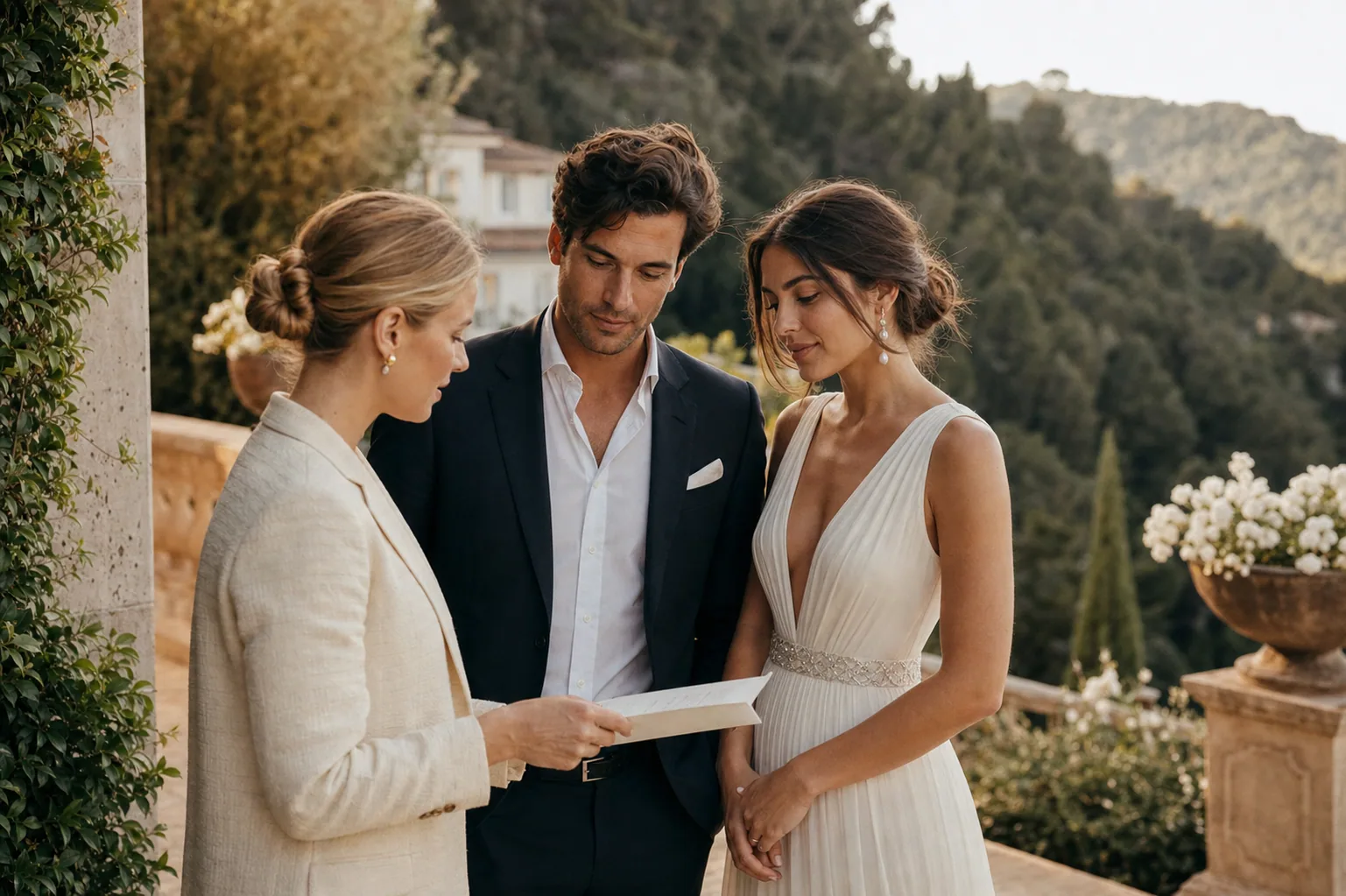
For couples considering our wedding videography services, I always provide a detailed timeline consultation. We'll review your venue's specific requirements, local sunset times, and vendor schedules to create a flow that serves both your celebration and your film.
When to Book Key Vendors for Timeline Success
Your timeline success depends heavily on vendor coordination. Spanish wedding vendors book up quickly, especially for summer dates, and each has specific timing requirements that affect your overall schedule.
Book your videographer first—we can help coordinate timing with other vendors and provide timeline templates based on your venue and season. Many couples don't realize that videographers often work most closely with photographers on timing, so having us involved early streamlines the entire planning process.
Hair and makeup artists in Spain typically work longer days than in other countries, accommodating the later ceremony times. However, they often charge differently for extended services, so clarify timing expectations when booking.
Transportation becomes critical with Spanish wedding timelines. Book vehicles with drivers familiar with your venue locations and Spanish traffic patterns. Tourist areas like Costa Brava or Balearic Islands require local knowledge for efficient routing.
Ready to create your perfect Spanish wedding timeline? Contact us for a personalized consultation where we'll map out your ideal day based on your venue, season, and vision for your wedding film.