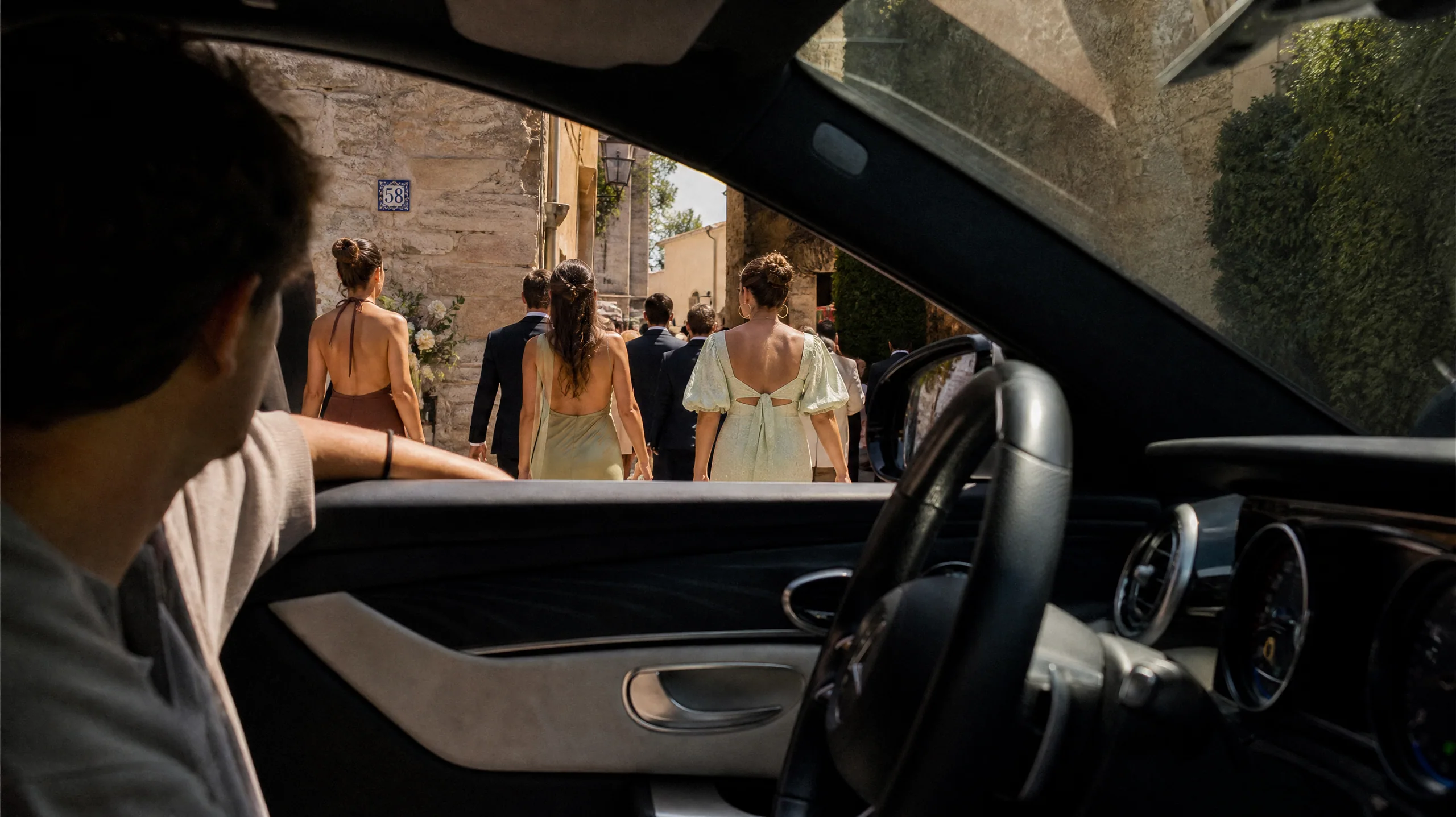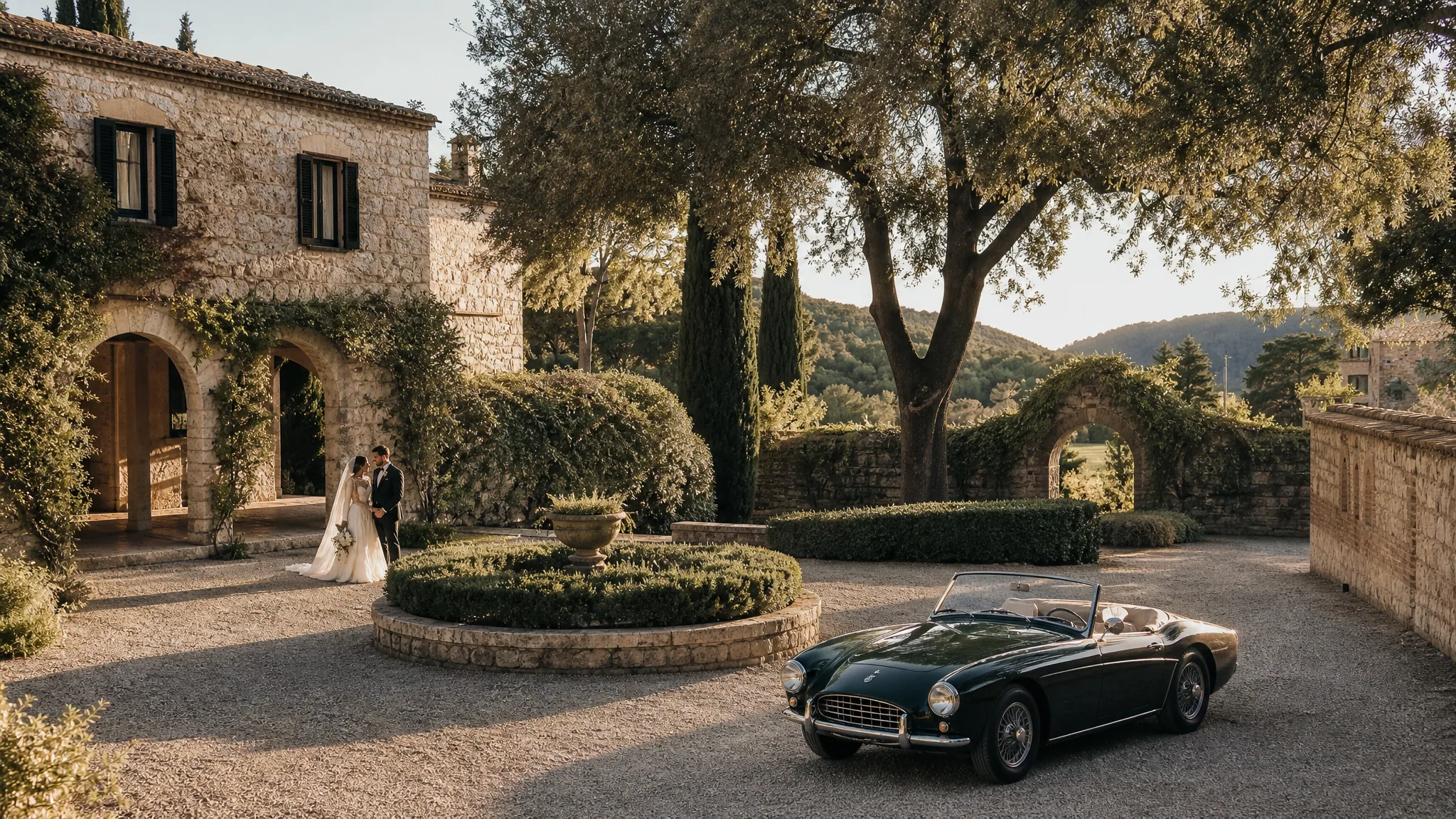

Many of the most beautiful wedding venues in Spain sit at the end of a narrow lane, behind olive groves, or up a private driveway with space for far fewer cars than your guest list. For international couples, parking is easy to underestimate until the first wave of taxis, rental cars, and vendor vans arrives at once. Treat parking as a logistics plan—not a detail the venue “will figure out.”
This guide walks through how to map parking for a rural Spanish destination wedding: what to ask the venue, how to decide between cars and shuttles, where vendors load in, and how to brief guests who have never driven Spanish countryside roads.
Why Rural Spanish Venues Need a Parking Plan
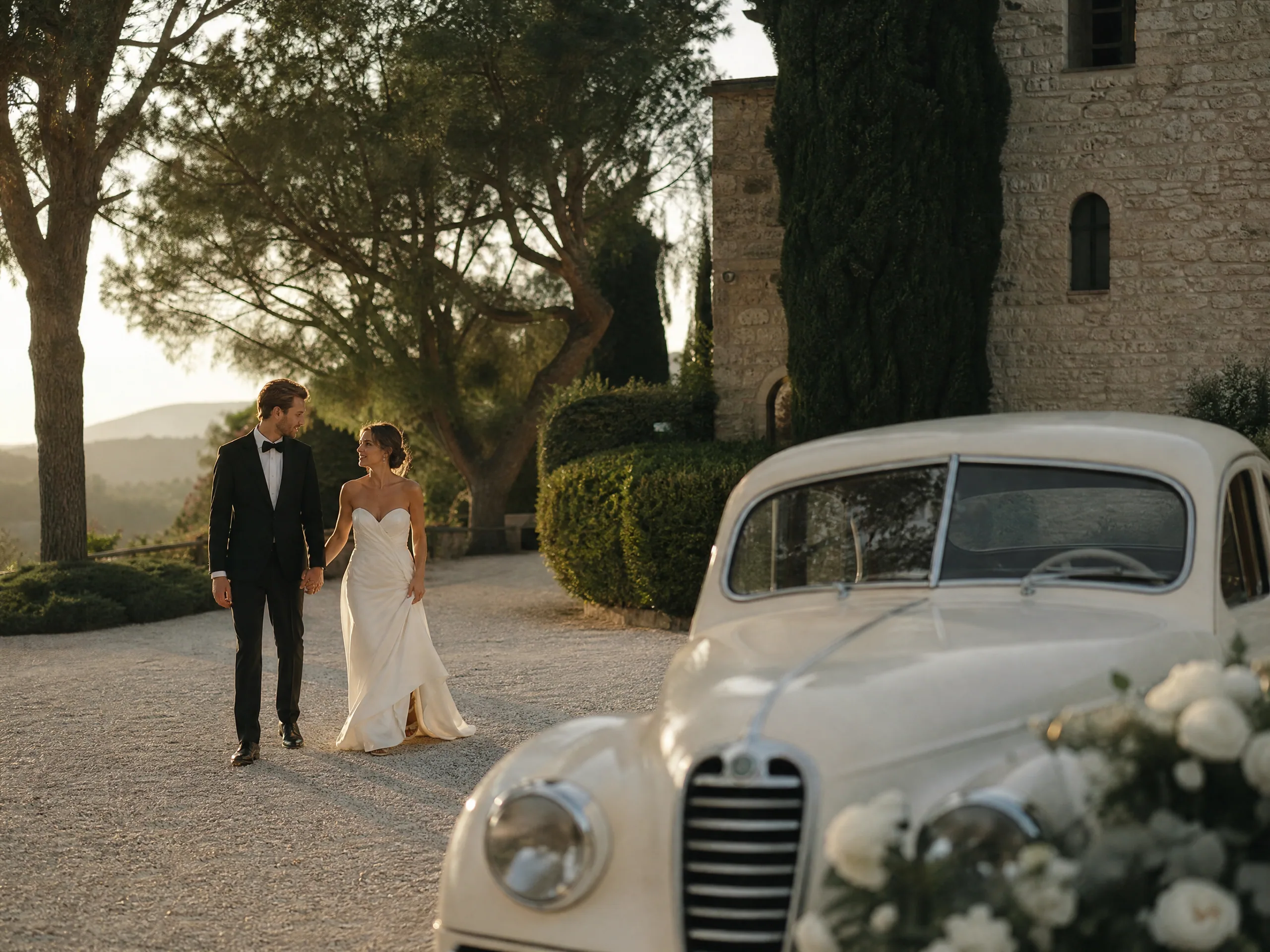
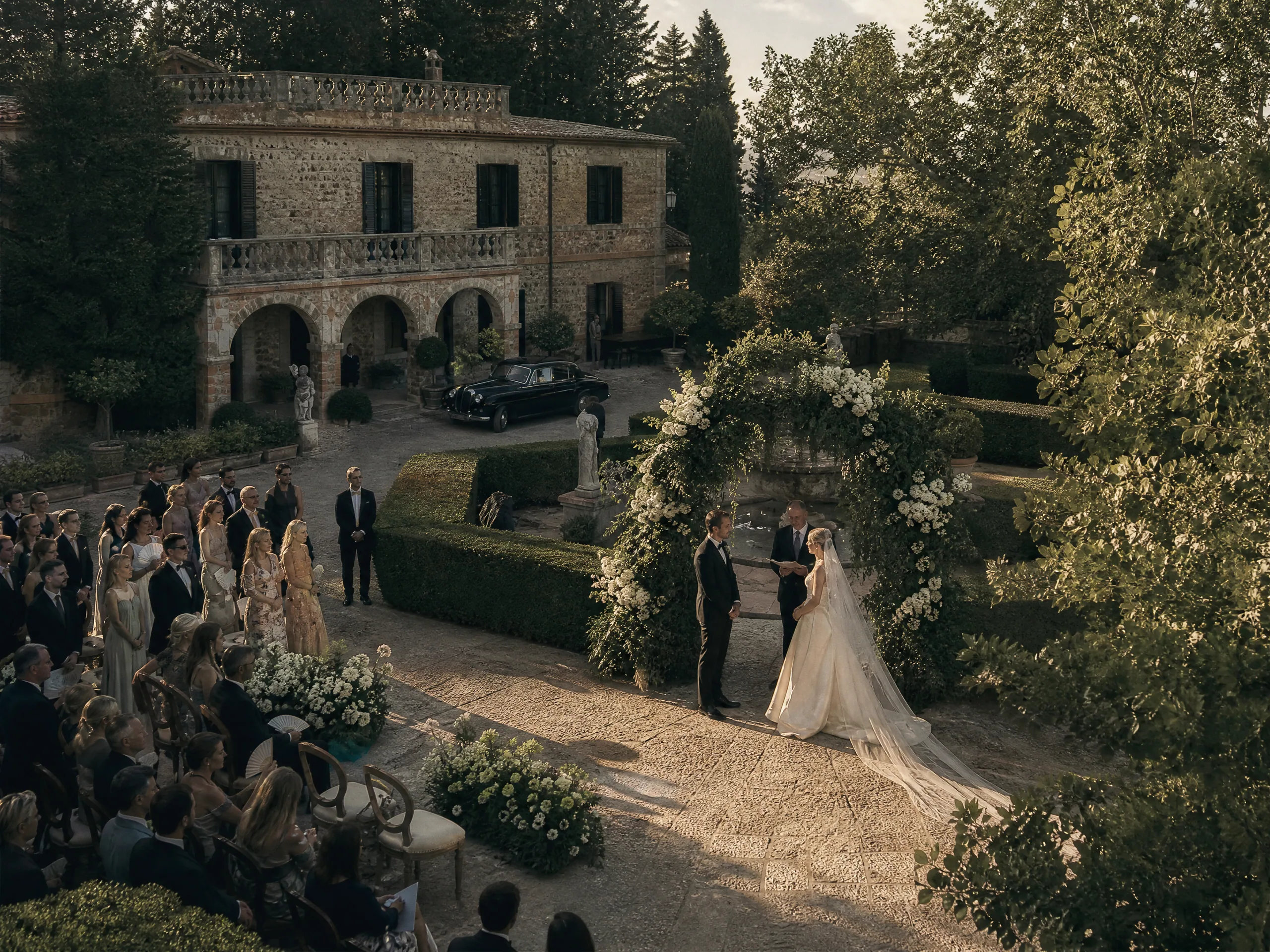
Estate, masia, finca, and vineyard venues are designed around atmosphere and land—not hotel porte-cocheres. Capacity is often limited by driveway width, soft ground after rain, neighbor access, and fire or municipal rules. A clear plan prevents blocked lanes, late ceremony starts, and stressed guests who cannot find where to leave the car.
If your celebration spans welcome drinks, ceremony, and late dancing on the same property, parking demand peaks more than once. Plan for arrival clusters, not a single average number of cars.
Questions to Ask the Venue Before You Confirm Guest Transport
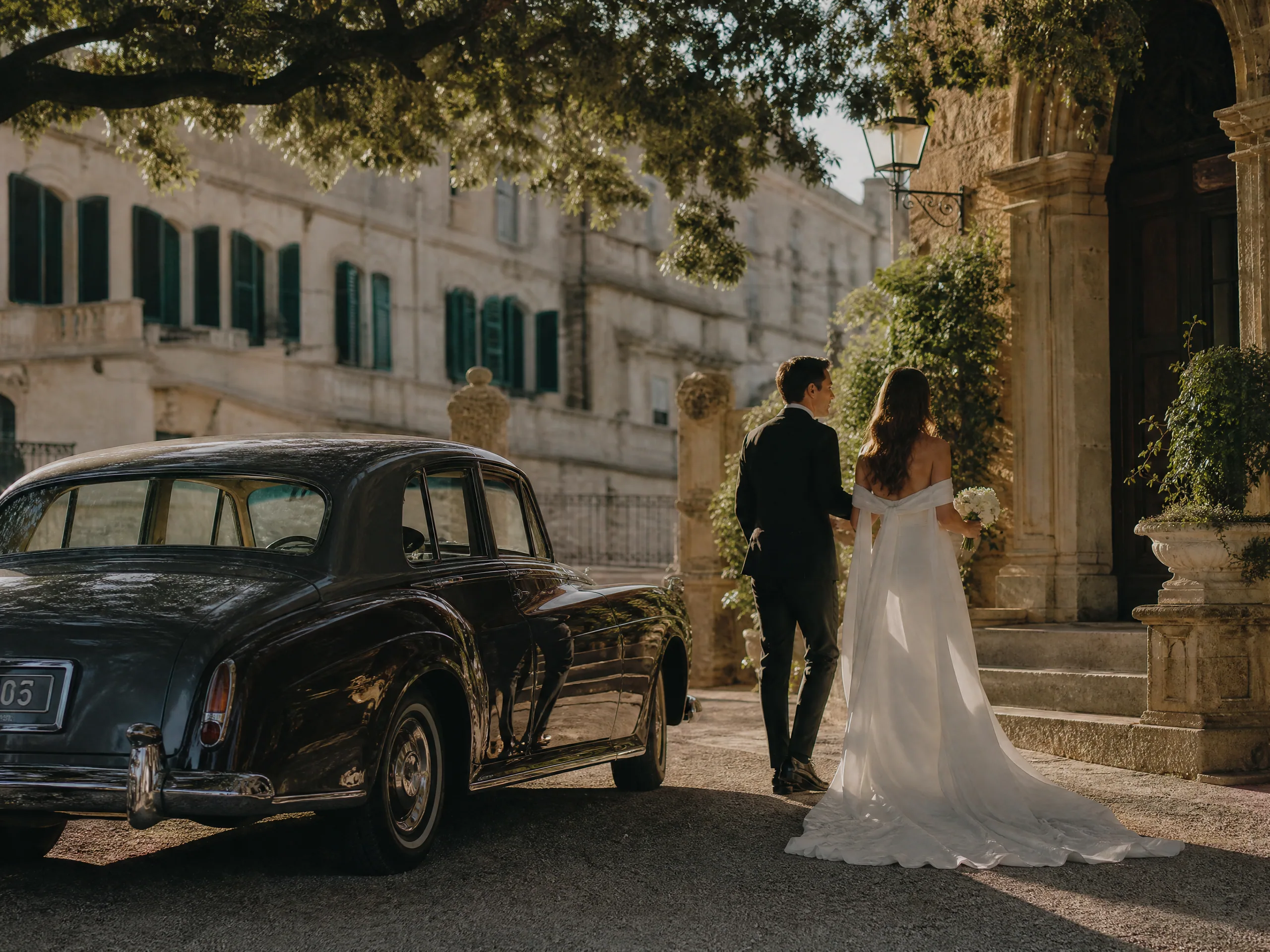
Ask for hard numbers and constraints in writing: how many cars fit on-site, whether overflow exists on neighboring land, and whether overnight parking is allowed for guests staying nearby. Confirm if the entrance can handle coaches or only minibuses and cars.
Also ask about surface conditions (gravel, dirt, steep slope), winter mud risk, summer dust, and whether the venue requires a parking attendant or security for evening events. If the answer is vague, budget for a local coordinator or day-of lead who can manage the lane.
Cars vs Shuttles: Choosing the Right Mix
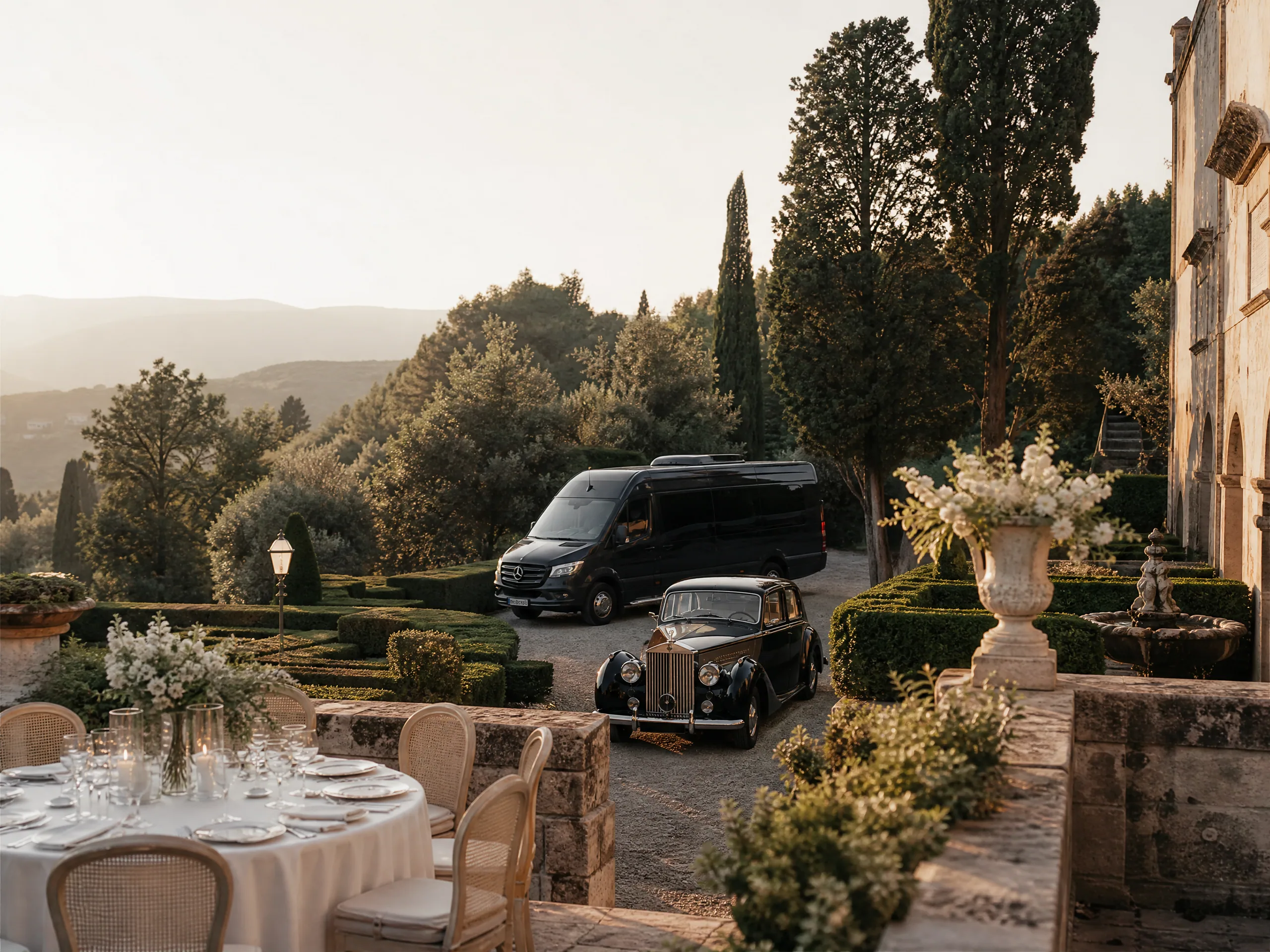
Full shuttle service from a hotel room block usually reduces stress when the venue is remote, parking is tight, or alcohol service will be generous. Mixed models work well too: shuttles for most guests, limited on-site parking for couple/family cars, vendors, and accessibility needs.
Avoid leaving the choice entirely to guests. When everyone independently rents cars “just in case,” you recreate the congestion problem the shuttle was meant to solve. State the preferred method in your travel notes and weekend itinerary.
Mapping On-Site, Overflow, and Walk Paths
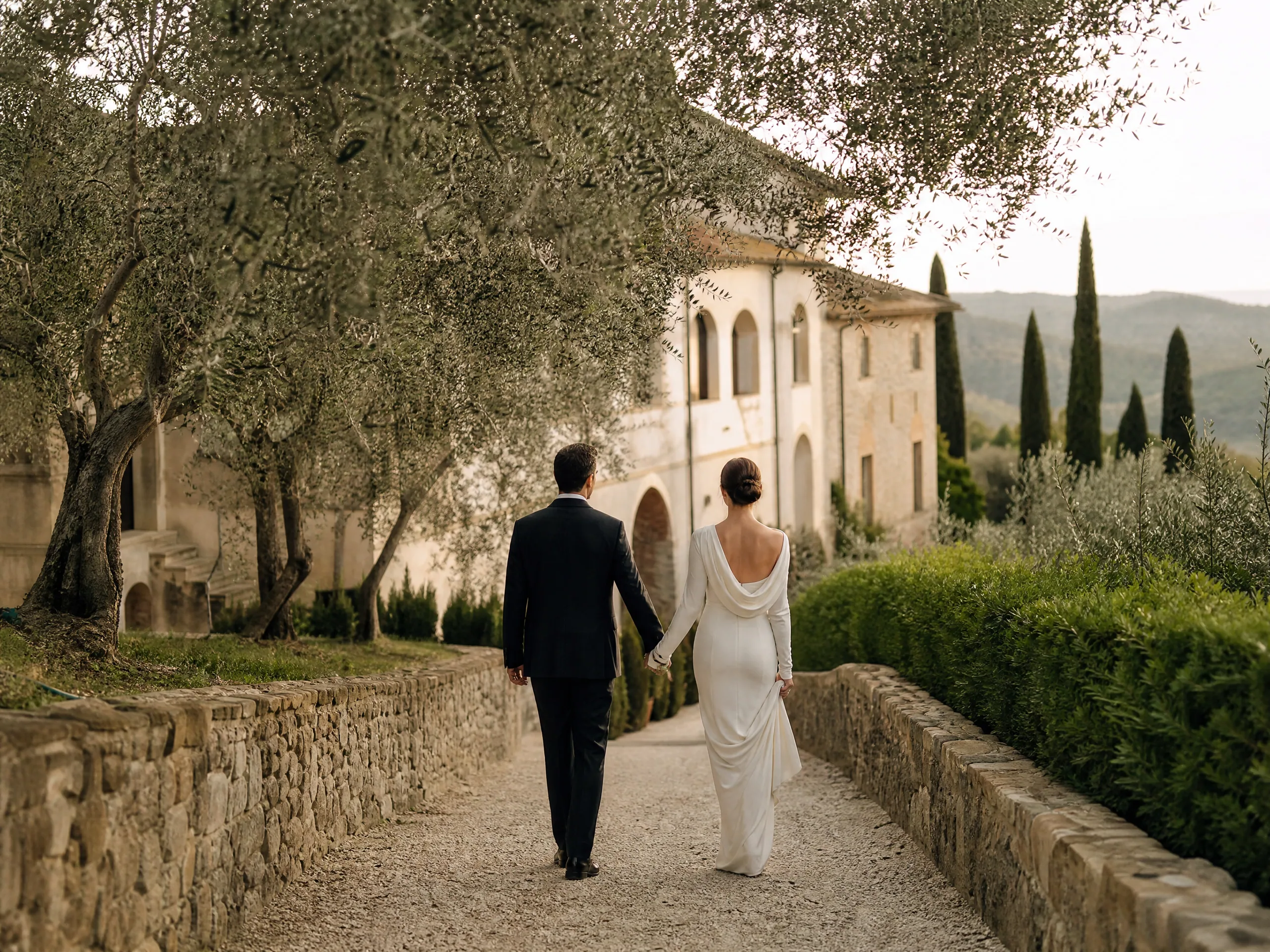
Draw a simple site map with three zones: guest parking, vendor/load-in, and no-park emergency access. Mark walking time from the farthest parking spot to ceremony seating—especially in heels, heat, or after dark.
If overflow is off-property, confirm who owns the land, whether insurance covers it, and how guests return after dark. A beautiful olive grove lot is useless without lighting, clear signage, and a way back that does not cross active driveways.
Vendor Load-In Lanes and Timing Windows
Caterers, florists, rental trucks, and AV teams often need the same entrance guests will later use. Stagger load-in earlier in the day and protect a dedicated lane so a late florist van does not block ceremony arrivals.
Share the same map with every vendor: where to park empty vehicles after unloading, where generators may sit, and when the lane must clear for guest flow. Rural venues forgive less improvisation than city hotels.
Arrival Waves, Ceremony Buffers, and Signage
International guests underestimate Spanish countryside drive times—especially with GPS that routes through farm tracks. Publish a recommended departure time from the hotel, not only a ceremony start time. Build a buffer so late cars do not walk into the processional.
Use bilingual directional signs at the main road, the property gate, and the parking entrance. A single “Parking / Aparcamiento” board with an arrow prevents the slow U-turns that clog narrow lanes.
Lighting, Safety, and End-of-Night Departures
Departures are when parking plans fail quietly: guests leave in the dark, some have been drinking, and taxis may be scarce in rural areas. Confirm lighting on paths back to cars, and decide whether shuttles run on a fixed loop or on-call after a certain hour.
If noise curfews force an earlier end, align shuttle pickup with that clock so guests are not stranded in a dark lot waiting for a final bus that never comes. Share the last-shuttle time as clearly as you share the first dance.
Accessibility, Family Needs, and VIP Exceptions
Reserve the closest spaces for mobility needs, elderly relatives, pregnant guests, and anyone carrying children. Do not make accessible parking a first-come scramble. Assign it in advance and staff the entrance if needed.
Couple and immediate family cars can have a small reserved pocket near getting-ready or farewell areas—as long as that does not steal the accessible zone or block vendor exit routes.
What to Put in Guest Travel Notes
Your parking message should be short and decisive: whether to drive, where to leave the car, how long the walk is, and what to do if the lot is full. Include a pin, a photo of the entrance if the gate is easy to miss, and a contact number for day-of transport questions.
Remind guests that rural Spanish roads can be narrow and that large rental SUVs are not always an advantage. If you are running shuttles, say clearly that on-site parking is limited or not available—polite ambiguity creates extra cars.
Parking will not be the most romantic line in your wedding story, but it shapes the first and last impression of the day. Plan it with the same care you give ceremony timing and guest arrivals, and your rural Spanish venue will feel intentional from the gate to the last farewell.