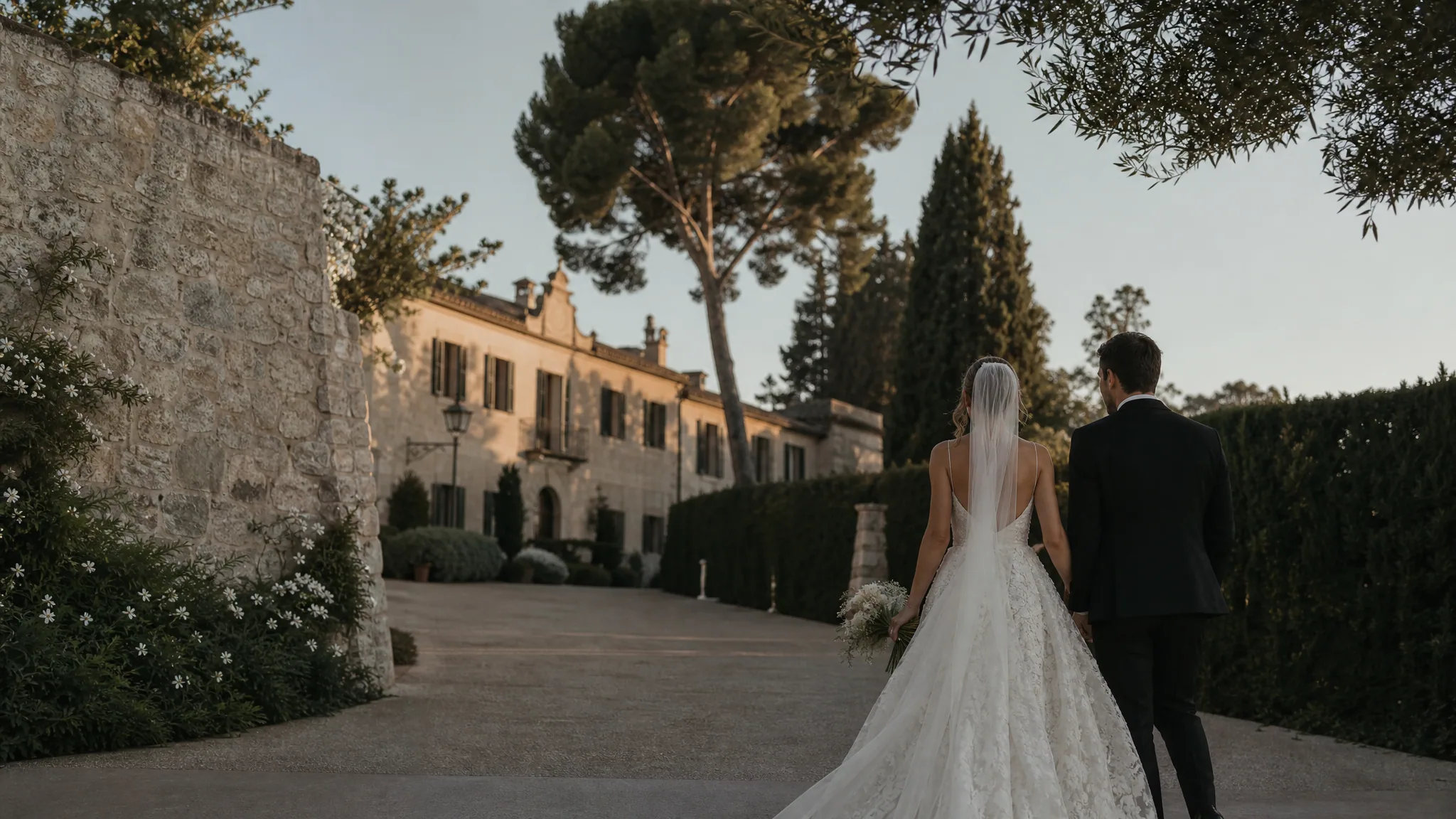
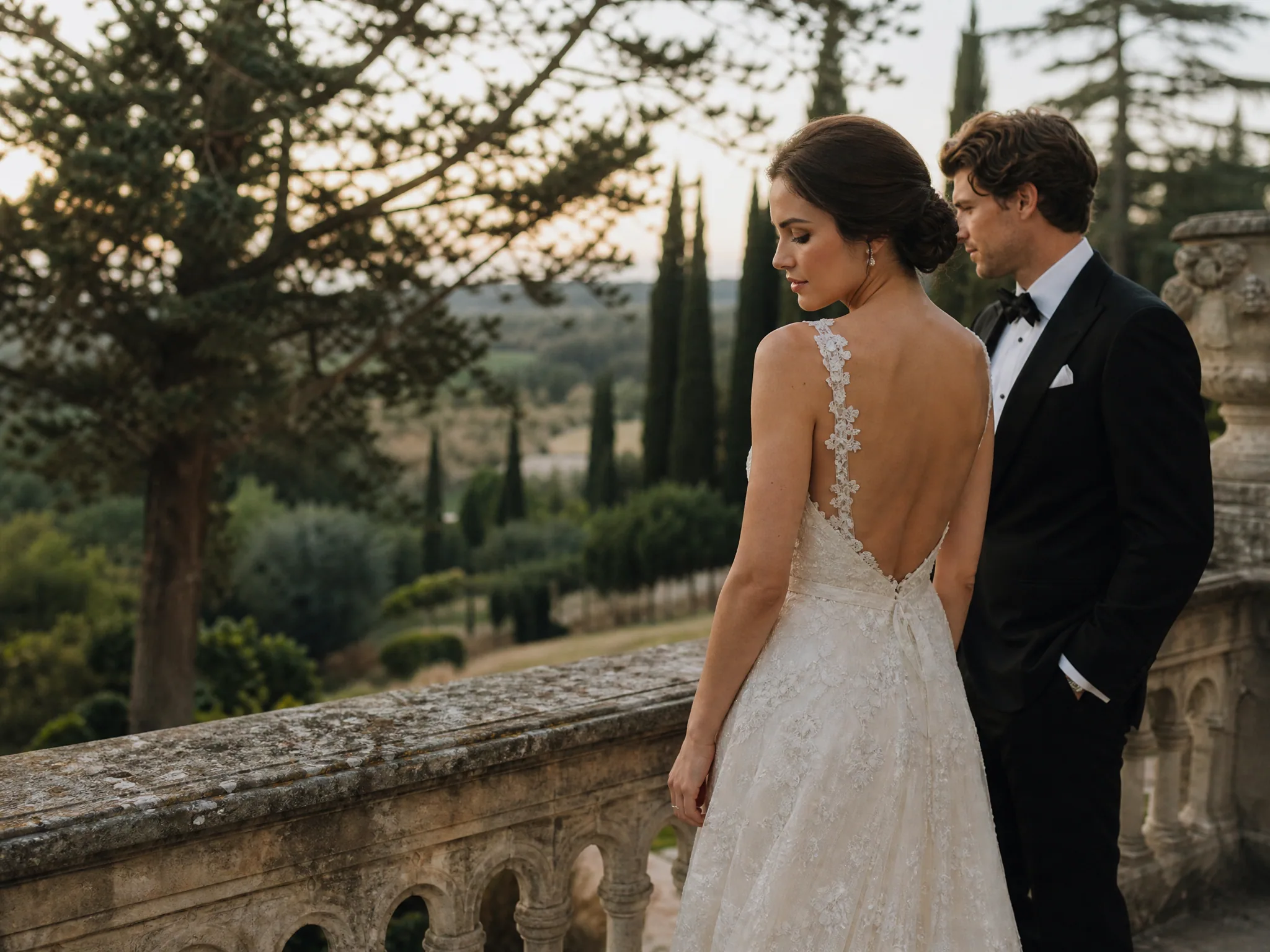
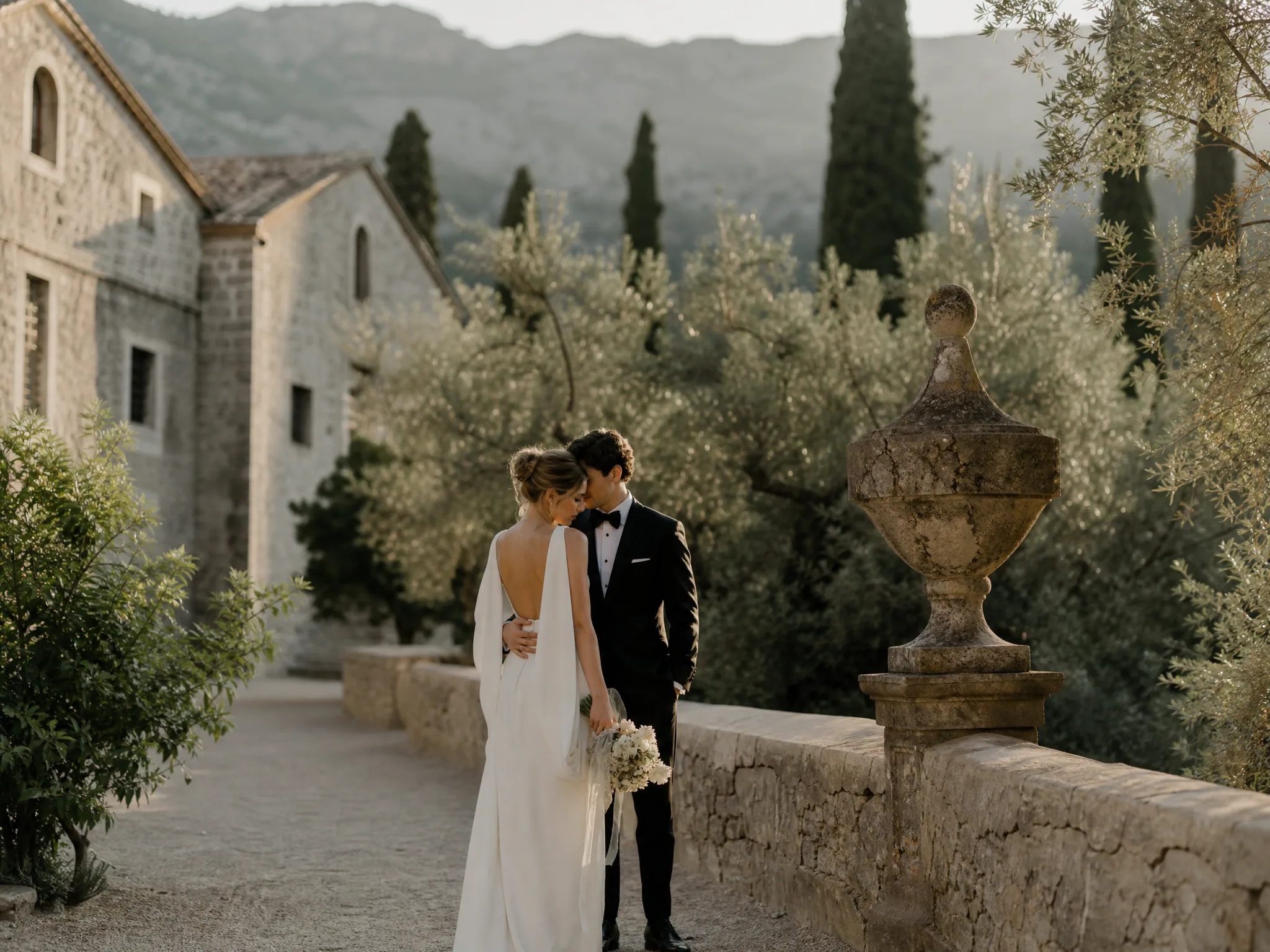
Destination weddings in Spain are designed around light, landscape, and the feeling of being somewhere unforgettable. What those same settings can make harder is a simple afternoon trip to a pharmacy, a clear answer about the nearest clinic, or calm coordination if a guest feels unwell during a long outdoor celebration.
If you are planning from abroad, medical logistics rarely appear on the first moodboard—and then suddenly matter when a guest loses prescription medication in transit, a heat-sensitive relative needs shade and electrolytes, or someone asks where the closest open farmacia is on a Sunday in a rural valley. The couples who protect guest wellbeing treat emergency access as part of hospitality, not a worst-case footnote.
Why Medical Planning Belongs in the Wedding Weekend Brief
International guest lists often include older relatives, children, travelers with allergies, and friends arriving after long-haul flights. Add Spanish summer heat, late dinners, dancing until early morning, and venues reached by narrow estate roads, and the weekend becomes more physically demanding than a city hotel wedding.
A medical plan is not about alarming anyone. It is about removing friction: knowing where to go, who to call, what to bring, and which team member quietly owns the information so you are not the bottleneck while getting ready or standing under the ceremony arch.

How Spanish Pharmacies Actually Work for Wedding Guests
Spain’s farmacias are excellent for many common needs—but they are not open like airport convenience stores. Opening hours vary by town, and evenings, Sundays, and local holidays can shift guests toward a duty pharmacy (farmacia de guardia) rather than the nearest storefront they walked past earlier.
Before the weekend, ask your planner or venue contact for:
- The closest pharmacy by drive time from the ceremony and reception sites
- Weekend and holiday hours for that pharmacy, plus the duty-pharmacy pattern if relevant
- Whether the town has a late-opening option near guest hotels
- A simple map pin guests can open without speaking Spanish
Include that information in a discreet section of the wedding weekend FAQ or welcome note. Guests who need contact lens solution, blister care, electrolytes, antihistamines, or basic first-aid supplies should not have to invent a scavenger hunt during cocktail hour.
Travel Insurance, EHIC/GHIC Cards, and Coverage Gaps
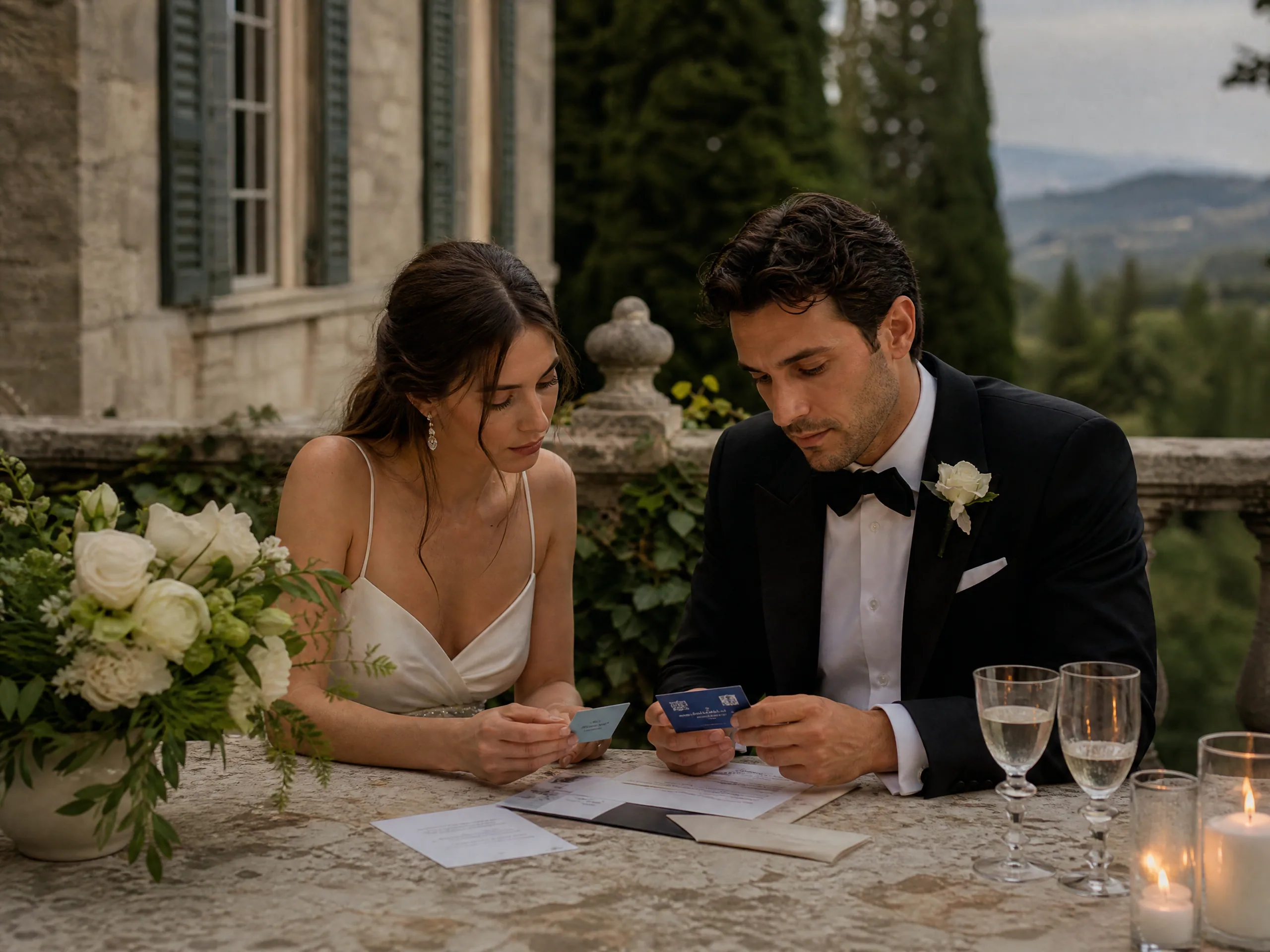
Medical access and payment expectations differ depending on whether guests are traveling from another EU/EEA country, the UK, or farther afield. Encourage guests—especially those with ongoing conditions—to confirm travel insurance that covers Spain for the full wedding weekend, including rural venue locations and any pre-wedding tourist days.
EU travelers may already understand reciprocal healthcare frameworks, but a destination wedding is still not the moment to assume every guest has the right card, app, or policy number packed. Non-EU guests should know whether their insurance prefers specific clinics, requires pre-authorization for non-emergency care, or includes medical evacuation if a serious issue happens far from a major hospital.
You do not need to become an insurance advisor. You do need a one-line reminder in guest communications: bring proof of coverage, know the insurer’s emergency number, and keep both offline and in the cloud.
Build a Local Emergency Card for the Couple and Coordinator
Create a single shared note—accessible to you, your planner, and your day-of coordinator—with:
- Nearest hospital or urgent care with address, phone, and approximate drive time from the venue
- Local emergency number context for Spain (112) and any venue-specific security or estate contacts
- Pharmacy pins for ceremony site, reception site, and main guest hotel cluster
- Taxi / transfer company numbers that can move a guest quickly without dismantling the shuttle plan
- Names of bilingual team members who can help translate at a clinic if needed
Keep the tone practical. The goal is a calm handoff if someone needs support while photographs, speeches, or dinner are underway.
Heat, Allergies, and Common Day-of Scenarios
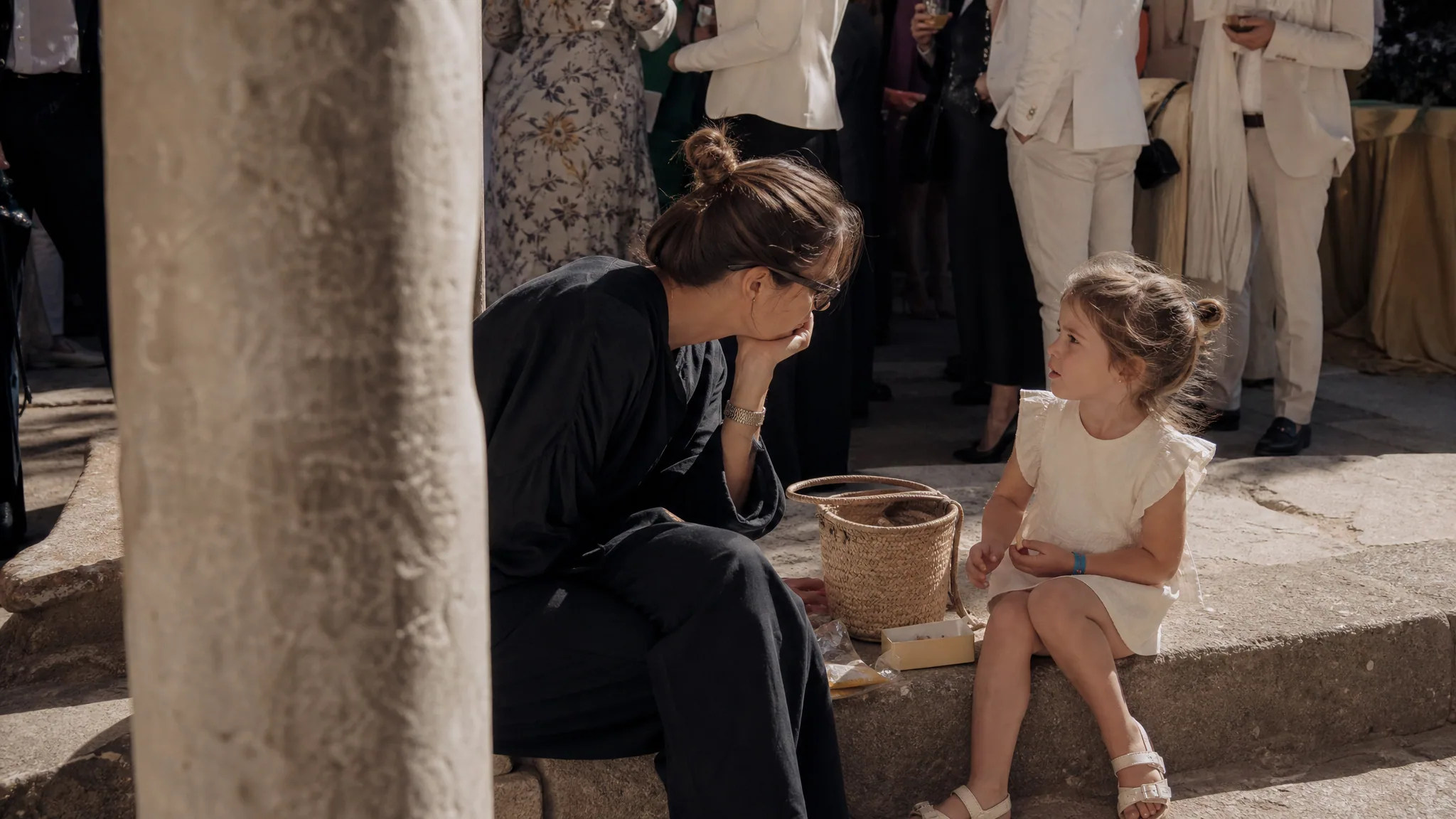
Most destination-wedding medical moments are not dramatic. They look like dizziness after standing in sun during cocktail hour, a forgotten inhaler, a severe blister before an olive-grove ceremony, dehydration at a hillside venue, or a food-allergy near-miss when guests move freely between stations.
Work with your planner and caterer on prevention first:
- Shade, water, and electrolyte options timed to the hottest part of the guest journey
- Clear allergen labeling and a staff member who knows the menu in English
- A small on-site kit: plasters, antiseptic wipes, insect-bite cream, oral rehydration, spare sunscreen, and basic pain relief if appropriate for your team to hold
- A quiet, cool recovery space away from the dance floor and photo moments
If your celebration is outdoors in peak summer, medical readiness and heat planning are the same conversation. Guests feel cared for when comfort logistics are invisible and complete.
Rural Venues: Hospitals, Ambulances, and Access Roads
Masias, fincas, vineyards, and coastal estates can be twenty to forty minutes from robust medical facilities—sometimes more depending on traffic, ferry timing, or mountain roads. Ask the venue early:
- What is the fastest reliable route to the nearest hospital?
- Can emergency vehicles access the ceremony lawn, or is there a designated meeting point at the gate?
- Is mobile coverage reliable enough for calls and maps throughout the property?
- Does the estate have a preferred local clinic relationship or bilingual contact?
Share access notes with your coordinator and transportation lead. If guests are shuttled in and personal cars are limited, know how a guest would leave the property quickly without stranding the wider group.
Medication Logistics for International Travelers
Prescription medication is one of the most common quiet stress points for destination guests. Encourage anyone with essential meds to pack them in carry-on luggage, keep them in original packaging when possible, and bring a few extra days’ supply for delays.
For time-zone-sensitive medications, suggest guests confirm timing with their own clinician before travel. For controlled medications, guests should check entry rules and documentation requirements for Spain well before departure—this is personal medical advice territory, so keep your role to prompting early preparation rather than interpreting regulations case by case.
If a close family member has a complex medical need, consider seating, shade, restroom access, and rooming distance from the main celebration spaces as part of the same plan.
Private Communication Without Disrupting the Day
Decide in advance who guests should contact if they feel unwell: usually the planner or day-of coordinator, not the couple’s personal phones during getting ready, portraits, or dinner. Put that contact in the welcome information and brief the wedding party so well-meaning friends do not escalate every issue directly to you.
Agree on a simple internal protocol:
- Who assesses whether the guest needs water and rest, a pharmacy run, or clinic transport
- Who leaves the property with them if needed
- Who updates the couple only if the situation truly requires it
This protects privacy, keeps the celebration atmosphere intact, and ensures help is decisive rather than crowded.
A Practical Checklist for Couples Planning from Abroad
- Ask the venue for hospital, clinic, pharmacy, and emergency-access details in writing
- Confirm weekend pharmacy hours and duty-pharmacy options near guest lodging
- Add a short medical/FAQ note to guest communications without sounding alarming
- Remind guests to pack medications in carry-on and confirm travel insurance for Spain
- Stock a discreet first-aid and comfort kit with your coordinator
- Identify bilingual support for clinic or pharmacy conversations
- Map a quiet cool-down space and water/shade plan into the outdoor timeline
- Assign one day-of owner for guest medical questions so you can stay present
When medical access, pharmacies, and emergency contacts are planned with the same care as transport and dinner timing, destination weddings in Spain feel generous under pressure—and guests remember the hospitality as much as the views.