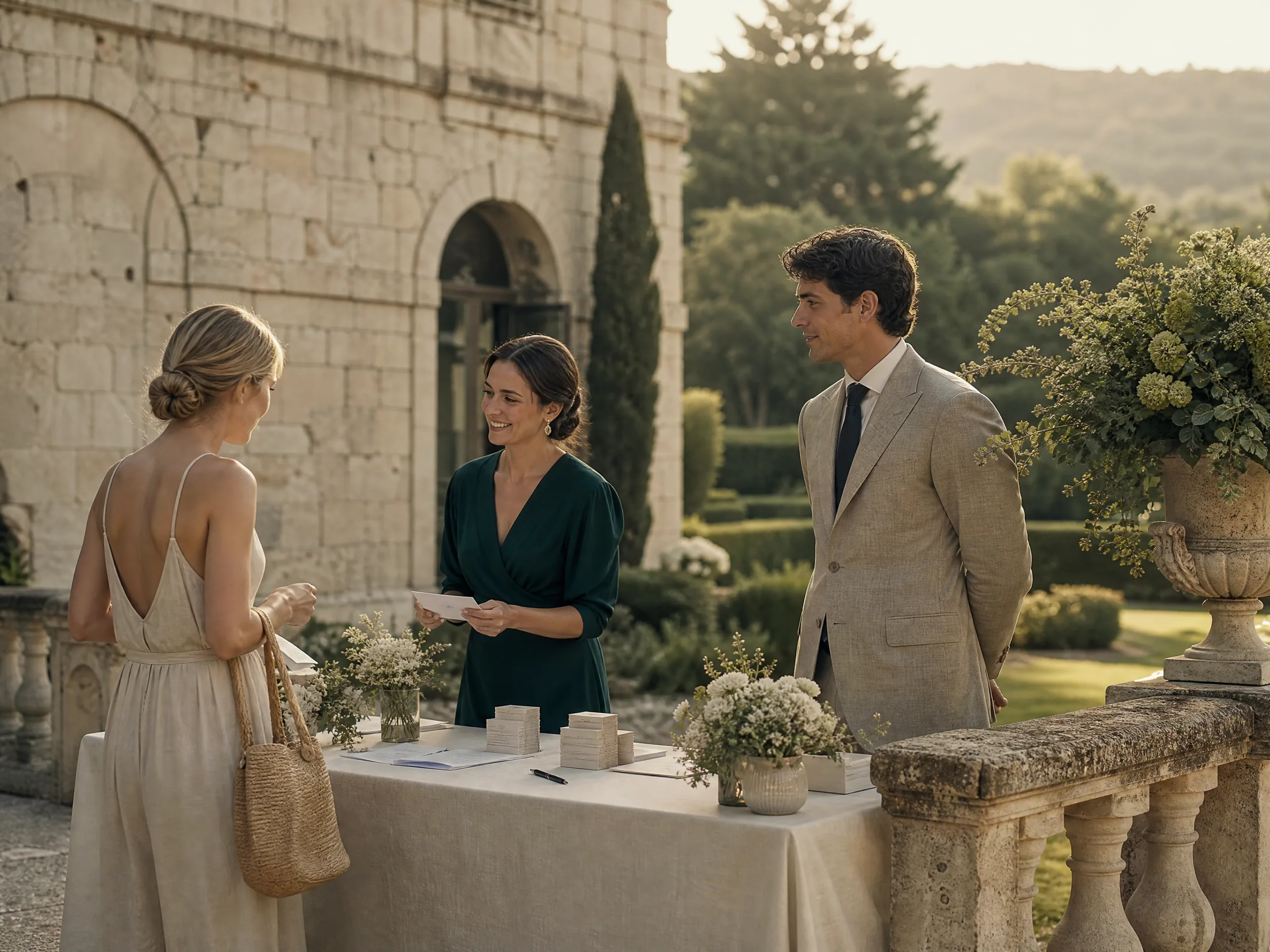
International guests land at different airports, arrive on staggered flights, and often reach a Spanish finca, coastal hotel, or countryside estate before they know where to put their bags—or whether they are early for the welcome drinks. A destination wedding weekend can feel seamless when someone owns the first five minutes on site. Without that, the same weekend starts with confused Uber drop-offs, missing room keys, and the couple answering logistics questions in their getting-ready robes.
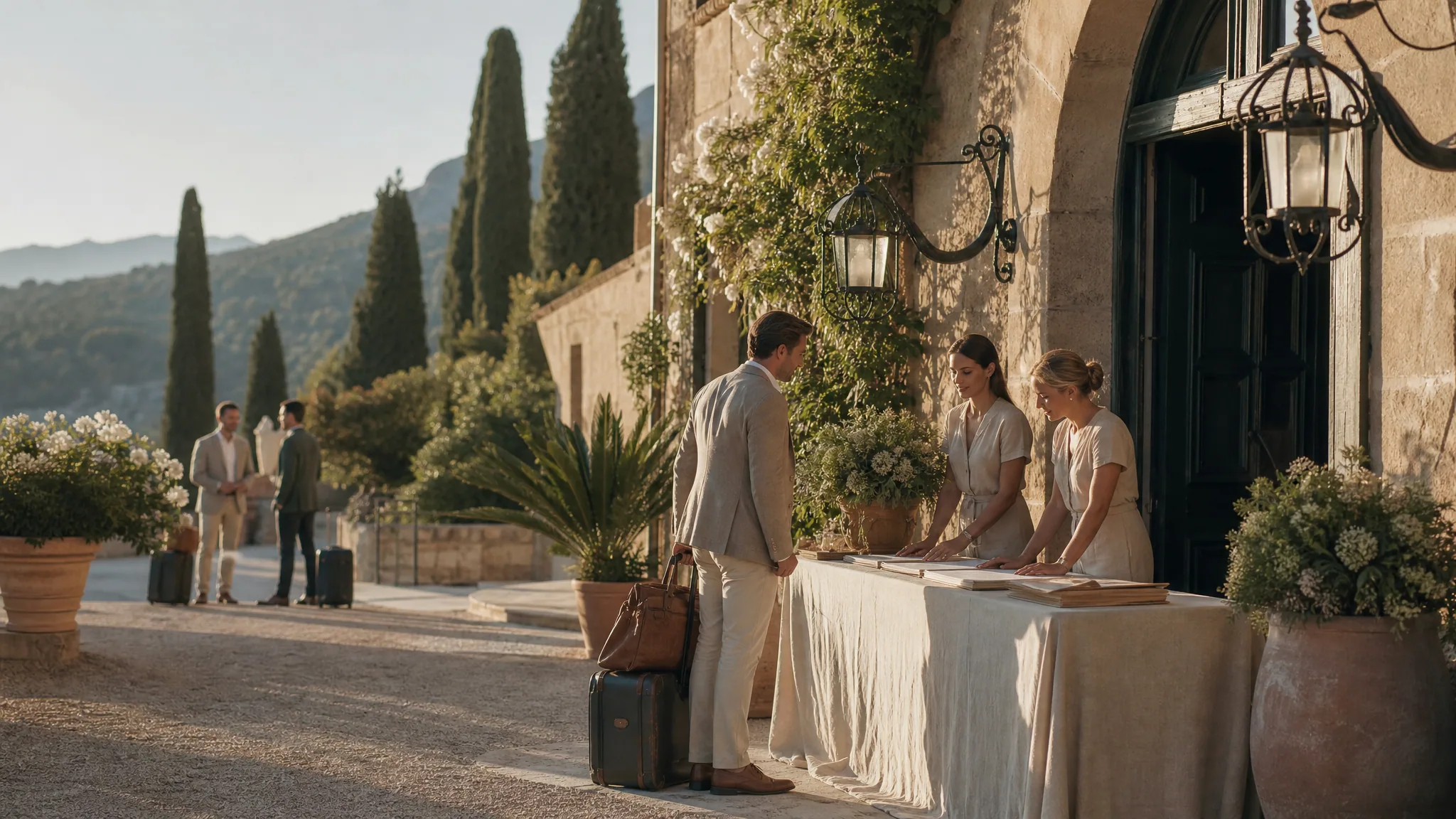
A guest welcome desk is not a hotel front desk replica. It is a short, well-briefed check-in moment that orients people, reduces WhatsApp chaos, and protects the couple’s timeline. For Spain destination weddings planned from abroad, that desk—or its mobile equivalent—is one of the highest-leverage hospitality decisions you can make.
Why Arrival Check-In Matters More in Spain
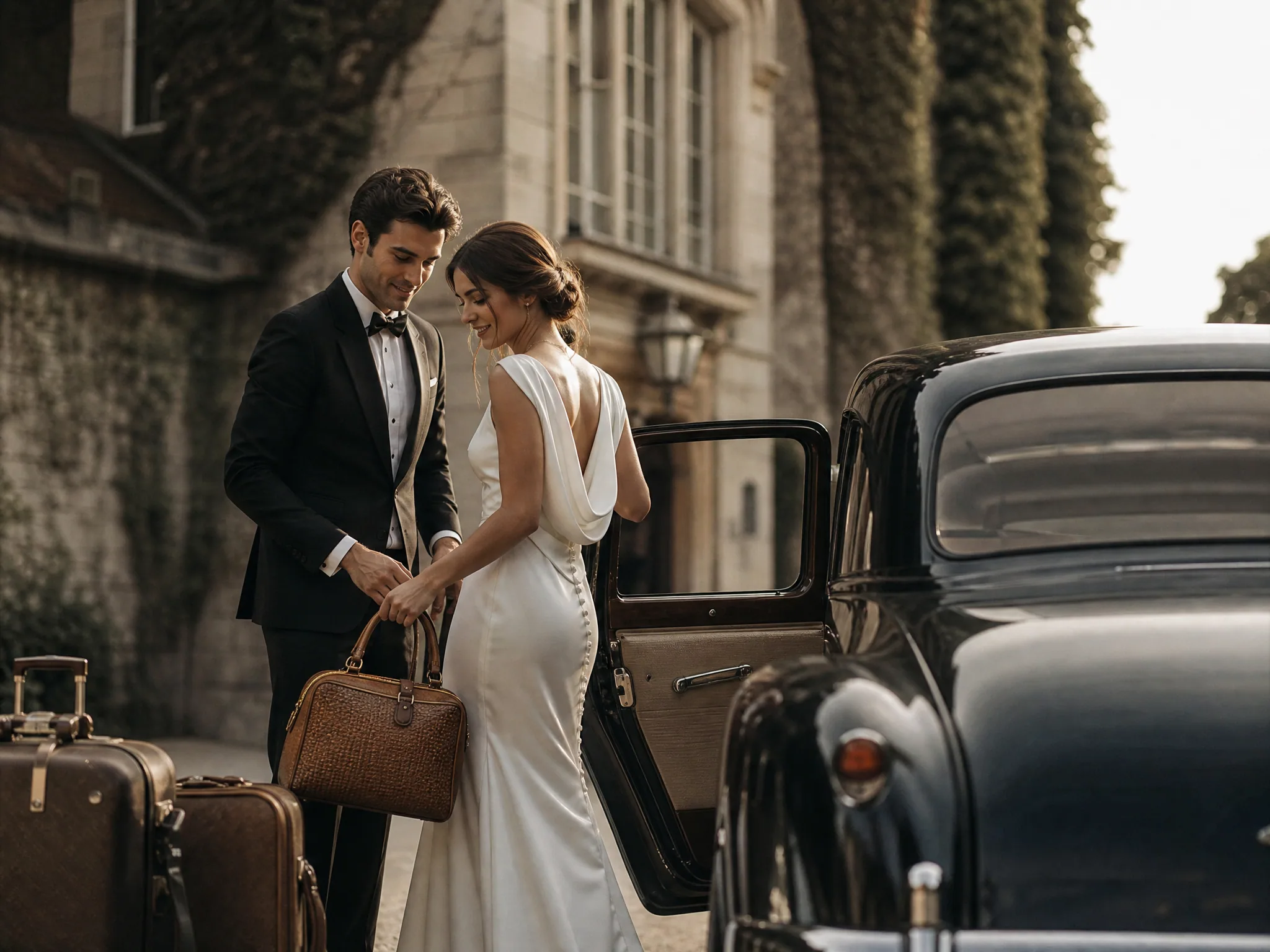
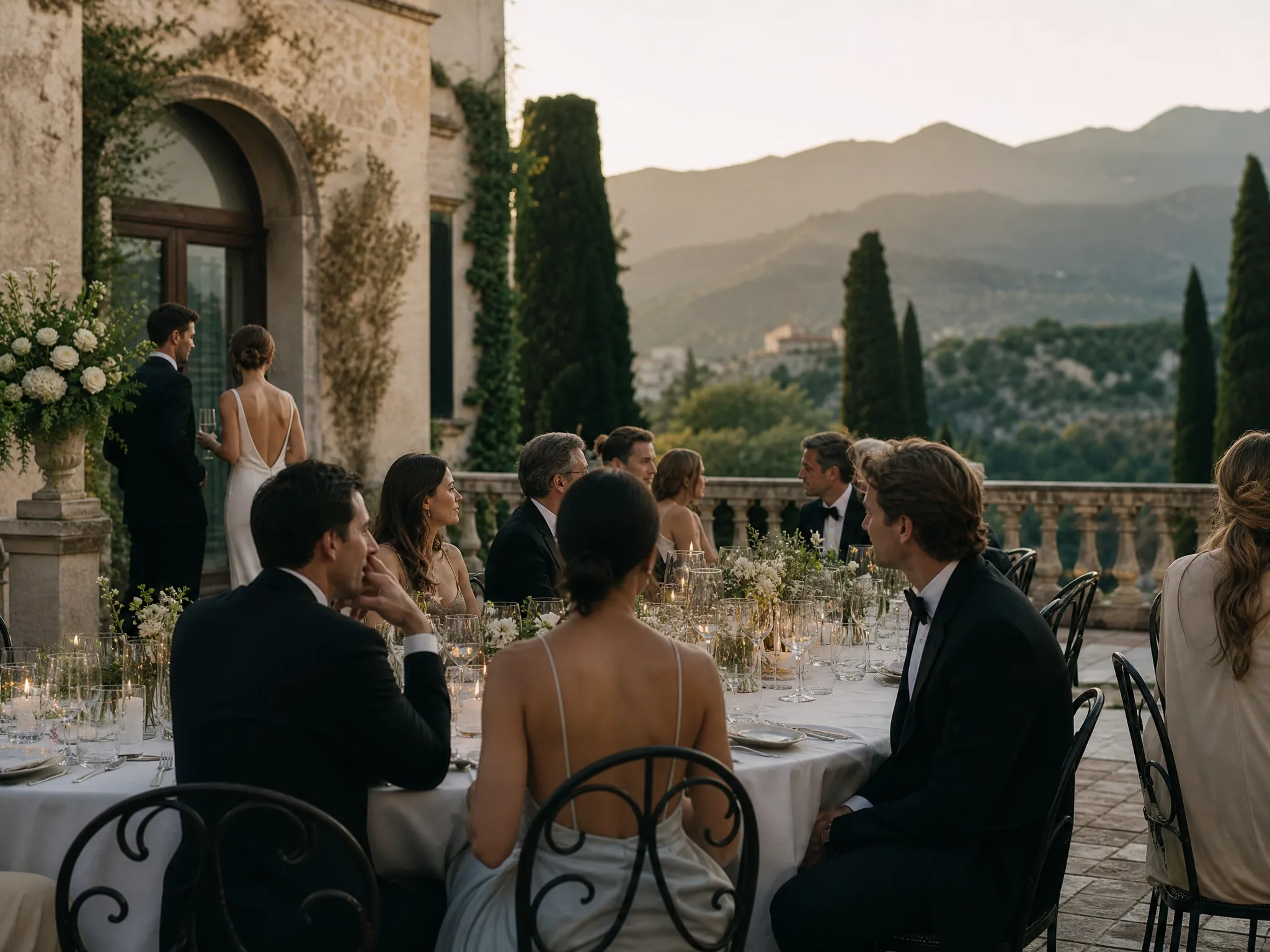
Spanish wedding weekends often span multiple properties: a city hotel for early arrivals, a rural estate for ceremony day, a beach club for the welcome party, and a brunch terrace the morning after. Guests may not speak Spanish, may not have local SIMs working yet, and may arrive during siesta hours when reception desks are thinly staffed.
Add summer heat, gravel driveways, and limited parking, and the first impression becomes a logistics test. A clear check-in plan turns that test into hospitality: water, shade, a printed weekend card, and a human who already knows the guest’s name.
Decide What the Welcome Desk Actually Does
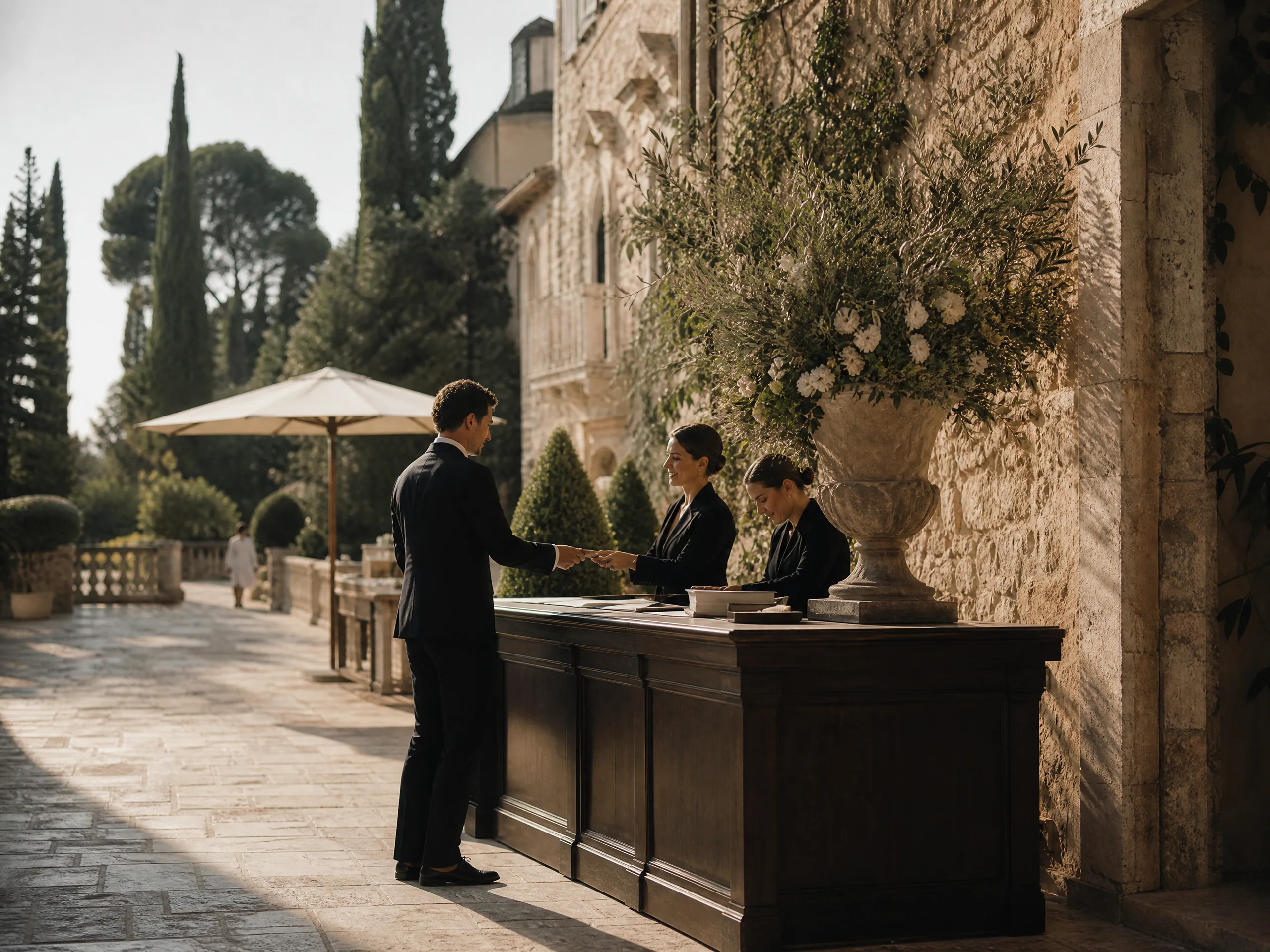
Scope the desk before you design the styling. Typical jobs include:
- Confirm guest names against the rooming list and wedding weekend roster
- Hand over room keys, villa assignments, or shuttle tokens when the hotel is not doing it
- Distribute welcome bags, water, fans, insect repellent, and a printed itinerary
- Explain parking, Wi‑Fi, dress codes for tonight, and the next pickup time
- Flag accessibility needs, late arrivals, and missing luggage to the planner quietly
If the hotel already handles keys and luggage, your “desk” can be lighter: a host table at the welcome party entrance, or a greeter at the estate gate with a clipboard and cold drinks.
Choose the Right Location and Hours
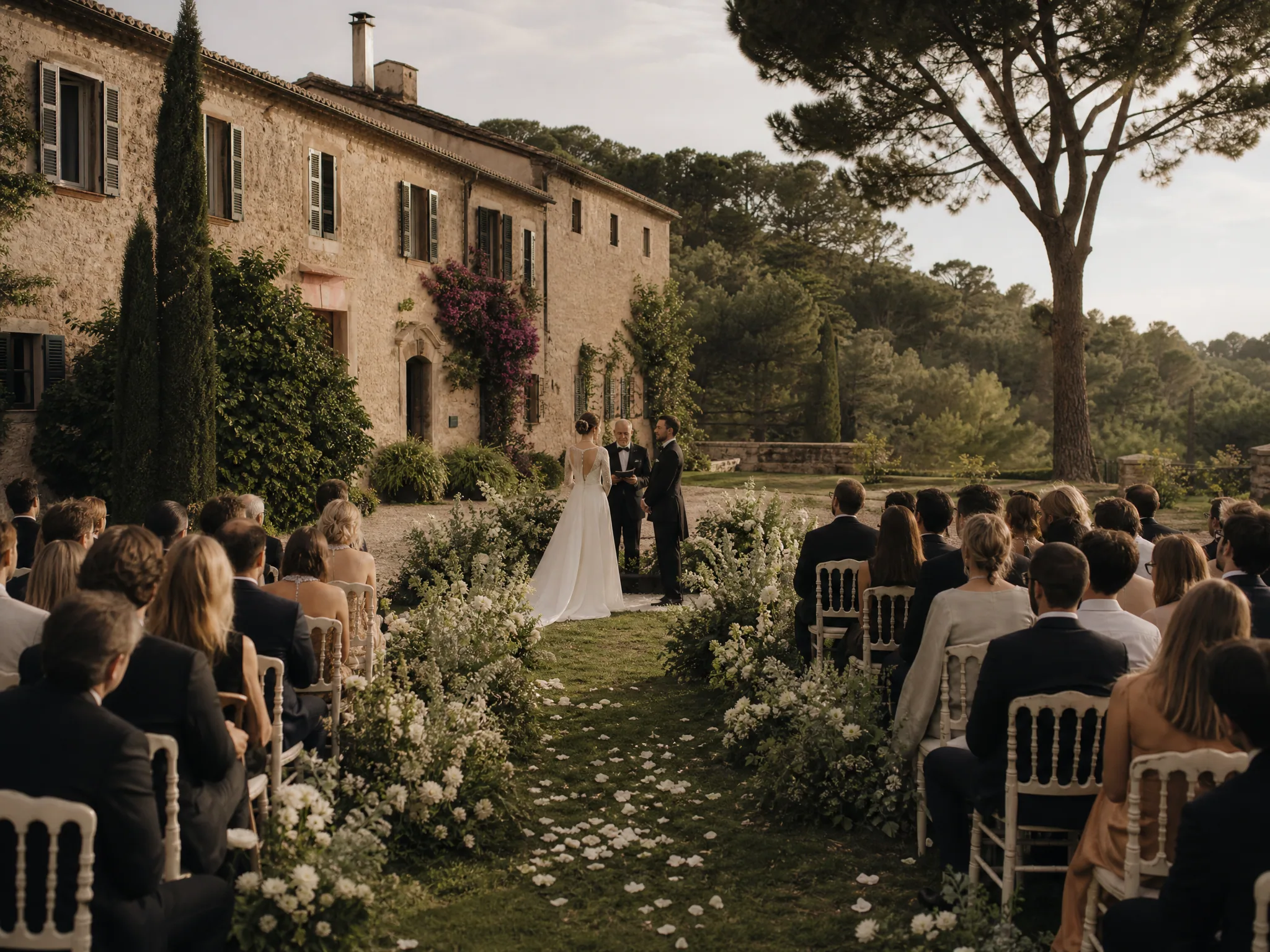
Place the desk where guests naturally arrive—not where the photos look best. Common options:
- Hotel lobby near the main entrance during peak check-in windows
- Estate gate or courtyard for villa-style venues with self-drive guests
- Welcome-party entrance if most people check into hotels independently
- A floating host with a tote and tablet for staggered airport transfers
Publish hours. A desk that “someone will figure out” creates the exact anxiety you are trying to remove. For multi-hotel weekends, either staff each property briefly or appoint one hotel as the official hospitality hub and transfer guests from there.
Build the Arrival Kit Before Anyone Lands
The desk only works if materials are packed and labeled in advance. Prepare:
- Alphabetical guest list with room or villa numbers, dietary notes, and arrival flight times
- Weekend itinerary cards in English (and a second language if your guest list needs it)
- Map pins for ceremony, dinner, after-party, and brunch locations
- Emergency contacts: planner, day-of coordinator, local taxi, and hotel front desk
- Spare phone chargers, basic first-aid, sunscreen, and tissues
Print more itinerary cards than guests. Jet-lagged travelers lose paper; a second copy at the bar or brunch table saves you from rewriting plans on napkins.
Staff It With People Who Can Answer, Not Just Smile
Assign at least one bilingual or locally fluent person who knows the venue layout, transfer schedule, and dress code for each event. A friend of the couple can host warmly, but they need a one-page brief and a planner contact on speed dial.
For larger weekends, pair a hospitality host with a logistics lead: one greets and orients, the other solves late cars, missing bags, and room conflicts. Keep the couple off the desk unless they specifically want a short hello window—otherwise arrivals will pull them into problem-solving all afternoon.
Coordinate Hotels, Transfers, and the Desk as One System
Arrival check-in fails when hotel check-in, shuttle timing, and the welcome desk run on separate spreadsheets. Align:
- Earliest and latest expected arrival times per day
- Who meets airport transfers versus who stays at the property
- How rooming list changes are communicated after the couple stops checking email
- What happens when a guest arrives two hours early and rooms are not ready
If rooms are not ready, the desk should have a holding plan: luggage storage, a shaded lounge, pool access if appropriate, or a nearby café with a prepaid tab. Guests forgive a wait when they are hosted; they remember being abandoned in a lobby with no water.
Plan for Heat, Language, and Access Needs
In Spanish summer, the welcome desk needs shade, water, and a short queue plan. On cool shoulder-season evenings, add a wind-protected corner and clear lighting after dark. Keep signage large and simple—“Guest Check-In / Bienvenidos”—so tired travelers can find it without asking three strangers.
Ask about mobility needs before arrival day. Steep gravel, cobblestones, and villa stairs are common at Spanish estates. The desk should know which guests need closer drop-off points, golf-cart help, or ground-floor rooms so those details are handled privately and early.
Use Soft Scripts So Guests Feel Welcomed, Not Processed
Train hosts on a thirty-second script: welcome by name, confirm lodging, hand the itinerary, mention the next event time, and offer help with bags or questions. Avoid making check-in feel like airport security. The goal is orientation with warmth.
Also brief hosts on what not to invent. If a guest asks about changing the seating chart, extending the after-party, or moving rooms, the correct answer is “let me confirm with the planner,” not an improvised yes.
Close the Desk Without Losing Overnight Support
When official desk hours end, publish the overnight path: hotel front desk, planner WhatsApp, or a night host for villa guests. Late flights into Barcelona, Madrid, Málaga, or Palma are normal; someone still needs to answer at 23:40 when a transfer is delayed.
After the main arrival wave, do a five-minute debrief: who is still missing, who lost luggage, who needs a pharmacy run, and whether tomorrow’s first pickup time changed. That short reset prevents arrival-day problems from becoming ceremony-morning surprises.
A polished welcome desk will not appear in every highlight reel, but it shapes the weekend guests actually experience. For destination weddings in Spain, the couples who feel calm on ceremony day are usually the ones who decided—weeks earlier—exactly who would meet the first car, what that person would hand over, and how every late arrival still finds their place in the celebration.