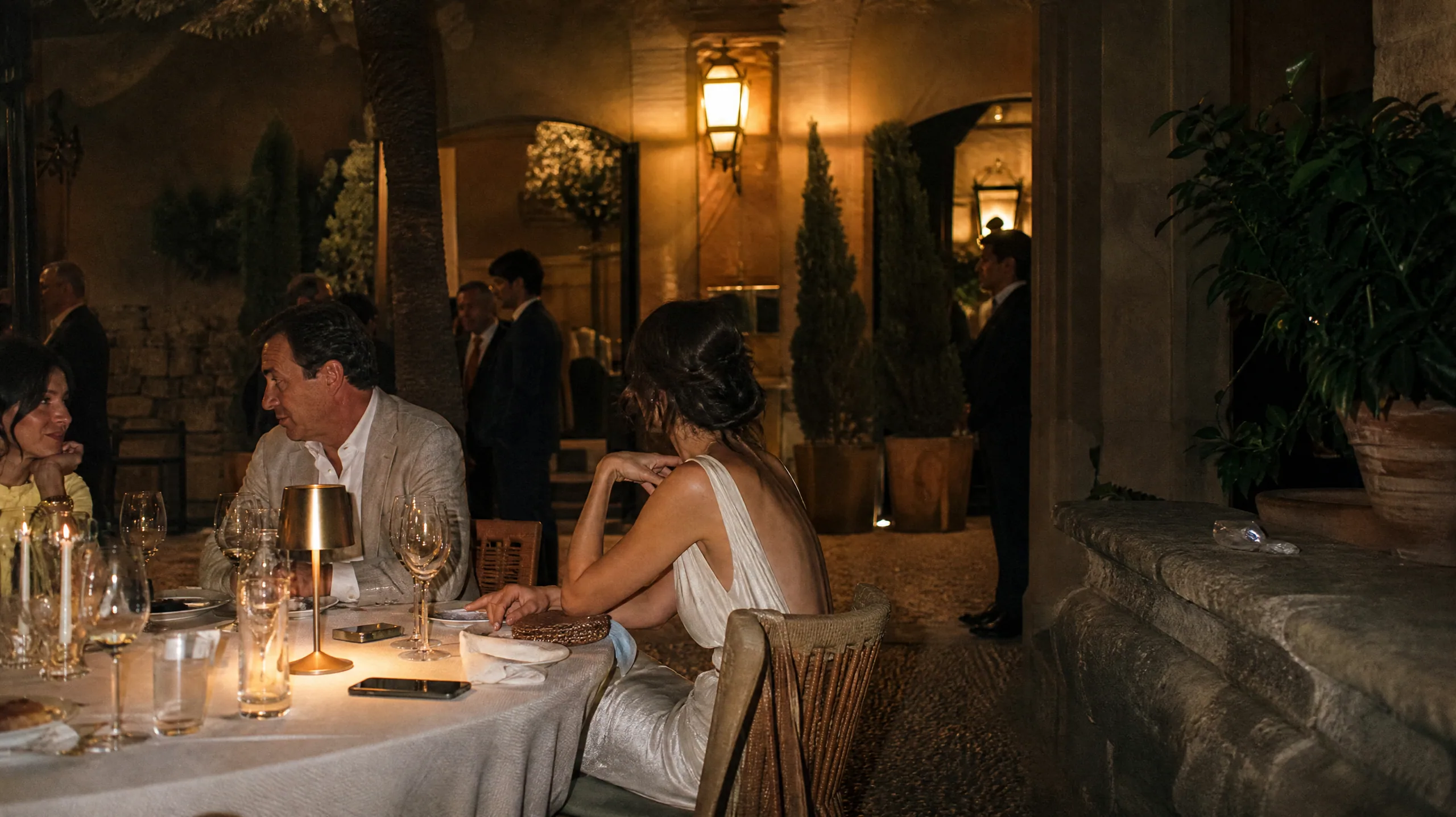

Destination weddings in Spain often look effortless in the photos: a sunlit courtyard, a long dinner under string lights, guests already laughing by cocktail hour. Getting those guests to the venue is less cinematic. Many of the best fincas, masías, and coastal estates sit twenty to forty minutes from a town center, with narrow lanes, limited signage, and taxi apps that thin out after midnight.
For international couples planning from abroad, guest car rental is not a minor detail—it is weekend infrastructure. Some guests will want independence; others will panic at the idea of driving on unfamiliar roads. This guide helps you decide who should rent, what to tell them, and how to keep rural arrivals from becoming the most stressful part of your wedding weekend.

When guest car rentals make sense—and when they do not
Rentals shine when your venue is rural, your guest list is spread across several hotels or villas, and daytime plans include beaches, markets, or town lunches. They also help when late Spanish dinners end after local taxi supply collapses. They are less useful when parking is tiny, the access road is unsuitable for large vehicles, or you have already booked reliable group shuttles for every major movement.
A hybrid model often works best: shuttles for ceremony and return, plus a small number of rental cars for hosts, bridal party leads, and guests staying off the main hotel block. That mix protects the timeline without forcing every uncle to navigate a dirt turnoff in the dark.
Airport pickup realities for international guests
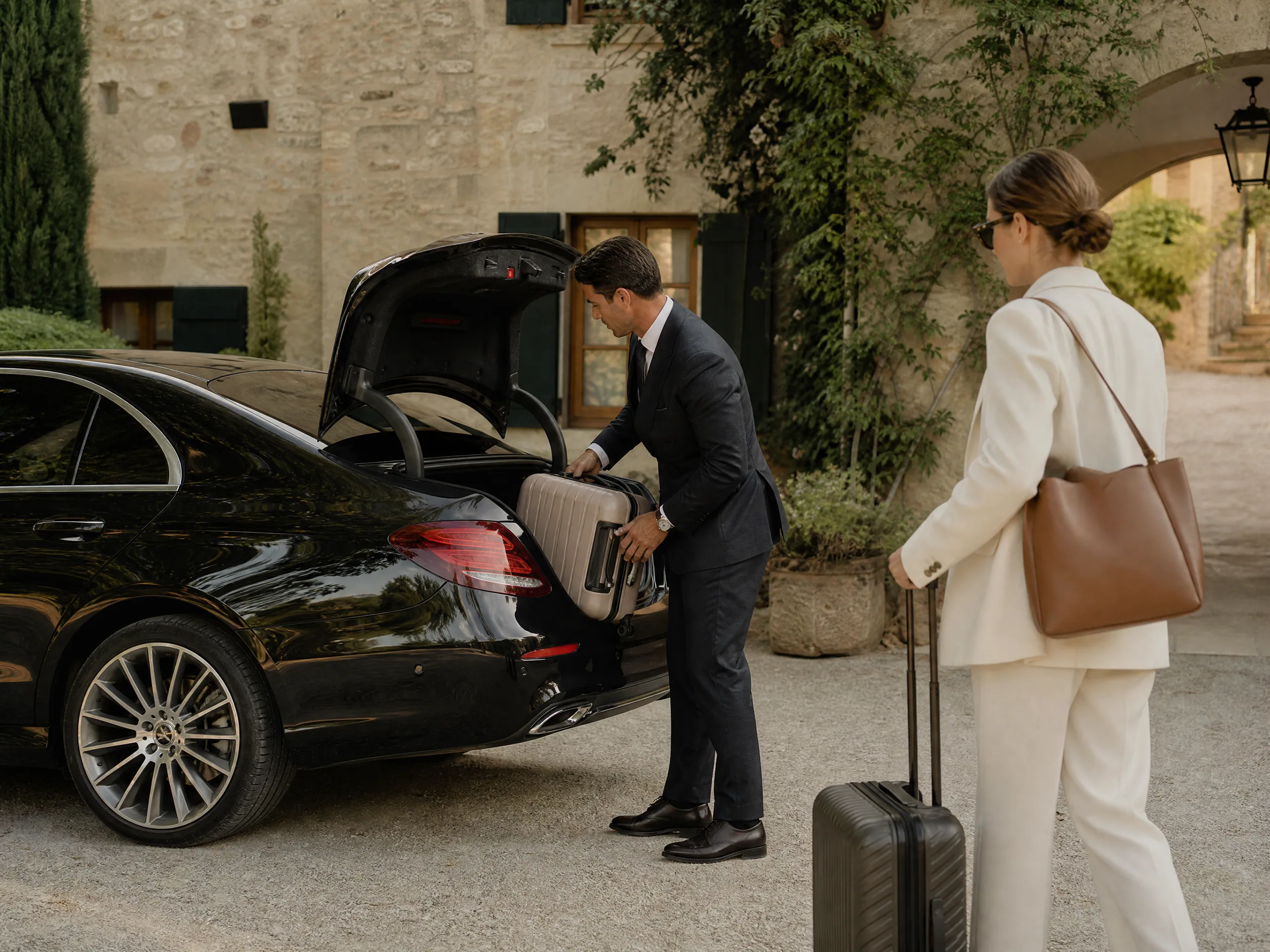
Barcelona, Palma, Málaga, Valencia, and Madrid airports all support major rental desks, but queues, shuttle buses to off-site lots, and name mismatches on bookings can consume an hour. Tell guests to reserve in advance with the exact passport name, add a buffer after landing, and avoid stacking a tight rehearsal dinner immediately after a long-haul arrival plus car pickup.
If several flights land within the same window, consider a paid greeter or a shared WhatsApp pin for the rental return lane. Guests who land late at night may prefer a pre-booked transfer to the hotel and a next-morning rental collection in town—safer and less exhausting than learning Spanish roundabouts at 23:40.


Choose cars that fit Spanish wedding geography
Rural venues reward compact cars with decent clearance more than prestige SUVs. Long vehicles struggle on hairpin estate roads; low sports cars scrape on gravel; oversized vans may be blocked by property gates. Ask your venue which vehicle sizes have failed in the past—coordinators usually have stories.
Automatic transmissions are worth requesting early for North American and some Asian guests, but stock can be limited in peak season. If automatics are scarce, say so in the welcome notes so guests can decide whether to rent elsewhere, share rides, or rely on shuttles instead of discovering a manual gearbox at the counter.

Insurance, deposits, and the conversations guests forget
Rental desks often present extra insurance, excess reduction, and cross-border fees in a rush. Your job is not to negotiate every policy, but to warn guests before they travel: credit-card holds can be large, young-driver surcharges exist, and second drivers should be named at pickup. Guests sharing a car should agree in advance who is financially responsible if there is damage on a tight estate lane.
Also clarify whether anyone plans to drive into another country or onto ferries. Island weddings add another layer—Palma rentals are straightforward for Mallorca, but last-minute one-way returns and airport-hour limits catch people out on departure day.
Rural driving notes guests actually need
Do not send a novel. Send a short driving card: venue pin, plus a written landmark (“white gate after the third olive grove,” “do not turn at the first farm track”), estimated drive time from the main hotel at ceremony hour, and a warning about single-track roads or livestock. Include a backup offline map screenshot; rural signal drops are common.
Remind guests that Spanish countryside speed feels slower than the map suggests, especially at dusk when ceremony traffic, delivery vans, and wedding taxis share the same lane. Build a fifteen-minute courtesy buffer into any self-drive call time so the processional is not waiting on a missed turn.
Parking, gate access, and arrival choreography
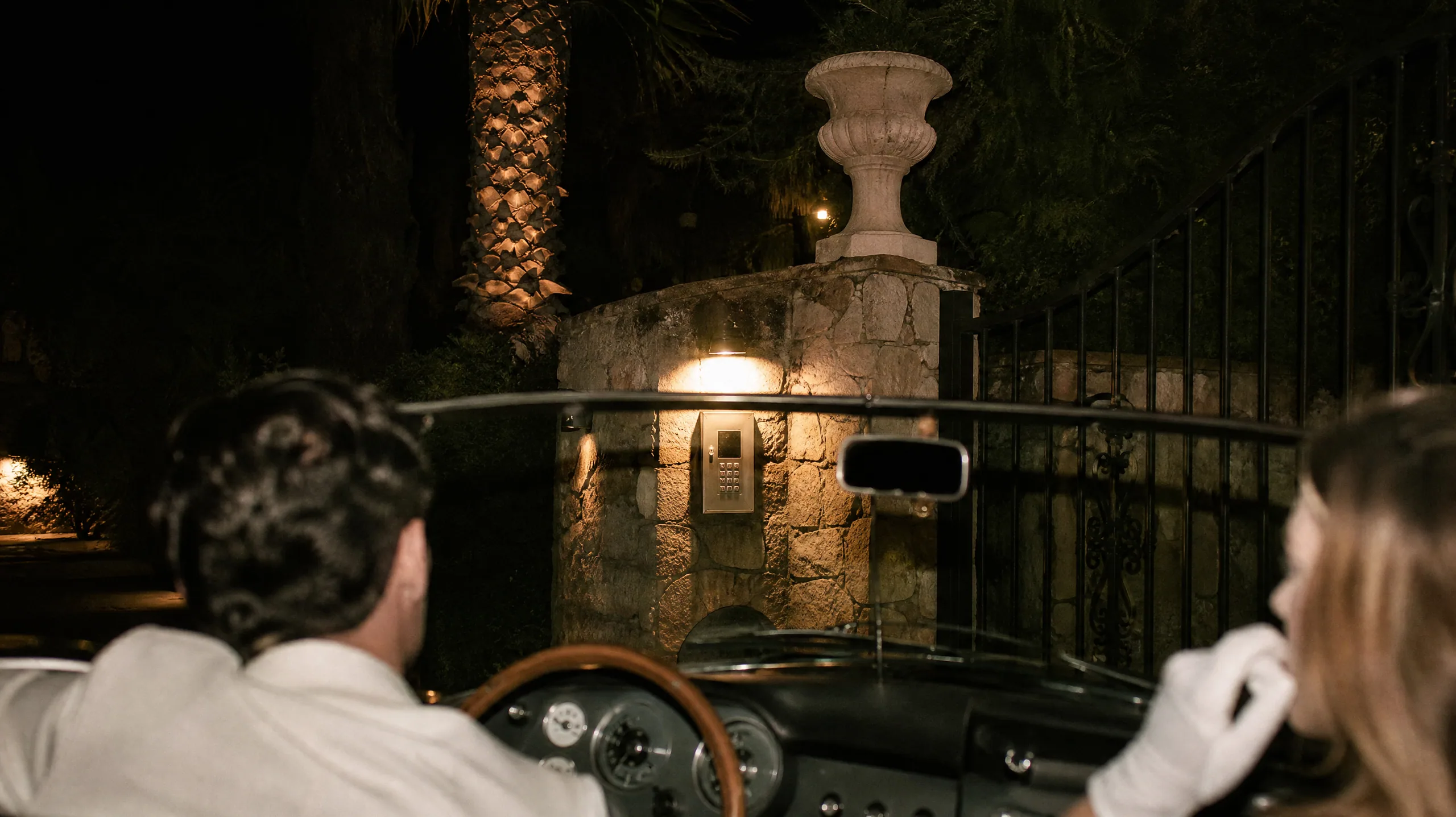
Car rentals fail when twenty vehicles arrive with nowhere to stop. Confirm with the venue how many guest cars are allowed, whether overflow is on grass or a neighboring lot, and whether headlights should be dimmed near ceremony seating. If the estate uses a coded gate, decide who distributes the code and when it changes after the event for security.
Assign a parking lead—planner, coordinator, or confident local friend—for the first thirty minutes of guest arrival. A simple “follow the ribbons / park nose-out” plan prevents blocked service lanes that vendors need for cake, band, and late-night load-out.
Alcohol, designated drivers, and the late Spanish night
Spanish wedding timelines often put dinner late and dancing later. Guests who rented cars for daytime freedom may not be safe or legal to drive home after cava and digestivos. State the plan clearly: shuttles or taxis for the return, rental cars left at the hotel or a supervised lot, and no expectation that self-drive guests “just be careful.”
If some guests insist on driving, give them an earlier exit option and a sober-driver pairing suggestion in the welcome group chat. Protecting guests is part of hospitality—especially when roads are dark, unfamiliar, and lined with ditches.
Communication templates for couples planning from abroad
In your wedding website or welcome note, include: recommended rental desks or comparison sites, automatic vs manual guidance, who should skip renting, shuttle times, venue pin, parking rules, and a local emergency contact. Add one line in Spanish for roadside help or venue staff if guests get lost and need to show a phone screen.
Keep updates in one channel. Last-minute pin changes sent across email, Instagram DMs, and three WhatsApp groups create parallel truths. One logistics lead should own the map link and the “roads are wet / use the south entrance” messages on the day.
A simple rental-and-driving checklist
Three months out: decide shuttle-only vs hybrid rentals; ask the venue about max cars, gate width, and recommended approach roads. Six weeks out: publish rental guidance and automatic-car notes; reserve any staff or VIP cars. One week out: send the driving card with pin, landmarks, parking map, and return transport plan. Wedding day: stage a parking lead, protect vendor lanes, and remind self-drive guests of the shuttle home before the first toast.
Guest car rentals can give your wedding weekend real freedom—beach mornings, town coffees, no waiting for a shared van. In Spain’s rural wedding landscape, that freedom only works when driving expectations, insurance realities, and parking choreography are planned as carefully as the seating chart.