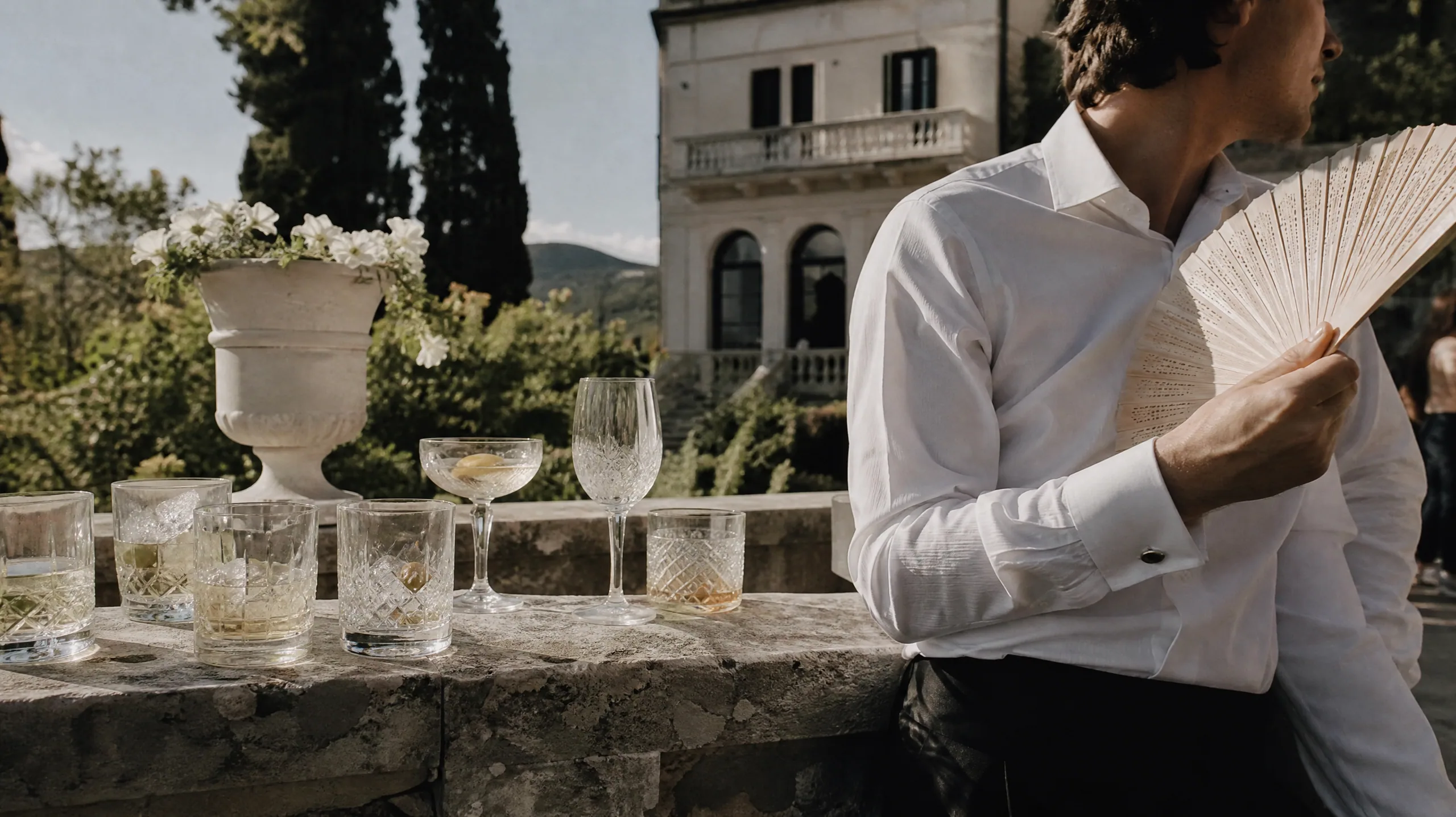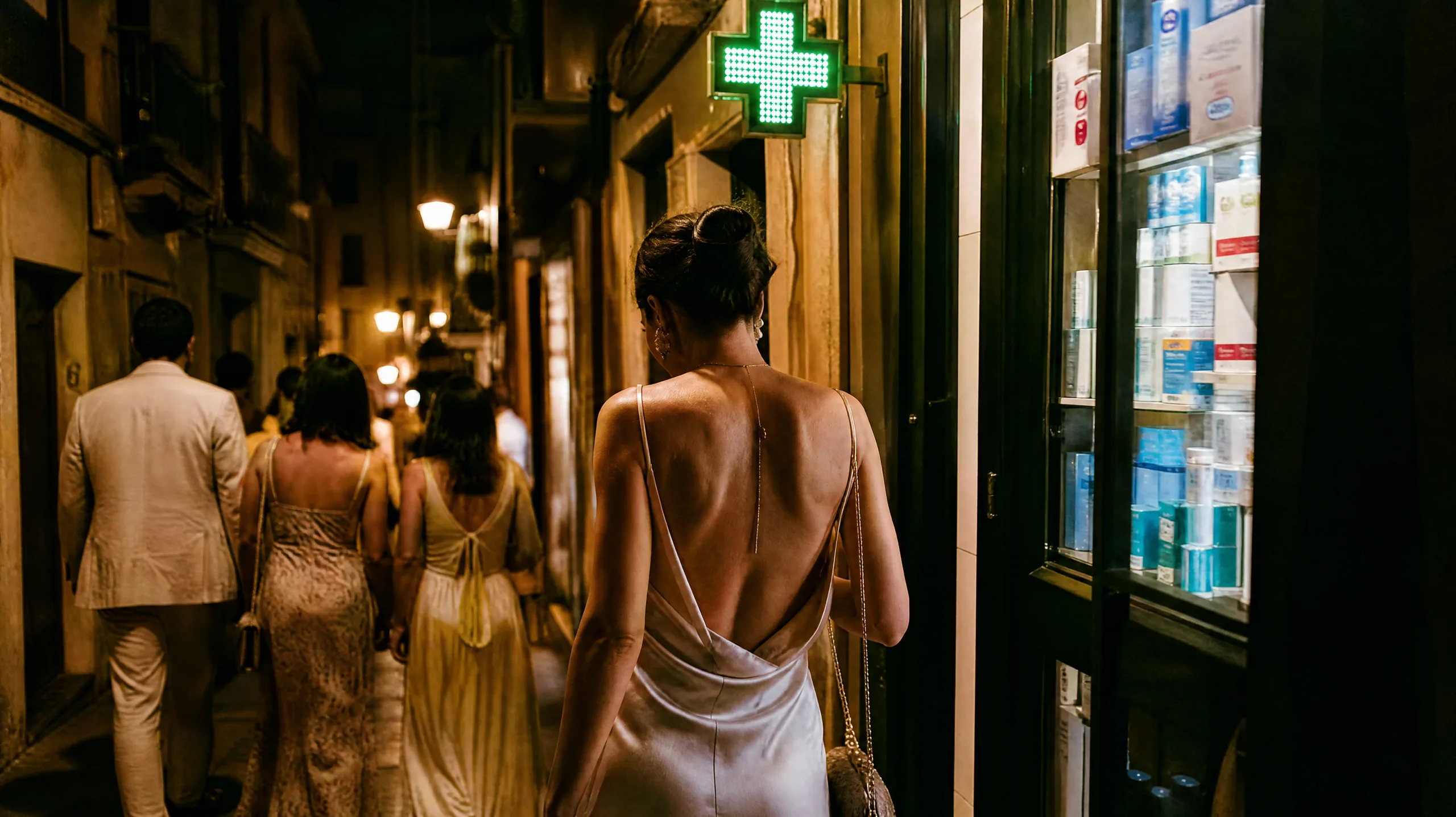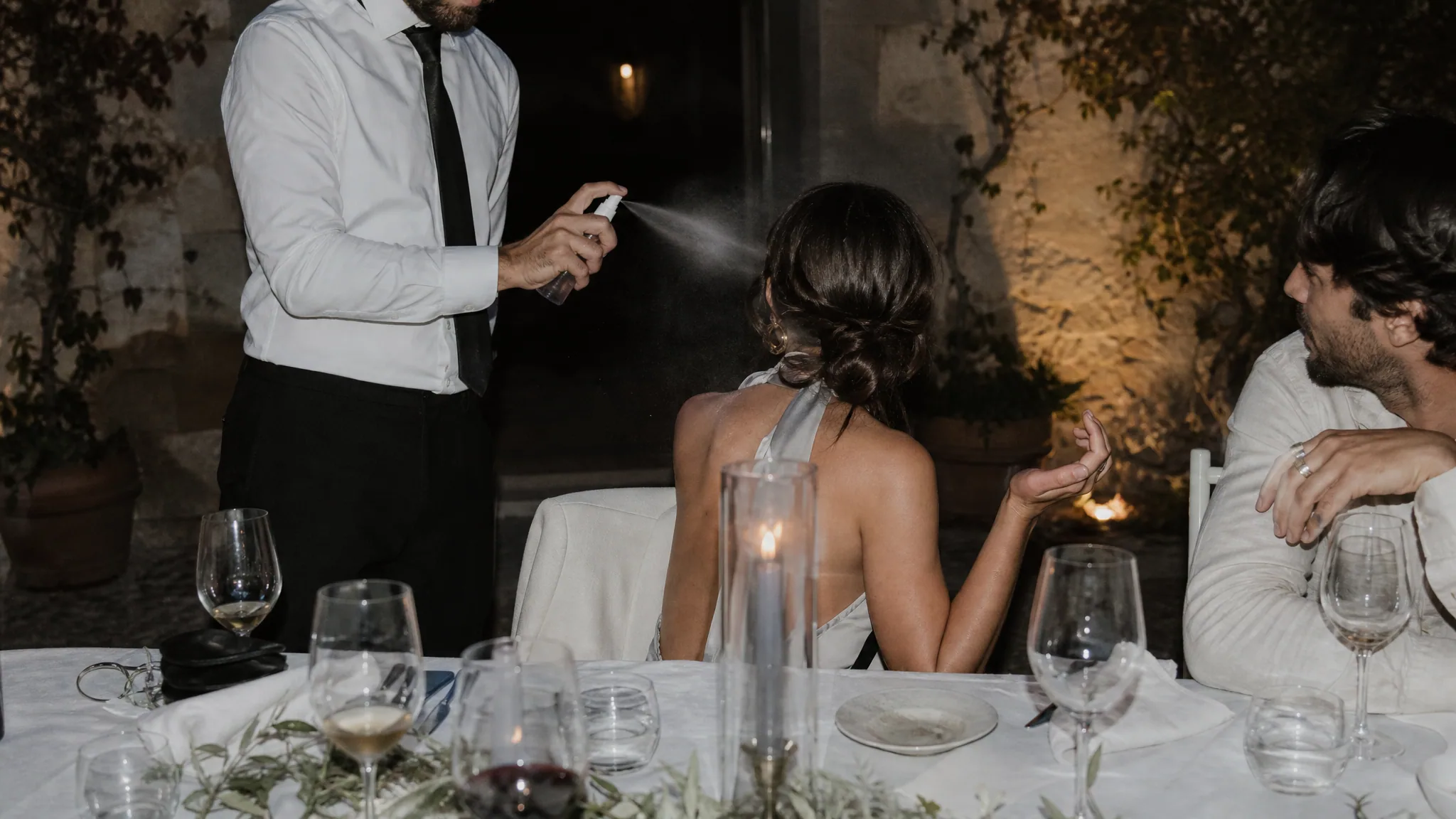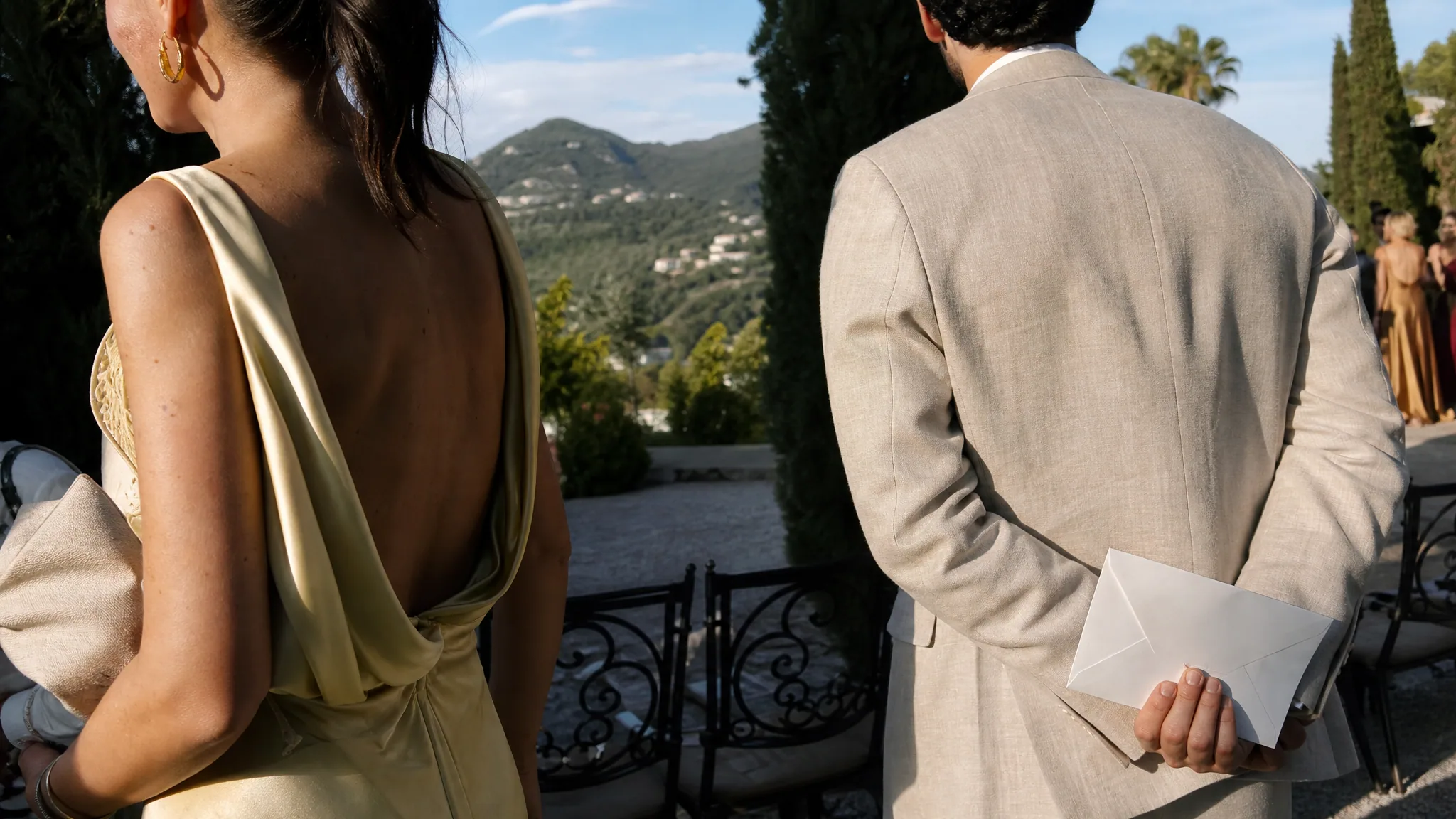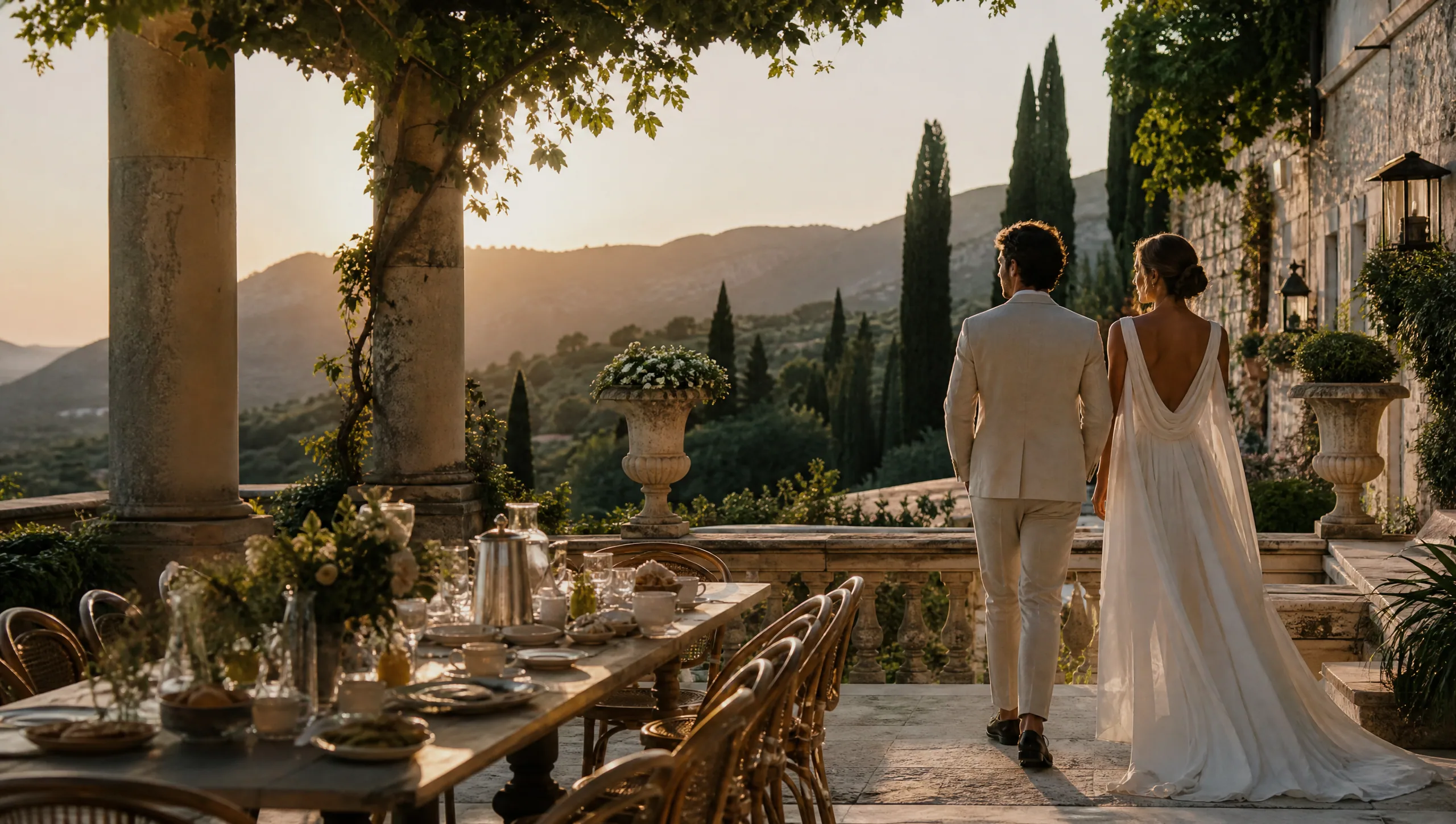
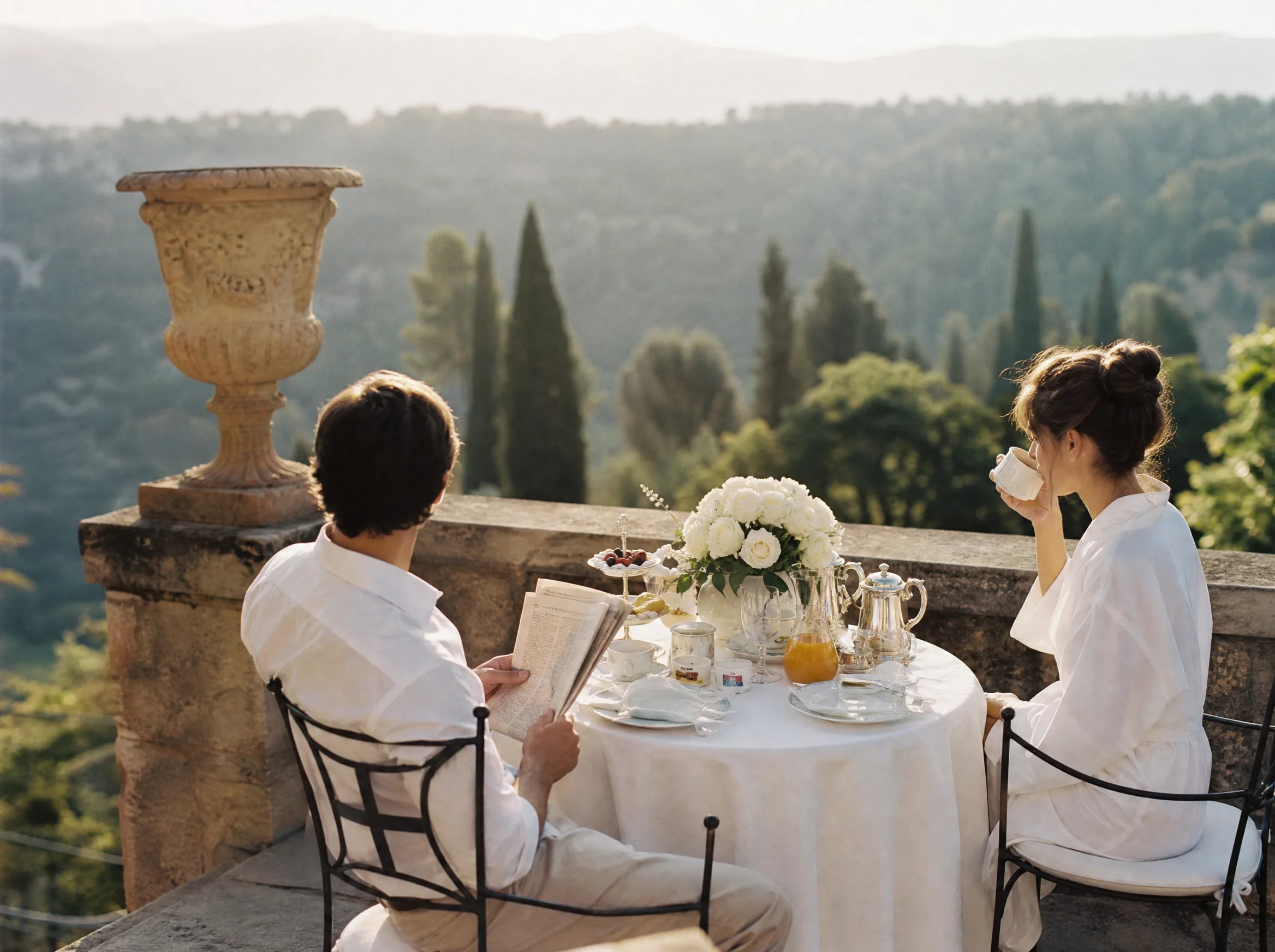
Destination weddings in Spain ask international guests to do something hard: cross time zones, land with luggage, smile through welcome drinks, and still look rested for ceremony portraits two days later. Jet lag is not a personality flaw. It is a logistics variable—and couples who plan for it protect both hospitality and the film.
This guide is for weekends where guests arrive from North America, the UK, Northern Europe, Asia, or Australia into Mediterranean light that arrives earlier (and dinners that start later) than their bodies expect.

Treat arrival day as recovery infrastructure, not free time
Many couples fill arrival day with optional activities because the calendar looks empty. Guests experiencing a six-to-nine-hour shift rarely experience that day as empty. Build a soft landing: hotel or villa check-in clarity, water and light food available without a seated event, and a single low-pressure welcome touch—not a three-stop itinerary.
If you want a group moment on arrival night, keep it short, early by Spanish standards, and geographically close to where people sleep. A ninety-minute terrace gathering beats a late restaurant booking that strands half the group in a fog.

Publish a “first morning” window instead of a hard start
Announce a recovery window—for example, quiet hours until 10:30 or 11:00—rather than a breakfast at 8:00 that only the local contingent can enjoy. Early birds can still walk, swim, or get coffee; night-shifted guests are not socially punished for sleeping.
Put the window in the weekend note and the WhatsApp group. Clarity prevents the awkward dynamic where early risers knock on doors “just to say good morning.”
Align Spanish dinner timing with guest body clocks carefully
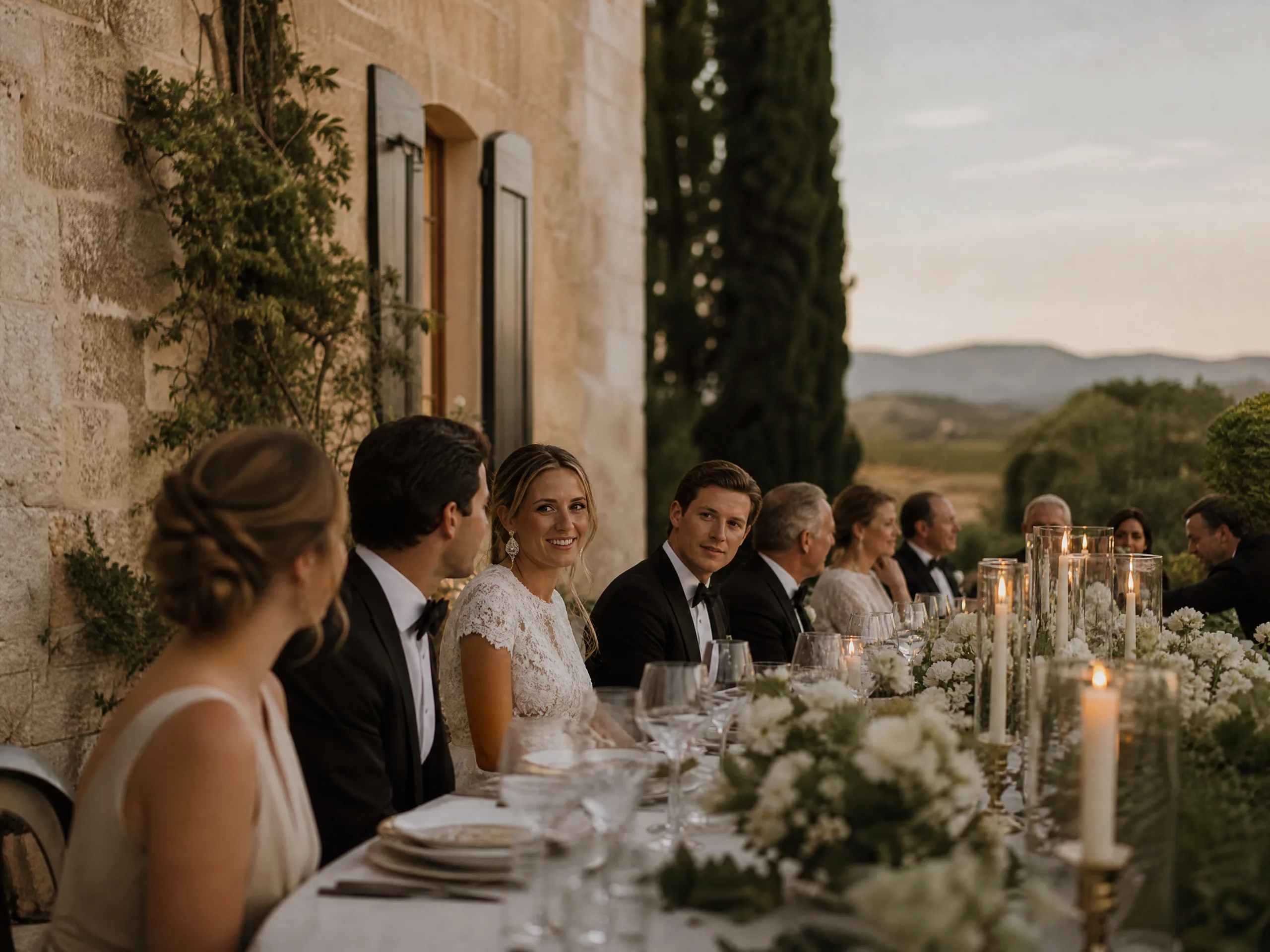
Spain’s later dinner culture is part of the charm—and a trap for jet-lagged travelers on night one and two. On welcome or rehearsal evenings, consider a slightly earlier seating than a fully local wedding might choose, or offer a substantial snack earlier so guests are not surviving on olives until 22:30.
Ceremony days can stay authentically Spanish. The first 24–36 hours after long-haul flights are where kindness matters most.

Design hydration, caffeine, and quiet food like a production department
Jet lag multiplies dehydration from cabin air and summer heat. Stock arrival spaces with water, electrolyte options, fruit, and simple savory food. Avoid making the only caffeine source a rushed café run thirty minutes from the estate.
For villa weekends, assign one person (planner, coordinator, or a trusted local contact) to confirm morning coffee works before guests wake. Broken espresso machines are a surprisingly common morale issue.
Protect getting-ready mornings for the couple and key family
Bride, groom, parents, and anyone in early portraits need protected sleep more than they need optional guest brunches. Do not schedule the couple as hosts of a 9:00 activity on a travel-heavy weekend. Delegate hosting or keep the first shared event after beauty call times are locked.
If hair and makeup start early for heat or sunset timing, communicate that the early call is production—not a social expectation for every guest.
Offer optional, not mandatory, daylight exposure plans
Morning light helps reset clocks, but forced hikes punish the exhausted. Suggest gentle options: a shaded terrace breakfast, a short village walk, a pool hour with no agenda. Label them optional every time you mention them.
For guests arriving from the west, late-afternoon light can feel like midnight biologically. Build nap-friendly gaps before welcome events rather than stacking tours until the gathering.
Brief vendors on energy, not only on the clock
Planners, photographers, and coordinators should know which guests flew long-haul and which nights are highest risk for delays. Soft starts, buffer time before family formals, and realistic cue-to-cue expectations keep the day from fraying when someone is simply empty.
Ask your coordinator to watch for heat plus jet lag compounding—dizziness, skipped meals, and over-caffeinating before ceremony. A quiet chair and water beat a medical scare in golden hour.
Write jet-lag etiquette into the guest note
A short paragraph prevents friction: sleep when you need to; join what you can; Spanish timing may feel late; quiet hours matter in villas and rural estates; nobody needs to apologize for missing an optional breakfast.
If children are attending across time zones, give parents permission to run a parallel schedule. A flexible kids’ dinner or earlier bedtime is hospitality, not exclusion.
Plan the emotional peak when people can actually feel it
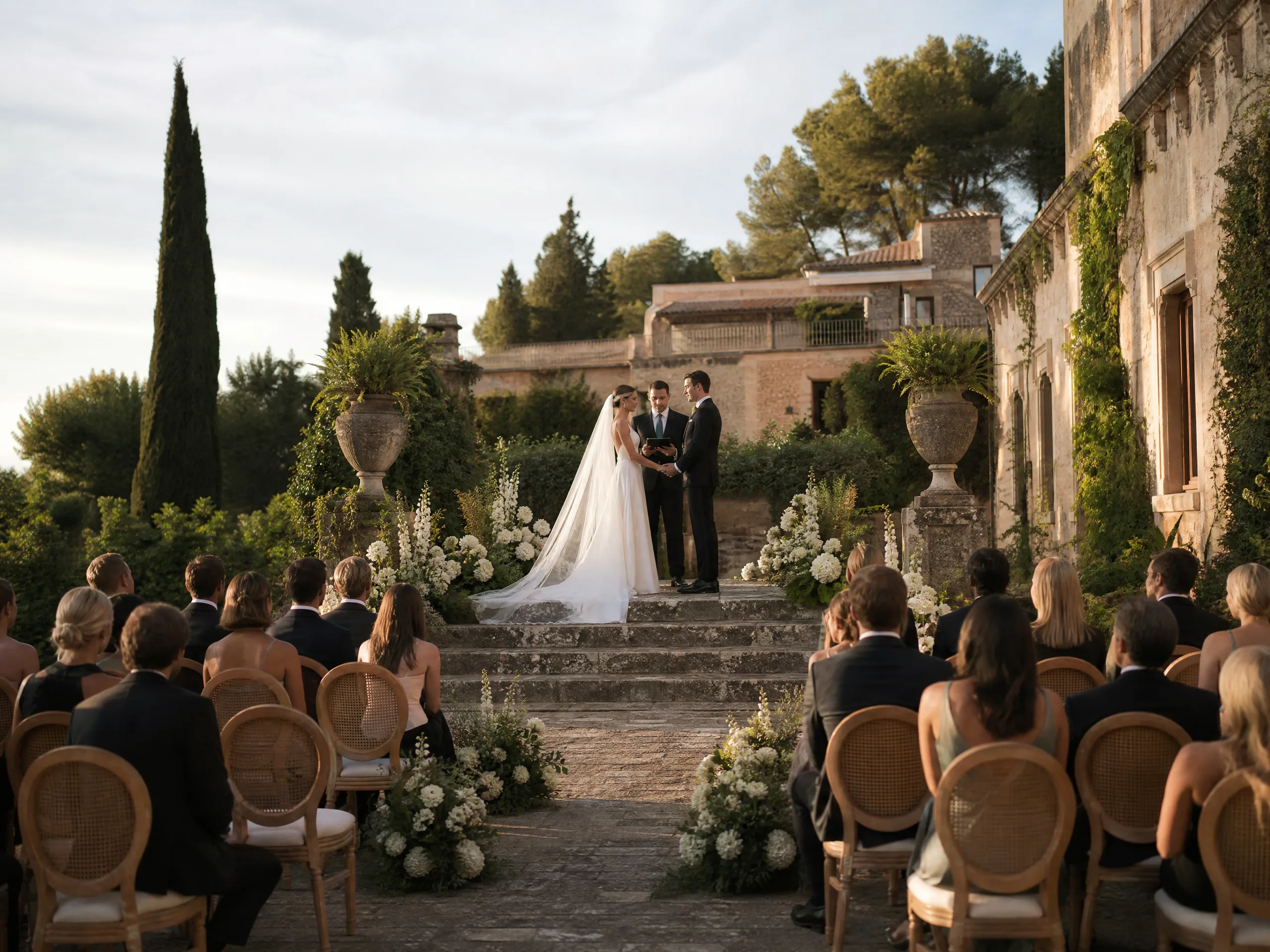
Your ceremony, portraits, and speeches deserve guests who are present. That means the weekend architecture should front-load recovery and back-load spectacle. Resist packing the most demanding social events into the first twelve hours after landing.
Spain will still feel like Spain—the light, the late laughter, the long table. Guests who slept will remember it. Guests who never recovered will remember surviving it. Jet-lag logistics are how you choose which story they take home.