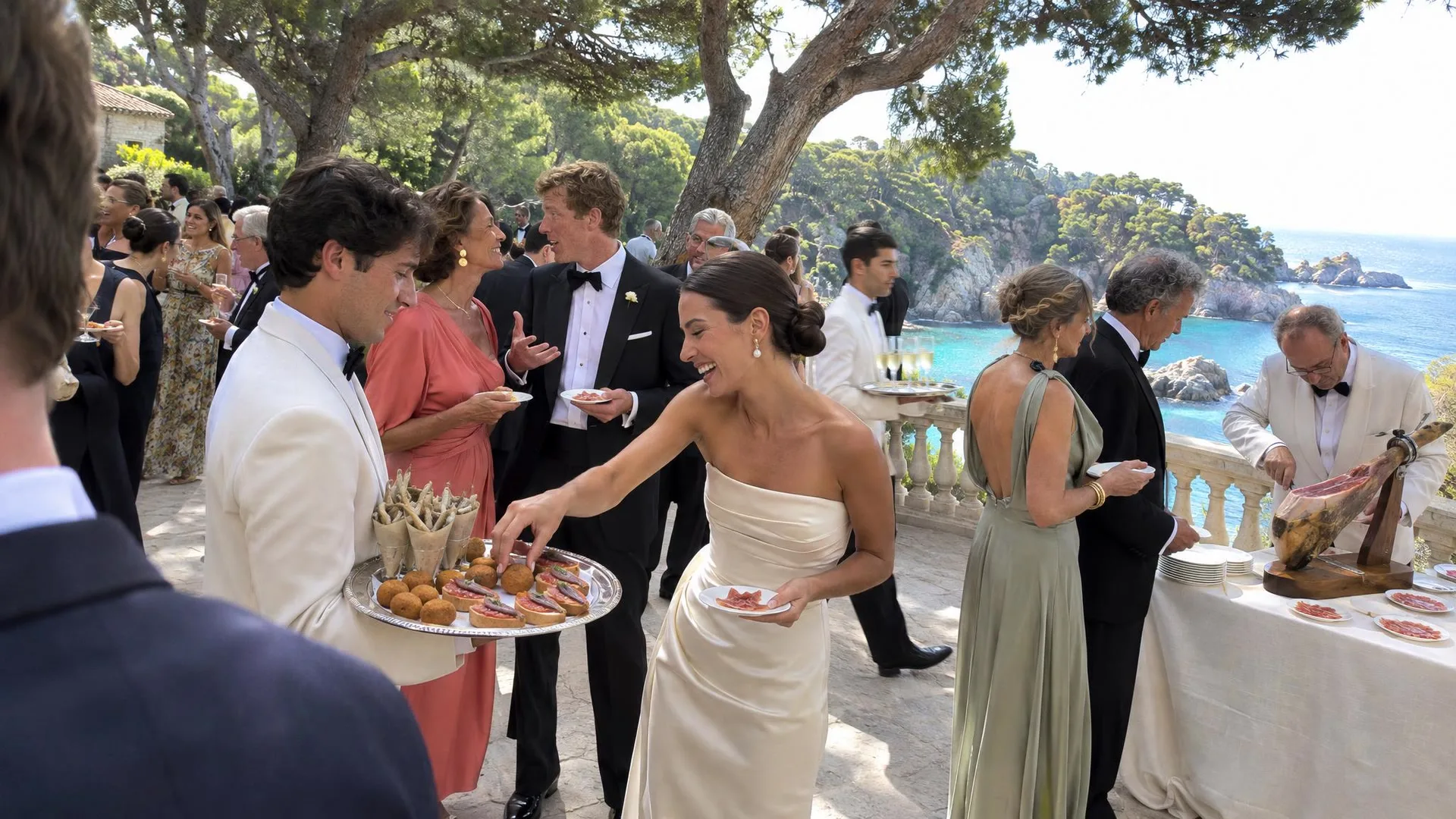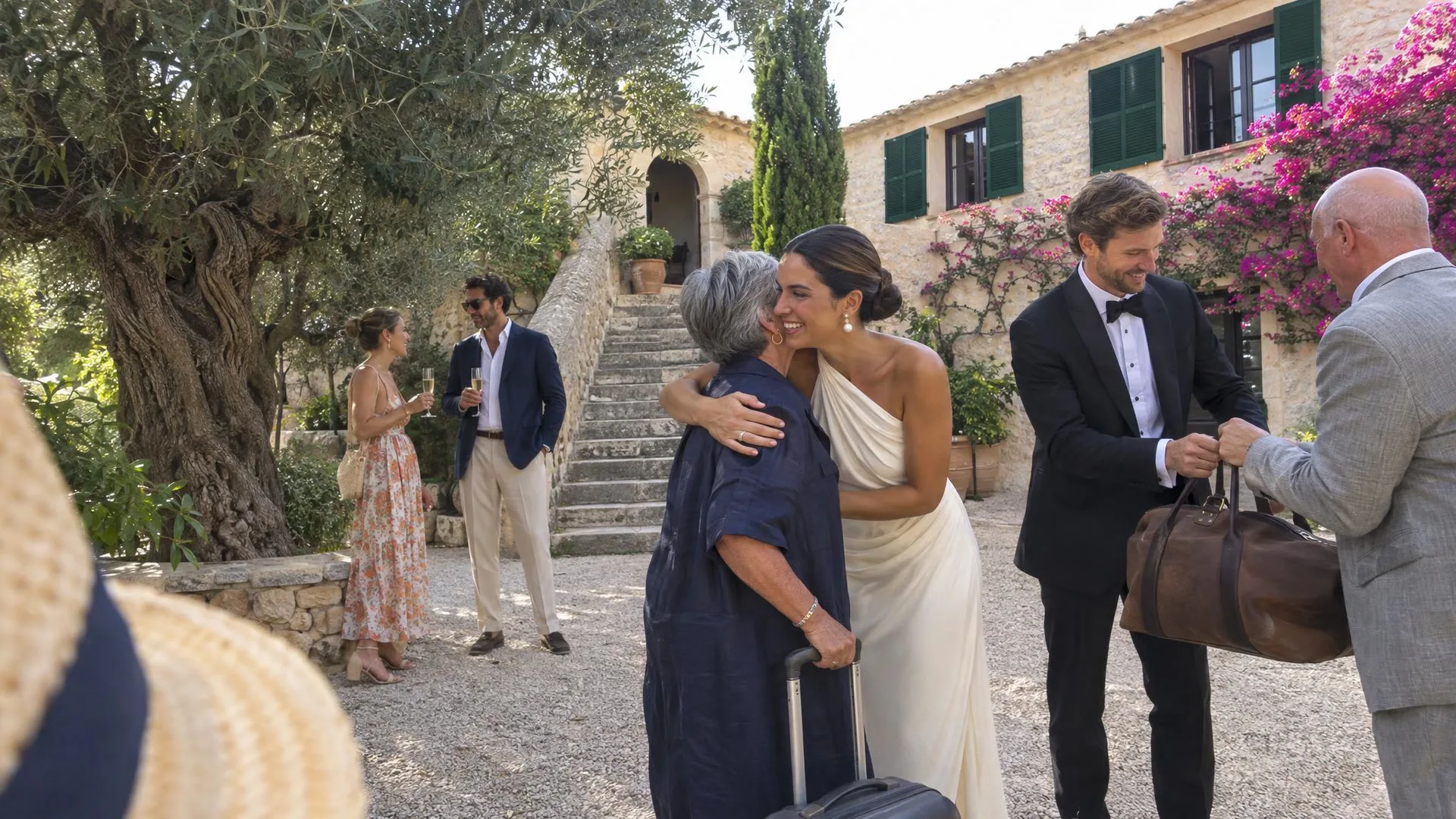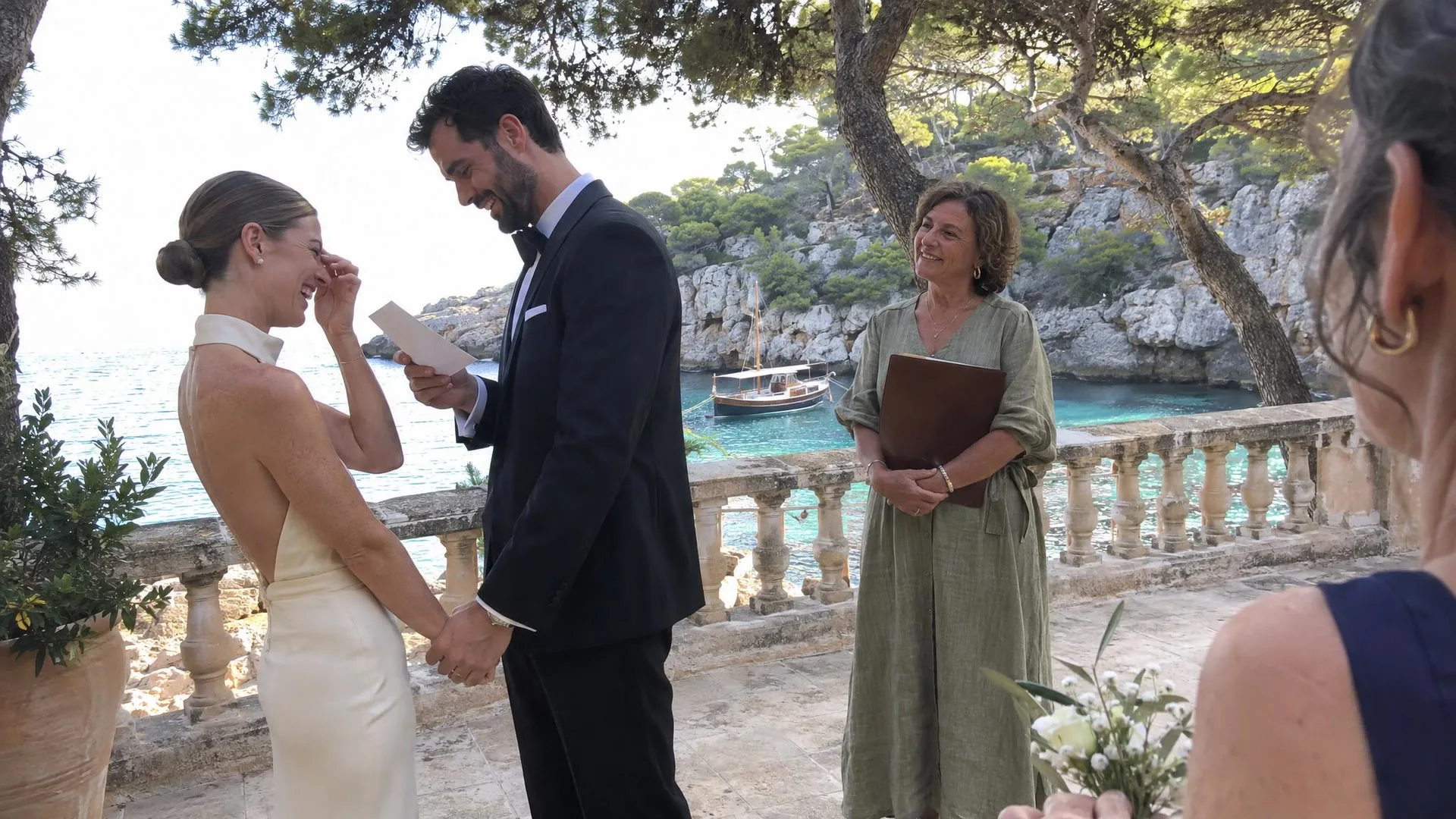
Spanish rental villas often plant dama de noche—also called galán de noche or night-blooming jasmine (Cestrum nocturnum)—beside terrace doors, pool walls, and bedroom windows. By day the shrub looks ordinary; after dusk it releases a sweet perfume that can dominate welcome drinks and getting-ready rooms. Guests who grew up with daytime jasmine climbers assume every fragrant white flower is fair game for buttonholes and windowsill “upgrades.” It is not. A short briefing on what dama de noche is, why leaves and berries stay untouched, and who may prune keeps scent enjoyable, children safe, and the villa garden intact through a multi-day destination wedding weekend.
Why Dama de Noche Belongs in the Guest Briefing
International couples book Mediterranean houses for golden-hour terraces and late Spanish dinners. The plant that makes those evenings smell unforgettable is often the same shrub that triggers headaches for scent-sensitive guests if bedrooms sit too close with windows open. Treating dama de noche as free florist stock or a DIY décor prop creates bald patches, sticky sap on formalwear, and Monday apologies to the property manager. Put one plain-language note in the wedding WhatsApp and website before arrivals—next to quiet hours and pool rules—not after someone strips a stem for a rehearsal-dinner centerpiece.
Dama de Noche vs Climbing Jazmín and Gardenia
Dama de noche is a woody, often lanky shrub with slender tubular flowers that open and perfume hardest after sunset; Spanish gardens tuck it against walls and railings for evening scent, not as a daytime color hedge. Climbing jazmín is a vine trained on pergolas and façades; gardenia is a glossy evergreen with creamy day-scented blooms; plumeria is a thick-branched courtyard specimen. Guests who lump them all as “jasmine” miss the logistics: this plant is a night-scent machine near sleeping rooms, not a cut-flower patch or a climbing screen. Brief the difference so nobody harvests terrace shrubs the afternoon before cocktail hour.
Fragrance, Bedrooms, and Open-Window Etiquette
On still warm nights the perfume can travel across a courtyard and into suites with shutters cracked. Ask scent-sensitive guests, migraine-prone relatives, and anyone sharing a room with an infant to close bedroom windows facing the planting strip after dark, or request a room on the opposite façade when the villa allows. Do not relocate pots or hack branches to “tone down” the smell—message the host or caretaker. Ceremony and cocktail footprints should leave a hardscape margin so guests are not trapped in a perfume cloud for speeches and vows.
Leaves, Berries, Kids, and Pet Rules
Dama de noche is ornamental, not edible. Leaves, stems, and any berry-like fruit should be treated as off-limits—no tasting, no pocket collecting, no “natural confetti,” no tea experiments. Ask parents to keep stroller routes and toddler play away from the shrub after welcome drinks, and keep villa dogs on agreed paths. If someone handles plant material, wash hands before catering or cake cutting. Safety language belongs in the same guest note as pool depth and quiet hours, not as a scare story after the fact.
Formalwear, Softboxes, and Terrace Placement
Woody stems and sticky sap can snag chiffon, lace, and suit jackets when guests lean in for detail photos at dusk. Videographers and phone-camera cousins should keep softboxes, light stands, and tripods off the planting strip and drip line. Welcome-sign easels, speaker stands, and ice chests belong on hardscape, not pressed into the shrub. A two-sentence vendor note—“dama de noche is evening scenery, not a prop wall”—prevents torn hems and flattened flower heads right before cocktail portraits.
Heat, Irrigation, and Caretaker-Only Work
Irrigation timers, drip lines, staking, and pruning belong to the villa caretaker or gardener—not to helpful uncles with kitchen scissors. Guests who “tidy” spent blooms or cut for scent control often open wounds that brown in heat and reduce next week’s evening perfume. If a branch blocks a door, shutter, or gate code panel, message the host; do not improvise with suite shears. The same rule covers fertilizer, bug spray, moving potted specimens for a cleaner wide shot, and wrapping fairy lights through brittle forks.
Pool Edges, Shared Villas, and Neighbor Courtesy
Dama de noche often marks the line between terrace seating and the garden edge. Brief housemates: no clipping shortcuts through the planting for an Uber pin, no draping damp towels on the shrub to dry, and no Bluetooth speakers parked against the stems until 2 a.m. In shared villas, one room’s Instagram experiment becomes everyone’s damage-deposit conversation—and the neighbor’s complaint about night fragrance. Keep meltwater, ash, and leftover gin-tonics off the root zone.
What Not to Do: Forage, DIY Garlands, and Secret “Upgrades”
Do not harvest dama de noche for hair flowers, napkin ties, welcome-bag sprigs, or bathroom bud vases. Do not promise a “wild Mediterranean jasmine garland” built from the terrace shrub. Do not assume organic-looking landscaping means craft-safe or edible. If the couple wants night-scented florals in arrangements, the florist should source cultivated stems—never strip the property. Couples who set this boundary early protect both the film frames and the house relationship that makes future Spain weekends possible.
Planner Checklist Before Guests Land
Add a one-screen “villa garden: dama de noche” note to the wedding website: Spanish names (dama de noche, galán de noche), evening fragrance near bedrooms, no forage, no tasting, keep gear and towels off the shrub, caretaker-only pruning. Pin it beside quiet hours, shutter, and grocery briefings. Confirm with the property manager where the main plantings sit relative to getting-ready rooms, aisle, cocktail terrace, and drone takeoff zones. KUDRYASTUDIO couples who brief living landscaping as logistics—not décor free-for-alls—spend the weekend celebrating instead of repairing the garden.