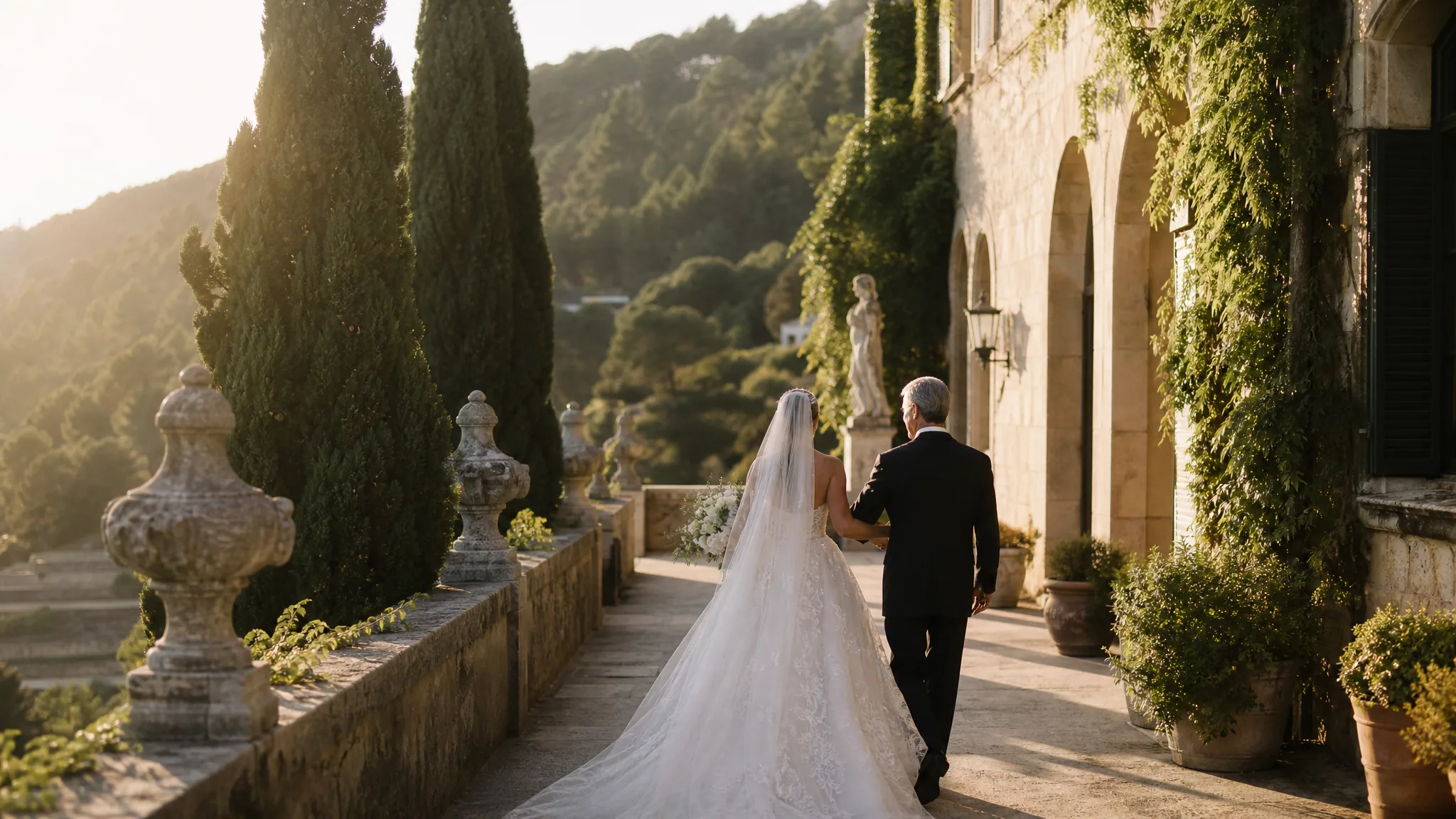
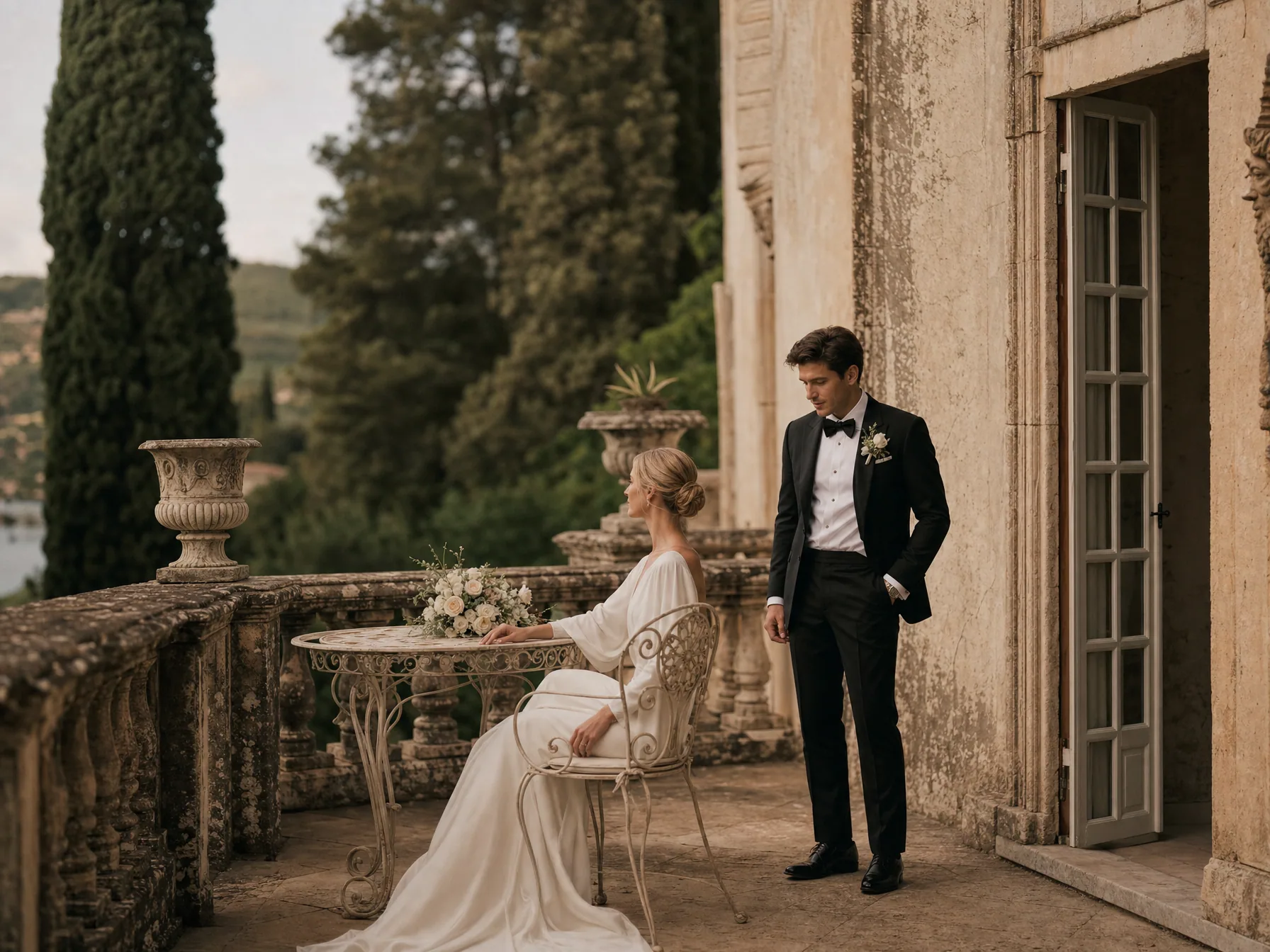
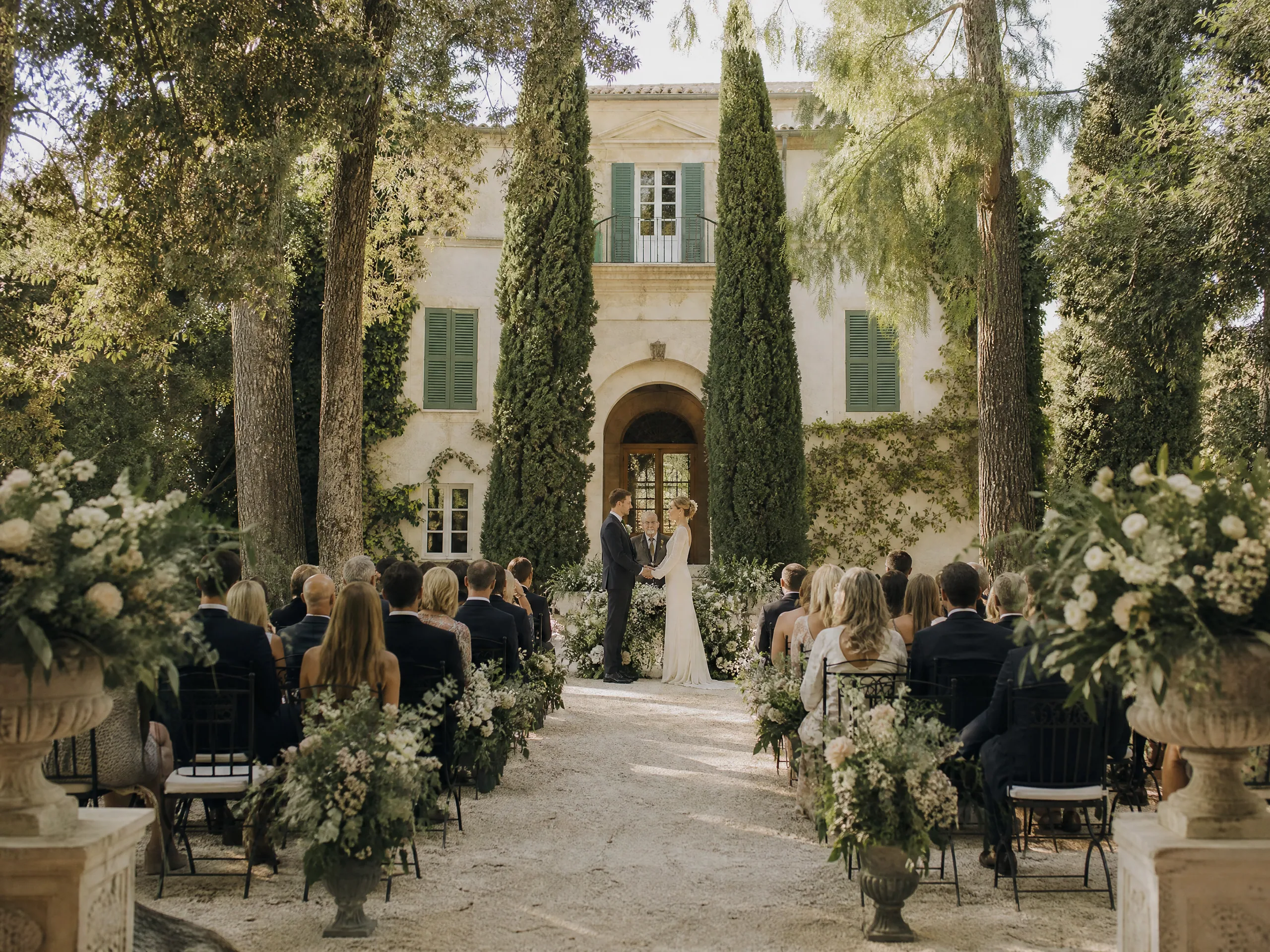
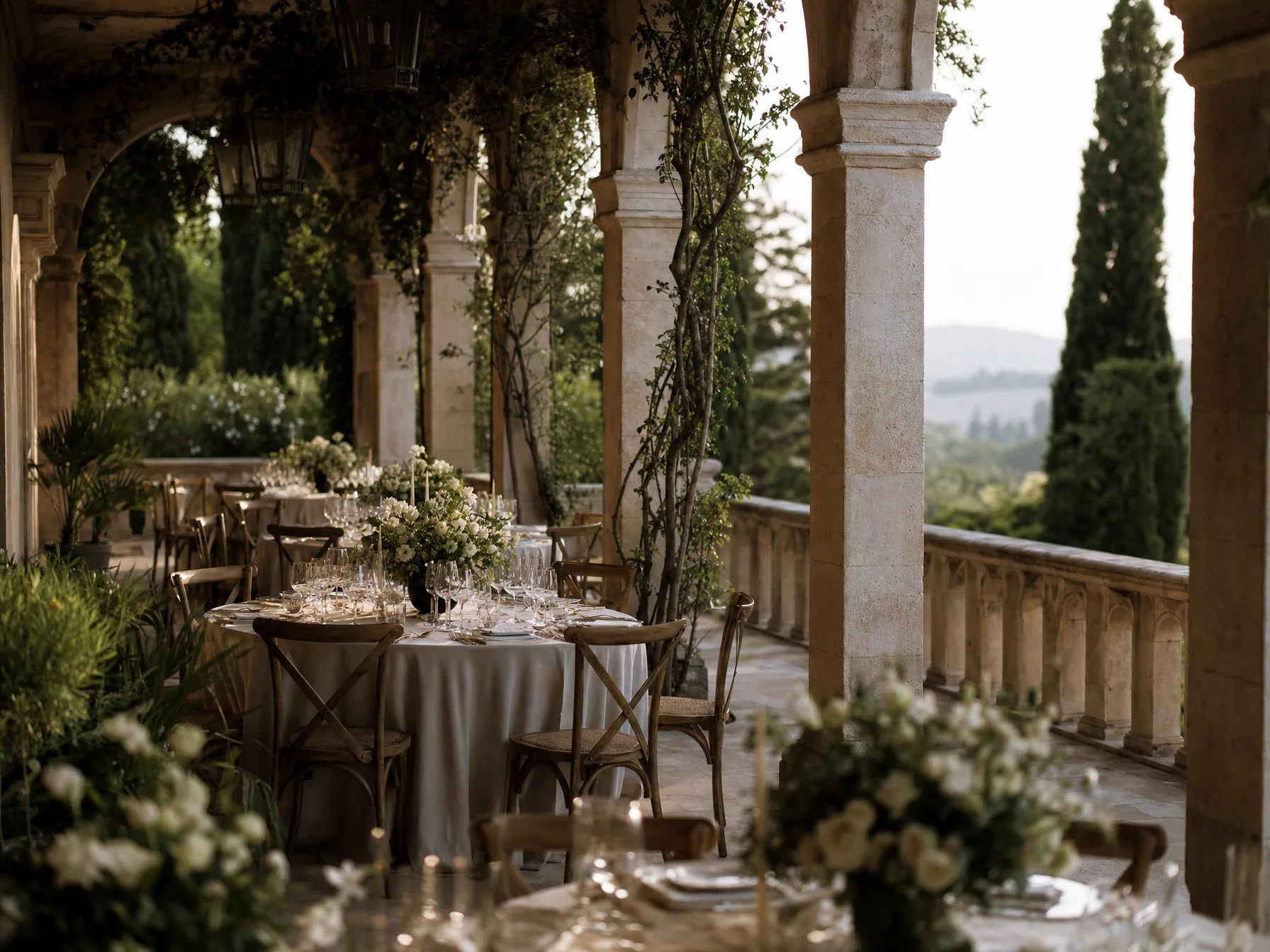
Spanish wedding venues are often chosen for their views, history, and atmosphere — hillside masías, cobbled courtyards, garden terraces, castle staircases, and paths that look effortless in photographs. For many guests, those same details become the hardest part of the day: uneven ground, long walks from parking, limited elevator access, and heat that turns a short stroll into a genuine challenge.
If you are planning a destination wedding in Spain for an international guest list, accessibility and mobility planning is not a niche concern. It is hospitality. Parents, grandparents, pregnant guests, anyone recovering from travel, and friends with temporary or permanent mobility needs all deserve a celebration they can fully join — without improvising solutions on the day.
This guide helps couples planning weddings in Barcelona, coastal Catalonia, Mallorca, Madrid, and the Spanish countryside design venue flow, transfers, seating, and communication so the weekend feels beautiful and genuinely inclusive.
Why Accessibility Matters More at Spanish Destination Venues
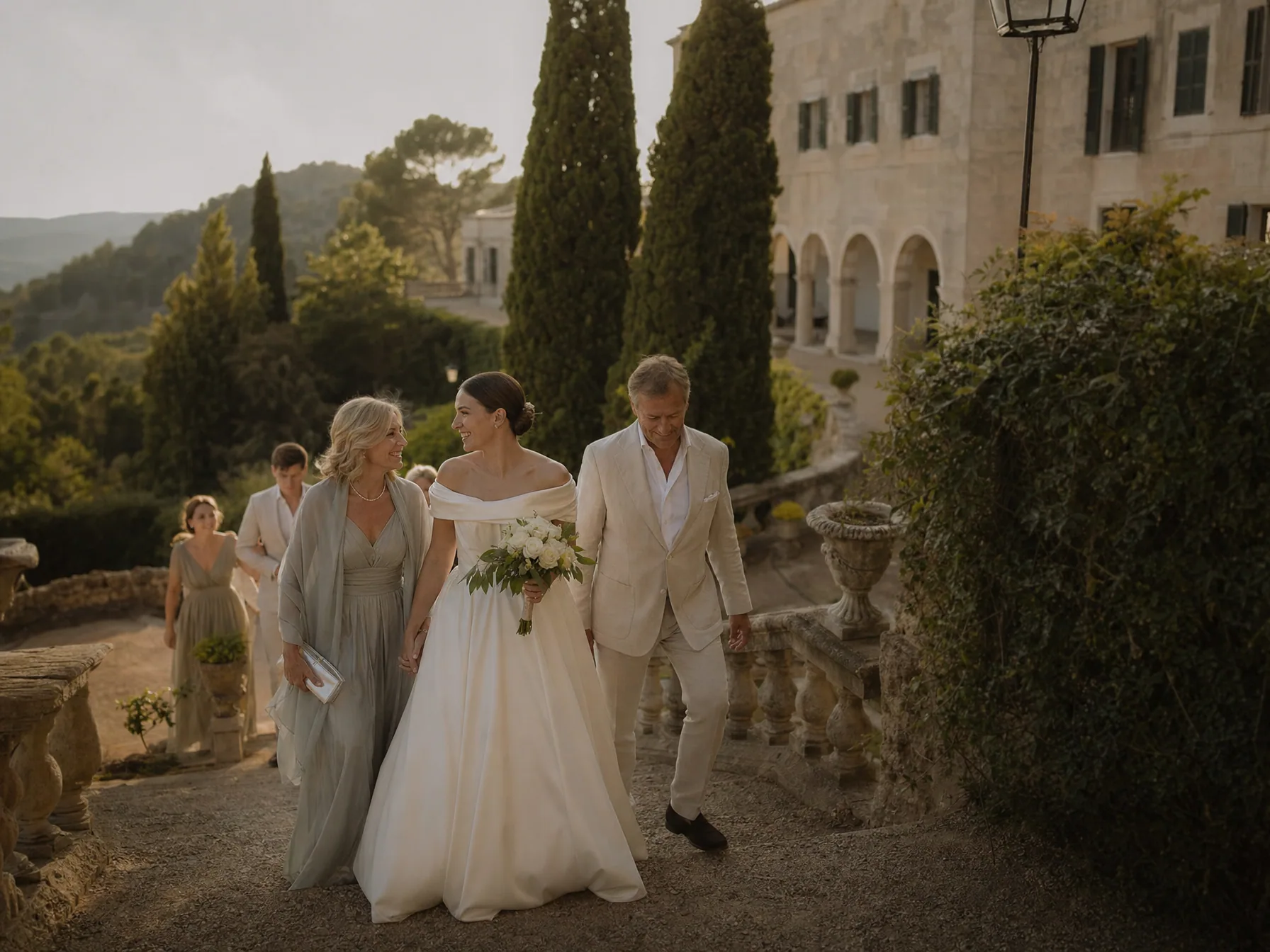
Many of Spain’s most photogenic wedding properties were not built as modern event centers. Historic estates, village houses, and rural fincas may have gravel driveways, stepped terraces, narrow doorways, upstairs powder rooms, or ceremony lawns a meaningful walk from the reception.
International guests also arrive already tired. Flights, jet lag, heat, and unfamiliar surroundings reduce stamina before the first welcome drink. When the venue path is longer or more complex than expected, fatigue shows up as missed moments — not because guests care less, but because the logistics were never designed for them.
Accessibility planning protects the emotional core of the day: the people who traveled farthest to be with you should not spend the wedding managing obstacles.
Map the Guest Journey Before You Fall in Love With the View
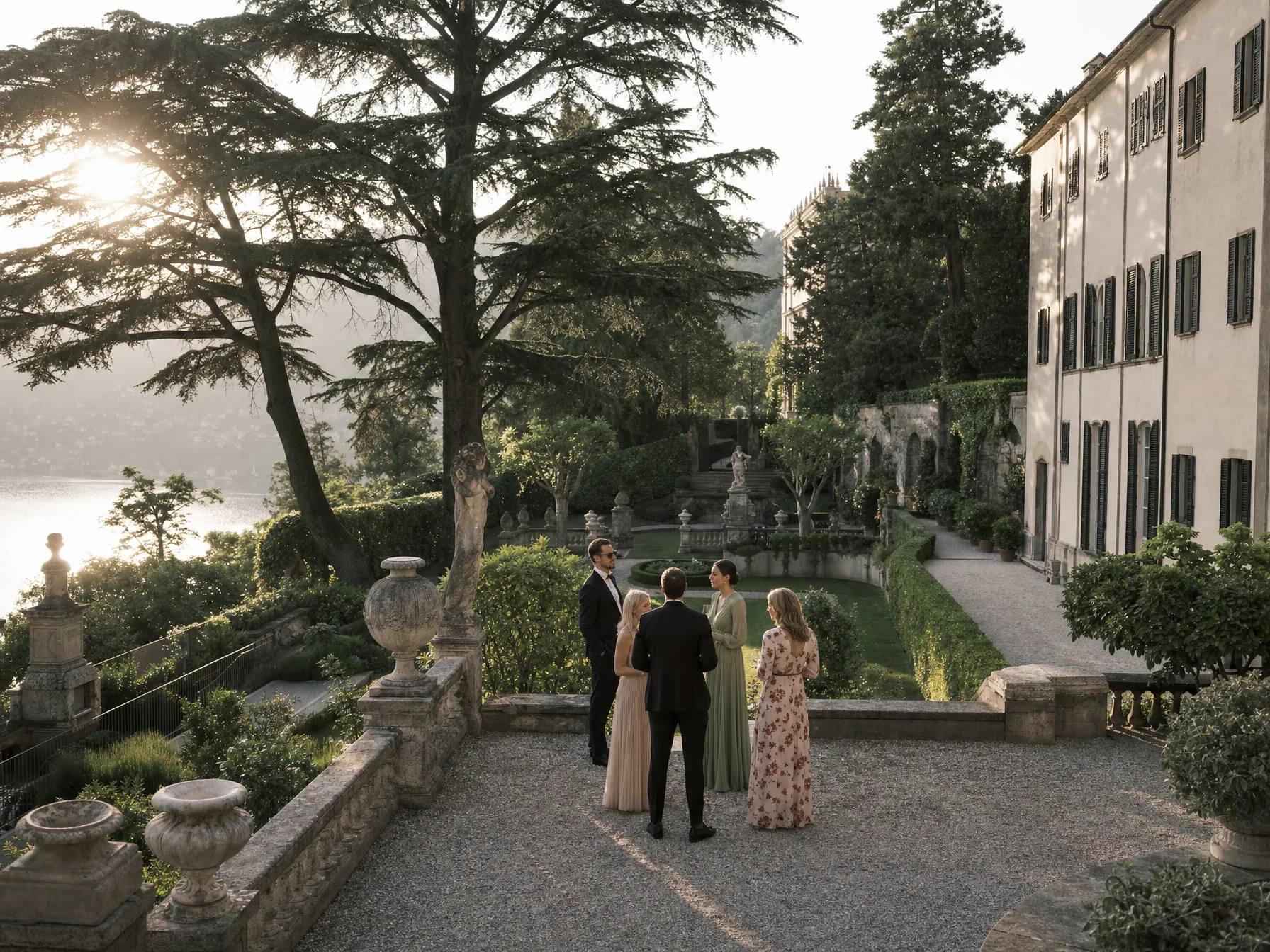
Before you finalize a venue, walk the property as a guest with limited mobility would. Start at arrival and end at departure. Note every transition:
- Where cars, coaches, and taxis actually stop
- Distance and surface from drop-off to ceremony
- Steps between cocktail, dinner, dancing, and restrooms
- Whether indoor alternatives exist if outdoor paths become slippery
- How guests exit late at night with low lighting
Ask your planner or venue manager to time the walks. A “short stroll” in marketing language can be five to eight minutes on uneven stone in evening shoes. For some guests, that is the difference between arriving calmly and arriving stressed.
Questions to Ask Venues About Access and Guest Comfort
Put access into the same early conversation as capacity and noise rules. Ask in writing:
- Is there step-free access from parking or drop-off to ceremony and reception?
- Are there elevators, ramps, or alternative routes between levels?
- How close can a vehicle stop for guests who cannot walk the full approach?
- Are accessible restrooms available near the main celebration areas?
- Can ceremony and dinner seating be arranged with clear aisles and sturdy chairs?
- Is golf-cart, wheelchair, or staff-assisted transfer available on-site?
- What changes if it rains — especially on gravel, grass, or stone stairs?
Beautiful venues can still be the right choice. What matters is knowing the constraints early enough to design around them.
Choosing Ceremony and Reception Layouts With Mobility in Mind
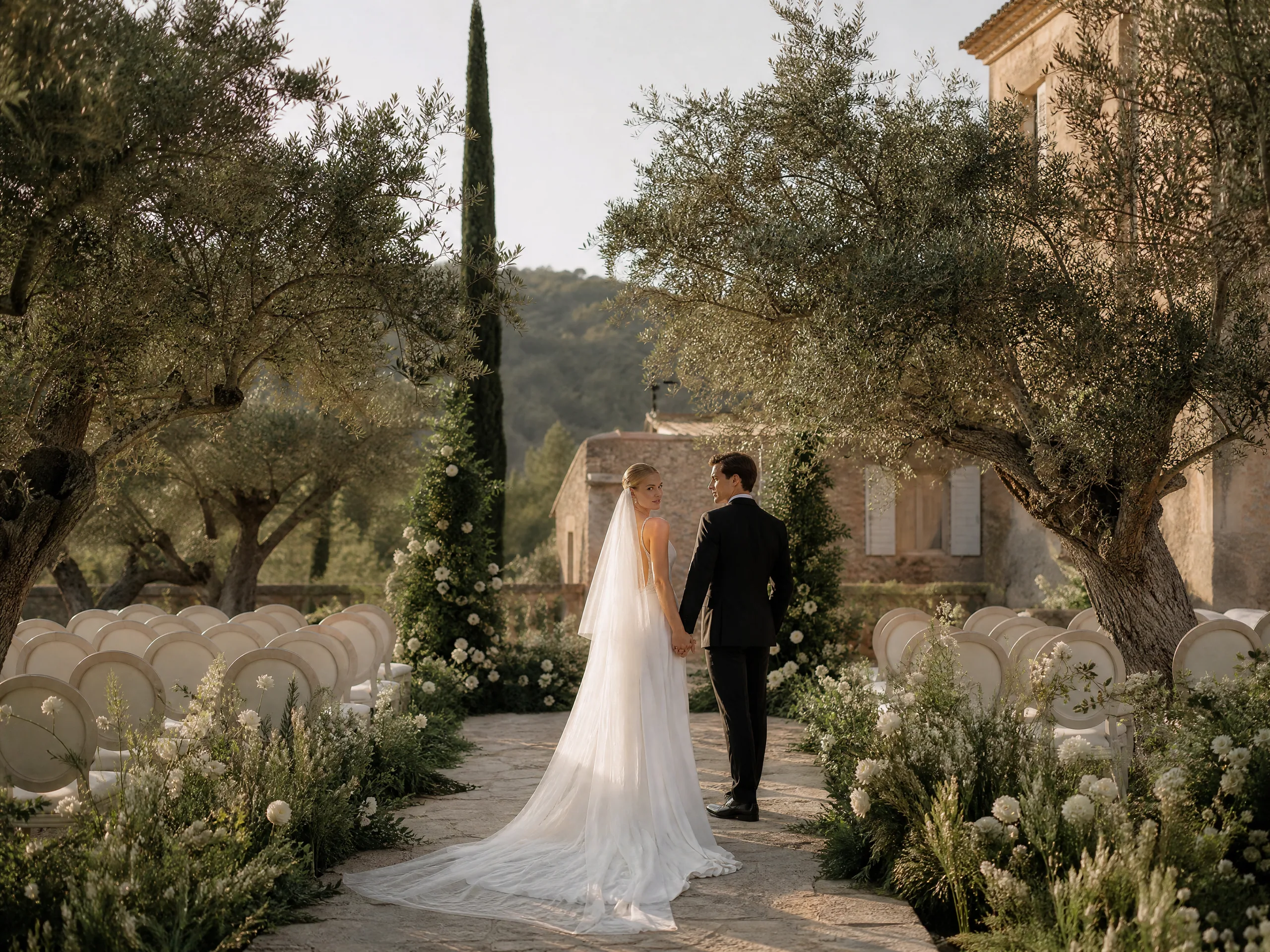
Layout decisions often matter more than the architecture itself. A hillside ceremony can work if the front rows are reserved thoughtfully, shade is available, and guests who need proximity are seated without ceremony. A multi-level reception can work if dinner, speeches, and dancing happen on one primary floor for anyone who should not navigate stairs repeatedly.
Practical layout principles for Spain destination weddings:
- Keep the longest guest walk earlier in the day, when energy is higher
- Avoid forcing every guest through the most scenic but least accessible route
- Place priority seating with clear sightlines and easy exit routes
- Keep water, shade, and a quiet indoor option near outdoor gathering points
- Design photo moments so close family can participate without a difficult trek
Your photographer and videographer should know the access plan too. The most meaningful frames often include parents and grandparents — and those moments should not require a stressful climb.
Transportation, Transfers, and Drop-Off Logistics
Group transportation is not only about getting everyone to the venue on time. It is about reducing walking distance and confusion for guests who need support.
Plan for:
- Coach or shuttle drop-off as close as the venue allows
- One or two cars reserved for priority transfers from hotel to ceremony entrance
- Clear instructions for guests with mobility needs on where to meet assistance
- Return transfers that do not require long waits outdoors late at night
- Lighting and staff at arrival/departure points after dark
If the venue approach is steep or long, treat private drop-off as part of hospitality — not a special exception announced awkwardly on the day. Build it into the weekend plan so it feels natural.
Seating, Shade, Restrooms, and Quiet Spaces
Comfort details determine whether guests can stay present for the full celebration. In Spanish summer especially, heat multiplies every mobility challenge.
Prioritize:
- Stable seating with backs and arms for older guests during ceremony and cocktail hour
- Shade and hydration near ceremony and outdoor cocktail areas
- Restroom proximity communicated discreetly on the seating chart or through ushers
- A quiet indoor room for rest, medication, nursing, or sensory break
- Clear aisle width for walking aids and easier movement during dinner service
These choices rarely change the aesthetic of the wedding. They change whether beloved guests can stay for speeches, dancing, and the soft late-evening moments that often become the heart of the film.
Communicating Access Details Without Making Anyone Feel Singled Out
Good communication is specific and calm. Guests should not have to ask repeatedly, and nobody should feel publicly labeled.
Useful approaches:
- Include a short “guest comfort and access” note on the wedding website
- Offer a private RSVP field or email for mobility, seating, or transfer needs
- Brief ushers/family hosts on who may want priority drop-off or seating
- Share footwear and terrain guidance for the whole guest list — gravel, grass, steps — so access tips feel universal
Phrase support as hospitality: “If stairs or longer walks are a concern, tell us when you RSVP and we will arrange a closer drop-off.” That tone invites honesty without pressure.
Coordinate Vendors Around Access Needs
Your planner, venue team, photographers, videographers, and transport lead need one shared map of guest flow. Share:
- Priority arrival windows and vehicle access points
- Reserved seating zones and aisle plans
- Which family moments must stay on accessible ground
- Where assistance staff or ushers will stand
- Backup indoor positions if outdoor paths become difficult
When creative teams know the plan, they can protect both dignity and storytelling — capturing embraces, processional emotion, and dinner joy without asking anyone to navigate an unsafe or exhausting route for a shot.
A Practical Accessibility Checklist for Spain Destination Weddings
Use this while shortlisting venues and finalizing your weekend logistics:
- Walk the full guest journey from arrival to late-night departure
- Confirm step-free or assisted routes in writing
- Arrange priority drop-off and return transfers where needed
- Reserve stable seating, shade, water, and restroom proximity
- Create a discreet RSVP path for mobility and access needs
- Brief planner, ushers, photo, and video on the access map
- Plan rain and darkness alternatives for uneven outdoor paths
- Protect participation in key family moments without difficult climbs
Accessibility planning does not make a Spanish destination wedding less romantic. It makes the romance available to everyone who matters.
If you are planning a wedding in Spain and want the day filmed with attention to real guest flow — the quiet arrivals, the meaningful seats, the unforced family moments — we are always glad to help you think through a timeline and venue plan that feels cinematic and genuinely welcoming.


