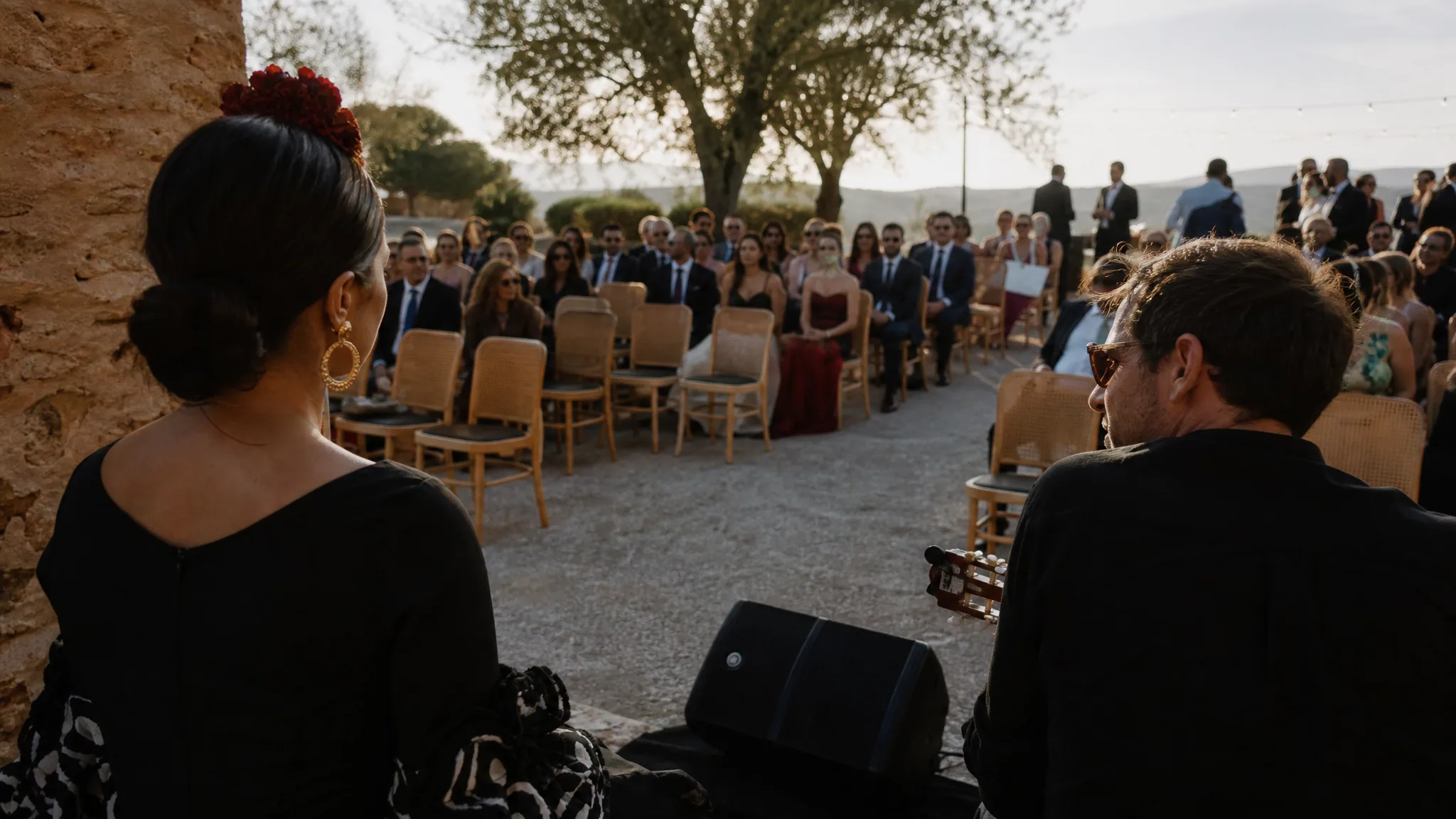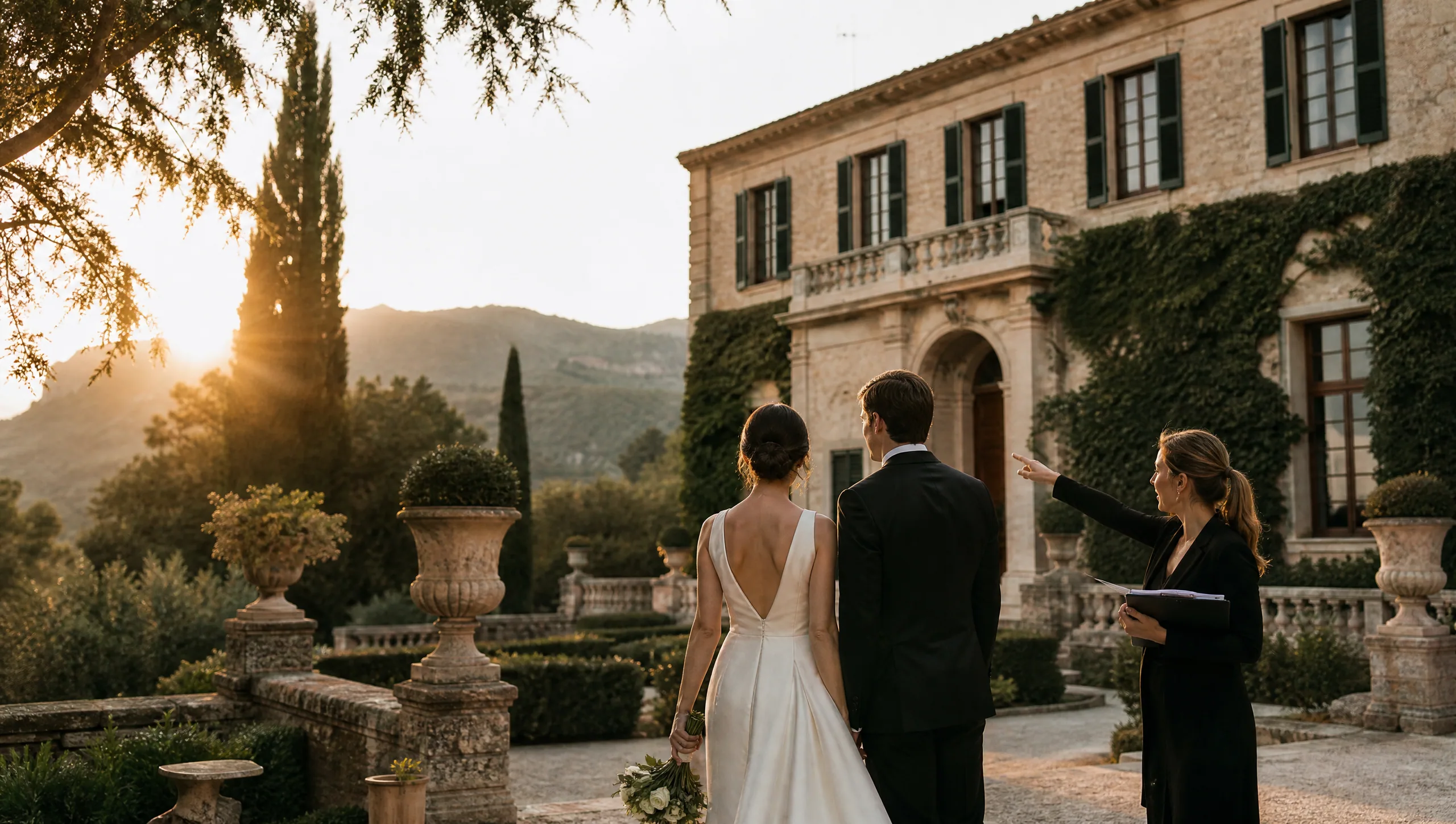

Planning a destination wedding in Spain from another country often means you have a vision, a venue hold, and a growing list of vendors — but no one physically on the ground until a few days before the celebration. That gap is where a day-of coordinator earns their keep: not as a creative director for your whole year of planning, but as the calm local presence who keeps the wedding day moving when flights, heat, language, and timing all collide.
This guide is for international couples who are largely planning from abroad and want to understand what a Spanish day-of coordinator actually does, when you need one, how they differ from a full-service planner, and what to put in writing before you book.
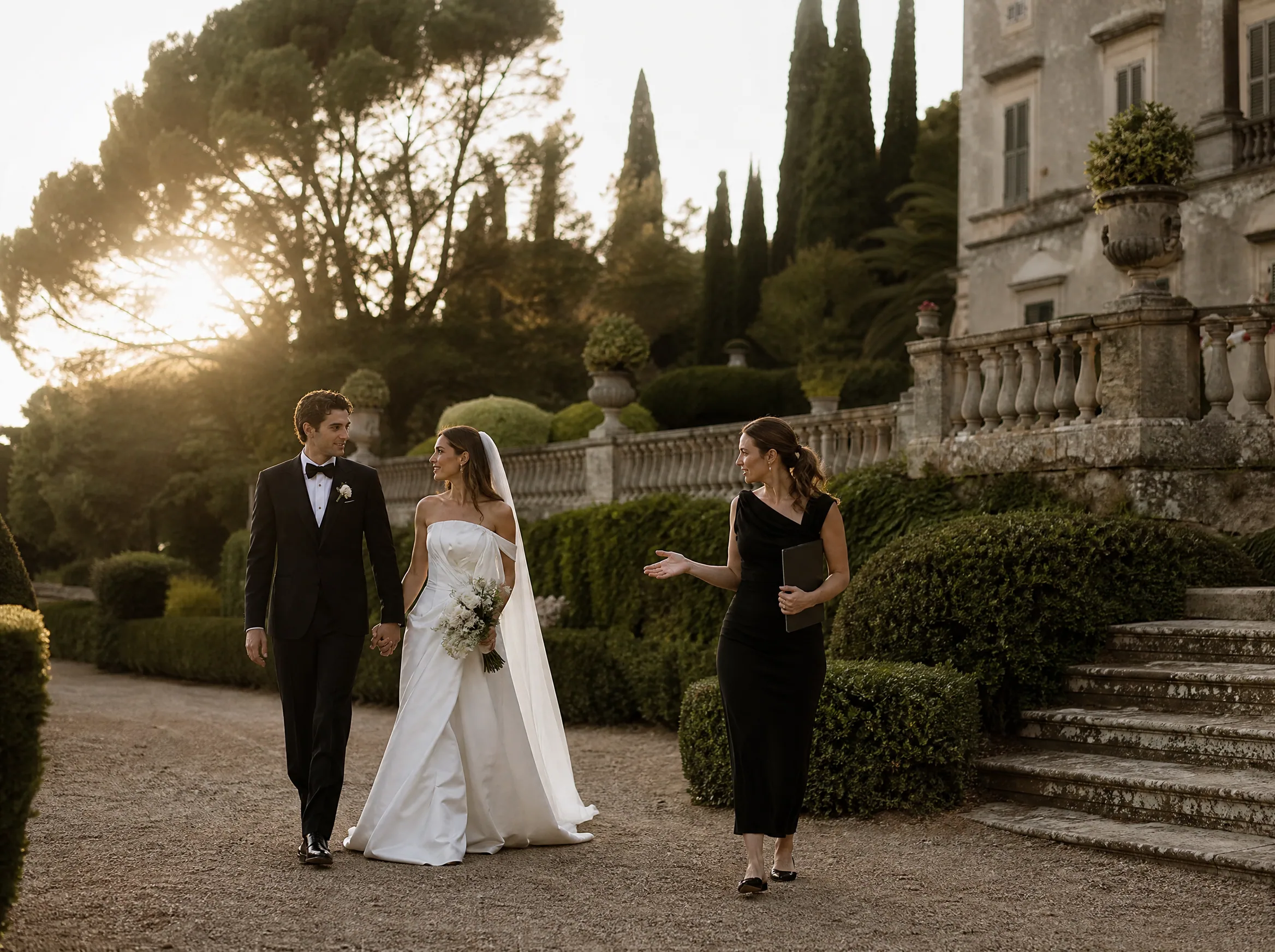
Day-of Coordinator vs Full-Service Planner in Spain
A full-service planner usually shapes the wedding from concept through vendor selection, design, guest logistics, and day-of execution. A day-of coordinator (sometimes called a month-of or partial planner) typically joins later: they absorb the plan you already built, confirm vendor timings, run the rehearsal if needed, and manage the live timeline so you are not answering questions in your wedding clothes.
In Spain, titles vary. Some coordinators offer a short runway of pre-wedding support — final vendor calls, seating checks, welcome-party oversight — even when the package is labeled day-of. Ask what “day-of” includes in hours and in calendar days. International couples often need more than an eight-hour onsite block; they need someone who can solve problems in Spanish the week guests arrive.

When International Couples Actually Need Local Day-of Support
You are a strong candidate for a day-of coordinator if your planner is remote or DIY, your venue is not providing a dedicated wedding manager, your ceremony and dinner are in different spaces, or your guest list is traveling from multiple countries. Multi-day weekends, outdoor heat, noise curfews, and preferred-vendor rules also raise the value of a local lead.
You may need less support if the venue assigns an experienced wedding manager who will run load-in, ceremony cues, and vendor meals — and if that person is clearly accountable in writing. Even then, confirm language, decision authority, and whether they advocate for you or only for house operations.
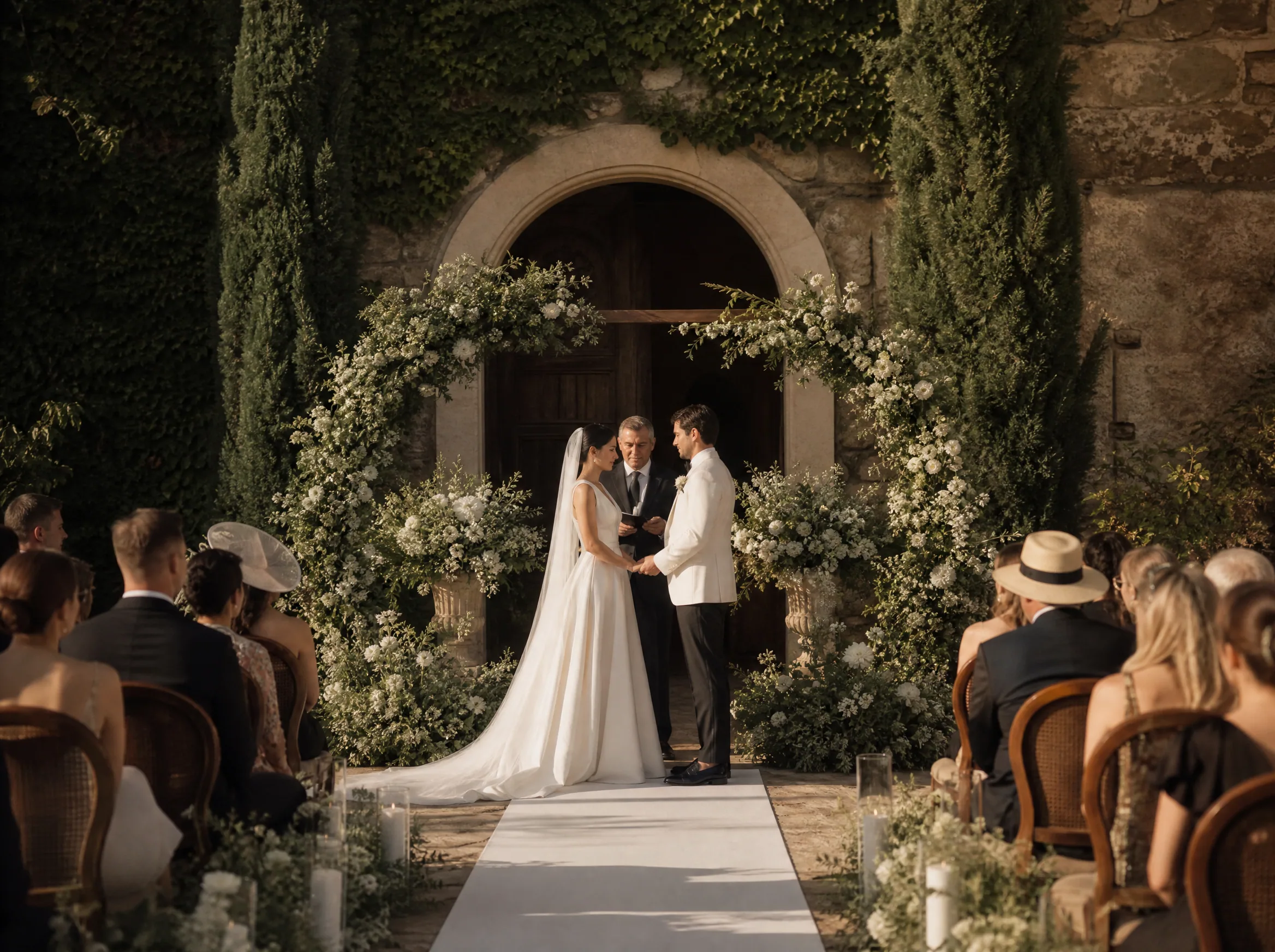
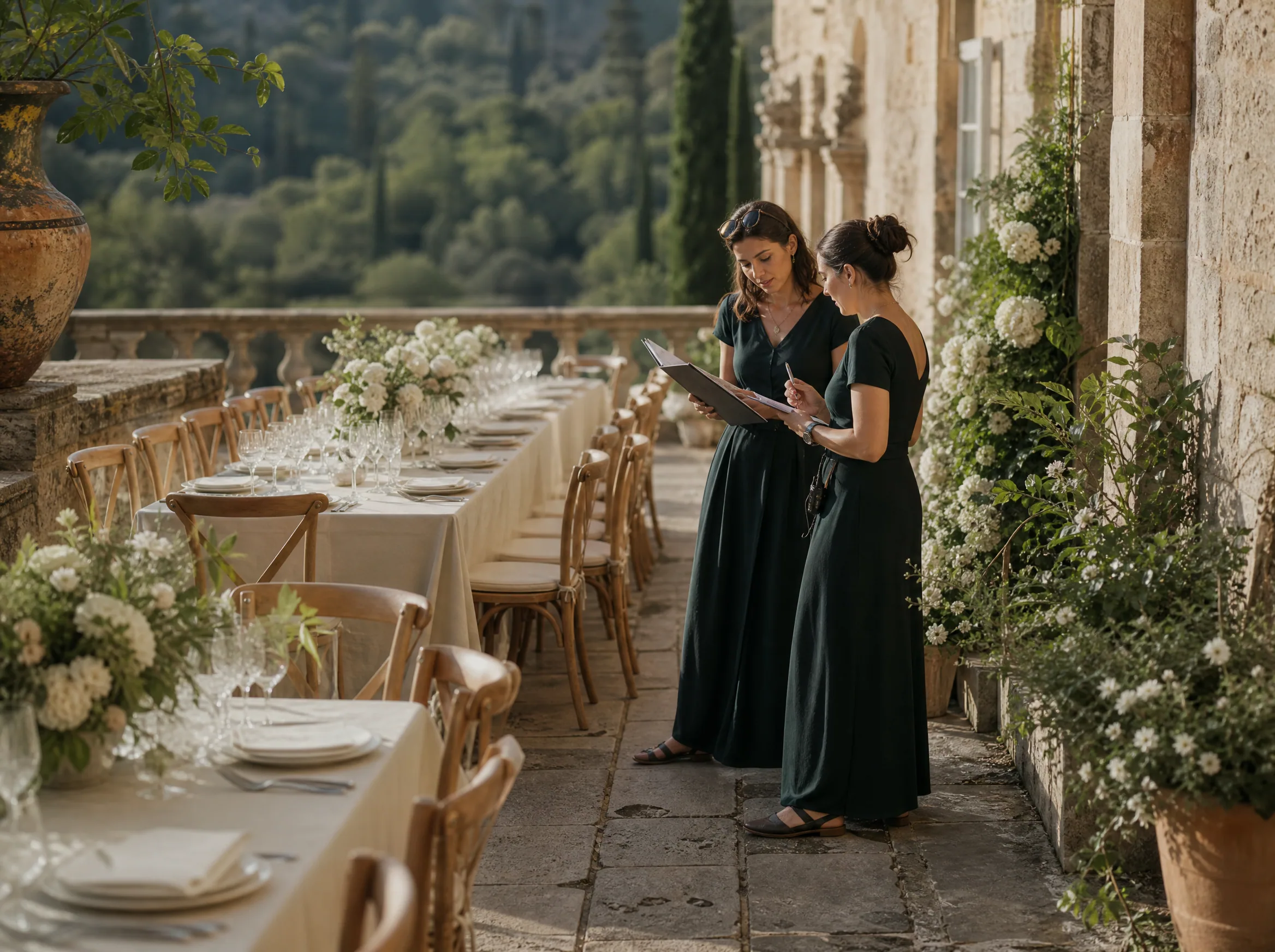
What a Strong Spanish Day-of Coordinator Owns
Expect them to build or refine a minute-by-minute timeline, confirm arrival windows with every vendor, manage ceremony cues with the officiant and musicians, protect getting-ready buffers, and keep family questions from landing on you. They should know how Spanish venues behave around access hours, power, bathrooms, shade, and wind-down rules.
They should also hold contingency thinking: rain move, late transfer, missing shipment, heat adjustments, microphone failure, or a guest medical issue. You do not need drama management. You need someone who has already asked the unglamorous questions before the first guest arrives.
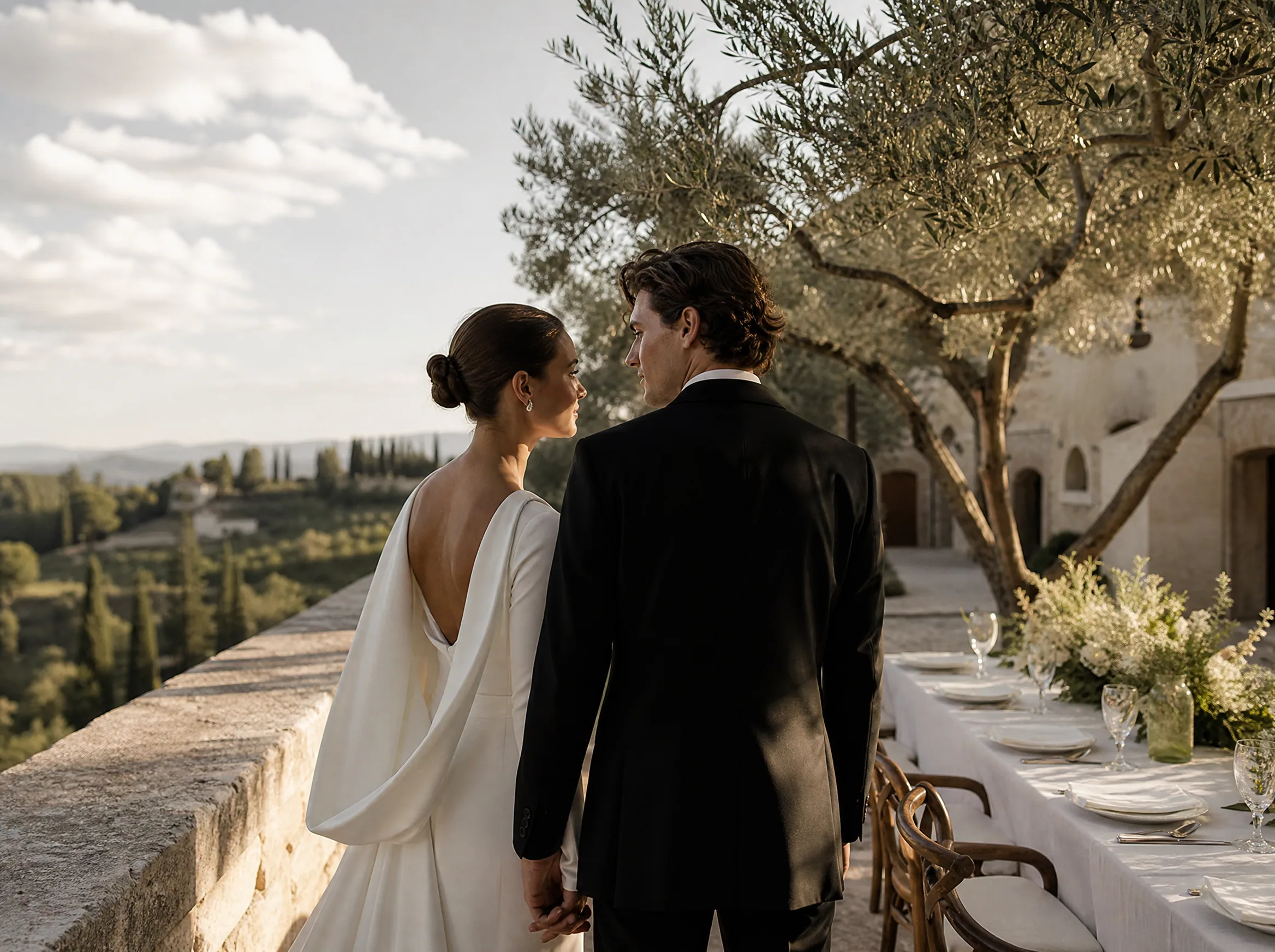
Language, Local Relationships, and Why That Matters on the Day
Many Spanish vendors work comfortably in English for bookings. On the wedding day, speed matters more than polish. A coordinator who can switch into clear Spanish with catering leads, venue staff, drivers, and florists prevents small delays from becoming visible ones.
Local relationships also matter. A coordinator who already knows how a particular masia opens gates, where trucks can park, and which neighbor complaints are real can protect your timeline without turning every issue into an international negotiation across WhatsApp.
How Far Before the Wedding You Should Hire
For destination weddings, “day-of only” booked two weeks out is usually too late. Aim to hire once the venue and major vendors are set — often three to six months before the wedding — so the coordinator can review contracts, spot gaps, and join final planning calls while changes are still cheap.
If you are arriving only a few days before the celebration, give the coordinator authority to do final walkthroughs without you. Remote couples lose the most time when every confirmation still requires their signature across time zones.
Briefing Packets: What to Hand Over So the Day Feels Effortless
Send a single shared folder: final vendor list with contacts, contracts or confirmations, floor plans, rain plan, timeline draft, shot priorities for photo and film, family dynamics that affect seating or processional order, dietary flags, transportation schedule, and who can make spending decisions on the day.
Also write a short “if we are unreachable” note. During getting ready and the ceremony, you should be unavailable. Name one decision-maker — often the coordinator, sometimes a sibling or wedding party lead — for vendor overages, weather calls, and guest issues under a clear spending cap.
Costs, Package Boundaries, and Hidden Scope Creep
Day-of packages in Spain vary widely by region, guest count, and whether setup/teardown help is included. Clarify hours onsite, number of coordinators or assistants, rehearsal coverage, welcome-event support, and whether vendor dinners, tip envelopes, or late-night after-parties are in scope.
Watch for scope that quietly expands into full planning: endless design revisions, guest RSVP management, or hotel room-block administration may belong in a different package. Clear boundaries keep the relationship healthy and the price honest.
Working With Your Photographer and Videographer Through the Coordinator
Photo and film teams need accurate buffers, honest light windows, and a contact who can gather family without turning portraits into a logistics meeting. A good coordinator protects those windows instead of treating them as optional.
Share your must-have moments and any cultural or family constraints early. When the coordinator, photographer, and videographer work from the same timeline, the day feels less managed and more present — which is usually what international couples traveled to Spain to feel.
Questions to Ask Before You Book a Day-of Coordinator
Ask how many weddings they run in a similar venue type, whether they speak Spanish with vendors by default, what their backup is if they fall ill, how they handle noise curfews and weather moves, and whether they will attend a final site visit. Request a sample timeline and a clear list of what they will not do.
Then trust the tone of the working relationship. Destination wedding days reward calm competence. The right coordinator does not invent urgency. They remove it — so the celebration can look and feel like the reason you chose Spain in the first place.