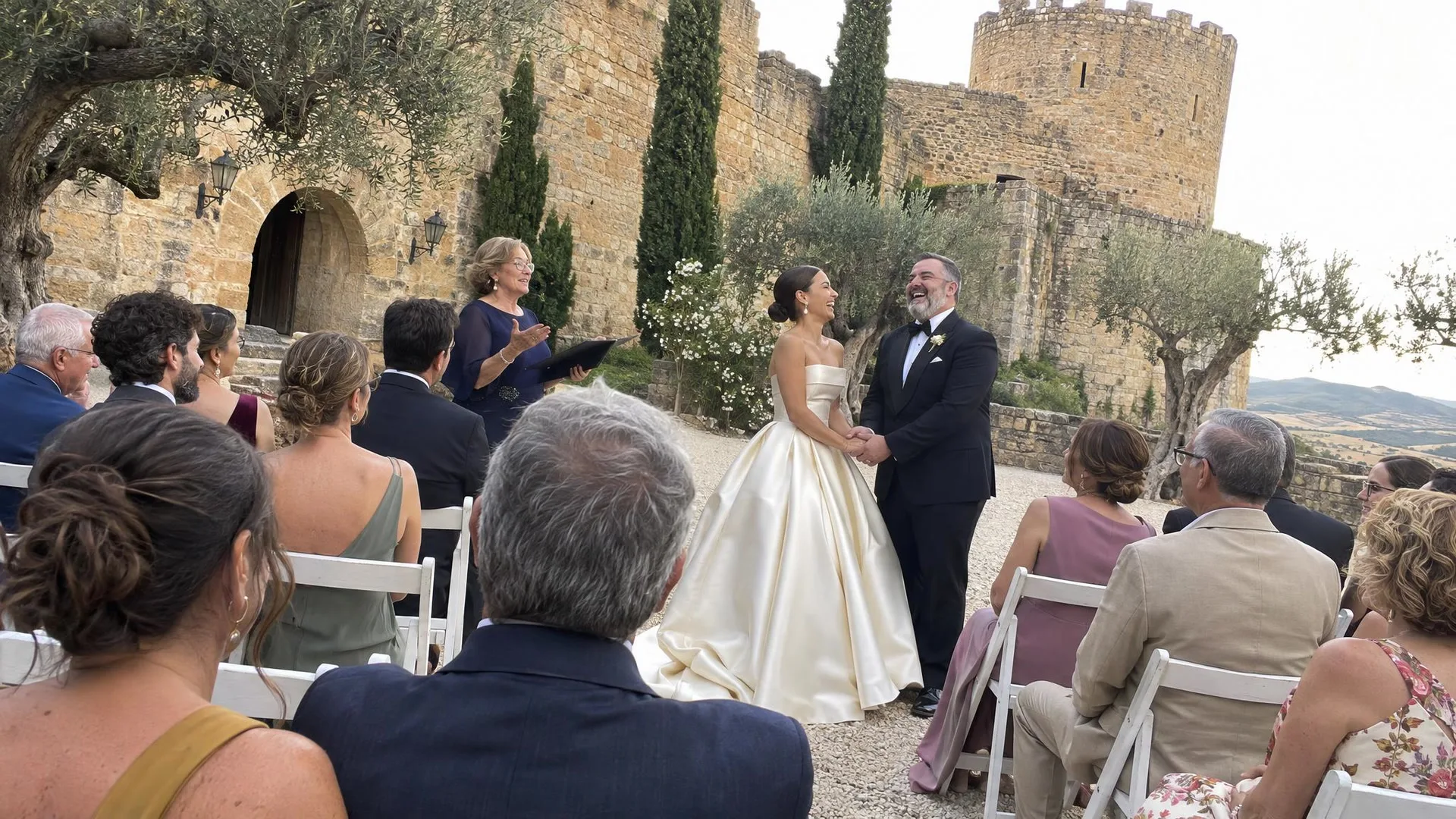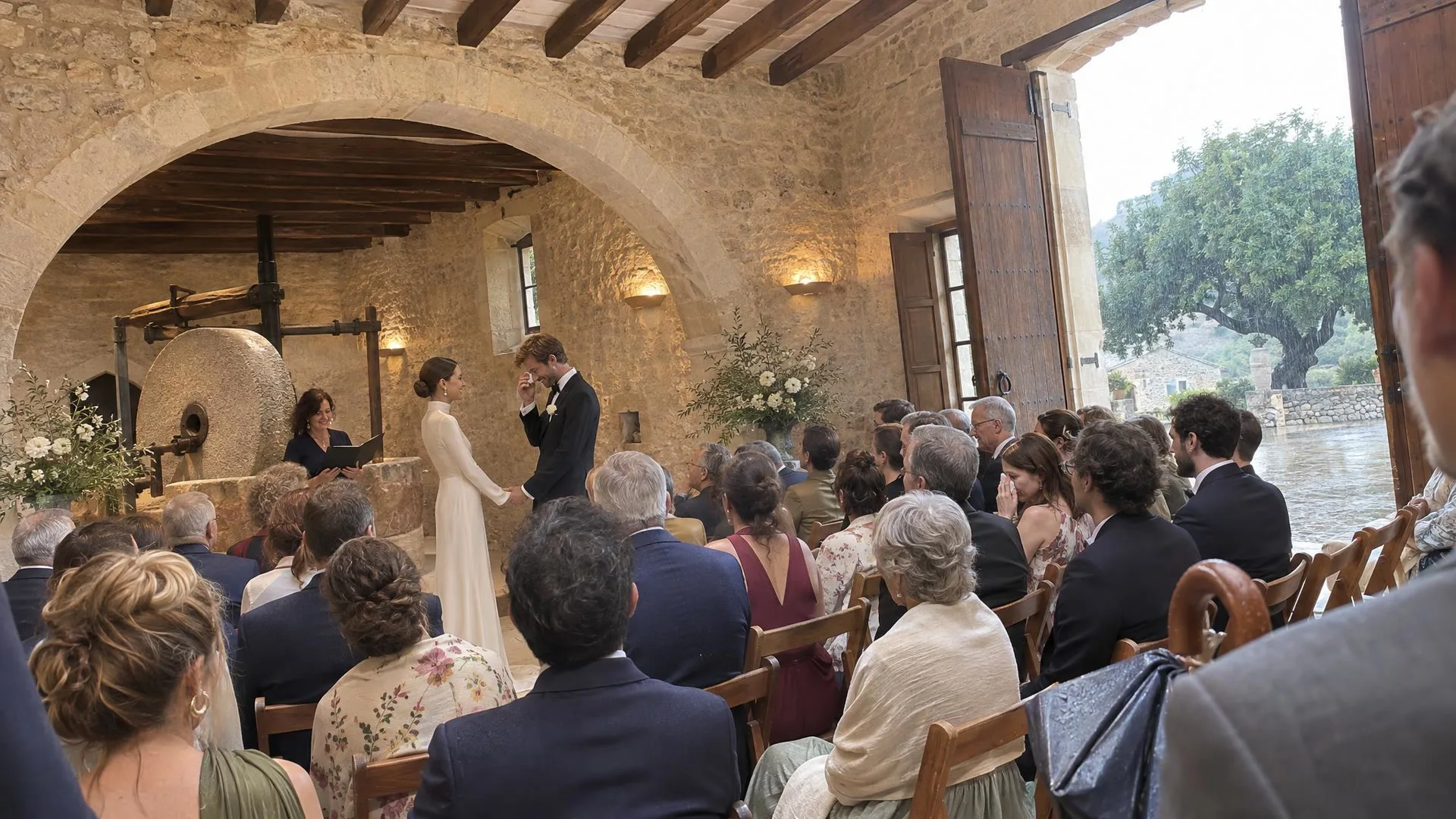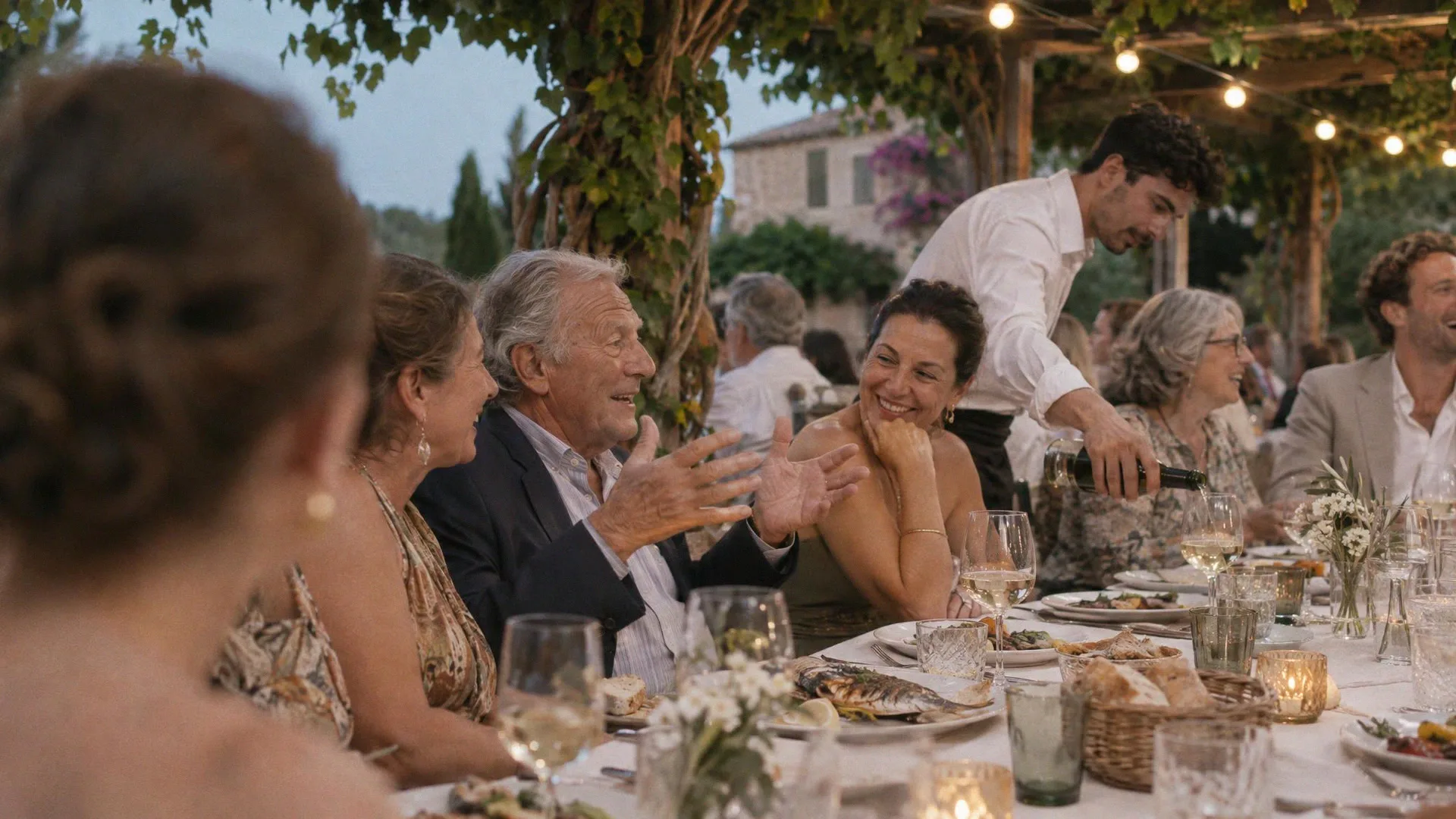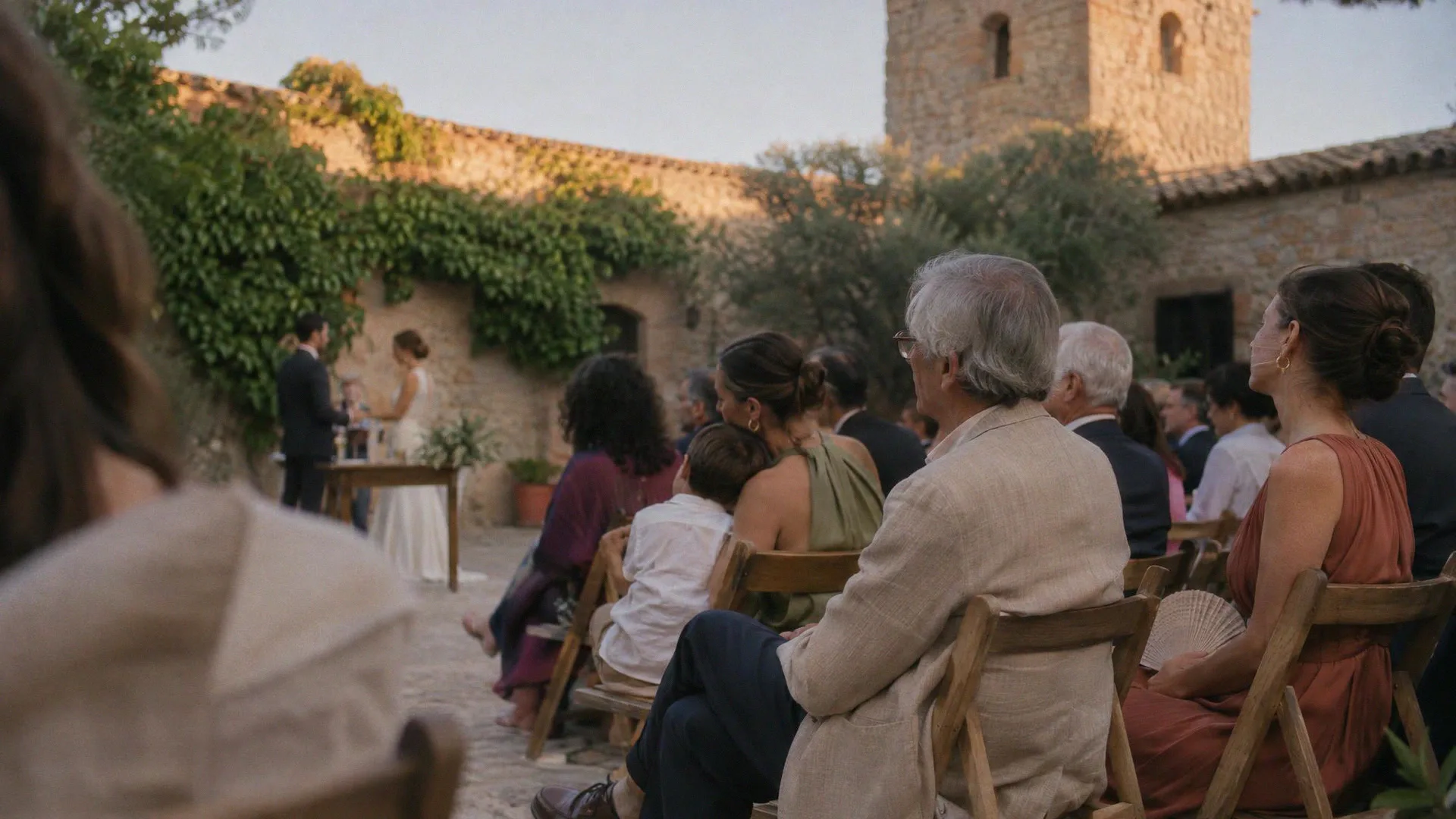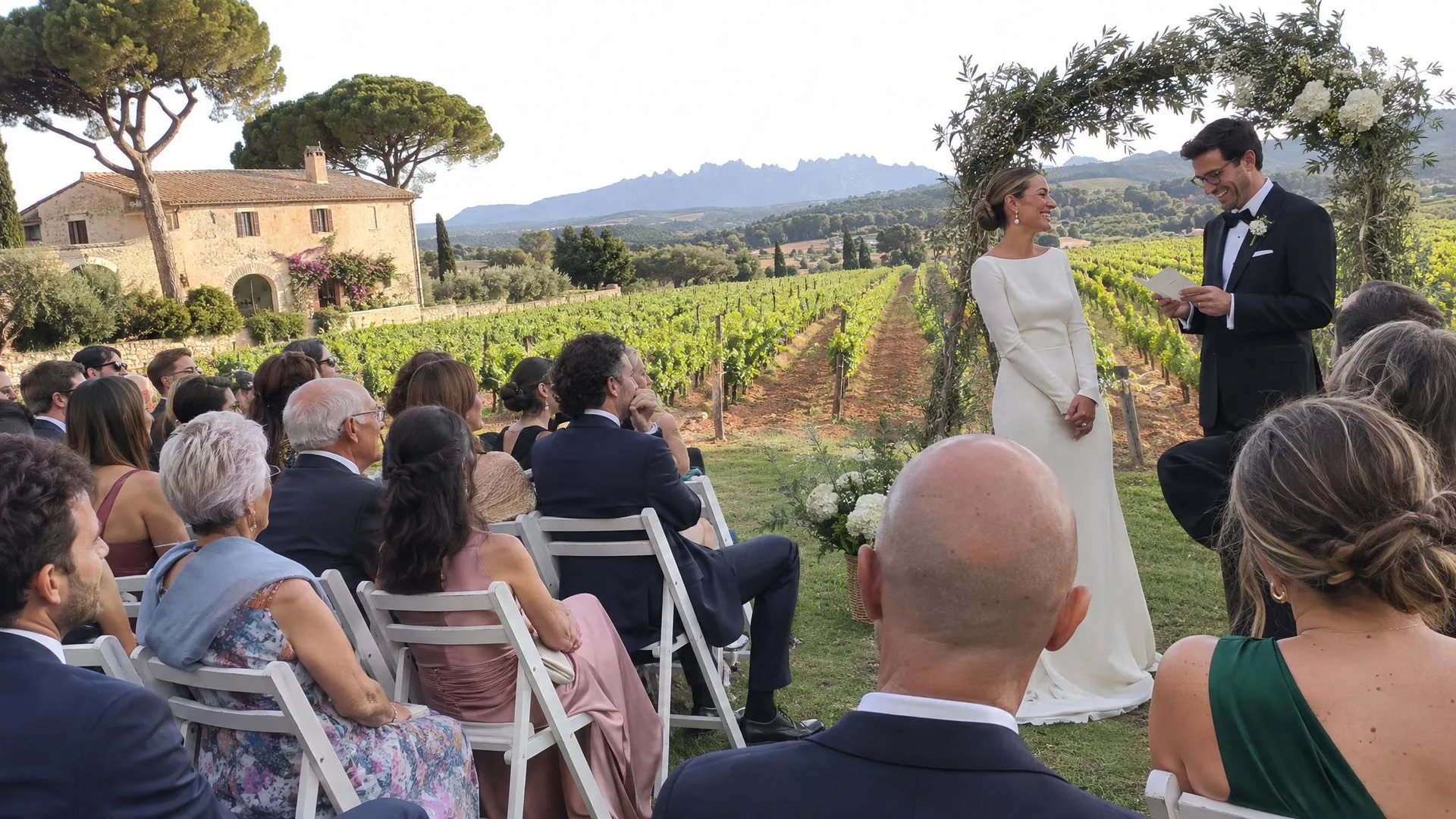
A vineyard wedding in Spain looks effortless in photos: rows of vines running towards the hills, a stone farmhouse, a long table, a glass of cava in every hand. What the photos do not show is the ground everyone is standing on, the walk from the minibus, the heat at five in the afternoon, or the question of what your guests should wear.
That last point started a long conversation in a destination wedding community this summer. A bride planning her ceremony, dinner and party out among the vines asked whether a vineyard could still carry a black-tie dress code, or whether it was destined to feel like a garden party. The post itself got few upvotes, but it drew around seventy-five replies, and they were surprisingly practical.
This guide uses that discussion as a starting point and adds what matters specifically in Spain: which wine regions work for international guests, the kinds of bodega venues you will find, and what to settle before you sign.
Where vineyard weddings happen in Spain
Spain has wine country almost everywhere, but for a destination wedding the question is travel time for your guests.
- Penedès (Catalonia). The cava region west of Barcelona, close enough to the airport for a long weekend. Historic cava houses, family wineries and old masias with their own vines.
- Empordà (Catalonia). Smaller vineyards between the Costa Brava and the Pyrenees, mixed with olive groves and medieval villages. Good if you want the sea and the vines in one trip.
- Rioja and Ribera del Duero. Classic red-wine country in the north, with big-name bodegas and some striking modern architecture. More of a journey from the main international airports, so plan a full weekend.
- Mallorca. The island has its own wineries inland, which can pair a vineyard dinner with a beach day.
If most guests are flying in, Penedès is usually the simplest choice: one airport, short transfers, and Barcelona for the days before and after.
Three kinds of bodega venue
Most vineyard venues in Spain fall into one of three groups, and each changes your budget and your guests' weekend.
Historic cava houses with event spaces. These are working wineries that rent out gardens, halls and cellars. Codorníu in Sant Sadurní d'Anoia is the best-known example: on its own site the winery talks about weddings about thirty minutes from Barcelona and lists spaces such as its gardens, a pergola, the Celler Gran and an outdoor area in front of its museum, framed by modernist buildings designed by Josep Puig i Cadafalch. Expect dramatic architecture and indoor options, but check what is rented exclusively to you and what stays open to visitors.
Private masias with their own vineyard. A farmhouse estate that you hire whole, often with a few rooms for close family. Masia Cabellut in the Penedès is one example: the estate describes itself as a villa with its own vineyard, with ceremonies in the gardens or overlooking the vines and parties under a pergola, plus wine tasting tours. We wrote a longer guide to Masia Cabellut. This model gives you privacy and a weekend-together feel, but catering, rentals and transport are usually yours to organise.
Wine hotels. Some bodegas in Rioja and elsewhere run hotels or restaurants on site. Food and rooms are easier, but you share the place with other guests unless you book it out.
For a wider comparison of venue types, see our article on how to choose a wedding venue in Spain as an international couple.
Grass, heels and the dress code question
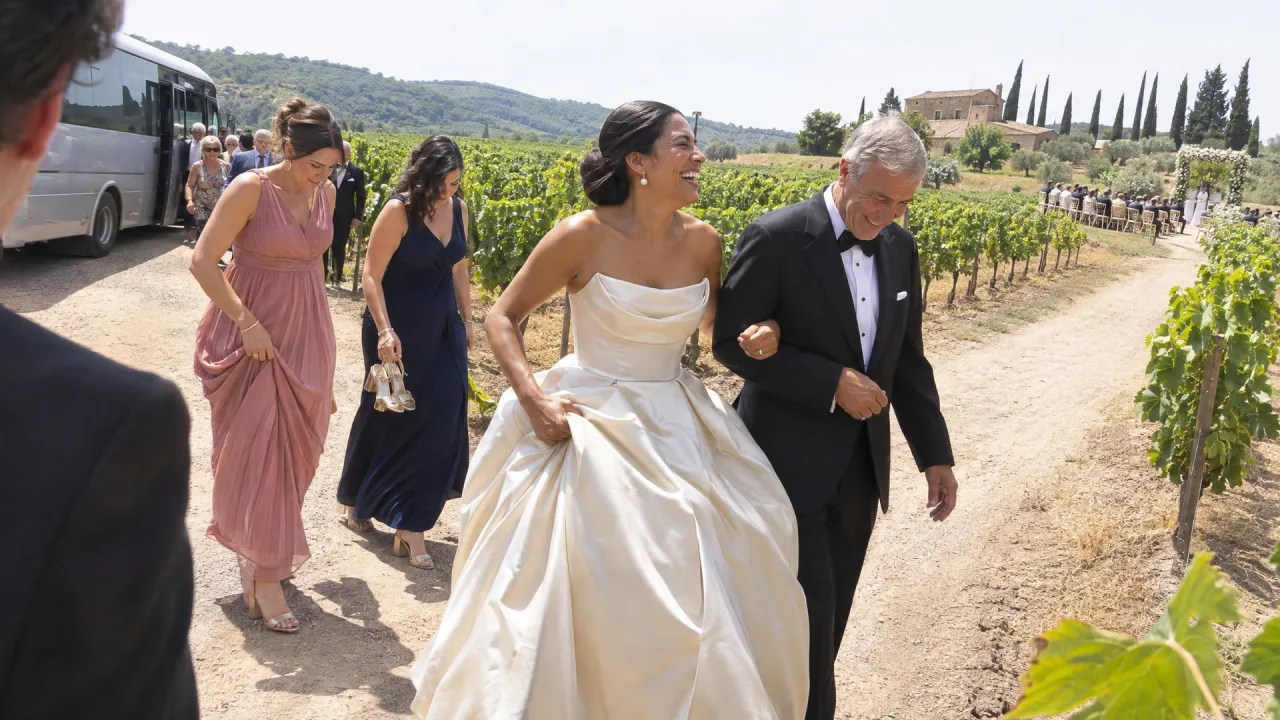
The strongest theme in the thread was simple: black tie and soft ground do not mix well. One guest described a vineyard wedding with no warning about the terrain, after rain the day before. Heels sank, floor-length hems picked up grass and mud, and by the ceremony several women had switched to flip-flops and were holding their dresses up. She was still annoyed years later.
Most replies landed on the same advice:
- Formal is often the better label. It still says "dress up" without pushing everyone into tuxedos and floor-length gowns that will drag on the ground.
- Black tie optional sends many women to long gowns anyway, which brings back the hem problem.
- Tell guests about the surface. Say clearly that the ceremony is on grass or earth and how far they will walk.
- Match the formality to the whole day. Several commenters pointed out that a black-tie code comes with expectations: plated dinner, open bar, strong service. The bride had all of that, which is why a minority defended her choice.
The minority view is worth hearing too. A few people said an elegant vineyard is a perfectly good setting for a dressy wedding, as long as you are honest about the ground and offer heel protectors. The bride said she mainly wanted to stop cousins turning up in jeans, and by the end she was leaning towards "formal".
In Spain, a practical middle way works well: ceremony on a paved terrace or a firm gravel area next to the vines, not in the middle of a soft row; a short, level path from the transport; a basket of heel protectors and flat sandals; and clear wording on the invitation. Our guide to guest footwear and terrain logistics covers this in more detail.
Heat, harvest and timing
Spanish vineyards are hot from June to early September. Vines give almost no shade, and a ceremony at four in the afternoon in July means guests squinting into the sun. Most couples move the ceremony to the early evening and keep dinner for after sunset.
Harvest is the other date to check. Depending on the region and year, grapes are picked roughly from late summer into autumn. A working winery is busy then, with tractors, trailers and staff in the vines. Some couples love the atmosphere; others find it gets in the way. Ask the venue directly how harvest affects weddings on your date.
Late spring and early autumn are often the sweet spot: softer light, greener or golden vines, and evenings cool enough for a jacket.
Plan B: look at the cellar, not just the photos
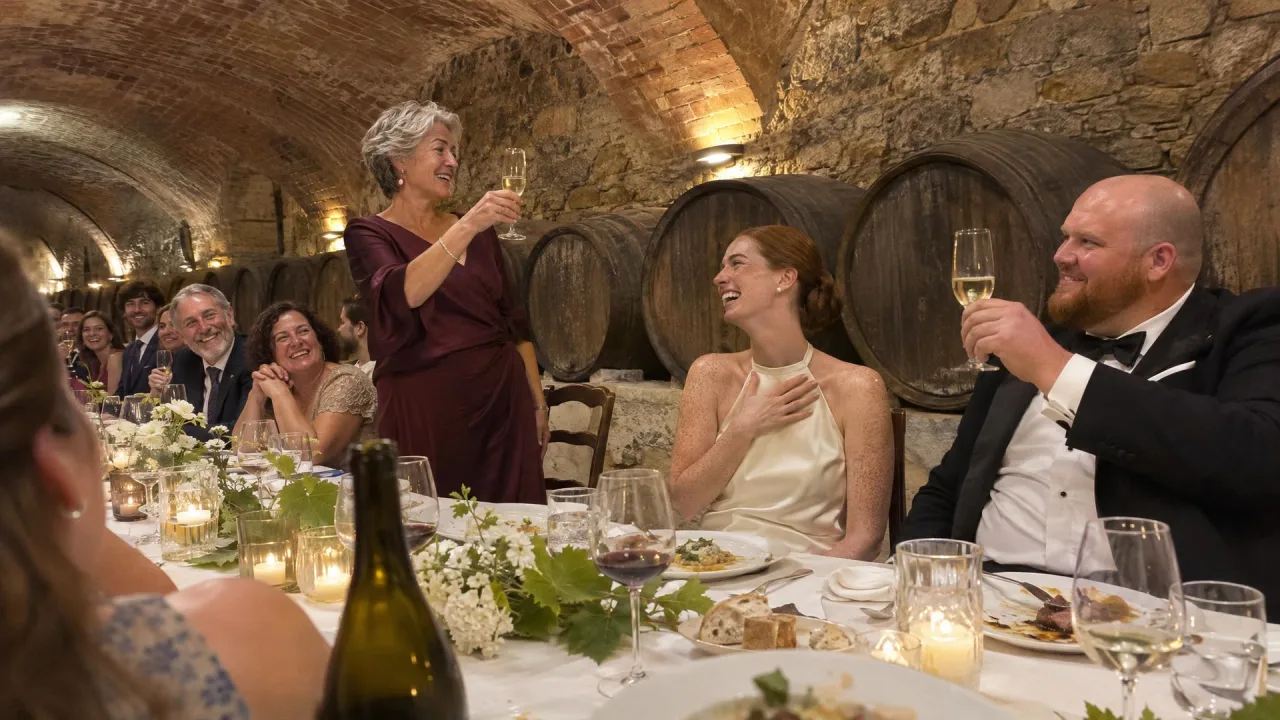
Every vineyard venue says it has a weather backup. Ask to see it set for a wedding. A barrel room or old cava cellar can be beautiful for dinner, with stone vaults and candlelight. A plain storage hall with folding chairs is not the same thing. Ask:
- Does the indoor space fit your full guest count for dinner and dancing?
- When is the decision made, and who makes it?
- Is there a covered area for the ceremony, or only for dinner?
- Does a tent cost extra, and does it need booking months ahead?
Questions to ask a bodega before you sign
- Is the whole estate exclusively yours, or are tastings and visitors running that day?
- What are the rules on amplified music outside, and when does the party have to move indoors or end?
- Is catering in-house, from a fixed list, or free choice?
- Can you get ready on site, and from what time?
- How far is the walk from parking or the shuttle drop-off to the ceremony, and on what surface?
- How many guests can sleep on site, and where do the rest stay?
- What does the price include, with IVA, and what is extra?
Filming a vineyard wedding
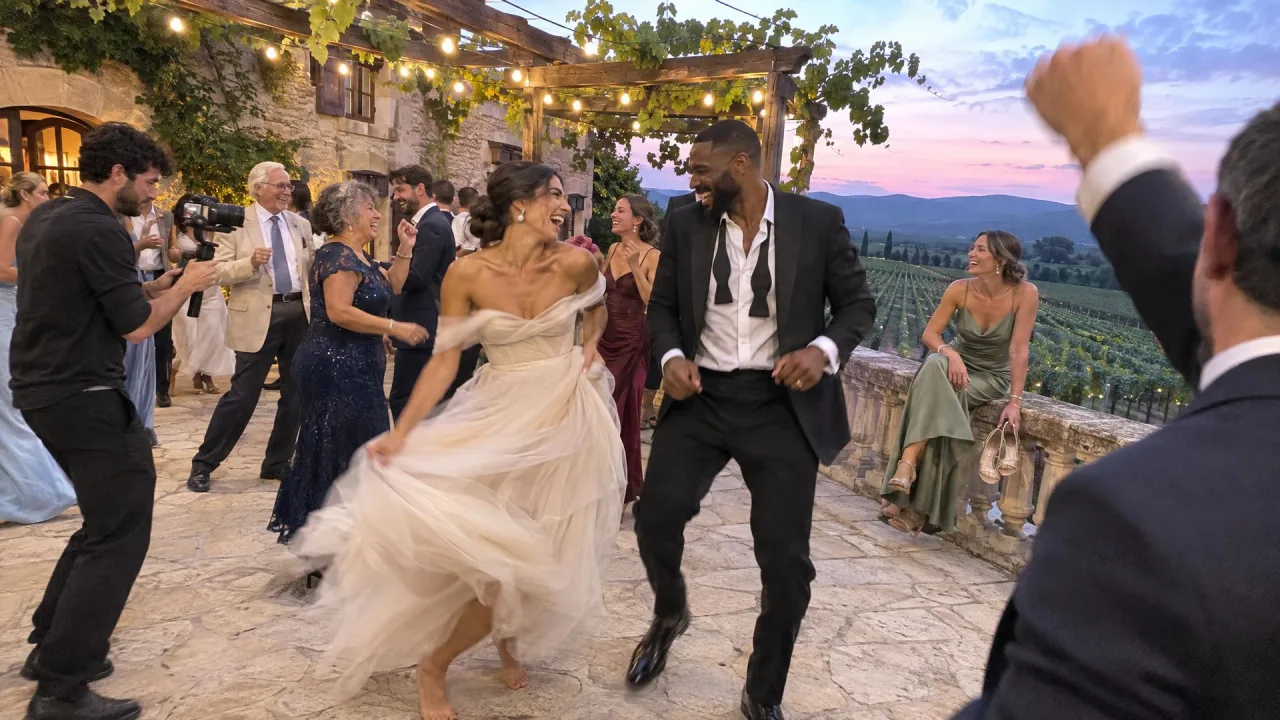
A vineyard is one of the best settings for documentary and cinematic wedding films in Barcelona and the Penedès, but it has its own demands. The low evening light across the vine rows is the moment everyone wants on camera, so a ceremony timed for the early evening helps both the guests and the film.
Wind is the hidden problem. Open fields carry wind straight across the microphones, which is why we use lavalier microphones and a separate audio recorder for the vows and speeches, not just the camera's sound. Cellars are the opposite: dark, intimate and lit mostly by candles, so it helps to plan a few extra lights with your decorator.
If your celebration is a weekend in wine country, a longer package lets the film include more than the ceremony: a tasting or welcome dinner the day before, a quiet walk through the vines, the morning after. Packages with two cinematographers also include a drone, though flying is never guaranteed and depends on wind and local rules. If you are planning in the Penedès or anywhere near the city, have a look at how we work as a wedding videographer in Barcelona.
The short version
Choose the region for your guests' travel, the venue type for the kind of weekend you want, and the dress code for the ground they will stand on. Ask to see the Plan B, check harvest dates, and put the walk from the bus on your list. If you would like a film of the day that feels like you, send us your date and venue.