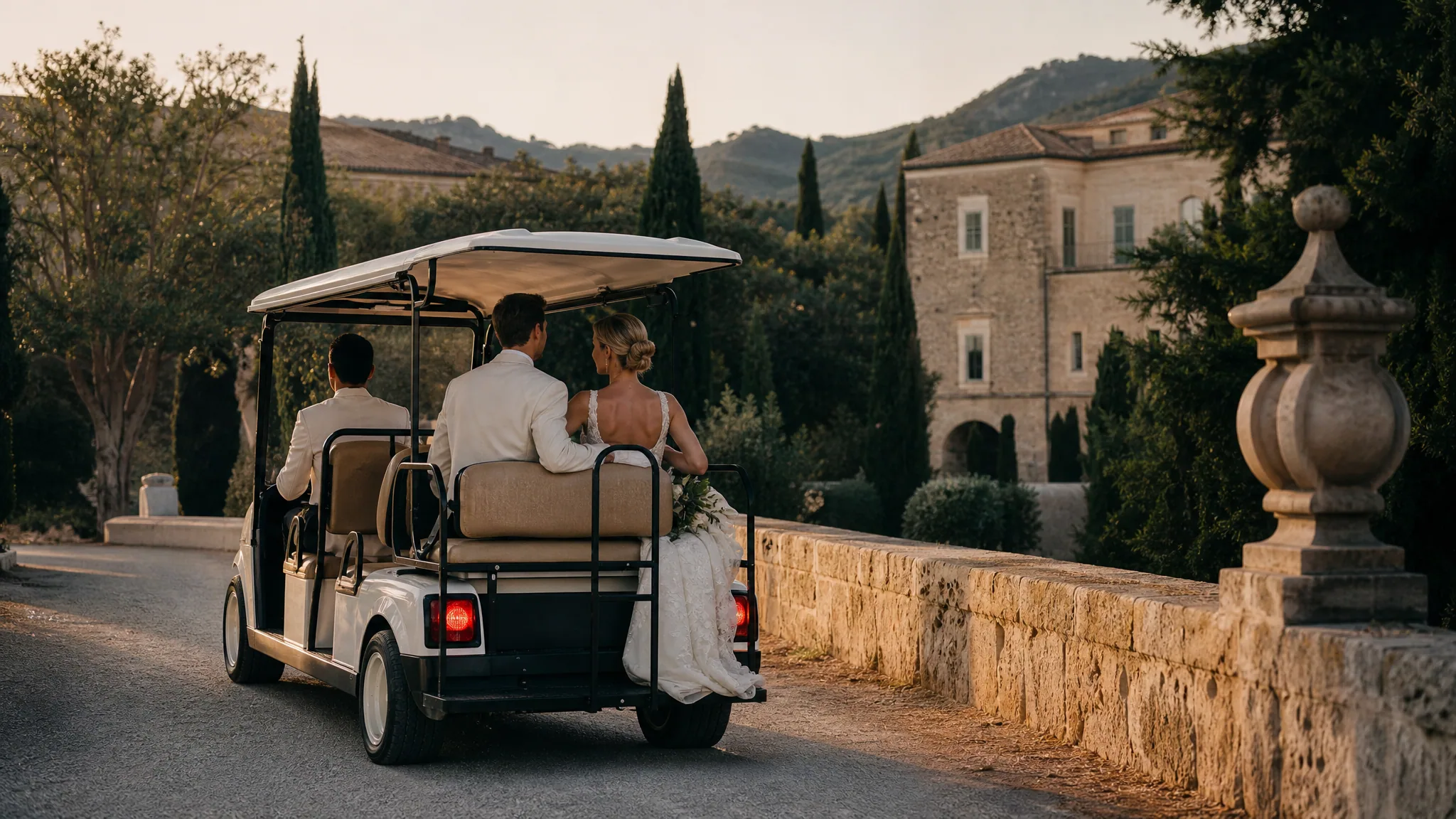
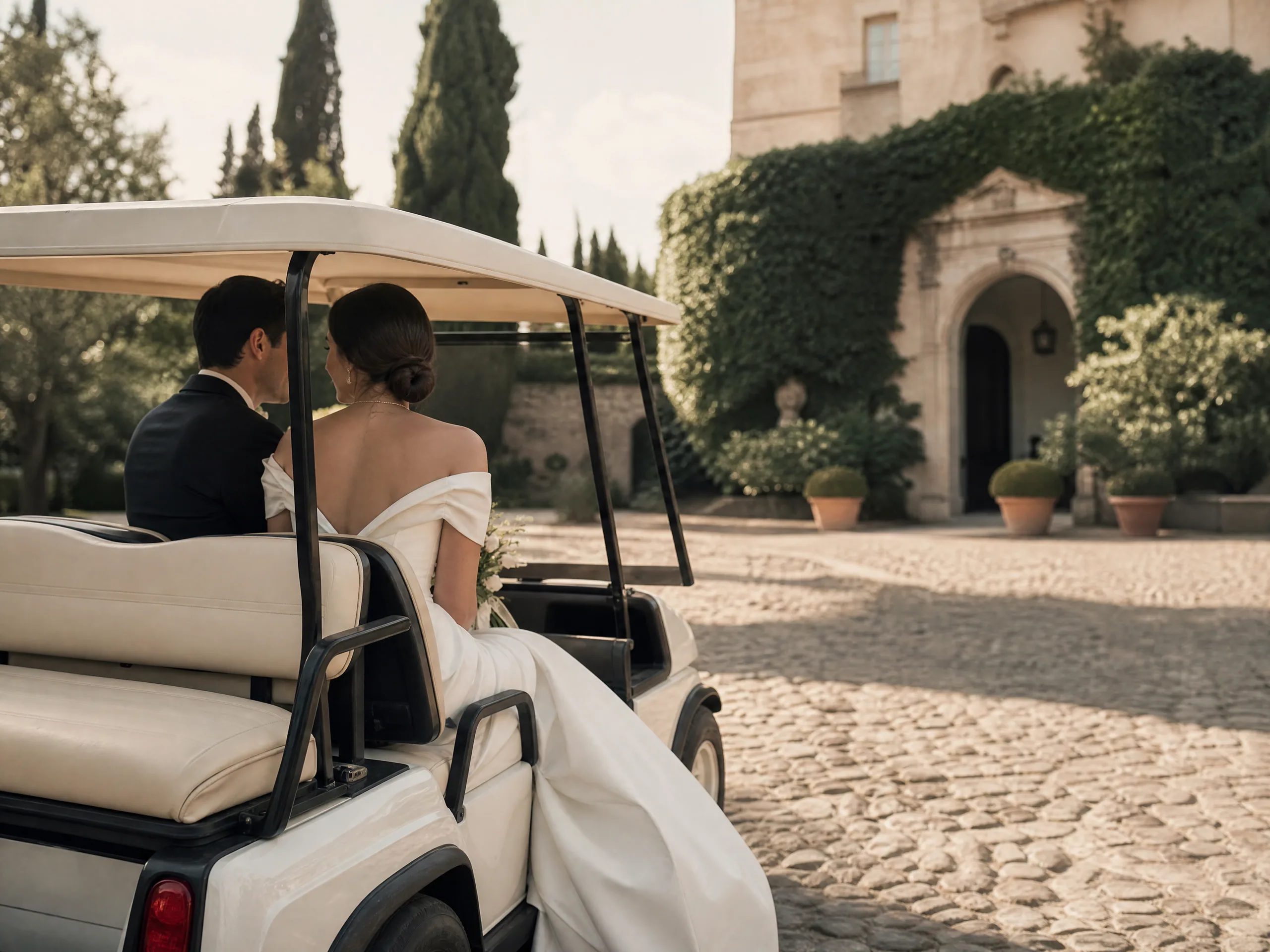
Spanish wedding estates sell the panorama: ceremony on the upper terrace, cocktails by the pool, dinner in the olive grove, parking somewhere “just below.” On a site visit that walk feels charming. On wedding day—with heels, grandparents, heat, and a fixed golden-hour cue—it becomes a logistics problem. On-estate golf carts and internal guest transfers are how you keep the romance without asking everyone to hike it.
These are not the same as airport coaches or late-night return buses. They are short, repeated hops inside the property: parking to welcome desk, ceremony to cocktails, dinner to after-party, and the reverse when the night ends. Plan them early, with capacity math and a named driver plan, or you will invent a shuttle system while guests are already seated.
Map the real walking distances, not the brochure paths
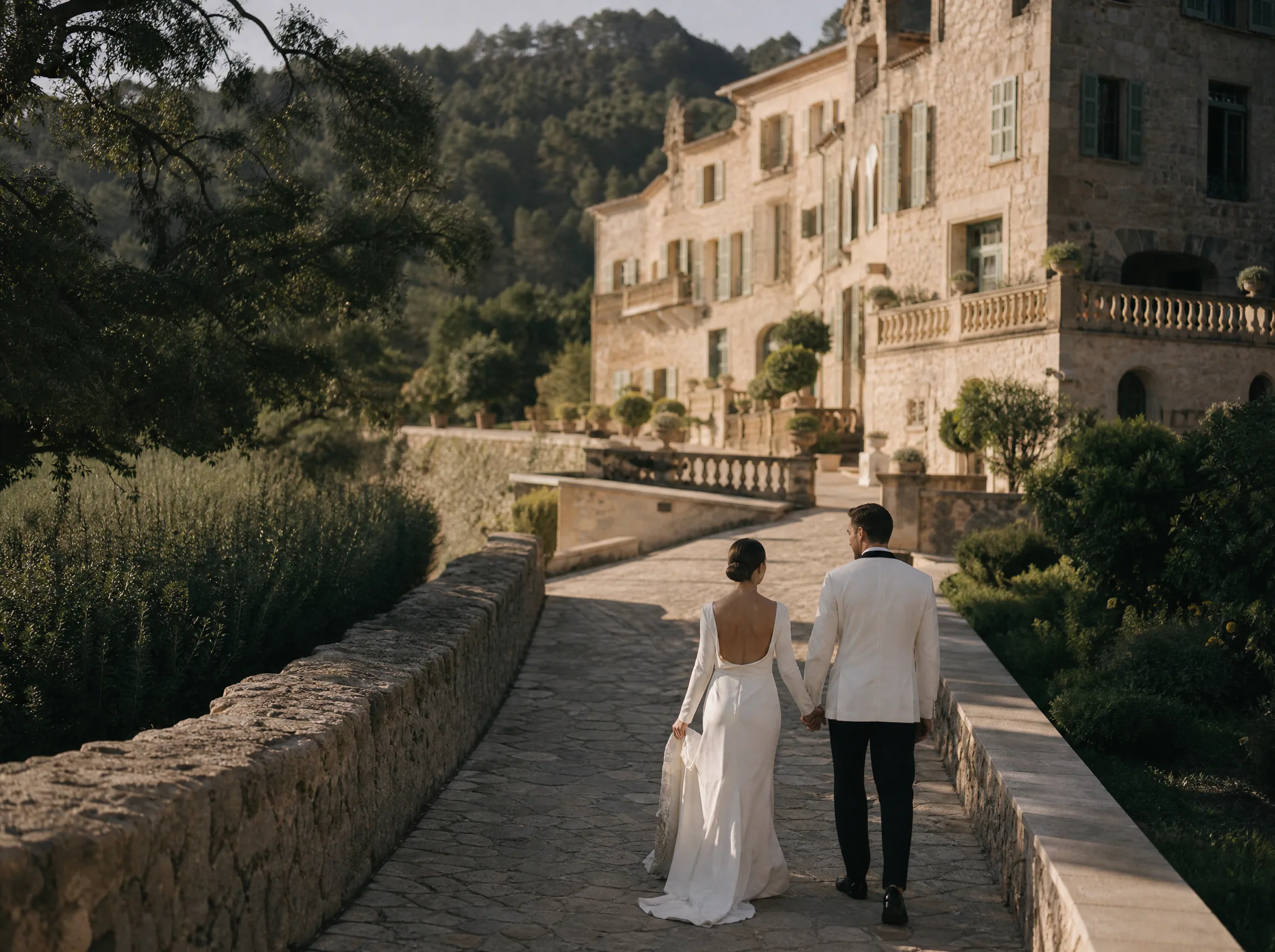
Walk the guest journey in wedding shoes if you can, or time it deliberately on your site visit. Note elevation changes, gravel that rolls under heels, steps without handrails, and gates that close after load-in. Mark every segment longer than a comfortable two-minute stroll for mixed ages. Those segments need carts—or a redesigned guest flow.
Ask the venue which routes are vehicle-safe after rain, which paths vendors already use for load-in, and where carts are forbidden (historic courtyards, soft lawns, steep edges). A beautiful shortcut that damages grass or blocks fire access is not a plan.
Separate guest carts from vendor and photo movement
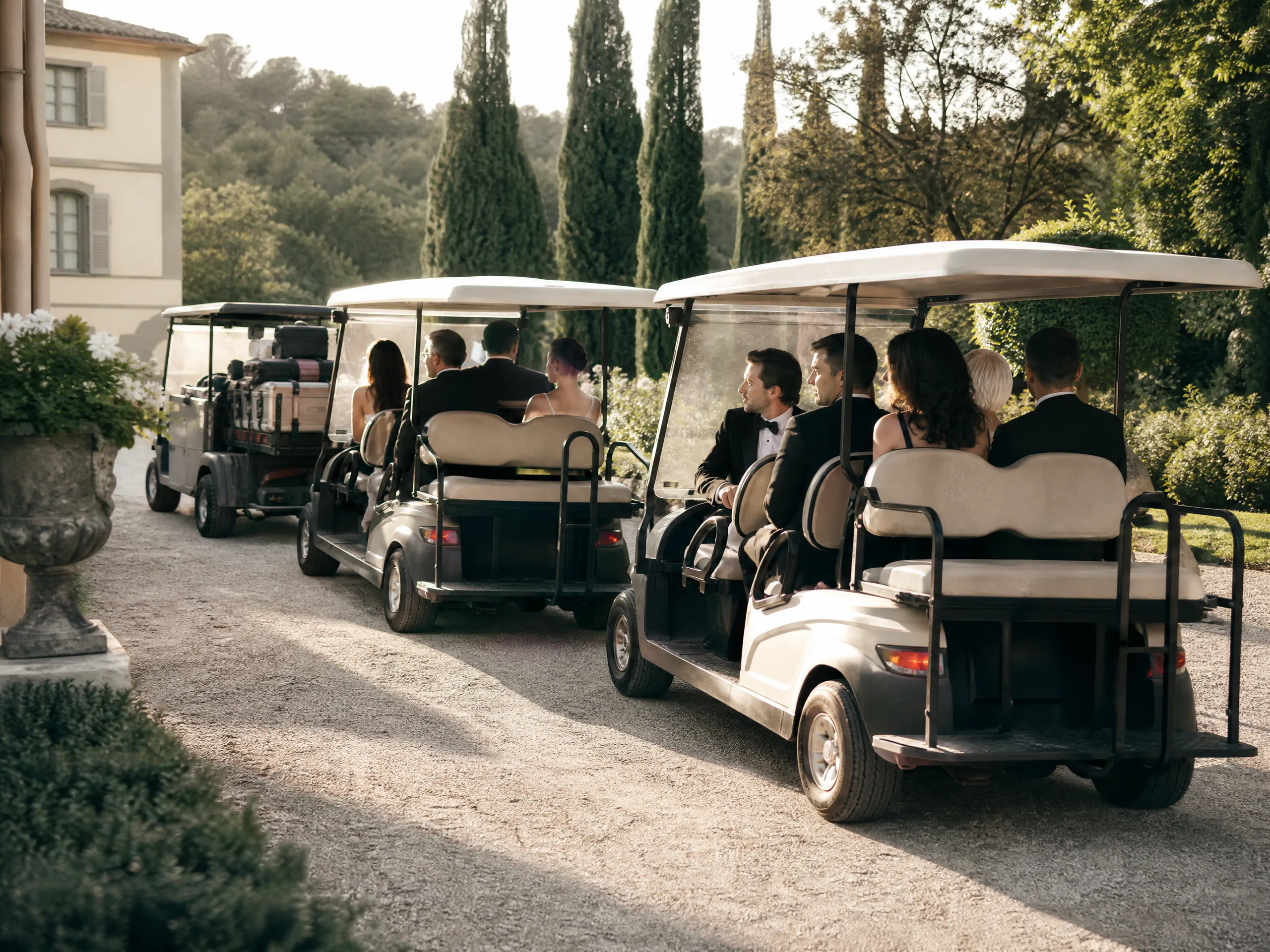
Photographers, florists, and catering runners will also need to move between zones. If everyone shares one cart, the processional starts late while someone is fetching ice. Assign guest transfer windows and keep a vendor cart—or foot runners—on a different rhythm.
Give your day-of coordinator a simple route map with pickup points labeled the way guests will hear them: “Parking olive gate,” “Ceremony terrace,” “Pool cocktails,” “Dinner barn.” Avoid nicknames only the family uses.
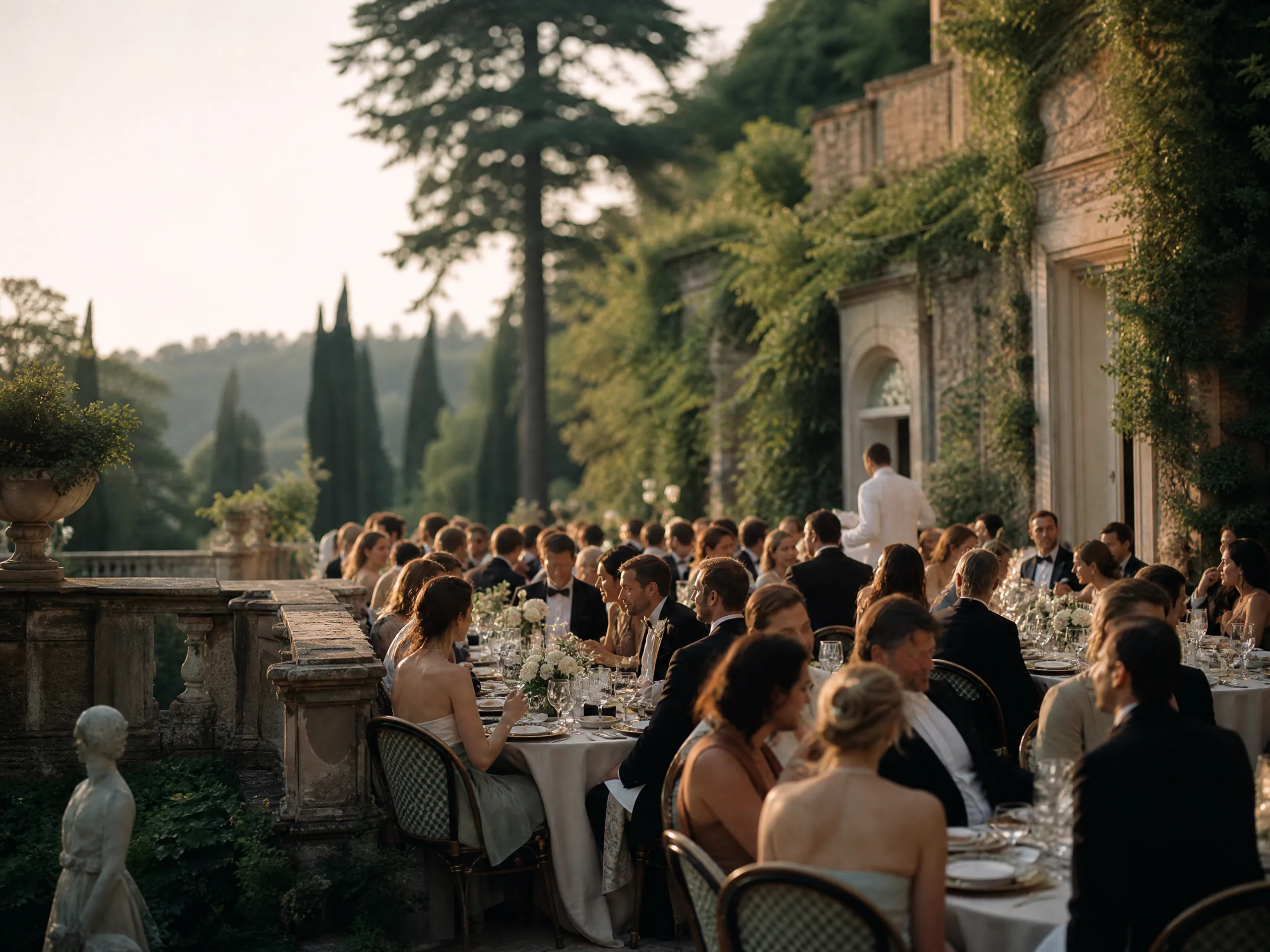
Do capacity math for peak moments, not averages
The dangerous peaks are ceremony call time and the move to dinner. If 80 guests need to leave parking in 25 minutes and each cart holds four adults, you need multiple carts running continuous loops—or a staggered call plan that does not strand late arrivals.
Build a buffer for mobility aids, children on laps, and guests who refuse to split from their group. Count round-trip time including boarding, not just drive time. One slow loop at dusk can erase your cocktail hour.
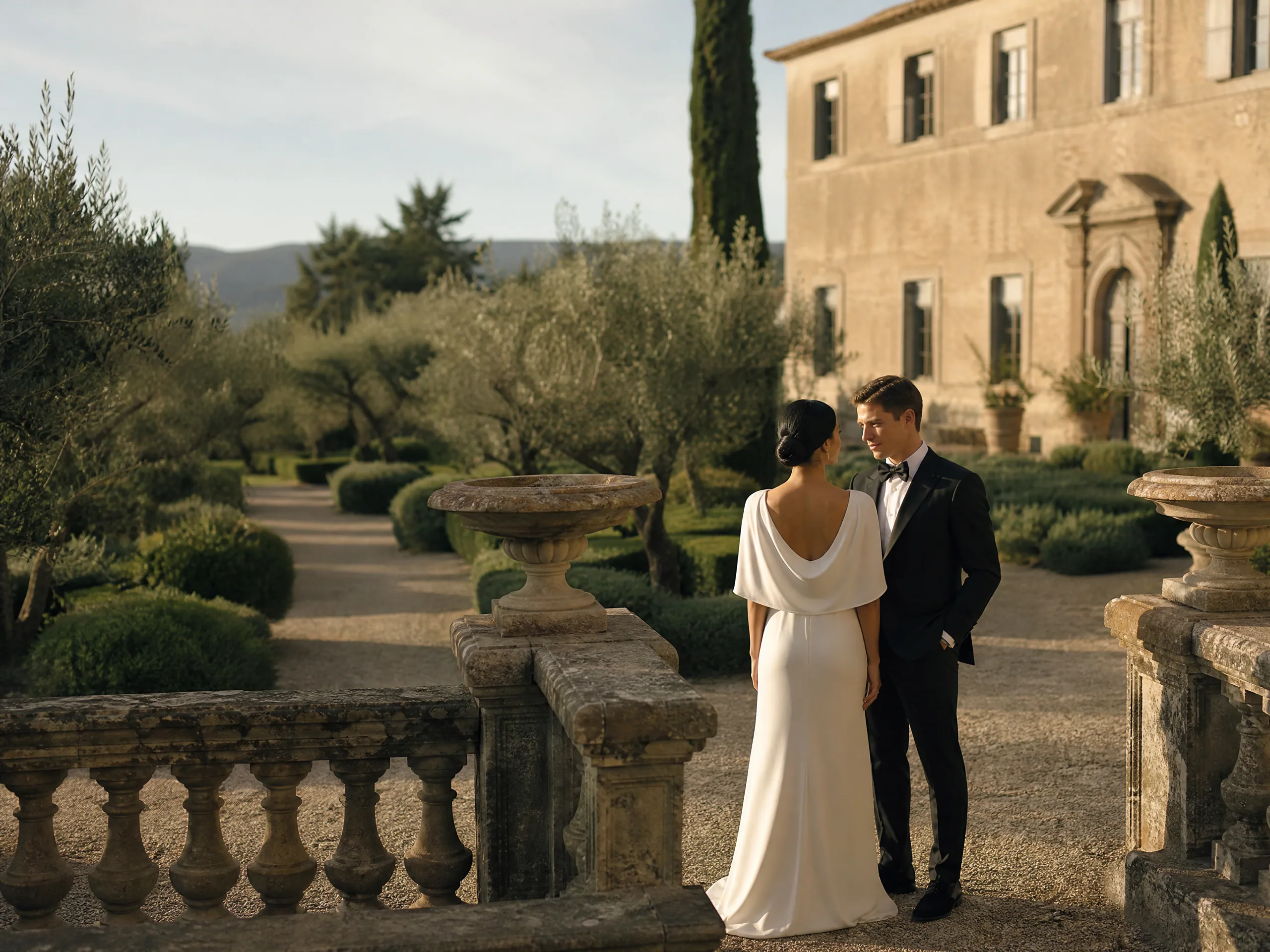
Design pickup points guests can actually find
Put clear signs at parking, the welcome desk, and each major zone change. Staff the main pickup at peak times with someone who speaks the languages your guest list needs—or who can point confidently with a printed card. A WhatsApp pin helps, but do not rely on rural data alone.
Choose flat, lit boarding spots with room for a queue that does not block cars or vendors. At night, mark edges with warm lighting so guests do not step off gravel into soft ground.
Plan accessibility as a dedicated cart pathway
Do not fold wheelchair users, crutches, or guests who cannot do stairs into “whoever is free.” Reserve at least one cart and driver for accessibility runs, with a priority rule announced to ushers. Confirm the venue’s accessible route actually connects ceremony, restrooms, and dining—not only the front entrance.
If a segment cannot take a cart, redesign seating or install a temporary walkway early. Accessibility improvisation on the day reads as exclusion, not hospitality.
Brief drivers like ceremony ushers, not rental clerks
Drivers should know the timeline cues, who has priority, where to wait without blocking photos, and how to radio or message the coordinator when a cart goes offline. Give them water, a charged phone, and a printed schedule with absolute times and buffers.
Agree on speed limits and photo blackout zones—no carts crossing the aisle mid-processional, no headlights sweeping the couple during vows. Night runs need dimmed lights and a dry-run before guests arrive.
Cover heat, wind, and evening return trips
Open carts in Spanish summer need water bottles, a shade plan for queues, and sunscreen at the parking pickup. In shoulder seasons, add blankets for downhill evening returns. Wind on exposed ridges can make loose décor and long dresses hazardous near moving vehicles—set a stand-back line.
After dinner, plan the reverse flow: who leaves first, how many loops you need until parking clears, and what happens when the after-party runs long. Exhausted guests improvising walks in the dark is how ankles and moods fail.
Write carts into contracts, insurance, and the guest note
Confirm whether carts are venue-owned, rented, insured, and who may drive. Clarify fuel or charge responsibility, rain contingency, and damage deposits. If the estate forbids outside carts, redesign the guest itinerary instead of hoping for an exception on the week of the wedding.
Tell guests in the welcome note: where to park, where to wait, approximate wait times, and that transfers are provided for key moves. Clear expectations stop the early hikers and the anxious “are we late?” messages.
Close with a rehearsal that includes the carts
On rehearsal day—or early on wedding morning—run one full loop with the coordinator timing boarding. Adjust pickup signs, remove a bottleneck, and confirm radio coverage in the dead zone behind the barn. The goal is boring predictability: guests move, vows start on time, and the landscape still feels effortless.
When on-estate transfers work, nobody praises the golf carts. They simply arrive composed, on schedule, ready for the view you chose the venue for.