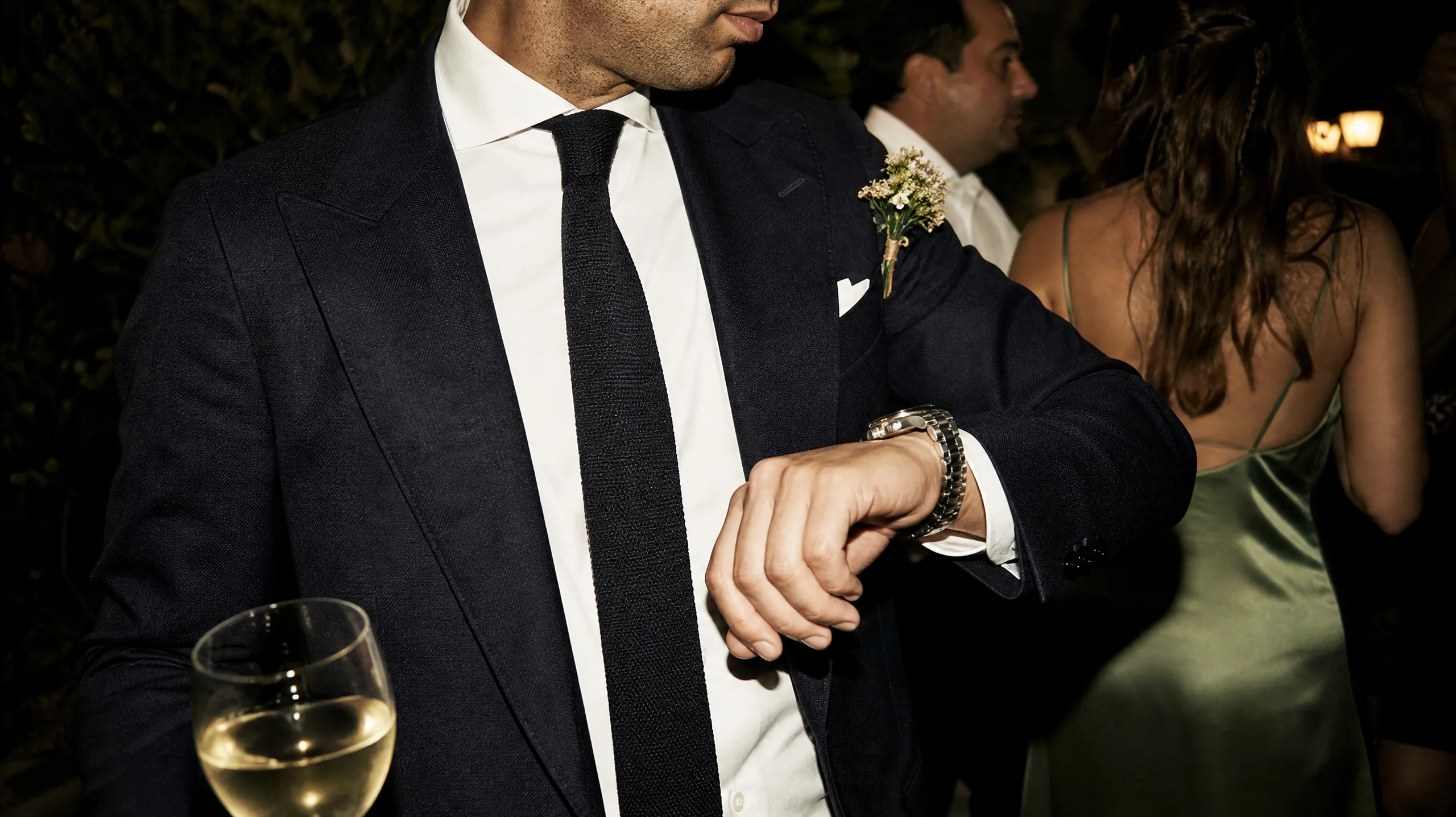
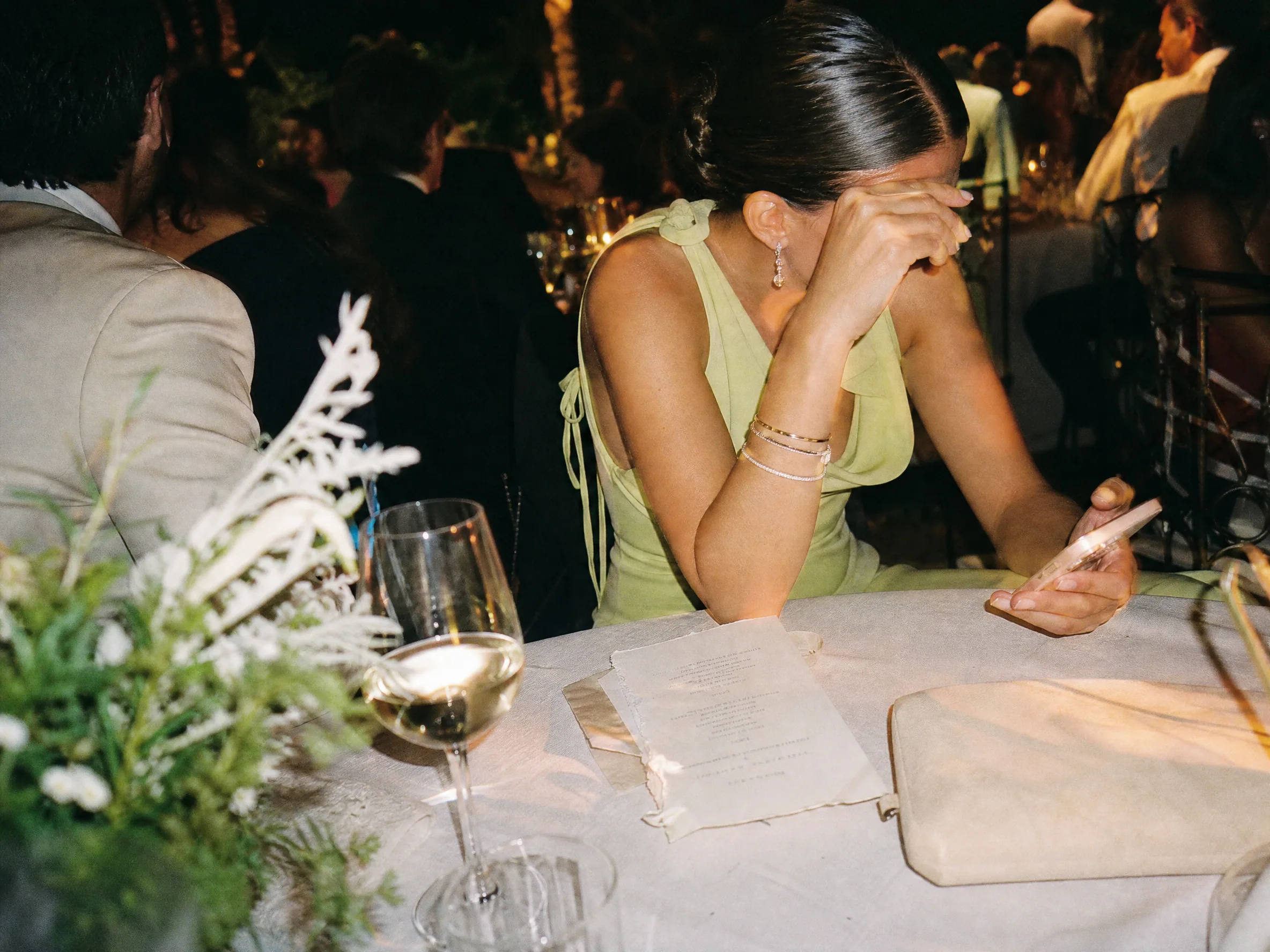
International guests flying into a Spanish destination wedding often pack Anglo-Saxon clock anxiety with their formalwear. Invitation times read like hard deadlines; shuttle apps ping early; someone is ready in the hotel lobby ninety minutes before the first violin note. In Spain, hora española is not an excuse for chaos—it is a cultural rhythm of soft starts, long social warm-ups, and dinners that begin when the light is right. KUDRYA Studio briefs couples to translate that rhythm for guests so punctual people feel cared for, not confused.
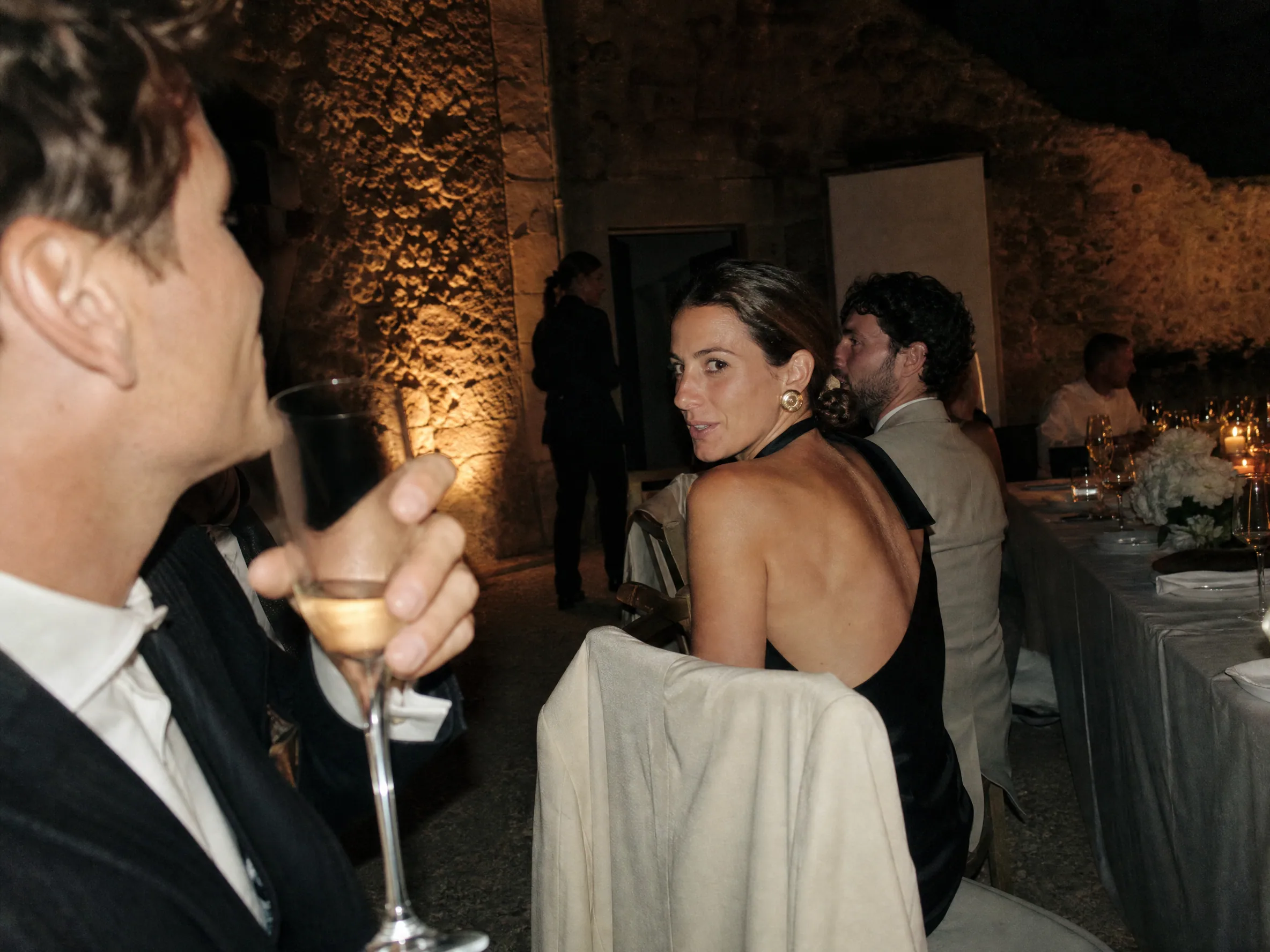
Why Hora Española Belongs in the Guest Briefing
A villa ceremony listed for 18:00 may mean doors open at 18:00, processional closer to 18:20–18:30, and cocktail hour that stretches until the kitchen is ready. Guests from New York, London, or Berlin who arrive at 17:40 can feel abandoned in empty seats; guests who interpret “fashionably late” as 19:15 can miss vows. The briefing’s job is to name the intended pattern: arrival window, ceremonial start, cocktail drift, and seated dinner—without turning the weekend into a military timetable.
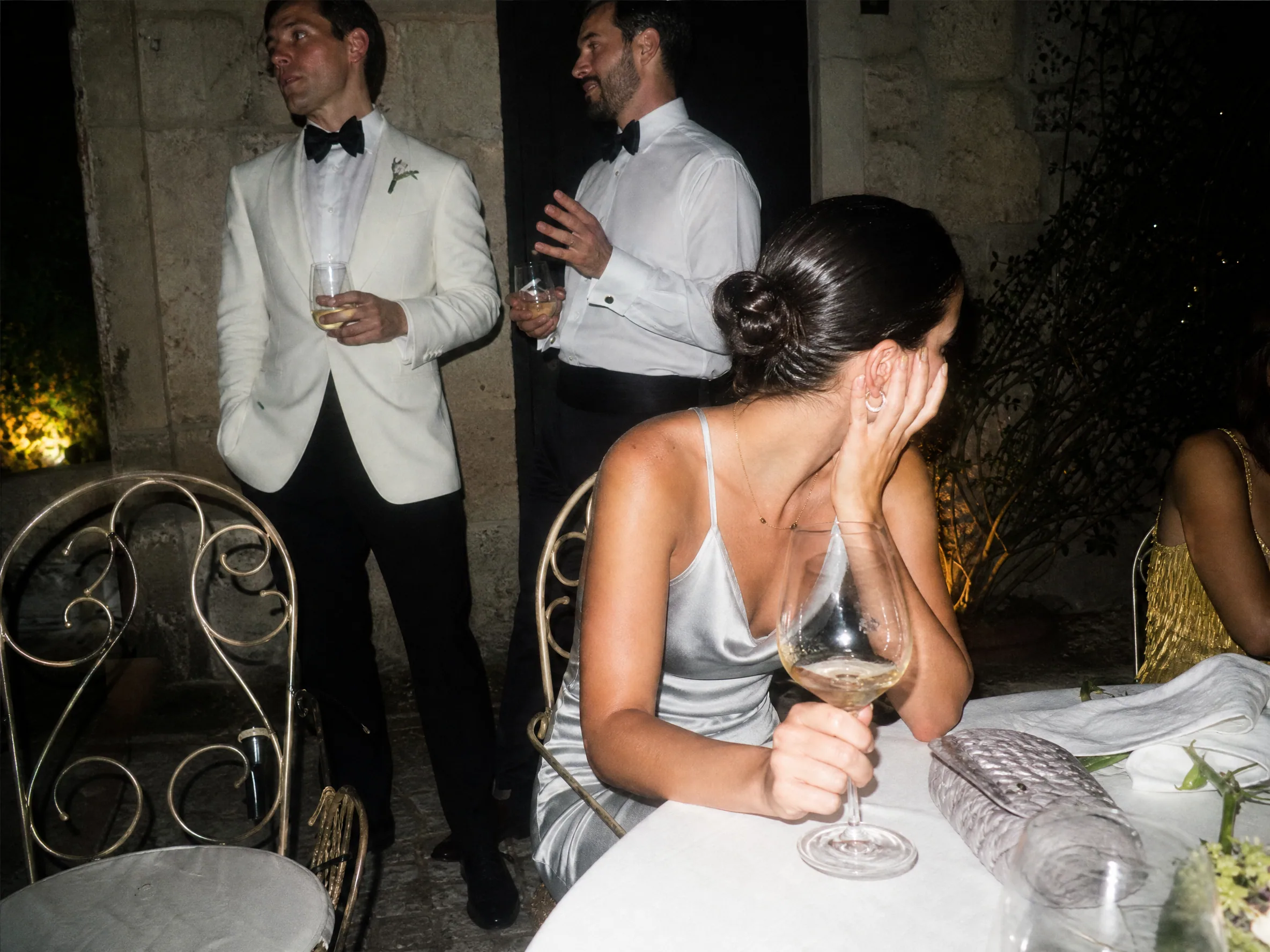
Invitation Time vs Real Start: Teach the Difference
Spanish wedding stationery often prints a single hour that functions as “please be present,” not “the bride walks now.” Ask couples to add one plain sentence in the guest WhatsApp or itinerary PDF: “Arrive by 17:45 for seating; ceremony begins around 18:15.” That small translation prevents lobby pacing and photographer stress. If the legal civil slot is earlier than the symbolic ceremony, say so explicitly so older relatives do not panic about missing the official moment.
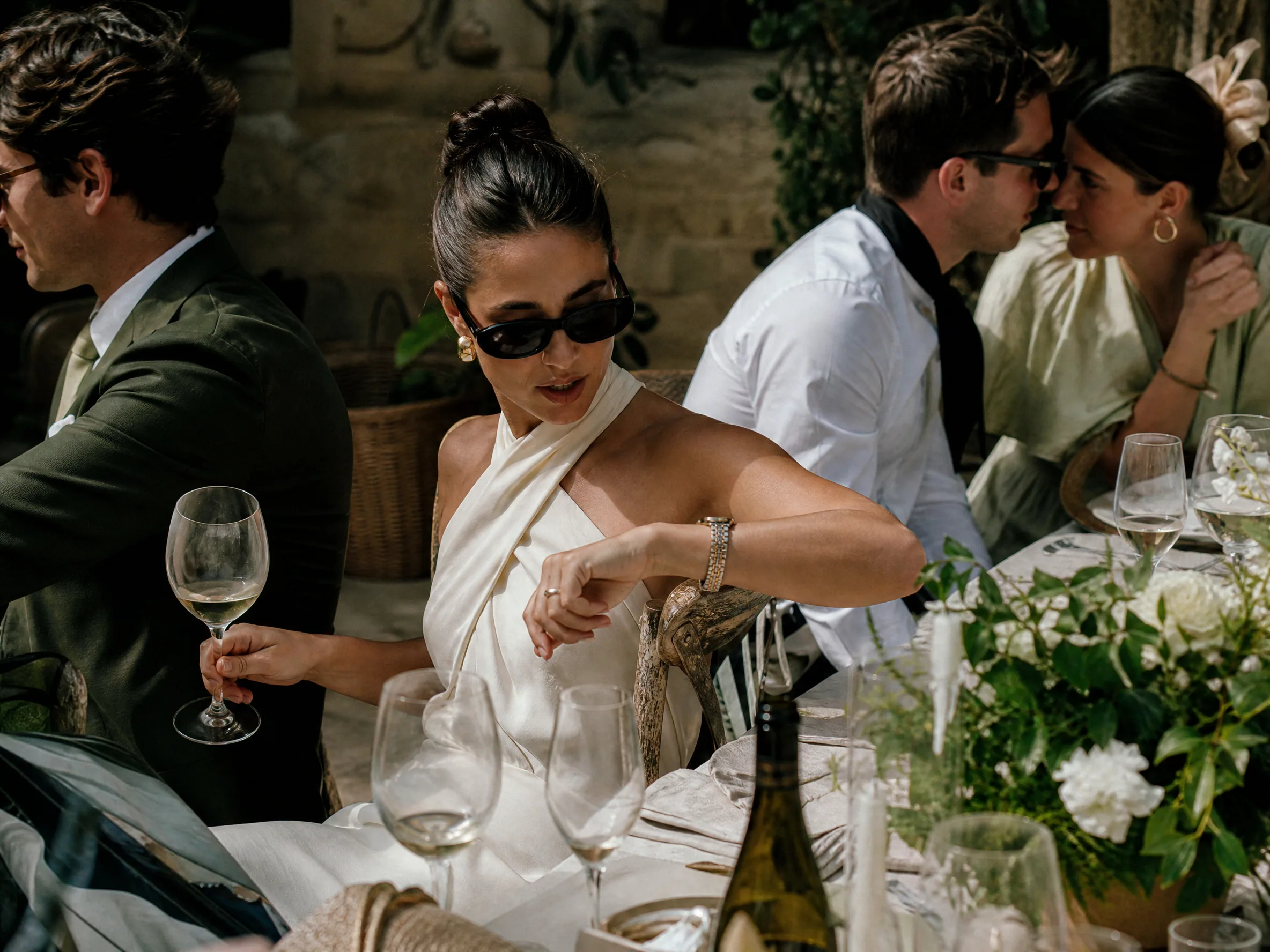
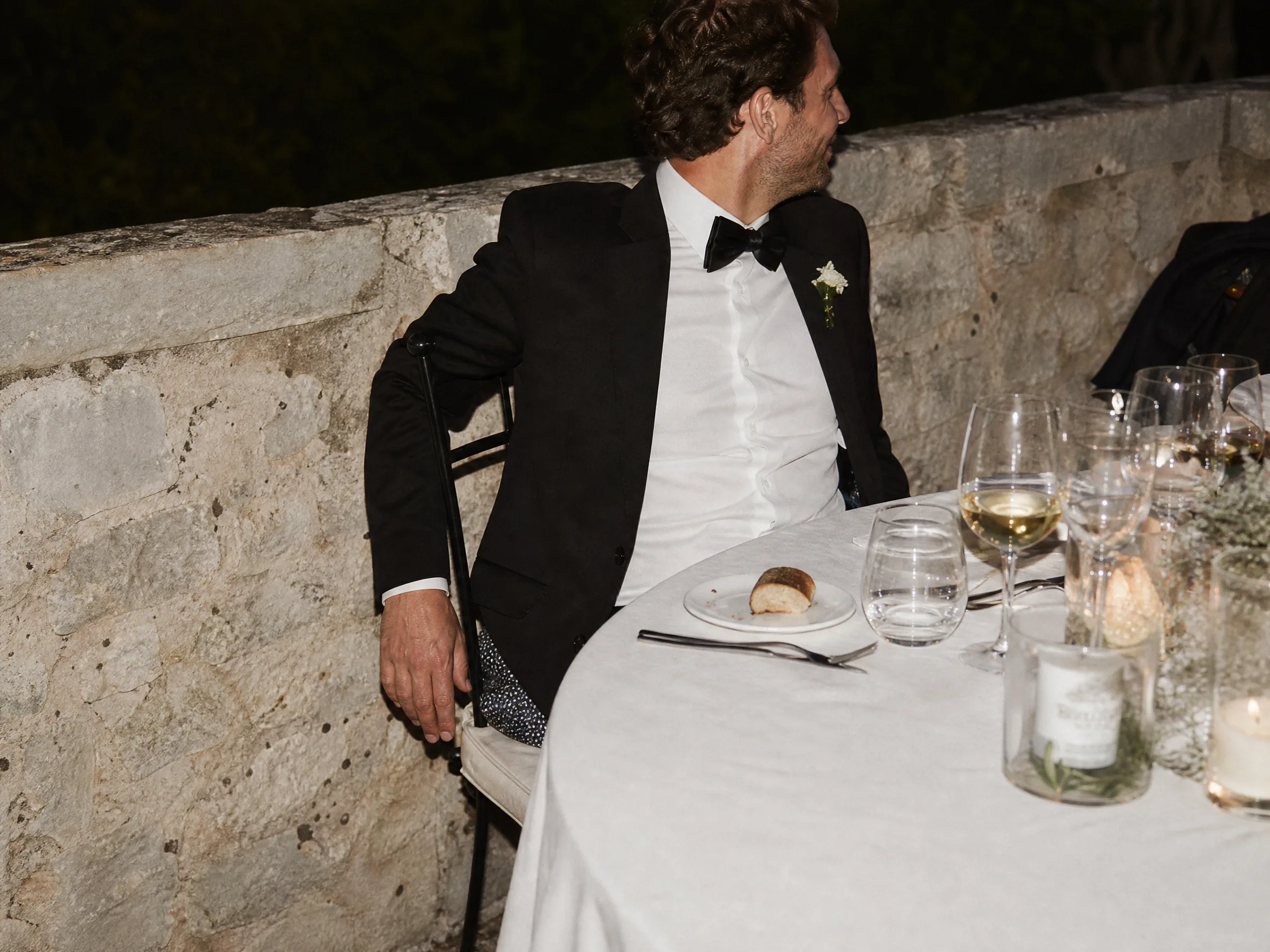
Shuttle Windows Beat Exact Minutes
Rural estates and coastal venues run on coach loops, not subway frequency. Publish shuttle departure windows from the hotel block—“first coach 17:15–17:25, last coach 17:40”—and tell guests which coach is the safe choice if they hate rushing. Hold a short buffer at the venue gate for late bags and bathroom stops. Never schedule the only return shuttle at the exact printed dinner end; sobremesa and dancing routinely overrun Anglo exit expectations.
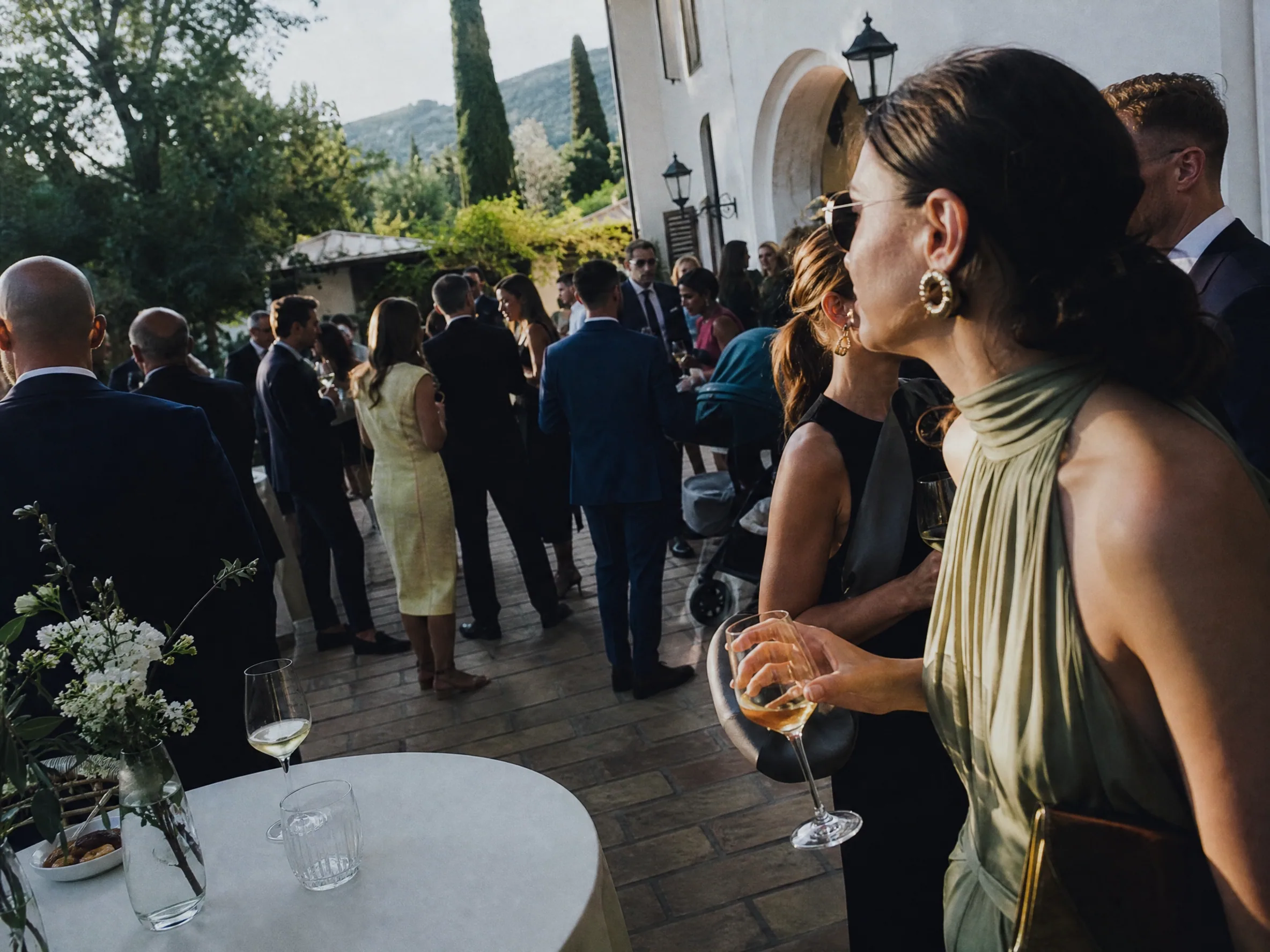
Cocktail Hour Is Not Filler—It Is the Social Core
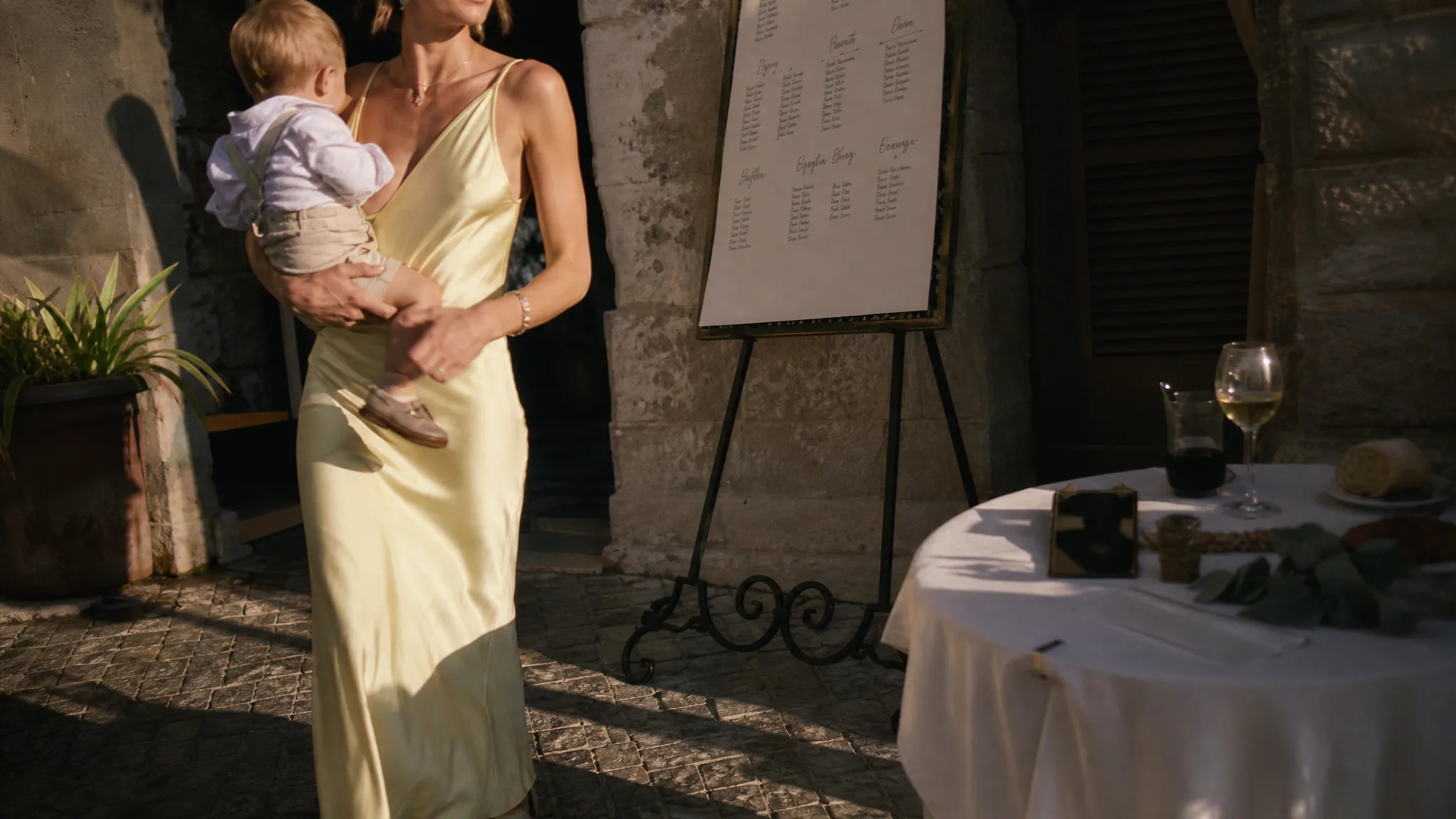
Spanish destination weekends treat aperitivo as a real chapter: cava, canapés, introductions, golden light. Guests who expect a twenty-minute drink before a 19:00 plated dinner may wonder why they are still standing at 20:30. Brief them that cocktail hour can run 60–90 minutes, footwear should tolerate gravel, and family portraits may pull the couple away mid-toast. Hungry guests fare better when light bites are promised—and delivered—on schedule.
Dinner Timing: Plan for Late, Plan for Fuel
Seated dinner in Spain frequently starts between 21:00 and 22:30, especially in summer when ceremonies chase cooler air. Long-haul guests used to 18:30 hotel restaurants will crash without snacks, electrolytes, and honest expectations. Include a one-line note in the itinerary: “Dinner is late by US/UK standards; eat a proper lunch and use hotel breakfast fully.” For families with children, preview kids’ meal timing or earlier plating so parents are not negotiating meltdowns at midnight.
What “On Time” Means for Vendors vs Guests
Photographers, planners, and florists still work to hard internal cues even when guests experience soft starts. Guests should arrive in the published window; vendors should protect hair/makeup, first look, and processional cues privately. Couples should not text the whole group every five-minute slip—that creates more anxiety than clarity. Designate one day-of contact for true delays (weather flip, road closure) and keep cosmetic drifts quiet.
Jet Lag, Heat, and the Midday Gap
Hora española works when guests are rested enough to enjoy it. After long-haul arrivals, protect a quiet afternoon before evening events: dark rooms, hydration, and no obligatory sightseeing stacked against a 18:00 call time. Summer heat makes early lobby clustering miserable—offer a shaded hotel meeting point and open the venue garden only when temperatures ease. A calm 16:30 rest beats a 15:00 “just in case” arrival that drains energy before vows.
What Not to Do: Shame, Guesswork, and Surprise Moves
Do not mock guests who arrive early; give them shade, water, and a clear host. Do not move the ceremony thirty minutes without updating the shuttle and WhatsApp pin. Do not print three different times across save-the-date, invitation, and hotel letter. Do not assume every culture reads “18:00” the same way—US military families, Northern European relatives, and Mediterranean cousins may each bring a different internal clock.
Planner Checklist Before Guests Land
Lock one guest-facing timeline with arrival window, approximate ceremony start, cocktail span, and dinner target. Align shuttle loops to that window, not to vendor call sheets alone. Add a hora española note in the welcome briefing and hotel envelopes. Confirm kids’ and elders’ energy plans for late dinners. On the wedding morning, protect the published window unless a real contingency forces a change—and if it does, message once, clearly, with the new arrival instruction.
When international guests understand Spanish wedding timing as hospitality rather than vagueness, the courtyard fills with ease instead of watch-checking. KUDRYA Studio builds that clarity into every Spain destination weekend so the light, the music, and the long table can do their work.