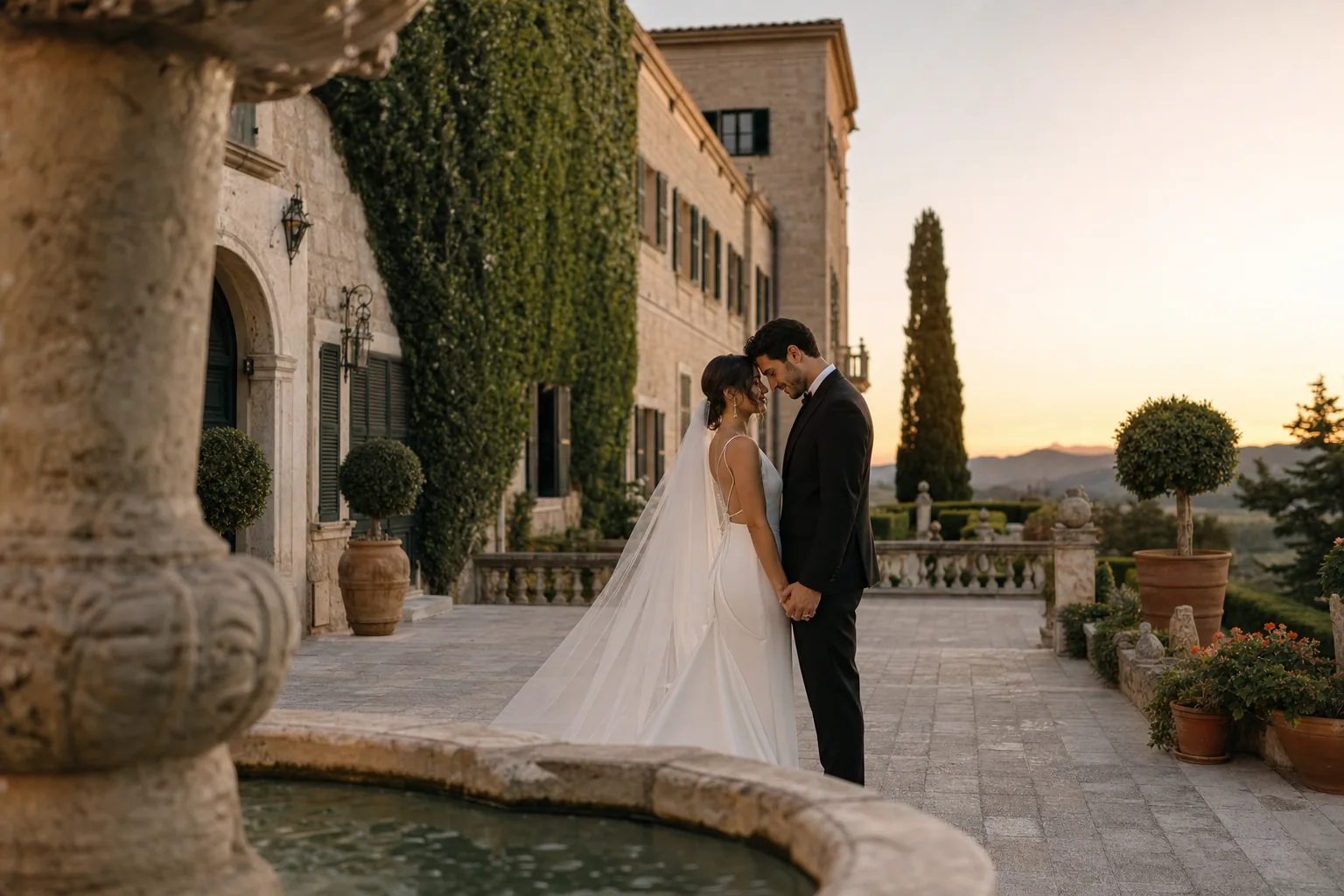
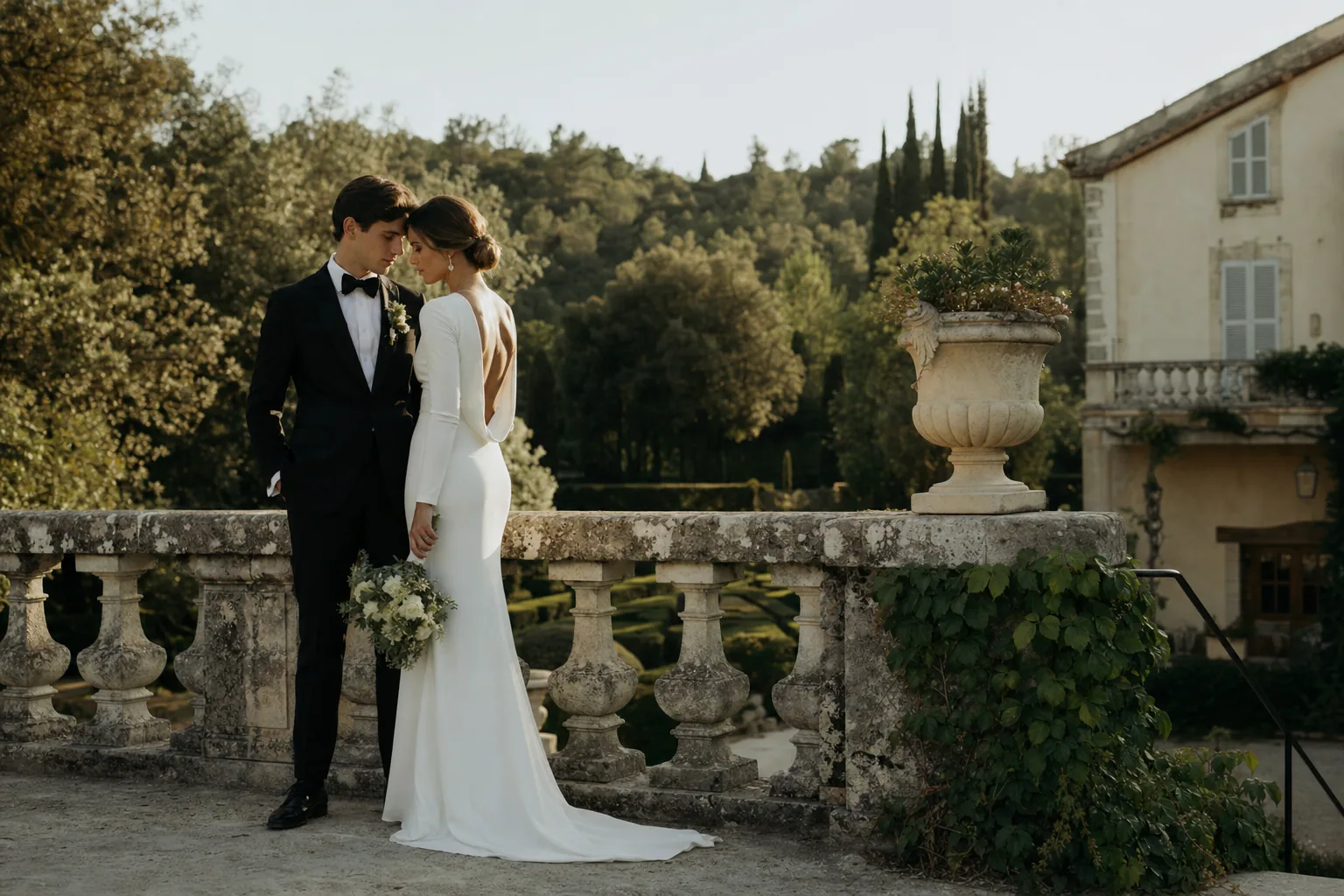
After filming over 100 weddings across Spain, I've watched countless international couples navigate the beautiful complexity of Spanish wedding traditions. The bride from London who learned to exchange arras coins with her Spanish groom, the American couple who embraced the midnight dinner timing, the German pair who discovered that Spanish weddings don't end at 11 PM—they begin then.
Understanding these customs before your destination wedding isn't just about cultural appreciation. It's about creating authentic moments that feel natural on your wedding film and ensuring your celebration flows seamlessly with Spanish expectations.
The Arras Ceremony: Thirteen Coins That Seal Your Union
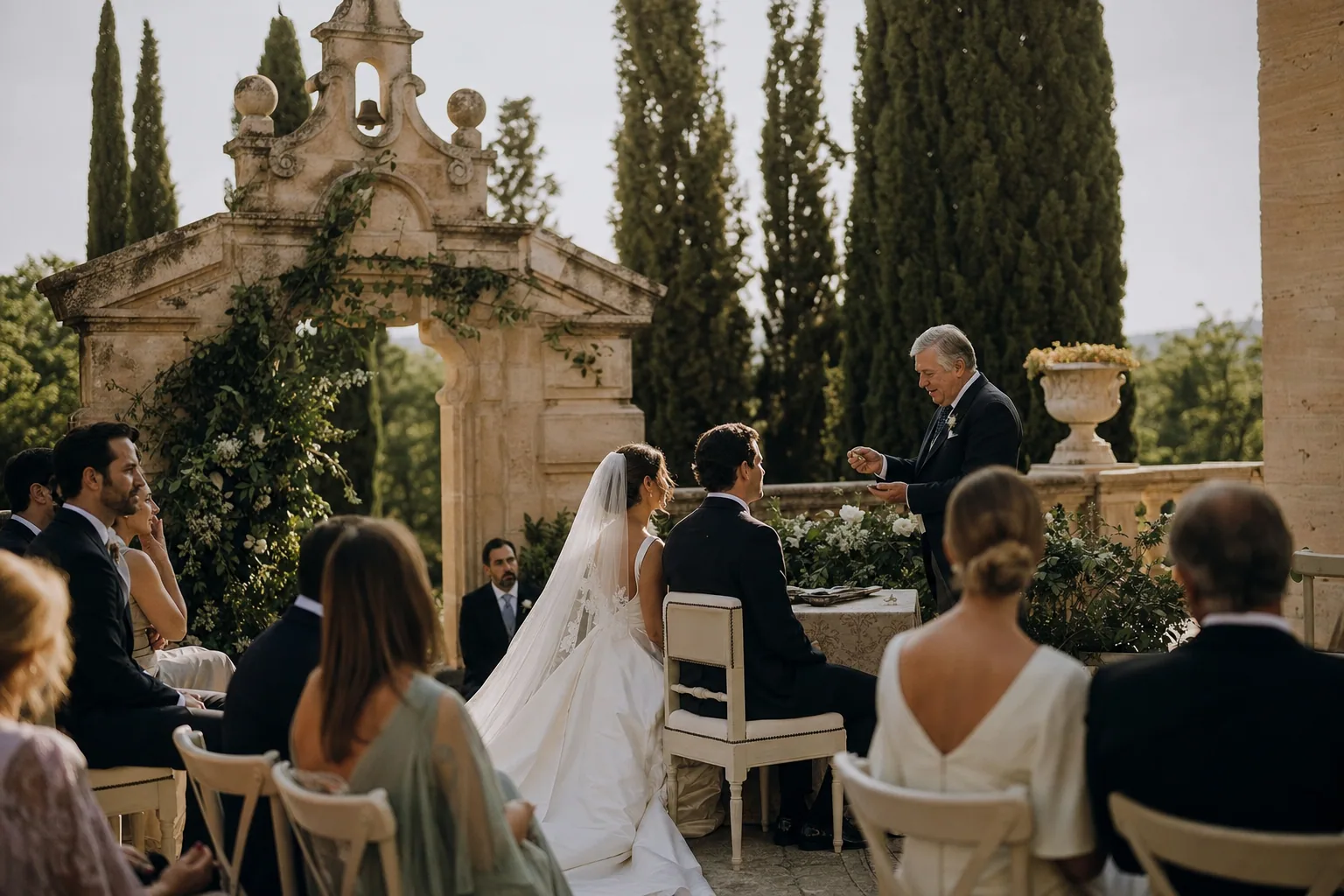
The exchange of arras (wedding coins) remains one of Spain's most enduring wedding traditions. During this ceremony, the groom gives the bride thirteen coins, symbolizing his commitment to provide for their future together. The bride accepts them, representing her trust and partnership in their shared financial journey.
These aren't random coins from your pocket. Traditional arras are specially minted gold or silver pieces, often passed down through families or purchased specifically for the wedding. I've filmed this ceremony in Gothic cathedrals in Barcelona and intimate chapels in Mallorca, and the emotional weight never diminishes.
For international couples, this tradition offers a meaningful moment that translates beautifully on film. The physical exchange creates a tangible symbol of commitment beyond rings, and Spanish families deeply appreciate when foreign couples embrace this custom.
Spanish Wedding Timeline: Embracing the Late-Night Culture
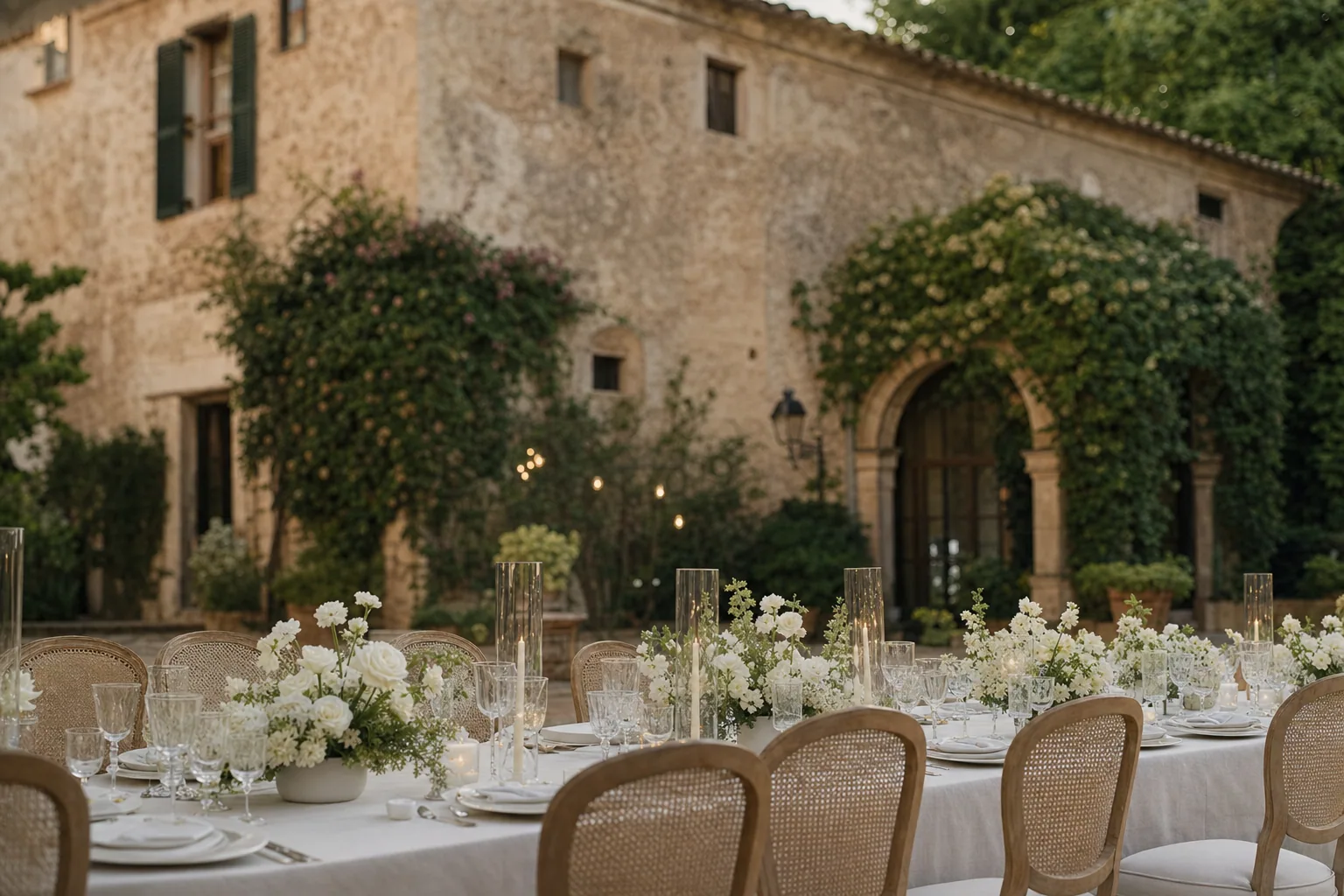
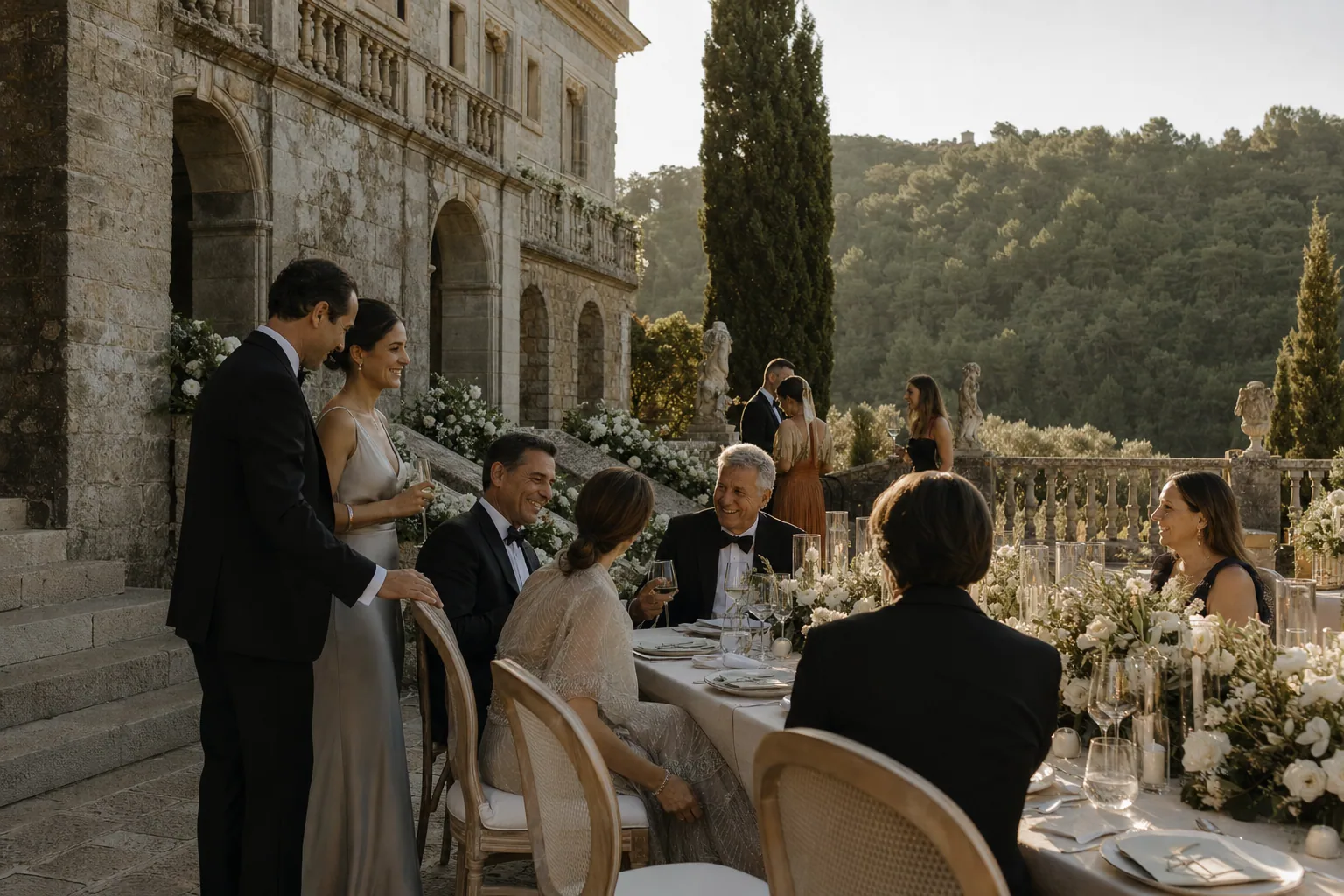
Spanish weddings operate on a completely different schedule than most international celebrations. Ceremonies typically begin between 6-8 PM, followed by a cocktail hour that extends well past sunset. Dinner doesn't start until 10 PM or later, and the party reaches its peak around 2-3 AM.
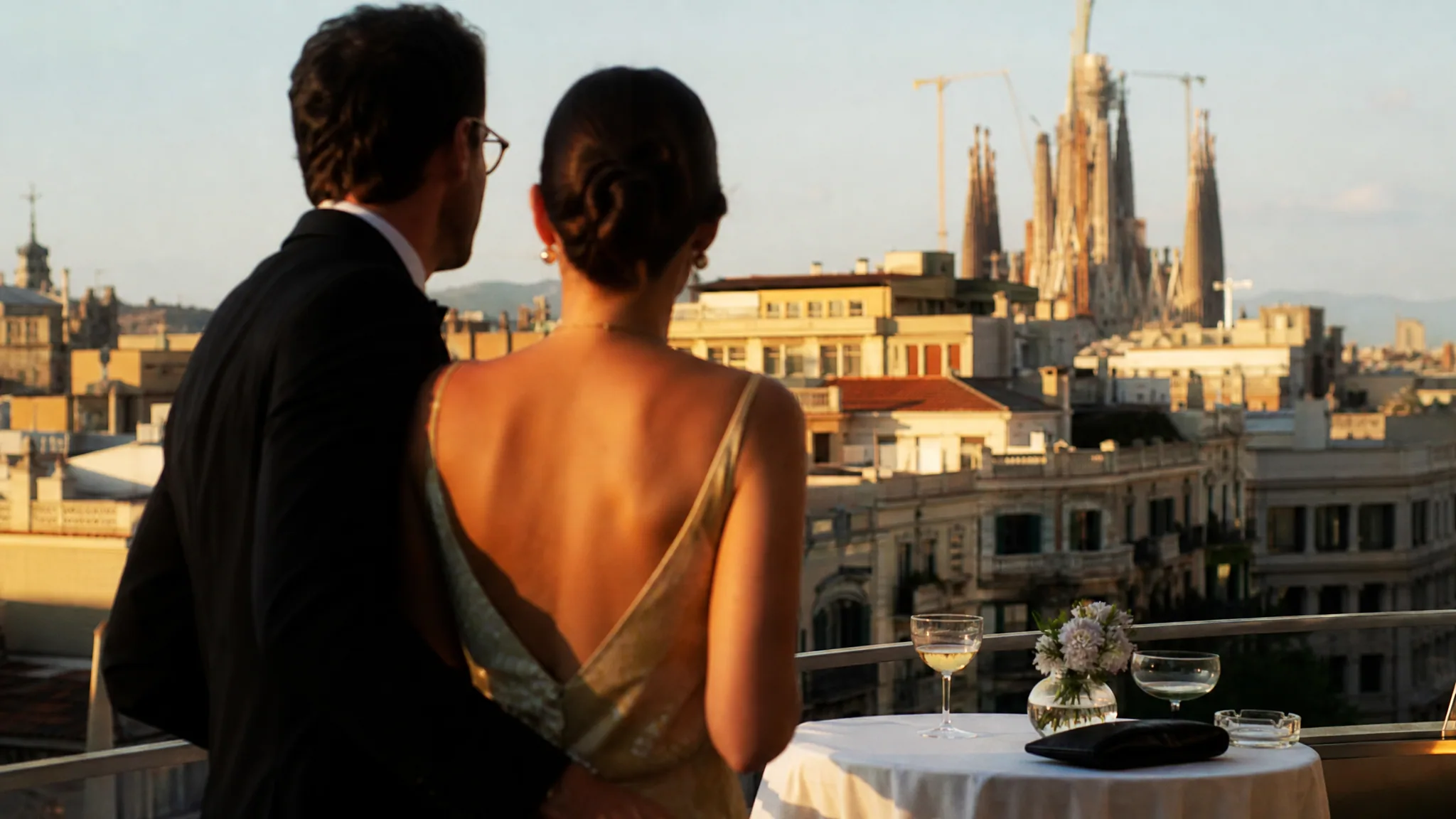
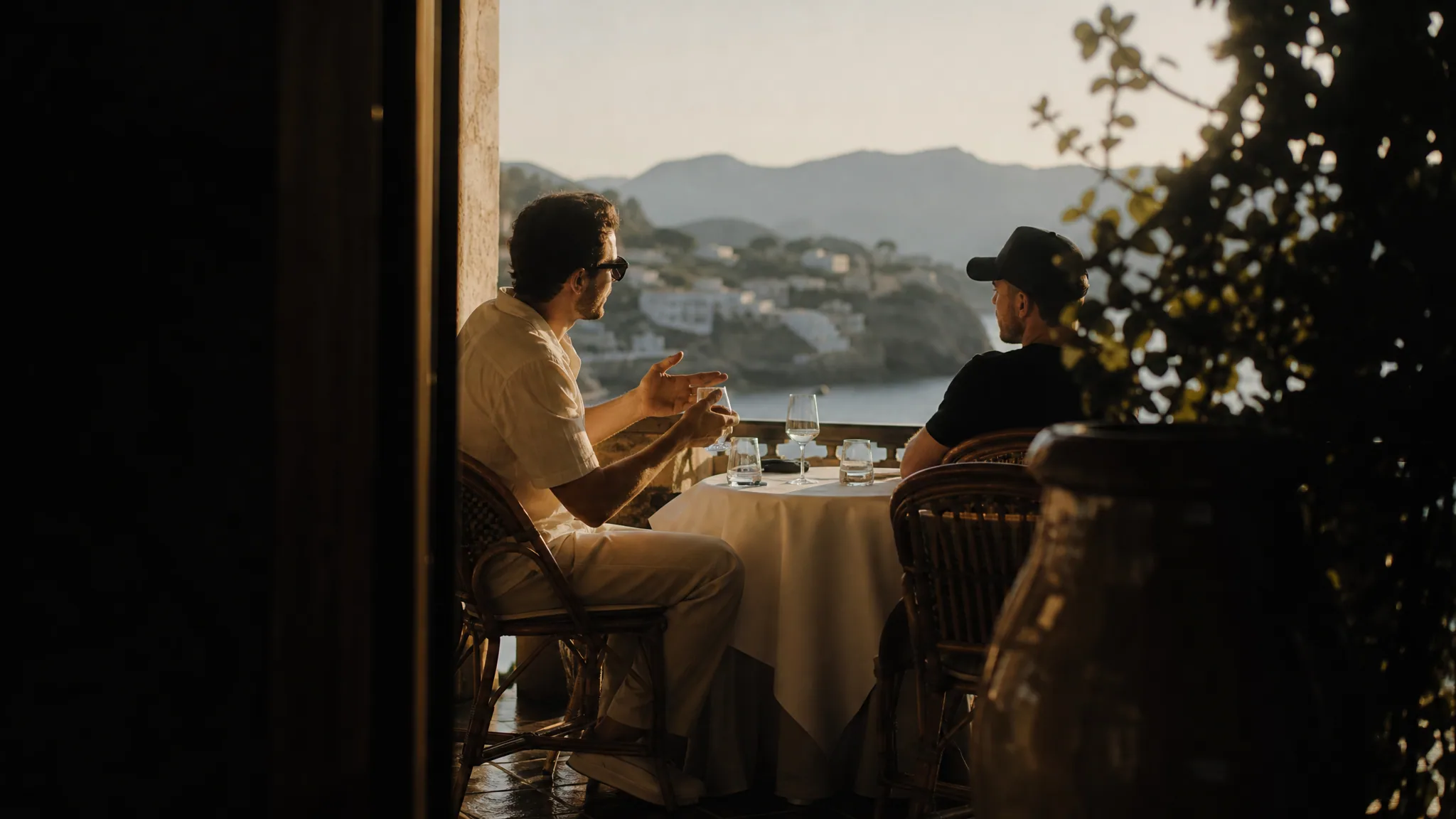
This timeline initially shocks many international couples, but it creates magic for wedding films. The golden hour light during cocktails, the intimate dinner atmosphere under stars, the energy that builds as the night progresses—these elements define Spanish celebration culture.
When building your destination wedding timeline, factor in this natural rhythm. Your guests will need guidance about meal timing and energy management, but embracing the Spanish schedule creates an authentic celebration that feels right in the local context.
Las Madrinas and Padrinos: The Wedding Sponsor Tradition
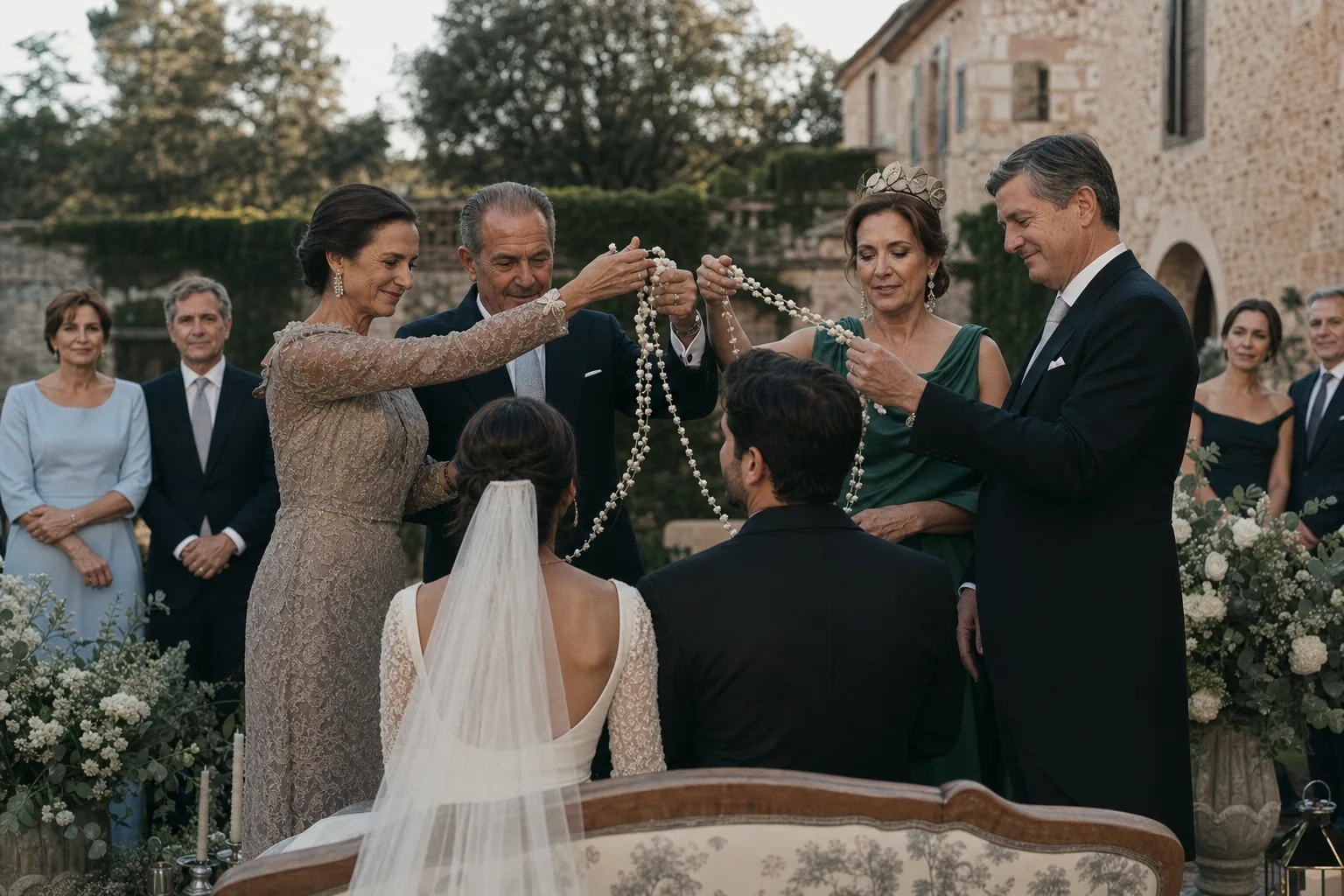
Spanish weddings traditionally include madrinas (godmothers) and padrinos (godfathers) who serve as official witnesses and spiritual guides for the couple. Unlike Anglo wedding parties, these roles carry deep responsibility and are often filled by parents, grandparents, or deeply respected family friends.
During the ceremony, the madrina accompanies the bride down the aisle, while the padrino escorts the groom. This creates a different dynamic than the traditional father-daughter walk, emphasizing the community support surrounding the marriage.
International couples often adapt this tradition by honoring important figures from both cultures. I've filmed ceremonies where the bride's father served as padrino alongside the groom's mother as madrina, creating beautiful cross-cultural moments.
The Mantilla and Orange Blossoms: Traditional Spanish Bridal Elements
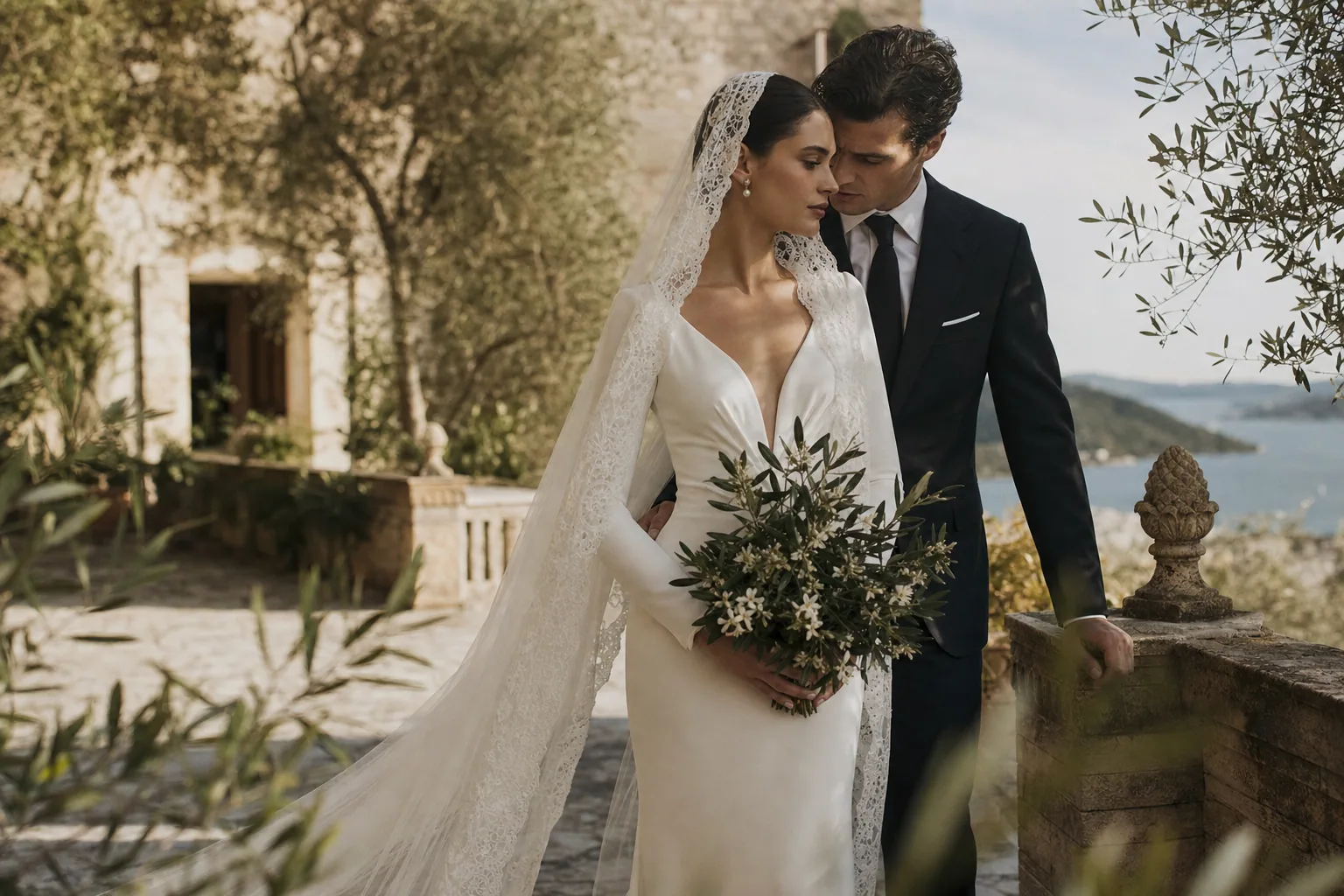
The mantilla—a traditional lace veil worn over a decorative comb—represents one of Spain's most iconic bridal elements. Originally designed to show respect in Catholic churches, the mantilla has evolved into a symbol of Spanish bridal elegance.
Orange blossoms hold equally significant meaning in Spanish wedding tradition. These flowers symbolize purity, eternal love, and fertility. Brides traditionally wear orange blossoms in their hair or incorporate them into bouquets and ceremony decorations.
Modern international couples often blend these elements with their own cultural traditions. A British bride might wear a family tiara with a Spanish mantilla, or incorporate orange blossoms into a bouquet featuring flowers from her homeland.
Spanish Reception Customs: From Serenatas to Sobremesa
Spanish wedding receptions include customs that international couples should understand for proper planning. The serenata tradition involves the groom serenading his bride, often with mariachi musicians or a local band. This moment creates incredible film opportunities and demonstrates the groom's devotion publicly.
Sobremesa—the extended conversation period after dinner—is fundamental to Spanish celebration culture. Guests don't rush to leave the table after eating. Instead, they linger for hours, sharing stories, toasts, and building deeper connections. This tradition extends wedding celebrations naturally and creates intimate moments perfect for documentary-style filming.
The Spanish approach to wedding gifts also differs from international norms. Cash gifts are standard, often presented in decorative envelopes during the reception. Some regions maintain the tradition of breaking dishes or rice throwing for good luck, though many venues now restrict these practices.
Incorporating Spanish Traditions into Your International Wedding
Successfully blending Spanish customs with your cultural background requires thoughtful planning and open communication with Spanish family members or wedding planners. Start by identifying which traditions resonate with your values and relationship story.
Consider the practical implications of each custom. The arras ceremony requires obtaining proper coins and understanding the exchange process. Late-night scheduling affects everything from vendor contracts to guest accommodation. Traditional elements like mantillas or orange blossoms need sourcing and coordination with your overall aesthetic.
When planning your destination wedding from abroad, discuss these traditions with your Spanish contacts early. Local wedding planners understand the cultural significance and can guide authentic implementation.
Your wedding videographer should also understand these customs to capture them properly. Spanish traditions create powerful cinematic moments, but they require cultural knowledge to film respectfully and meaningfully.
Embracing Spanish wedding traditions doesn't mean abandoning your own cultural elements. The most beautiful celebrations I've filmed blend customs from multiple backgrounds, creating unique ceremonies that honor all families involved while celebrating in authentic Spanish style.
Ready to plan a destination wedding that honors Spanish traditions while telling your unique love story? Let's discuss how to capture these meaningful moments in a wedding film that reflects both cultural authenticity and personal significance.