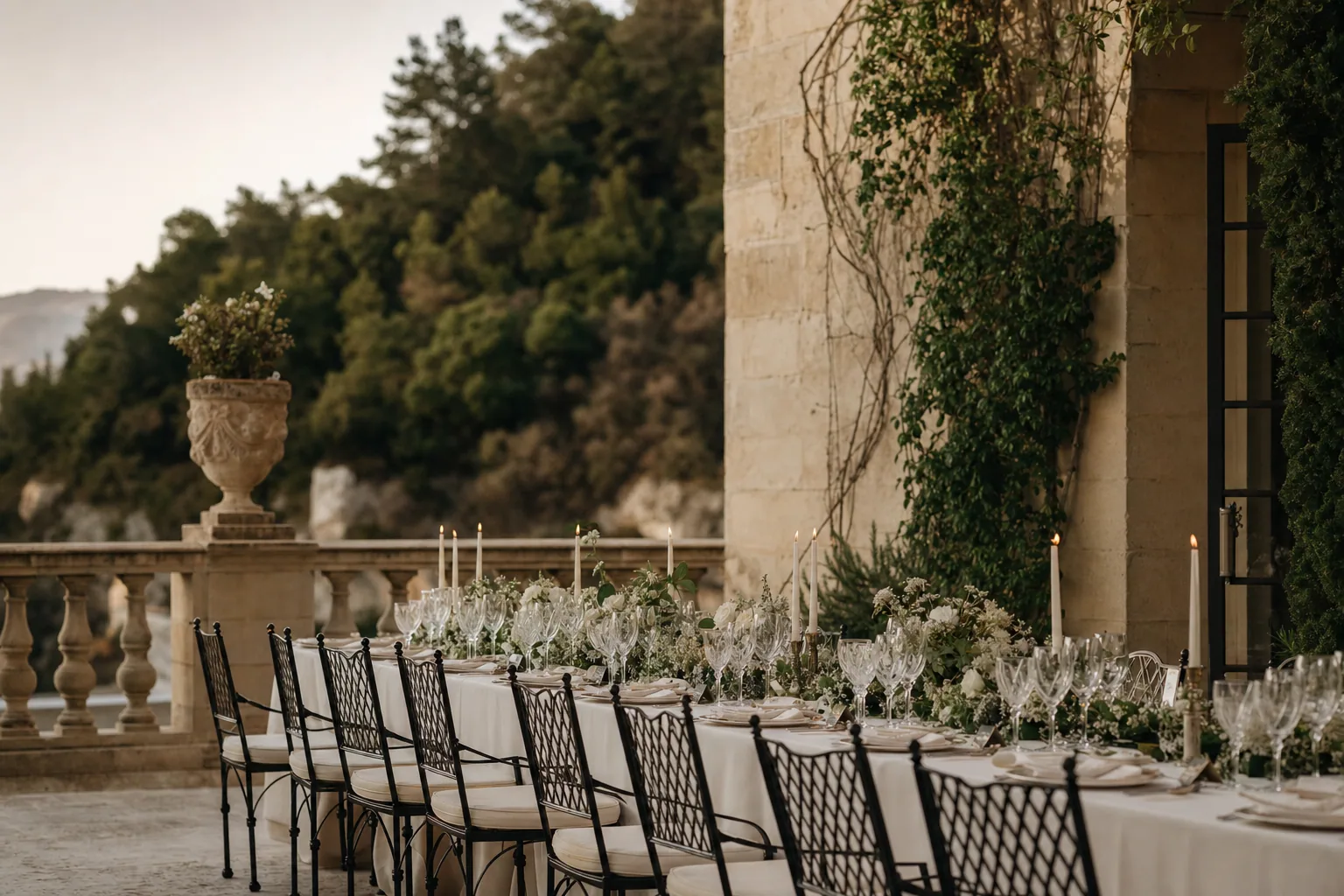
Planning a destination wedding in Spain means orchestrating a beautiful dance between love and logistics. While the romance of exchanging vows in a Spanish castle or Mediterranean villa captures hearts, the practical reality of coordinating guest travel, accommodation, and events across international borders requires careful planning and clear communication.
The key to successful destination wedding logistics lies in understanding that you're not just planning a wedding—you're curating a travel experience for your loved ones. From the moment your guests receive their save-the-dates to their departure after your farewell brunch, every detail contributes to creating memories that extend far beyond your ceremony. This comprehensive guide will walk you through the essential elements of managing your guest list and travel logistics, ensuring your Spanish destination wedding unfolds seamlessly.
Creating Your Destination Wedding Guest List Strategy
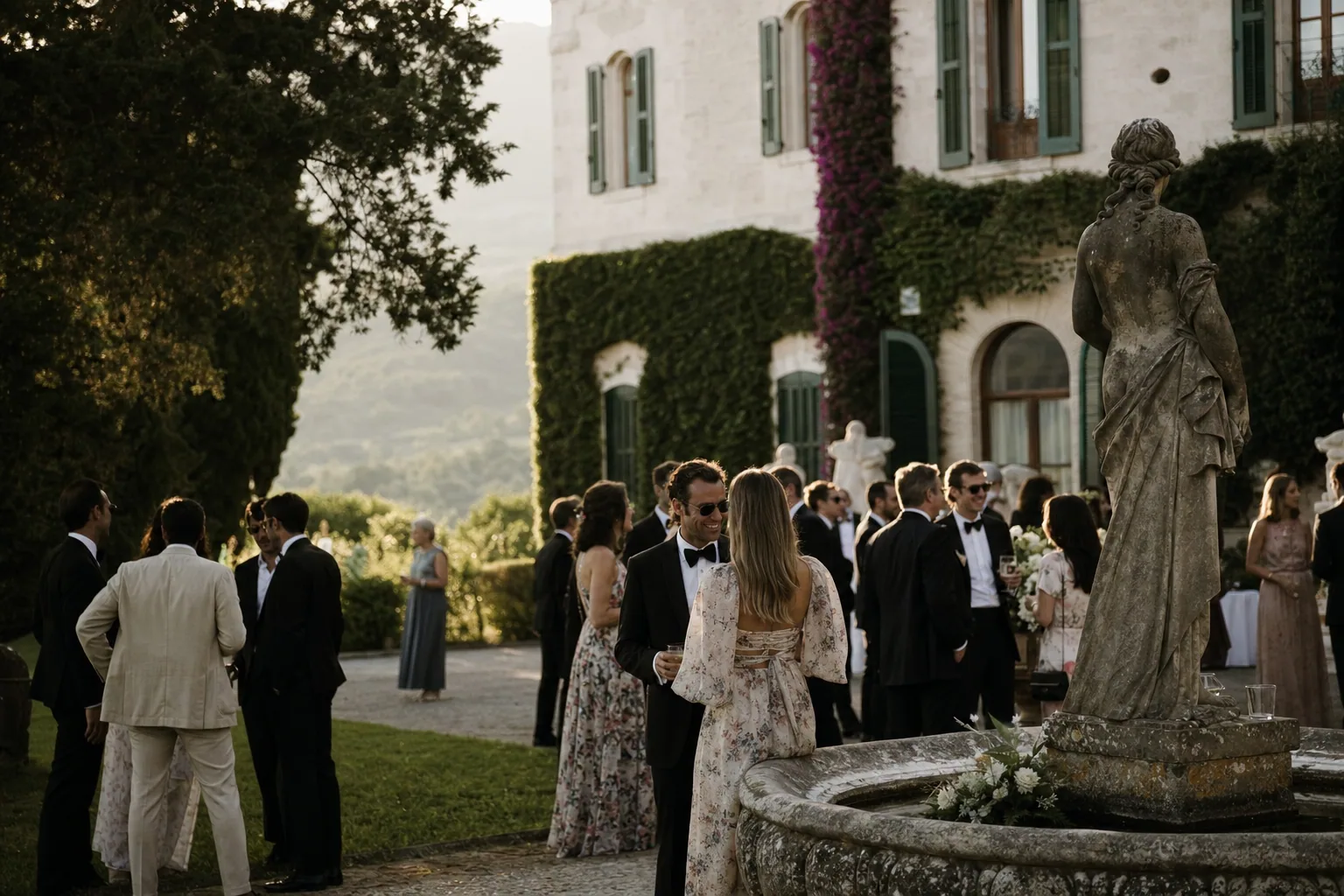
The foundation of successful destination wedding logistics begins with a thoughtfully curated guest list. Unlike traditional weddings where proximity isn't a concern, destination celebrations require guests to invest significant time and money to attend. This reality naturally creates a more intimate gathering, but it also demands strategic thinking about who to invite and when.
Start by creating three tiers of guests: your inner circle who you're confident will travel regardless of cost or convenience, your extended family and close friends who likely will attend with proper notice and planning support, and your broader social circle who might attend if circumstances align perfectly. This tiered approach helps you plan accommodation blocks and event logistics more accurately.
Consider the travel capabilities of your guest list when selecting your venue. If many guests are elderly or have mobility concerns, choosing a venue near major airports or with excellent accessibility becomes crucial. Similarly, if you're planning a multi-day celebration, factor in your guests' vacation time and financial constraints when planning your destination wedding timeline.
Setting Realistic Expectations
Transparency about costs and logistics from the outset prevents misunderstandings later. Include estimated travel costs, accommodation options at various price points, and a clear timeline of events in your initial communications. This information helps guests make informed decisions about attendance and allows them to budget accordingly.
Remember that some beloved friends and family members may not be able to attend due to financial constraints, work commitments, or travel limitations. Plan for a realistic attendance rate of 60-75% of your invited guests, and consider hosting a celebration in your home country for those who cannot make the journey to Spain.
Accommodation Strategy and Room Blocks
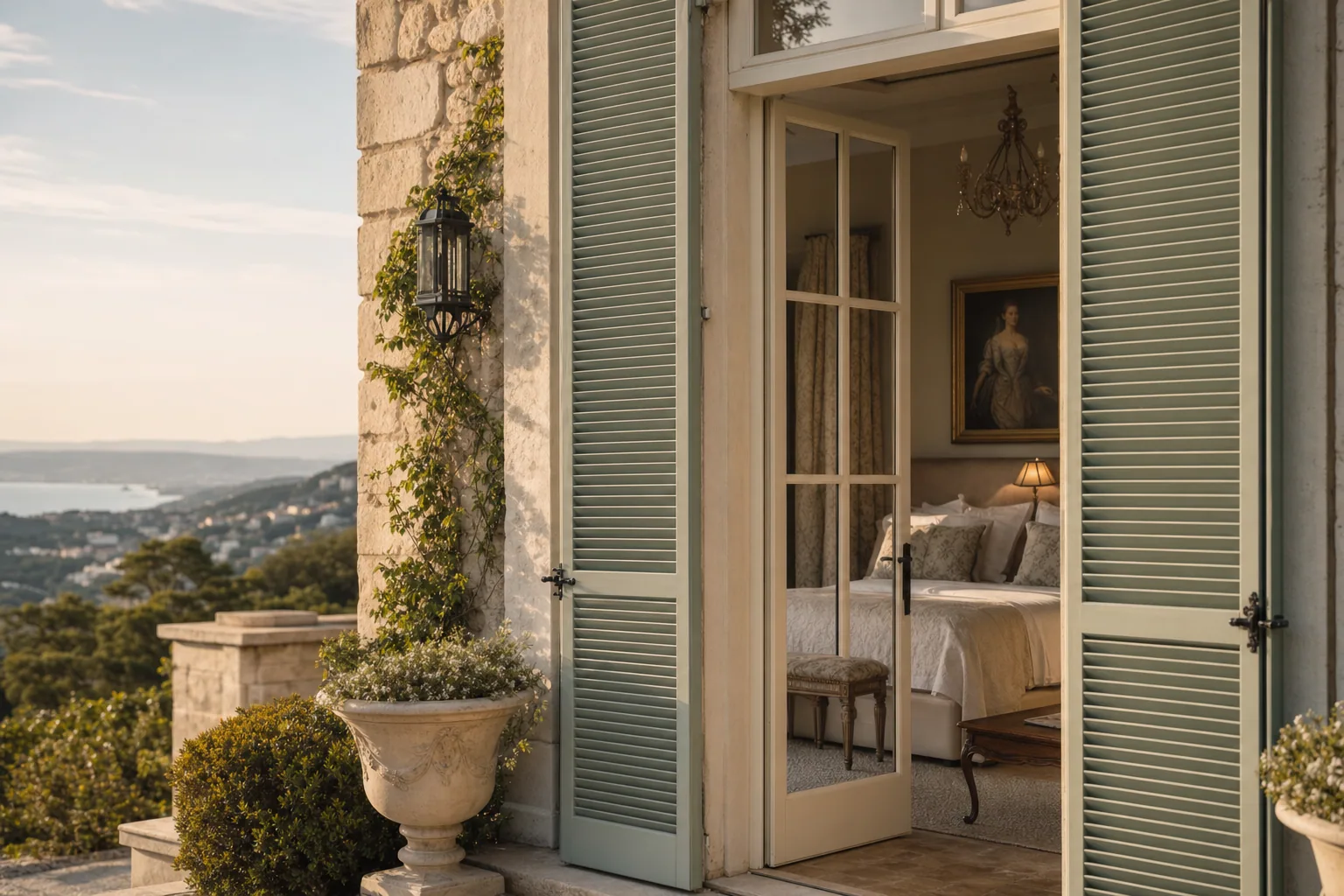
Securing appropriate accommodation for your guests requires balancing comfort, convenience, and cost considerations. The Spanish hospitality industry offers diverse options, from luxury resort properties to charming boutique hotels and vacation rental homes, each serving different guest needs and budgets.
When negotiating room blocks, aim to secure 80% of your expected guest count in rooms. Most hotels require a commitment for a certain number of rooms but offer flexibility in the final count closer to your wedding date. Negotiate cut-off dates that allow guests to book at group rates while giving you time to release unused rooms without penalty.
Consider offering accommodation options at three price points: luxury for guests who prefer premium amenities, mid-range for the majority of your guests, and budget-friendly options for younger attendees or those with financial constraints. This approach ensures everyone can find suitable lodging within their comfort zone.
Location Considerations for Guest Accommodation
The proximity of guest accommodation to your wedding venue significantly impacts the overall experience. While choosing your wedding venue involves many factors, considering guest logistics should influence your decision. Venues in remote locations may offer stunning backdrops but require shuttle services or rental car coordination.
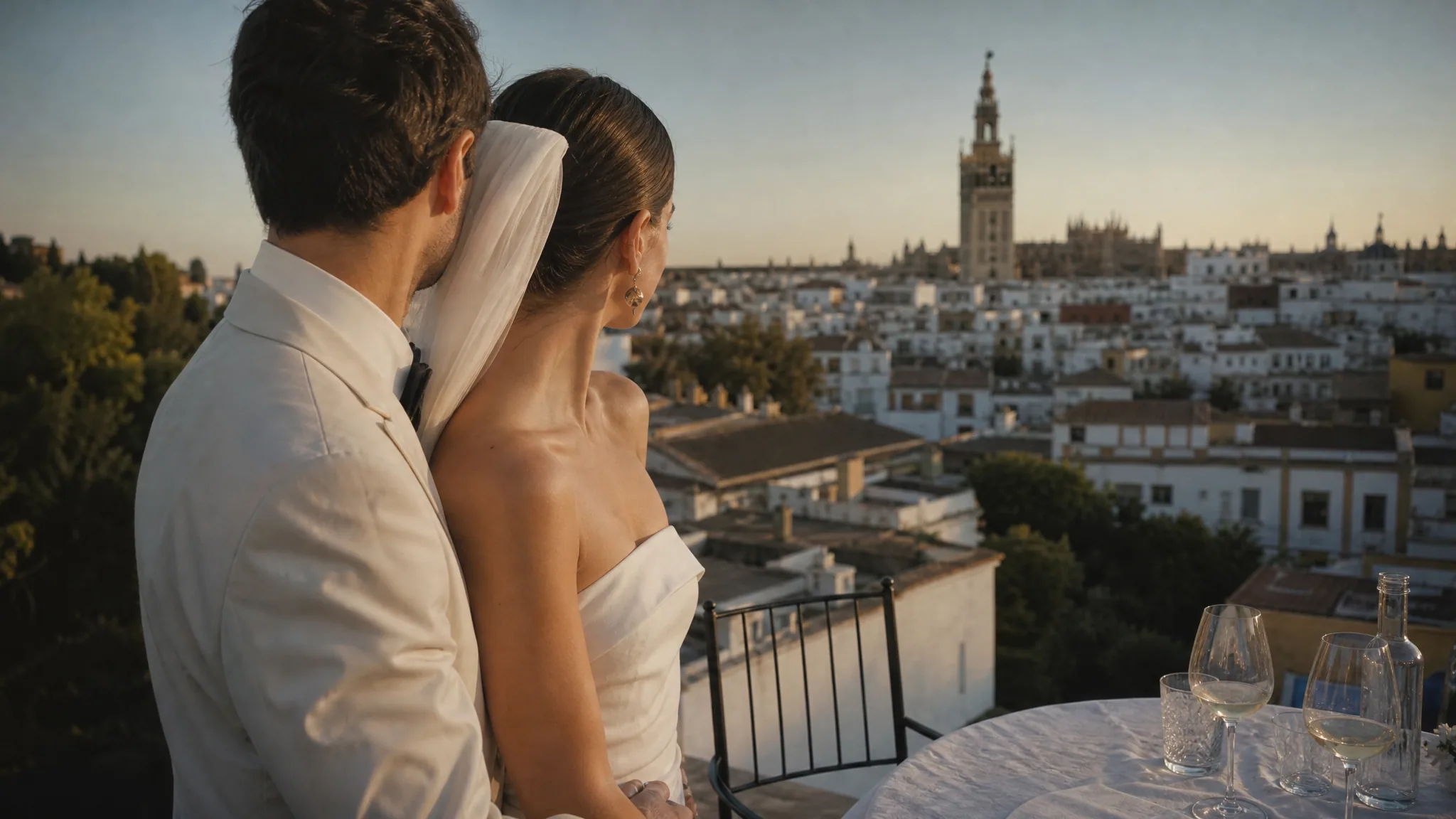
For weddings in Barcelona, consider accommodation in the Gothic Quarter or Eixample districts for easy access to attractions and dining. Mallorca celebrations benefit from beachfront hotels that offer resort amenities alongside wedding venue proximity. Rural venues in Catalonia or Andalusia may require coordinating accommodation in nearby towns with shuttle services to and from your celebration.
Travel Coordination and Transportation
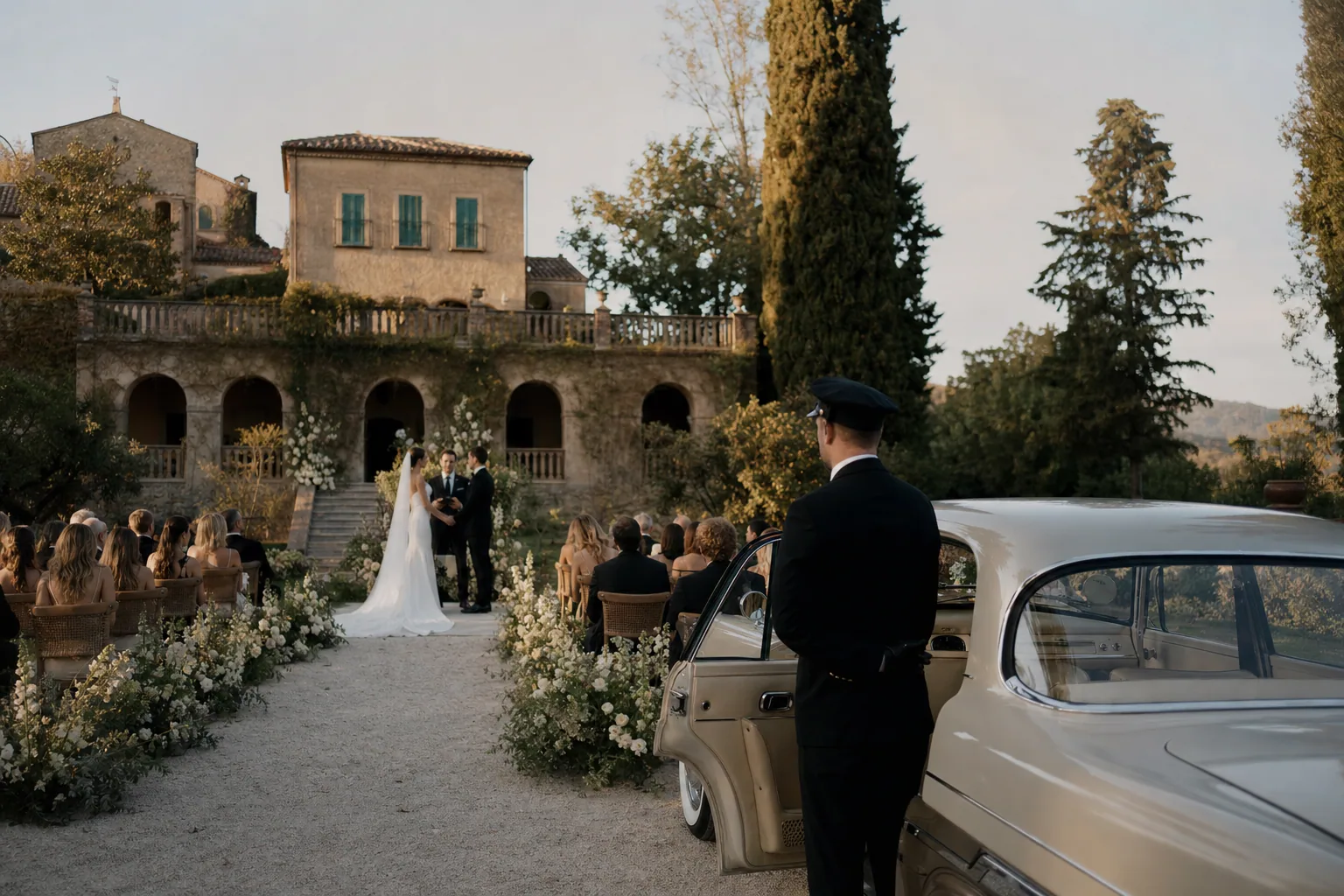
Effective travel coordination begins with providing comprehensive information about getting to Spain and navigating local transportation. Create a detailed travel guide that includes flight recommendations, airport transfer options, and local transportation advice tailored to your specific venue location.
For international guests, recommend booking flights 3-4 months in advance for better prices and seat availability. Provide information about major airports serving your region—Barcelona-El Prat and Madrid-Barajas for mainland Spain, or Palma Airport for Mallorca celebrations. Include details about budget airlines that serve European routes, as many guests may choose to extend their trip with additional European destinations.
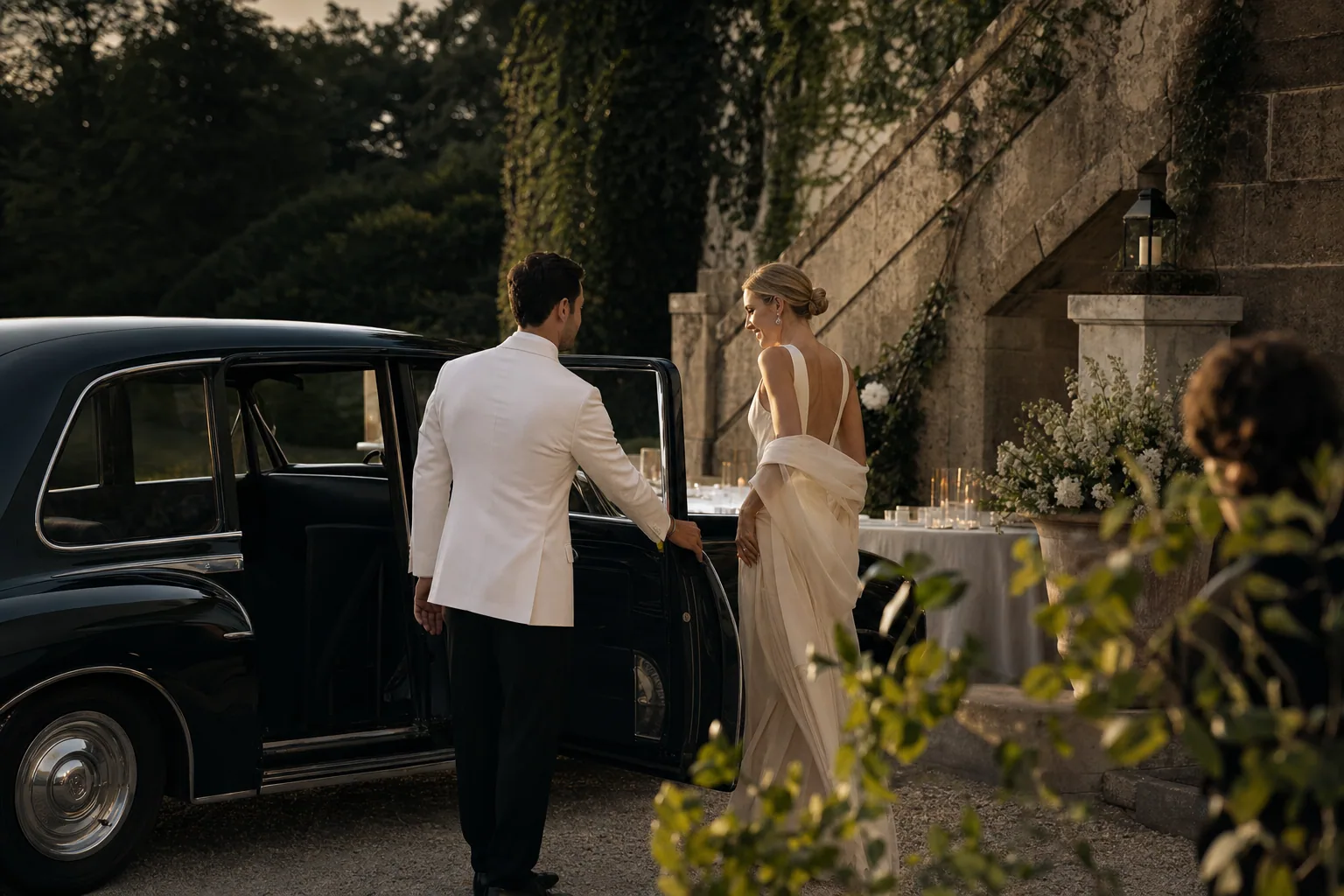
Consider organizing group transportation for key events, particularly if your venue is remote or parking is limited. Shuttle services between accommodation blocks and your wedding venue ensure guests arrive relaxed and on time while eliminating concerns about navigation or parking availability.
Rental Car Coordination
Some guests may prefer the independence of rental cars, especially if they plan to explore Spain before or after your wedding. Provide recommendations for reputable rental companies and include important information about Spanish driving requirements, including international driving permit needs and toll road systems.
Create a shared document with driving directions to your venue, including GPS coordinates and landmark references. Spanish rural areas sometimes have limited cell service, so printed directions serve as valuable backup navigation tools.
Communication Timeline and Guest Information
Clear, timely communication forms the backbone of successful destination wedding logistics. Establish a communication timeline that provides information when guests need it most, avoiding overwhelming them with details too early while ensuring they have adequate time for planning and booking.
Send save-the-dates 8-12 months in advance for destination weddings, including basic location information and accommodation recommendations. Follow with formal invitations 4-6 months before your wedding, accompanied by a comprehensive guest information packet covering travel, accommodation, local attractions, and event details.
Create a wedding website that serves as your communication hub, regularly updated with new information, local recommendations, and event updates. Include sections for travel information, accommodation options, local weather expectations, cultural tips, and answers to frequently asked questions.
Essential Information Packets
Your guest information packet should include practical details that help international visitors navigate Spain confidently. Cover topics such as currency exchange, tipping customs, basic Spanish phrases, local emergency numbers, and cultural etiquette guidelines.
Include recommendations for local attractions, restaurants, and activities that align with different interests and budgets. This information helps guests plan their extended stay and creates opportunities for informal gatherings before or after your wedding events.
Welcome Events and Extended Celebrations
Destination weddings naturally lend themselves to extended celebrations that maximize the travel investment your guests have made. Welcome events, group excursions, and farewell gatherings create additional opportunities for connection while showcasing Spanish culture and hospitality.
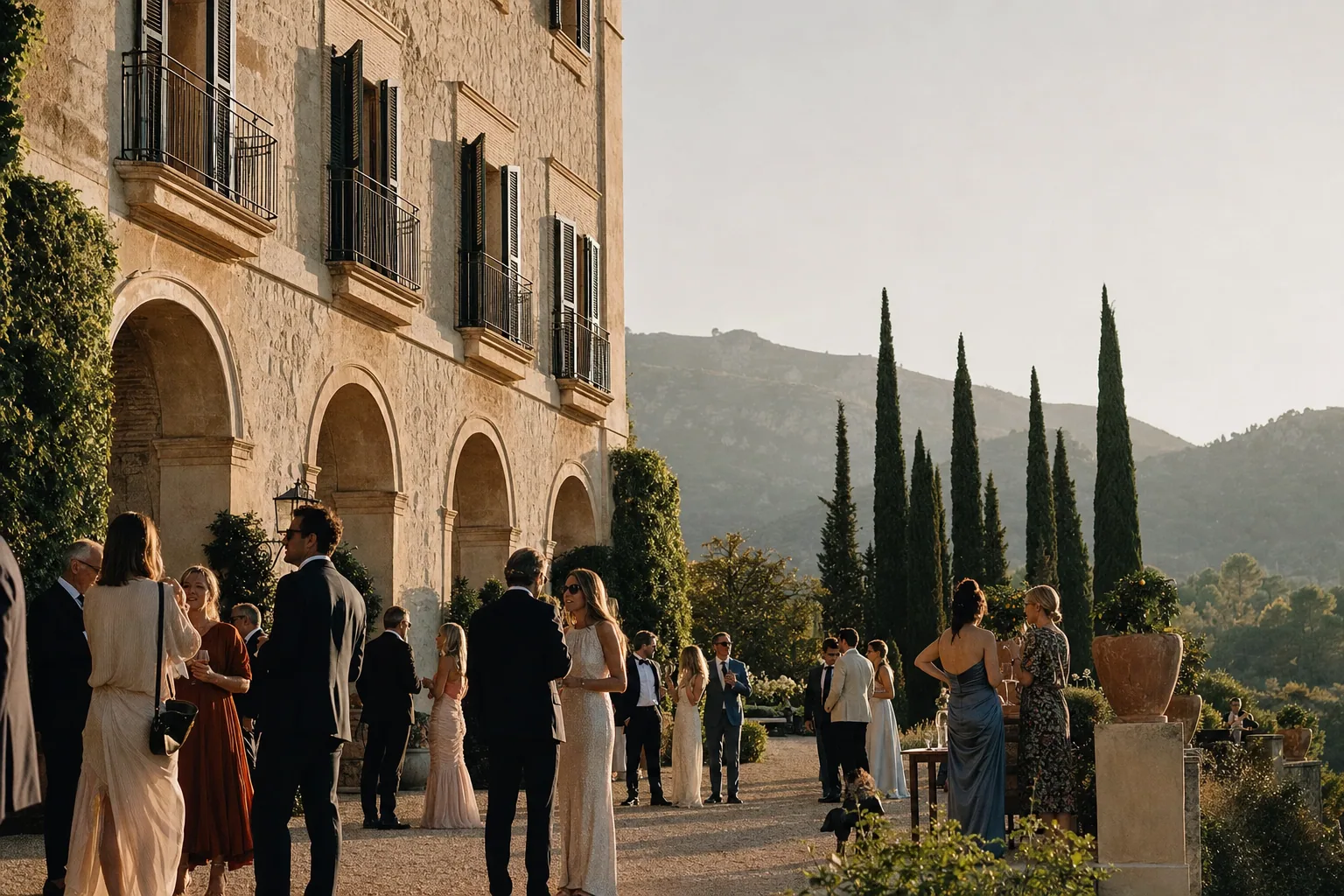
Plan your welcome event for the evening before your wedding, allowing guests who arrive throughout the day to join the festivities. Consider hosting a casual dinner at a local restaurant, a tapas crawl through historic neighborhoods, or a sunset cocktail reception at your accommodation venue. These events help guests acclimate to the local culture while providing natural opportunities for mingling and reconnection.
When planning welcome events, consider the logistics of building your wedding timeline to ensure adequate rest time before your ceremony. Spanish dining culture often involves late dinners, so communicate timing expectations clearly to help guests adjust their schedules accordingly.
Group Excursions and Cultural Experiences
Organize optional group activities that showcase Spain's rich cultural heritage while accommodating different interests and physical abilities. Consider guided tours of historic sites, wine tasting excursions in local vineyards, cooking classes featuring regional specialties, or beach days for coastal celebrations.
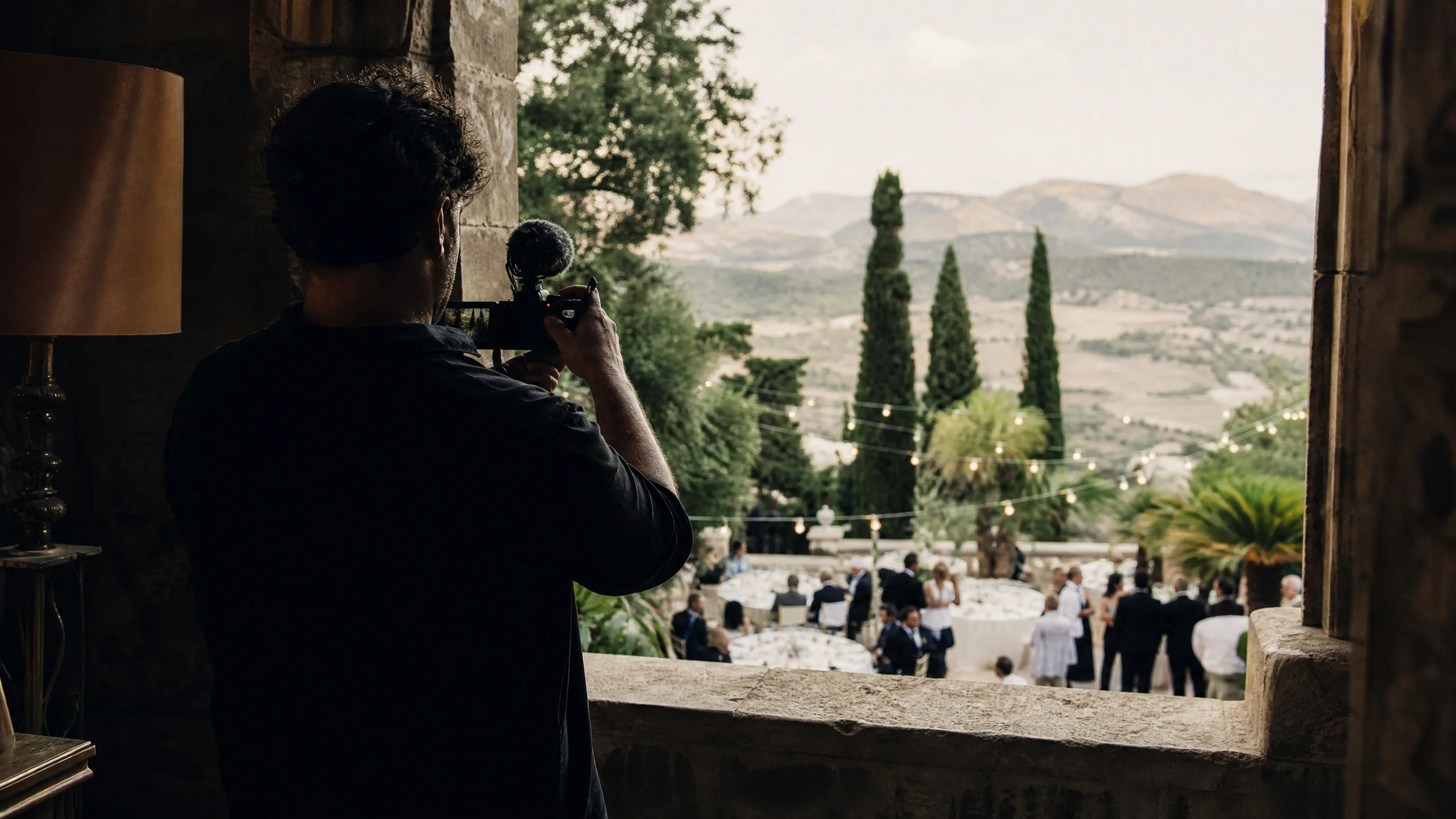
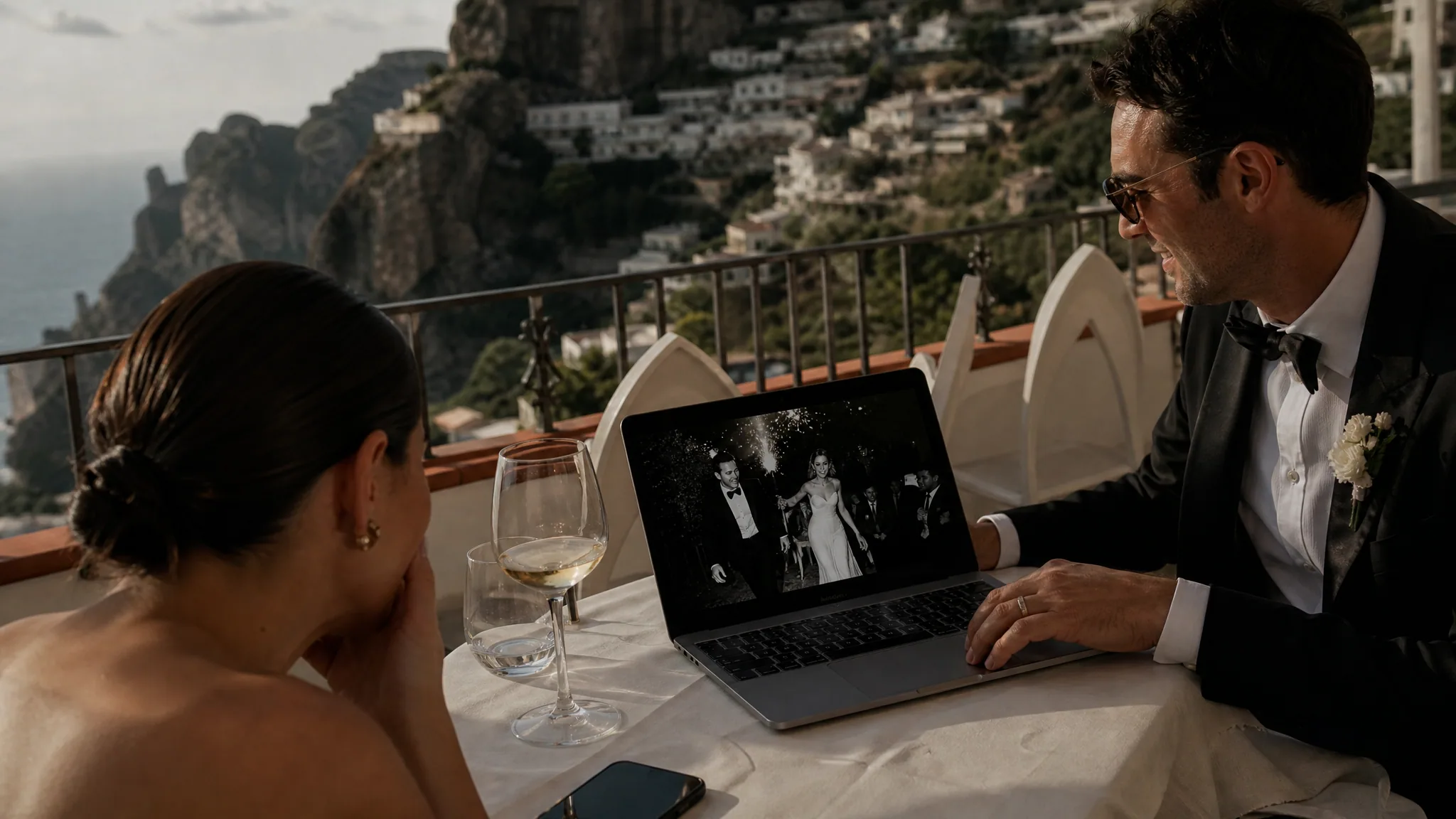
These shared experiences create natural opportunities for wedding videography that captures the joy and connection extending beyond your ceremony day. Documenting guests exploring Spanish markets, learning flamenco steps, or toasting with local wines adds depth and context to your wedding film narrative.
Videography Opportunities Throughout Your Celebration
The extended nature of destination wedding celebrations creates unique opportunities for comprehensive wedding videography that tells the complete story of your Spanish adventure. From arrival moments to farewell embraces, each event offers distinct cinematic possibilities that showcase both your love story and the magical backdrop of Spain.
Your welcome dinner provides intimate moments as guests reunite and share excitement about the upcoming celebration. The relaxed atmosphere of these gatherings often produces some of the most genuine interactions and emotional moments. Professional wedding videographers in Barcelona or Mallorca understand how to capture these candid moments without intruding on the natural flow of conversation and connection.
Group excursions offer dynamic footage that establishes the Spanish setting while showcasing your guests' personalities and relationships. Whether documenting laughter during a cooking class, contemplative moments in a cathedral, or celebration toasts during wine tasting, these activities provide rich material for your wedding film's opening sequences or montage segments.
Farewell Brunch Documentation
The farewell brunch serves as the emotional conclusion to your destination wedding celebration, often producing some of the most heartfelt moments as guests prepare to return home. This event typically features more relaxed interactions, heartfelt conversations, and natural expressions of gratitude and love that translate beautifully into cinematic documentation.
Consider the timing and setting of your farewell event to maximize both guest enjoyment and videography potential. Spanish venues often offer stunning morning light and peaceful atmospheres that create ideal conditions for capturing intimate conversations and genuine emotions.
Managing Logistics During Your Celebration
Even with meticulous planning, destination weddings require real-time logistics management during your celebration. Designate a point person—whether a wedding planner, trusted friend, or family member—to handle guest questions, coordinate transportation, and address any issues that arise.
Create emergency contact information cards for all guests, including local emergency services, your accommodation properties, transportation companies, and key wedding vendors. Distribute these cards during check-in or include them in welcome bags to ensure guests have essential information readily available.
Establish clear communication channels for last-minute updates or changes. Group messaging apps work well for sharing real-time information about transportation delays, weather updates, or schedule modifications that might affect your celebration timeline.
Budget Considerations for Extended Celebrations
Extended destination wedding celebrations impact both your budget and your guests' expenses. Be transparent about which events are hosted and which are optional, pay-your-own-way activities. This clarity helps guests budget appropriately while allowing you to allocate your destination wedding budget strategically across multiple events.
Consider offering different participation levels for various events, allowing guests to customize their experience based on their budget and interests. Some couples choose to host welcome drinks but make dinner optional, or cover group activity costs while allowing guests to handle their own meals and transportation.
Post-Wedding Logistics and Guest Departure
The logistics of guest departure require as much attention as arrival coordination. Provide clear information about checkout procedures, airport transportation options, and any assistance available for guests extending their Spanish adventure.
Consider the emotional aspect of farewells after an intensive celebration period. Many guests form new friendships during destination wedding celebrations, and departure can feel abrupt after days of shared experiences. Building in time for proper goodbyes and exchange of contact information helps conclude your celebration on a positive, connected note.
For guests extending their stay, provide recommendations for continued exploration of Spain, including transportation options to other cities, accommodation suggestions, and must-see attractions that align with their interests and remaining vacation time.
Successfully managing destination wedding guest lists and travel logistics requires balancing detailed planning with flexible execution. By approaching each element—from accommodation blocks to farewell brunches—with careful consideration for your guests' experience, you create a celebration that honors both your love story and the incredible journey your friends and family have taken to witness your Spanish wedding. The memories created through thoughtful logistics planning extend far beyond your wedding day, establishing connections and experiences that your guests will treasure for years to come.