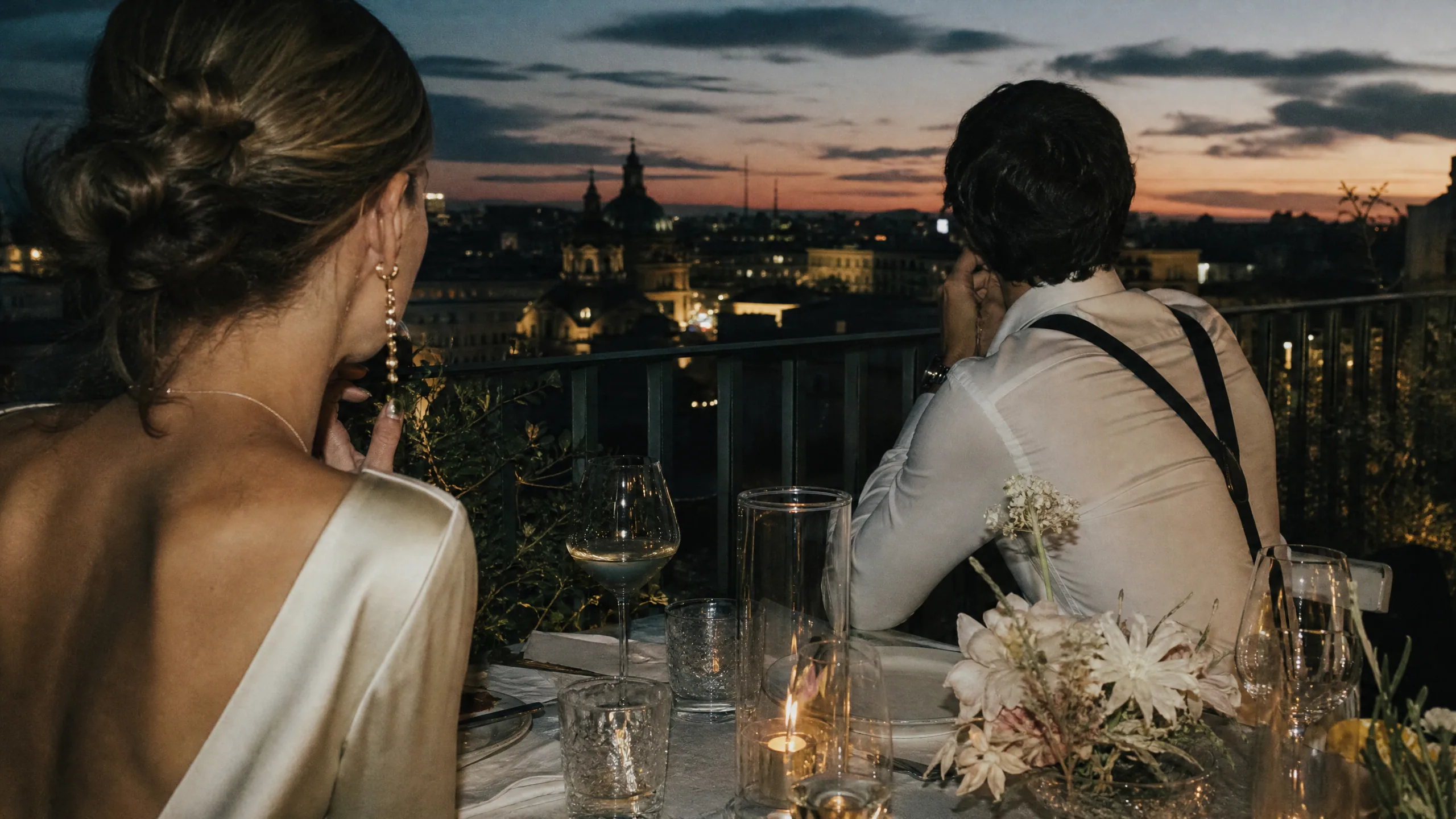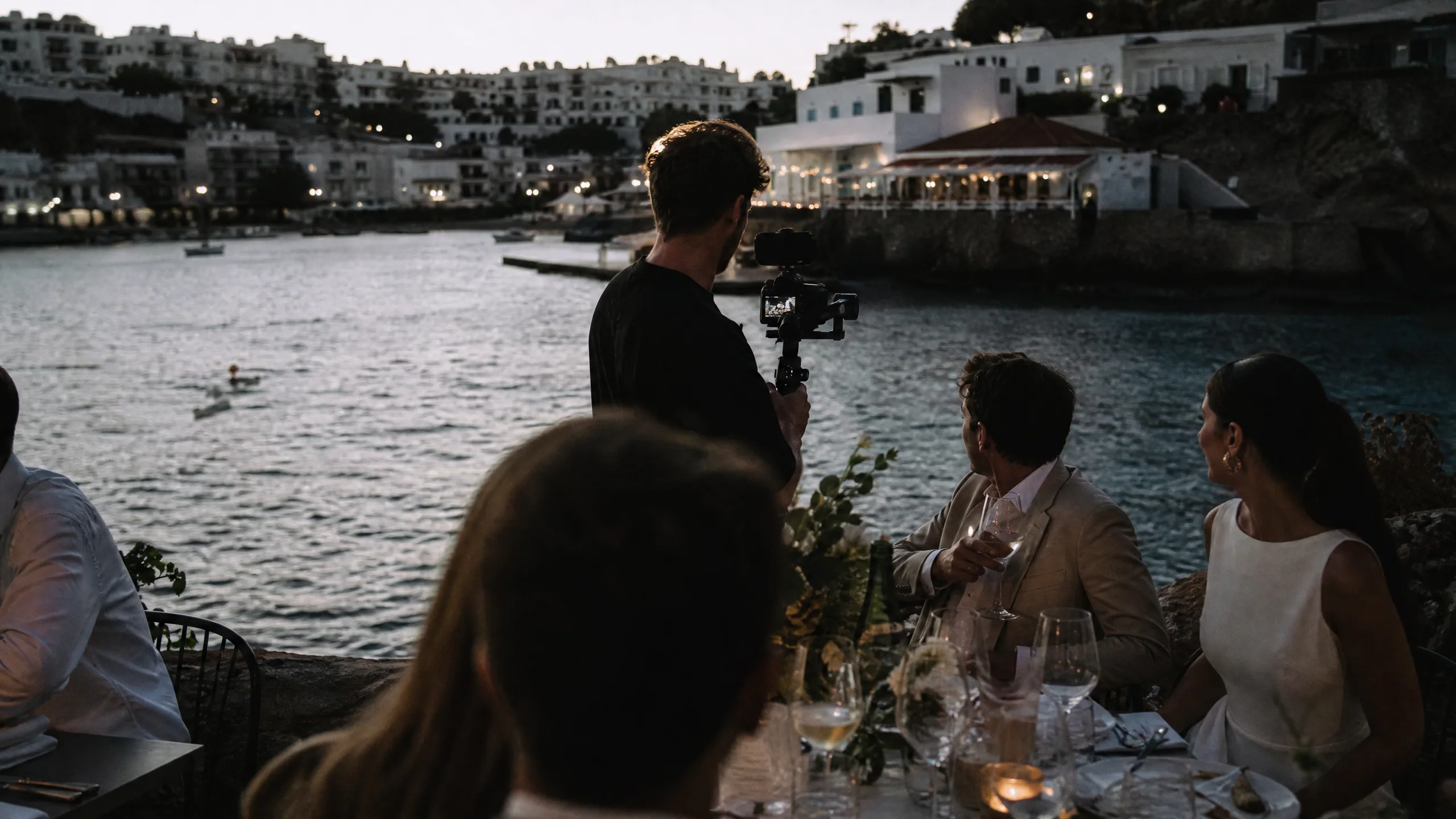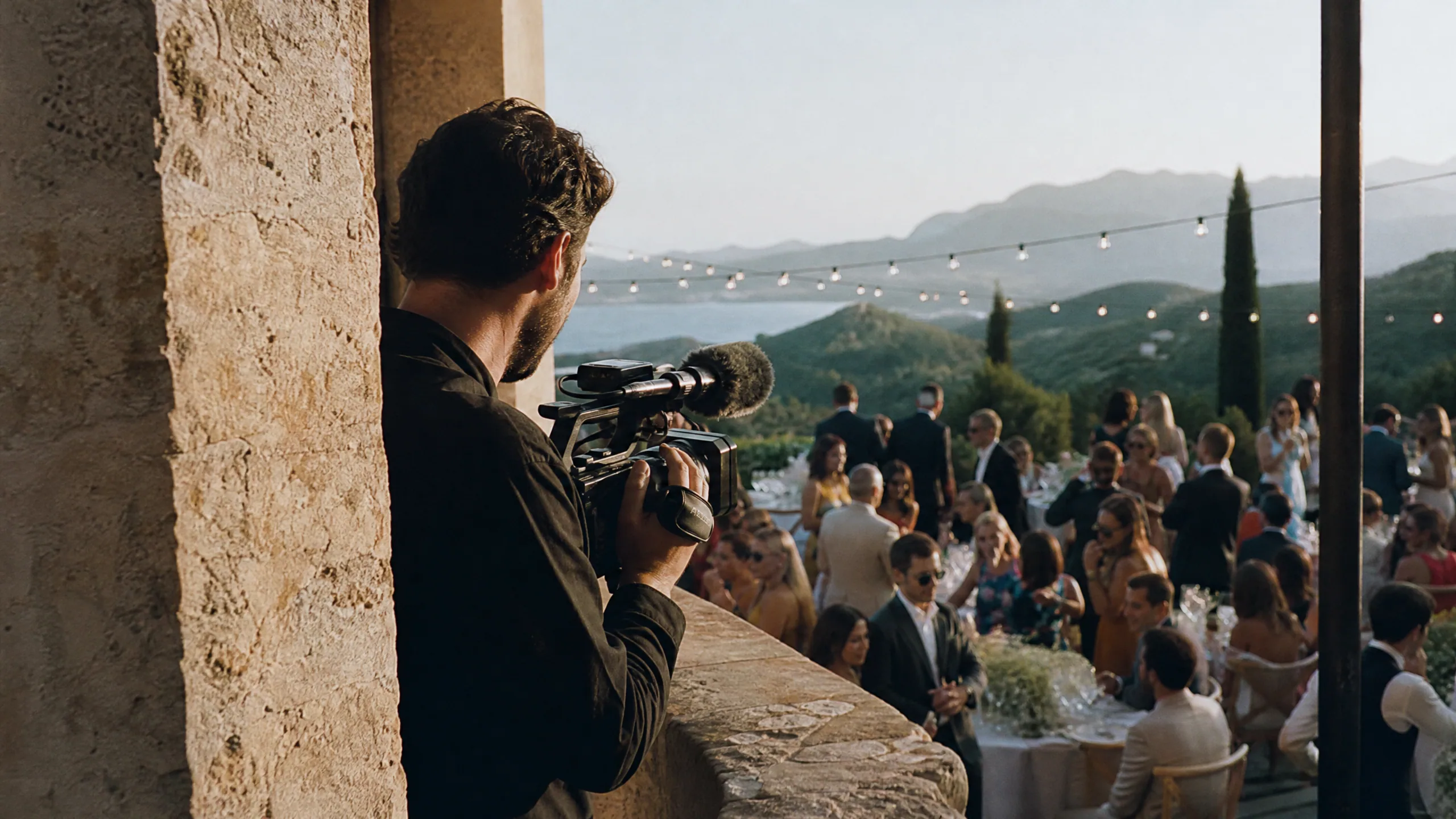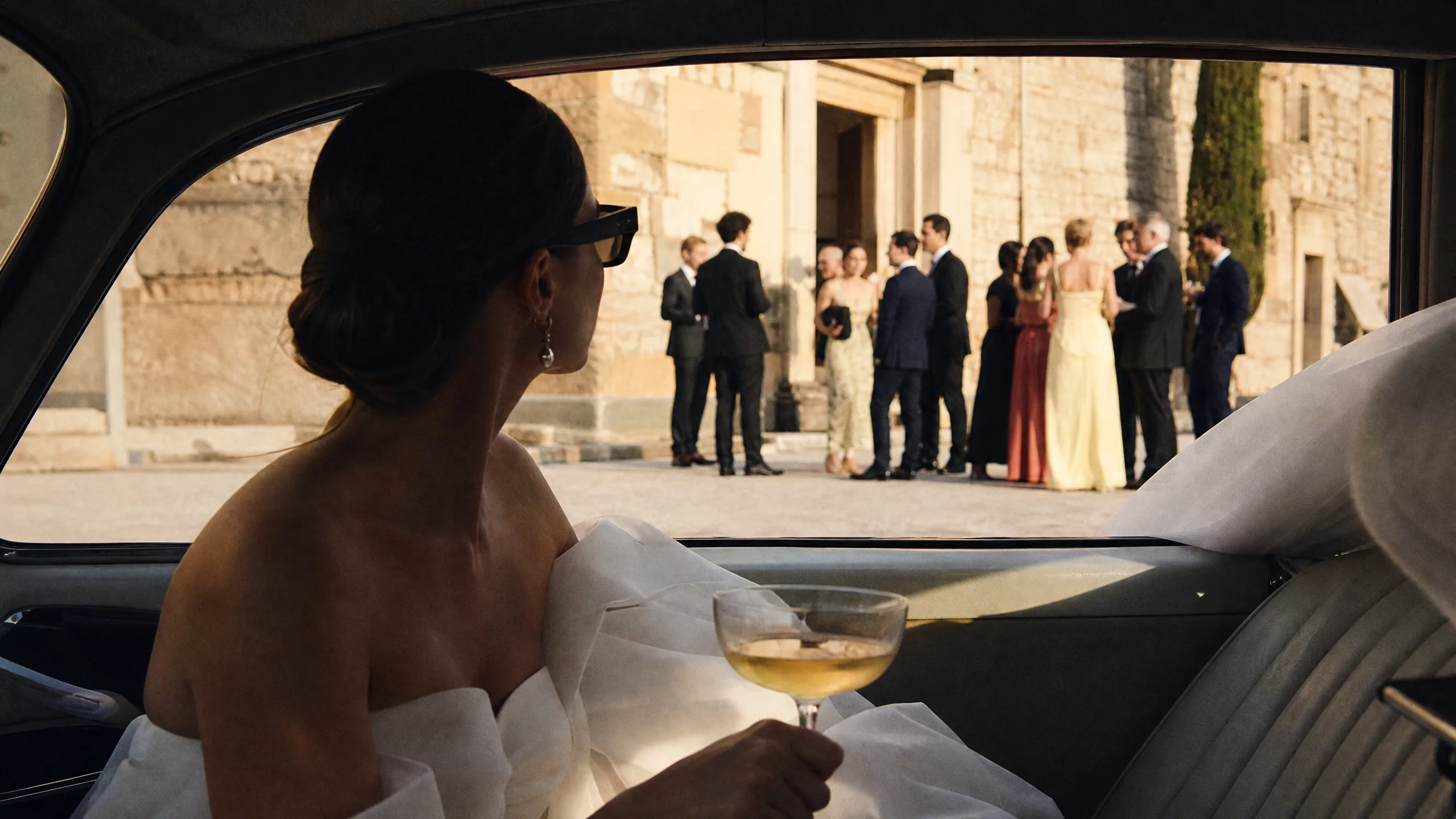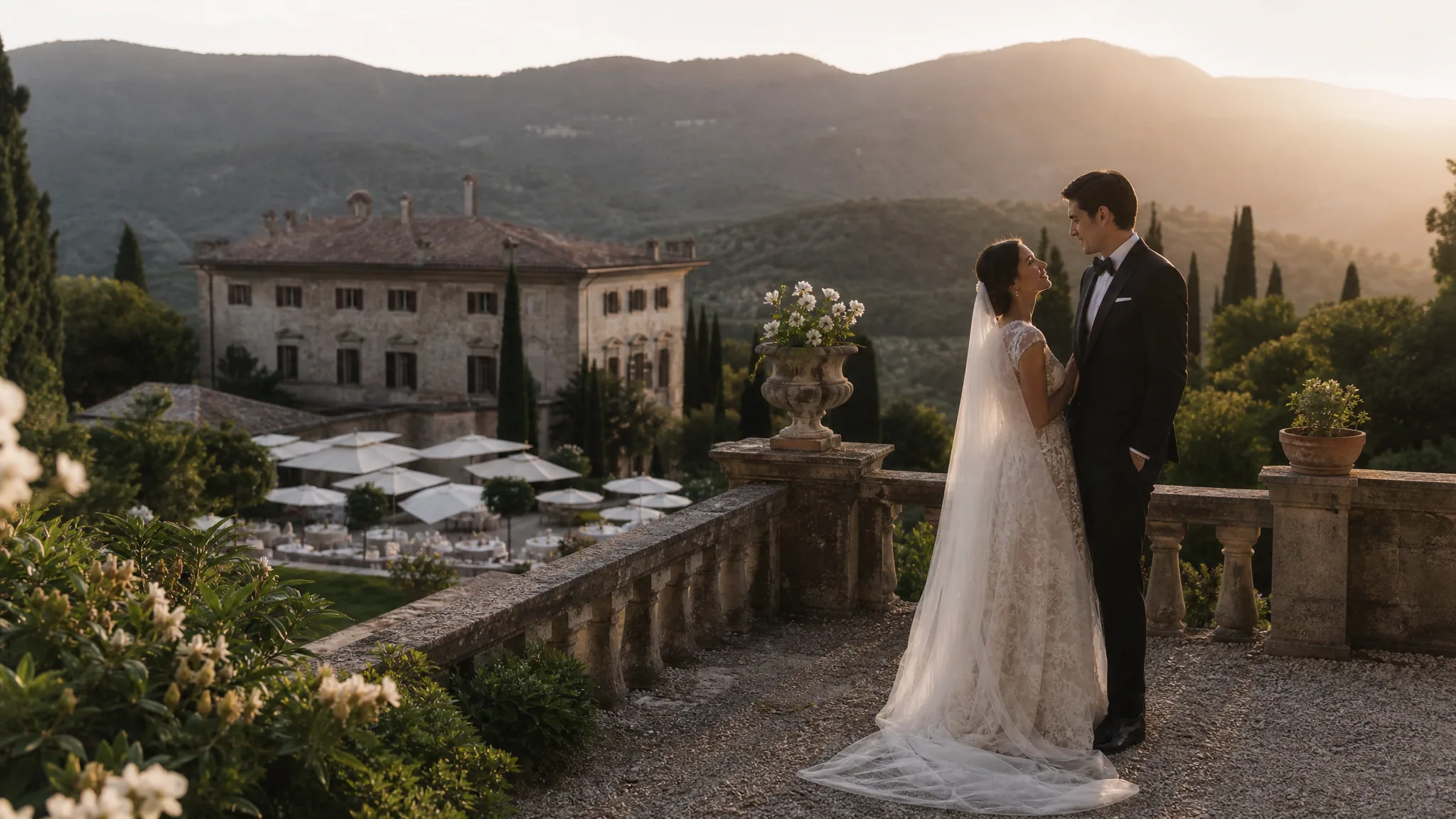
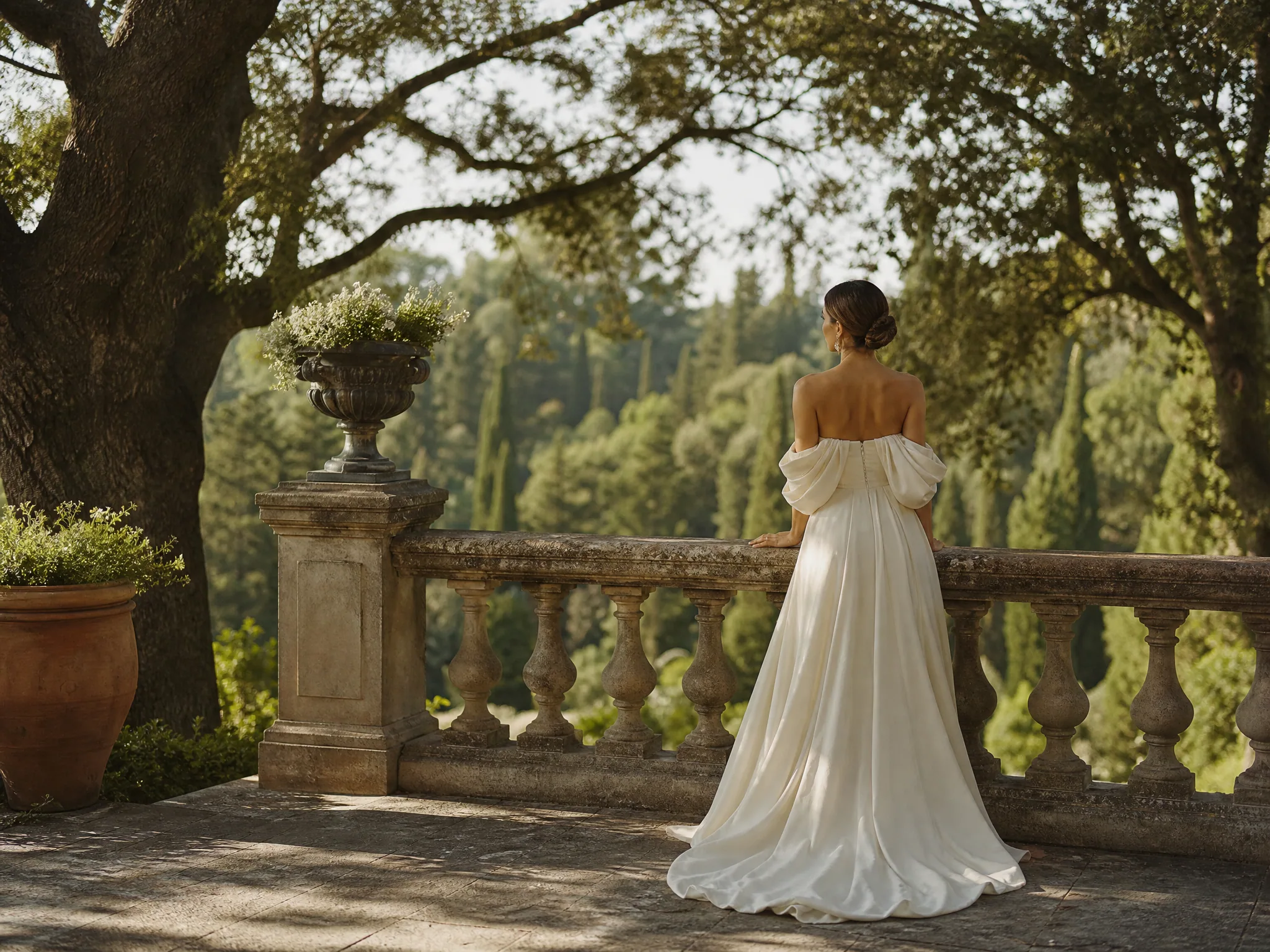
Planning a destination wedding in Spain during the summer months requires more than just accounting for travel time and vendor coordination—it demands a deep understanding of how the Mediterranean heat will impact every aspect of your celebration. After filming dozens of summer weddings across Catalonia, Mallorca, and Andalusia, we've learned that successful couples build substantial timeline buffers specifically designed around Spain's intense summer temperatures.
The difference between a comfortable, memorable wedding day and one where guests are wilting in the heat often comes down to strategic planning around peak temperature hours. Spanish summers aren't just warm—they're genuinely challenging, with temperatures regularly exceeding 35°C (95°F) and the sun beating down relentlessly from cloudless skies. Understanding how to work with, rather than against, these conditions will transform your wedding experience.
Understanding Spain's Peak Heat Hours
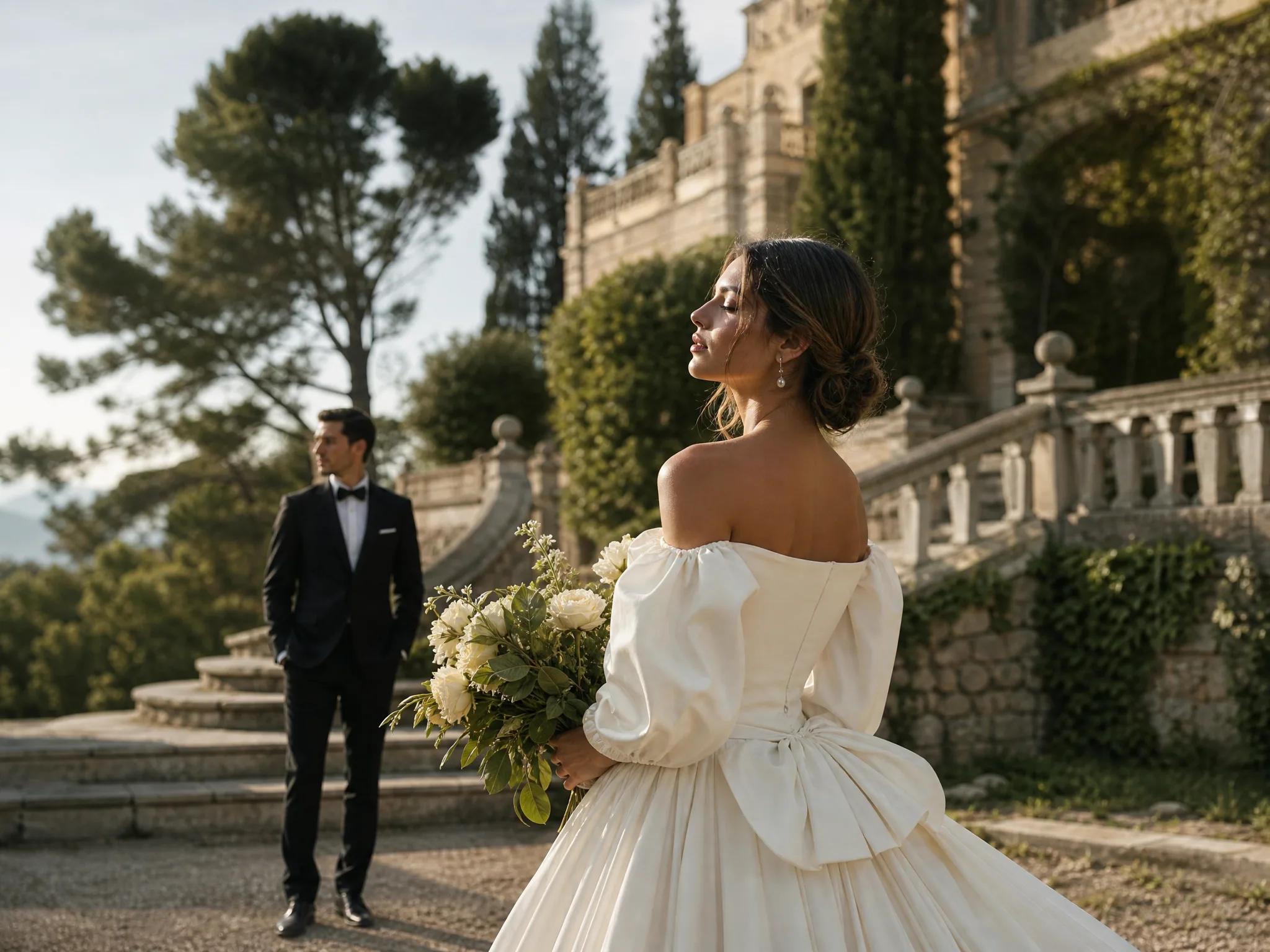
The most crucial element of summer wedding planning in Spain is recognizing that the period between 1:00 PM and 5:00 PM represents the day's most challenging temperatures. During these hours, the combination of direct sunlight and accumulated heat creates conditions that can be genuinely uncomfortable for extended outdoor activities.
In our experience filming weddings across different Spanish regions, we've observed that Andalusia typically experiences the most intense heat, with temperatures often reaching 38-40°C (100-104°F) during peak hours. Catalonia, while slightly more moderate, still sees temperatures climbing to 33-36°C (91-97°F), and even coastal Mallorca can reach 32-35°C (90-95°F) with the added challenge of humidity.
These aren't just numbers on a thermometer—they translate to real challenges for your wedding party, guests, and vendors. Makeup begins to melt, formal wear becomes uncomfortable, elderly guests struggle, and even professional equipment can overheat. Planning for vendor breaks and meals becomes even more critical during these peak temperature periods.
Ceremony Timing Strategies
Early Morning Ceremonies (9:00-11:00 AM)
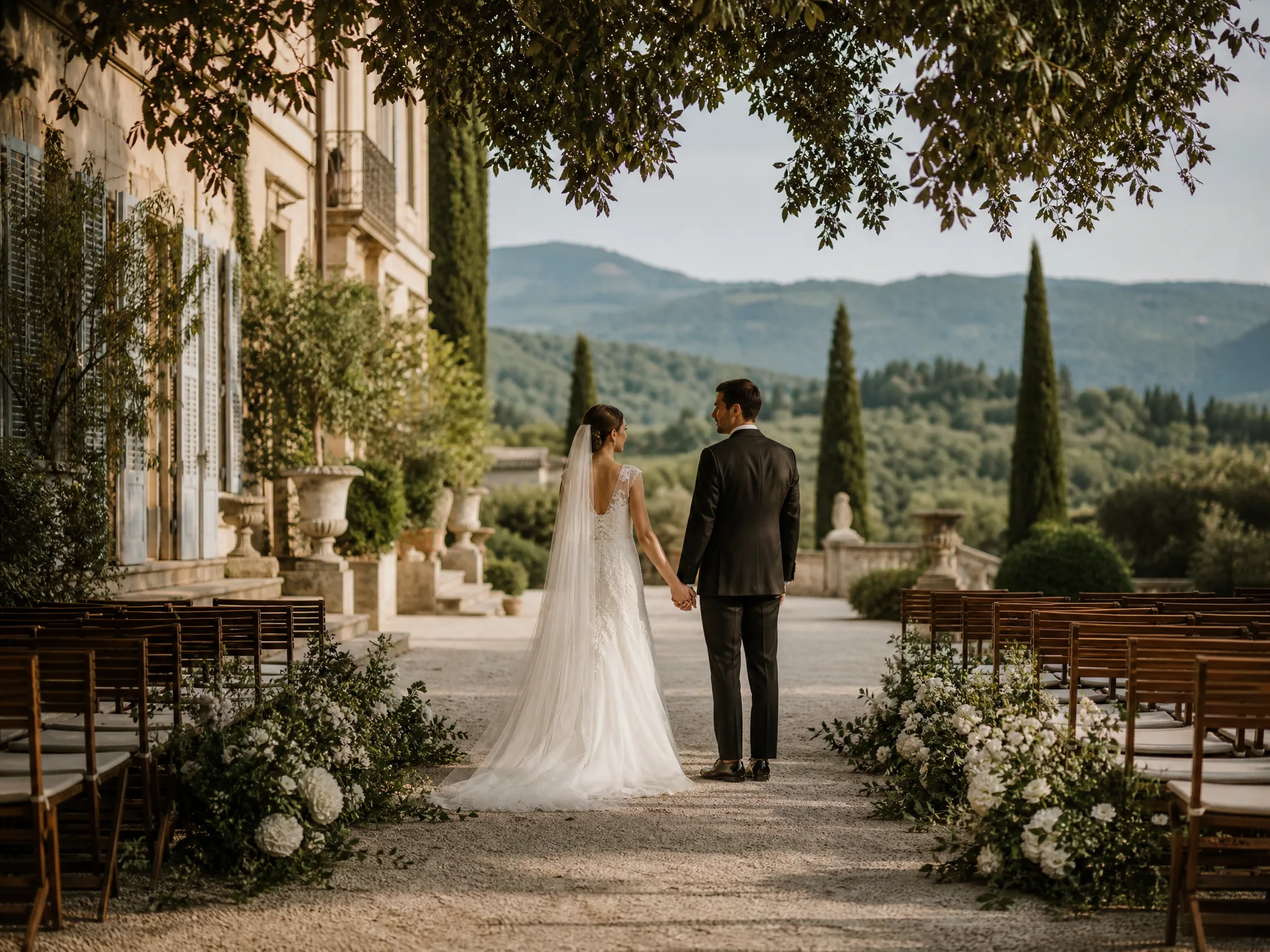
One of the most effective strategies we've witnessed is scheduling ceremonies for early morning hours. A 10:00 AM ceremony allows you to complete the most formal, structured part of your celebration while temperatures remain comfortable, typically ranging from 22-28°C (72-82°F).
Early ceremonies offer several advantages beyond temperature control. The light is soft and flattering for photography and videography, guests are fresh and energetic, and you create natural buffer time before the day's heat peaks. However, this timing requires careful coordination with hair and makeup schedules, often beginning as early as 6:00 AM.
Late Afternoon and Evening Ceremonies (6:00-8:00 PM)
The alternative approach involves scheduling ceremonies for late afternoon or early evening, when temperatures begin their descent but lighting remains beautiful. A 7:00 PM ceremony typically enjoys temperatures that have dropped to 28-32°C (82-90°F), significantly more comfortable than peak heat hours.
This timing aligns well with traditional Spanish dining schedules and allows for a seamless transition into evening celebrations. The challenge lies in managing the period between morning preparations and evening ceremonies—guests need comfortable spaces to retreat during peak heat hours.
Essential Shade and Hydration Infrastructure
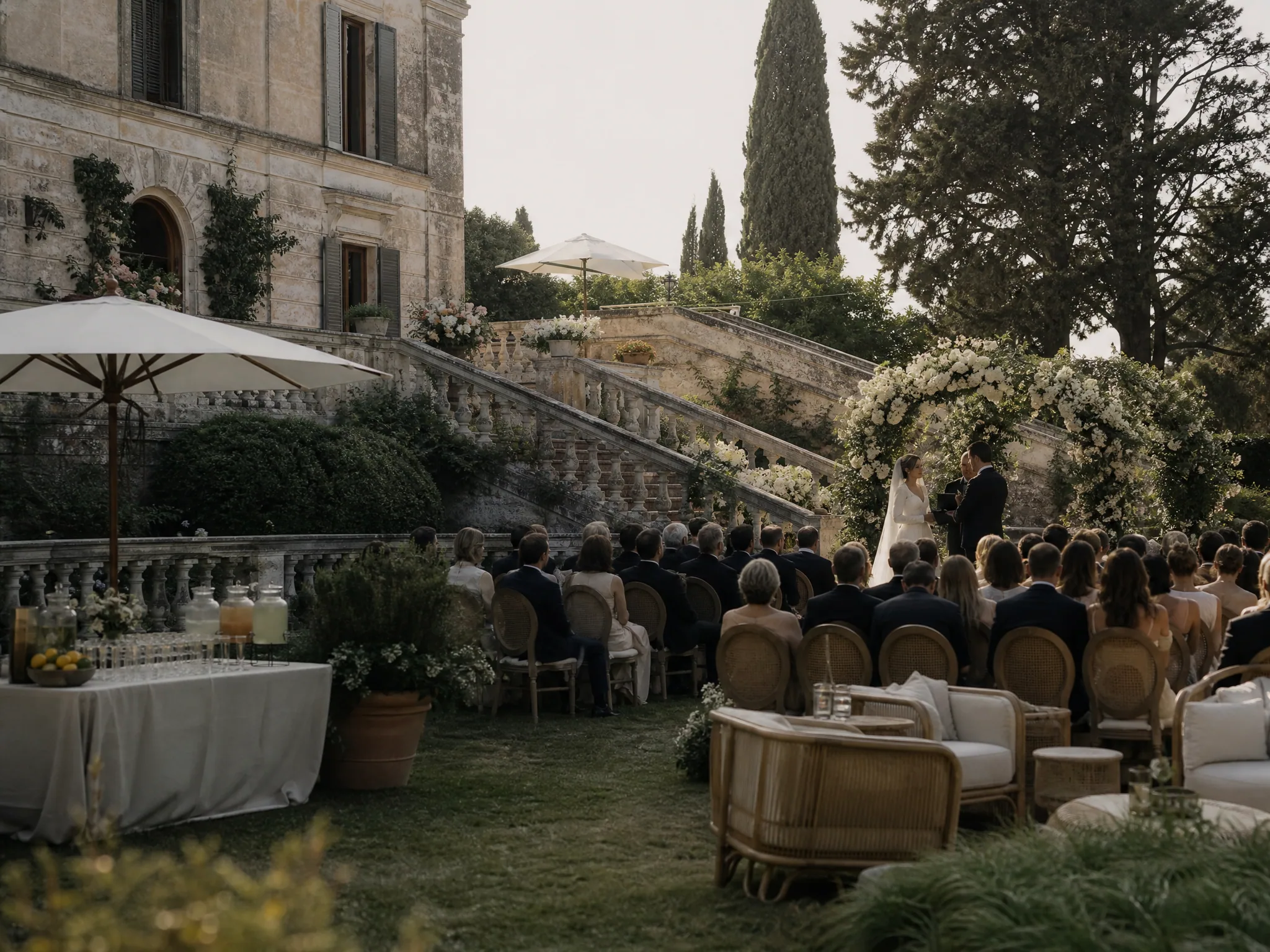
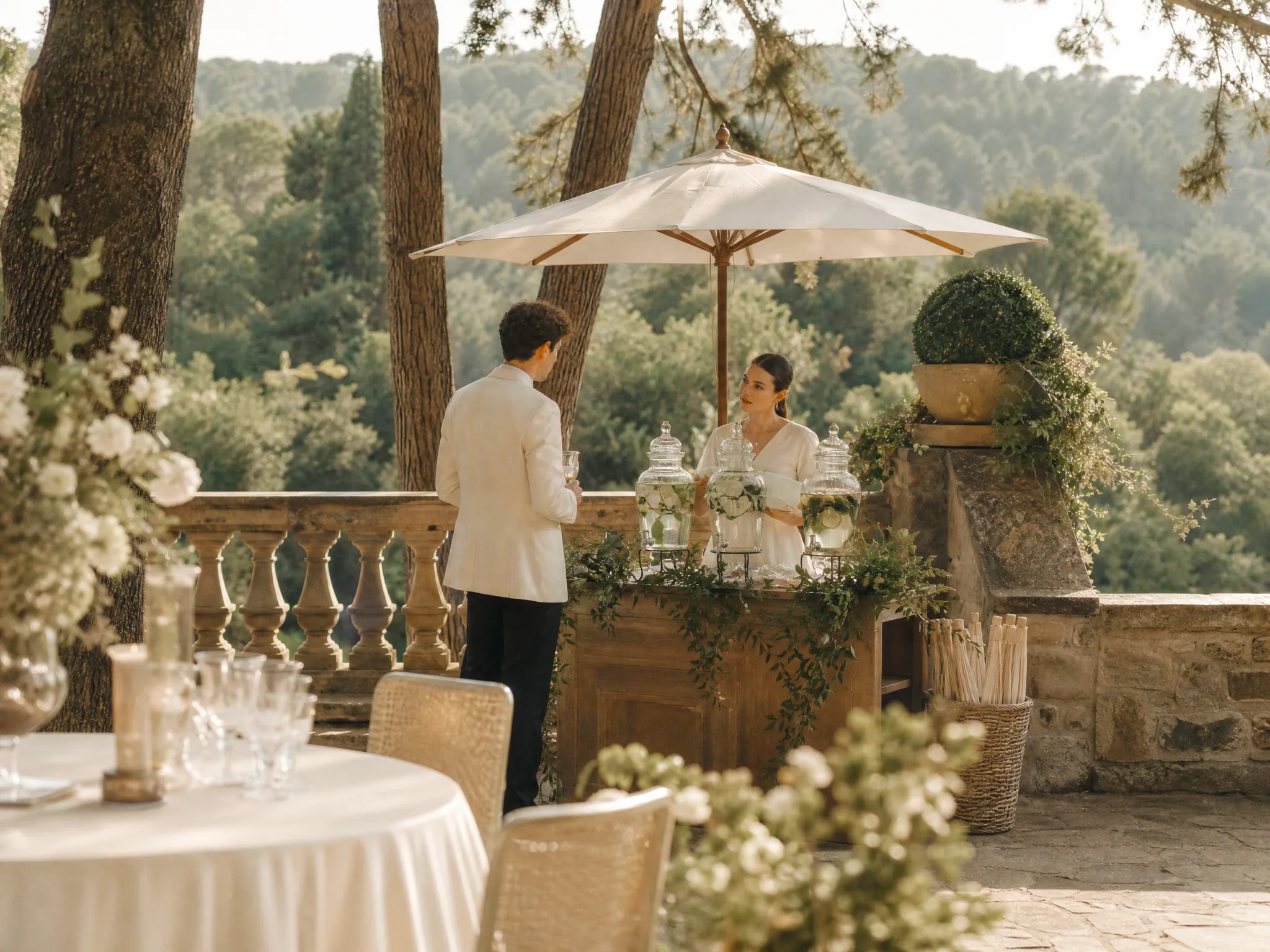
Regardless of ceremony timing, successful summer weddings in Spain require comprehensive shade and hydration planning. We recommend establishing multiple cooling stations throughout your venue, each equipped with chilled water, fans, and adequate seating in shaded areas.
For outdoor ceremonies, consider investing in professional-grade shade structures rather than relying solely on natural shade, which may shift throughout the day. Elegant market umbrellas, sail cloth installations, or even temporary pergolas can provide crucial relief while maintaining your wedding's aesthetic vision.
Guest comfort extends beyond the ceremony space. Create shaded cocktail areas with misting fans, provide individual fans as both functional items and wedding favors, and ensure that restroom facilities are air-conditioned or well-ventilated. These details may seem minor, but they dramatically impact guest experience during extreme heat.
Transportation and Venue Movement Considerations
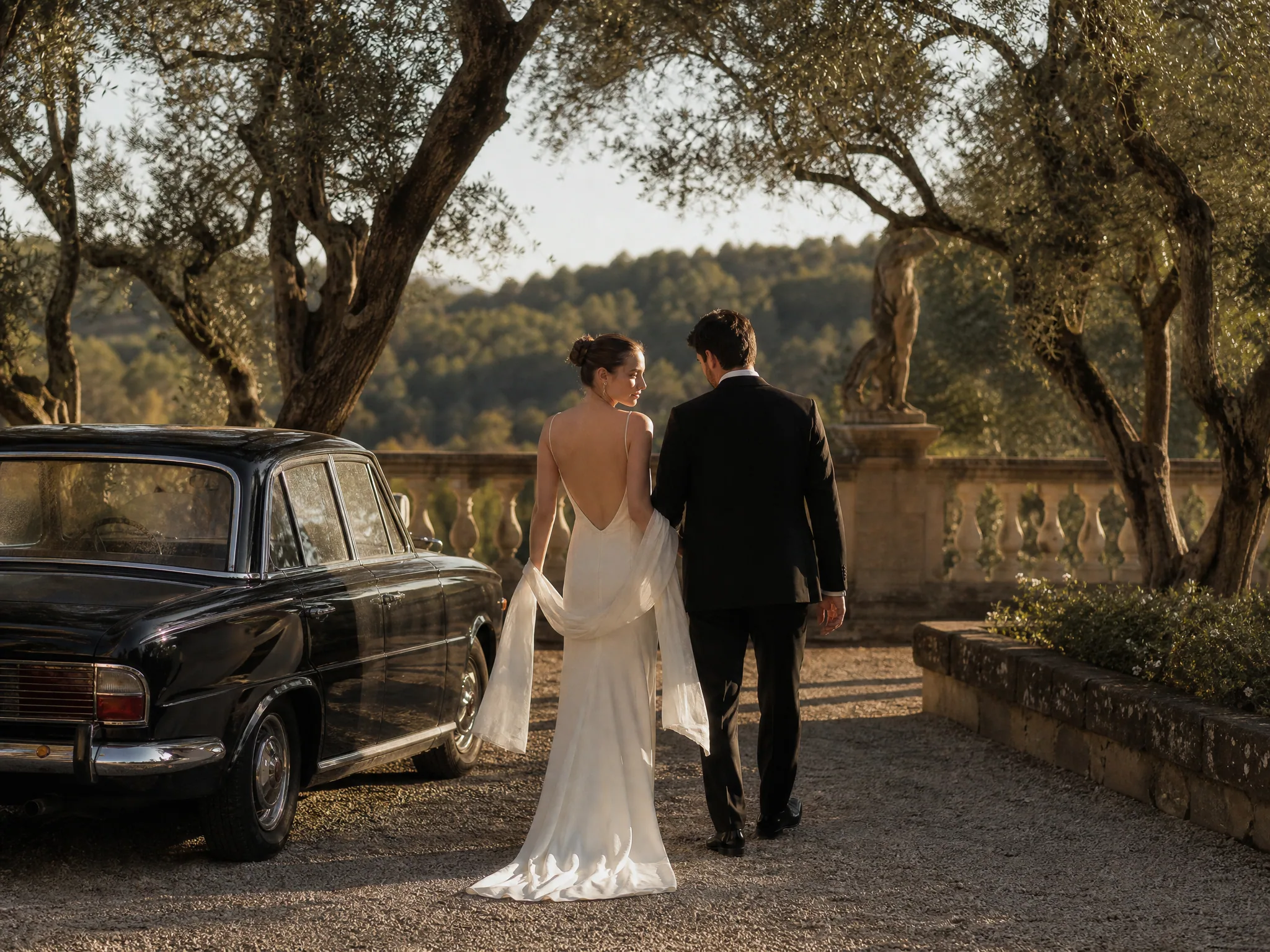
Moving between venues during Spanish summer heat requires careful planning and adequate buffer time. Air-conditioned transportation becomes essential rather than optional, and transfer timing must account for both traffic patterns and temperature considerations.
We typically recommend adding 15-20 minutes to standard transfer times during summer months, allowing for vehicle cooling, guest comfort breaks, and potential delays caused by heat-related issues. Group transportation planning becomes particularly crucial when coordinating multiple venue movements during hot weather.
Consider the practical challenges: guests dressed in formal attire need time to cool down upon arrival at each venue, vendors require additional setup time in extreme heat, and even simple logistics like loading and unloading equipment take longer when temperatures soar.
Vendor and Equipment Considerations
Professional wedding vendors, including photographers and videographers, face unique challenges during Spanish summer heat that directly impact timeline planning. Camera equipment can overheat, requiring cooling breaks and backup systems. Sound equipment may malfunction in extreme temperatures, and vendors themselves need regular breaks to maintain performance quality.
From our videography perspective, we've learned to build in equipment cooling periods every 90 minutes during peak heat hours. This might mean pausing between ceremony and cocktail hour coverage, or scheduling brief breaks during extended reception filming. These considerations should be discussed with all vendors during initial planning conversations.
Hair and makeup artists face particular challenges, often requiring additional time for touch-ups and heat-resistant product applications. Florists must account for accelerated wilting and may need to implement last-minute arrangements or cooling systems for floral displays.
Reception Timing and Flow
Spanish summer receptions benefit from timing that works with natural temperature patterns rather than against them. The traditional Spanish approach of late dining—often beginning around 9:00 or 10:00 PM—aligns perfectly with summer heat management.
Consider a reception flow that includes: cocktail hour beginning around 6:00 PM in shaded areas, dinner service starting no earlier than 8:30 PM, and dancing commencing as temperatures reach their most comfortable evening levels around 10:00 PM. This timing allows the day's heat to dissipate while maintaining energy and comfort throughout the celebration.
Buffer time becomes particularly important between reception elements. Allow 30-45 minutes between cocktail hour and dinner service, providing guests time to cool down, refresh, and transition comfortably between spaces. Similarly, build in 20-30 minutes between dinner and dancing, allowing for natural breaks and temperature adjustment.
Regional-Specific Timeline Recommendations
Catalonia (Barcelona Region)
Catalonian summers typically require the following buffer considerations: 30 minutes additional preparation time for morning makeup and hair due to early starts, 45-minute cooling breaks between major events during peak hours (1:00-5:00 PM), and 20 minutes extra for all outdoor transitions. Barcelona weddings benefit from the city's coastal location, but urban heat island effects can intensify temperatures in certain areas.
Mallorca
Island weddings face unique challenges combining heat with humidity and potential wind. We recommend 40-minute buffers between outdoor events during peak hours, additional time for hair and makeup touch-ups due to humidity, and flexible timing for any beach-related activities. Mallorca celebrations often benefit from the island's evening breezes, making later ceremony times particularly appealing.
Andalusia
The most challenging region for summer heat requires the most substantial buffers: 60 minutes between any outdoor activities during peak hours, mandatory cooling stations at all event locations, and serious consideration of indoor ceremony alternatives during July and August peak periods.
Sample Timeline with Heat Buffers
Here's a practical timeline example for a July wedding in Spain with proper heat management buffers:
6:00 AM - Hair and makeup begin (early start to avoid heat buildup)
9:30 AM - Final preparations and first look
10:30 AM - Ceremony (avoiding peak heat)
11:30 AM - Post-ceremony photos and cocktails in shaded area
12:30 PM - Guests retreat to air-conditioned spaces, couple continues photos
2:00 PM - Extended break period, lunch in cool environment
5:30 PM - Reconvene for golden hour photos
7:00 PM - Cocktail hour resumes
8:30 PM - Dinner service begins
10:30 PM - Dancing and evening celebration
This timeline provides substantial buffers during peak heat hours while maintaining celebration flow and guest comfort.
Communication and Guest Preparation
Successful heat management requires clear communication with your guests about timing, dress code considerations, and available amenities. Communicating weather considerations helps guests prepare appropriately and sets realistic expectations for the day's flow.
Provide guests with detailed timeline information, suggestions for heat-appropriate attire, and information about cooling stations and amenities available throughout the celebration. Consider including small fans, sunscreen, or cooling towels in welcome bags as both practical gifts and thoughtful gestures.
Remember that international guests may be unfamiliar with Mediterranean summer intensity. Clear communication about expected temperatures, appropriate clothing choices, and hydration recommendations helps ensure everyone can fully enjoy your celebration.
Planning a destination wedding during Spanish summer heat requires respect for the climate, realistic timeline buffers, and comprehensive guest comfort considerations. With proper planning, these challenging conditions can be managed effectively, allowing you to enjoy Spain's incredible beauty, culture, and celebration traditions while keeping everyone comfortable and happy throughout your special day.