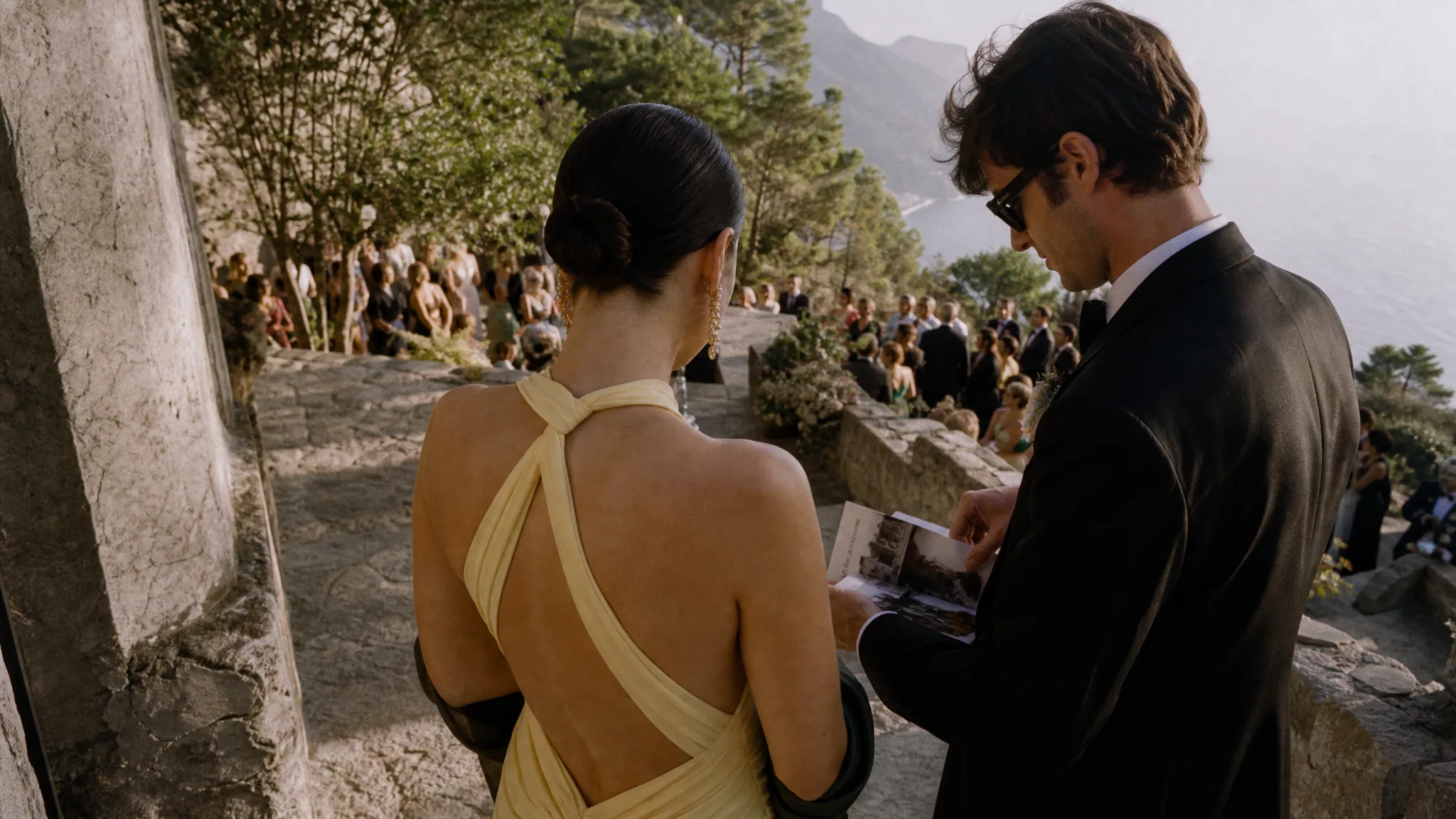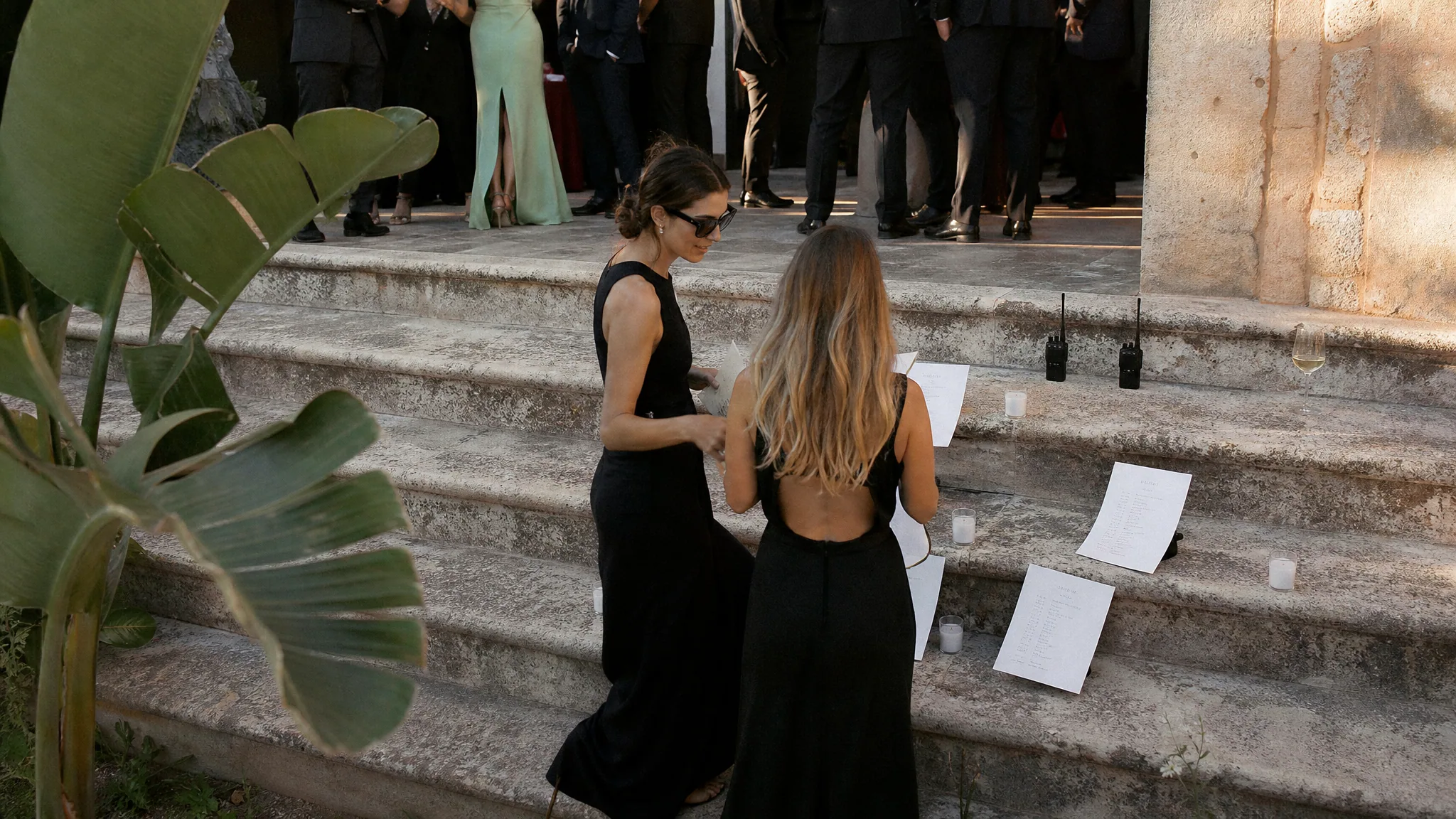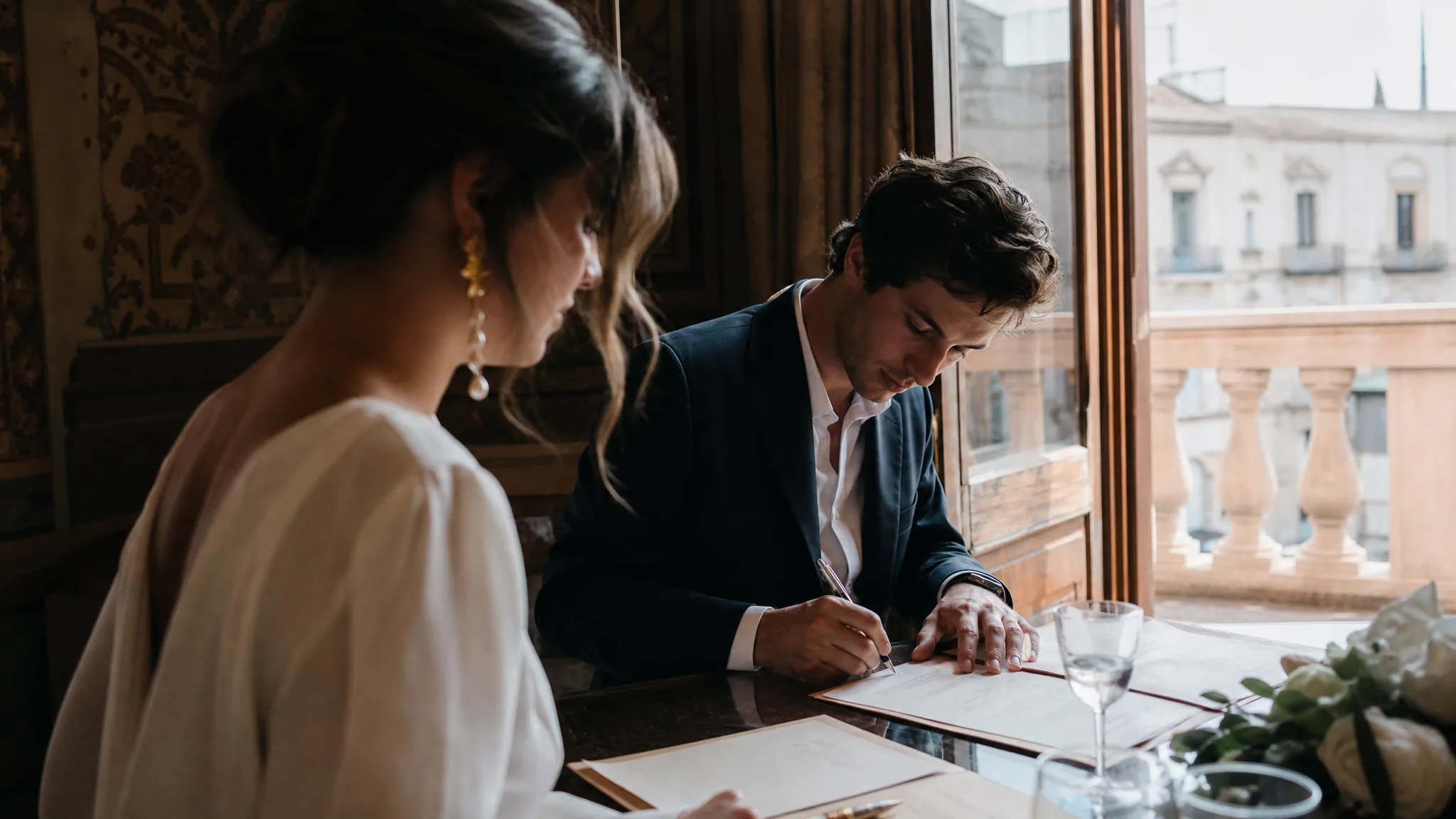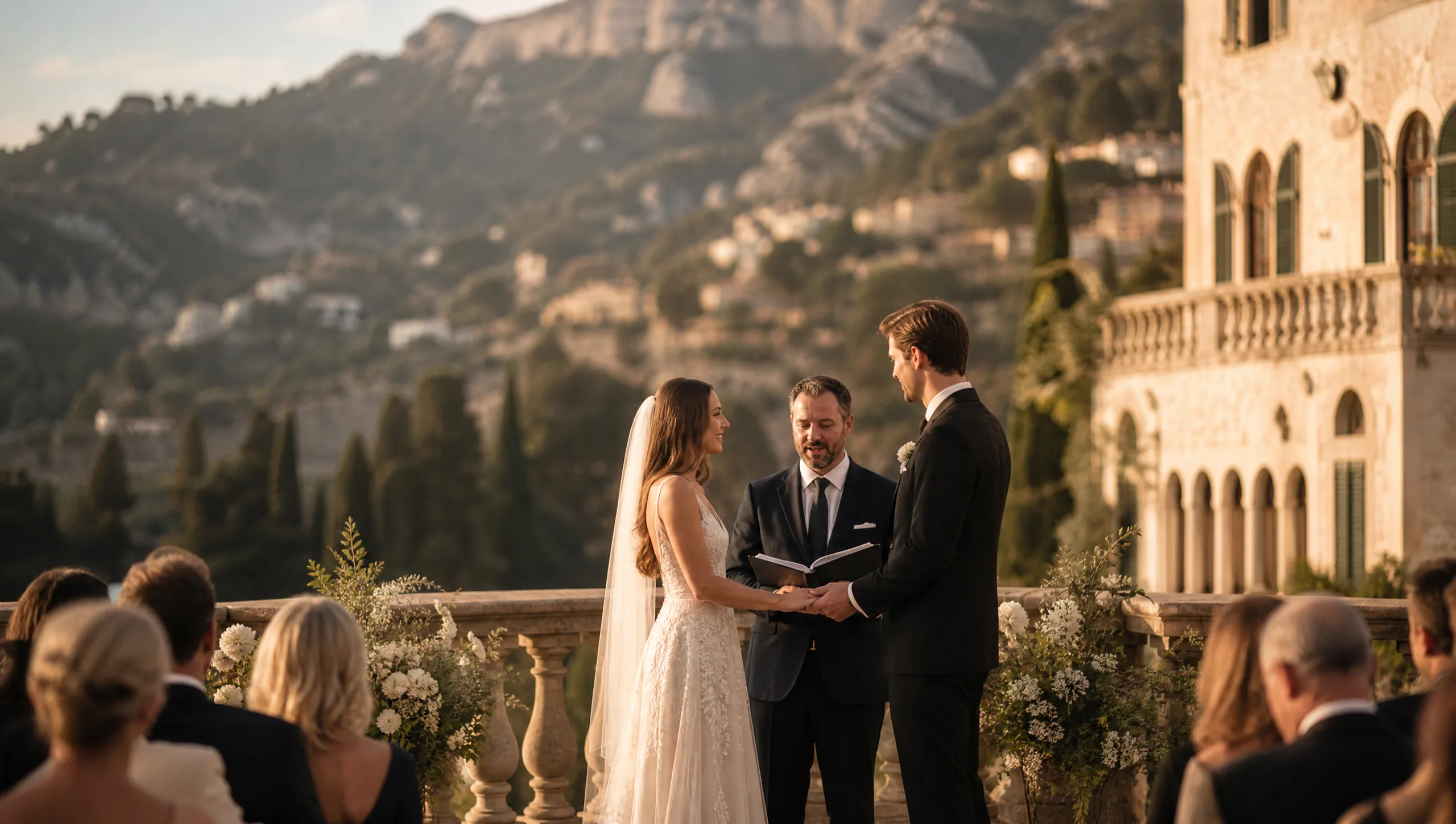
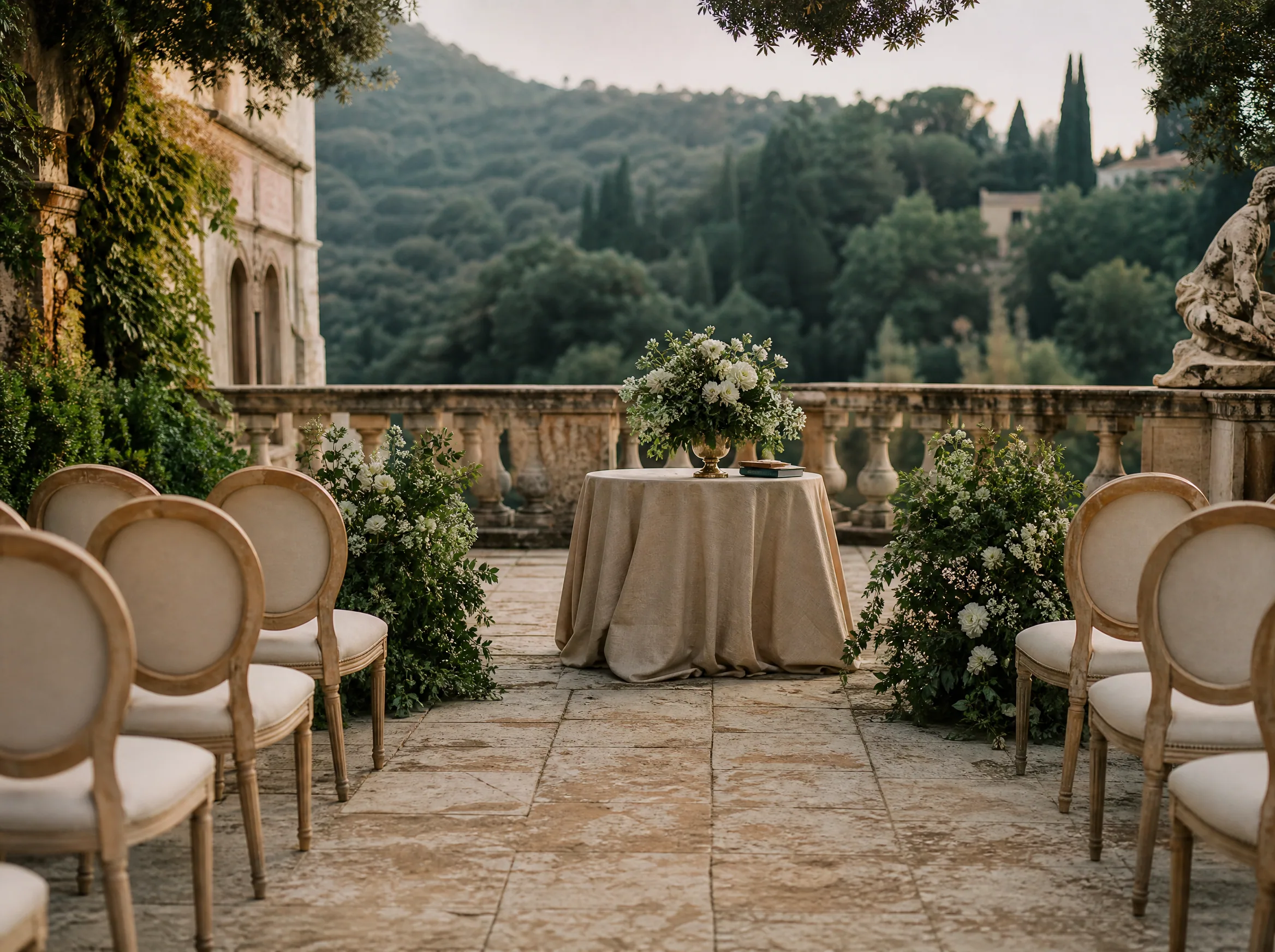
For many international couples, choosing an officiant for a destination wedding in Spain is the moment the weekend stops feeling abstract. The venue is reserved. Guests are booking flights. Then one question arrives with surprising weight: who will actually stand with you, speak the words, and hold the ceremony together when everyone is far from home?
This guide is for couples planning a Spain destination wedding who need a clear way to choose an officiant — legal or symbolic, local or traveling with you — without turning the decision into another source of stress. The right celebrant does more than “do the ceremony.” They set the emotional tempo of the day, protect timing, and help guests from different cultures feel they are witnessing the same story.
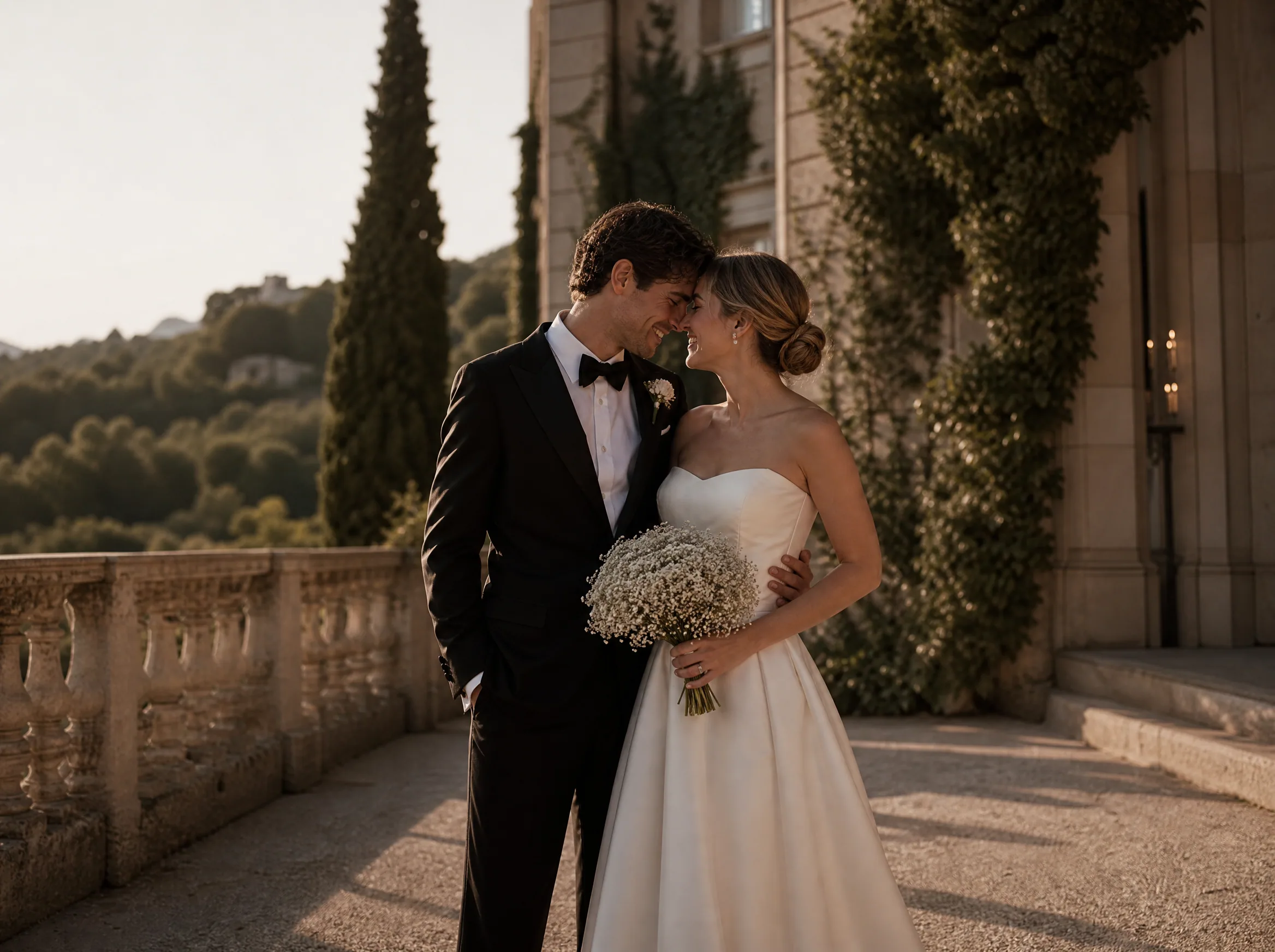
Legal Marriage vs Symbolic Ceremony First
Before you shortlist names, decide what the ceremony must achieve. A legal marriage in Spain follows civil requirements, paperwork windows, and often a town-hall or authorized setting. A symbolic ceremony can happen almost anywhere your venue allows: a garden terrace, a cliff path, a courtyard at golden hour.
Many international couples do both — legal paperwork at home or in Spain, then a personal ceremony on the wedding weekend. That is not a compromise. It is often the cleanest structure. If you need the Spain ceremony to be legally binding, confirm eligibility and document timelines early. If you need it to feel cinematic and intimate, protect creative freedom by keeping the legal piece separate.
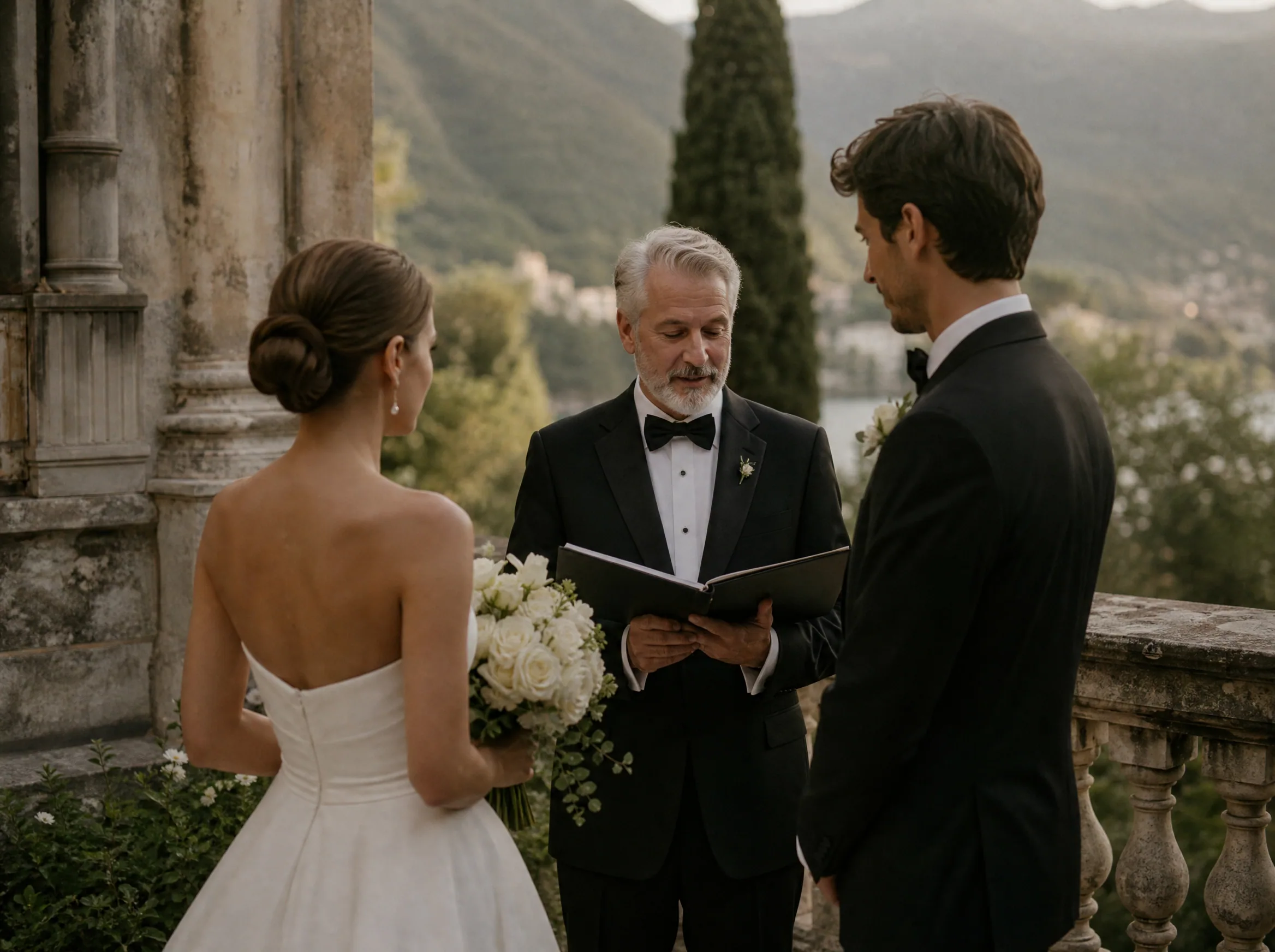
What Kind of Officiant Fits Your Weekend
Officiants for destination weddings in Spain usually fall into a few practical types: civil officials for legal ceremonies, professional celebrants for personalized symbolic vows, religious clergy when faith is central, and occasionally a trusted friend who can speak with warmth if the venue and format allow it.
Match the role to the weekend, not to Pinterest language. A multi-day celebration with guests arriving jet-lagged often benefits from a professional celebrant who can run a tight, bilingual, emotionally clear ceremony. An intimate elopement may need someone quieter and more flexible. A faith-led ceremony needs an officiant who understands both your tradition and the venue’s constraints.
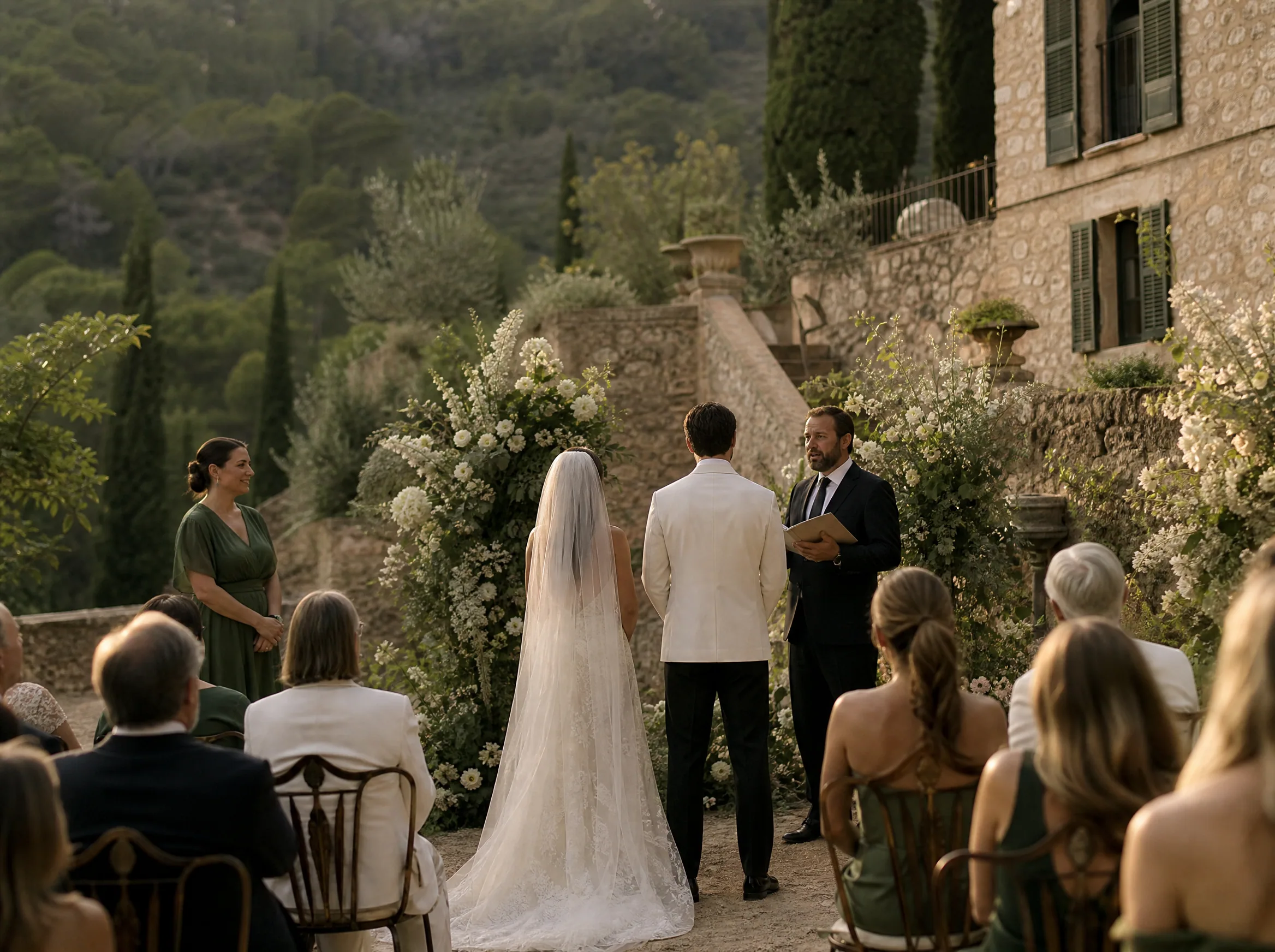
English-Speaking and Multilingual Celebrants
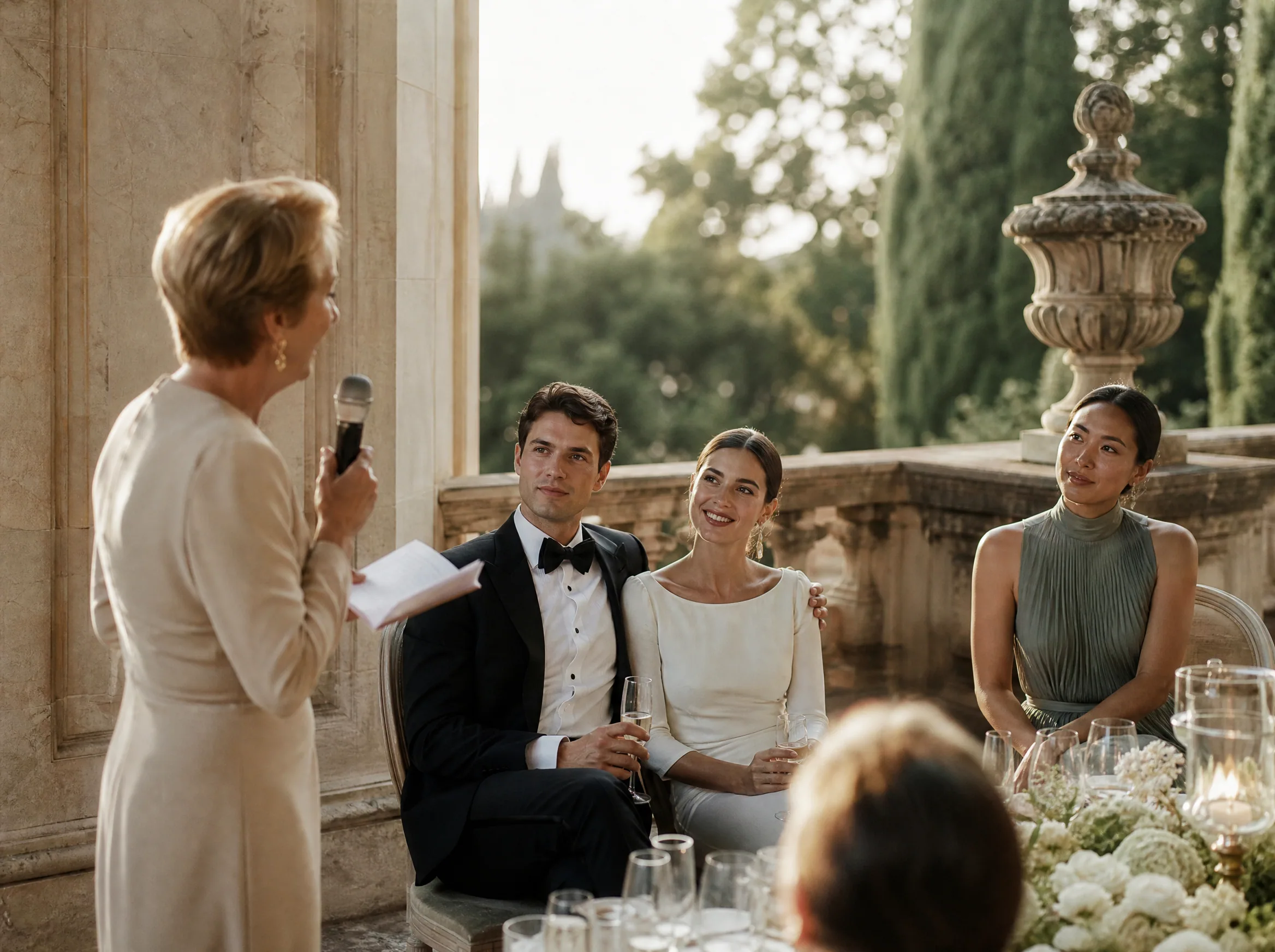
Language is not a detail when half your guests are hearing vows in a second language. Ask every candidate how they handle multilingual ceremonies: full bilingual delivery, key sections in two languages, or printed translations for guests. Clarity matters more than theatrical fluency.
Listen to a sample script or recording if they offer one. You are not auditioning for drama. You are checking whether their voice feels calm, specific, and respectful of both families. For international couples, the best officiants sound like hosts, not performers — guiding attention without rushing intimacy.
How to Brief an Officiant Remotely
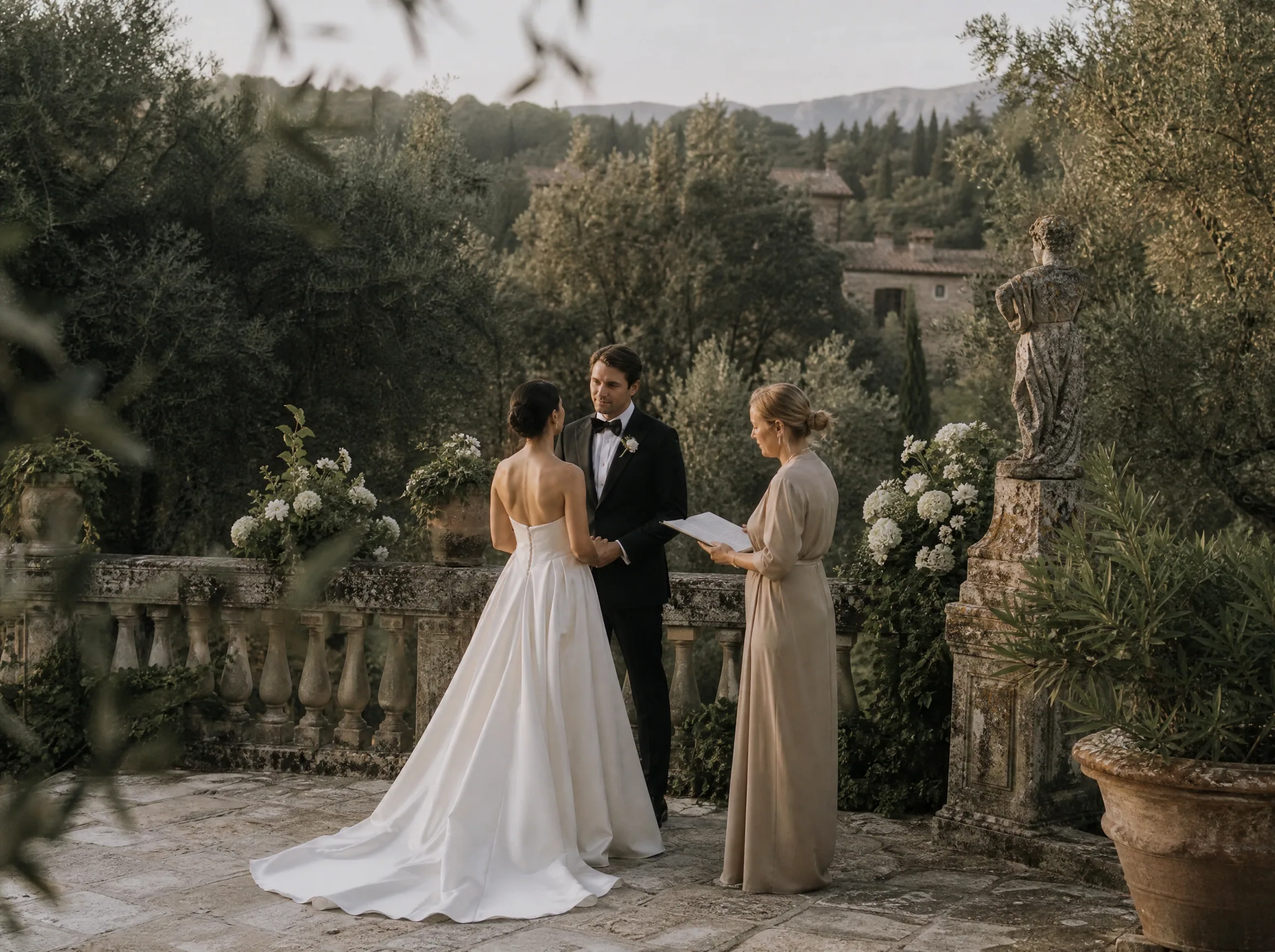
Most destination couples hire before they arrive in Spain. That means your brief has to do the work of several in-person meetings. Share a short written story: how you met, what this place means, what you do and do not want said aloud, and which relatives or rituals must be named.
Also share logistics early: ceremony start time, estimated guest count, outdoor vs indoor backup, microphone needs, and whether children or elders need a shorter format. A strong officiant will reply with structure — opening, readings, vows, rings, pronouncement — and ask precise follow-up questions. Vague enthusiasm is not a plan.
Ceremony Length, Rituals, and Guest Attention
Destination wedding guests are often standing in sun, wind, or evening chill after travel days. A twenty-to-thirty-minute ceremony is usually kinder than a forty-five-minute one, unless seating, shade, and pacing are excellent. Choose two or three rituals that matter and release the rest.
Unity rituals, family blessings, cultural readings, and personal vows can all work in Spain — when they are sequenced with intention. Ask your officiant how they will signal transitions so photography and film remain unobtrusive. The ceremony should feel continuous to guests and readable to your creative team.
Venue Rules, Timing, and Sound Constraints
Beautiful Spanish venues often come with quiet constraints: noise curfews, neighbor agreements, chapel acoustics, wind on clifftops, and limited power for speakers. Confirm whether your officiant brings a microphone, needs venue sound, or prefers unamplified delivery for small groups.
Build the ceremony into the real timeline, not an aspirational one. If cocktail hour begins at a fixed kitchen window, the officiant must know the hard stop. If sunset is the visual priority, reverse-engineer vow timing from light, not from an arbitrary clock. Your officiant and planner should agree on the same minute marks.
Coordinating Officiant, Planner, and Creative Team
The calmest ceremonies happen when the officiant is not improvising alone. Introduce them to your planner, photographer, and videographer before wedding week. Share where people stand, whether vows are memorized or read, and whether you want an unplugged request spoken aloud.
Creative teams need to know if there will be surprise readings, aisle changes, or cultural moments that shift pacing. A two-minute coordination note prevents the awkward mid-ceremony scramble that every destination couple hopes to avoid. Treat the officiant as part of the day-of communication chain, not a guest who arrived with a script.
Rehearsal Expectations for Destination Couples
Not every Spain wedding weekend includes a full rehearsal, and not every officiant needs one. Decide intentionally. If your wedding party is large, the aisle is complex, or multiple languages are involved, a short rehearsal the day before saves emotional energy on the day.
If your celebration is intimate, a fifteen-minute walkthrough on wedding morning may be enough: entrance order, microphone handoff, vow cards, and exit path. Ask what your officiant prefers and what the venue allows. Destination weeks are full; protect rest while still removing avoidable uncertainty.
A Calm Decision Framework Before You Book
Choose the officiant who makes the ceremony feel simpler, not grander. Confirm legal versus symbolic status, language plan, fee and travel costs, rehearsal policy, microphone needs, and how revisions to the script will work in the final week. Get the essentials in writing.
Then trust the choice. The goal is not a perfect speech. The goal is a clear, human ceremony that lets you look at each other while Spain holds the edges of the frame — light, landscape, and the people who traveled to witness it.