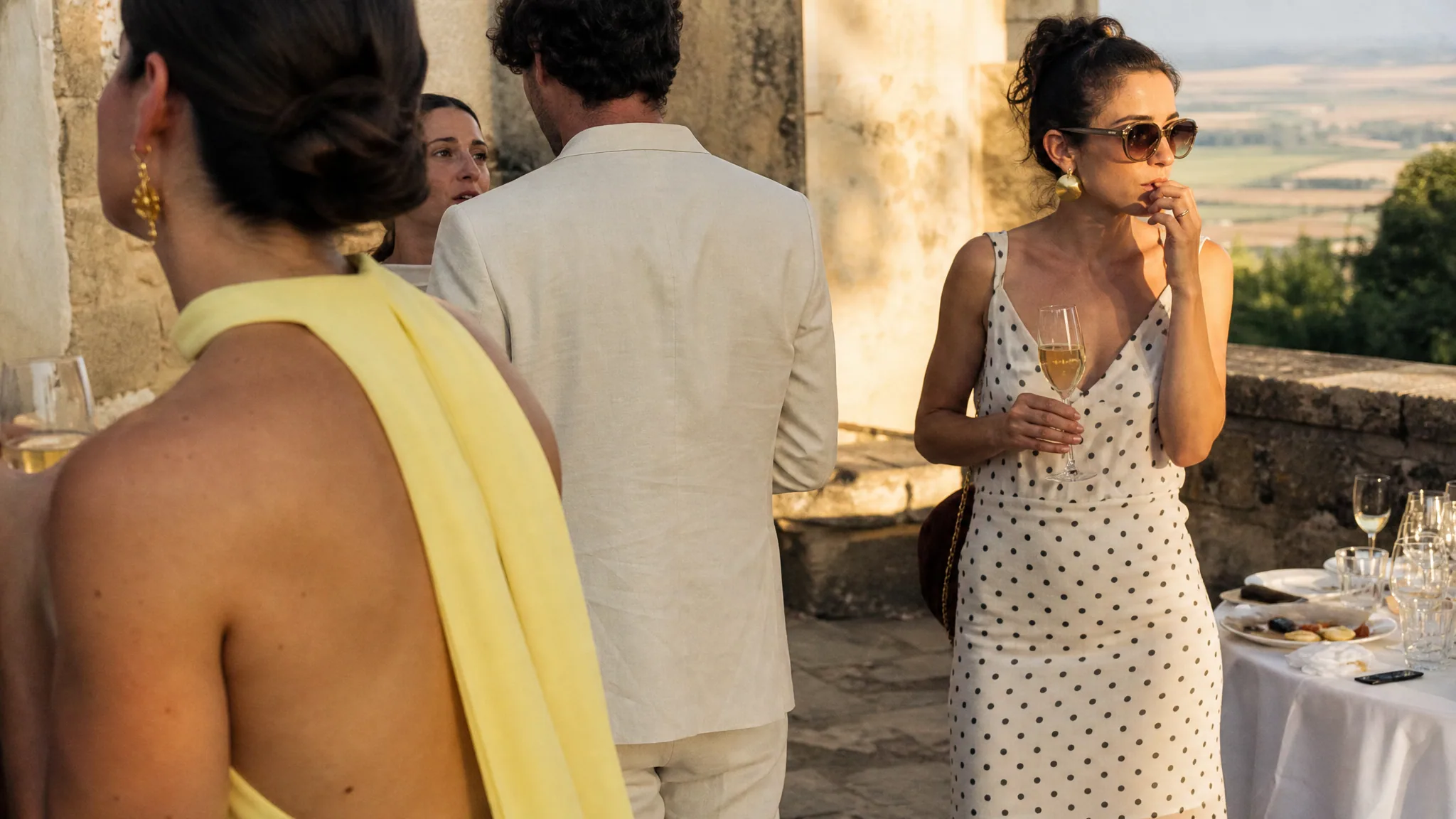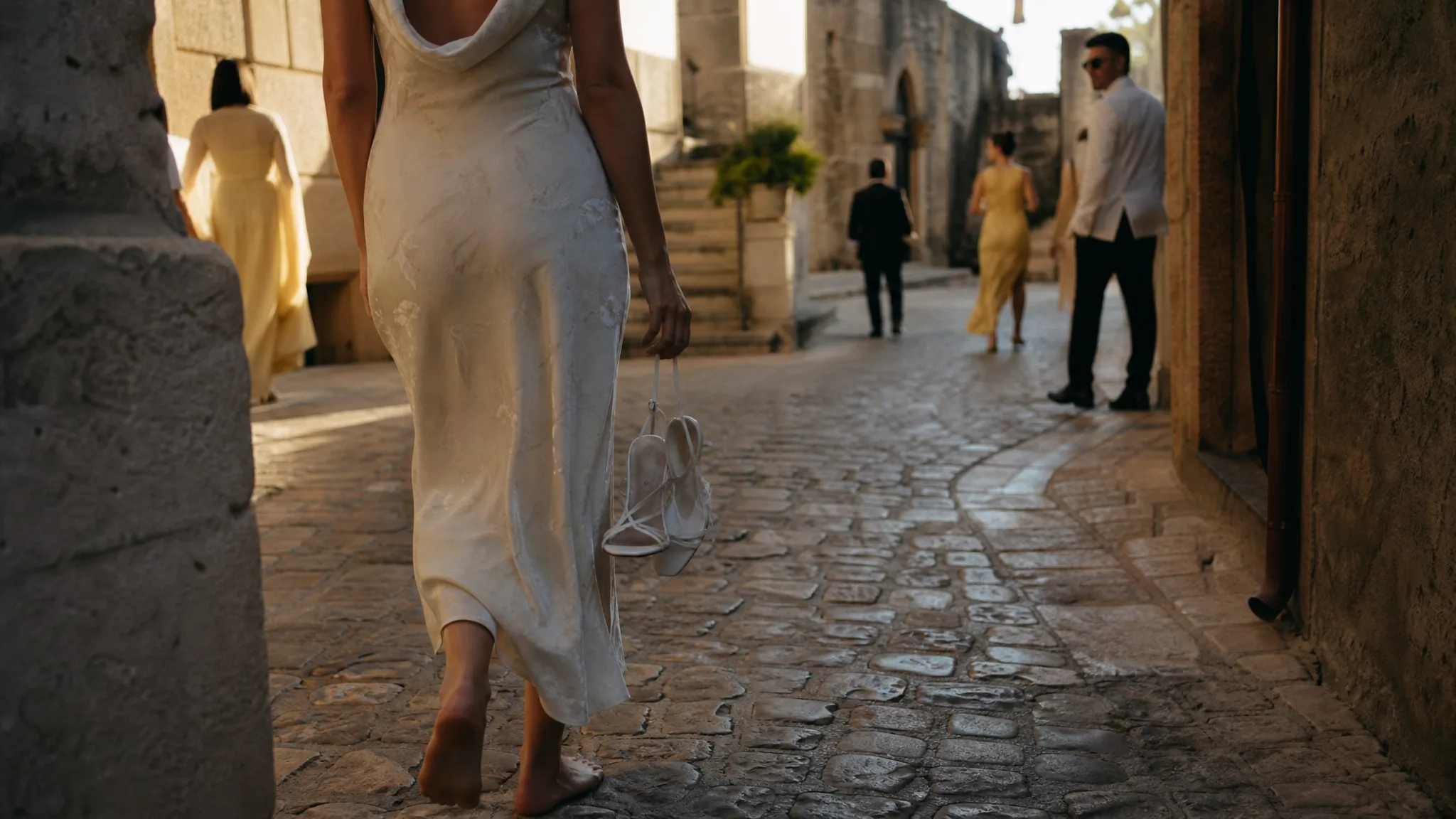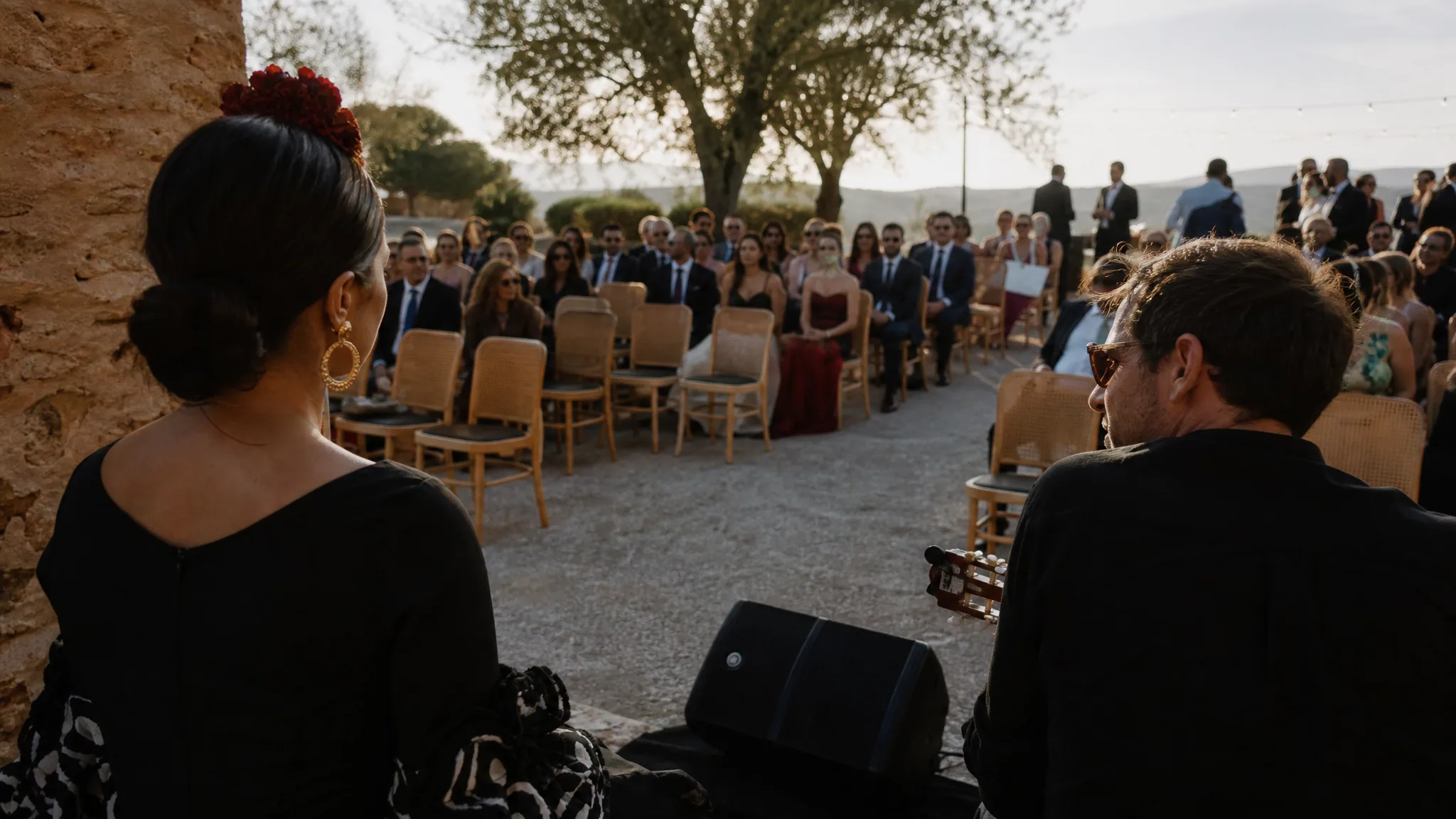

International couples often fall in love with a Spanish venue through photographs, then freeze at the next step: how do you evaluate light, flow, and guest experience when you cannot fly to Spain every month? Virtual venue tours and structured remote site visits make that possible — if you treat them as a planning method, not a casual video call.
This guide is for couples planning a destination wedding in Spain from abroad who need reliable ways to assess venues, brief vendors, and protect the look of the day before anyone lands.
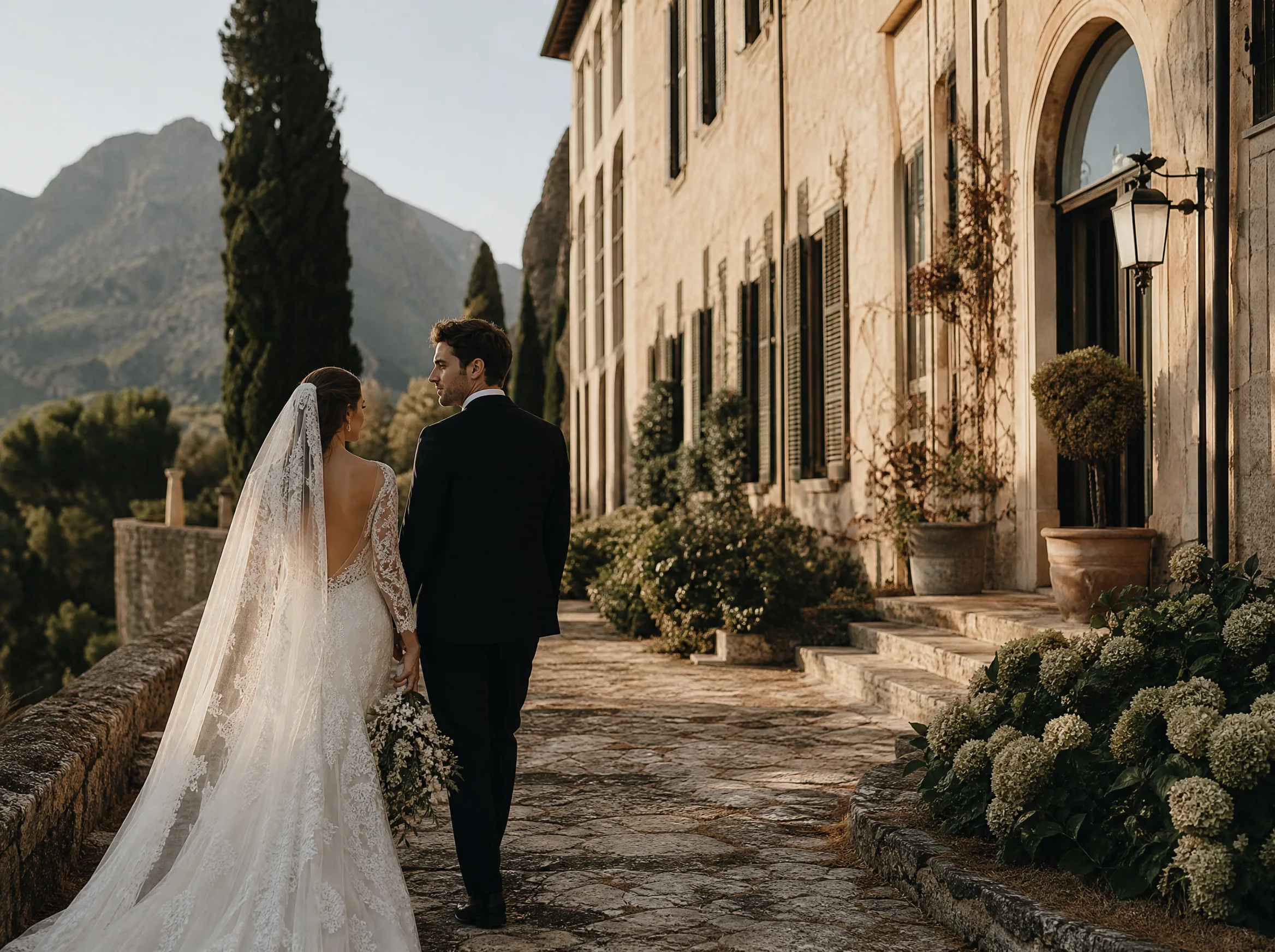
Why Remote Venue Evaluation Matters for Spain Weddings
Spanish venues vary wildly: coastal terraces with wind, inland masias with uneven stone paths, city rooftops with strict load-in windows, and island estates where golden hour arrives earlier than guests expect. A polished booking page rarely shows how a ceremony aisle feels at 3 p.m. in July, where cables can hide, or how long it takes grandparents to walk from parking to seats.
Remote evaluation is not about replacing presence entirely. It is about making fewer expensive assumptions before deposits become hard to reverse.

What a Useful Virtual Venue Tour Should Include
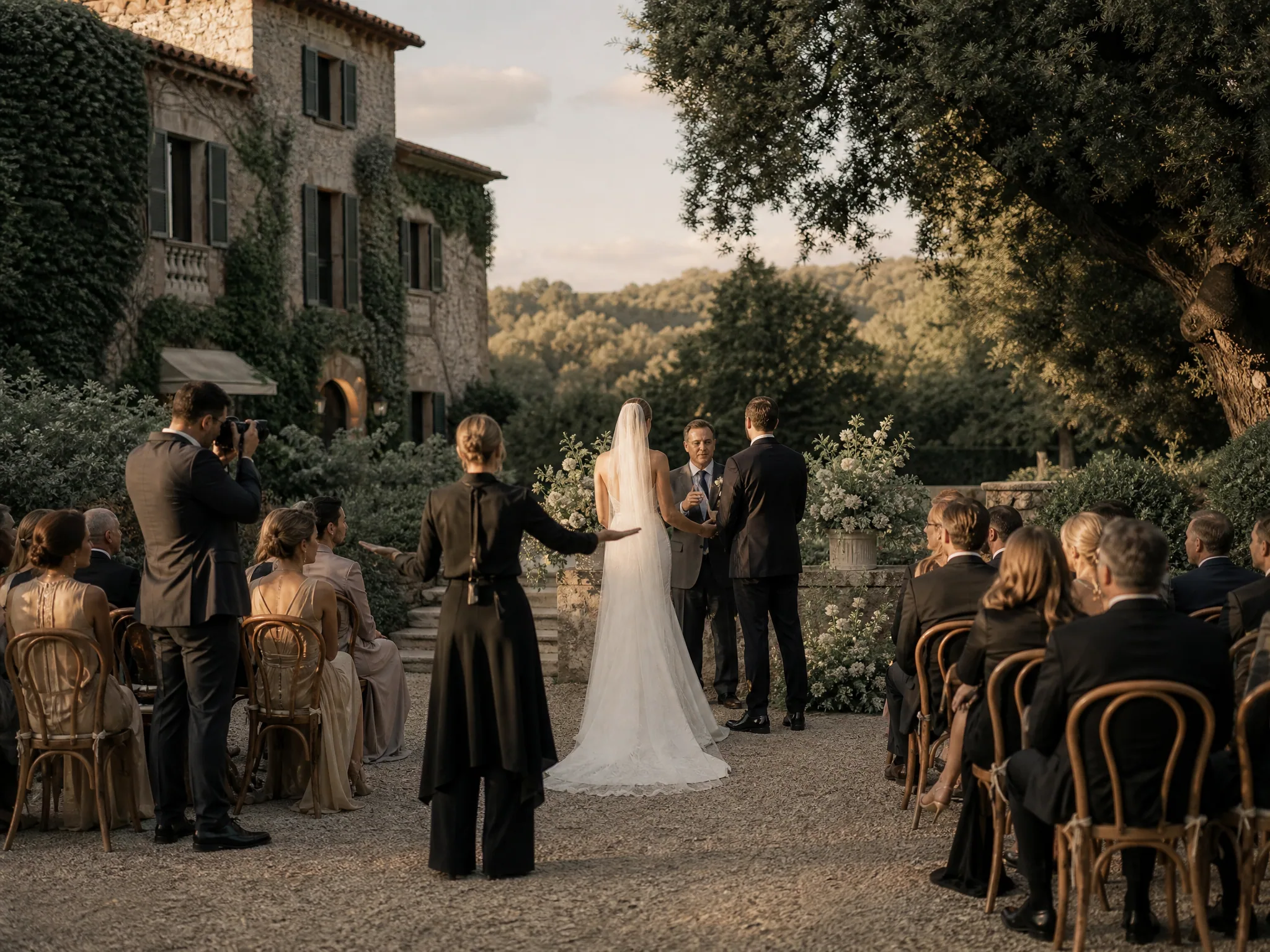
Ask for a live walkthrough with phone or gimbal video, not only a static virtual tour file. Request the host move at guest pace through arrival, welcome area, ceremony position, cocktail overflow, dining room, dance floor, restrooms, and exit routes. Have them pause at the exact spots where vows, speeches, and first dance are likely to happen.
Also ask for short clips facing the sun at the proposed ceremony time and facing away from it. For couples who care about film and photography, those two angles matter more than another drone still.

How to Brief the Person Walking the Property
Send a one-page brief before the call: guest count range, ceremony style, whether you want outdoor vows, accessibility needs, and any non-negotiables such as shade, privacy, or late music. Include three reference images of the mood you want and three images of setups you want to avoid.
If a planner, venue coordinator, or local photographer is walking the site for you, ask them to narrate constraints out loud: noise curfews, generator locations, kitchen proximity, and where vendors typically stage. Silence during a walkthrough usually means you will rediscover problems later.
Questions That Reveal Real Venue Fit
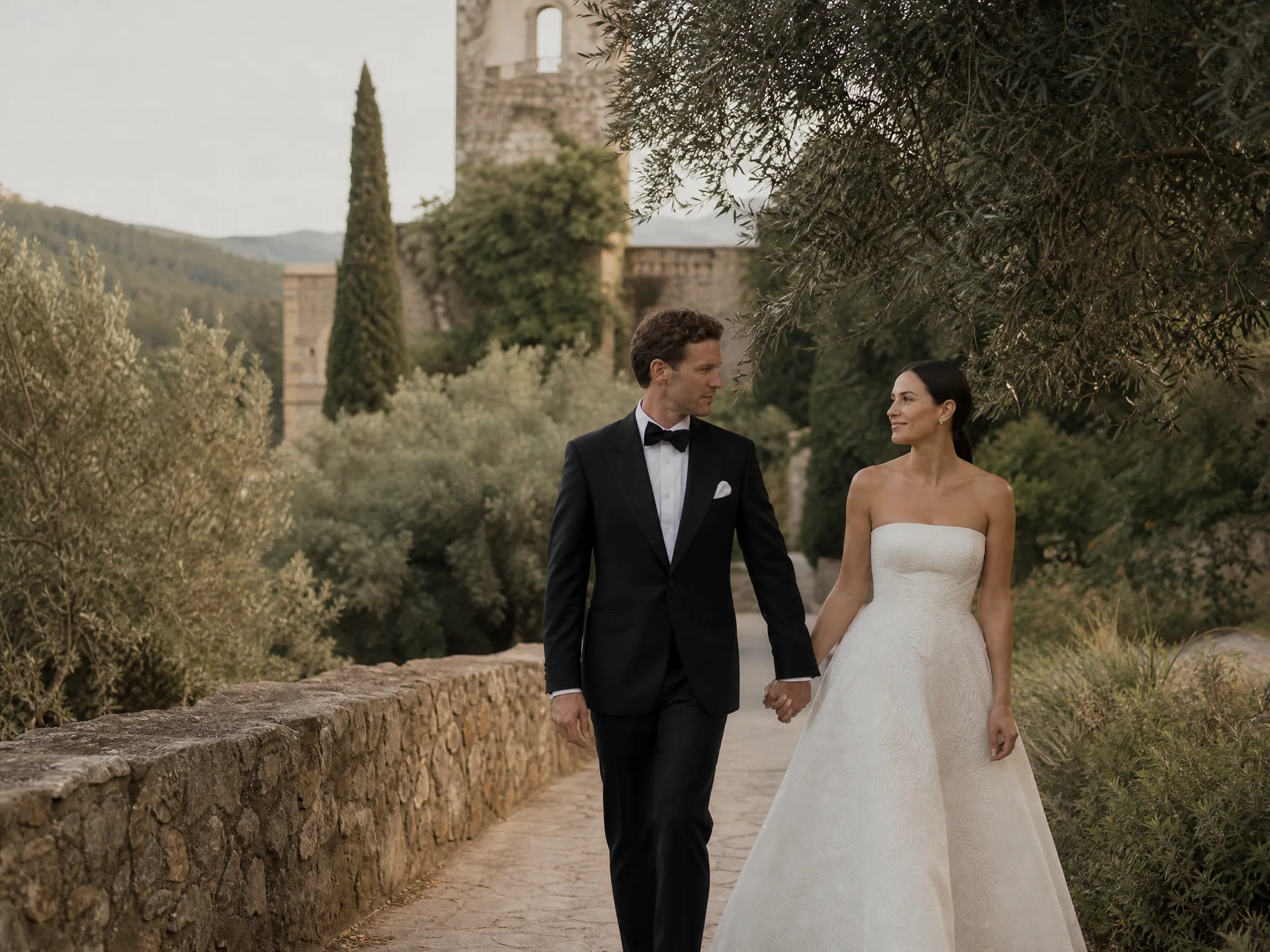
Go beyond capacity numbers. Ask where guests wait if someone is late, what happens if wind rises during vows, whether neighboring properties can see the dinner terrace, and how rain moves the room without collapsing the timeline. Confirm whether the venue has exclusive use, shared grounds, or overlapping events on the same weekend.
For multi-day celebrations, ask what spaces remain available the night before and the morning after. A beautiful ceremony lawn means less if getting-ready rooms are cramped or if brunch has nowhere private to land.
Using Photos, Floor Plans, and Light Notes Together
Combine the live walkthrough with a simple floor plan marked in your own words: ceremony, cocktail, dinner, dance, quiet corner for older guests. Then request a light note for your month: approximate sunset time, harsh midday zones, and any artificial lighting the venue already owns.
Share that packet with your photographer and videographer early. Remote decisions improve when the people capturing the day can flag dead corners, backlight risks, and better ceremony orientations before the layout hardens.
When You Still Need One In-Person Visit
Virtual tools are strong for shortlisting and narrowing. They are weaker for sensing atmosphere, neighborhood sound, and the emotional fit of a place. If your budget allows, plan one concentrated Spain trip after you have two finalist venues, not five vague options.
Use that trip to test travel time from the airport hotel, walk the guest path at dusk, and meet the coordinator who will actually be on site. One focused visit beats three rushed ones.
Coordinating Vendors Remotely After the Venue Is Booked
Once the venue is confirmed, keep the remote habit. Schedule short video check-ins for floral placement, table layouts, and ceremony seating. Ask vendors to upload phone videos of setup tests when possible, especially for outdoor ceremonies where wind and sun change everything.
Create a shared folder with the final walkthrough video, annotated screenshots, and decisions dated clearly. Destination weddings fail less from lack of taste than from version confusion across time zones.
Red Flags During Remote Site Visits
Be cautious if a venue refuses a live walkthrough, only sends heavily edited marketing clips, cannot explain rain plans in concrete rooms, or answers every logistics question with “it will be fine.” Equally concerning: no one can tell you where vendors park, how long load-in takes, or whether generators are required.
Another quiet red flag is inconsistency between sales staff and operations staff. If the person selling the date and the person running the property describe different ceremony locations, pause before you pay the next installment.
A Practical Remote-Visit Checklist for International Couples
Before you book, collect: live walkthrough video, photos at your likely ceremony hour, floor plan with capacities, rain and wind plans, exclusive-use confirmation, music curfew, accessibility notes, getting-ready spaces, vendor load-in rules, and sunset timing for your date. Then have your planner or day-of coordinator and your photo/video team review the same package.
Spain rewards couples who plan with clear eyes. Virtual venue tours will not replace the feeling of standing on the terrace — but they can protect you from choosing a backdrop that cannot support the wedding you actually want to live, and later, to remember.