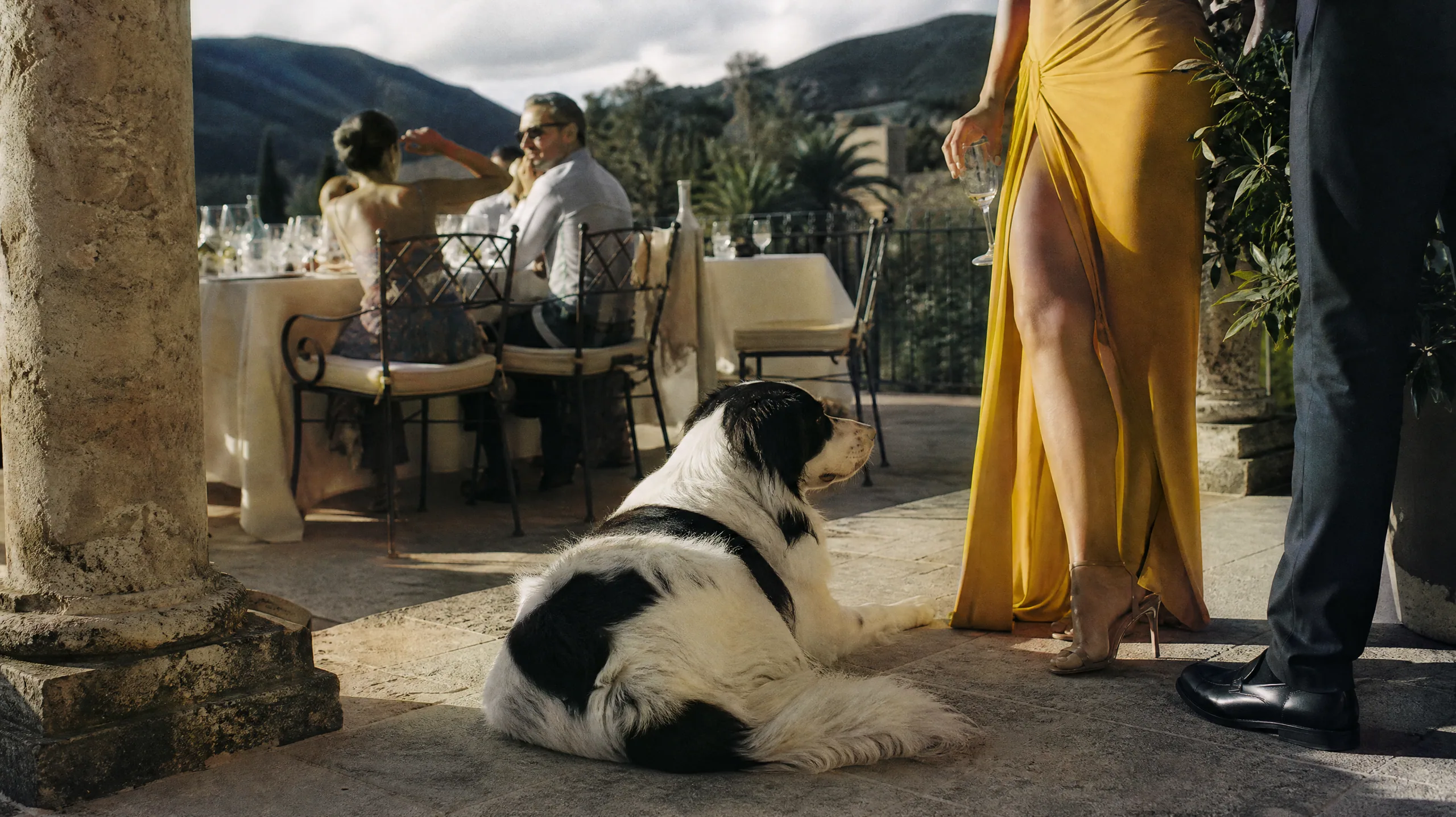
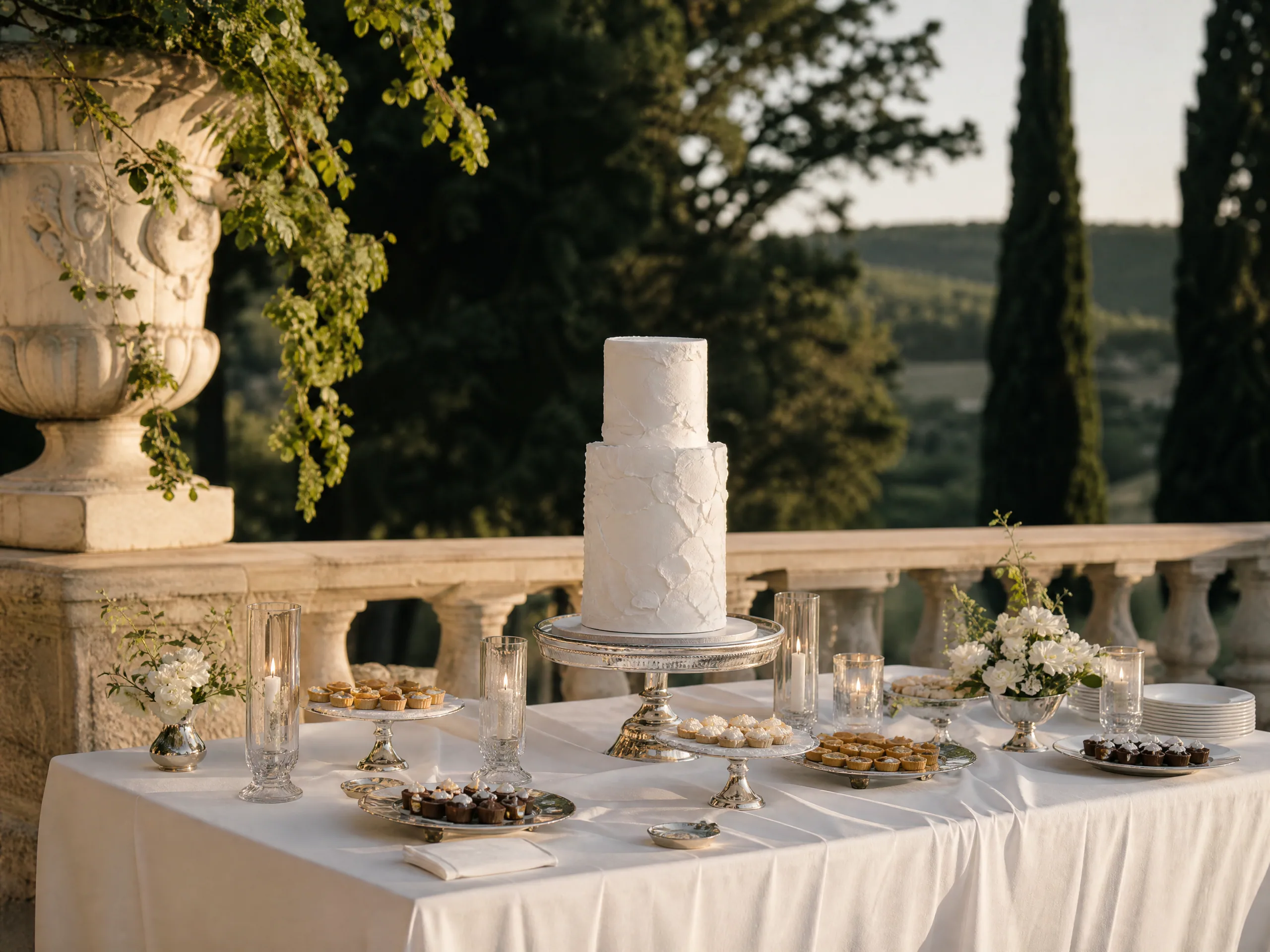
For many international couples, the wedding cake is a design moment first and a logistics problem second. At a destination wedding in Spain, that order often needs to reverse. Heat, rural venue kitchens, language with local bakers, guest dietary needs, and Spanish dessert-table customs all affect whether the sweet course looks as good as it tastes—and whether it arrives on time.
This guide walks through cake and dessert logistics for destination weddings in Spain: how to brief bakers from abroad, when to schedule delivery and setup, how to protect cakes outdoors in summer, how cutting and dessert service fit the timeline, and what to confirm so guests with allergies or preferences are never guessing at a late-night sweet table.
Decide Whether You Want a Statement Cake, a Dessert Table, or Both
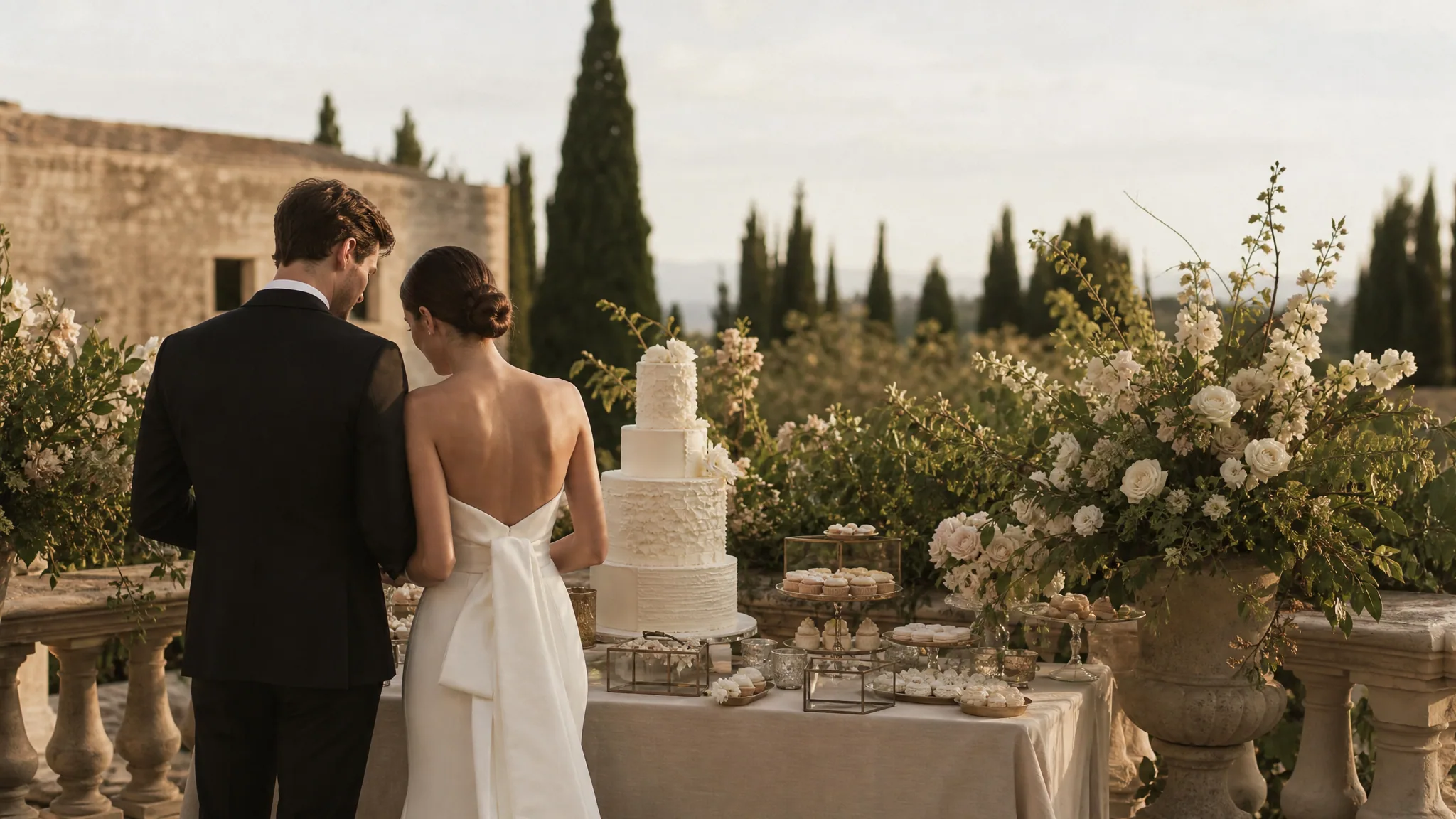
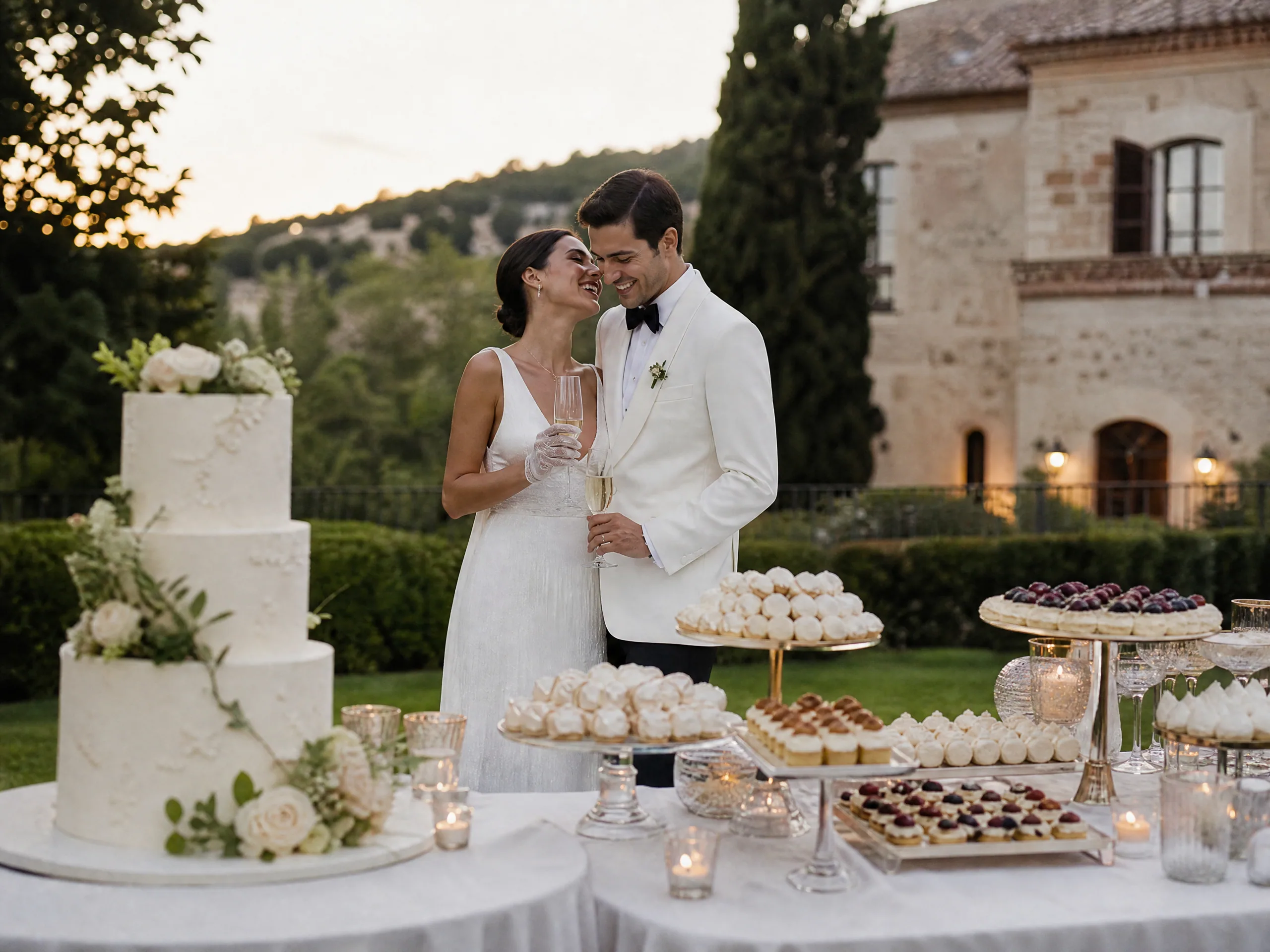
Spanish destination weddings often blend a classic cutting cake with a broader mesa de dulces—small pastries, fruit, chocolate, and regional sweets. Decide early what you actually want guests to experience. A tall statement cake photographs beautifully but may serve fewer people than you expect; a dessert table feeds a crowd and feels generous late at night; a hybrid (small cutting cake plus pastry station) is common for international weekends.
Choose based on guest count, timing of dinner service, and whether your celebration leans formal plated or long outdoor party. Share that decision with your planner and caterer before you brief any baker, so design and portioning match the service plan.
Brief Spanish Bakers With Specs, Not Only Mood Boards
Mood boards help, but Spanish bakers need concrete logistics: guest count and servings, tier sizes, flavors, fillings, frosting type (buttercream vs fondant vs ganache), height limits for transport, and whether the cake must survive outdoor heat. If you are planning from abroad, ask for a written quote that includes delivery fee, setup on site, cake stand rental, and whether a tasting is remote (samples shipped or local proxy) or in person on a planning trip.
Confirm lead times. Popular bakers in Barcelona, Mallorca, Madrid, and coastal wedding regions book months ahead for peak season Saturdays. Lock flavors and final guest count early enough that last-minute hotel RSVPs do not force a panic redesign.
Plan Delivery Windows Around Kitchen Access and Vendor Meals
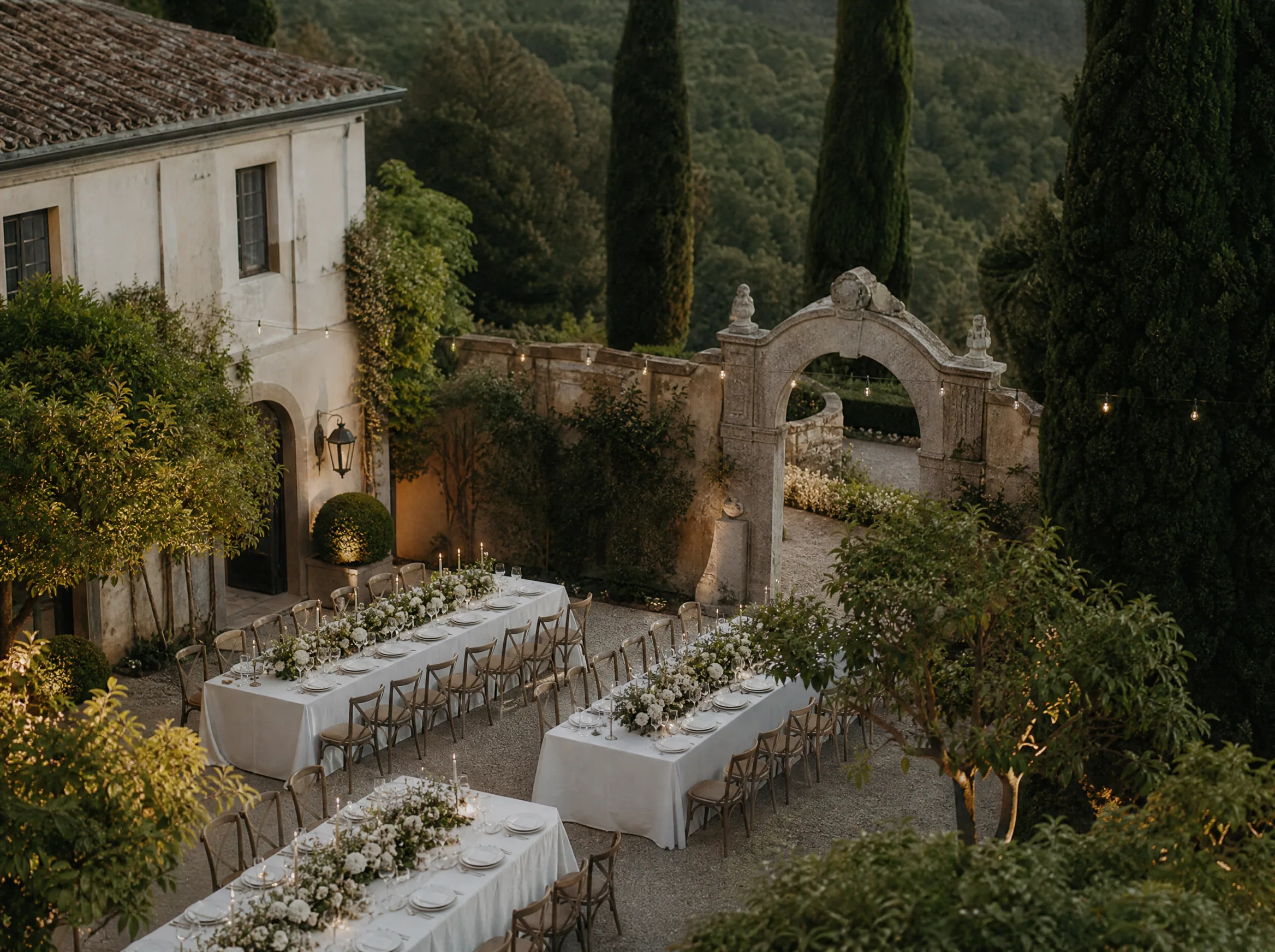
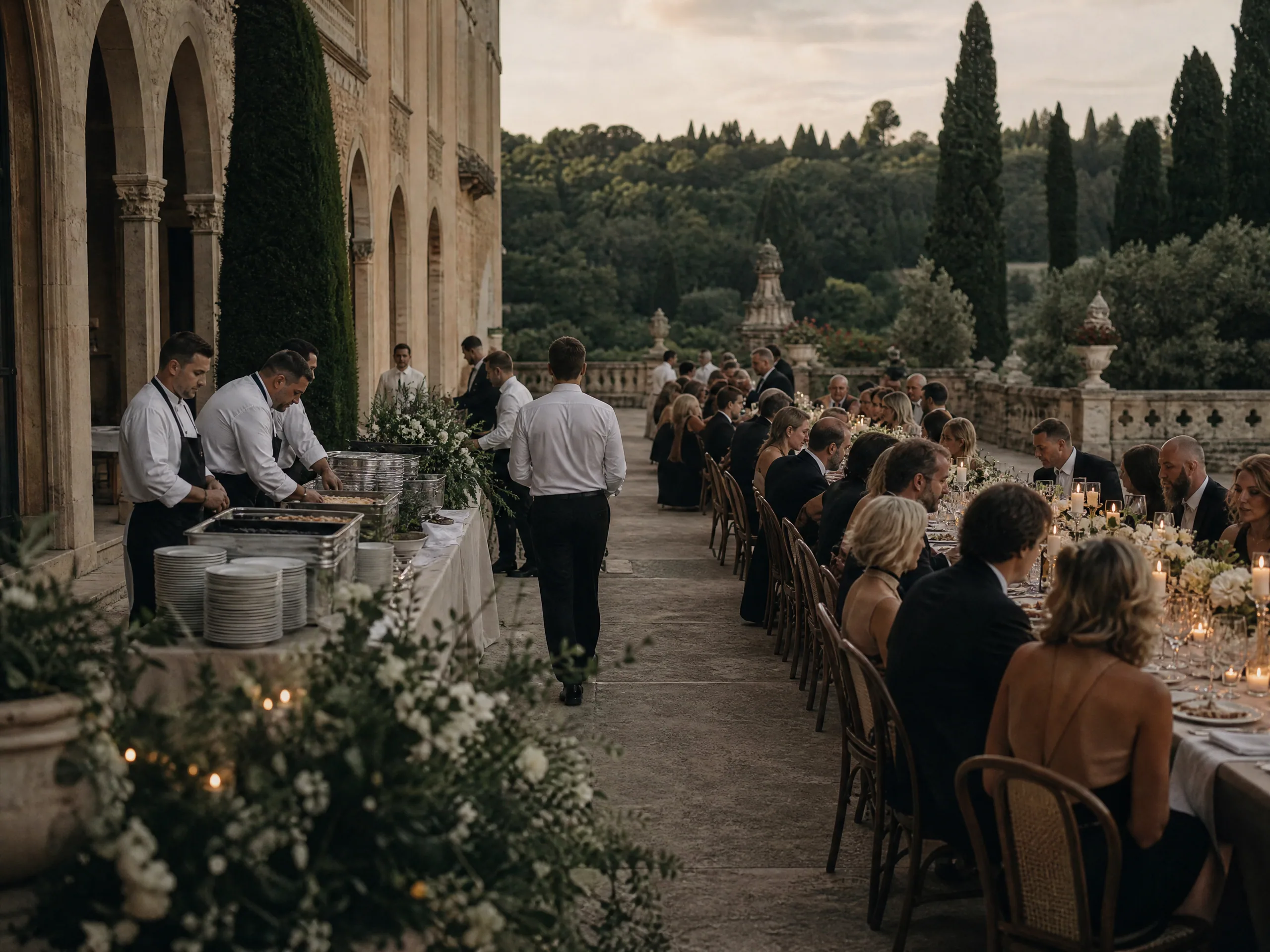
Rural masías, castles, and vineyard estates do not always have walk-in refrigeration or a pastry-friendly loading path. Ask the venue: Where can the cake sit before service? Is there a cool room, shaded pantry, or only a warm catering kitchen? Who accepts delivery if you are still getting ready? What time can vehicles access the property?
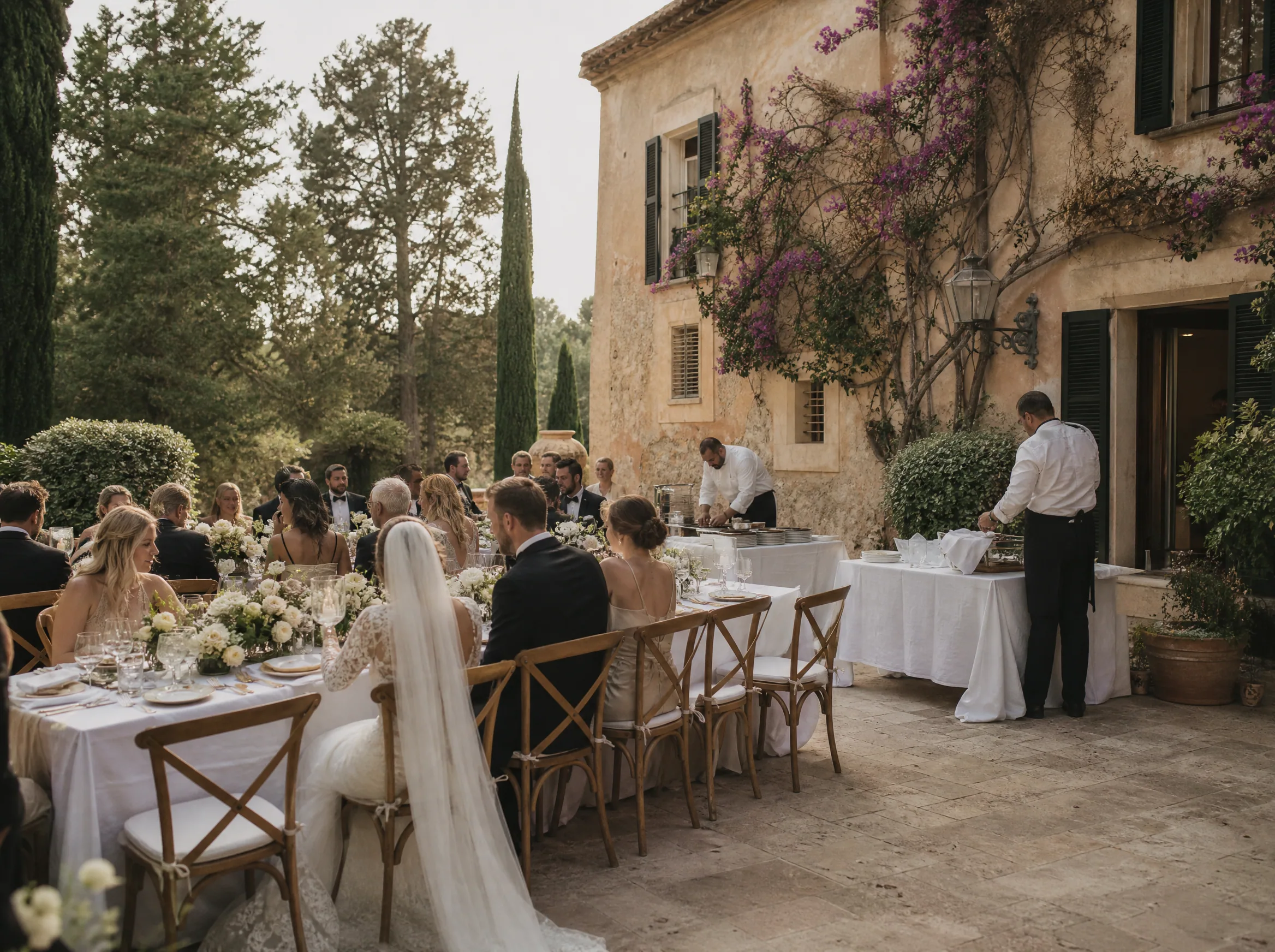
Build a delivery window that avoids ceremony sound checks, cocktail-hour guest flow, and vendor meal chaos. Many teams schedule cake arrival after ceremony setup but before guests return from portraits—or earlier in the day with a named on-site contact who knows exactly where it goes.
Protect Cakes From Spanish Heat, Sun, and Wind
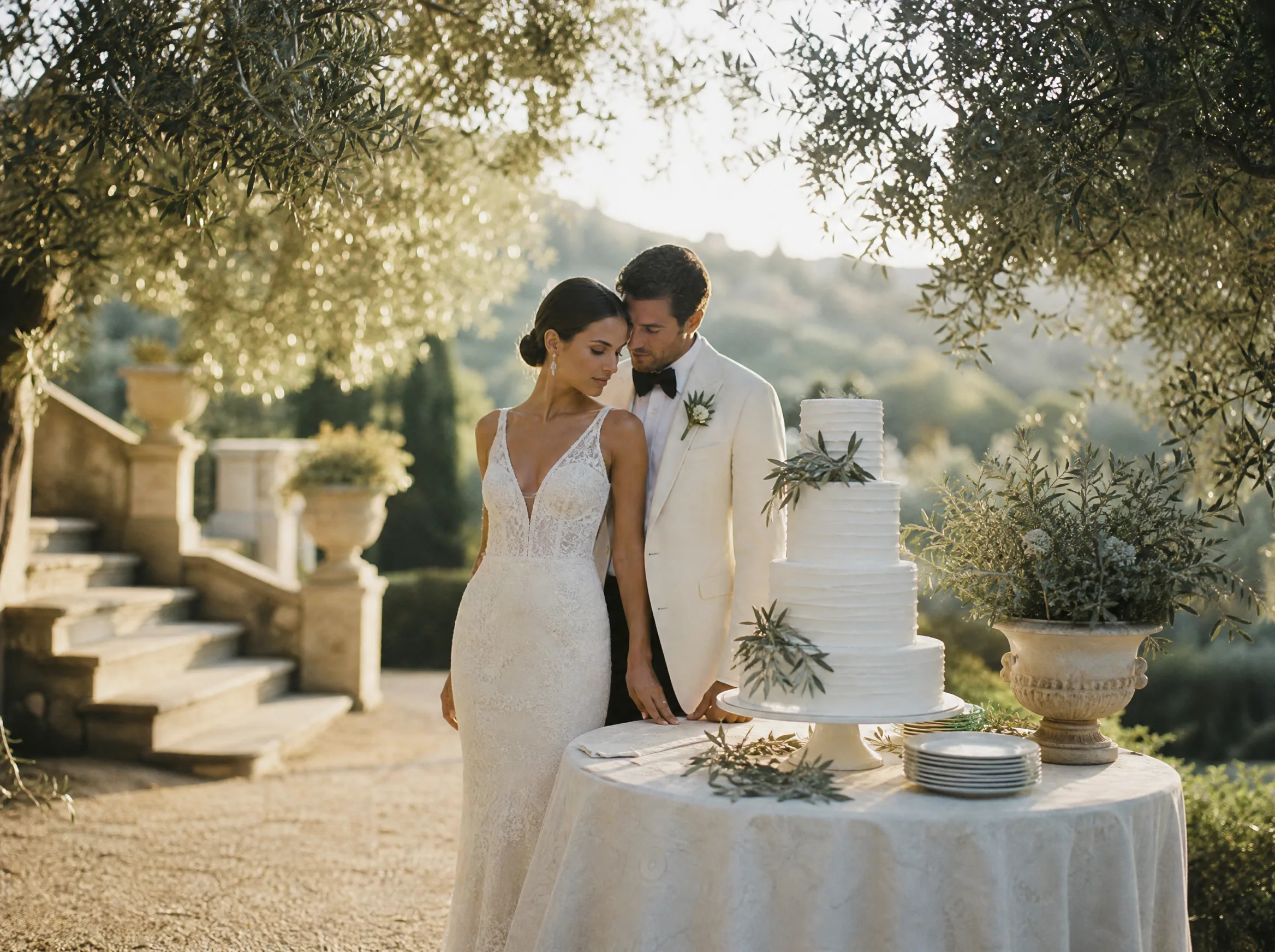
Summer destination weddings in Spain are hard on buttercream, fresh flowers, chocolate drips, and delicate sugar work. If your reception is outdoors, plan shade, delay bringing the cake into full sun until close to cutting, and ask the baker which designs hold up in 30°C+ conditions. Fondant and certain ganache finishes often travel better than soft whipped creams.
Wind on terraces and cliffside venues can tip tall tiers or scatter dessert-table décor. Use stable stands, lower centerpieces near the cake, and a backup plan if the display must move indoors. Photographers and videographers should know the cake reveal timing so you are not opening doors into harsh afternoon light or a gusty corridor.
Time the Cake Cutting So It Serves the Story—and the Kitchen
Cake cutting is both a film moment and a service cue. In Spain, dessert may follow a long dinner, or sweets may appear later when dancing is already underway. Align cutting with your photographer and videographer so the moment is lit and unhurried, then confirm with catering whether slices are plated immediately, held for a dessert course, or whether the cutting cake is symbolic while the dessert table feeds guests.
Avoid scheduling cutting during a crowded transition—right as guests move from dinner to dancing without a clear stage area, or while speeches are still stacking. A short, announced window keeps international guests oriented and gives the kitchen a clean handoff.
Design the Dessert Table for Labels, Flow, and Late-Night Energy
If you offer a sweet table, logistics matter as much as styling. Place it where queues will not block dance floor entries or bar lines. Provide clear labels in English and Spanish for flavors and allergens. Stock serving utensils, napkins, and a discreet trash or clearing plan so the display stays beautiful after the first rush.
Late-night Spanish wedding energy often means guests want sweets after midnight, not only immediately after dinner. Ask catering whether pastry refresh is possible, and whether items that melt or wilt should be swapped for sturdier options as the evening cools—or heats—depending on season and venue.
Handle Dietary Needs Without Making Dessert Feel Like a Warning Label
Destination guest lists frequently include gluten-free, nut-free, vegan, and dairy-free needs across several countries. Collect dessert constraints with RSVPs the same way you collect dinner allergies. Ask your baker which alternative cakes can be produced in a dedicated process versus which are “best effort” in a shared kitchen—and communicate that honestly to guests who have medical allergies.
Separate clearly labeled mini desserts often work better than one compromised main cake. Keep nut-heavy Spanish sweets (turrón-style bites, almond pastries) physically distinct from allergen-sensitive trays when possible.
Coordinate Cake, Florals, Rentals, and On-Site Styling
Fresh florals on cakes need florist–baker coordination: which blooms are food-safe adjacent, who places them on site, and when. Cake stands, knives, dessert plates, and mini-forks may come from the baker, the rental company, or the venue—assign ownership in writing so nothing is missing at cutting time.
If your planner is local and you are abroad, ask for a photo confirmation once the cake is set: tiers level, flowers placed, dessert table labeled, and lighting acceptable for film. That single check prevents day-of surprises you cannot fix from another time zone the night before.
A Simple Pre-Wedding Cake and Dessert Logistics Checklist
One to two weeks out, confirm: final headcount and dietary list; delivery time and on-site contact; refrigeration or cool holding plan; cake stand and cutting knife source; cutting time on the master timeline; photographer/videographer cue; dessert table placement and bilingual labels; and whether leftover cake packing is wanted for the next-day brunch.
On the morning of the wedding, your day-of coordinator should know the baker’s phone number, the exact holding location, and the backup indoor surface if heat or wind threatens the display. When cake and dessert are treated as logistics—not only aesthetics—international couples get a sweet course that holds up on camera, in the climate, and for every guest at the table.