International couples often build a wedding-day timeline that feels “normal” in New York, London, or Berlin—ceremony at 4:00, cocktails at 5:00, dinner at 6:30, dancing by 8:00. In Spain, that schedule can collide with local dining culture, vendor rhythms, and guest energy after a hot afternoon. The result is not a small style preference. It is a logistics problem that affects catering service windows, photography light, noise curfews, and whether your guests are hungry at the wrong time—or exhausted at the right one.
This guide helps destination couples plan Spanish dinner timing with intention: how late is typical, what to tell traveling guests, how to bridge cultures without forcing anyone into an uncomfortable night, and how to protect the film, the food, and the dance floor.
Why Spanish Wedding Dinners Run Later Than You Expect
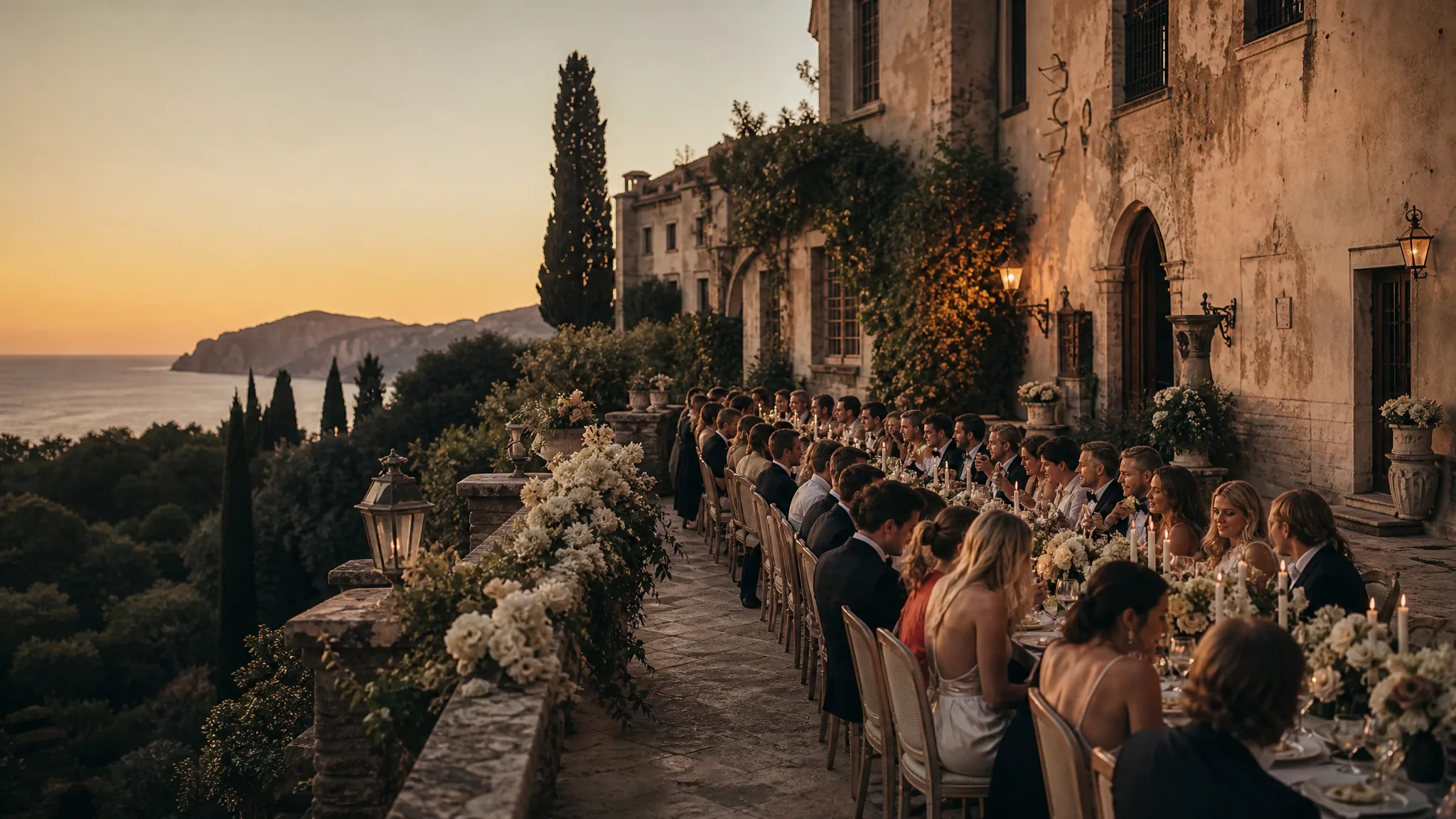
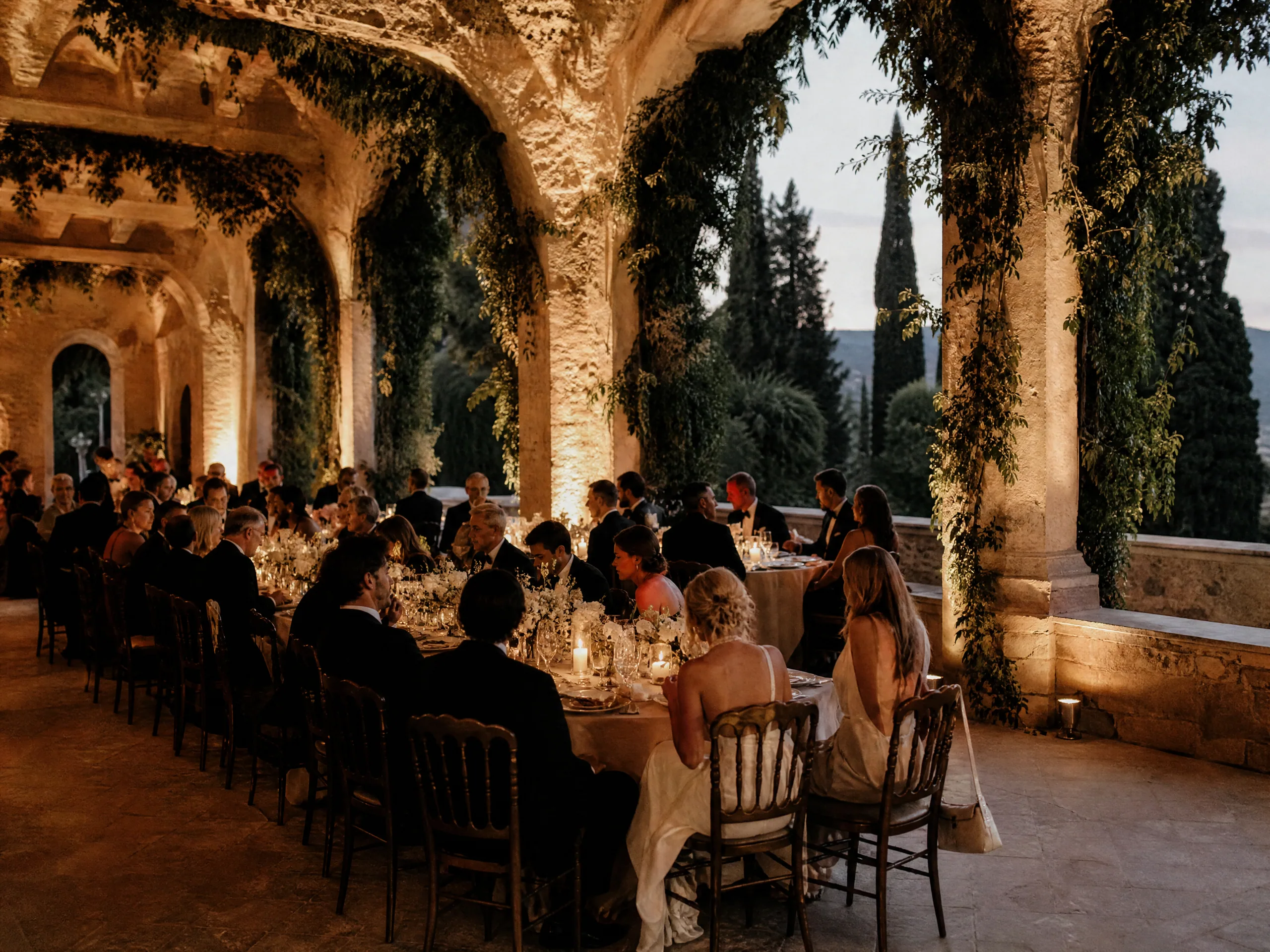
In much of Spain, dinner is a late-evening meal. Restaurants fill after 9:00 p.m., and wedding receptions commonly push plated service later than Anglo-American timelines. At countryside masías, fincas, and coastal estates, the day is also shaped by heat: ceremony light is softer later, cocktail hour stretches outdoors, and the kitchen prefers cooler service windows.
Late dinner is not laziness or poor planning. It is a cultural default. If you fight it blindly, you may pay for rushed service, lukewarm courses, or a dance floor that never quite wakes up. If you design around it, the evening feels intentional—especially for guests who have already spent the day exploring Barcelona, Mallorca, or Andalusia.
Map Your Guest Mix Before You Lock the Menu Time
Not every guest list behaves the same way. A majority-Spanish guest list often expects late dining. A majority-US or Northern European list may start fading if dinner begins at 10:30 p.m. Mixed lists need a hybrid plan.
Ask three practical questions early:
- What percentage of guests are used to dining after 9:00 p.m.?
- How many are traveling with young children or older relatives?
- Will most guests have lunch on-site, or will they freestyle all afternoon?
Your answers determine whether you need a substantial cocktail-hour grazing plan, an earlier first course, or a clearly communicated “Spanish timing” note in the weekend itinerary.
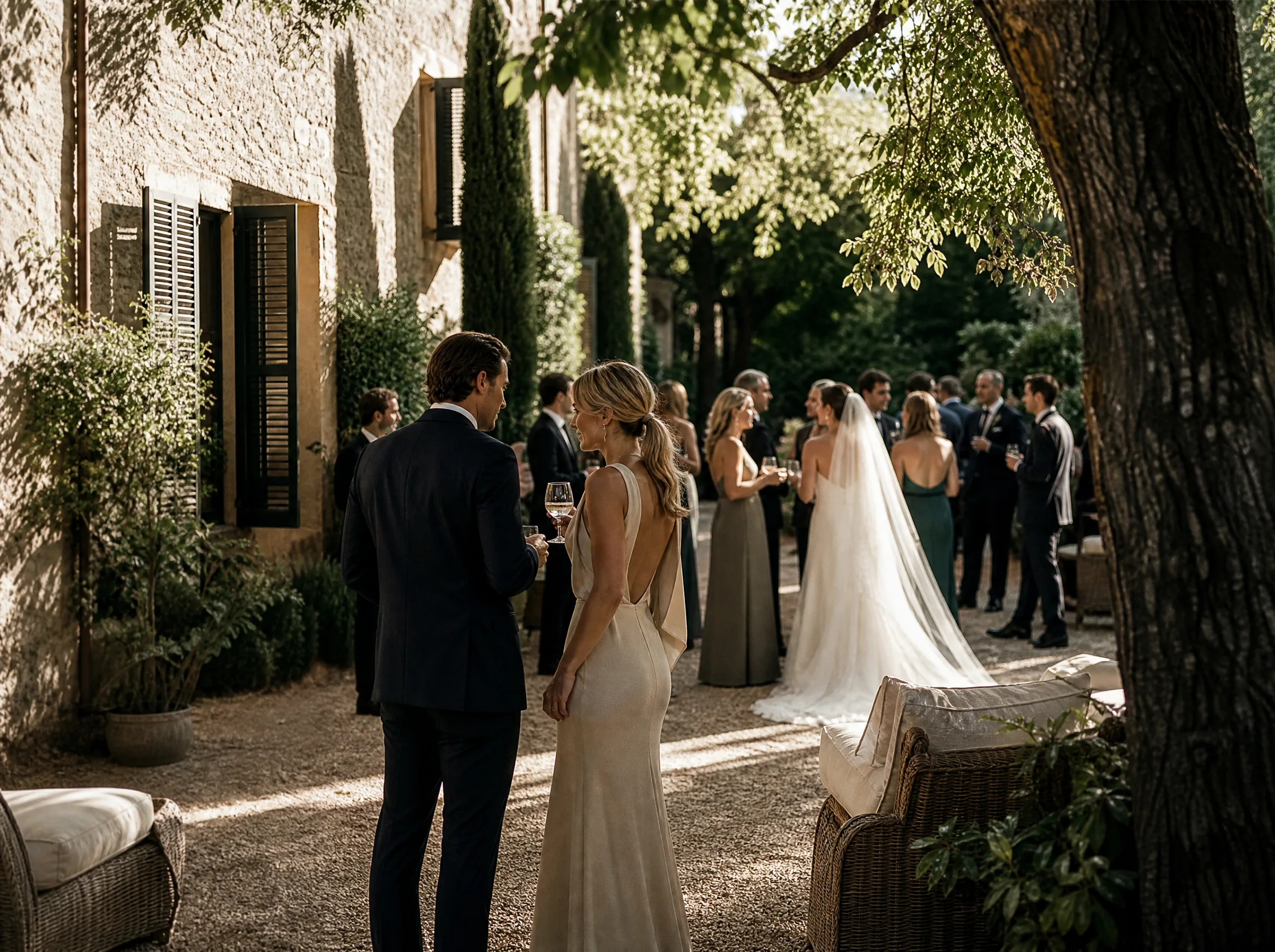
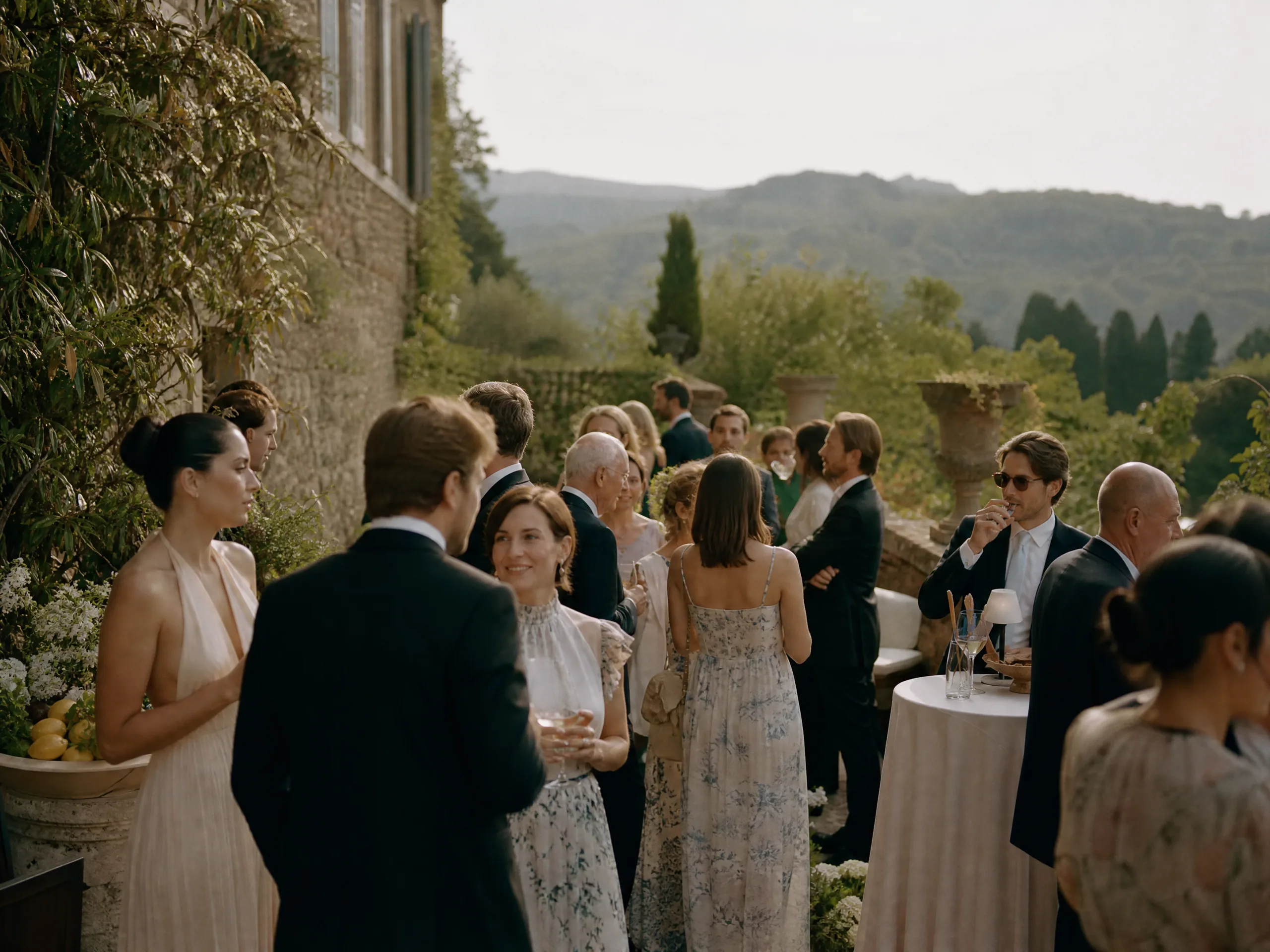
Use Cocktail Hour as a Real Bridge, Not a Decorative Pause
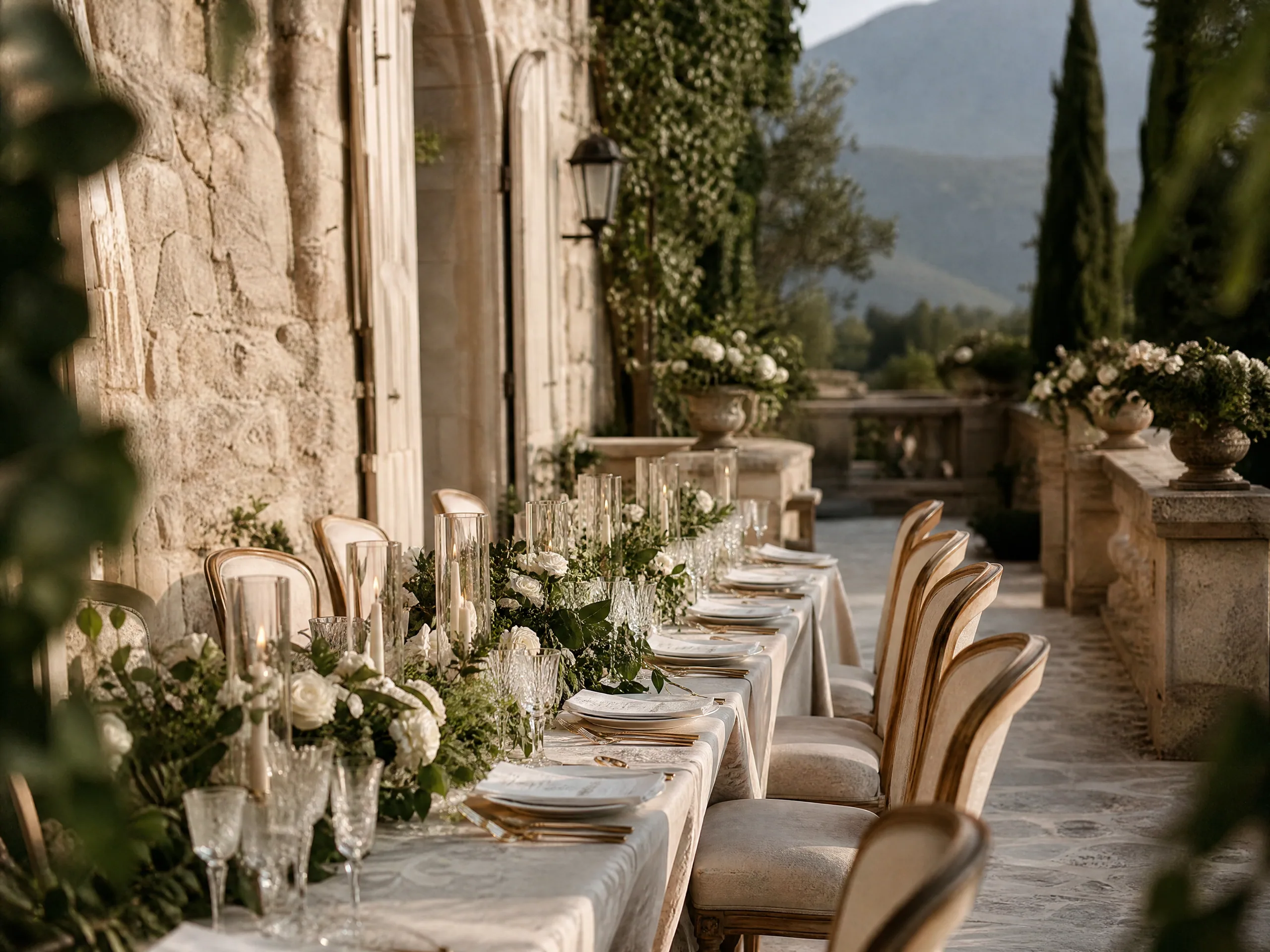
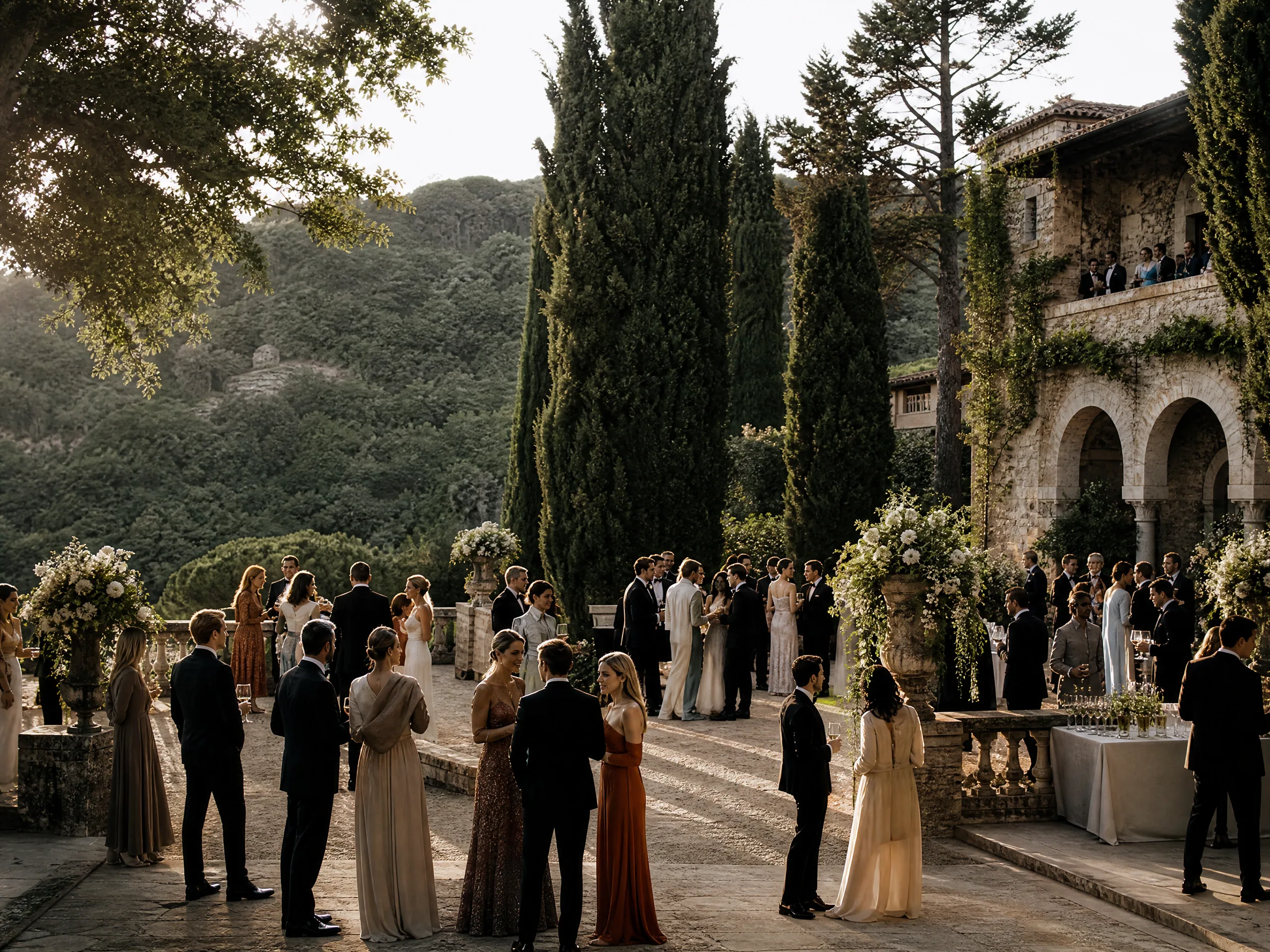
If dinner is late, cocktail hour must feed people. Canapés that look beautiful but disappear in twelve minutes create hangry guests and awkward speeches. Build a true bridge: hearty passed bites, a visible grazing station, bread and olives that keep circulating, and water/wine service that never stalls.
For summer estates, shade and hydration matter as much as food volume. Guests who stood through a golden-hour ceremony need protein and cool drinks before a late seating. Coordinate with catering so the kitchen is not saving every substantial item for the plated meal.
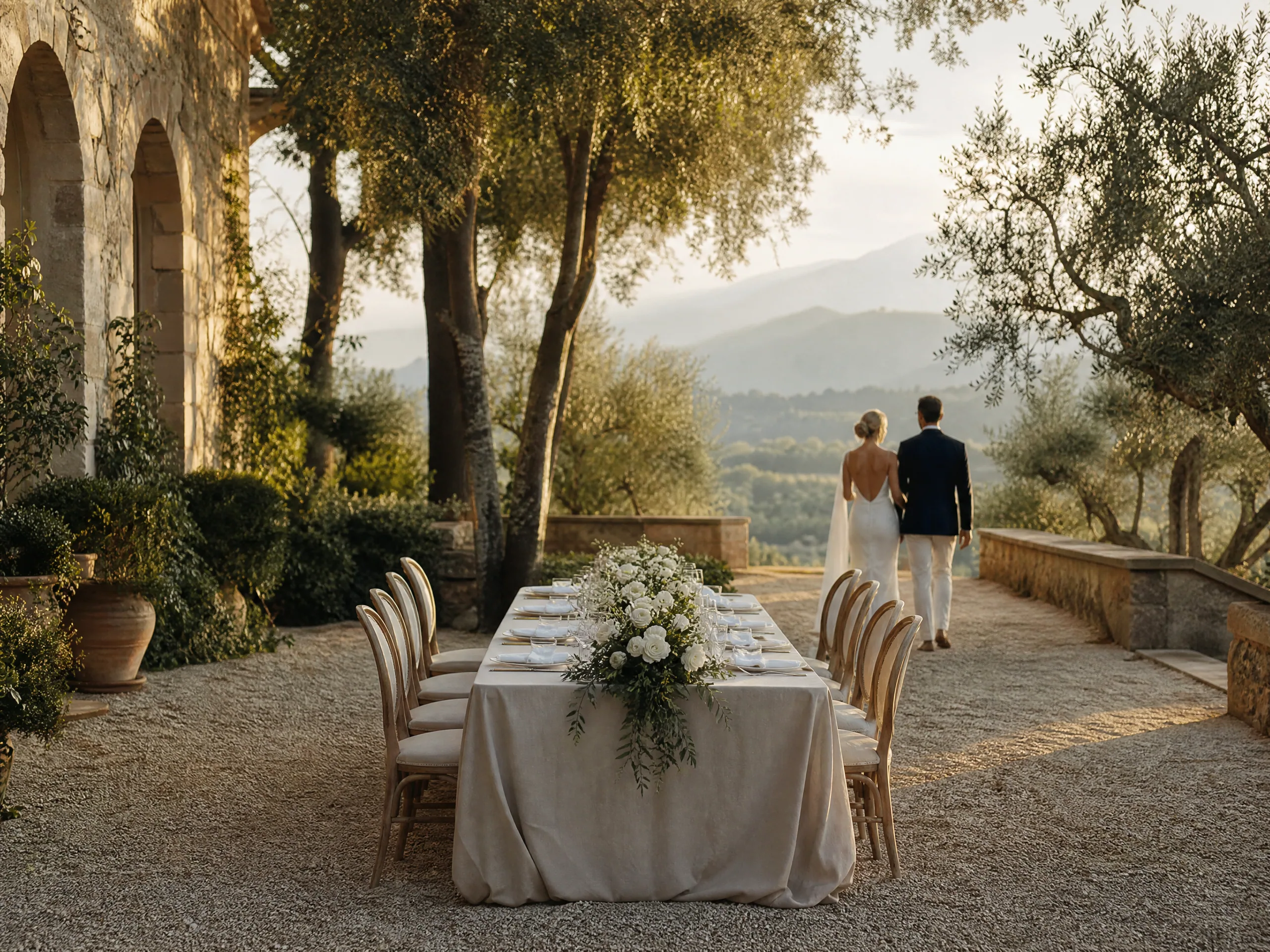
Set a Dinner Target Window—and Protect It in Writing
Choose a dinner seating window that fits your venue, season, and guest mix—often somewhere between 8:30 and 10:00 p.m. for destination celebrations—then protect it in the vendor timeline. Photographers need to know when speeches interrupt dining light. Bands and DJs need to know when the room turns. Catering needs clear course timing, not a vague “after cocktails.”
Put the seating time in the day-of run of show with buffers for late transfers, family photos, and Spanish “five more minutes” reality. A soft target plus a hard latest start prevents the night from sliding into chaos.
Brief International Guests Without Apologizing for Spain
Guests travel better when they know what kind of night they are walking into. In the wedding website or welcome note, say it plainly: dinner will follow Spanish timing; expect a late seating; plan a proper lunch; comfortable shoes matter; the celebration continues into the night.
Avoid framing Spanish timing as a problem to endure. Frame it as part of the destination experience—warm evenings, unhurried courses, and a dance floor that starts when the sky is fully dark. Then give practical tools: suggested lunch spots near the hotel block, a note about kids’ earlier meals if needed, and transportation departure times so nobody assumes a 10:00 p.m. shuttle home.
Align Speeches, Courses, and Entertainment With Energy Curves
Late dinners fail when every emotional peak is stacked after midnight. Sequence the night so energy rises instead of collapsing:
- Welcome toast during cocktail hour or shortly after seating
- Main speeches before guests are food-comatose
- First dance once the room has eaten enough to feel celebratory
- Open dancing before noise curfews become the villain of the story
If your venue has a hard music cutoff, reverse-engineer dinner from that deadline. A beautiful nine-course tasting menu is a poor choice if it steals the only legal dance hour.
Plan Kids, Elders, and Jet-Lagged Guests as Special Cases
Destination guest lists include people who will not thrive on a midnight main course. Offer graceful exits and alternatives rather than one rigid experience. Early kids’ meals, a quiet lounge pocket, hotel shuttles at staggered times, and a clearly staffed “leave when you need to” culture keep grandparents comfortable without forcing the whole party earlier than it wants to be.
Jet lag is real on day one of a wedding weekend. If your welcome party was already late, do not assume every guest arrives at the ceremony fully recovered. A substantial lunch recommendation and a short rest window before glam or guest departure can save the dinner hour.
Coordinate Kitchen, Service Style, and Spanish Seasonality
Late service only works if catering is designed for it. Confirm whether the kitchen is plating, family-style, or roaming; how long each course realistically takes outdoors; and whether summer heat changes plating strategy. Ask about staff meal timing, break windows, and when dessert/cake cutting should land so photography and dancing are not starved of attention.
In peak summer, later dinners can be more comfortable than early ones—but only if shade, lighting, and insect plans are already solved. Timing is never only a clock question; it is a full outdoor-operations question.
Build a Decision Checklist Before You Finalize the Timeline
Before you approve the final run of show, confirm:
- Guest-mix expectation: mostly local, mostly international, or mixed
- Ceremony end time and realistic cocktail-hour length
- Dinner seating target and latest acceptable start
- Cocktail-hour food volume sufficient for a late meal
- Speech and first-dance placement relative to courses
- Music curfew and after-party plan
- Guest communication published on the wedding website
- Staggered transport options for early leavers and night owls
Couples who treat Spanish dinner timing as a design choice—not an accident—get a reception that feels local, hospitable, and cinematically paced. The goal is not to copy a US timeline in Spain or to force every traveler into a 11:00 p.m. first bite. The goal is a night where food, light, culture, and guest energy finally agree.