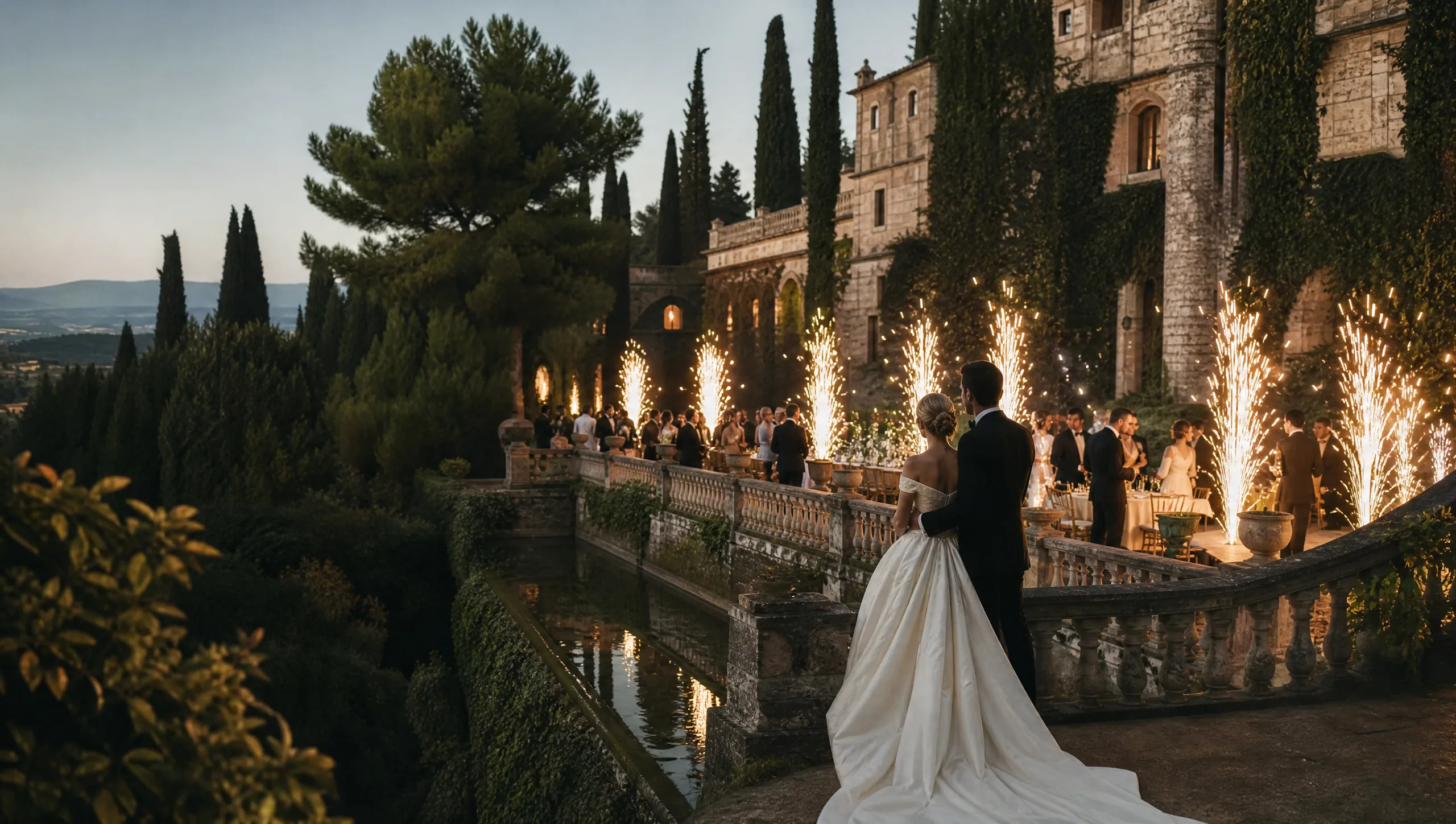
Sparklers look effortless in wedding films. In Spain, they are rarely effortless to approve. Rural fincas, coastal winds, municipal noise rules, and venue insurance can all reshape — or cancel — an open-flame send-off you planned from abroad months earlier.
This guide helps international couples treat fireworks, sparklers, and candles as logistics decisions, not last-minute Pinterest additions. The goal is a celebratory moment that is legal, safe, photographable, and kind to the venue relationship you will still need after the party ends.
Start With Venue Policy Before You Fall in Love With a Send-Off
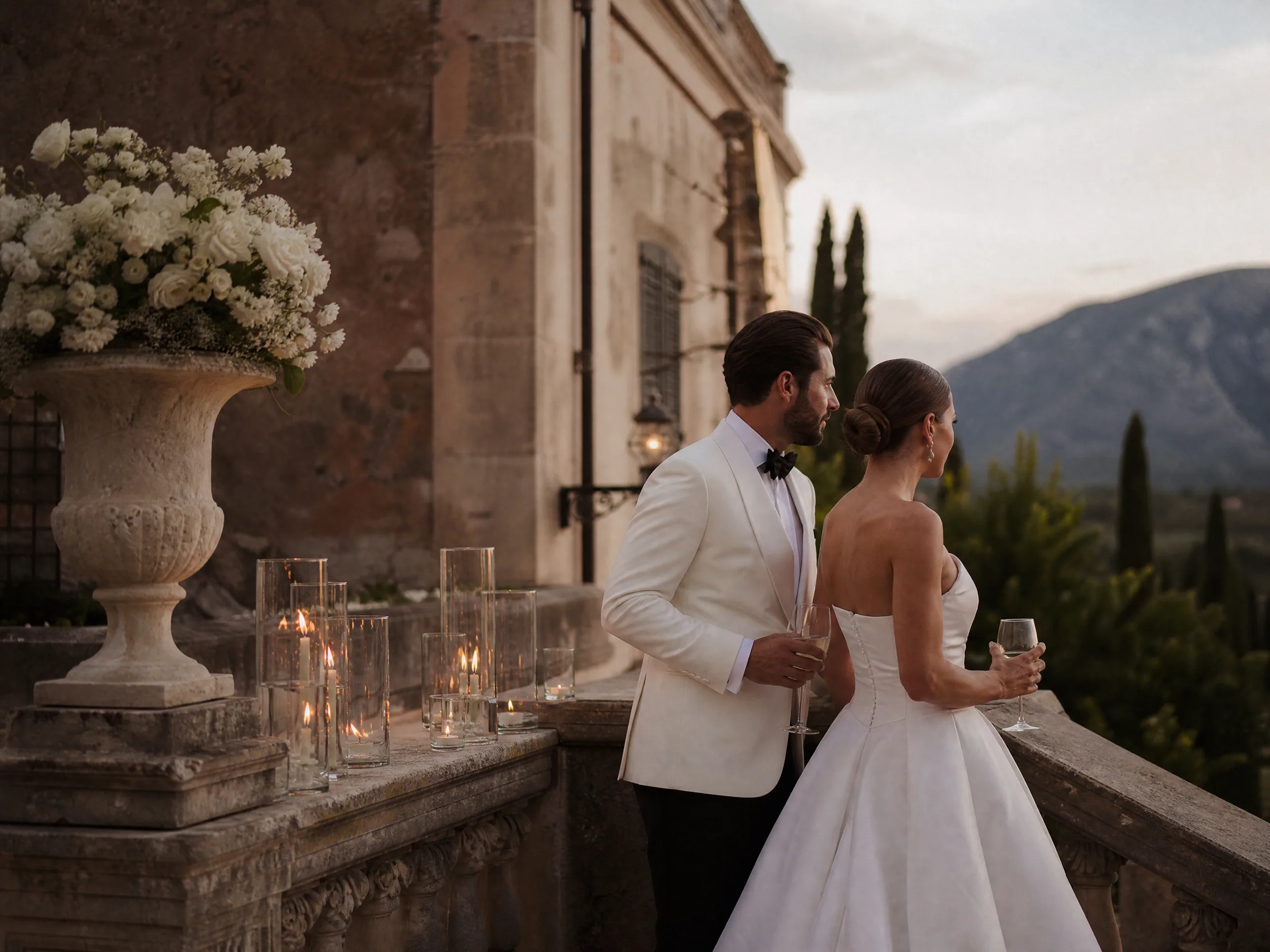
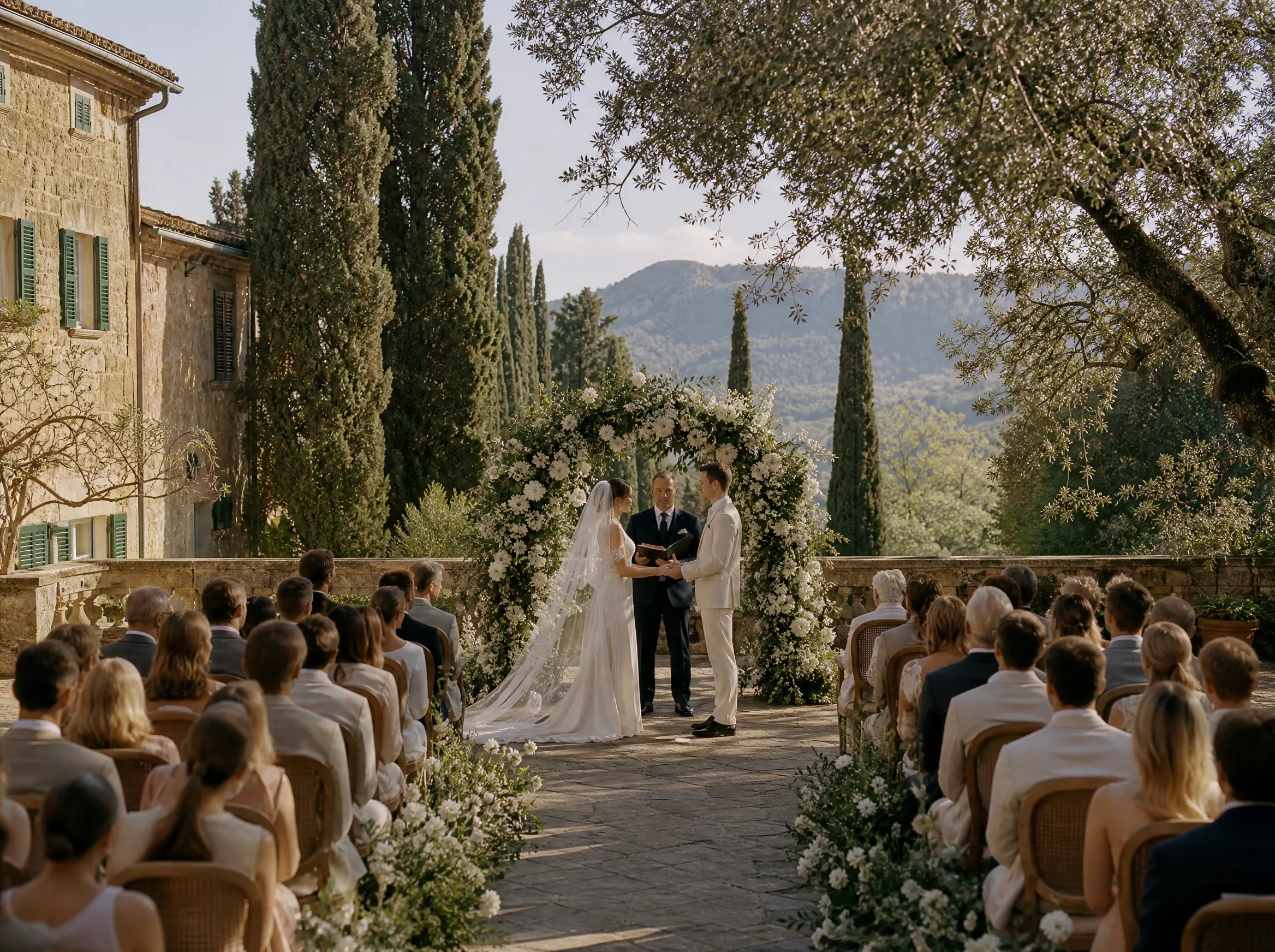
Ask the venue for a written answer, not a verbal “probably fine.” Clarify whether sparklers, cold fireworks, traditional fireworks, open candles, fire pits, or only battery alternatives are allowed. Many Spanish estates are surrounded by dry vegetation in summer; a beautiful hillside can also be a high fire-risk zone.
If the venue says yes with conditions, capture those conditions in writing: maximum quantity, approved brands, designated zones, required extinguishers, and who must supervise. Couples planning from another country need this paper trail before they brief guests or book a pyrotechnics supplier.
Separate Sparklers, Cold Sparks, and Real Fireworks in Your Brief
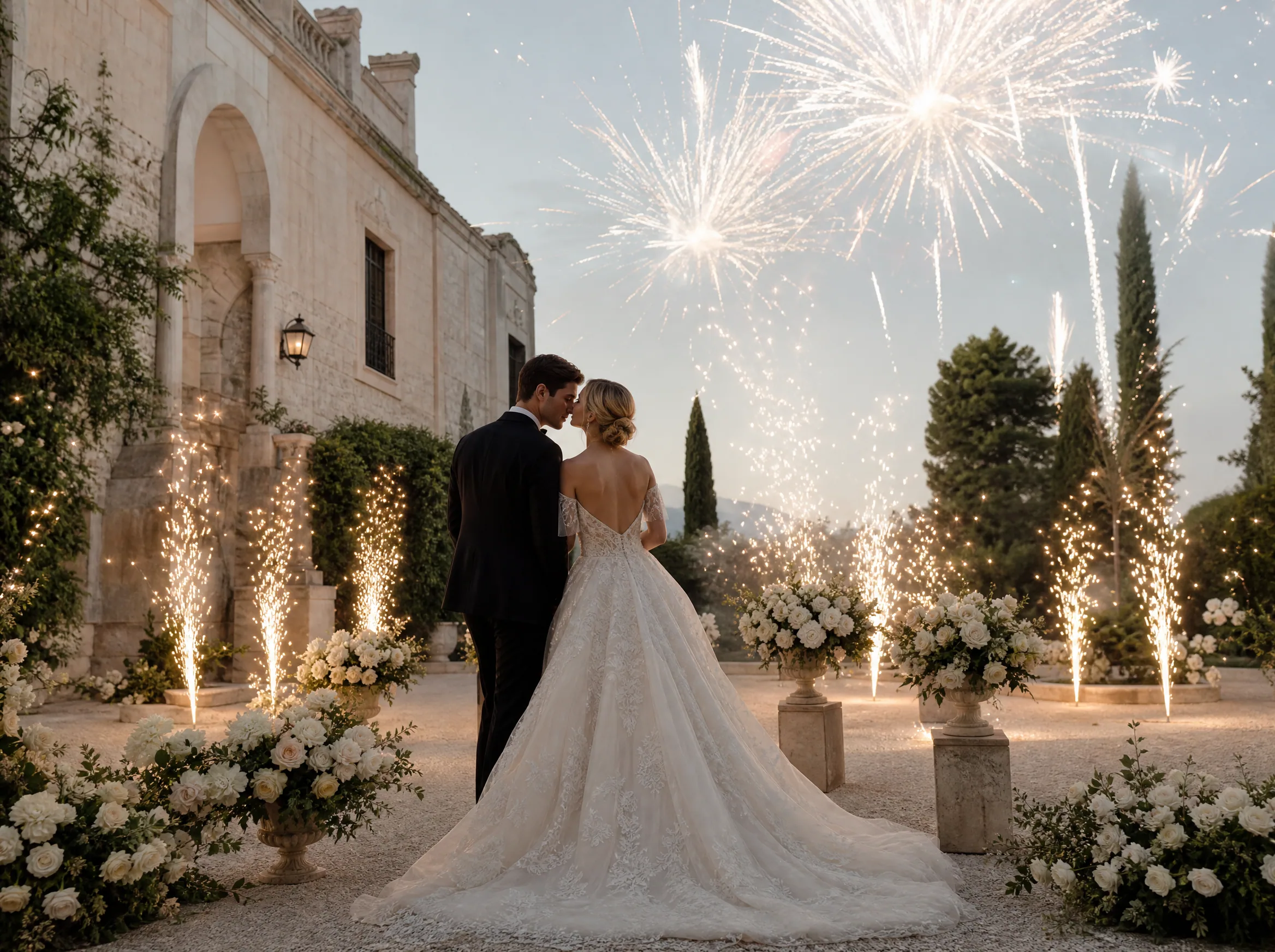
These products are not interchangeable under Spanish venue rules. Handheld sparklers are often treated differently from ground-based cold-spark machines, and both are different from aerial fireworks that may require licensed operators and local permits. Using the wrong term in email threads is how approvals get confused.
Decide which emotional beat you actually want: a short tunnel send-off, a first-dance sparkle effect, or a larger night sky moment. Then reverse-engineer the product category. Videographers and photographers can compose beautifully around a controlled 30-second sparkler exit; they cannot invent permission for a firework show the town never approved.
Check Municipal Rules, Seasonality, and Fire Risk Levels
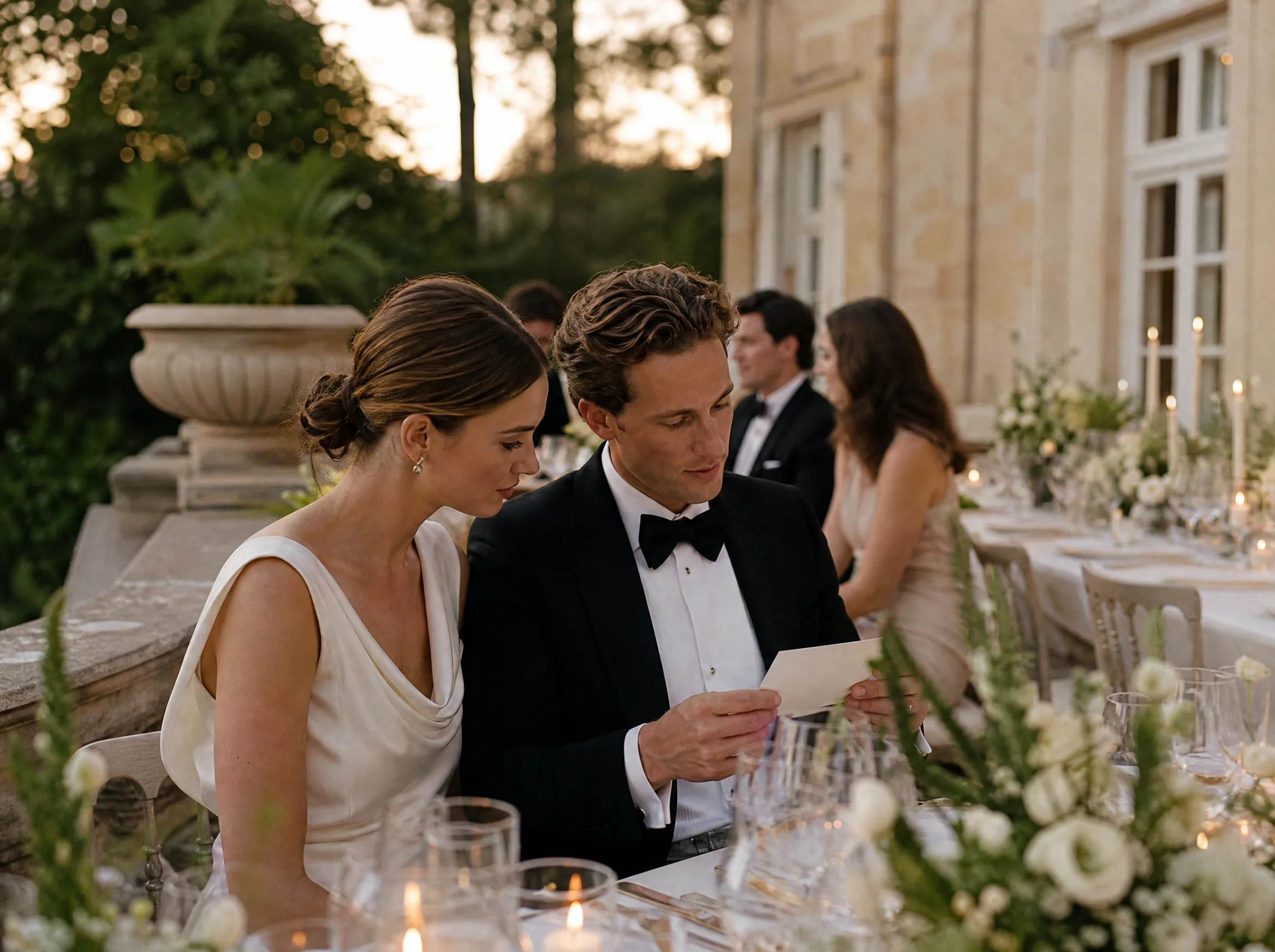
Even when a private venue is enthusiastic, local regulations may restrict open flame during dry months, wind alerts, or festival periods. Coastal and countryside municipalities can differ widely. Your planner or day-of coordinator should confirm whether a license, notification, or licensed pyrotechnician is required for your exact product and date.
Build this check into the same timeline as contracts and insurance — not into the final week before guests fly in. If summer fire risk closes outdoor options, you still have time to redesign the moment with LED sparklers, cold-spark machines indoors if allowed, or a non-flame send-off that still reads cinematic.
Coordinate Insurance, Vendor Liability, and Guest Safety Distances
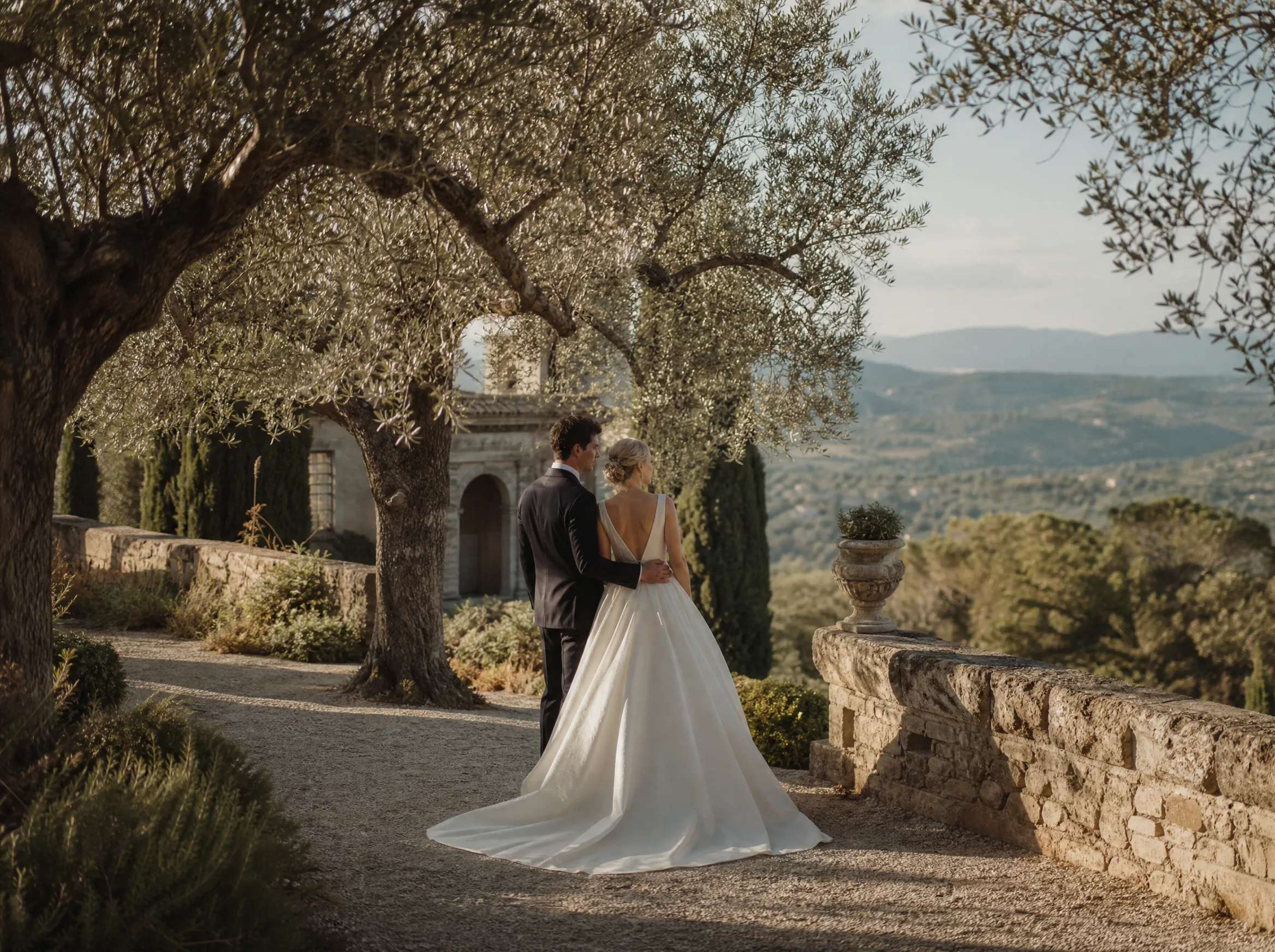
Ask who carries liability if a guest is burned, clothing catches, or dry grass ignites. Venue insurance, supplier insurance, and your wedding insurance may each cover different slices — or none of the open-flame activity unless declared. International couples often assume “the vendor handles it,” then discover the vendor only supplies products under the couple’s responsibility.
On site, mark a clear lighting zone, wind-aware spacing, and a quenching station for spent sparklers. Children and formal fabrics need extra distance. Safety is not only ethical; it is what keeps the celebration feeling joyful instead of tense on camera.
Design the Moment for Film, Photography, and Guest Flow
Open-flame moments fail when guests are confused. Write a simple cue plan: who distributes sparklers, who lights them, where the couple enters, and when phones should stay down if you want an unplugged exit. Give ushers a 60-second script so international guests are not improvising with lighters in the dark.
From a filming perspective, backlit sparklers against a dark Spanish sky can look extraordinary — if the tunnel is wide enough, the path is even, and smoke or wind is not blowing into faces. Share the planned route with your photo and video team early so lighting and camera positions are intentional rather than reactive.
Plan Power, Placement, and Timing for Cold-Spark Machines
Cold-spark machines are popular because they feel dramatic with less residual heat than classic fireworks, but they still need approved placement, clearances, and often power. Confirm indoor versus outdoor permission separately. A ballroom approval does not automatically extend to a vineyard terrace, and vice versa.
Time the effect with dinner service, speeches, or first dance so staff are not crossing the effect zone with trays. If the machine needs a warm-up or reload, that becomes part of the run of show — especially when your celebration follows a later Spanish dinner timeline.
Brief Guests Without Turning the Exit Into Chaos
Destination guests travel with different expectations. Some come from countries where sparklers are casual; others have never held one. Put one clear line in the wedding-weekend note or evening program: where to stand, when to light, and where to dispose. Avoid leaving boxes of sparklers unattended on cocktail tables.
If open flame is banned, announce the alternative with the same excitement. Guests remember the energy of the send-off more than whether the spark was chemical or LED. A confident plan always photographs better than a forbidden improvisation.
Build a No-Flame Backup That Still Feels Celebratory
Every Spain outdoor wedding plan needs a dignified Plan B: LED sparklers, glow wands, confetti alternatives where allowed, ribbon streamers, a choreographed exit with music only, or cold sparks relocated to an approved indoor threshold. Decide the backup before you print signage or tell the wedding party.
Communicate the switch calmly if weather or fire risk forces it. Your coordinator should own the call so you are not negotiating safety policy in wedding attire. The couples who look most relaxed on film are usually the ones who already chose their alternate ending.
Close With a Remote-Friendly Open-Flame Checklist
Before you approve any sparkler or firework expense from abroad, collect: venue written policy, municipal or license requirements for the date, supplier credentials and insurance, exact product type and quantity, safety plan, photo/video cue plan, guest briefing language, and a documented no-flame backup. Store everything in one shared folder with your planner.
Open flame can be magical at a Spanish destination wedding — when it is treated as an approved production moment. Plan the permission first, then the poetry. That is how the send-off stays beautiful for guests, safe for the land, and usable in the film you will rewatch for years.