Spanish rental villas from the Costa Blanca to Catalonia and the islands often dress terrace rails, pool walls, and hanging baskets with dipladenia—mandevilla (Mandevilla / Dipladenia)—those glossy leaves and pink, red, or white trumpet blooms guests mistake for free florist stock. It is not thorny buganvilla, not climbing jazmín, not sky-blue jazmín azul (plumbago), and not berry-forming lantana. A short guest briefing on pots, milky sap, and caretaker-only pruning keeps the display intact through the wedding weekend.
Why Dipladenia Belongs in the Guest Briefing
Mandevilla loves Mediterranean heat, flowers for months, and photographs beautifully against white stucco and turquoise water. Destination-wedding houses use it as soft color on balustrades, stair landings, and pool-court corners. International visitors often snap a flowering stem for a hotel-room vase, tip leftover cava into the pot “to help,” or drag suitcase wheels through a row of nursery pots on the terrace edge. Say who owns the plants, what may be touched, and who may cut—before welcome drinks, not after someone has already stripped the best pink trumpets.
What Guests Are Looking At (And What It Is Not)
Dipladenia is the name Spanish garden centers and caretakers usually use; botanically you are looking at Mandevilla (sometimes sold under both labels). Expect opposite glossy leaves and funnel-trumpet flowers in pink, crimson, white, or soft yellow. Climbing forms need a slim trellis or rail; compact “dipladenia” forms stay bushy in pots. It is not magenta-bract buganvilla (papery and thorny), not true scented jazmín, not powder-blue plumbago clusters, not multicolor lantana with berries, and not corona-bloom pasiflora. Naming dipladenia or mandevilla in the guest WhatsApp note stops “we cut the bougainvillea by the pool” arguments with the caretaker.
Where It Usually Grows on Wedding Villas
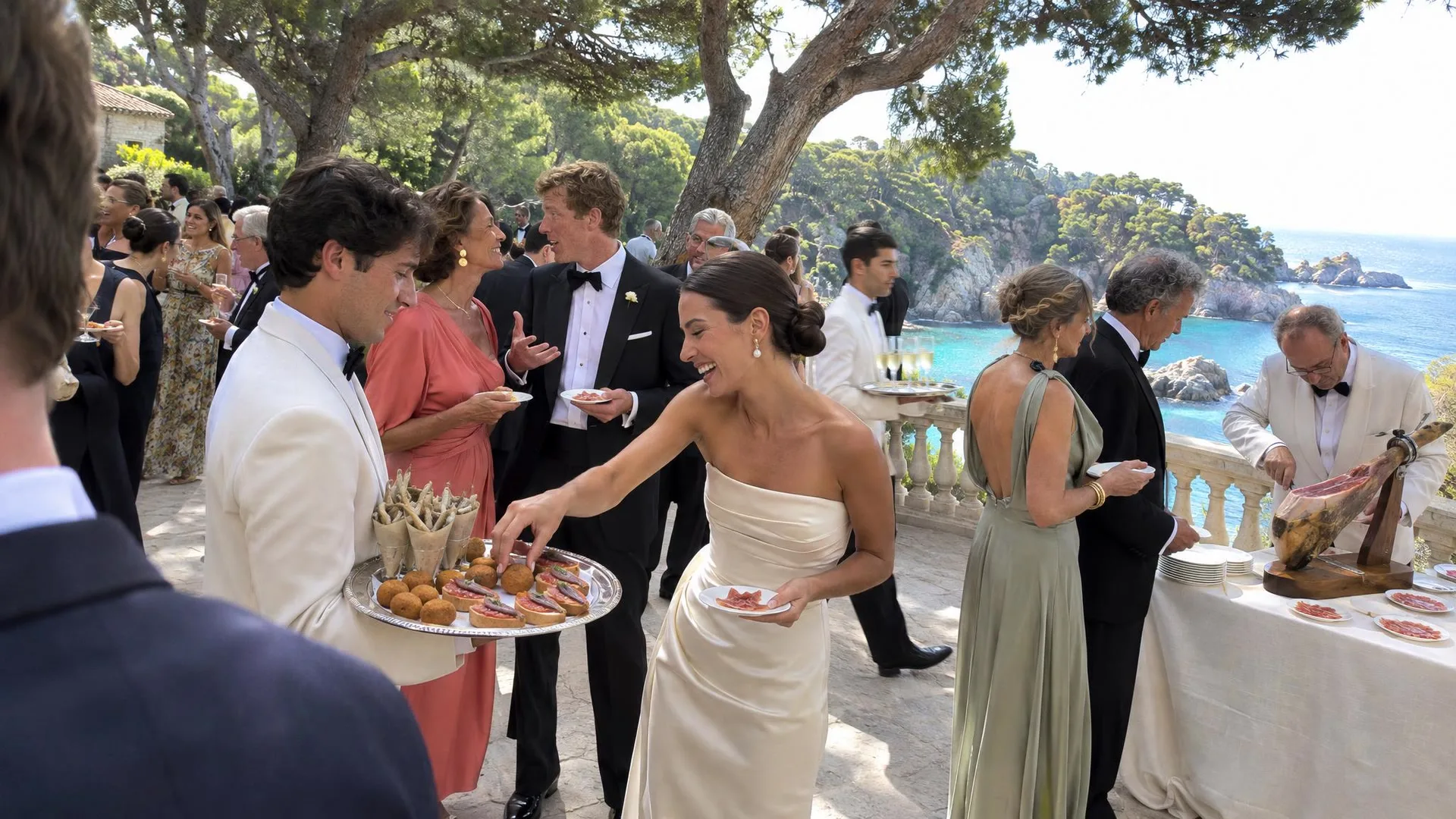
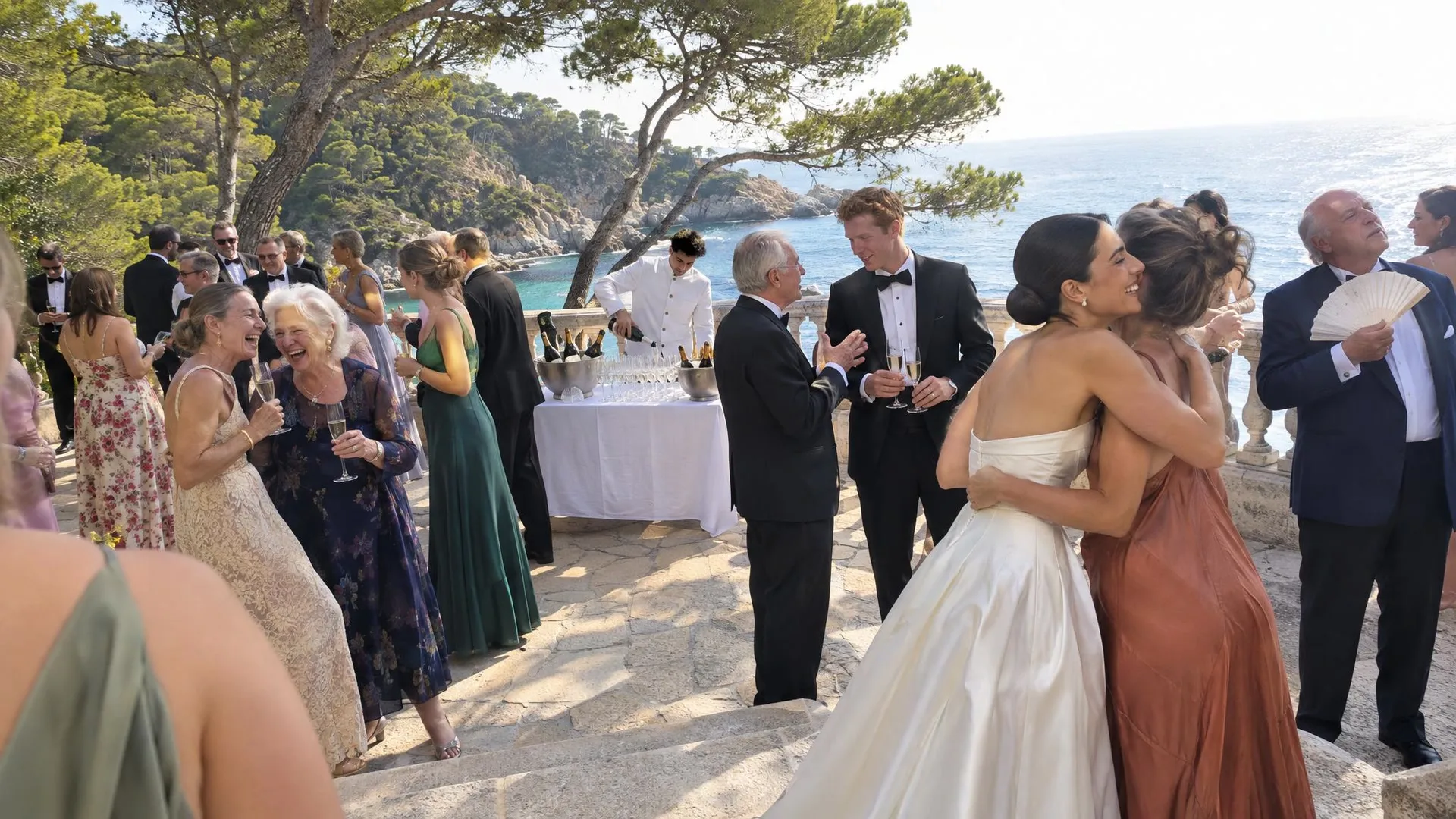
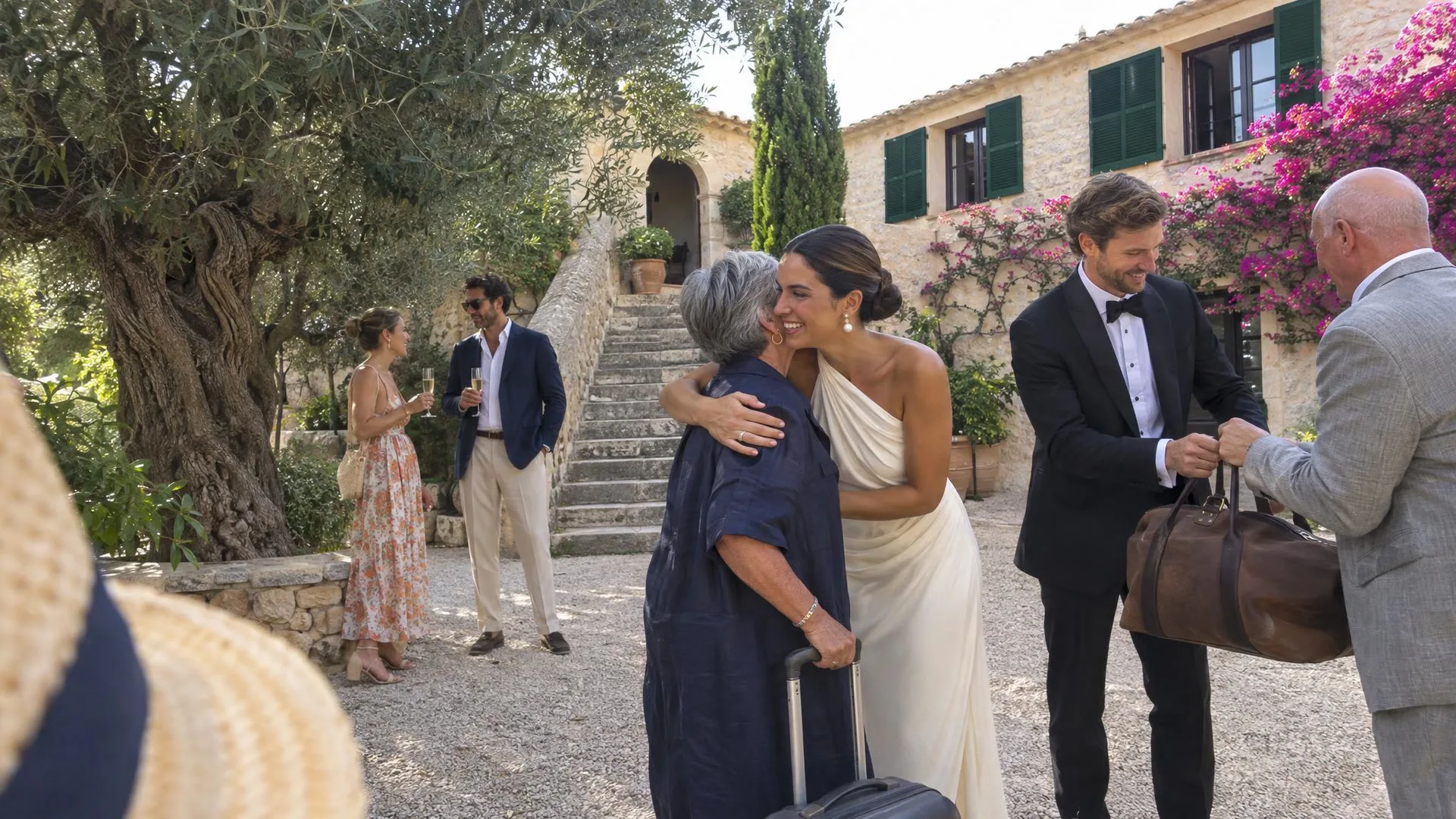
Expect dipladenia in terracotta pots along terrace rails, cascading from hanging baskets over outdoor dining, trained on south-facing wall wires beside the pool, and lined up at stair turns where planners want color in every guest photo. Soft stems snap if chairs or speaker stands are shoved into the pot cluster. If cocktail hour sits beside a flowering rail, leave a clear paving strip so heels, kids, and rolling coolers stay off the nursery line.
Milky Sap, Skin, and Why DIY Cutting Is Off-Limits
Mandevilla belongs to a sap-bearing family; broken stems can weep sticky white latex that irritates skin and eyes for sensitive guests. Even when a bloom looks perfect for a boutonnière, guests should not harvest. Ask the caretaker or florist for cut flowers from a wholesale supply—not from the villa’s display pots. Brief children not to snap trumpets “to see the milk,” and keep pets from chewing leaves on low baskets.
Pots, Heat, and Shared Terrace Zones
Villa dipladenia often lives in black nursery pots slipped into nicer cachepots. Dark plastic cooks roots in full July sun if someone moves the plant “for better photos” onto bare tile at noon. Leave pots where the caretaker placed them—usually with afternoon shade or a drip stake. Do not empty ice buckets into the soil; do not unplug irrigation spikes to free a socket; do not stack gift bags inside the pot ring where stems bruise overnight.
Climbing Rails, Film Light, and Neighbor Privacy
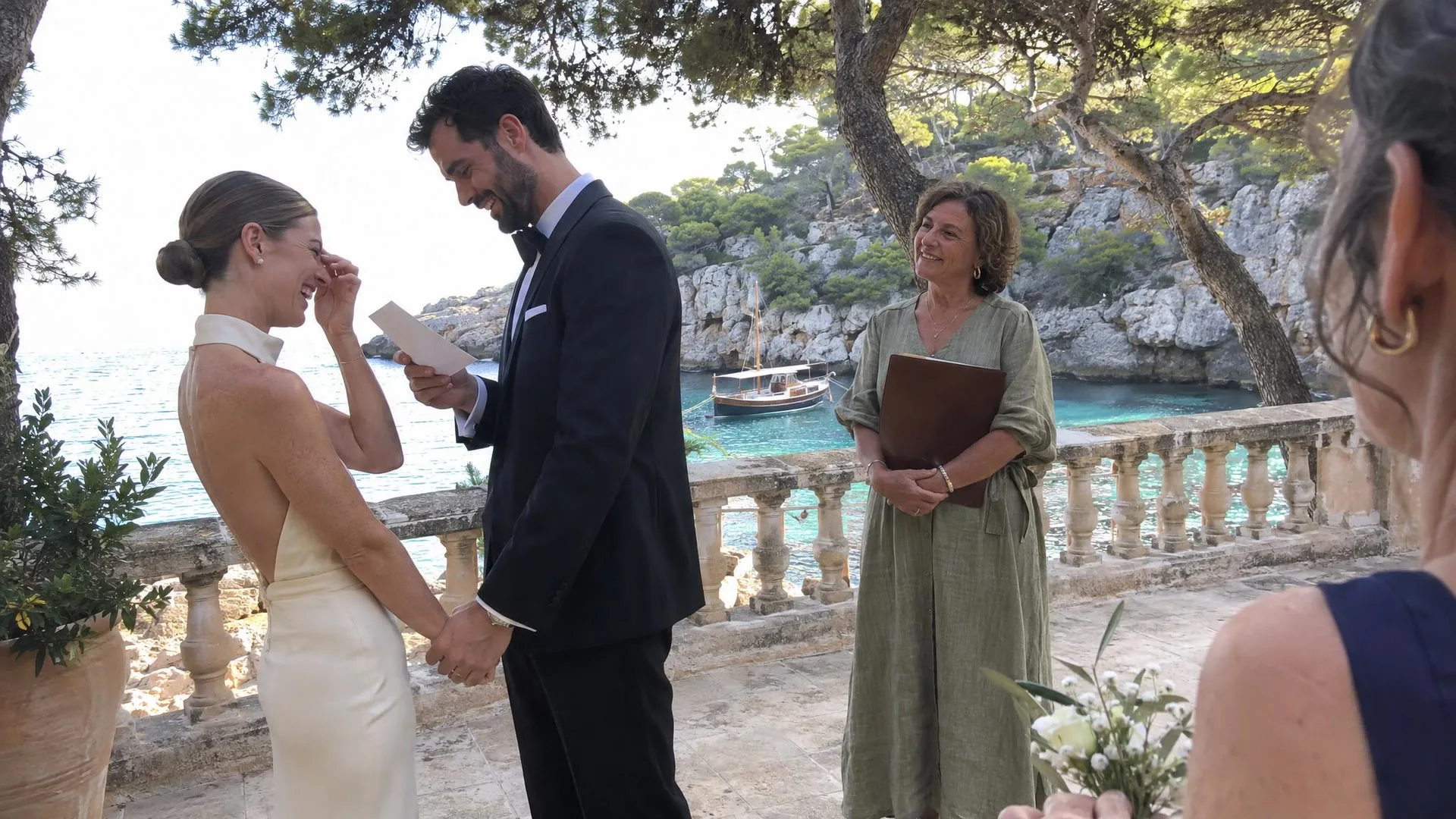
Climbing mandevilla on pool screens and boundary wires softens hard architecture and can give couples a colorful backdrop for portraits. It is still a living prop: do not zip-tie fairy lights through soft leaders, do not pin seating charts to flowering shoots, and do not yank vines aside for a wider drone path. Videographers can shoot beside the trumpets from the paving; planners should treat the rail planting as set dressing owned by the house, not as event inventory.
Cold Snaps, Season, and Checkout Reality
In mild coastal winters dipladenia may keep blooming; inland and highland villas often protect or replace plants after a cold snap. Guests arriving in shoulder season may find fewer flowers and more caretaker covers or greenhouse staging—do not unwrap plants for a photo. At checkout, return any moved pots to their marks, report broken stems early, and never pack a flowering cutting in hand luggage as a souvenir. Damage deposits cover landscaping as well as glassware.
Watering, Hose Lines, and Outdoor Kitchen Edges
Many villas run a simple drip line or ask guests not to water at all. Overwatering yellows leaves fast; underwatering in a windy pool court crisps trumpets by aperitivo. Follow the house binder: if it says the gardener waters every other morning, leave the hose coiled. Keep grill heat and outdoor-kitchen splash away from hanging baskets—oil and detergent mist ruin foliage that was meant to frame the farewell brunch.
One-Paragraph Guest Note You Can Paste
Please leave the pink/red trumpet plants on the terrace rails and by the pool alone—they are dipladenia (mandevilla), not bougainvillea or jasmine for cutting. Do not pick flowers, tip drinks into pots, move containers for photos, or let kids snap stems (the sap can irritate skin). Ask us if you want florist blooms for rooms; the villa plants stay where the caretaker set them through checkout.