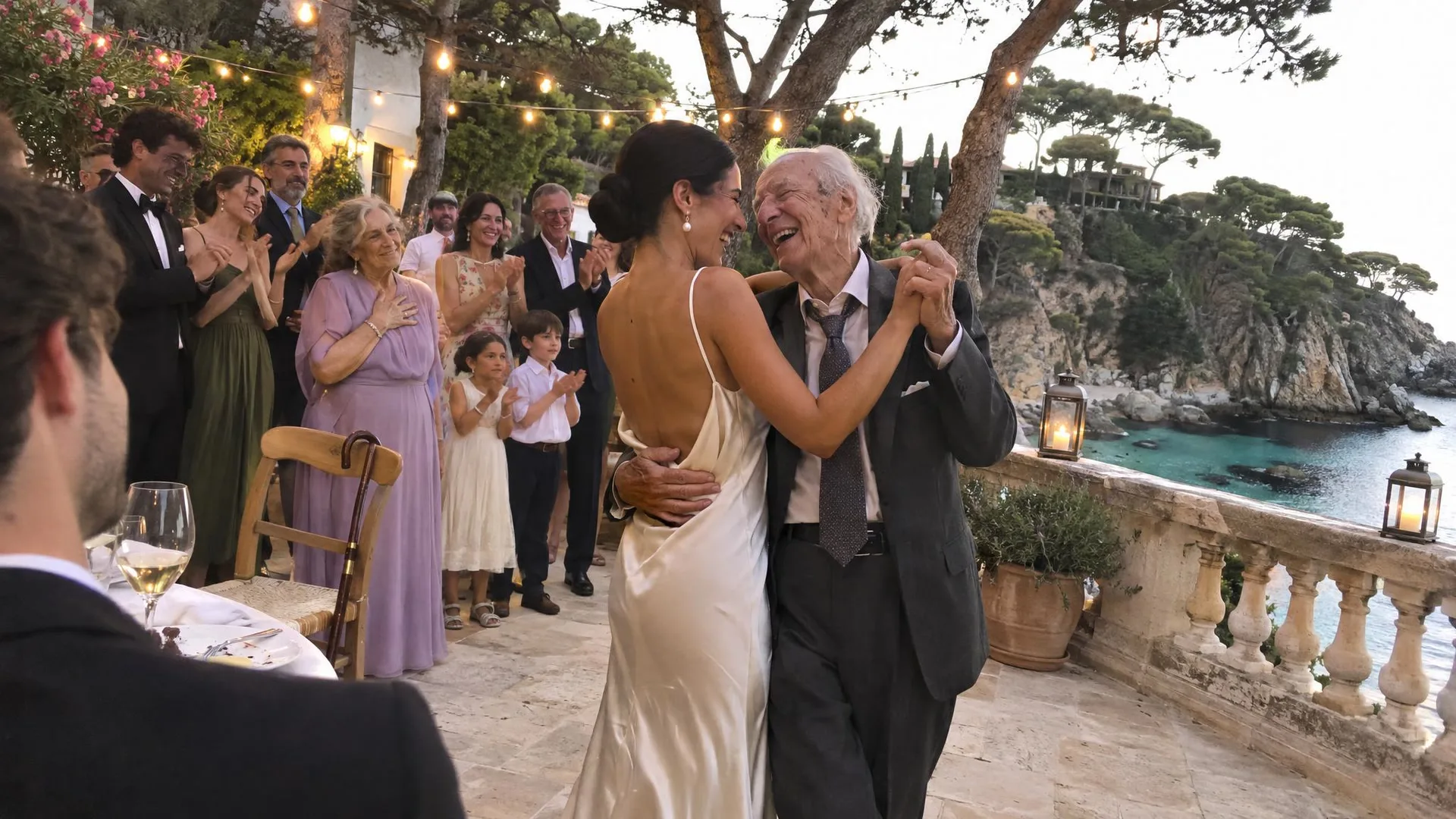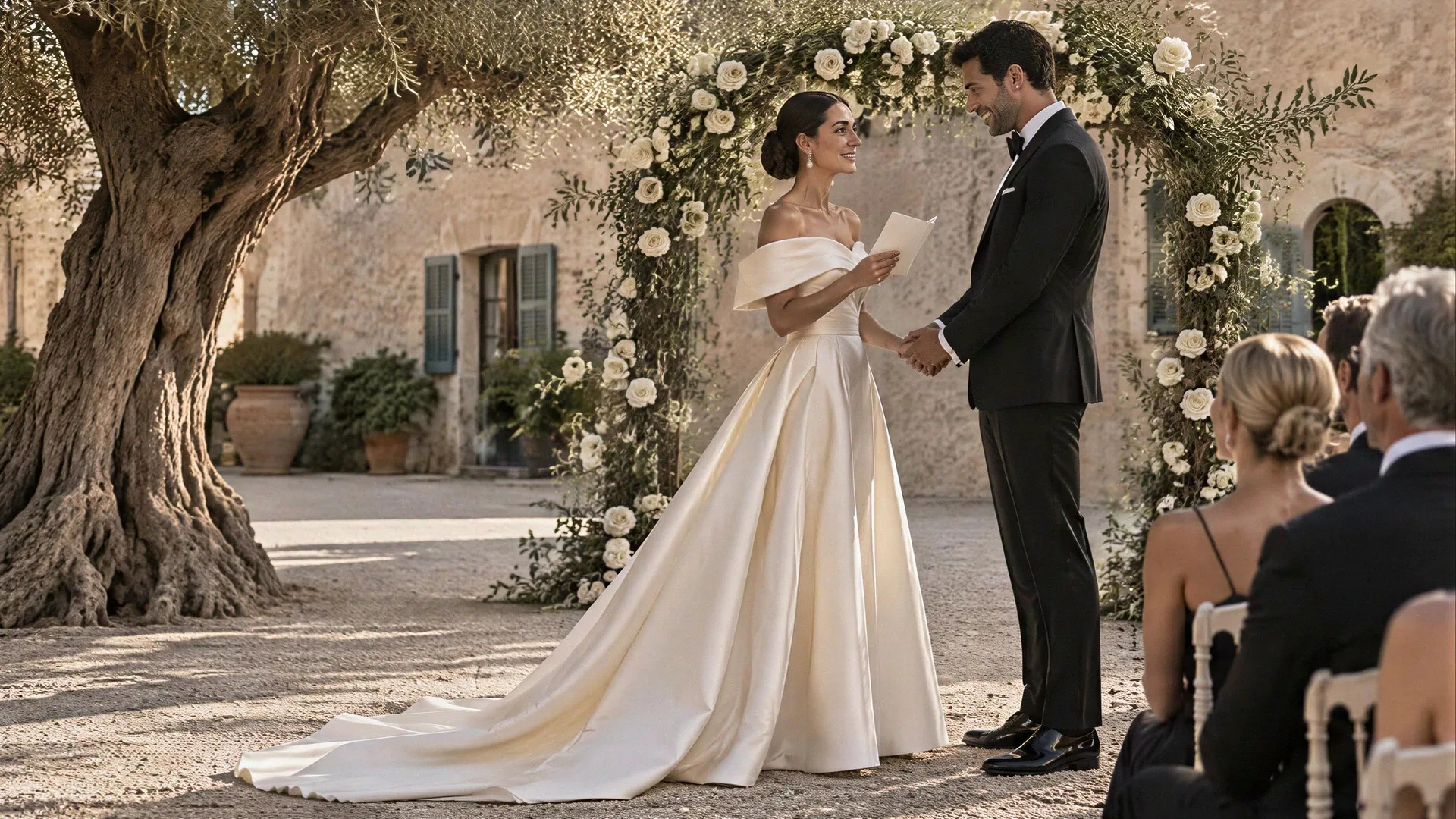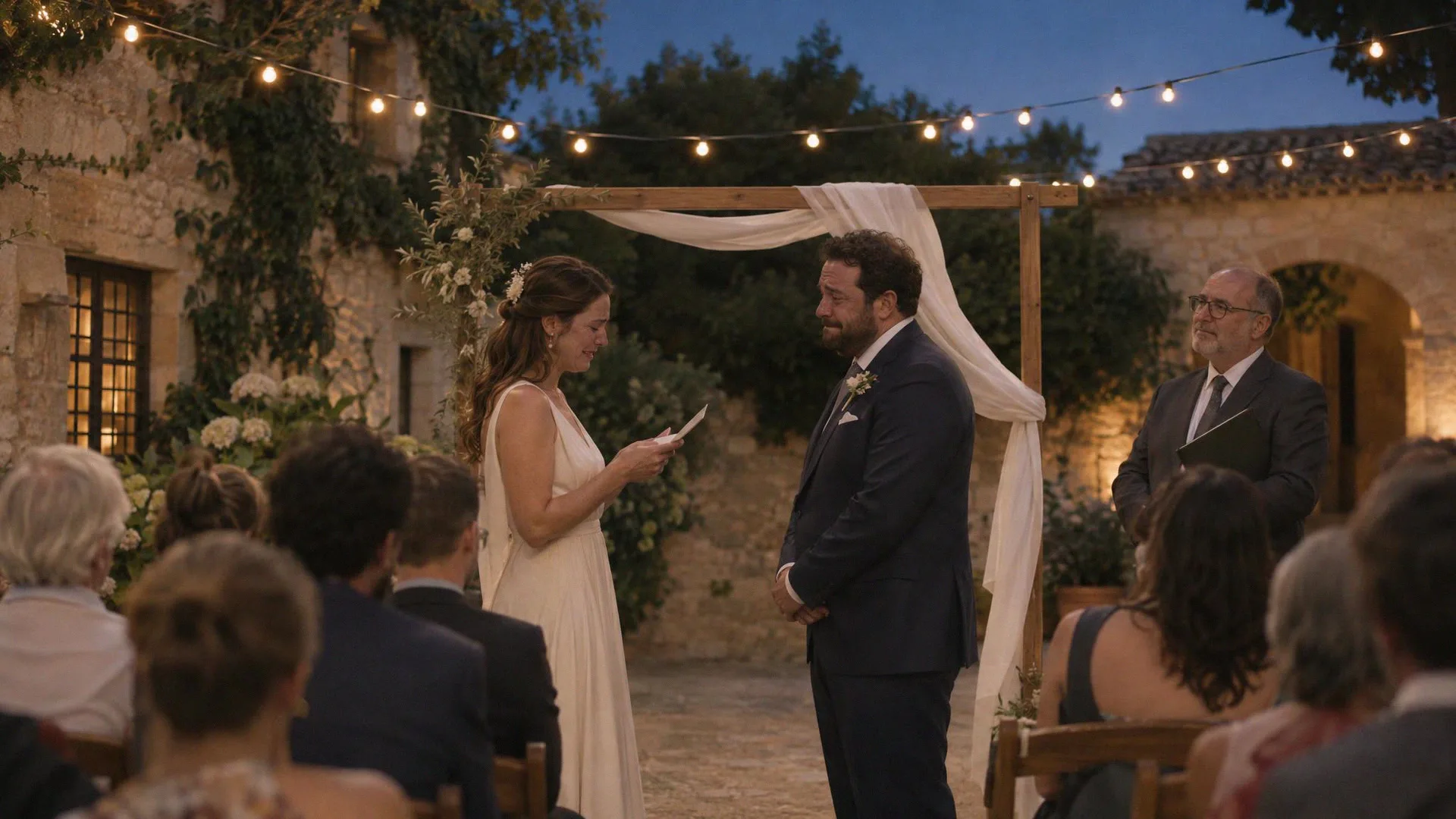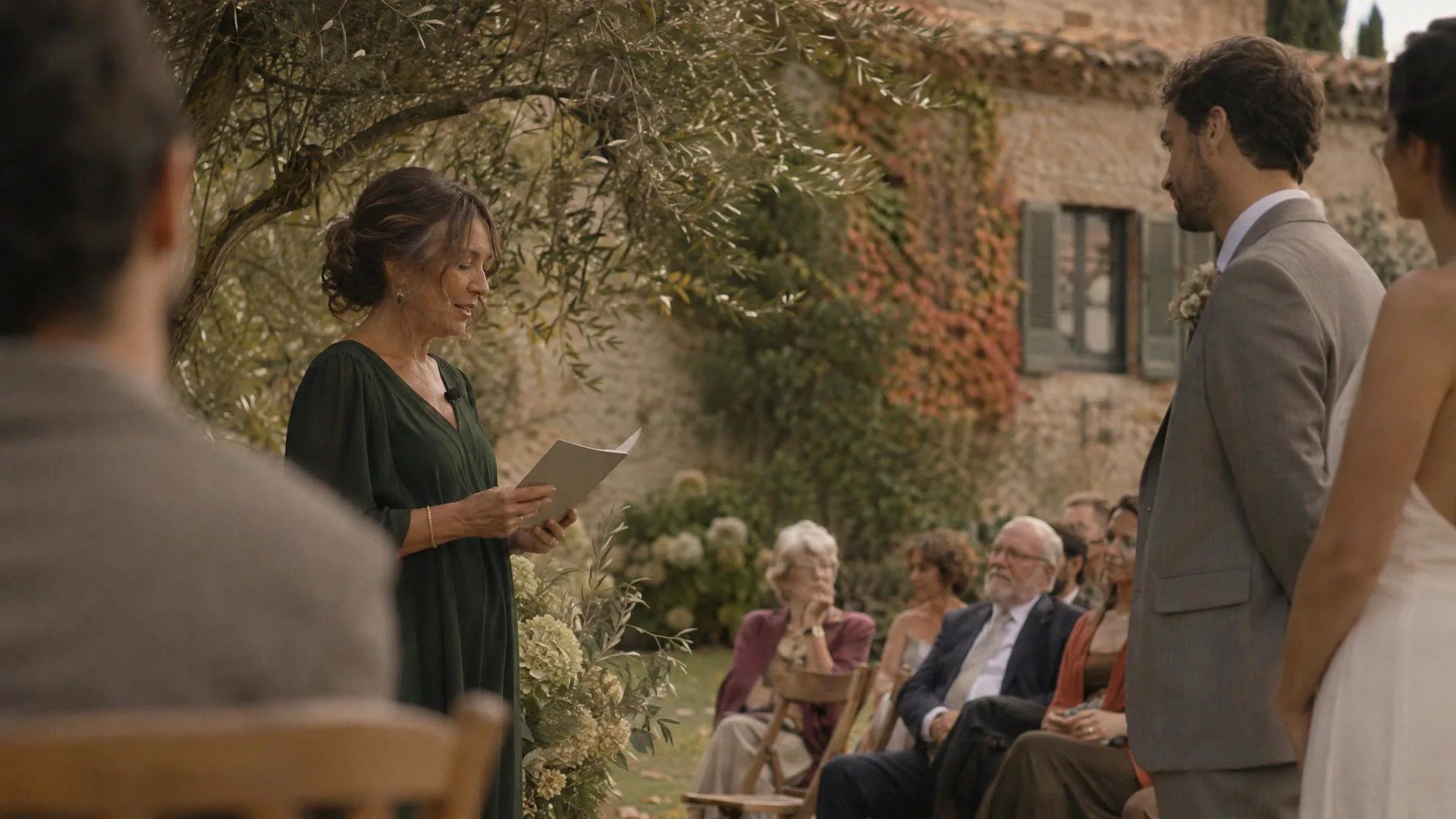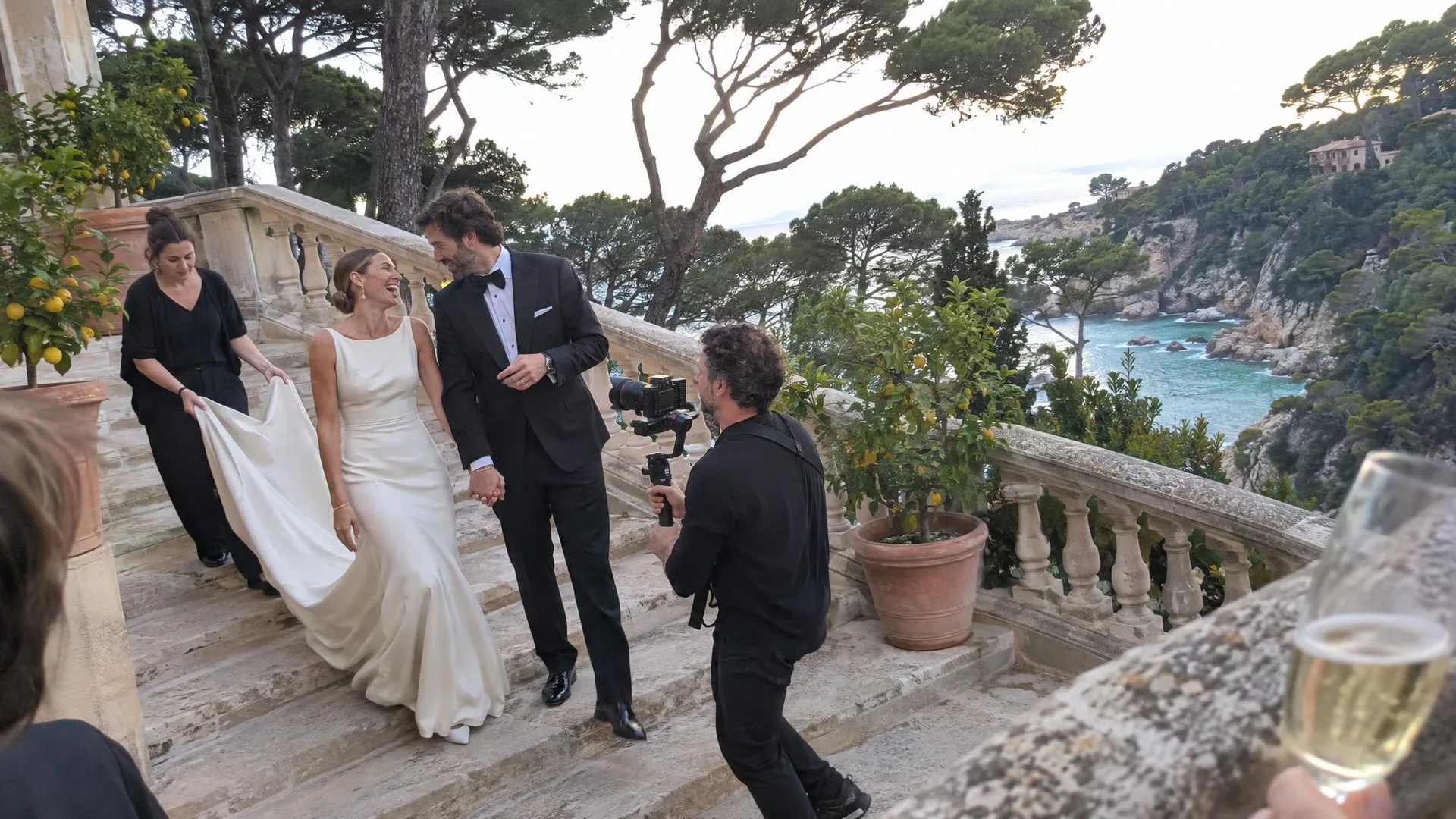
Most couples who ask for a wedding video that looks like a movie have one particular film in mind. Usually it is a trailer they saw online: slow motion on a staircase, a boat in a turquoise bay, a dance shot from three angles, music that swells at exactly the right second. It looks effortless. It rarely is.
A discussion in a wedding videography community this summer showed both sides of this very clearly. A couple planning their wedding two years ahead posted a reference film and asked for a videographer with an artsy, movement-heavy style that would feel closer to a music video than a wedding video. The replies came mostly from working filmmakers, and they were surprisingly honest. Around the same time, another couple in a big planning forum asked the opposite question: does anyone still make normal wedding videos, without the perfume-ad look?
Put the two threads together and you get a useful picture of what a movie-like wedding film actually needs, and what it can cost you on the day.
Two very different ways to film a wedding
The most upvoted reply in the first thread said something every videographer knows: these shots are possible, but many of them take time to set up and direct, and a lot of couples who want them do not end up giving that time on the day.
Another filmmaker explained the difference in simple terms. Most weddings are filmed run-and-gun: a videographer moves through the day handheld or on a gimbal and follows what happens, much like a documentary crew. Very little direction, except during a short couple session around sunset. A trailer-style film works the other way round. Many shots need a tripod, a planned angle, a second take, and a couple who is comfortable repeating a walk or a look.
Neither approach is better. They just ask different things of you:
- Directed, trailer style. Strong, polished images. You need time in the timeline, energy to perform, and a crew that plans every scene.
- Documentary style. Real moments, real voices, very little interruption. The film can still look cinematic, but its beauty comes from what actually happened.
One commenter put it bluntly: to get the full music-video effect, you basically add an acting job to your wedding day. If you enjoy being in front of a camera, that can be fun. If you don't, you will feel it, and so will the film.
If you are still deciding between the two, our guide to documentary vs cinematic wedding films in Spain goes deeper into how each style is shot and edited.
Where the "movie feeling" really comes from
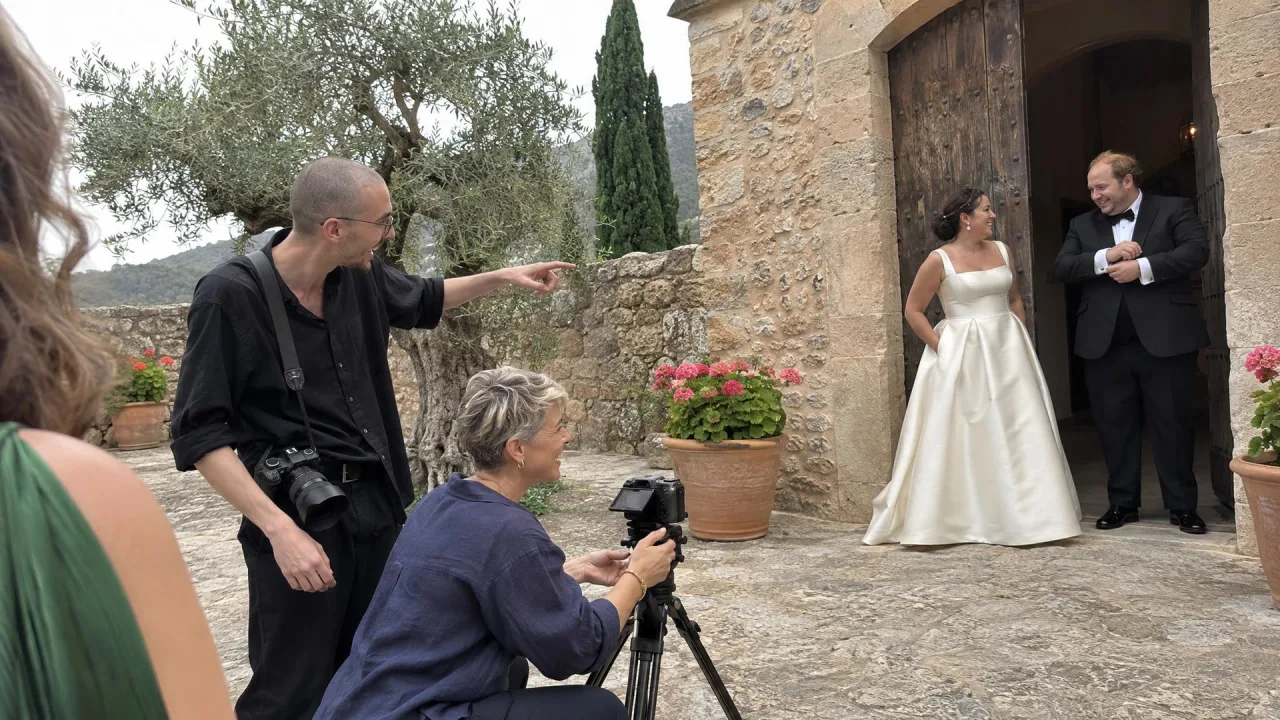
Here is the part that often gets lost in that debate. A film can feel like a movie without anyone staging anything. In practice, the cinematic quality comes from a handful of decisions that are mostly invisible to you:
Light. A wedding filmed at the right time of day looks different before any editing starts. In Spain that often means pushing the couple session towards the last hour of sun and planning the ceremony so the light falls on faces, not straight into the lens.
Sound. Vows, speeches and a parent's voice laid over the morning footage are what turn pretty images into a story. If the audio is weak, no colour grade will save it. See our guide to wedding ceremony audio for what to ask.
Structure. A trailer is built in the edit: what opens the film, which line of a speech carries the middle, where the music drops away. This is where most of the "movie" happens.
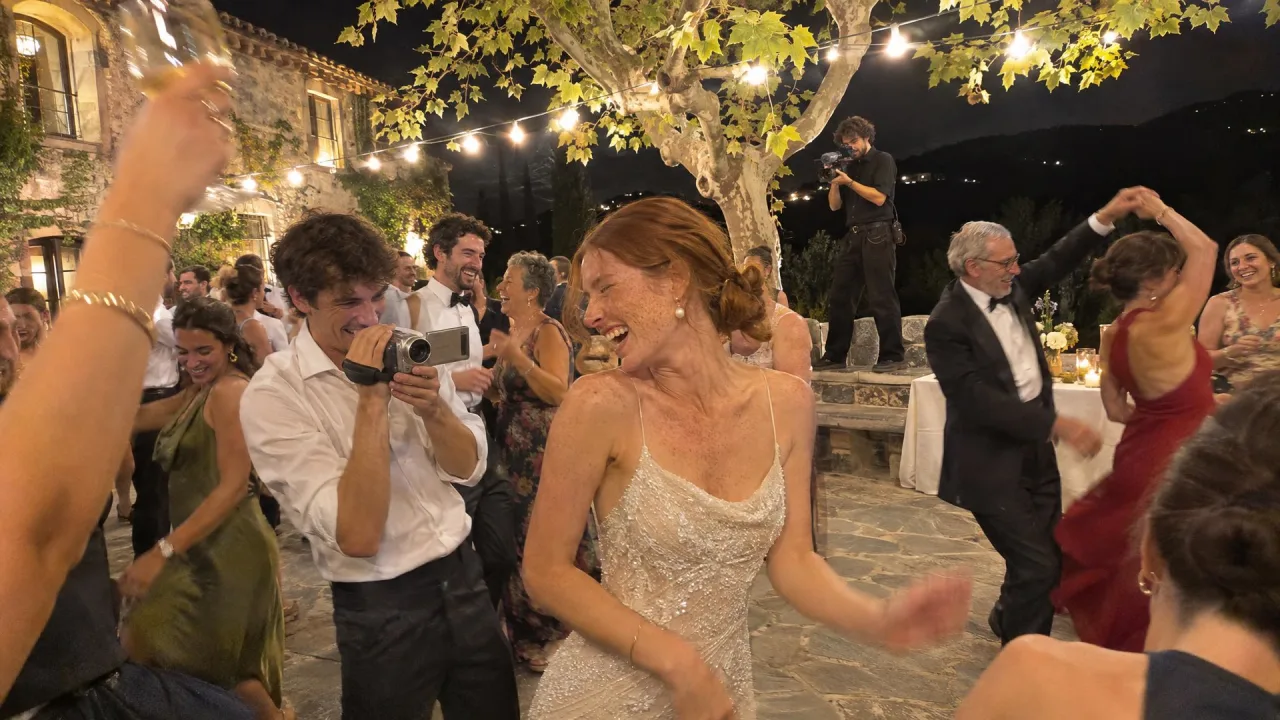
Texture. A few seconds of grainy home-movie footage next to clean cinema images can make a film feel personal and timeless at the same time. That is why many couples now add a VHS camera passed between guests, or a reel of Super 8.
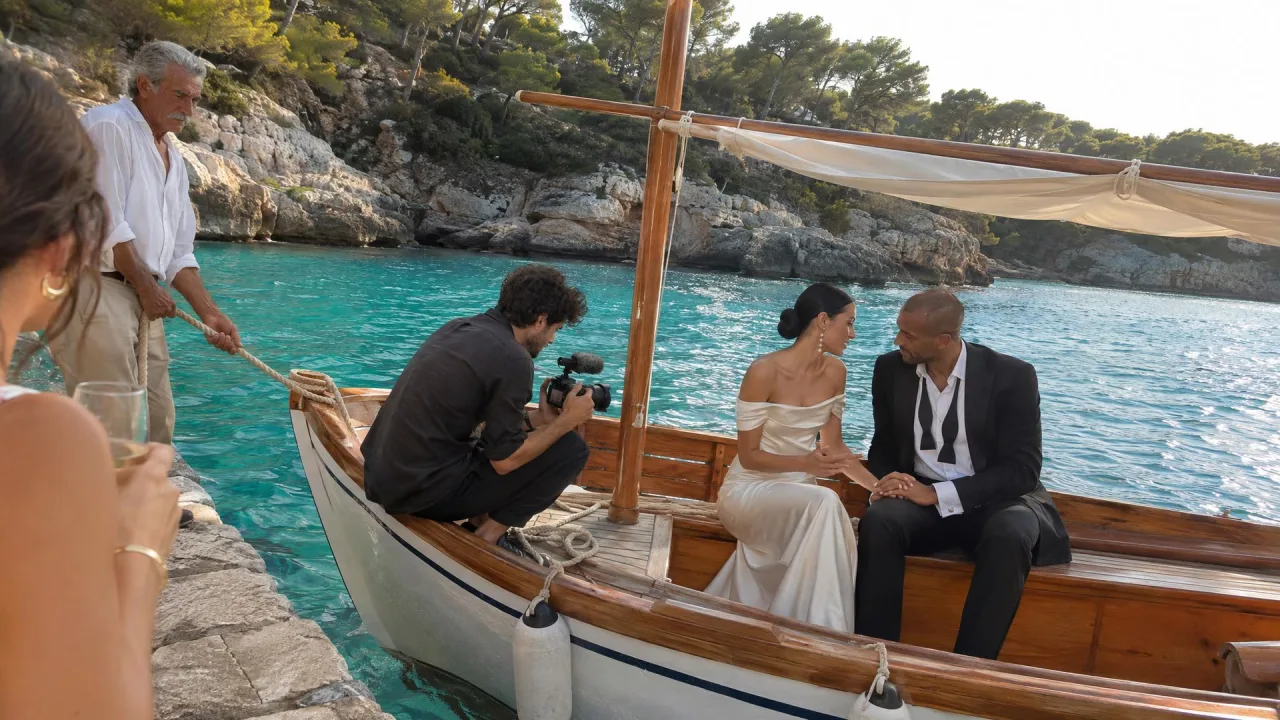
A few minutes of real direction. Not a whole day of it. One or two planned moments, a walk down a staircase or ten minutes on a boat, are enough to give the edit the wide, calm images that make a film breathe.
The photographer question nobody thinks about
The second strongest point in the thread was about the photographer. If you book a very traditional photographer and a very creative videographer, they will pull the day in opposite directions. One wants the usual list of group photos and posed couple shots; the other needs time and space for scenes.
The filmmakers in the replies agreed on the fix:
- Choose a photographer and a videographer whose styles are at least related.
- Introduce them before the wedding and agree who leads which moment.
- Ask the videographer to share their shot plan with the photographer.
- Build two or three short, shared windows into the timeline, so both get what they need without stealing time from your guests.
When this works, it is invisible. When it doesn't, you spend the couple session watching two professionals take turns.
How to plan a movie-like film without losing your day
If you love the trailer look, you don't have to give up on it. Plan it instead:
- Send references early and say what you love about them. Is it the movement, the colour, the music, the slow motion? Often only one or two elements matter to you.
- Ask what the reference would cost in time. A good videographer will tell you honestly which shots need set-up and which can be caught as the day unfolds.
- Use the days around the wedding. A pre-wedding session, a welcome evening or a morning after on a boat gives you the directed scenes without touching the wedding day itself. Spanish destination weekends are ideal for this.
- Protect the unrepeatable parts. The ceremony and speeches should be covered in full, with proper audio, whatever style you choose. Our article on the full ceremony wedding video explains why couples rewatch it more than the trailer.
- Ask for both films. Several replies in the second thread said the same thing: get the short cinematic film and the long, plain record. You do not have to choose.
Questions to ask before you book
- Is your work mostly directed or mostly documentary? Can you show me a full film, not only a trailer?
- How much time would my reference style need in the timeline, and when?
- How do you record vows and speeches, and is there a backup?
- Will you talk to our photographer before the wedding?
- Which films do we receive, and how long is each one?
You will find more in our list of what to ask a wedding videographer before a Spain destination wedding.
How we approach it
Our own approach is documentary first and cinematic in how it feels. We do not plan a wedding around a list of staged shots. We plan the light, the sound and a few quiet windows, and then let the day happen. Our Medium package includes a VHS camera that travels between your guests, and in Full and Full+ you choose between VHS and a Super 8 reel. That mix of clean cinema footage and home-movie texture is often what makes couples say their film feels like a movie.
If that sounds like the film you want, take a look at our documentary and cinematic wedding films in Spain, check what coverage includes in our wedding videographer cost guide, and get in touch with your date and a reference you love.