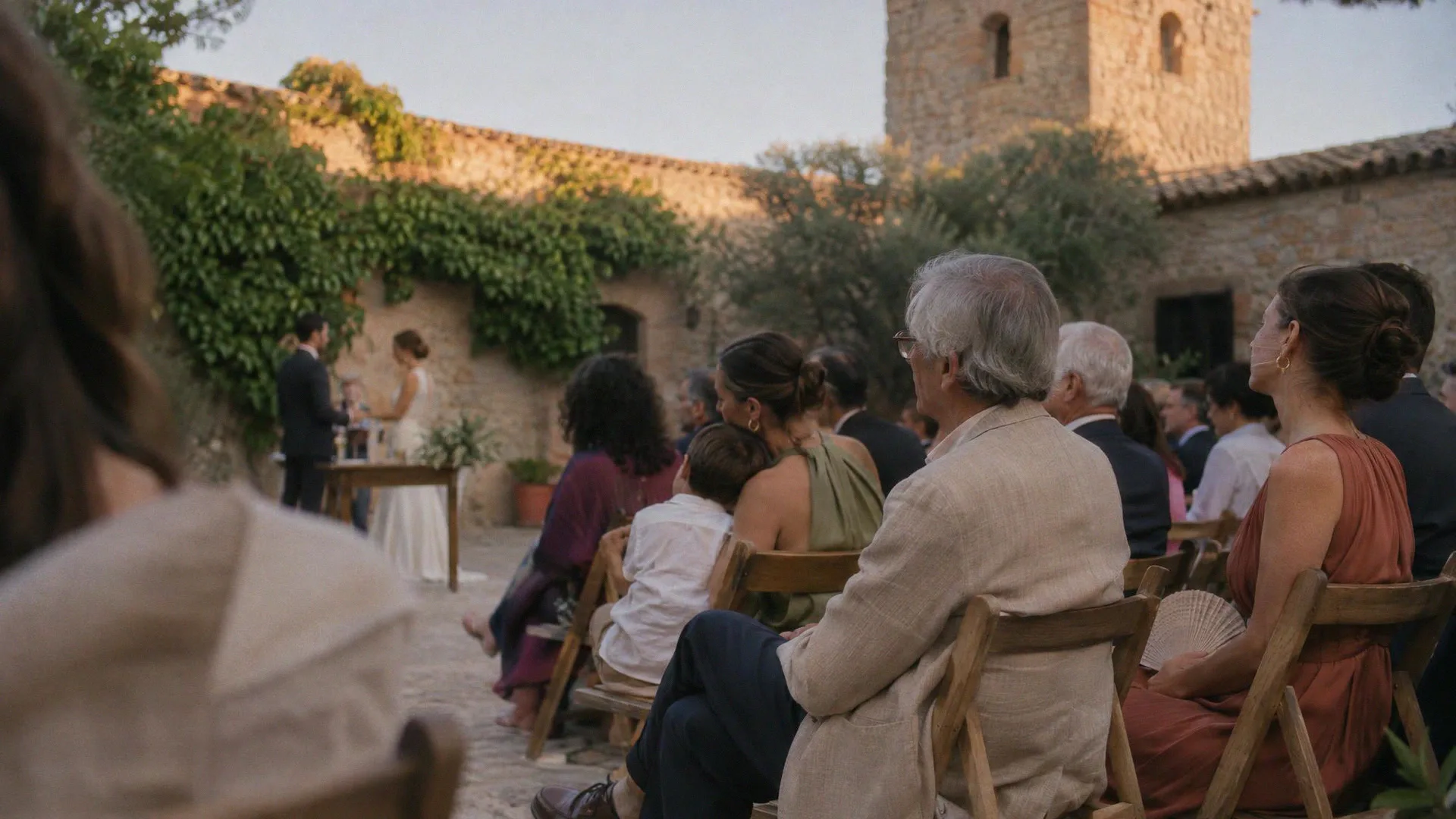
A recent post on a big wedding planning forum carried a simple warning in its title: don't make my mistake. The couple had skipped a videographer and asked their photographer's second shooter to put a camera on a tripod and record the ceremony, nothing more. Then it rained. The ceremony moved under a cramped pavilion, the camera ended up outside under an umbrella, and the only microphone was the one built into the camera. The result was a video of the couple's backs and a soundtrack of rain. You cannot hear a single word of the vows.
The most upvoted reply did not blame anyone. It explained, calmly, that cameras alone almost never record a ceremony well, because their microphones are too far from the people speaking. Professionals solve this with several independent audio sources, so that one failure never costs you the words. Other replies in similar threads said the same thing from different angles: a video with poor sound is the part of the day couples regret most, and it is the easiest part to get right if someone plans it.
This guide explains how ceremony and speech audio really works, what to ask your videographer, and what to do if you are filming the ceremony yourselves.
Why the camera microphone is not enough
A camera microphone records everything in front of it with equal interest: wind, birds, the fountain, chairs scraping on gravel, the guest who coughs in the third row. The person you want to hear, standing six or ten metres away and speaking softly because they are emotional, becomes one sound among many.
Vows are quiet by nature. People rarely project when they are promising something to the person in front of them. Outdoors, there are no walls to carry the voice, and in Spain most ceremonies we work at happen outside: a garden, a courtyard, a terrace over the sea. Add a light breeze in the afternoon and the camera's audio is usually unusable for the vows, even if it sounds fine for the music.
So the rule is simple. Audio for the words is recorded close to the mouth, on separate devices, and then synced to the picture in the edit.
How professionals record ceremony audio
Every videographer has their own kit, but a careful setup usually includes at least two independent sources for the ceremony, plus camera audio for ambience:
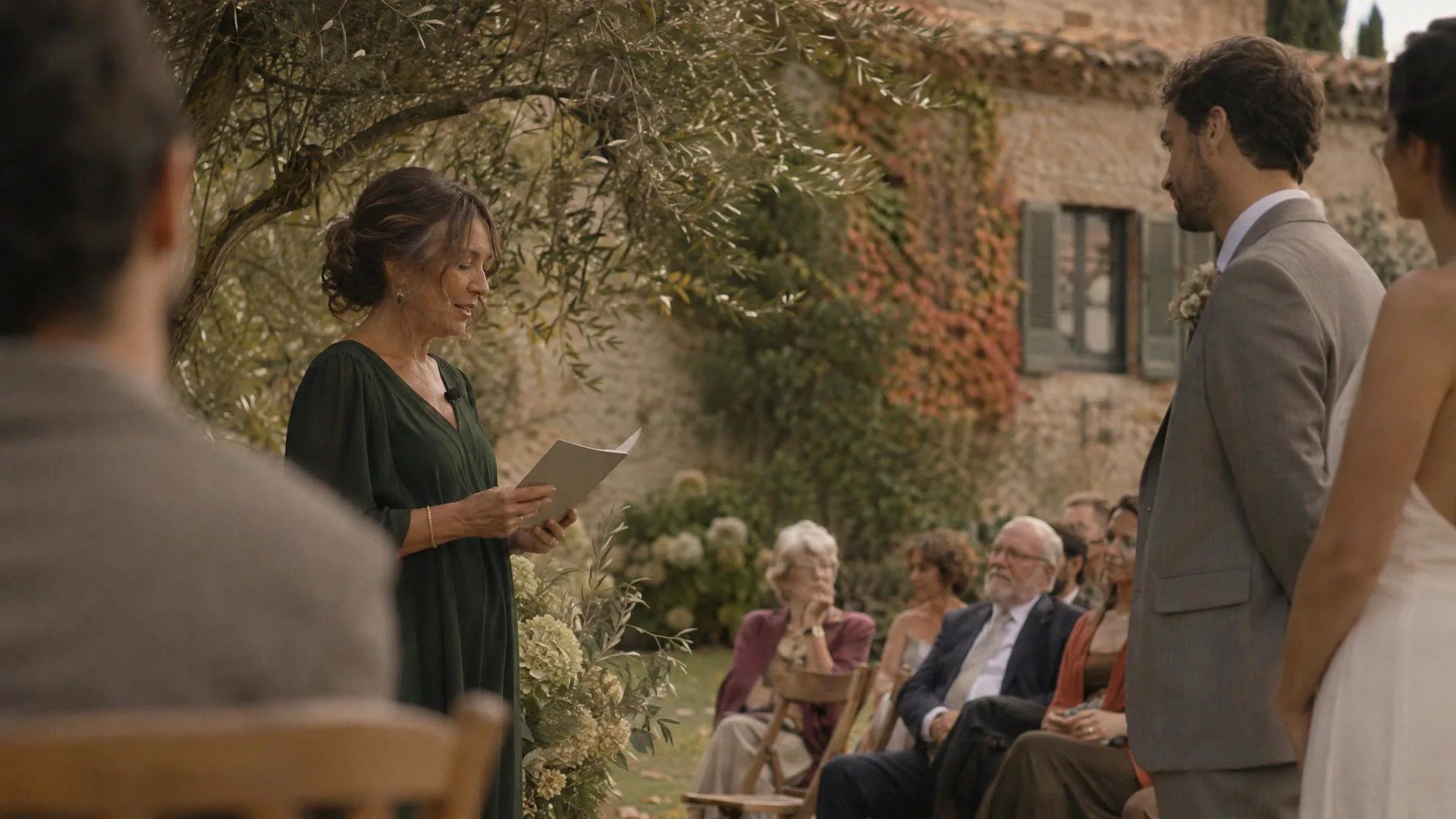
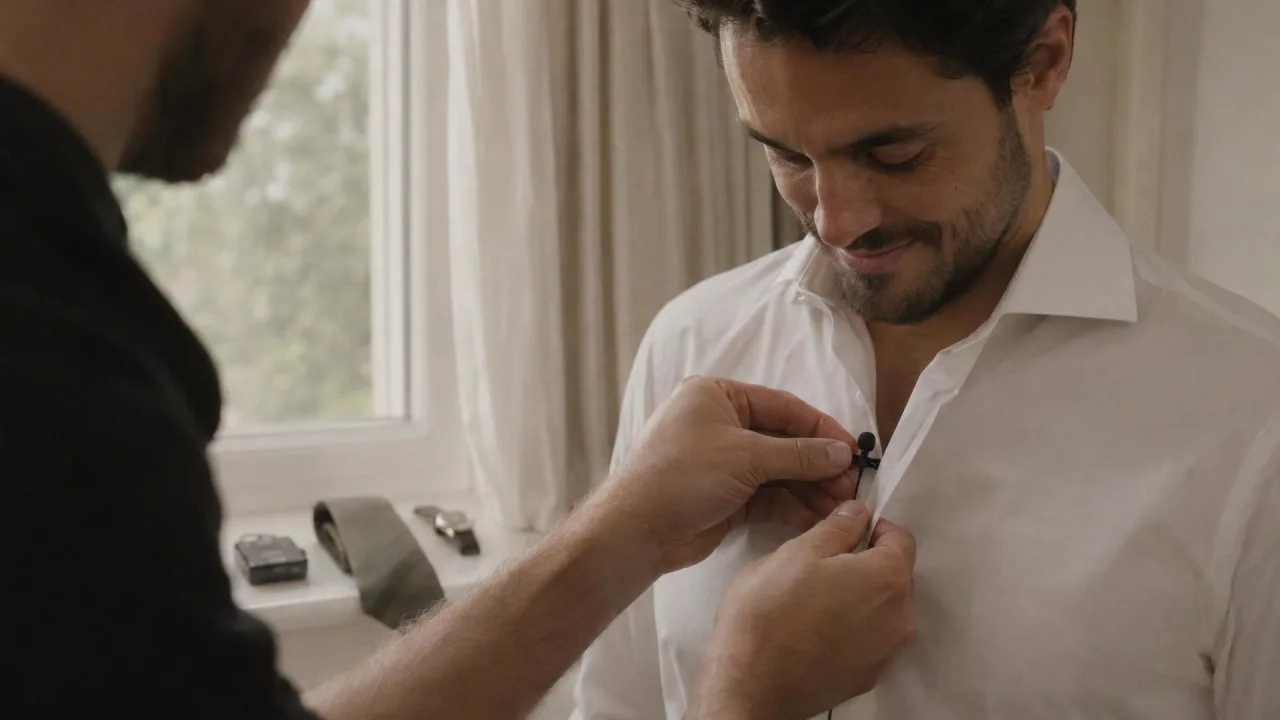
- A lavalier microphone on the officiant. The officiant speaks the longest and usually holds the ceremony together, so a tiny clip-on mic on them catches their words and, often, the couple's answers.
- A lavalier on one of the couple, usually the groom or whoever wears a jacket or shirt where a mic can hide. It records to a small pocket recorder, not over a wireless link that can drop out.
- A feed from the sound system if there is one. When the officiant or a reader uses the venue's microphone, a cable from the mixer into a recorder gives clean sound.
- Camera audio as a backup and for the atmosphere: applause, laughter, music.
Modern recorders can work in a format (32-bit float) that makes it very hard to distort a sudden laugh or a raised voice, and a good operator starts recording before the processional and lets it run. Starting and stopping is exactly how vows get missed.
The details that make or break it
Most audio problems are not about expensive equipment. They come from small decisions on the day.
Where the mic goes. About a hand's width below the chin, away from fabric that rustles. On a groom, it is often clipped inside the shirt or on the lapel with the cable under the jacket. On a bride, it is rarely on the dress itself; the officiant's mic usually catches her voice well enough, or a recorder sits on the ceremony table.
Wind. Outdoors, every mic needs a windscreen, and lavaliers do better under clothing. Coastal ceremonies on the Mediterranean often get an afternoon breeze, so a good videographer checks the wind direction during setup.
The ceremony layout. If the officiant stands to one side and the couple turn away from them for the vows, the officiant's mic will not be enough. A quick talk with the officiant before the ceremony fixes this.
Rain plans. The post that started this discussion is a reminder that the backup space changes everything. Ask the venue where a rain ceremony would happen and make sure your videographer knows, so the cameras and mics move with you instead of staying outside.
Speeches are a separate job
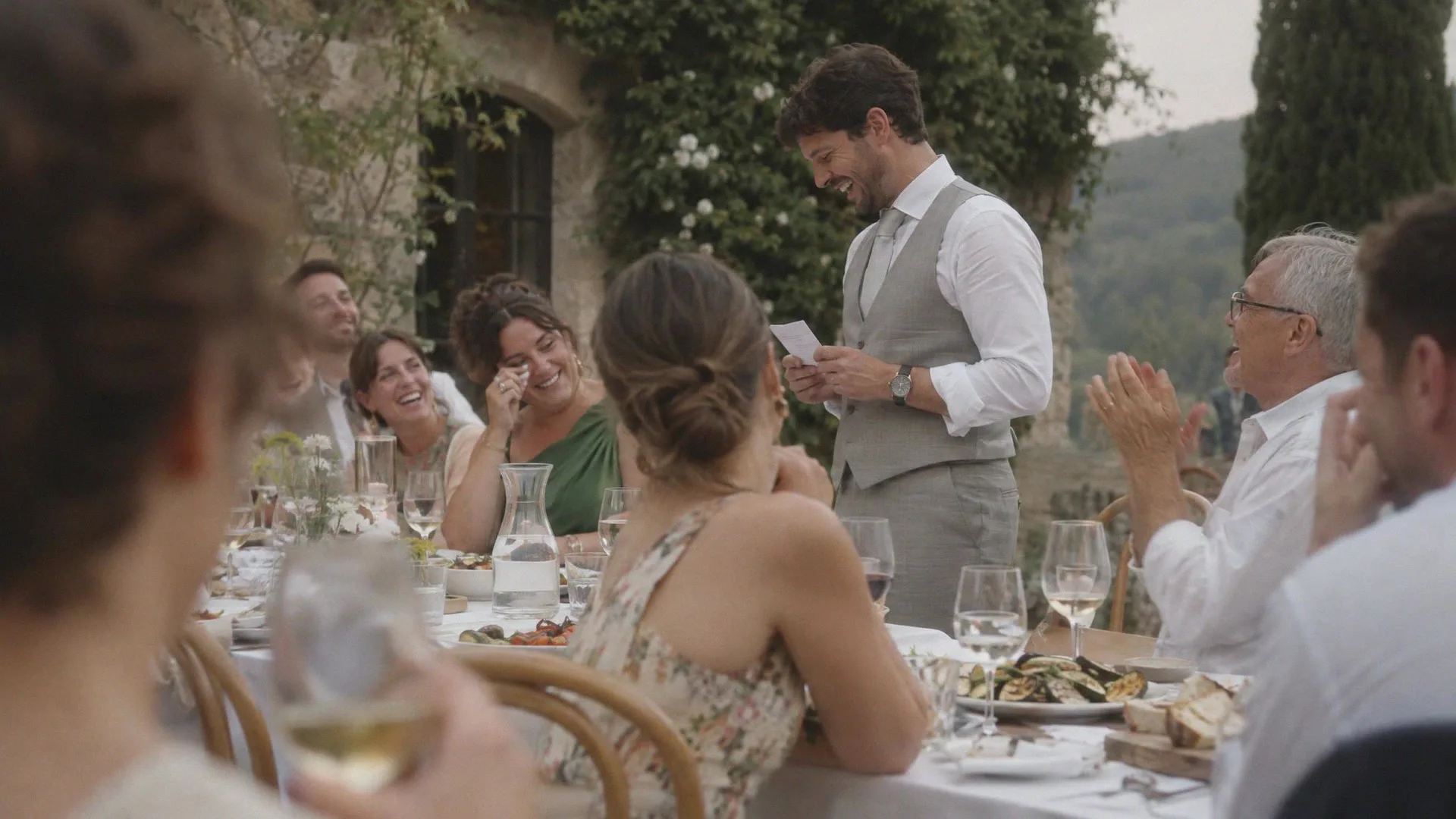
The same threads were full of a second regret: missing speeches. One couple had video only for the ceremony and assumed guests would record the speeches on their phones. Some did; the father's speech and one of the best man's were never recorded at all.
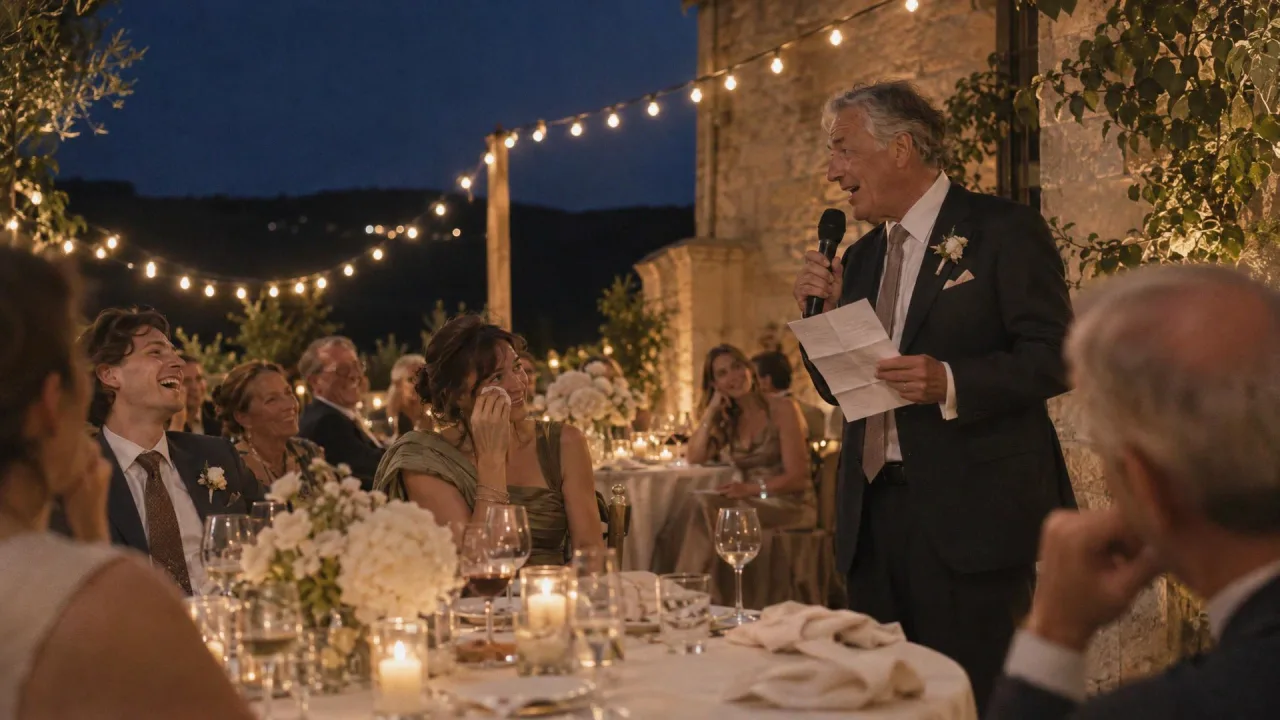
Speeches need their own audio plan, because they usually happen in a different place, at night, over clinking glasses and music. Professionals typically:
- take a feed from the DJ's or band's mixer into a recorder;
- slip a small recorder into a sleeve on the handheld microphone;
- place a second recorder near the speaker as a backup.
If you have a long dinner with several speeches, tell your videographer the order and roughly when they will happen. In Spain, dinners run late, and speeches can arrive between courses or after dessert. A videographer who knows the plan will be in position with recorders running.
What to ask your videographer
When you compare offers, sound is one of the clearest signs of experience. Ask:
- How many independent audio sources do you use for the ceremony, and where do they go?
- Do you mic the officiant and one of us? What happens if the officiant refuses?
- How do you record speeches: mixer feed, recorder on the mic, or both?
- What do you do outdoors in wind, and what is your plan if the ceremony moves inside?
- Will the full ceremony and full speeches be in the final delivery, or only short excerpts in the highlight film?
The last question matters more than most couples expect. Another thread described a couple who received a beautiful highlight film where each speech was reduced to a single line. If you want the complete words, ask for a full ceremony and speech edit in writing. Our questions to ask a wedding videographer cover the rest of the contract, and our guide on documentary vs cinematic films explains how much of the real day each style keeps.
If you are recording the ceremony yourselves
Not every couple hires a videographer, and that is a fair choice. If you are asking a friend to record, a few things will make the difference between a keepsake and a file nobody can hear:
- Two phones, not one. One wide from the back or side, one closer on your faces. Nobody wants a video of only your backs.
- A separate audio recorder. A small clip-on mic and recorder on the officiant, or even a phone recording voice memos in their pocket, will beat any camera at the back.
- A rain position agreed in advance. Decide where the phones go if the ceremony moves indoors.
- Someone named for the speeches. Do not rely on "everyone will film". Ask one person to record every speech from start to finish.
It will not look like a film, but you will hear the words, and that is what most people want years later.
Why we care so much about sound
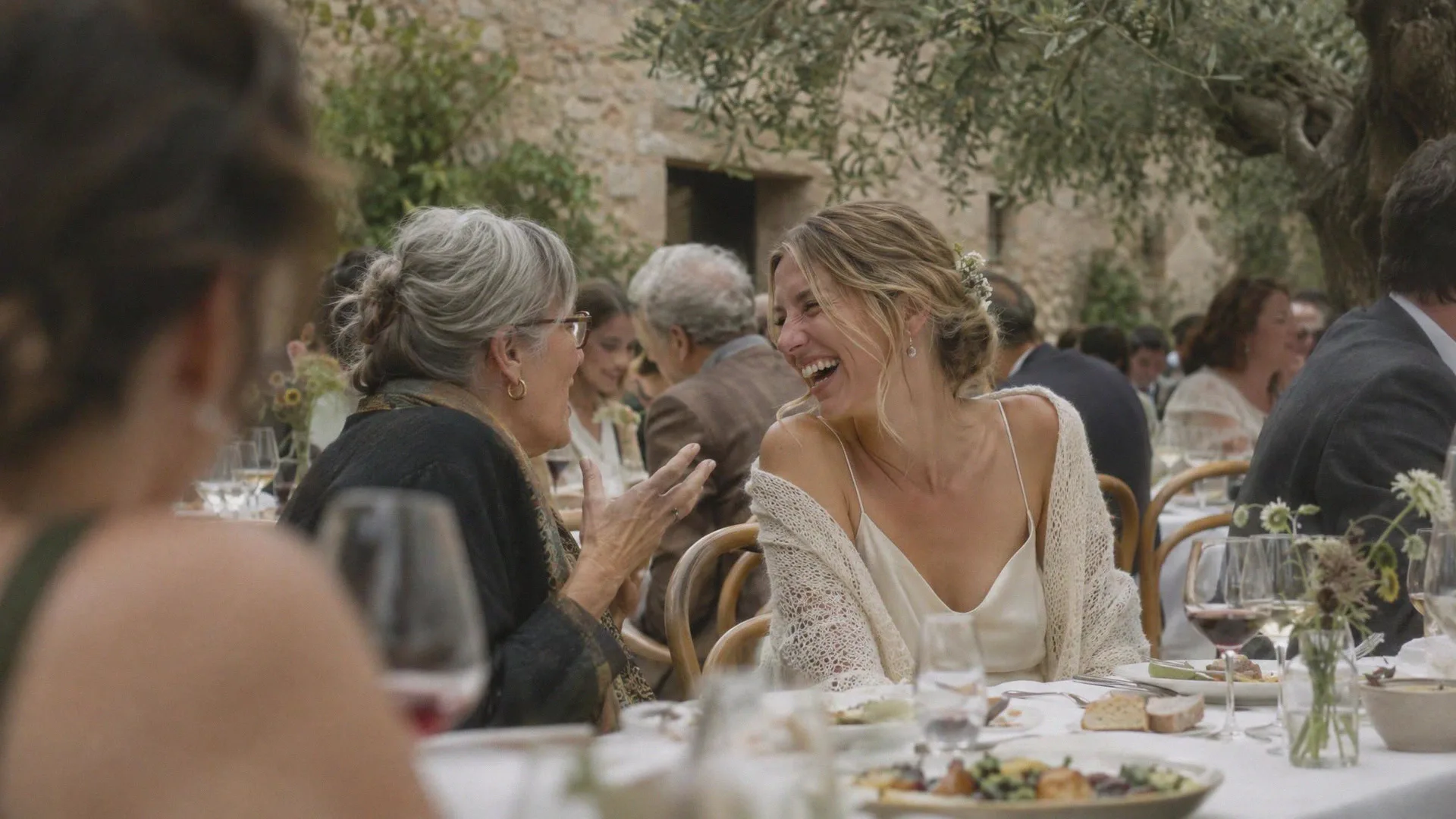
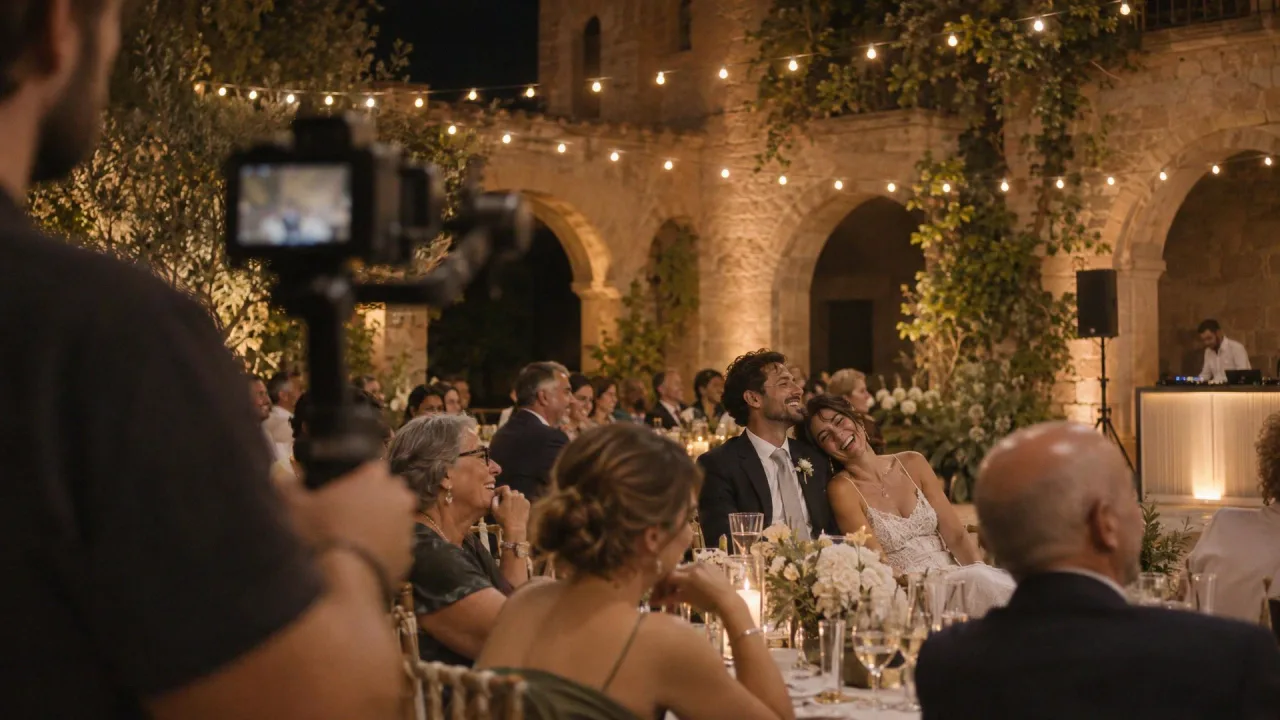
When couples watch their film for the first time, what stays with them is usually a voice: a promise that came out shakier than planned, a father's joke, a friend who could not finish a sentence. Pictures carry the atmosphere; audio carries the meaning. That is why, on every wedding we film, the officiant and one of the couple wear microphones, speeches are recorded from more than one source, and we check that each recorder captured the ceremony before we pack up.
If you are still deciding whether video is right for you, start with our guide on how to choose a wedding videographer. For budgets, our wedding videographer cost guide for Spain explains what changes the price (films from €2,900). And if you would like to talk through your ceremony plan, send us a message with your date and venue.