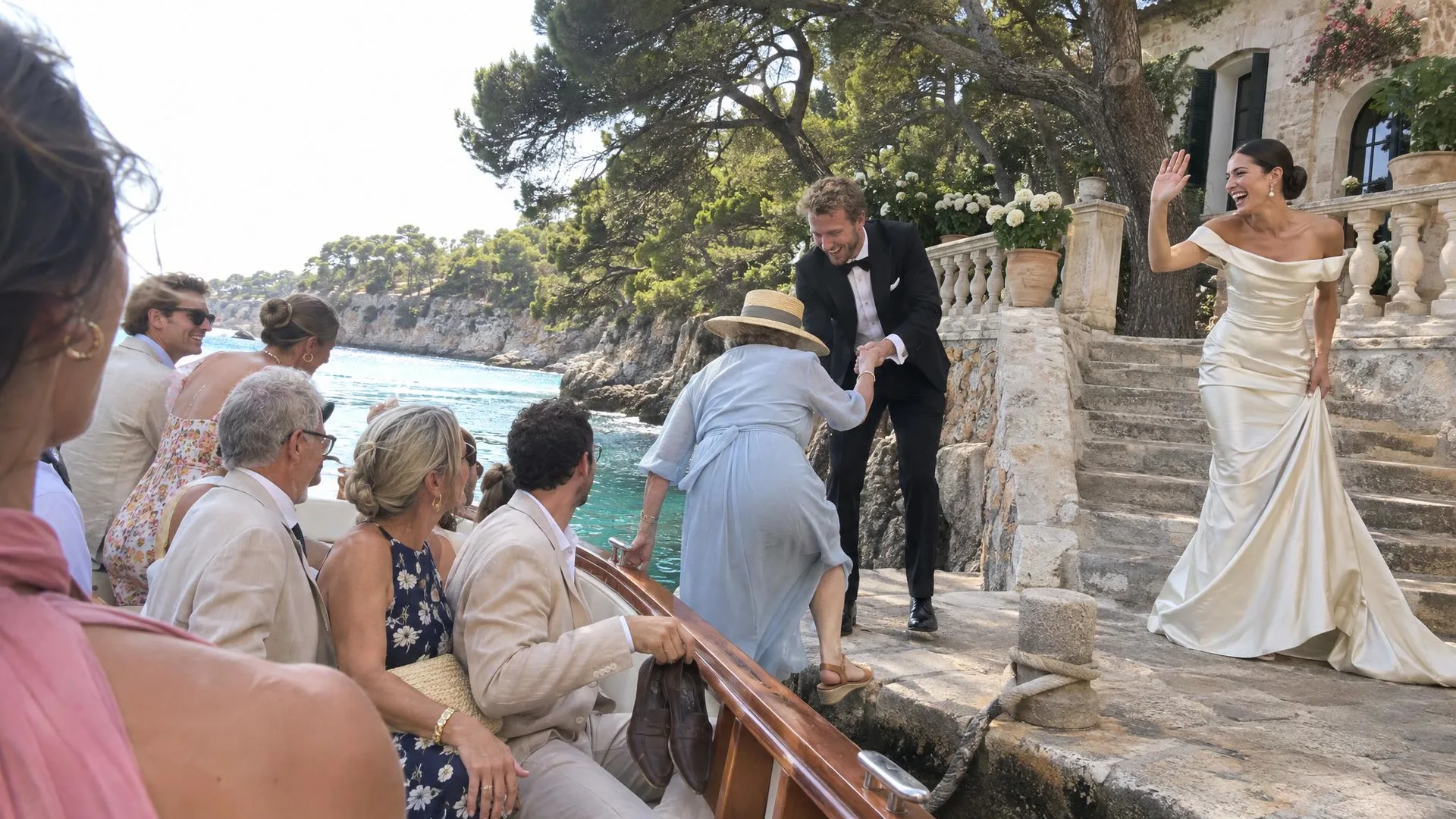
Most couples who decide on a wedding in Spain start in the wrong place. They open a venue directory, save forty beautiful fincas from six different regions, and a month later they are exhausted and no closer to a decision. Spain is a big country with very different climates, airports and prices, and the region you choose shapes almost everything that follows: who can get there easily, how hot the day will be, whether guests can sleep on site and how far your budget stretches.
Two recent planning threads showed the problem clearly. In one, a couple with a fixed budget and around fifty guests had looked at what felt like hundreds of venues across Spain, Portugal and Italy, wanted an old estate with gardens and rooms, and asked for somewhere "not too hot" in summer. In the other, a couple planning for a hundred guests asked whether their budget was realistic anywhere in southern Europe. Between them, more than 140 replies landed on the same advice: choose the region first, then the venue.
What people in the threads kept coming back to
- Pick the region before the venue. The most practical replies told couples to stop scrolling and narrow the map. A shortlist of one or two areas makes every other decision easier.
- "Not too hot" and "July in the south" rarely go together. People who live in Spain pointed out that most local weddings happen in spring and autumn for a reason. Midsummer afternoons inland and in the south can be brutal in a wedding dress or a black-tie suit.
- North and south price differently. Several commenters noticed large price gaps between regions and between famous and less-known areas. The best-known coastal spots carry a premium.
- A classic finca often has no rooms. One couple who married in Spain this year explained that many traditional estates host the party but not the guests, so you also pay for coaches to and from hotels.
- The budget breaks on the combination. Exclusive use, two days, on-site rooms and a full planner can each be affordable. All four together is where costs climb.
- Search in Spanish. A useful tip: local venues that do not appear on the big international directories often show up when you search in Spanish, for example "bodas" plus the town name.
Start with your guests, not the map
Before comparing regions, write down three things: where most of your guests fly from, how many of them are older or travelling with children, and how long you want the celebration to last. A wedding weekend for forty close friends works in places that would be stressful for 120 guests with mixed ages.
Then apply a simple rule from the threads: after a long flight, nobody wants a three-hour drive. Look at the airports first. Barcelona, Madrid, Málaga, Palma and Seville have the widest choice of international flights; Girona, Menorca and smaller airports can work well, but often with fewer direct routes outside summer. Our wedding weekend itinerary templates for international guests show how arrival day, welcome evening and wedding day fit together once you know the travel times.
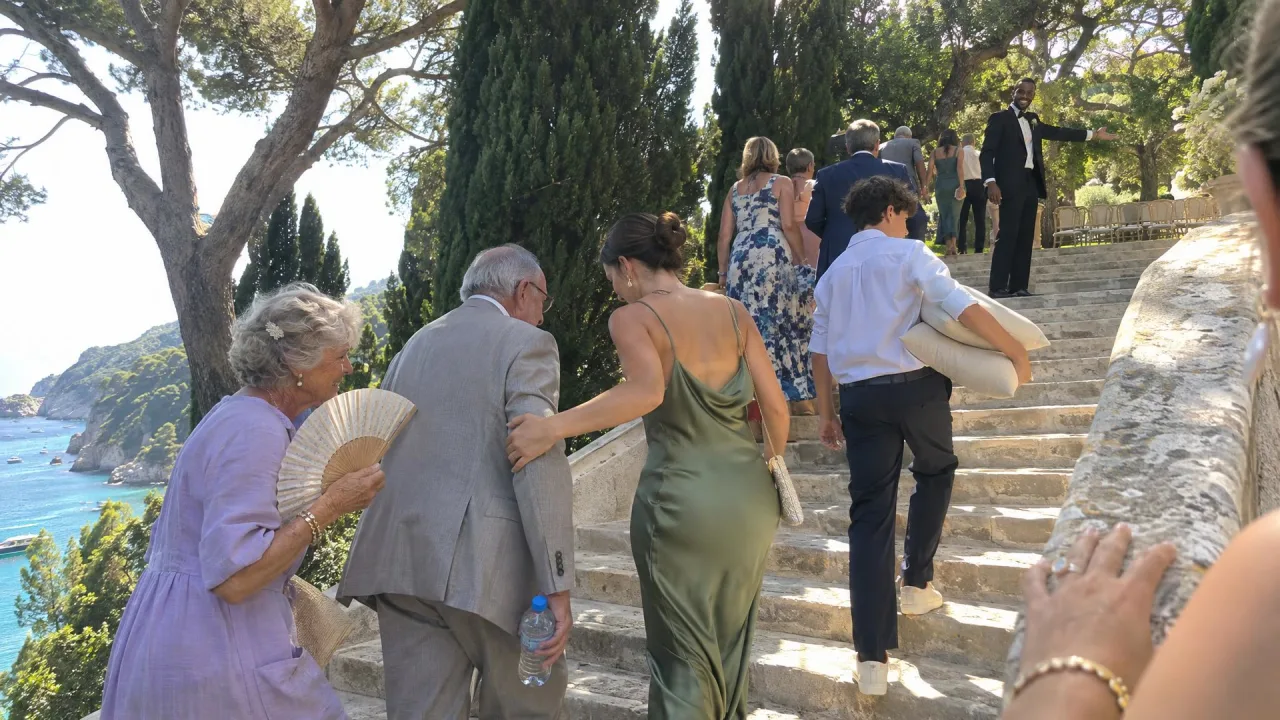
The main regions, honestly compared
Barcelona and the coast around it. Easy to reach from almost anywhere, with a huge choice of masias, gardens and city venues within an hour of the airport. Guests get a city break and a wedding in one trip. The trade-off is demand: popular dates go early and summer can be humid. A good fit if many guests travel from far away and want a short transfer.
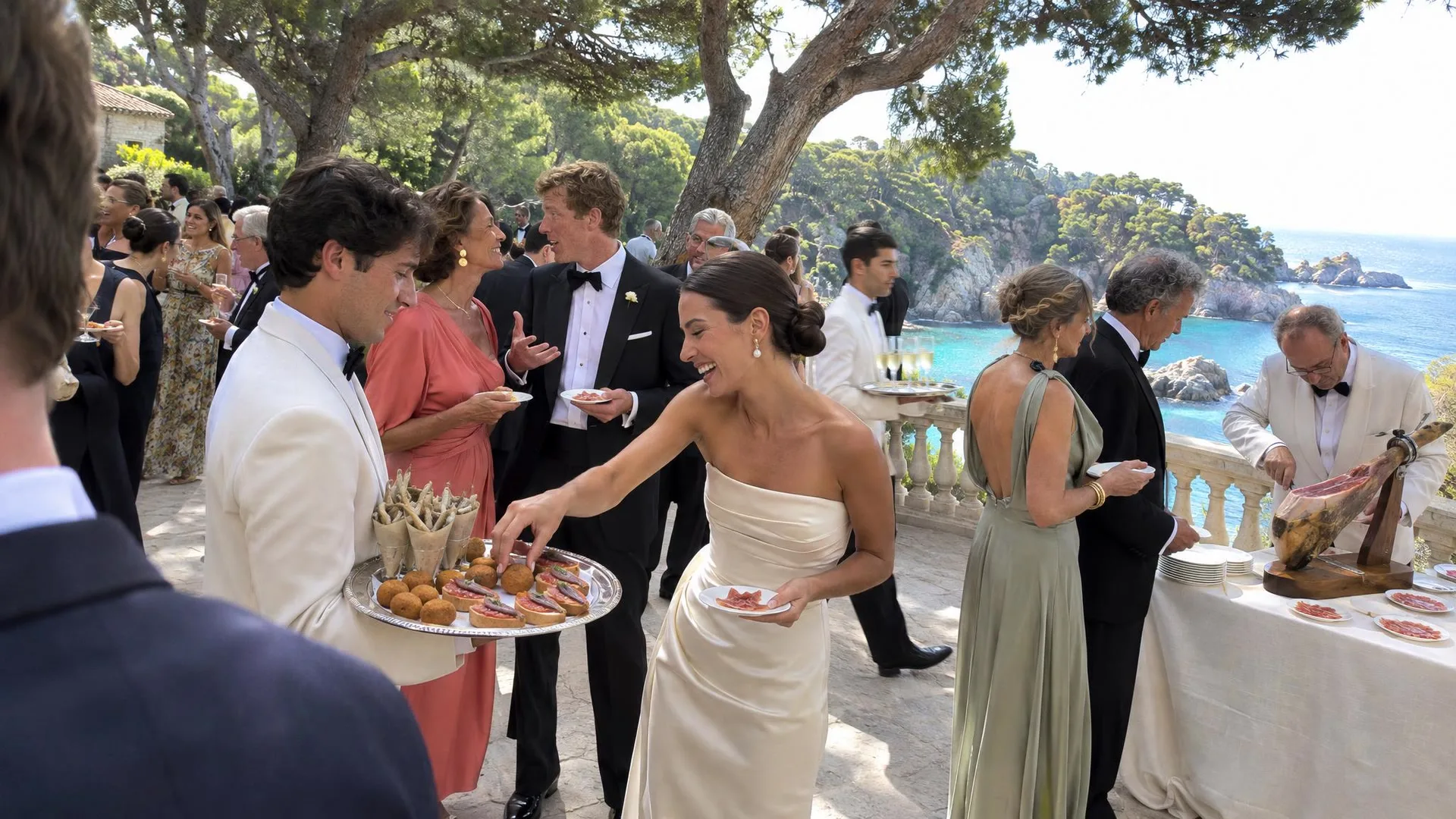
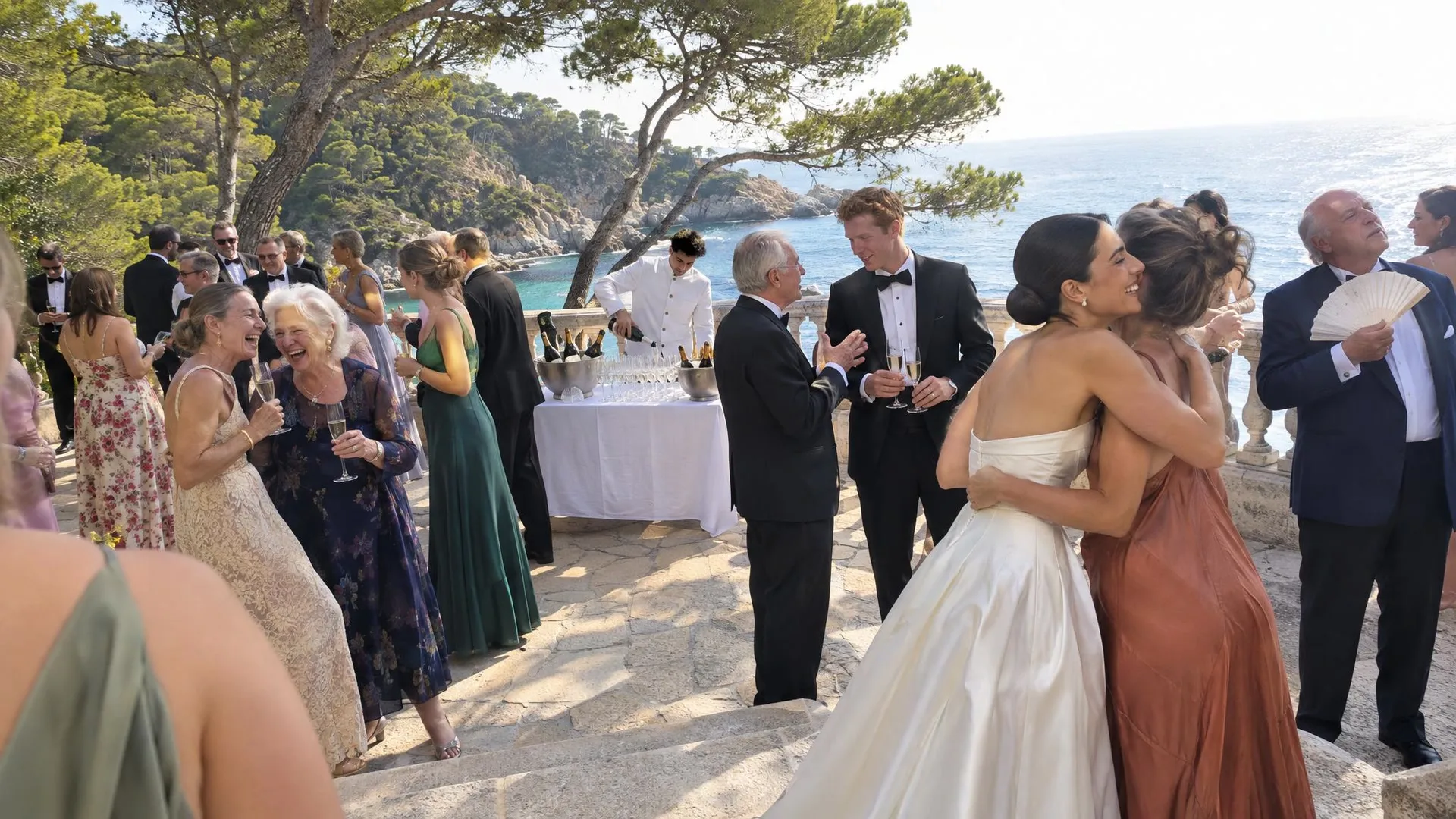
Costa Brava. Coves, pine forests, stone villages and castles, about an hour or two north of Barcelona. Beautiful for ceremonies above the sea, but the roads are slower than they look on a map and wind can change an outdoor plan. Ideal for couples who want a coastal setting without island logistics.
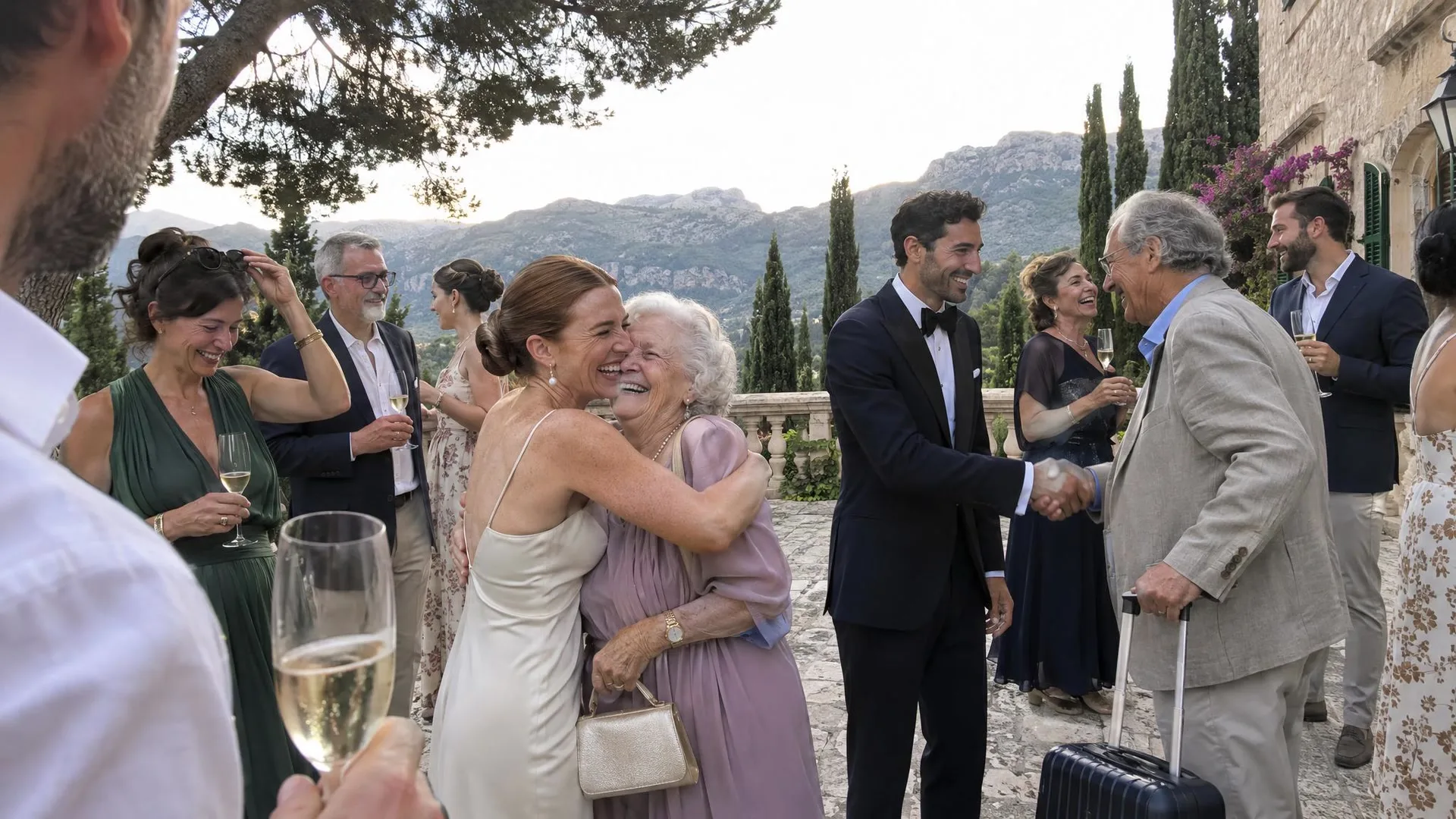
Mallorca. A wide range of fincas, villas and hotels, many flights from European cities in season, and the classic Mediterranean look: turquoise water, old stone, cypresses. Everything has to be organised with island logistics in mind, peak summer prices are high, and transfers across the island take time. If you are torn between the two most popular options, our comparison of Barcelona vs Mallorca for a destination wedding goes deeper.
Menorca. Smaller, quieter and greener than Mallorca, with farmhouse estates and calm coves. It suits small weddings and long weekends, but flights and suppliers are more limited, especially outside the high season, so book early.
Andalusia. Whitewashed cortijos, olive groves, Moorish courtyards and long dinners outside. The coast around Málaga and Marbella has good flights and plenty of hotels. Inland, around Seville and Córdoba, midsummer heat is serious, so spring and autumn are the safer seasons for an outdoor day.
Madrid and central Spain. Often overlooked by international couples, yet one of the commenters suggested the area around Toledo as a source of good options. Excellent flights, historic towns and estates, and often better value than the famous coast. Summers are hot and winters cold, so the shoulder seasons matter here too.
The north. For couples who really want a cooler summer, the Basque Country, Asturias and Galicia offer green landscapes and milder temperatures. The honest trade-off is a higher chance of rain, so a strong indoor plan is part of the deal.
Season decides more than you think
The region and the month work together. A date that is perfect on the Costa Brava can be uncomfortable in Seville. As a rough guide, late spring and early autumn are the most forgiving across most of Spain, July and August suit the coast and the north better than the interior, and winter weddings work best in cities and on the southern coast. Our guide to choosing a destination wedding date in Spain covers holidays, local fiestas and prices by month.
Plan the day around the heat as well. Spanish weddings start late for good reasons: a ceremony at six or seven in the evening in summer is common, followed by a long dinner. The destination wedding timeline and planning guide explains how far ahead to book each part.
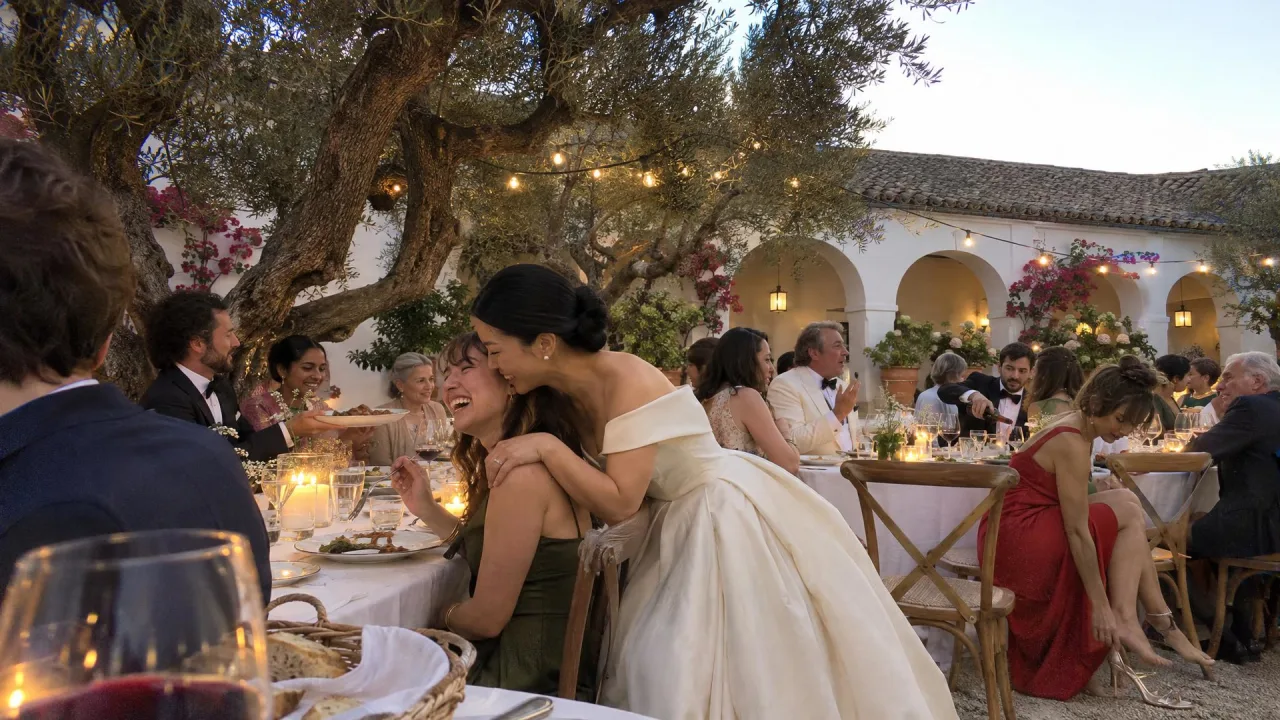
Budget: where the region changes the numbers
The same guest count can cost very different amounts depending on where you land. Famous islands and coastal hotspots in peak season sit at the top; inland estates, less-known towns and the shoulder seasons usually cost less. A few things to check whichever region you choose:
- Is accommodation included? If the venue has no rooms, add hotels nearby and coaches for every guest, both ways.
- Are there room minimums? Venues with rooms sometimes require you to fill a minimum number of nights. Ask what happens if fewer guests come.
- What does exclusive use really cost? Two days of exclusive use is a big line item. A welcome evening at a nearby restaurant can be a cheaper alternative.
- Who travels to you? On islands and in remote areas, suppliers may charge travel or overnight costs.
Our destination wedding budget for Spain breaks down the usual line items in more detail.
One more thing the threads made clear: information gaps cause most of the stress. Before you fall for a venue, ask for a full quote with what is and is not included, the real guest and room capacity, the rain plan, and photos or films from real weddings rather than styled shoots.
Think about the film when you choose the place
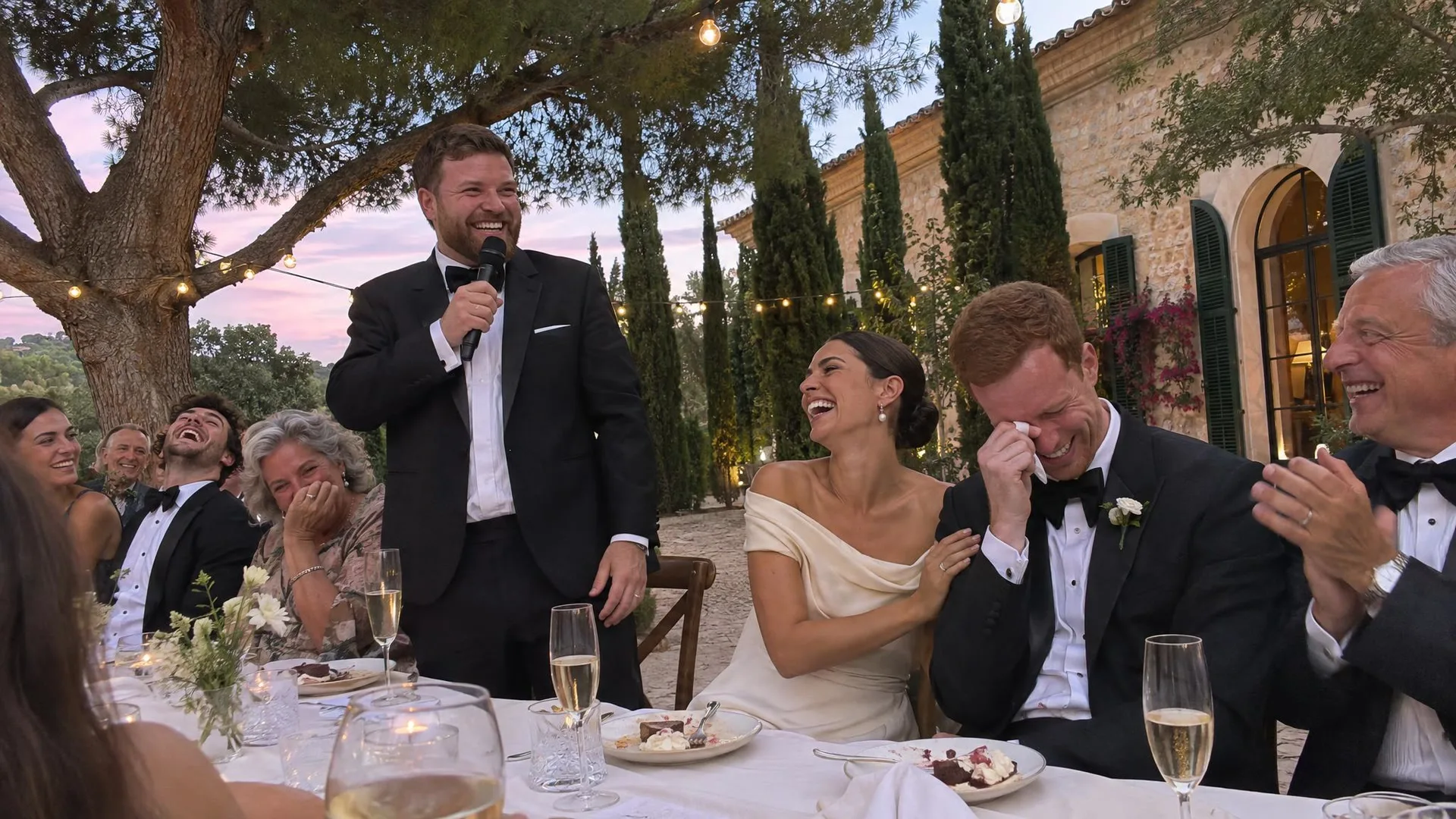
The region also shapes how your day will look and feel on screen: midday light on white walls in Andalusia, sunset over a cove in Menorca, guests arriving by boat in Mallorca. When we plan our documentary and cinematic wedding films in Spain, we look at the light, the distances between locations and the timing of the evening, because a long transfer or a ceremony in harsh midday sun affects the film as much as the guests. Whoever you hire, ask how they would plan the day in your chosen region and whether travel and accommodation are included or quoted separately; ours are quoted separately.
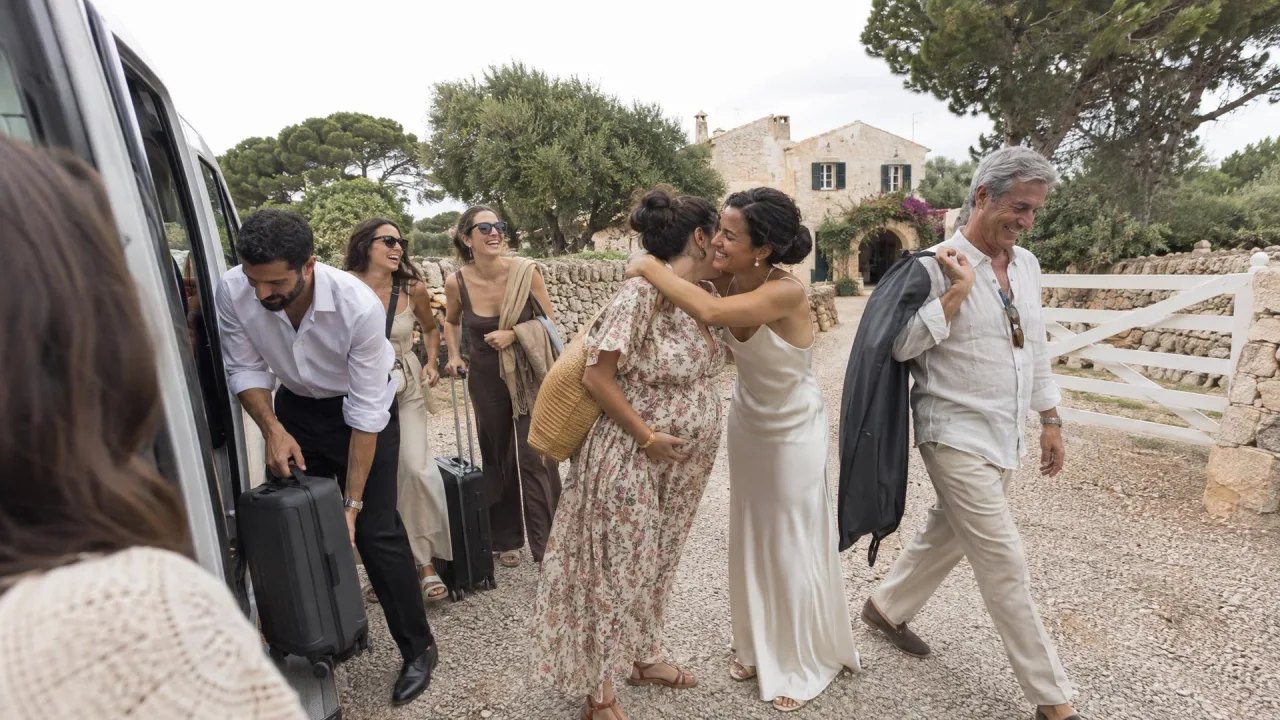
Quick checklist
- List where your guests fly from and pick regions within a short transfer of a major airport.
- Match the region to the month: south and inland in spring or autumn, coast or north in high summer.
- Shortlist one or two regions before you look at venues.
- Ask every venue about rooms, room minimums, coaches and the rain plan.
- Search for venues in Spanish as well as English.
- Leave room in the budget for transport and a welcome event.
Still deciding where to get married in Spain? Tell us about your plans and we will share what we know about the light, timing and logistics of each region.