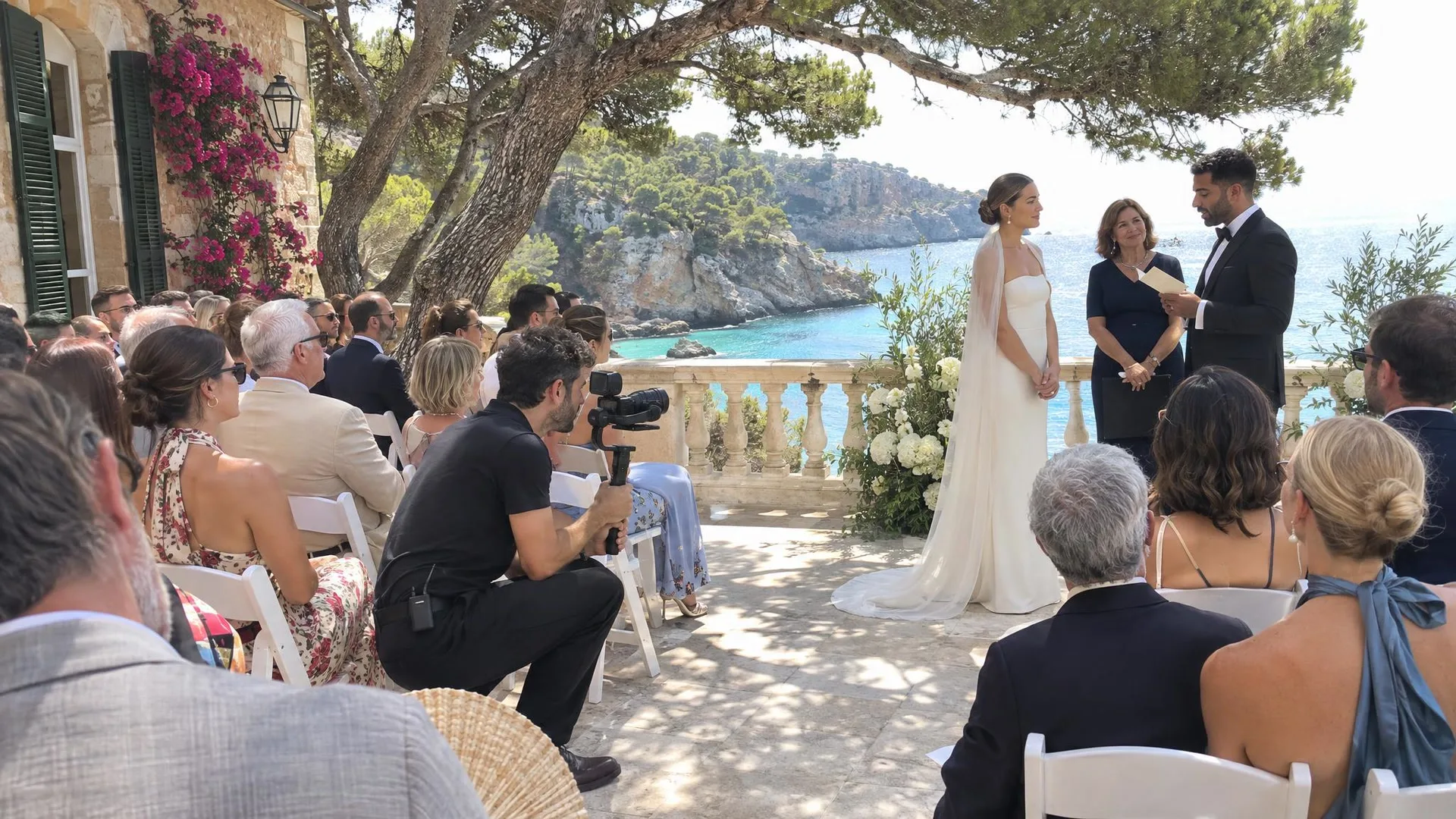
A couple who married a few years ago got an unexpected message from their wedding videographer. He was closing his business and shutting down his cloud storage. Before he deleted everything, did they want to buy the raw video and audio files? He asked a fee for downloading them and posting a USB stick. The couple loved the film they already had, felt the price was steep and asked a wedding forum what to do.
More than sixty replies later, the discussion had turned into one of the most useful conversations about raw wedding footage we have read. Some people called it a last money grab. Others, including working videographers, explained why it was a normal offer. Underneath the argument was a better question: what is raw footage, and do you actually need it?
What the thread agreed on, and where it split
- It is not automatically a money grab. Storing years of client files costs money, and finding, copying and checking them takes time. Several replies said a fee for that is fair, even if this one felt high.
- Ask yourself if you will use it. One of the most upvoted answers was blunt: you have lived happily without these files so far. If you love the film, maybe spend the money on an anniversary dinner instead.
- Raw files are specialist material. Commenters who work with video warned that the files can be very large, recorded in a flat colour profile meant for grading, and awkward to play or edit without the right software.
- Raw footage matters most before the edit. A few people pointed out that raw files are mainly insurance while the film is being made, in case footage is lost or the studio disappears. Once you have a finished film, their value drops.
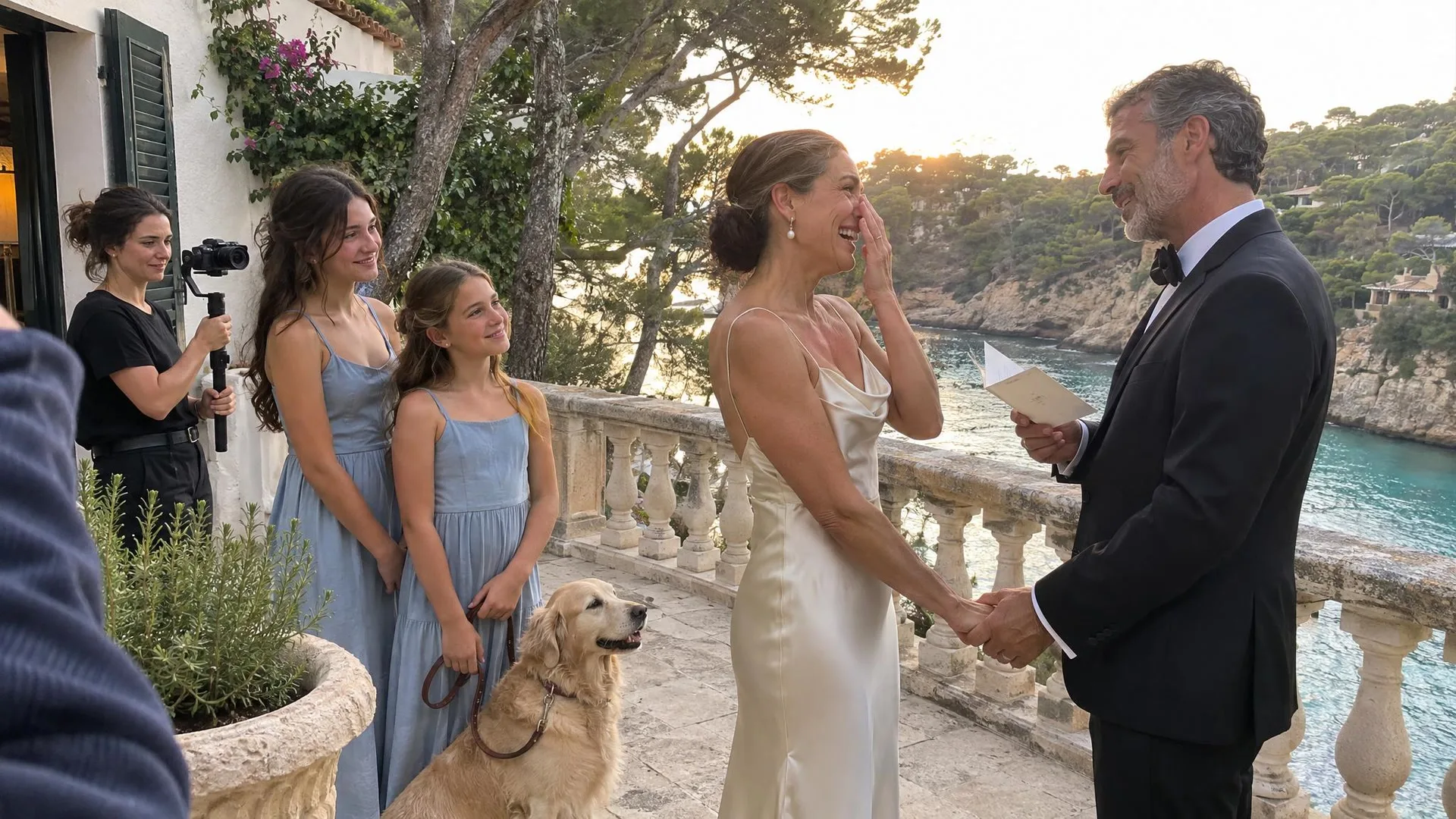
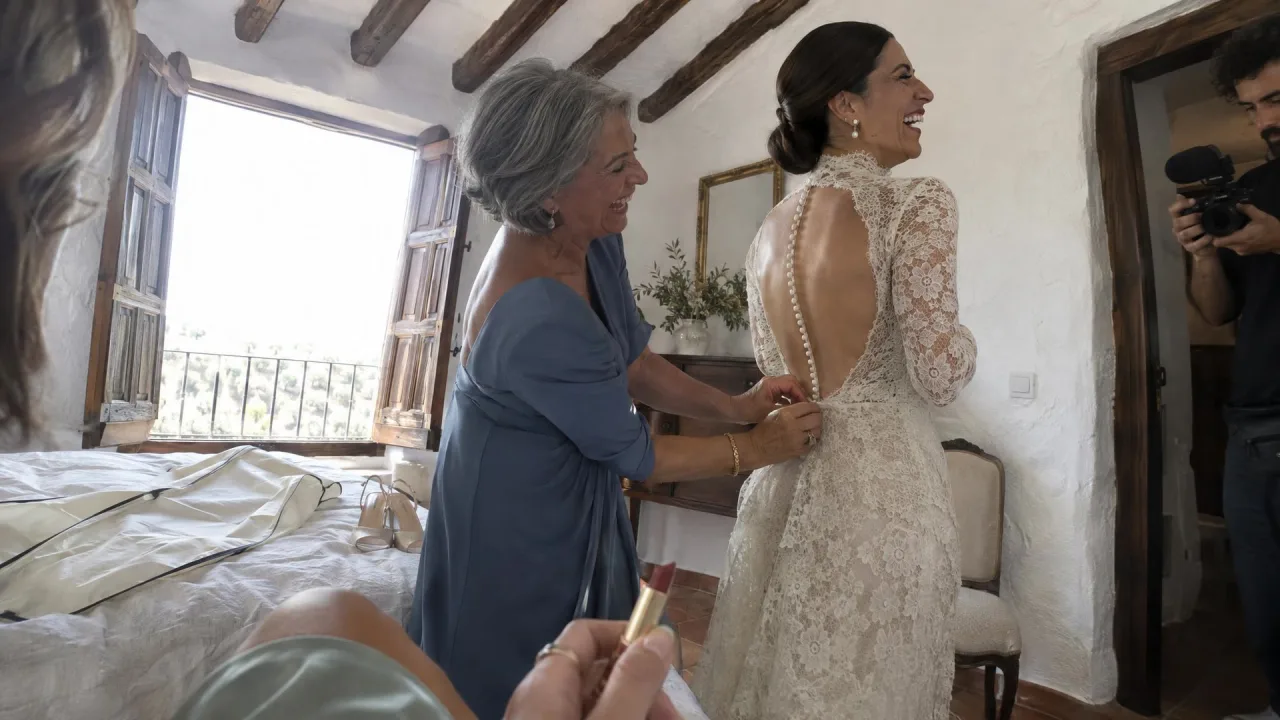
- The moments between the highlights. The other side argued that raw footage keeps what the edit leaves out: a quiet talk with your mother while you were getting ready, a few minutes with a grandparent at dinner. Edited films show the curated moments; the in-between ones live in the raw files.
- Check what you are getting. Several replies suggested asking whether the files are untouched camera originals or cleaned-up clips with basic colour, and whether private conversations picked up by accident have been removed.
The split is fair. For most couples the film is what they rewatch. For some, the raw footage becomes a family archive, and they are glad years later that they kept it.
What raw wedding footage actually is
Raw footage is everything the cameras recorded during the day, before editing. In practice it usually means:
- Hundreds of separate clips from each camera: starts and stops, repeated shots, moments of the camera moving between positions.
- Several angles of the same moment. With two operators, the ceremony and speeches exist twice, from different sides.
- Sound in separate files. Good wedding audio is often recorded on small lavalier microphones and a separate recorder, not only on the camera. In the raw files those tracks may not be synced to the picture.
- Flat, washed-out colour. Cinema cameras often record in a low-contrast profile that is graded later. Ungraded clips look grey next to the finished film.
- Large files. A long day with two cameras can easily reach hundreds of gigabytes. That is not something you download on hotel wifi in ten minutes.
None of this is a problem if you know what to expect. It just means raw footage is not a second film. It is the material a film is made from.
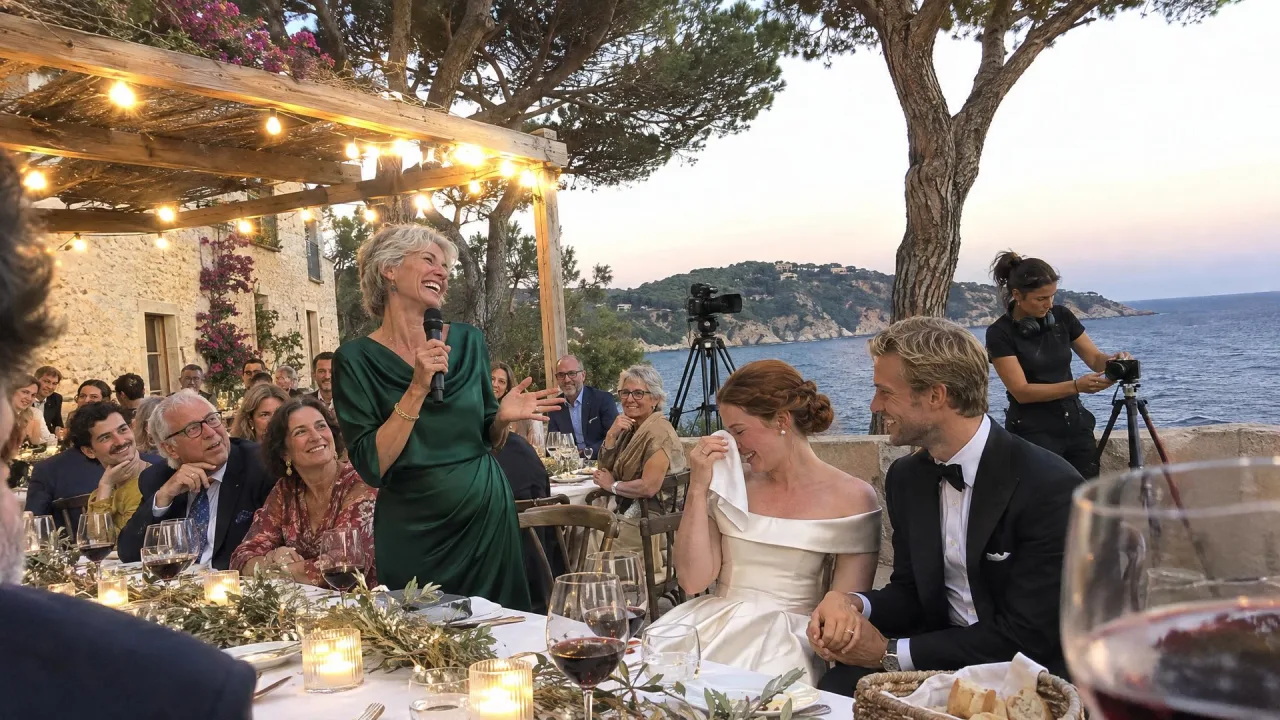
Raw footage, the film and the full ceremony are different things
Couples often ask for raw footage when what they really want is something else. If you want to see the whole ceremony from start to finish with clean sound, ask for a full ceremony edit, which is cut from several cameras and synced to proper audio. If you worry that a short film will leave out too much, read our guide on how long a wedding video should be and decide on the length you will really watch.
Raw footage is the safety net and the archive. The edited film is the thing you put on the television with your family.
When raw footage is worth having
- As insurance. Getting the files soon after the wedding means your memories exist in two places while the film is being edited.
- For speeches and long conversations. An edit will shorten a toast. The raw files keep every word, which matters when a grandparent or a parent speaks. Our article on wedding ceremony audio, vows and speeches explains why clean sound decides how usable that material is.
- For relatives far away. At a destination wedding many people cannot travel. Longer, unedited moments can be shared with them privately.
- For later. Some couples imagine their children watching the day one day, or making their own small edit for an anniversary.
When you can skip it
If you know you will never open a folder of a few hundred clips, and you trust the studio's archive, raw footage may not be worth the storage space and the effort of looking after it. That is a perfectly reasonable choice. What matters is deciding before the wedding, not five years later when a business is closing.
Questions to ask your videographer before you book
- Is the full raw footage included, or is it an extra?
- When can we have it: right after the wedding or only with the final film?
- Are the files original camera files or converted clips that play on a normal laptop or TV?
- Is the colour graded or flat?
- Is the sound included, and is it synced to the picture?
- How will you send it: a download link that expires, or a drive?
- How long do you keep your own copy of our wedding after delivery?
There is a longer checklist in our guide on what to ask a wedding videographer before a Spain destination wedding.
How to store raw footage so it lasts
The thread had one quiet lesson: footage that exists in only one place can disappear. Once the files are yours, look after them like any important archive.
- Keep at least two copies on two different drives, and ideally one more in cloud storage.
- Do not trust one hard drive forever. Plug your drives in every year or two and check that the files still open.
- Label everything with the date and place of the wedding, so nobody has to guess in twenty years.
- Export a few favourite moments as ordinary video files that play on a phone or television. Those are the clips you will actually share.
How we handle it
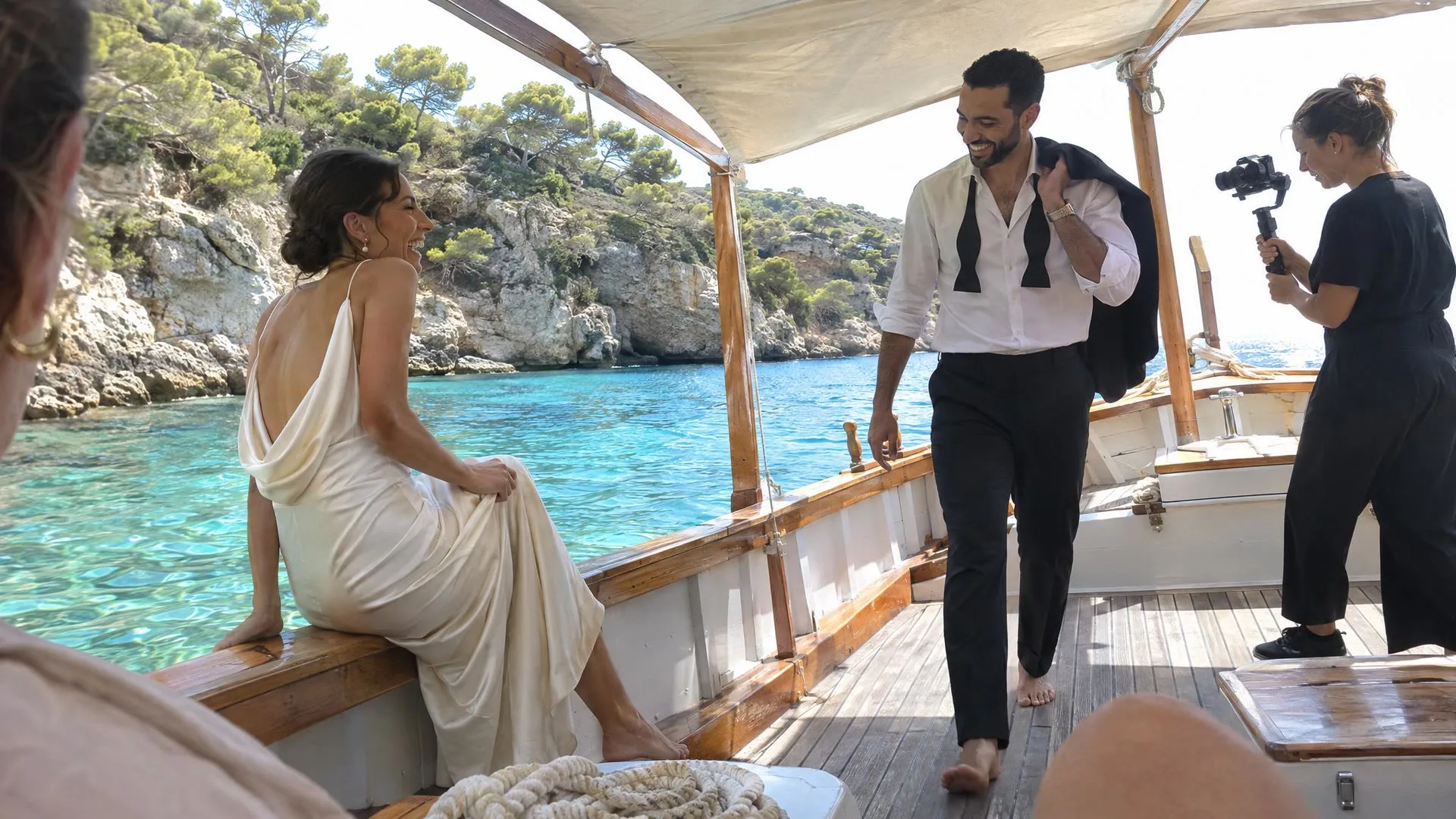
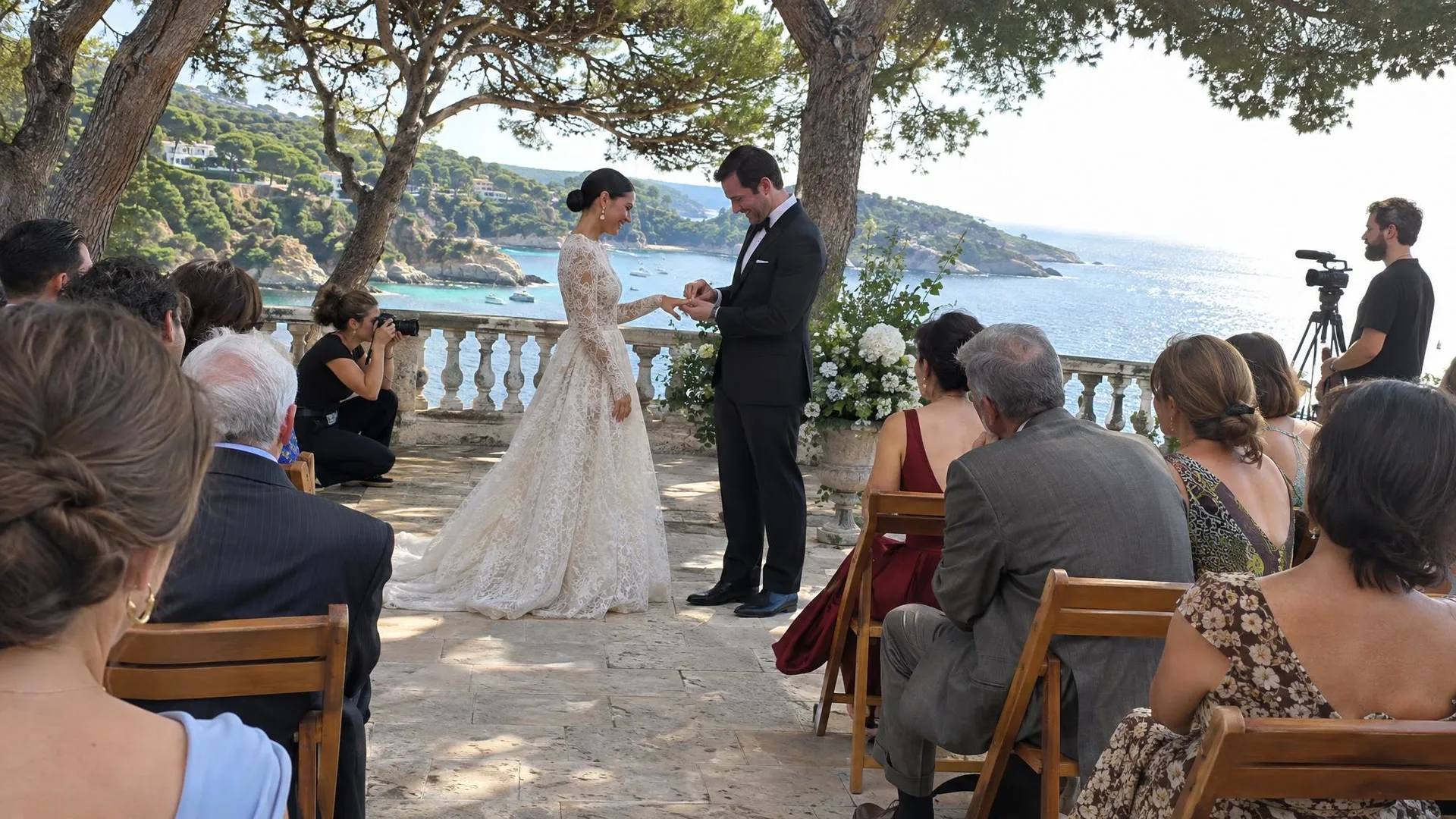
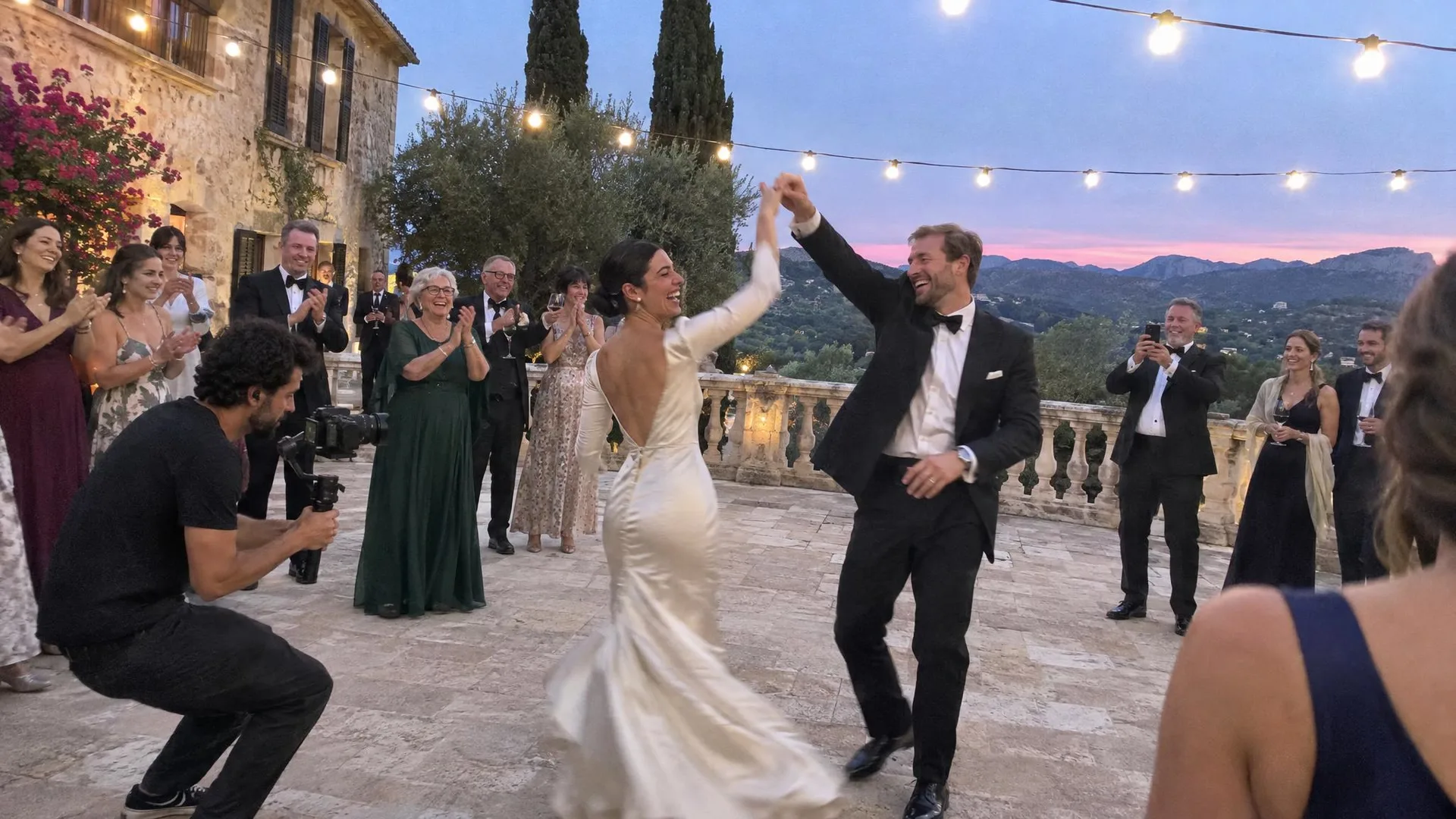
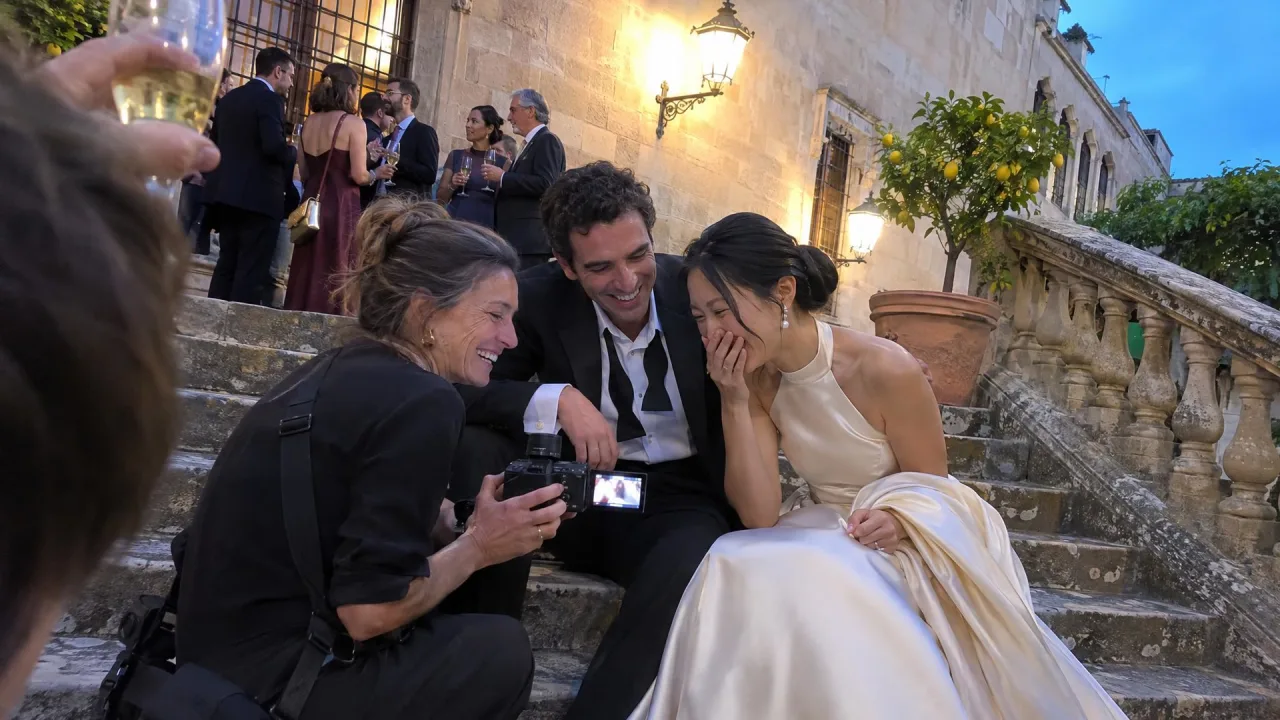
We make documentary and cinematic wedding films in Spain, so the day is recorded as it really happens: conversations, reactions, the people around you. That is exactly why the raw material can matter to a family. All four of our packages include the full raw footage from the wedding day, and you can ask for it the day after the wedding, while the final film follows within two months. You can see what each package includes on our wedding videography pricing page.
The short version
Raw wedding footage is not a better or longer film. It is the archive behind the film: big, unpolished and sometimes precious. Decide before the wedding whether you want it, ask how and when it will be delivered, and keep two copies once you have it.
Planning a wedding in Spain and want to talk about what you would like to keep from the day? Write to us with your date and place.