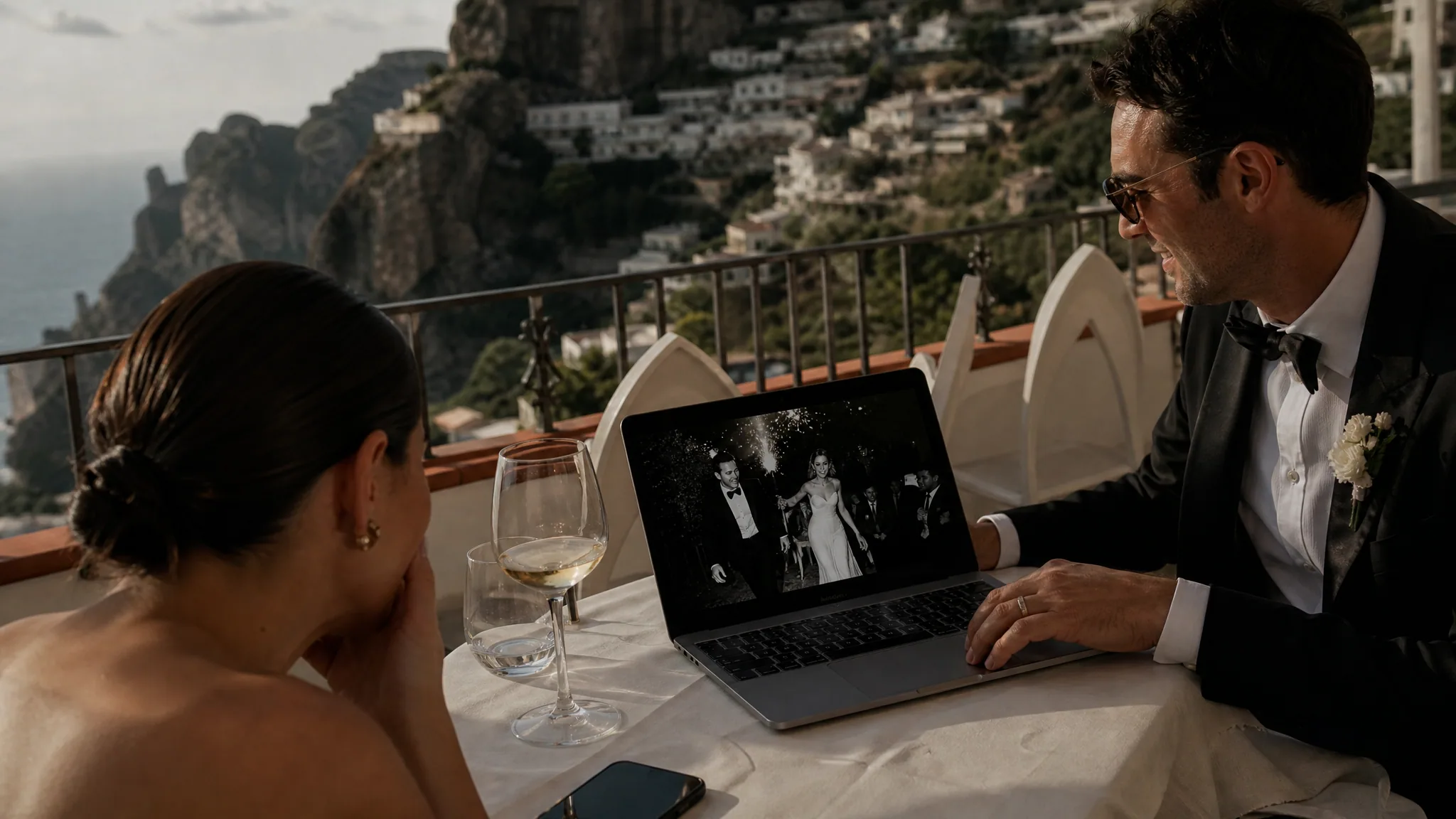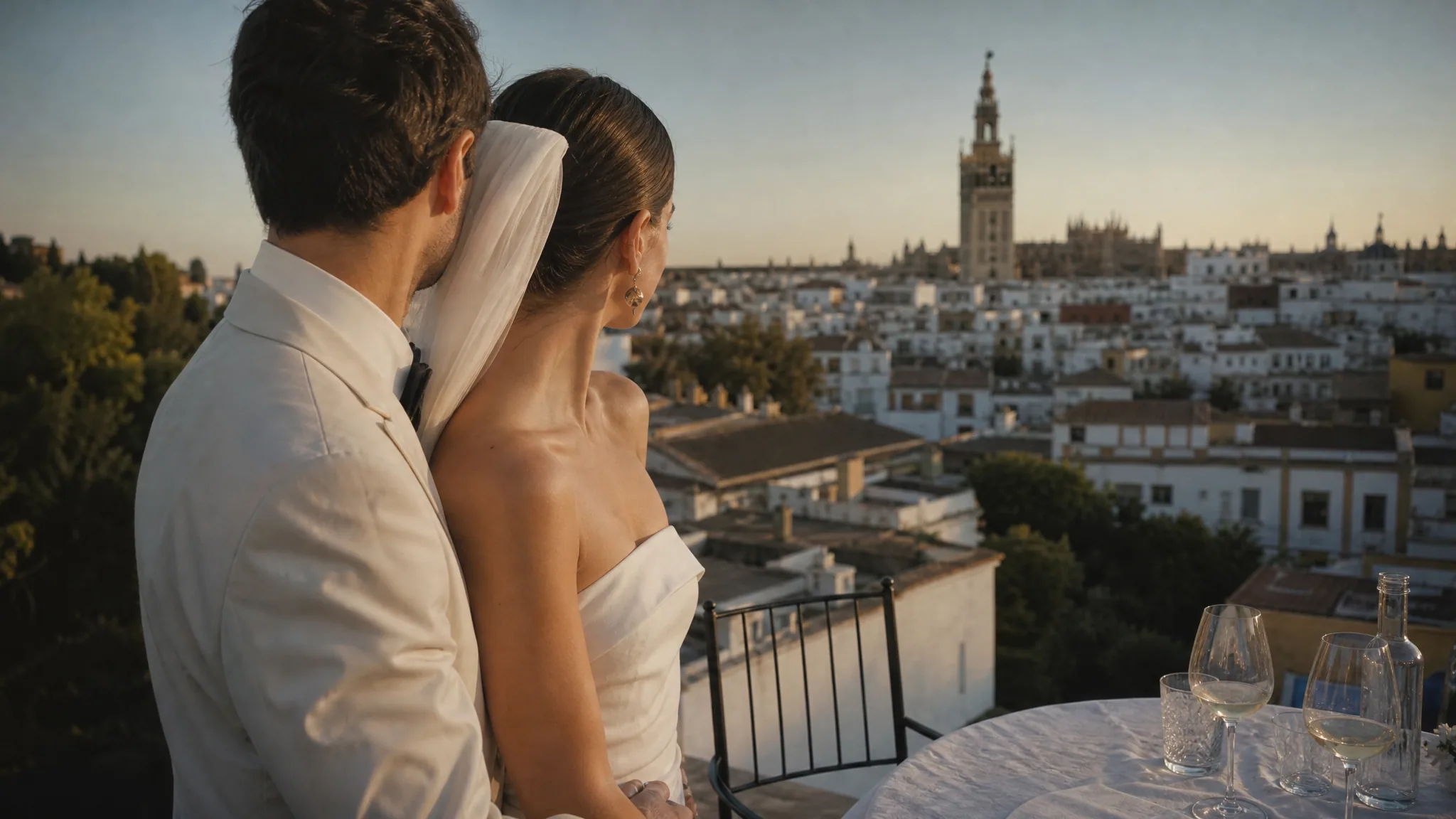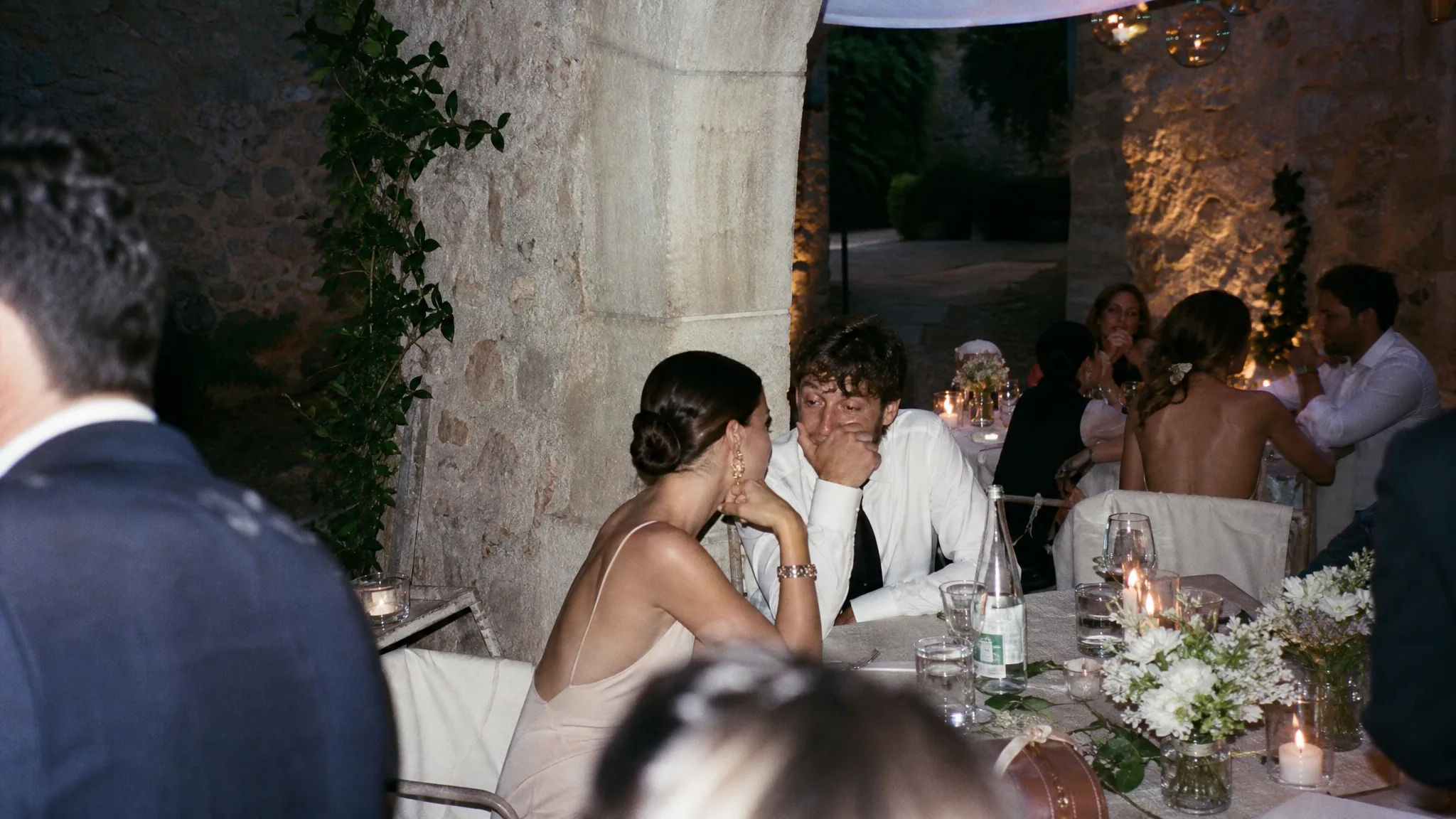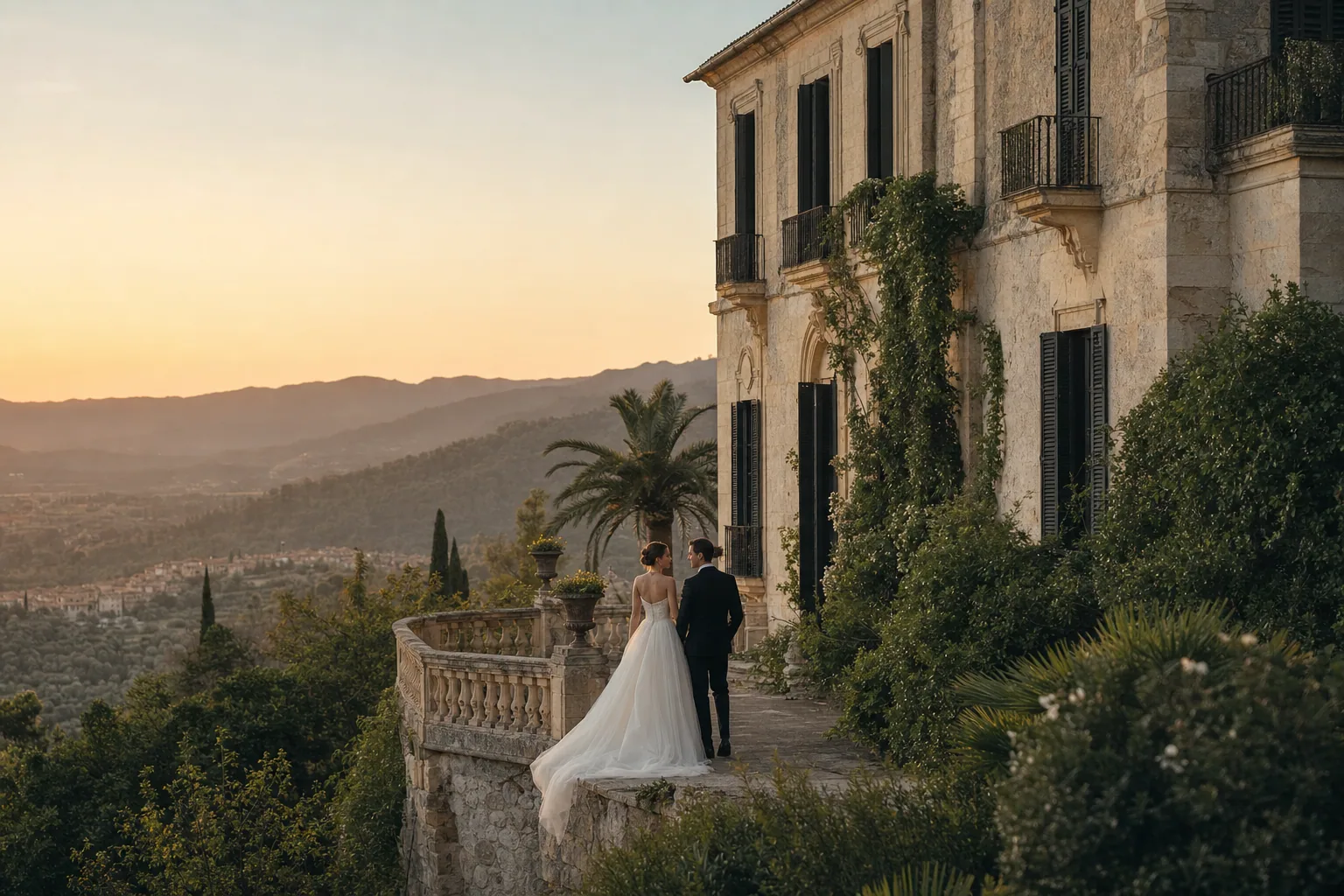
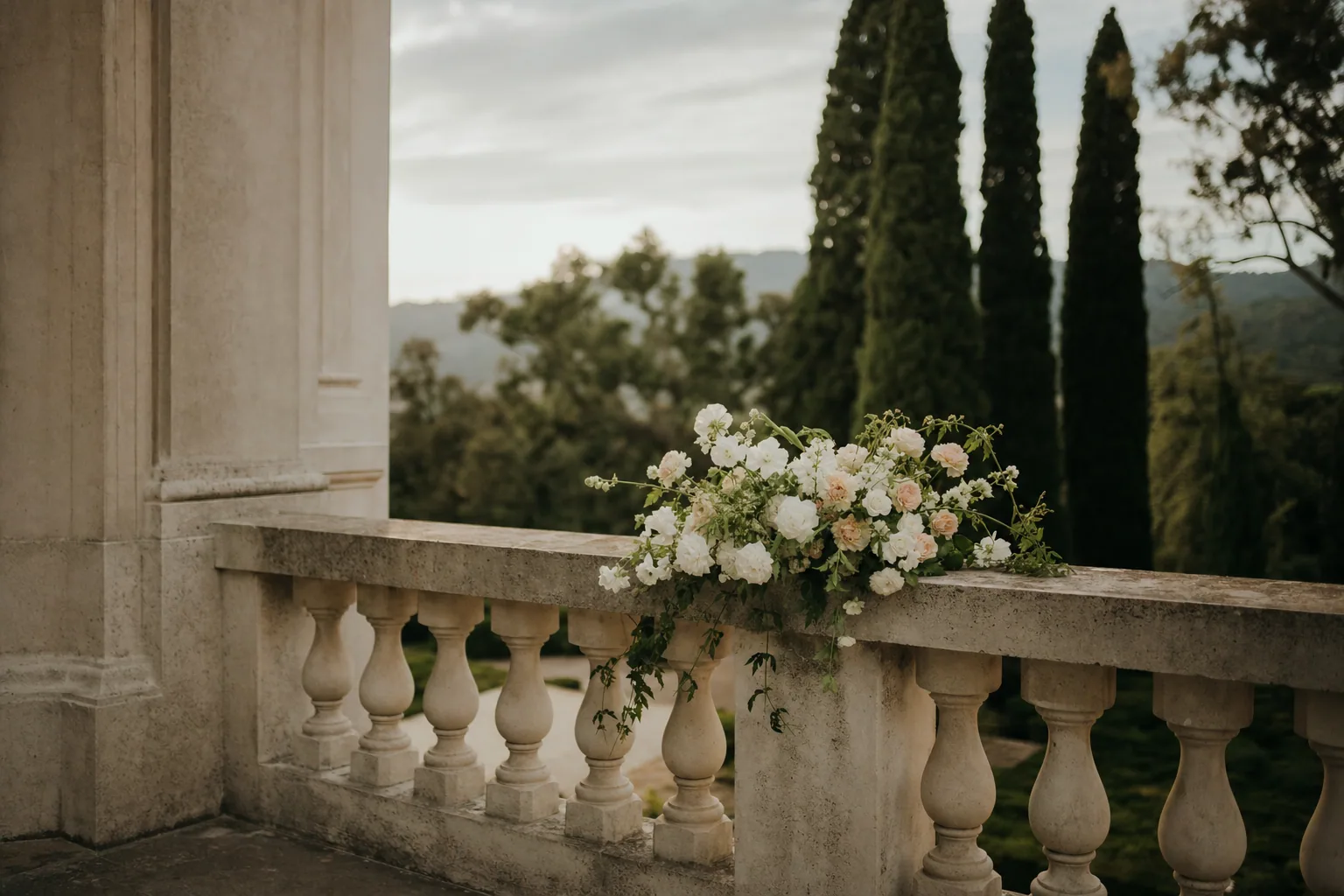
As a wedding videographer who has filmed countless intimate ceremonies across Spain's most breathtaking locations, I've witnessed firsthand the magic that happens when couples choose to elope in this extraordinary country. There's something truly special about exchanging vows under the Spanish sun, whether it's on a secluded beach in Mallorca, in a historic castle in Andalusia, or overlooking Barcelona's stunning cityscape.
Spain has become one of the world's most sought-after elopement destinations for international couples, and it's easy to understand why. The combination of diverse landscapes, rich culture, excellent cuisine, and relatively straightforward legal requirements creates the perfect backdrop for an intimate celebration that's uniquely yours.
Why Choose Spain for Your Elopement?
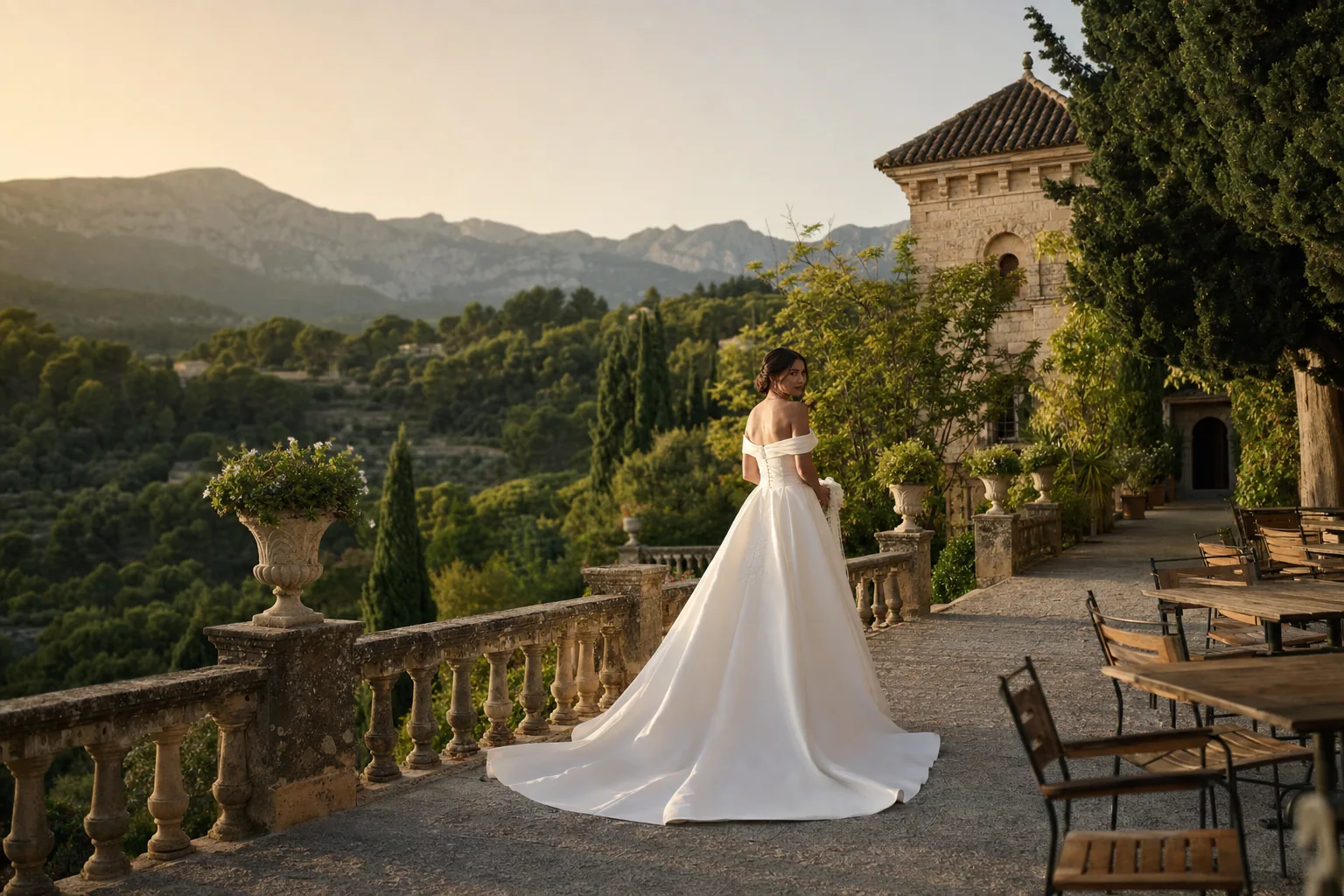
After filming weddings across Europe, I can confidently say that Spain offers something truly unique for couples seeking an intimate wedding experience. The country's incredible diversity means you can find your perfect setting, whether you're drawn to Mediterranean coastlines, dramatic mountain ranges, historic cities, or charming rural villages.
The Spanish approach to celebration aligns beautifully with the elopement philosophy. Here, life is meant to be savored, moments are meant to be cherished, and love is meant to be celebrated with passion and authenticity. This cultural backdrop creates an atmosphere where your intimate ceremony feels natural and deeply meaningful.
From a practical standpoint, Spain's well-developed tourism infrastructure makes it accessible for international couples while still offering plenty of off-the-beaten-path locations for those seeking privacy and exclusivity. The country's mild climate means you can plan your elopement almost any time of year, and the favorable exchange rates often make luxury experiences more affordable than in other Western European destinations.
Best Regions for Elopements in Spain
Catalonia and Barcelona
Barcelona and the surrounding Catalonia region offer an incredible blend of cosmopolitan sophistication and natural beauty. As a wedding videographer in Barcelona, I've captured ceremonies in everything from modernist venues designed by Gaudí to intimate beach clubs along the Costa Brava.
The region's advantages for elopements include excellent international connectivity, a wide range of luxury accommodations, and stunning locations within easy reach of the city. You might exchange vows in a medieval castle in Girona, on the dramatic cliffs of Cap de Creus, or in one of Barcelona's hidden gardens with the city skyline as your backdrop.
Mallorca and the Balearic Islands
Mallorca holds a special place in my heart as an elopement destination. The island's diverse landscape – from pristine beaches to dramatic mountain ranges – provides endless possibilities for intimate ceremonies. The timing of your Mallorca wedding can significantly impact both the atmosphere and the quality of your wedding film.
As a wedding videographer in Mallorca, I've filmed ceremonies in secluded coves accessible only by boat, in ancient olive groves with views of the Tramuntana mountains, and in elegant fincas that combine rustic charm with modern luxury. The island's compact size means you can easily incorporate multiple stunning locations into your elopement day.
Andalusia
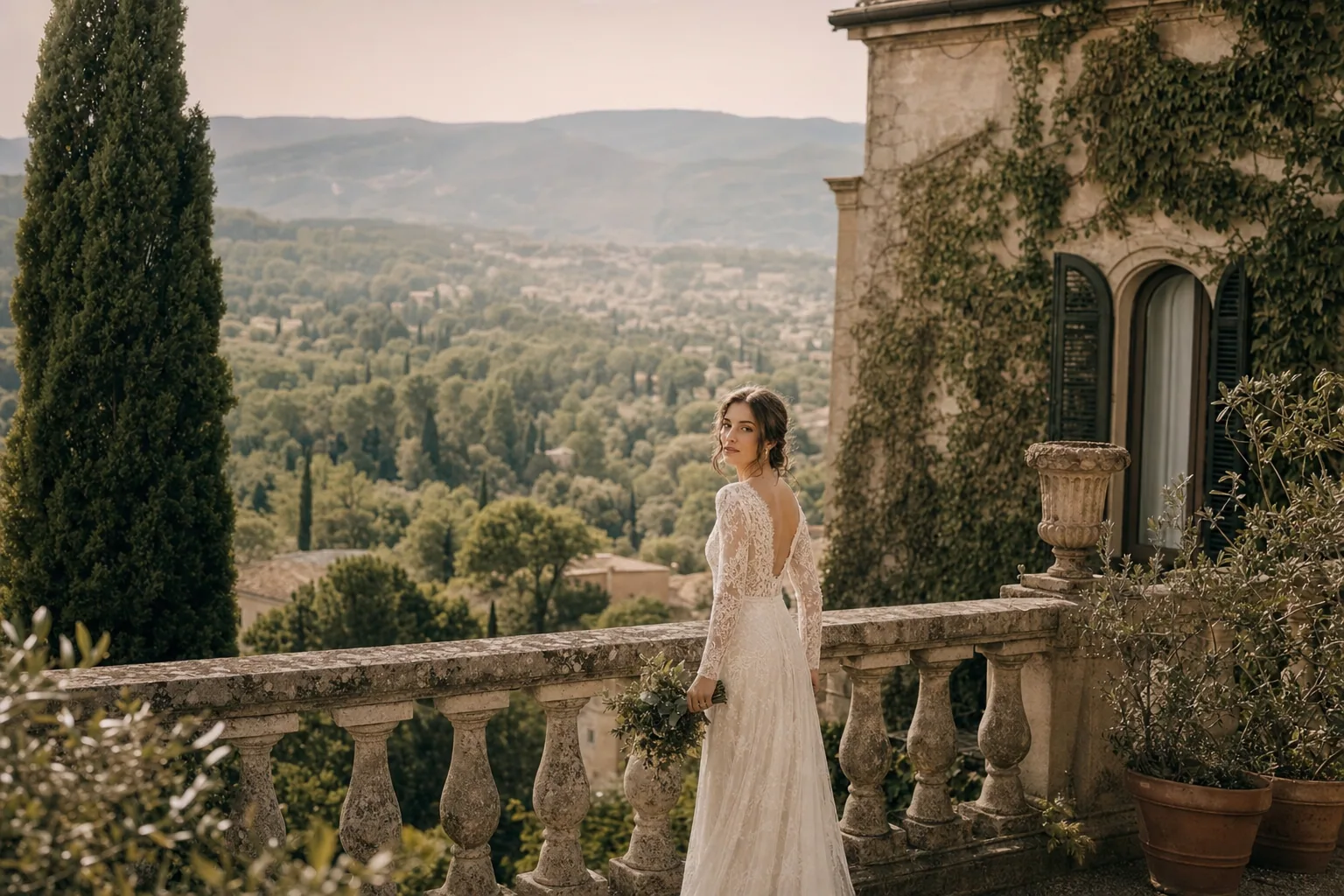
Andalusia epitomizes romantic Spain with its Moorish architecture, rolling hills dotted with olive trees, and passionate flamenco culture. Cities like Seville, Granada, and Córdoba offer incredible historic venues, while the Costa del Sol provides beautiful beach options and the Sierra Nevada mountains offer dramatic backdrops.
The region's rich cultural heritage adds depth and meaning to elopement ceremonies, whether you're exchanging vows in the shadow of the Alhambra or in a traditional cortijo surrounded by sunflower fields.
Canary Islands
For couples seeking a tropical elopement without leaving Europe, the Canary Islands provide year-round sunshine and volcanic landscapes unlike anywhere else on the continent. Tenerife's dramatic coastlines, Lanzarote's otherworldly volcanic terrain, and La Palma's lush forests offer unique settings for adventurous couples.
Legal Requirements for International Couples
Understanding the legal requirements is crucial for international couples planning to marry in Spain. The process is generally straightforward, but proper preparation is essential to avoid delays or complications.
All couples must provide a Certificate of No Impediment (Certificado de Capacidad Matrimonial), which confirms your legal ability to marry. This document must be obtained from your home country's embassy or consulate in Spain and requires apostille certification under the Hague Convention.
Additional required documents include valid passports, birth certificates (also apostilled), and if either party was previously married, divorce decrees or death certificates of former spouses. All foreign documents must be officially translated into Spanish by a sworn translator (traductor jurado).
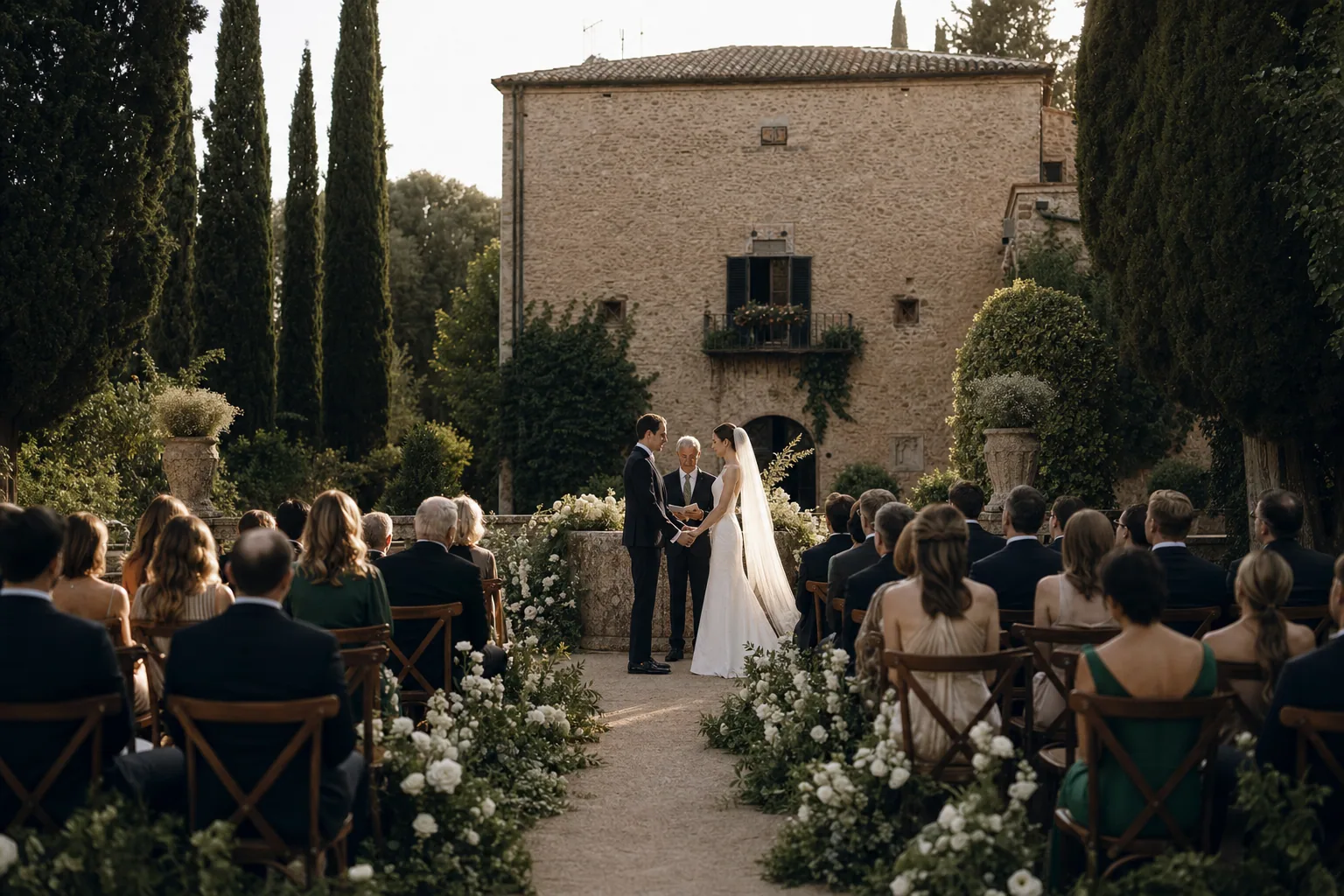
Civil ceremonies can be performed by authorized Spanish officials, while religious ceremonies require additional coordination with the relevant religious institution. Many couples opt for a civil ceremony followed by a symbolic celebration that can incorporate personal or religious elements without additional legal requirements.
Planning Timeline: 3-6 Months to Your Spanish Elopement
Based on my experience working with international couples, I recommend starting your elopement planning 3-6 months in advance. This timeline allows for proper document preparation while maintaining the spontaneous spirit that draws couples to elopements.
The first 6-8 weeks should focus on legal requirements and venue selection. Begin gathering and apostilling your documents immediately, as this process can take several weeks. Simultaneously, research and visit potential venues, keeping in mind that Spain's best wedding venues often book well in advance, even for intimate ceremonies.
Months 2-3 are ideal for vendor selection and detailed planning. This is when you'll want to secure your wedding videographer, photographer, florist, and any other essential vendors. For comprehensive planning guidance, refer to our step-by-step destination wedding checklist.
The final 4-6 weeks should focus on finalizing details and creating your wedding day timeline. This is also when you'll want to arrange accommodations for any guests and plan your pre and post-wedding activities.
Budget Considerations for Spanish Elopements
Spanish elopements can accommodate virtually any budget, from intimate ceremonies for under €5,000 to luxury experiences exceeding €20,000. The key is understanding where to allocate your resources for maximum impact.
Essential costs include legal fees (€200-500), venue rental (€500-3,000 for intimate spaces), officiant fees (€300-600), and vendor services. Photography and videography typically represent 15-25% of your total budget, reflecting the importance of preserving memories from your once-in-a-lifetime celebration.
Accommodation costs vary dramatically by region and season, from charming rural hotels at €150-300 per night to luxury resorts at €500-1,000+. Consider staying 3-5 nights to fully experience your chosen destination and allow time for relaxation before and after your ceremony.
Choosing the Right Vendors for Your Intimate Celebration
Vendor selection for elopements requires a different approach than traditional weddings. You'll want professionals who understand the intimate nature of your celebration and can work seamlessly within smaller budgets and timelines.
When selecting a wedding videographer, look for someone who specializes in intimate celebrations and understands the nuances of elopement filming. The style of wedding film you choose will significantly impact how your memories are preserved and shared with loved ones who couldn't attend.
For elopements, I particularly recommend vendors who offer comprehensive packages that can adapt to changing circumstances. Spanish weather and lighting can be unpredictable, so flexibility is crucial. Look for vendors with strong client reviews and portfolios that demonstrate experience with intimate celebrations.
The Importance of Professional Videography for Elopements
While some couples consider skipping professional videography for their elopement to save costs, I believe this is one area where investment pays dividends. Unlike traditional weddings where family and friends capture countless photos and videos, elopements rely on professional documentation to share your celebration with loved ones.
A skilled wedding videographer can capture not just the ceremony itself, but the entire emotional journey of your elopement day. From getting ready in your Spanish accommodation to exploring your chosen destination together as newlyweds, these moments become precious when you're far from home and family.
Modern elopement films also serve as beautiful ways to announce your marriage to friends and family, sharing the joy and beauty of your Spanish celebration even with those who couldn't attend. Many of my elopement couples use their wedding film as a central part of their at-home reception or celebration.
Practical Tips for Your Spanish Elopement
After years of filming elopements across Spain, I've gathered practical insights that can make your celebration smoother and more enjoyable. First, consider the season carefully – while Spain is beautiful year-round, each season offers different advantages for intimate celebrations.
Spring (March-May) and fall (September-November) typically provide the most comfortable weather and the best lighting for photography and videography. Summer can be intense, particularly in inland regions, but offers long days and vibrant energy. Winter elopements can be magical, especially in southern Spain, though you'll need to plan for shorter days and potential weather variability.
Transportation logistics deserve special attention for elopements. Consider renting a car if you plan to explore multiple locations or venture into rural areas. However, for city-based elopements, Spain's excellent public transportation and ride-sharing services may be more convenient and cost-effective.
Language considerations are generally minimal in tourist areas, but having basic Spanish phrases or translation apps can enhance your experience and help with any unexpected situations. Many Spanish vendors in the wedding industry speak English, but demonstrating effort to communicate in Spanish is always appreciated.
Making Your Spanish Elopement Uniquely Yours
The beauty of eloping in Spain lies in the freedom to create a celebration that truly reflects your relationship and values. Whether you're drawn to the artistic energy of Barcelona, the island paradise of Mallorca, the historic romance of Andalusia, or the natural beauty of the Canary Islands, Spain provides the perfect canvas for your love story.
Consider incorporating Spanish traditions that resonate with you, from the exchange of arras (wedding coins) to sharing a glass of wine from the region where you're marrying. These cultural touches add authenticity and meaning to your ceremony while creating unique moments for your wedding film.
Remember that your elopement day can extend beyond the ceremony itself. Many couples choose to include activities that celebrate their chosen destination – perhaps a flamenco lesson in Seville, a wine tasting in Rioja, or a sunset sail along the Mediterranean coast. These experiences become part of your wedding story and provide additional opportunities for beautiful documentation.
If you're ready to start planning your Spanish elopement or have questions about creating the perfect intimate celebration, I'd love to help bring your vision to life. Contact us to discuss how we can capture the magic of your Spanish love story and create a wedding film that preserves every precious moment of your elopement adventure.