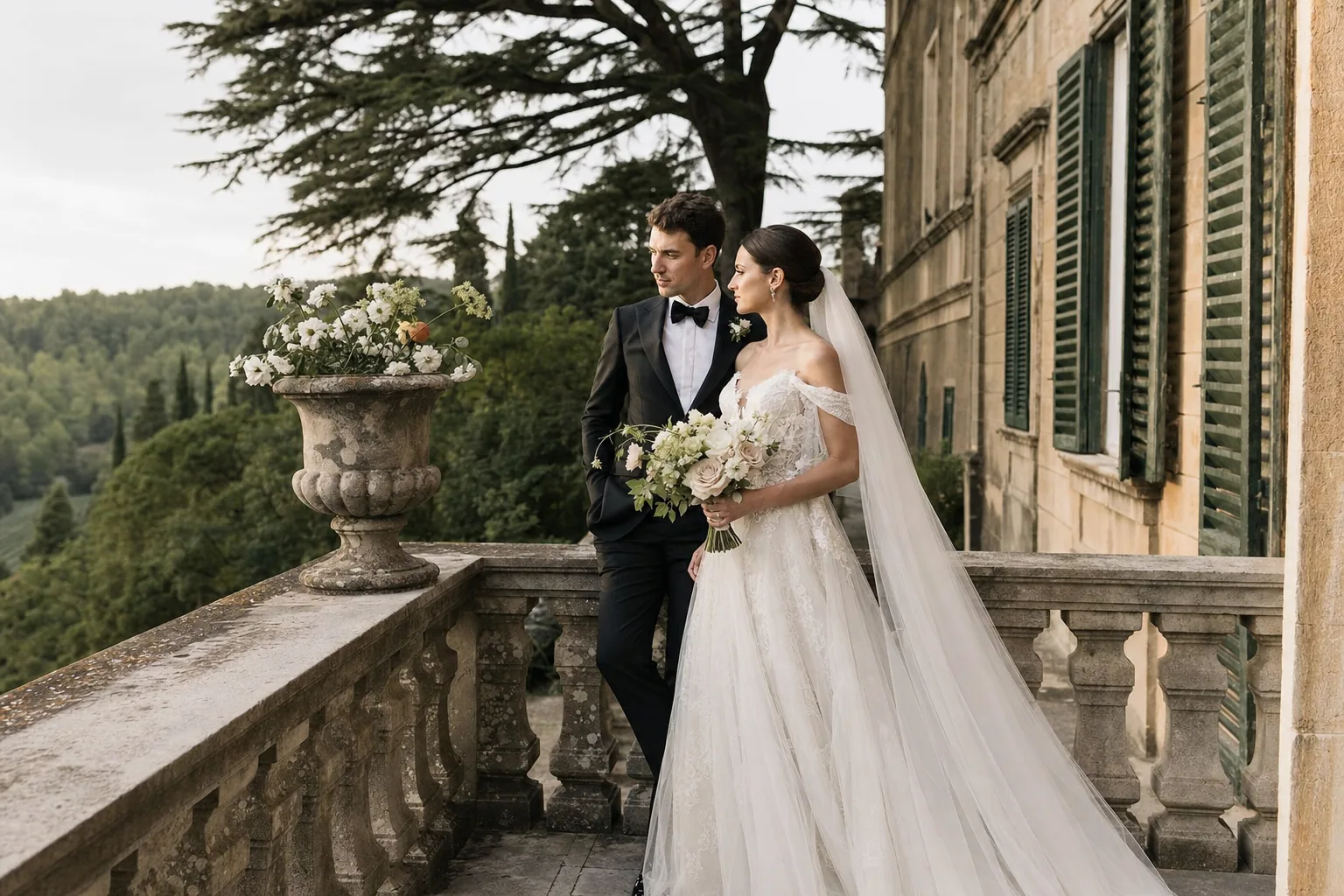
Planning a destination wedding in Spain presents international couples with a fundamental decision: hire a local wedding planner or take the DIY route. After filming hundreds of weddings across Spain, we've witnessed both approaches succeed brilliantly—and occasionally fall short. The key lies in understanding which path aligns with your priorities, budget, and comfort level with cross-border coordination.
This decision impacts everything from your stress levels during planning to the seamless execution of your wedding day. Let's examine the practical realities of each approach, helping you make an informed choice that sets your Spanish celebration up for success.
The Financial Reality: Wedding Planner Costs vs DIY Expenses
The cost comparison between hiring a wedding planner and going DIY isn't as straightforward as it initially appears. Spanish wedding planners typically charge 10-20% of your total wedding budget, with full-service planners ranging from €3,000 to €15,000+ depending on your wedding's complexity and location.
However, DIY planning often involves hidden costs that couples don't anticipate. Multiple trips to Spain for venue visits, vendor meetings, and tastings can easily exceed €2,000-4,000 in travel expenses alone. Add the opportunity cost of hundreds of planning hours, potential mistakes from unfamiliarity with local vendors, and last-minute problem-solving, and the financial gap narrows considerably.
We've observed that couples who choose experienced planners often secure better vendor rates through established relationships, sometimes offsetting a portion of the planning fee. Meanwhile, DIY couples who do thorough research and have flexible schedules can achieve significant savings, particularly for smaller, simpler celebrations.
For a comprehensive breakdown of destination wedding expenses, explore our detailed guide on destination wedding budgets in Spain.
Time Investment and Planning Complexity
The DIY Time Commitment
Planning a destination wedding from abroad demands substantial time investment. Expect to dedicate 100-200 hours over 12-18 months, with intensity increasing as your wedding approaches. This includes researching vendors, coordinating across time zones, managing legal requirements, and handling countless details that local planners navigate effortlessly.
International couples often underestimate the complexity of coordinating multiple Spanish vendors who may have different communication styles, response times, and business practices. Language barriers can extend simple conversations into lengthy email exchanges, and cultural differences in business customs may create unexpected delays.
Professional Planner Efficiency
Experienced Spanish wedding planners streamline this process dramatically. They present pre-vetted vendor options, handle negotiations in Spanish, manage timeline coordination, and resolve issues before they reach you. Most importantly, they understand Spanish bureaucracy and can navigate legal requirements efficiently.
The time savings become particularly valuable for couples with demanding careers or those planning from significantly different time zones. However, some couples genuinely enjoy the planning process and prefer maintaining direct control over every decision.
Navigating Legal Requirements and Documentation
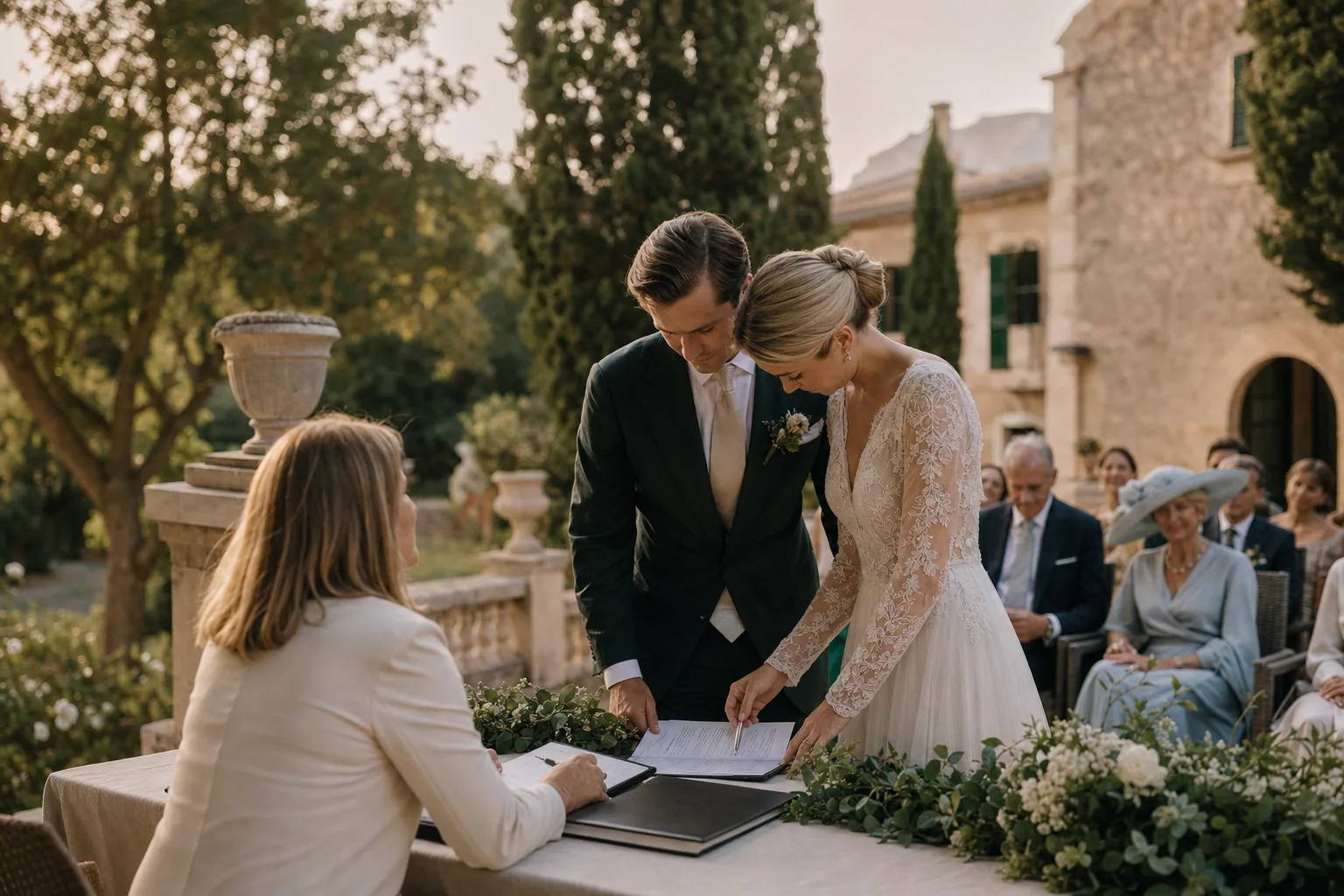
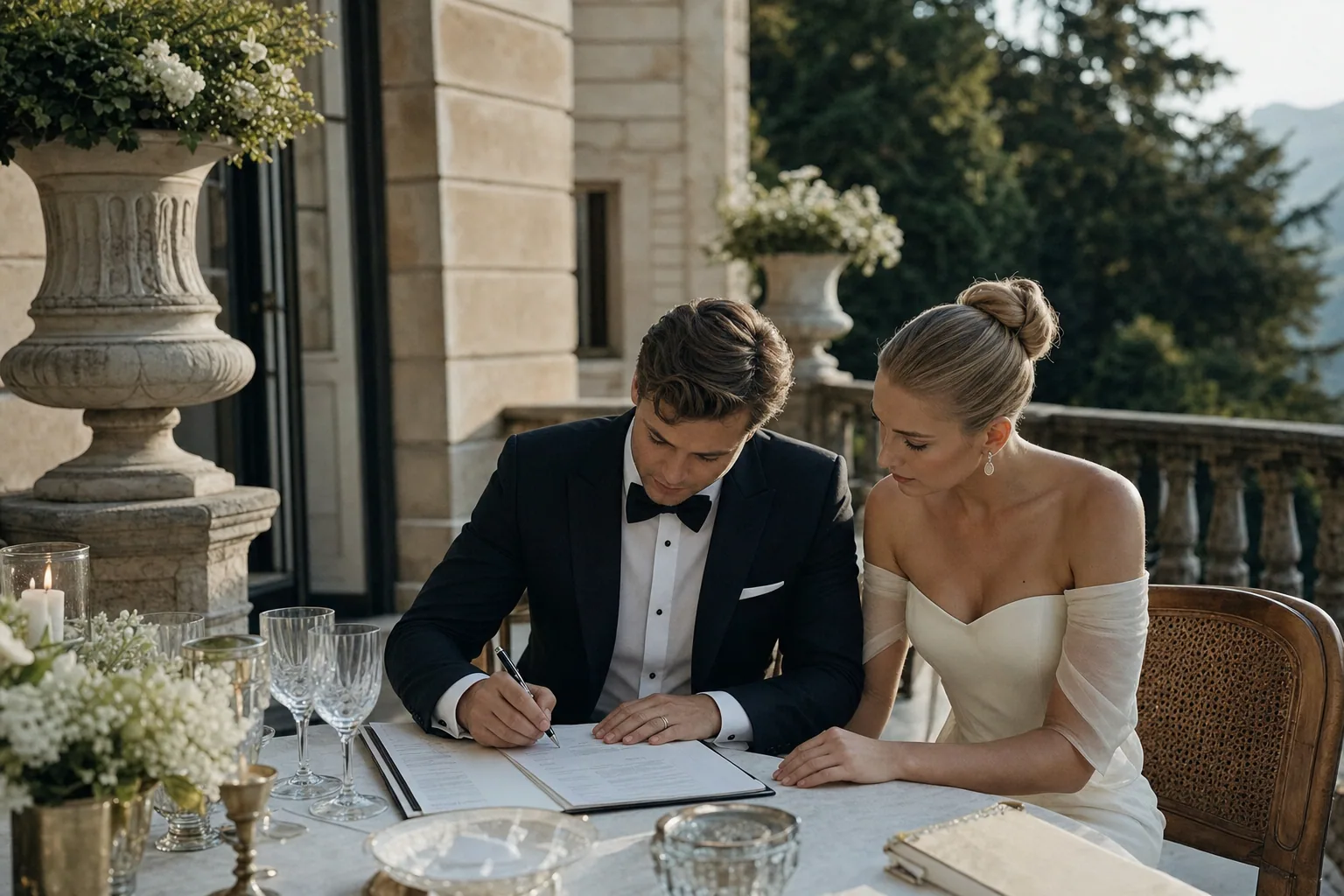
Spain's wedding legalities can overwhelm international couples, particularly for civil ceremonies requiring extensive documentation. The process involves multiple government offices, specific paperwork timelines, and requirements that vary by region.
Wedding planners familiar with Spanish legal procedures can guide you through document preparation, apostille requirements, and submission deadlines. They often have relationships with local officials and understand regional variations in requirements.
DIY couples must research these requirements thoroughly and often benefit from consulting a Spanish lawyer or gestor administrativo for legal guidance. While manageable with proper preparation, mistakes can cause significant delays or complications.
Our comprehensive destination wedding planning checklist covers essential legal steps for international couples.
Vendor Access and Relationship Management
Established wedding planners possess extensive vendor networks built over years of collaboration. They know which photographers work well together, which caterers excel at specific venues, and which vendors consistently deliver quality results under pressure.
This insider knowledge proves invaluable for creating cohesive vendor teams. Planners can also leverage their relationships for priority booking dates, preferred pricing, and enhanced service levels that individual couples might not access independently.
DIY couples must build these relationships from scratch, often relying on online research, reviews, and initial communications to assess vendor quality. While this approach can uncover hidden gems and create more personal connections, it also carries higher risk of vendor mismatches or service disappointments.
When selecting videographers independently, our guide on choosing wedding videographers provides essential evaluation criteria.
Language Barriers and Communication Challenges
Language differences significantly impact the planning experience for non-Spanish speaking couples. While many Spanish wedding vendors speak English, nuanced discussions about preferences, expectations, and problem-solving often require more sophisticated communication.
Misunderstandings can lead to incorrect orders, missed details, or unmet expectations. Wedding planners serve as cultural and linguistic bridges, ensuring clear communication between couples and vendors while understanding cultural context that affects vendor relationships.
DIY couples should honestly assess their Spanish language skills and consider hiring translators for important vendor meetings or contract negotiations. Many successful DIY couples invest time in learning basic Spanish wedding terminology and rely on translation apps for written communications.
Day-of Coordination and Crisis Management
Wedding day logistics reveal the starkest differences between professional planning and DIY approaches. Experienced planners anticipate potential issues, maintain detailed timelines, and handle problems seamlessly while couples focus on enjoying their celebration.
We've filmed weddings where planners quietly resolved vendor delays, weather complications, and last-minute changes without couples ever knowing issues occurred. Their presence allows couples and families to remain present for the emotional moments rather than managing logistics.
DIY couples must designate reliable friends or family members for day-of coordination, but these well-meaning helpers often lack experience managing multiple vendors simultaneously. This can create stress during what should be your most joyful moments.
Proper timeline planning becomes crucial for DIY weddings. Our guide to building wedding day timelines in Spain helps ensure smooth coordination.
When DIY Makes Sense
DIY planning works exceptionally well for certain couples and wedding types:
- Intimate celebrations: Weddings with 20-30 guests involve fewer moving parts and vendor coordination challenges
- Experienced planners: Couples with event planning backgrounds or previous wedding planning experience
- Extended timelines: Those with 18+ months to plan and flexibility for multiple Spain visits
- Language skills: Couples comfortable communicating in Spanish or with strong local connections
- Simple celebrations: Straightforward ceremonies and receptions without complex logistics
- Budget constraints: When planner fees represent a significant budget percentage
Consider exploring elopement options if you're leaning toward intimate, simpler celebrations.
When Professional Planning Pays for Itself
Wedding planners become invaluable investments for:
- Complex celebrations: Multi-day events, large guest lists, or elaborate logistics
- Demanding schedules: Couples with limited time for extensive planning
- High-stakes expectations: When wedding perfection justifies professional expertise
- Language barriers: Non-Spanish speakers planning in rural areas or with traditional vendors
- Destination unfamiliarity: Couples with limited Spain experience or connections
- Stress sensitivity: Those preferring to minimize planning stress and enjoy the engagement period
Hybrid Approaches: Finding Middle Ground
Many successful couples adopt hybrid approaches combining DIY elements with professional support:
- Partial planning services: Hiring planners for specific aspects like vendor coordination or day-of management
- Consultation packages: Professional guidance for major decisions while maintaining hands-on control
- Month-of coordination: DIY planning with professional day-of execution
- Venue coordination: Utilizing venue-provided planners supplemented with independent research
This approach works particularly well for couples who enjoy planning but want professional insurance for execution.
Making Your Decision
The choice between wedding planner and DIY ultimately depends on your priorities, resources, and comfort level with complexity. Consider these decision factors:
Choose DIY if: You enjoy detailed planning, have flexible schedules, comfortable Spanish communication skills, and are planning a relatively simple celebration with manageable guest numbers.
Choose professional planning if: You prefer stress-free planning, have complex logistics, limited time availability, or want to maximize your chances of flawless execution.
Consider hybrid approaches if: You want some professional support while maintaining control over key decisions and staying within moderate budgets.
Regardless of your planning approach, certain vendor relationships remain crucial. When selecting venues, our guide on choosing wedding venues in Spain provides essential considerations for international couples.
Remember that both approaches can create magical Spanish weddings. The best choice is the one that aligns with your personalities, resources, and vision for your celebration. Whether you choose professional guidance or personal control, thorough preparation and realistic expectations set the foundation for your perfect Spanish destination wedding.