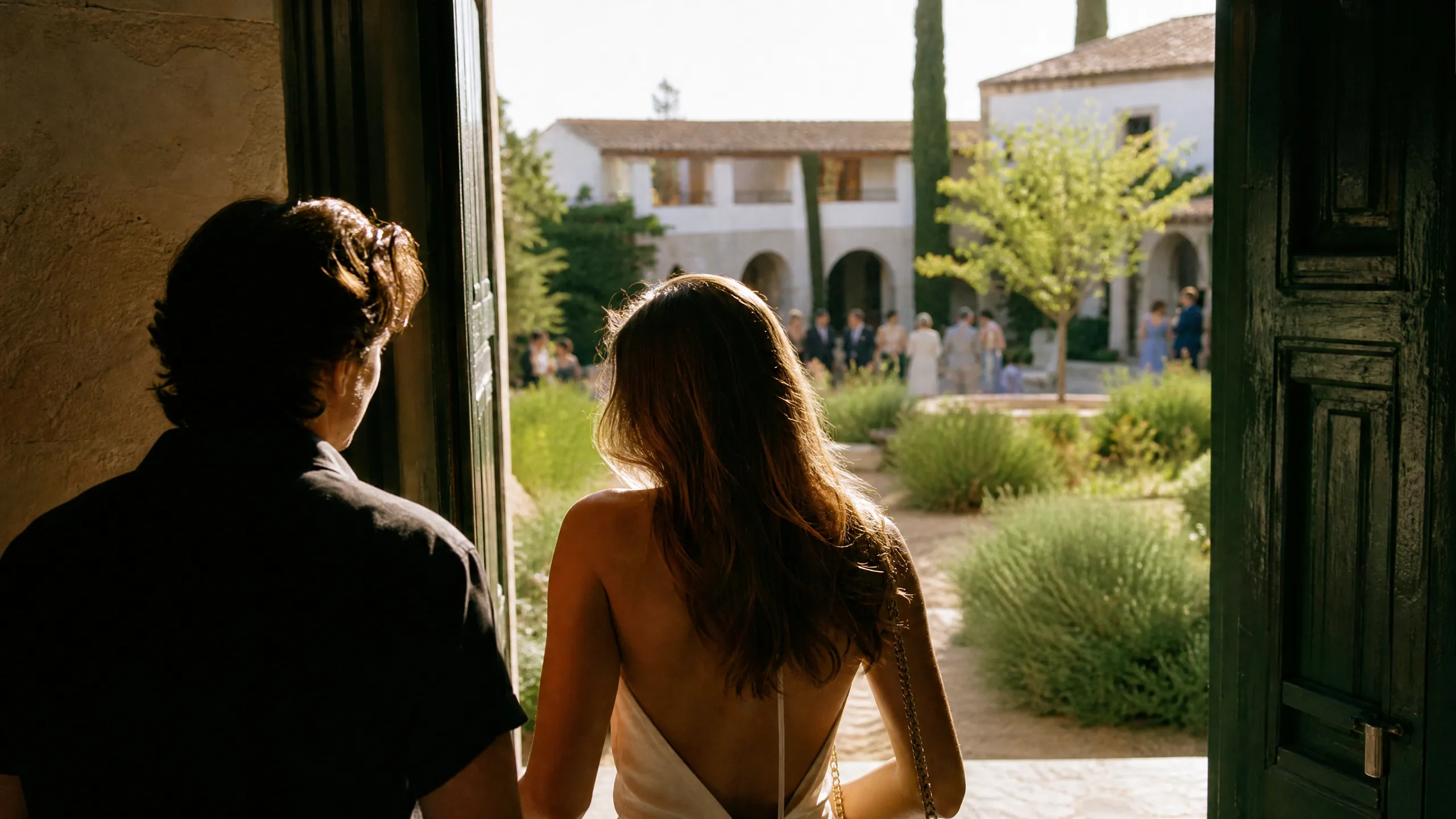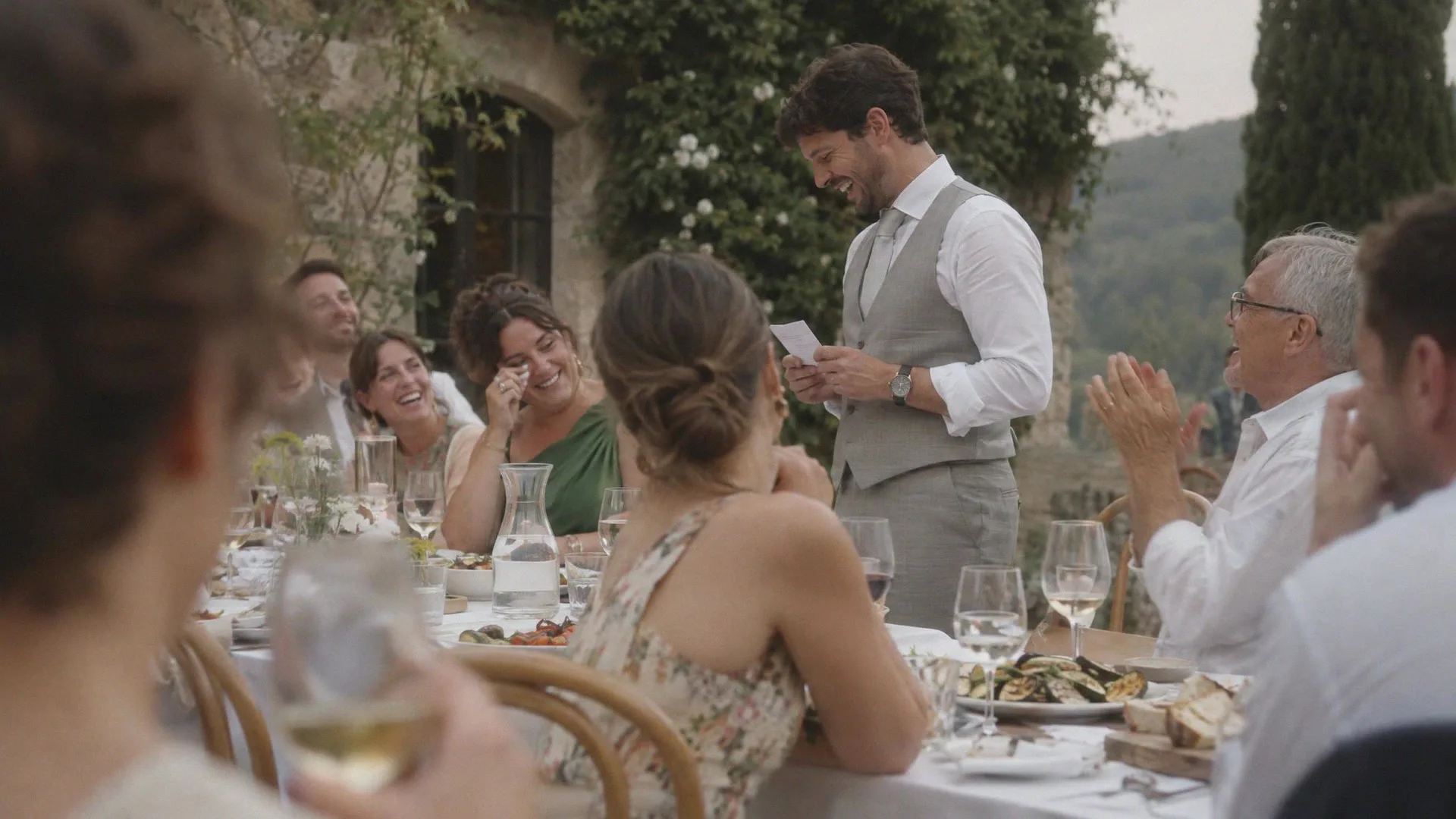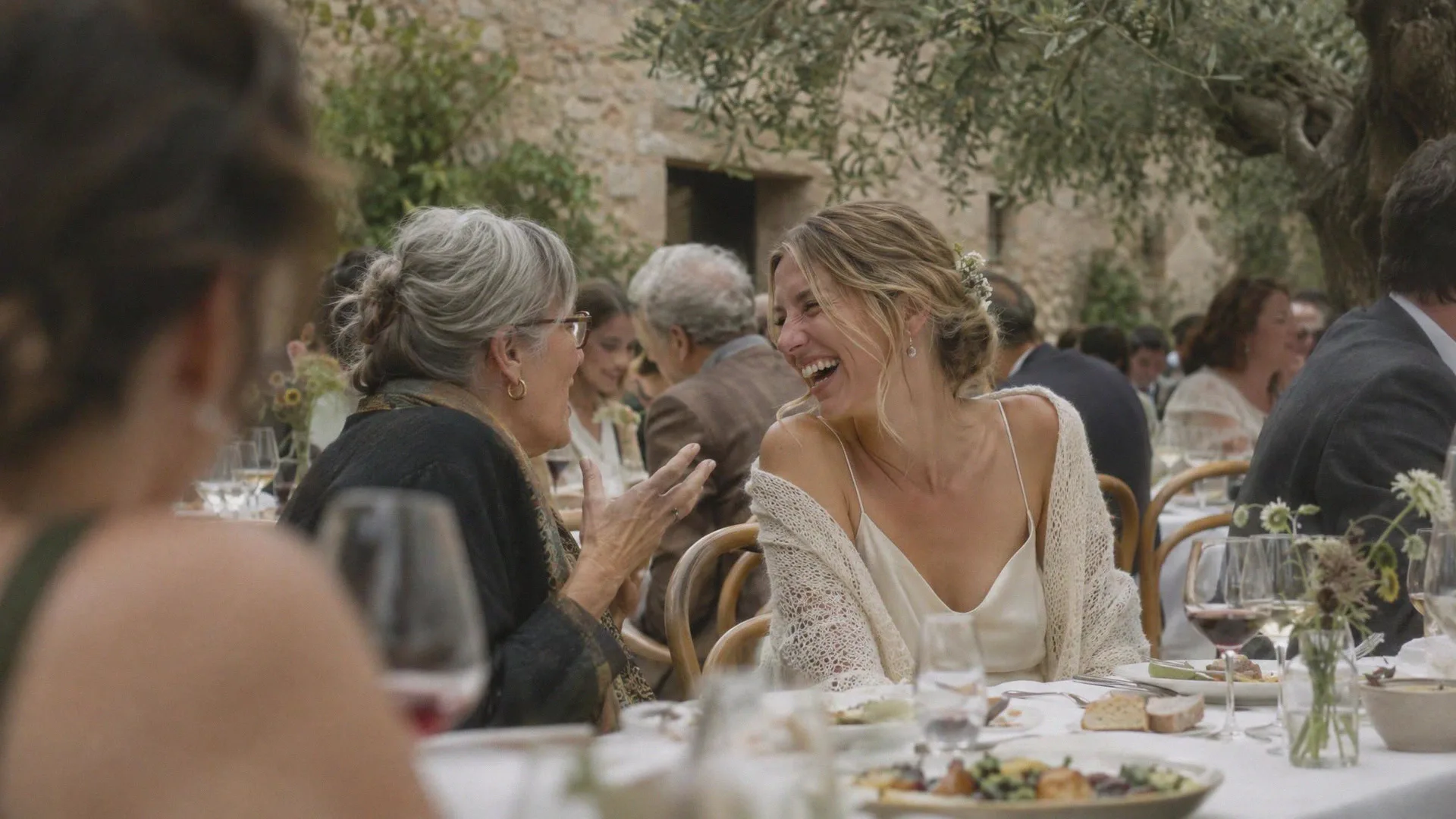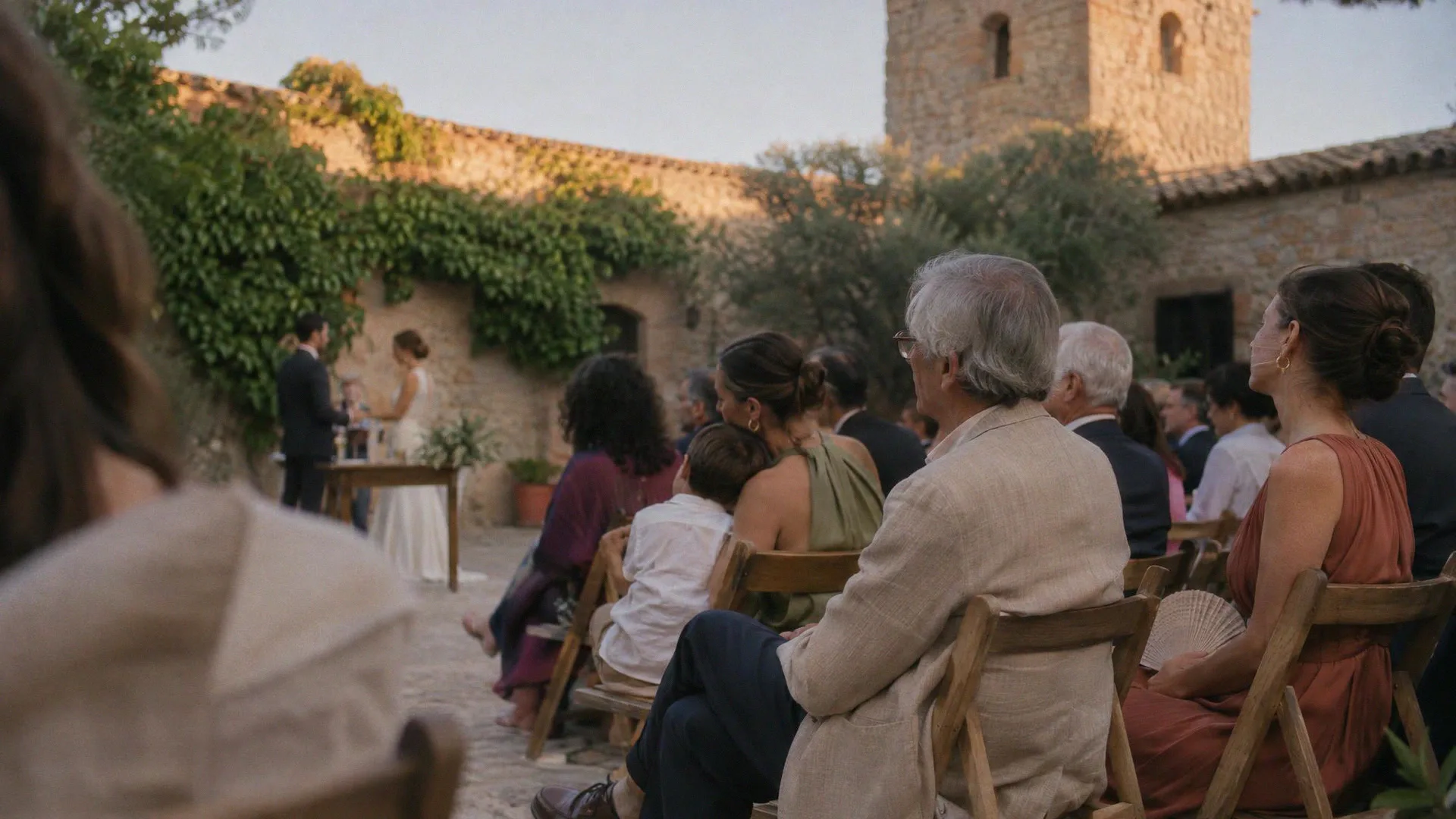
Spain or Italy? It is one of the most common questions couples ask once they decide to marry in Europe, and a recent thread on a destination-wedding forum put it very clearly. An American couple with around 75 guests, a total budget in the $50,000 to $60,000 range and a soft spot for historic estates, castles, wineries and gardens kept going back and forth between the two countries. They were not attached to a particular city. What they wanted was a feeling: a beautiful property, close friends and family, very good food and wine, and a few days together instead of one rushed evening.
The replies were useful because almost nobody answered "Spain" or "Italy". The best advice was to compare regions instead of countries, to price the whole guest weekend rather than the venue fee, and to ask planners which areas they would avoid for that guest count and budget.
We work in Spain, so we are not neutral, and we will not pretend to know Italian venues the way we know Catalan ones. But we can explain what actually changes on the day when you choose Spain, and which questions settle the decision either way.
Start with the feeling, then pick the region
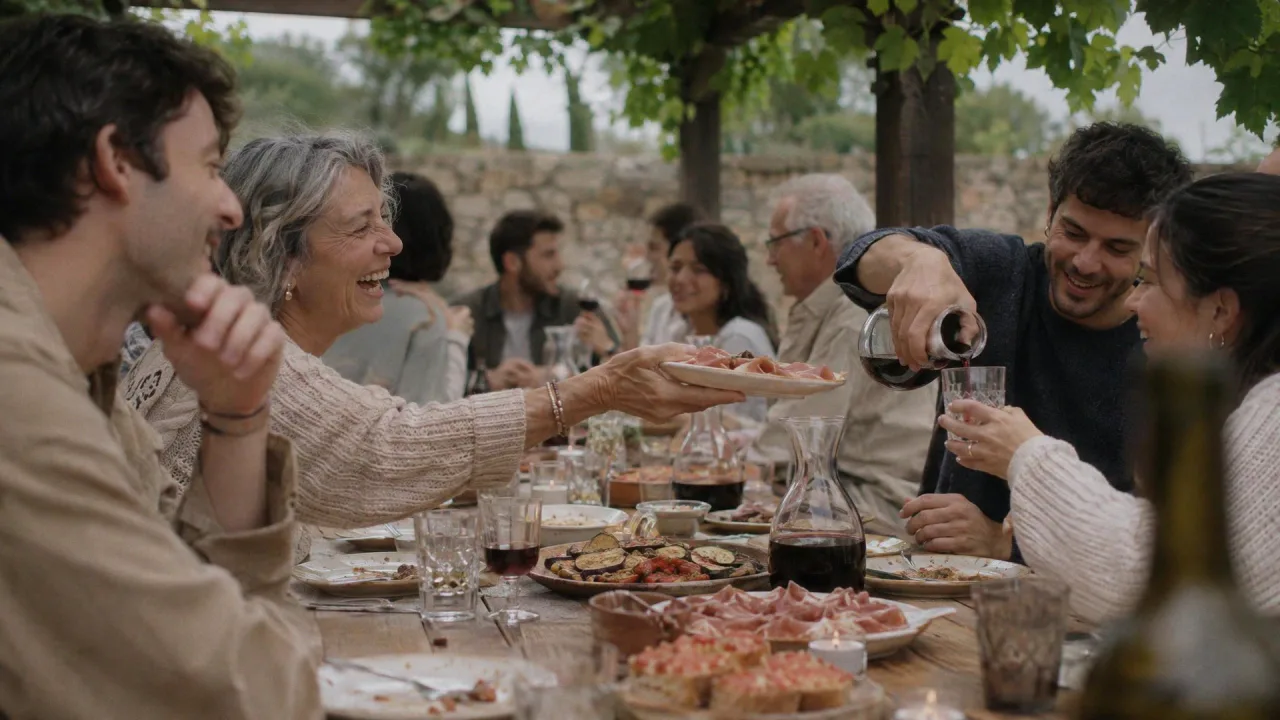
If the vision is "historic estate, long table, good wine, guests staying close by", both countries can deliver it. The difference is in the type of property and how each region works.
In Italy, couples usually look at villas, castles, wine estates and agriturismi, the working farms with rooms. Commenters in the thread suggested that if the best-known areas of Tuscany stretch the budget, couples should also look at Umbria, Le Marche, Piedmont or Sicily, where you find a similar food-and-wine atmosphere with fewer of the classic price pressures.
In Spain, the same vision usually means a masia (a Catalan stone farmhouse), a finca (a country estate, common in Mallorca and the south), a castle, or a hotel that can be booked for exclusive use. The regions couples ask us about most are:
- Barcelona and inland Catalonia. Masias and castles within an hour of the city, so guests can spend days in Barcelona before or after. Our Barcelona wedding videographer page shows the kind of venues we work at around the city.
- Costa Brava. Coves, pine trees and small coastal towns, about an hour or more north of Barcelona, with Girona airport close by. See our Costa Brava wedding videographer guide.
- Mallorca. Fincas between olive and almond trees, sea-view hotels and a very well connected airport in summer. The Mallorca wedding videographer page covers the island in more detail.
Budget: compare the whole weekend, not the venue fee
The thread's most practical advice was about money. A venue fee is only one line. For 75 guests flying in, the real total includes catering, drinks, rentals, transport between hotel and venue, a planner, photo and video, and at least one extra event such as a welcome dinner or a farewell brunch.
Ask every planner or venue you shortlist, in either country, for a sample budget built on your guest count and season. Then compare like with like:
- Is catering in-house and mandatory, or can you bring your own?
- Is there a minimum spend, and how many guests does it assume?
- Does the price include exclusive use, or will other events be happening on the property?
- How many guests can sleep on site, and how many rooms are doubles versus shared?
- What is charged per hour after midnight: staff, music, bar?
Small details move budgets more than the country itself. A weekday date in October or April, which this couple was open to, can change a quote a lot in both Spain and Italy. So can choosing a venue that already has the setting you love, so you spend on food and experience instead of decor.
The rhythm of the day is different
This is the part many international couples do not expect. A Spanish wedding runs late. A typical day in summer might put the ceremony at around 18:00 or 18:30, a long aperitivo with plenty of food until about 20:30, dinner afterwards and dancing well past midnight. For guests arriving from the United States, that means a short rest in the afternoon, a proper aperitivo so nobody is hungry, and some late-night food.
For couples who want a slow, food-focused celebration, this rhythm is a big plus: the aperitivo in Spain is often the best part of the menu, and the evening has room for speeches, a long dinner and a real party. If you would rather finish earlier, tell your venue from the start. Many will adapt the schedule, but some rural properties in both countries have music limits or a fixed end time, and it is better to know that before you sign.
Weather and the backup plan
Both countries have a similar peak season, roughly June to September, with May and October as the shoulder months that many couples prefer for softer light and milder heat. Summer afternoons can be very hot in inland areas of both, so ceremony time and shade matter more than the country.
Whatever you choose, ask each venue to show you the indoor plan, not just describe it. Near Barcelona, for example, Castell de Sant Marçal sits about 20 minutes from the city centre and has both gardens and indoor rooms, and Can Ribas, about 35 minutes away, has glazed halls looking out to the Montseny hills that seat up to 320 guests for dinner. Those are the kind of details that let you plan an outdoor day without worrying about the forecast. Our guide on how to choose a wedding venue in Spain lists more questions to ask on a site visit.
Getting guests there and keeping them together
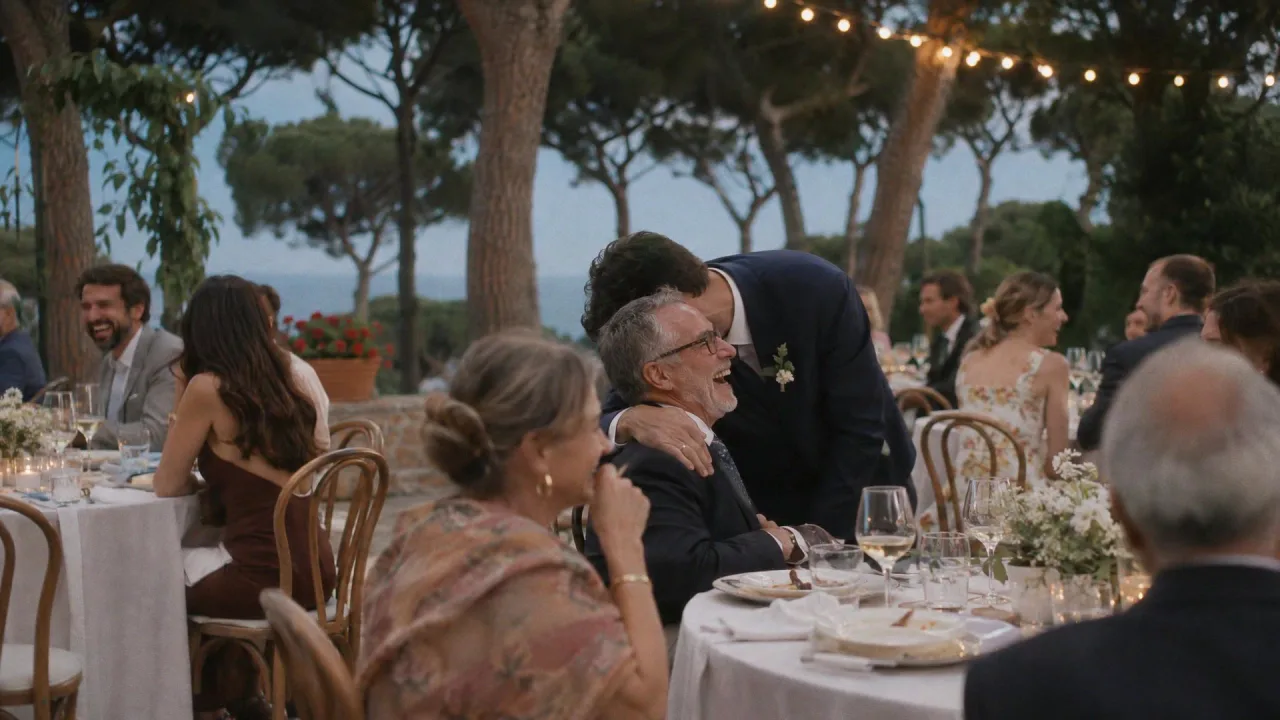
The couple in the thread wanted their families to actually spend time together, not scatter across a region. That makes logistics the real deciding factor. Look at:
- Flights. How many of your guests can reach the nearest airport with one connection or less? Barcelona, Madrid and Palma are well connected; so are Rome and Milan in Italy.
- Distance from airport to venue. Under 90 minutes keeps arrival day easy for older guests.
- Where people sleep. On-site rooms or one nearby hotel make the welcome dinner and the morning after simple. Scattered villas mean shuttles and earlier goodbyes.
- What guests do on the free day. A day in Barcelona, a beach afternoon on the Costa Brava or a boat in Mallorca often decides it for families who are combining the wedding with a holiday.
How the choice shows up in your wedding film
From our side of the camera, the country matters less than the light, the timing and how relaxed your guests are. Spanish evenings give long, soft light before dinner and a party that keeps going, which is great for a documentary film: real laughter during the speeches, people dancing with their grandparents, the moments nobody stages. Stone courtyards and olive groves look beautiful on film in overcast light too, so a cloudy day is not a disaster.
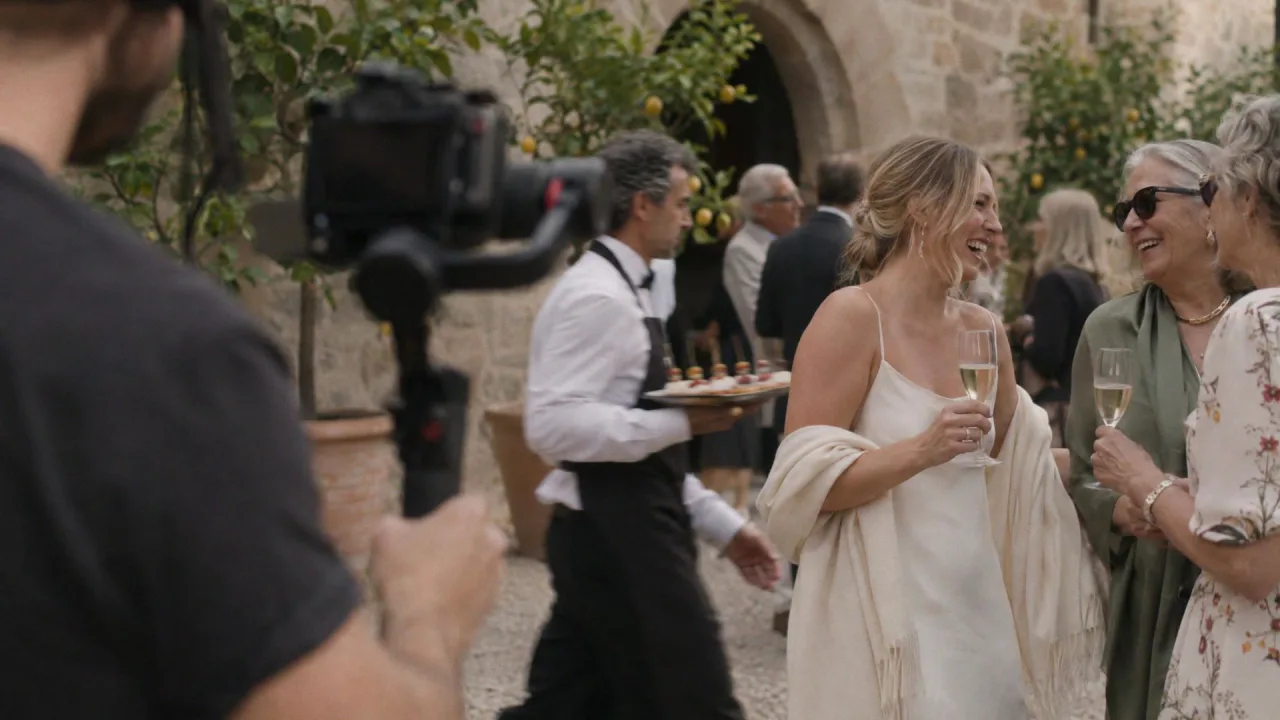
What helps most is planning the day with coverage in mind. If dancing will go past 01:00, decide whether you want it filmed until the end. If the ceremony is at 18:00 in July, ask where the sun will be. And if there is a welcome dinner, consider adding it: it is often the most relaxed footage of the weekend.
So, Spain or Italy?
Choose Italy if a specific region has already won your heart and the numbers work for your guest count. Choose Spain if you want a long, generous evening, easy flights to big cities, and estates within an hour of Barcelona or on the islands. Either way, compare regions, ask for full weekend budgets, and see the backup plan in person.
If Spain is on your list, our guide to wedding videographer costs in Spain explains what changes the price (films from €2,900). And if you would like to talk about your venue shortlist, send us a message with your date and guest count.