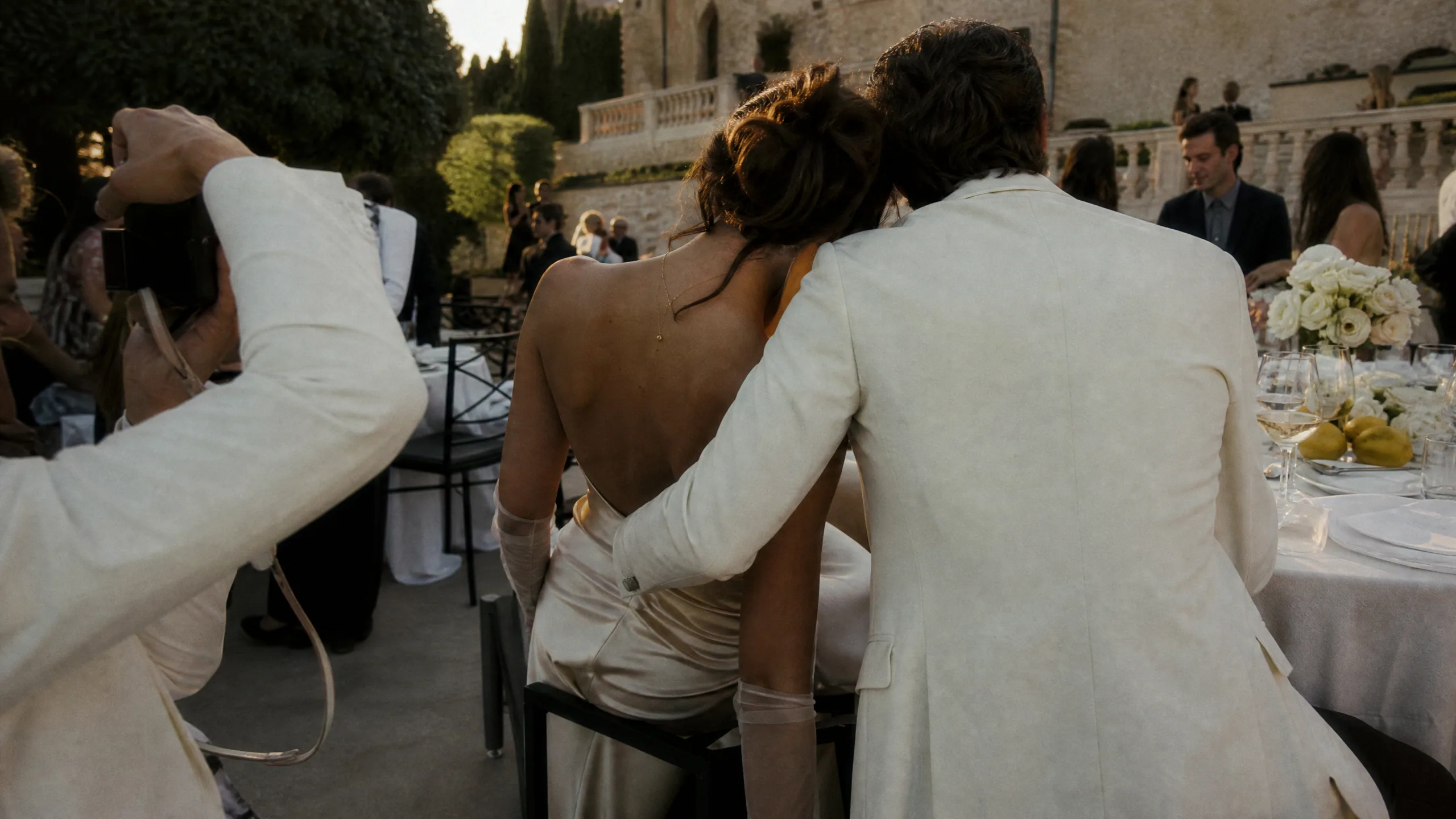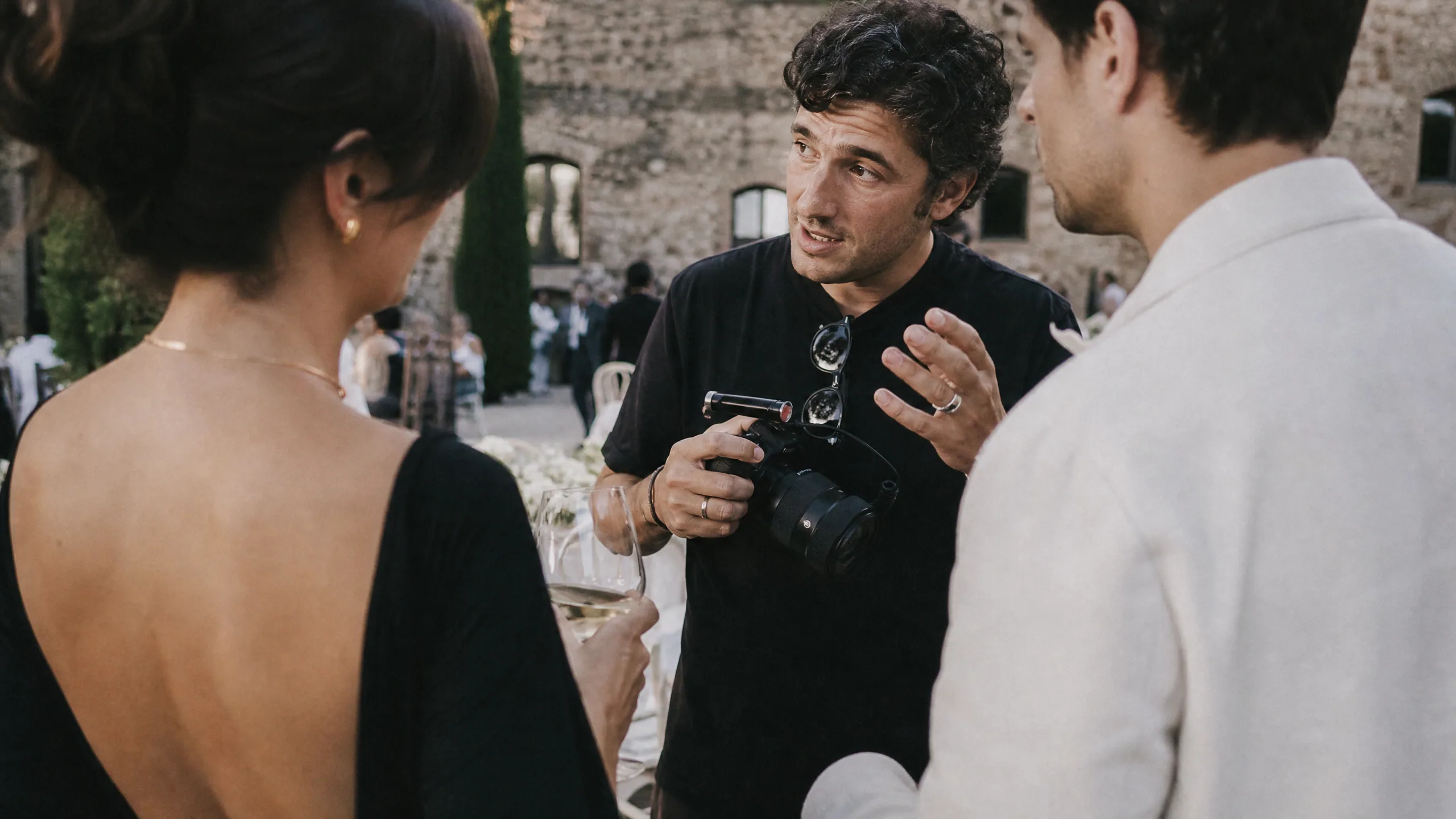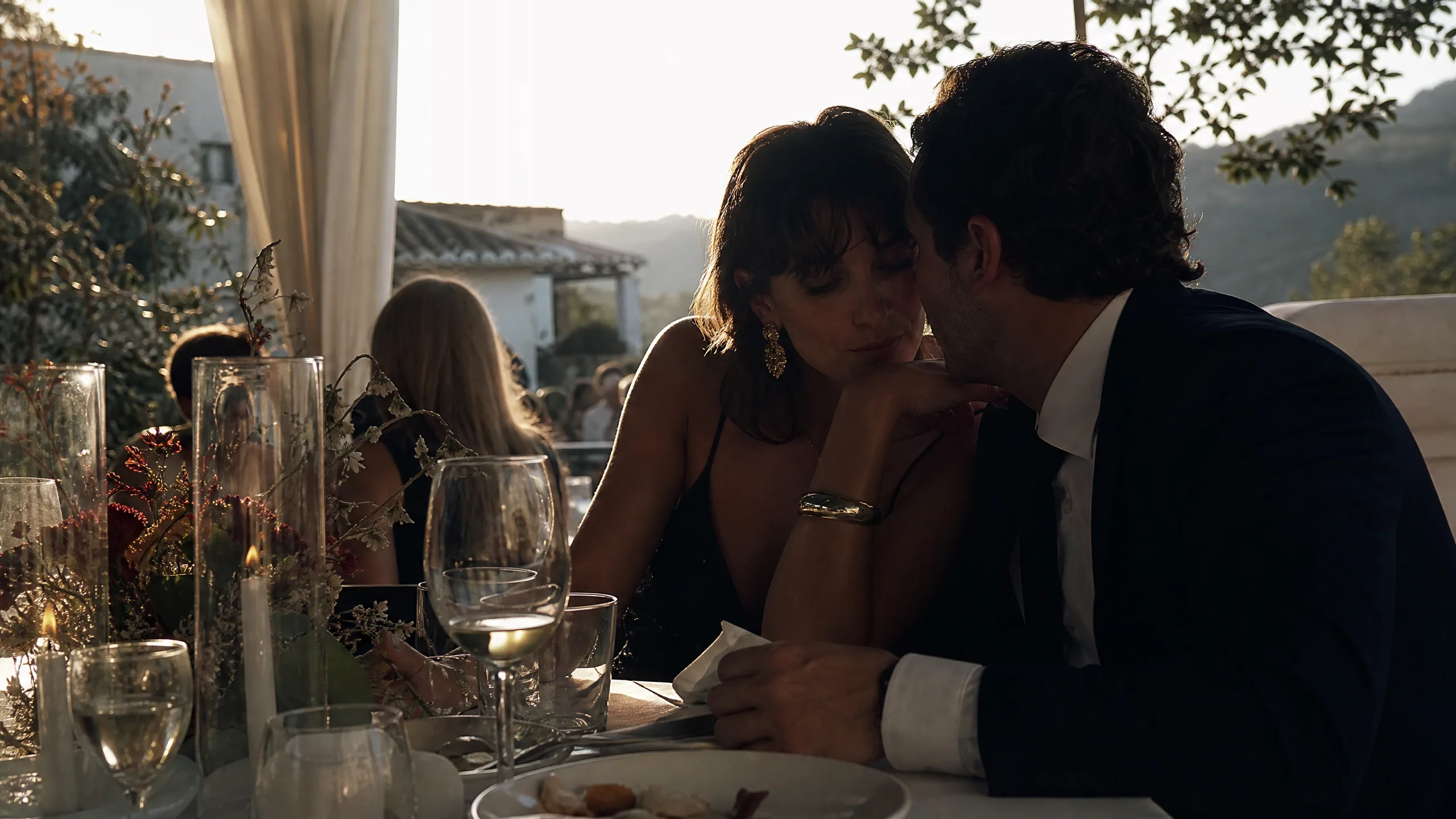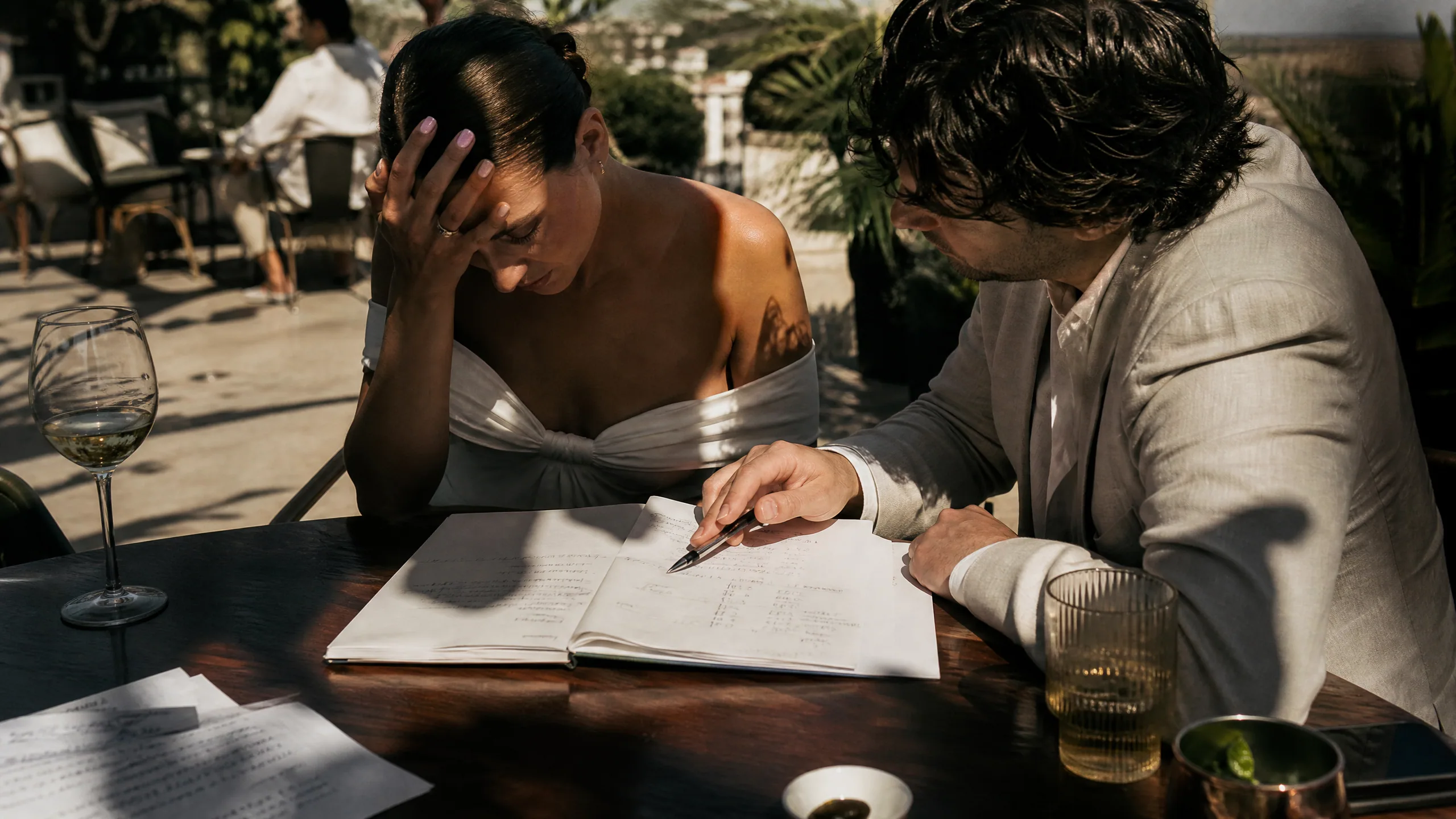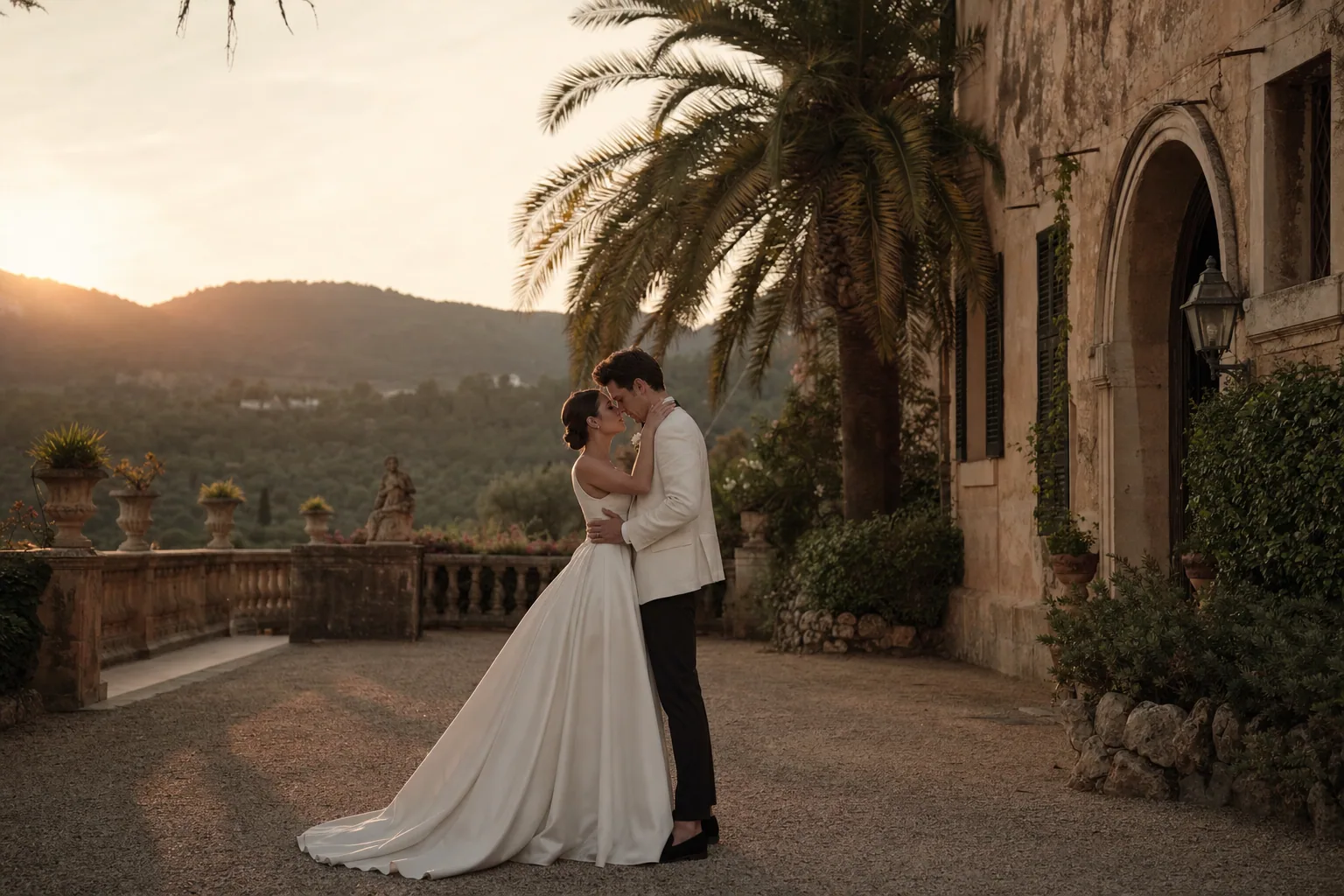
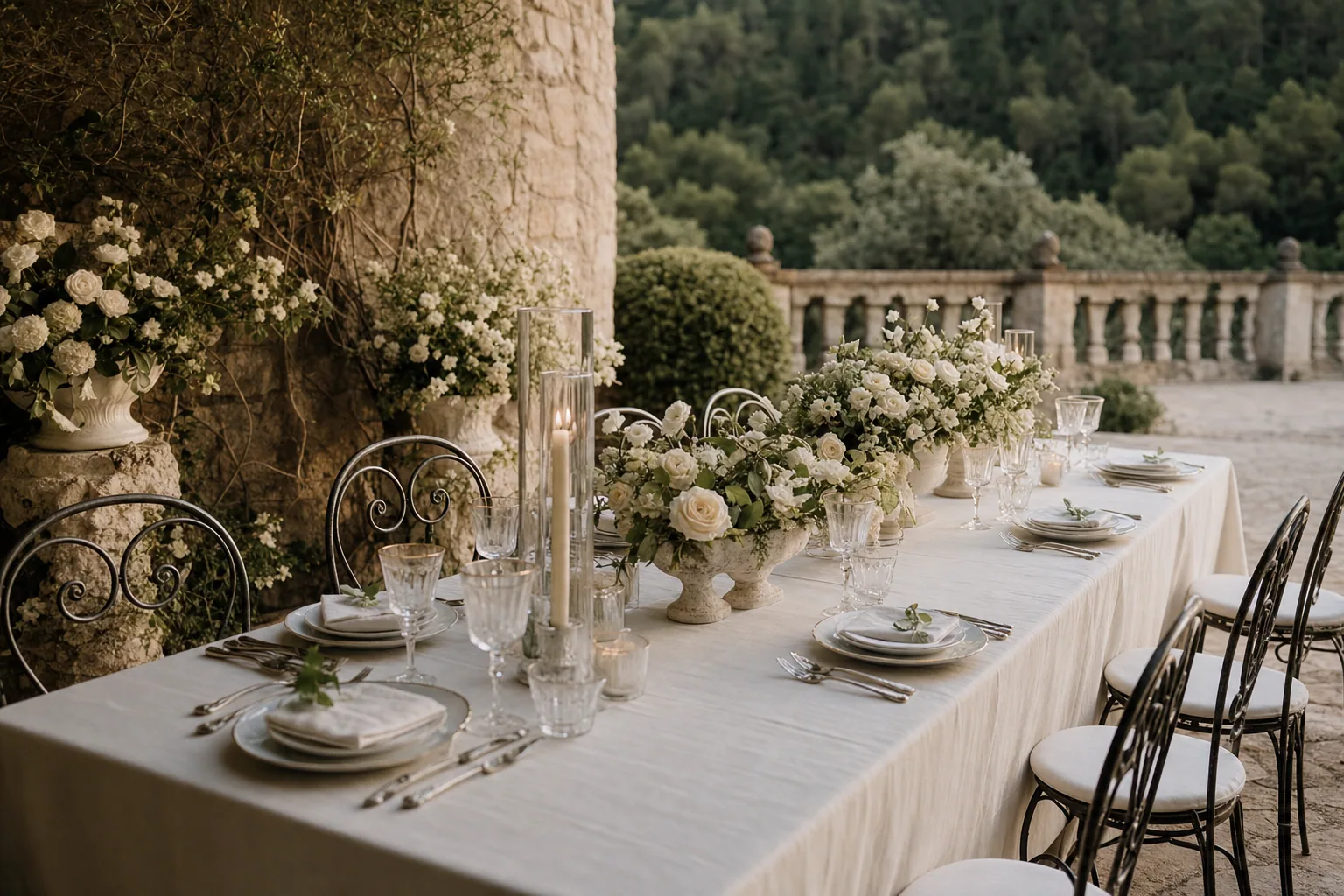
Planning a destination wedding in Spain means embracing the country's diverse weather patterns while ensuring your special day flows seamlessly regardless of what Mother Nature delivers. After filming hundreds of weddings across Spain's varied landscapes and seasons, we've learned that the secret to a stress-free wedding day lies not in hoping for perfect weather, but in crafting a timeline that celebrates your love story beautifully in any condition.
Spain's Mediterranean climate brings both glorious sunshine and occasional dramatic downpours, often within the same day. The key is building flexibility into your schedule while maintaining those precious moments that matter most. Whether you're planning a coastal celebration in Mallorca or a countryside affair in Barcelona's surrounding regions, understanding how to adapt your timeline for different weather scenarios will ensure your wedding day unfolds with grace and joy.
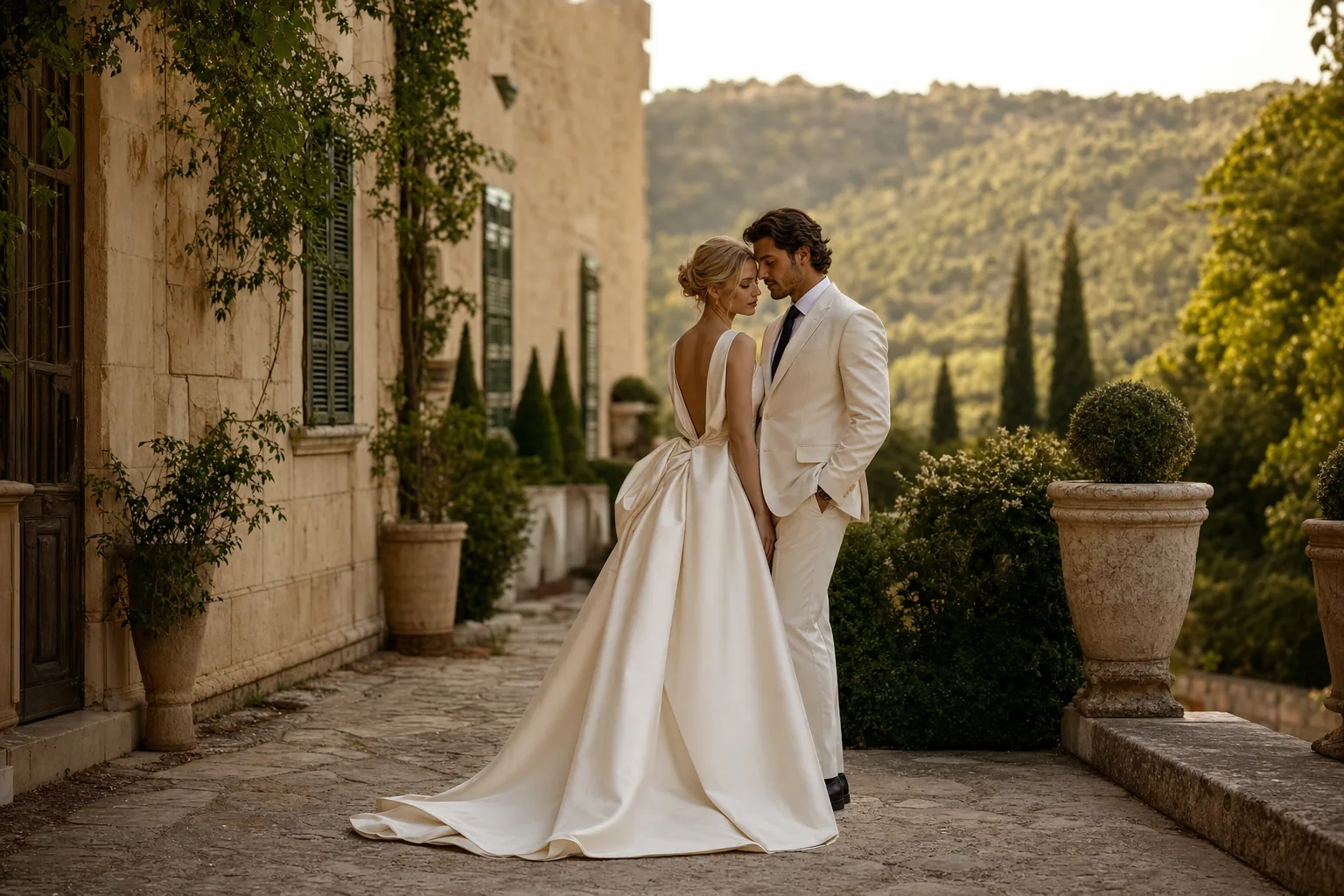
Understanding Spain's Weather Patterns for Wedding Planning
Spain's climate varies significantly by region and season, making weather awareness crucial for international couples. The Mediterranean coast enjoys mild winters and warm summers, but spring and autumn can bring unexpected rain showers. Inland areas experience more dramatic temperature swings and seasonal weather changes.
We've filmed weddings where morning rain gave way to stunning afternoon sunshine, and others where overcast skies provided the most romantic, soft lighting imaginable. The unpredictability isn't a flaw to work around—it's an opportunity to create multiple beautiful scenarios for your day.
Spanish venues are well-versed in weather adaptability. Most established wedding locations have comprehensive backup plans and covered spaces that rival their outdoor offerings. When you're choosing your venue, discuss their weather contingency options thoroughly.
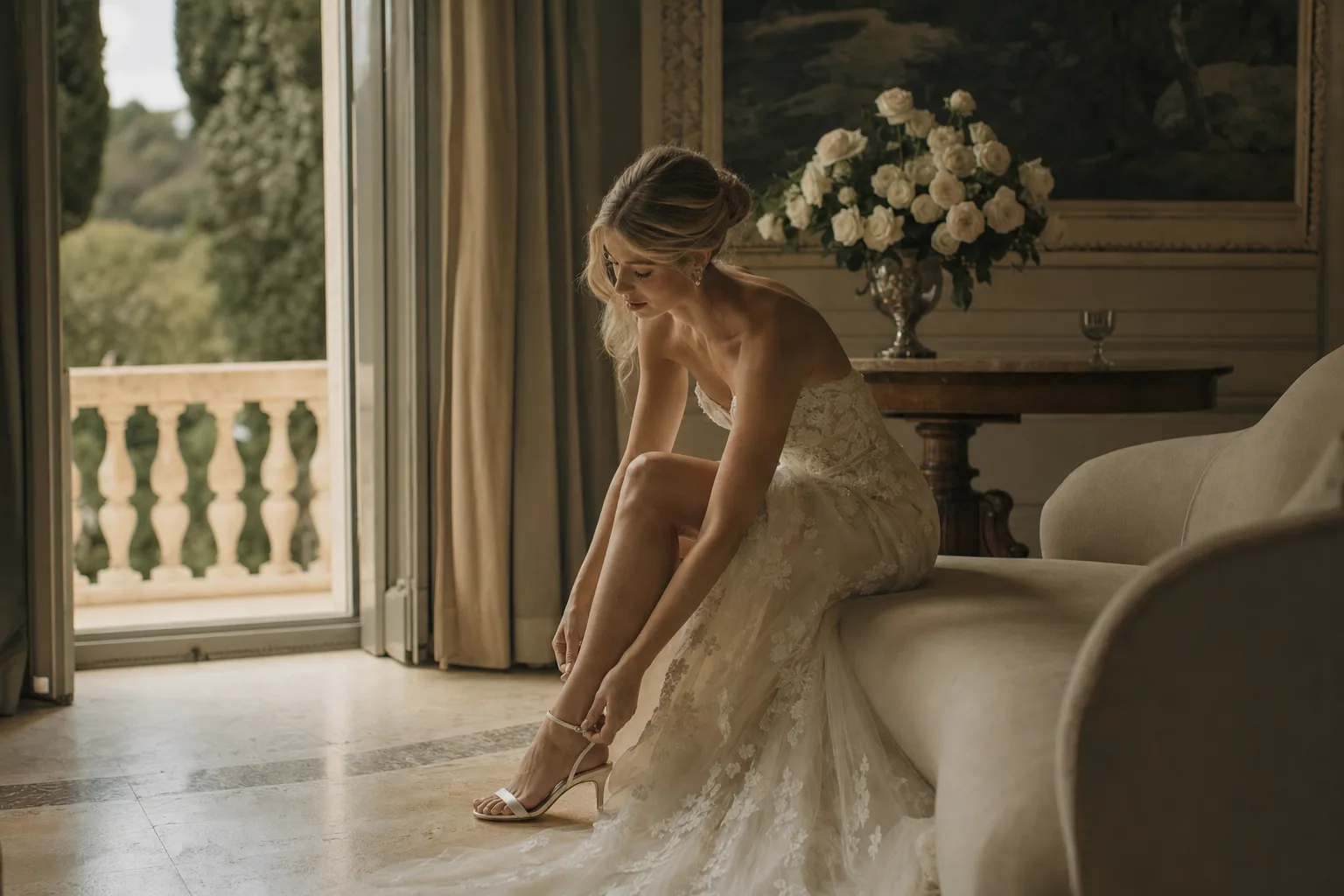
Morning Preparation: Timing That Works in Any Weather
Your morning timeline should remain consistent regardless of weather forecasts, but the activities within those hours may shift. We recommend starting hair and makeup no later than 9:00 AM for afternoon ceremonies, allowing buffer time for weather-related adjustments.
Rainy Day Morning Adjustments
On overcast or rainy mornings, embrace the cozy atmosphere indoors. The soft, diffused light from cloudy skies actually creates incredibly flattering conditions for getting-ready photos and videos. We often find that couples are more relaxed during rainy morning preparations, leading to more authentic, intimate moments.
Use this time for meaningful indoor activities: reading letters from each other, sharing quiet moments with family, or having that first look in a beautiful interior space. Rain creates a cocoon-like atmosphere that can make these private moments even more special.
Sunny Morning Strategy
Bright, sunny mornings offer opportunities for stunning natural light during preparations. However, be mindful of harsh midday sun if your ceremony is planned for peak afternoon hours. Consider scheduling outdoor getting-ready photos earlier, around 10:00-11:00 AM, when the light is still soft and golden.
Sunny mornings also mean you can utilize outdoor spaces for preparations—terraces, gardens, or courtyards—adding variety to your wedding film and photography. Just ensure these spaces have adequate shade options as the day progresses.
Ceremony Timing: Windows of Opportunity
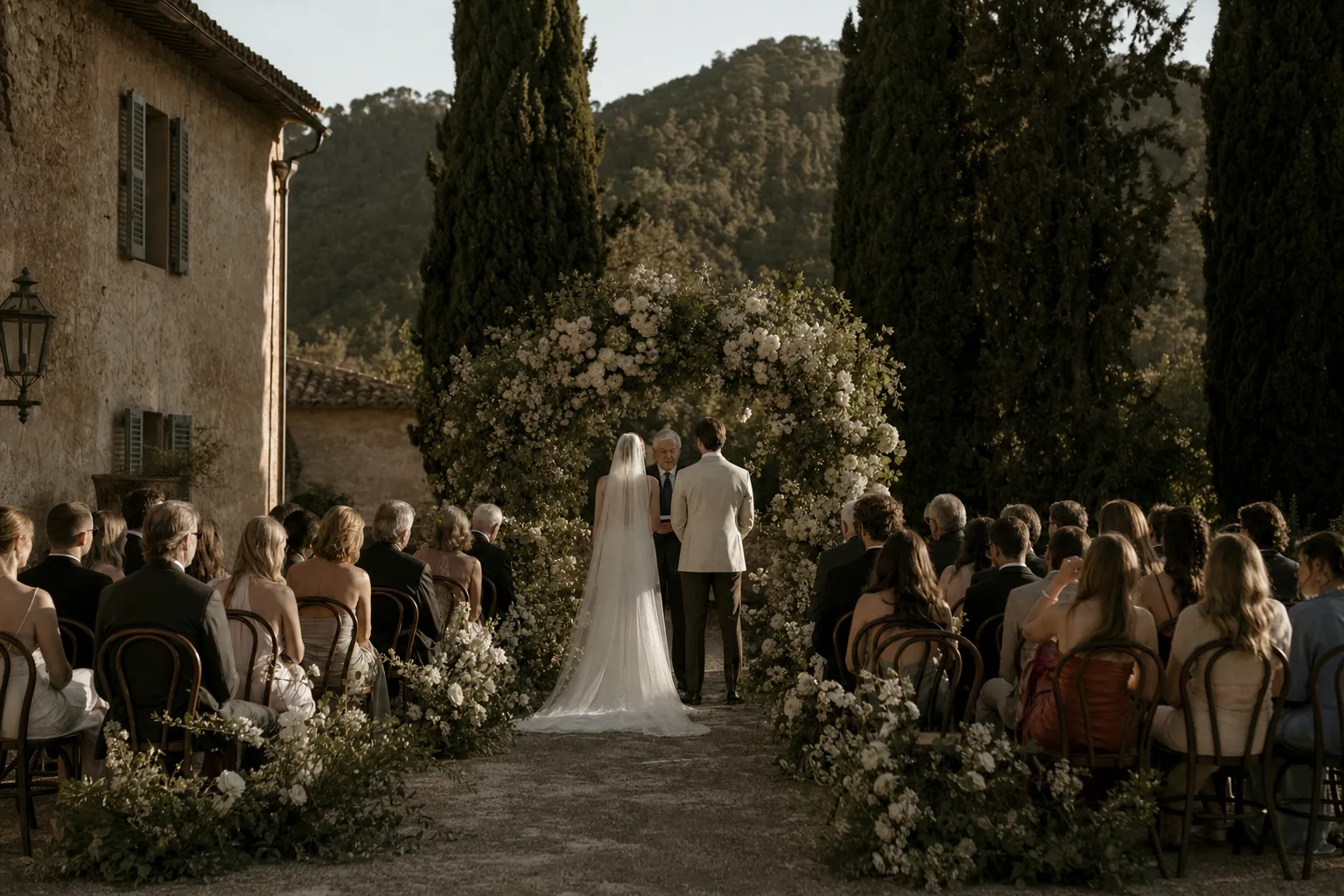
The ceremony represents the heart of your wedding day timeline, and its timing significantly impacts how weather affects your celebration. Spanish couples traditionally favor late afternoon ceremonies, typically between 5:00-7:00 PM, which works beautifully in most weather conditions.
Optimal Ceremony Windows for Different Conditions
For sunny days, the golden hour before sunset (typically 6:00-8:00 PM depending on season) provides the most romantic lighting. However, if temperatures are expected to be high, consider moving the ceremony to 5:00 PM or even 4:30 PM to ensure guest comfort.
Rainy day ceremonies often work best slightly earlier, around 4:00-5:00 PM, allowing more flexibility for indoor receptions and giving you time to capture beautiful post-ceremony moments if the weather clears. Overcast conditions actually provide incredibly even, soft lighting that's incredibly flattering for both photography and videography.
Indoor vs Outdoor Ceremony Considerations
Many Spanish venues offer both indoor and outdoor ceremony spaces. When planning your timeline, identify the decision point for moving indoors—typically 2-3 hours before the ceremony. This gives your wedding planner and venue coordinator enough time to make necessary adjustments without rushing.
We've filmed stunning indoor ceremonies that felt just as magical as outdoor ones. Spanish architecture often features beautiful courtyards, grand halls with natural light, or covered terraces that provide weather protection while maintaining an outdoor feel.
Portrait Sessions: Maximizing Light in Any Condition
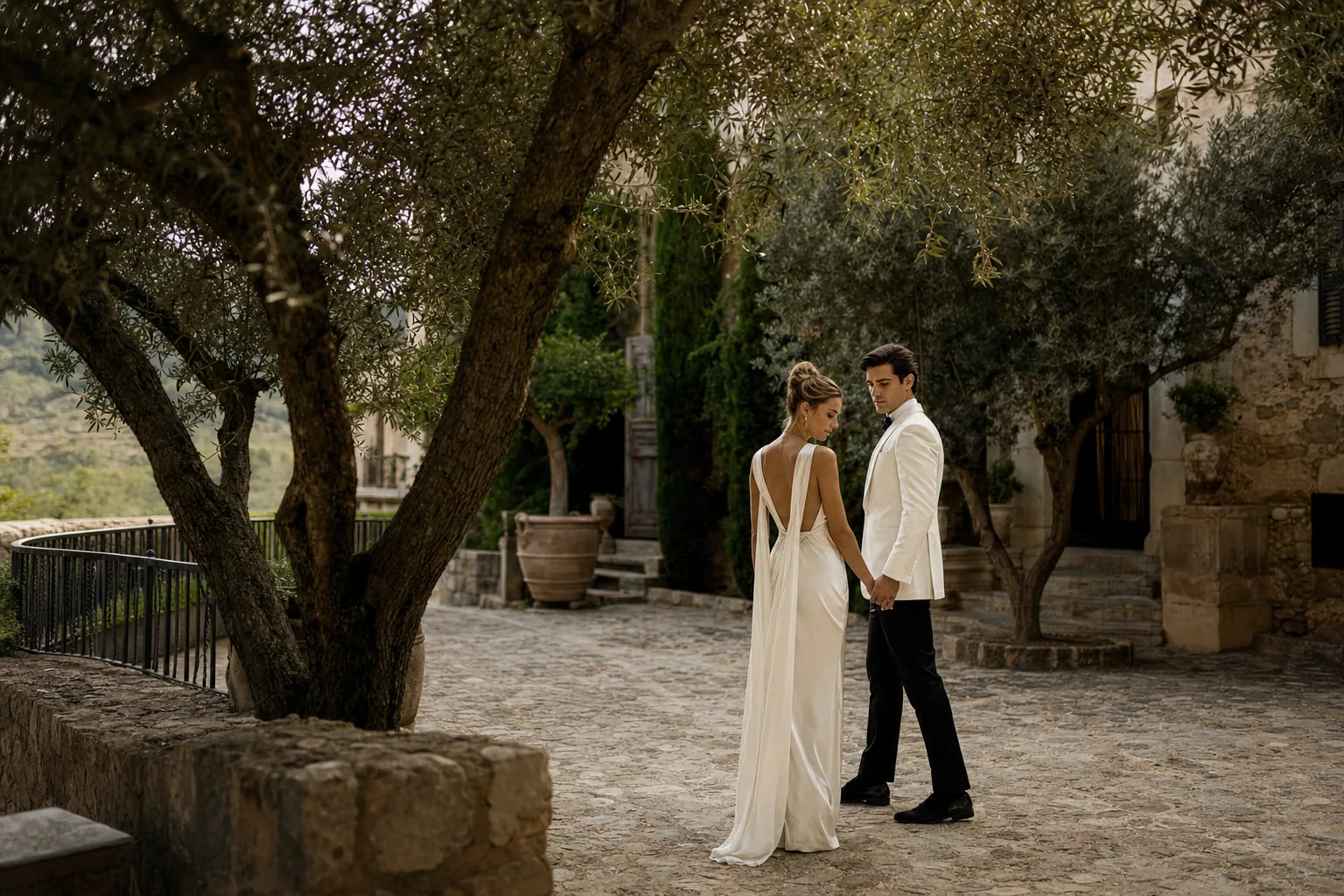
Portrait timing requires the most weather-specific adjustments in your timeline. The conventional wisdom about golden hour portraits shifts significantly when dealing with different weather patterns.
Golden Hour vs Overcast Advantages
Sunny days offer the classic golden hour magic, but require careful timing. In summer months, this might mean portraits at 7:30-8:30 PM, while winter golden hour occurs much earlier, around 5:30-6:30 PM. Plan your ceremony timing to allow for a 30-45 minute portrait session during optimal light.
Overcast conditions, however, provide an all-day "golden hour" effect. The clouds act as a massive softbox, creating even, romantic lighting that's incredibly forgiving. We often tell couples that some of our most stunning wedding films were captured on cloudy days because the light is so beautifully consistent.
When to Move Portraits Indoors
The decision to move portraits indoors shouldn't be made solely based on rain. Light drizzle can create incredibly romantic, cinematic moments. However, heavy rain, strong winds, or extreme temperatures warrant moving to covered locations.
Spanish venues typically offer beautiful indoor portrait opportunities: ancient stone archways, elegant staircases, intimate libraries, or art-filled corridors. Scout these locations during your venue visit and include them in your timeline as weather alternatives.
For more detailed strategies on making the most of challenging weather conditions, our guide on rainy-day wedding photography and videography offers specific techniques for creating stunning imagery regardless of conditions.
Cocktail Hour and Reception Pacing
The transition from ceremony to celebration requires careful pacing that adapts to weather conditions while maintaining the energy and flow of your wedding day.
Weather-Adaptive Cocktail Hour Planning
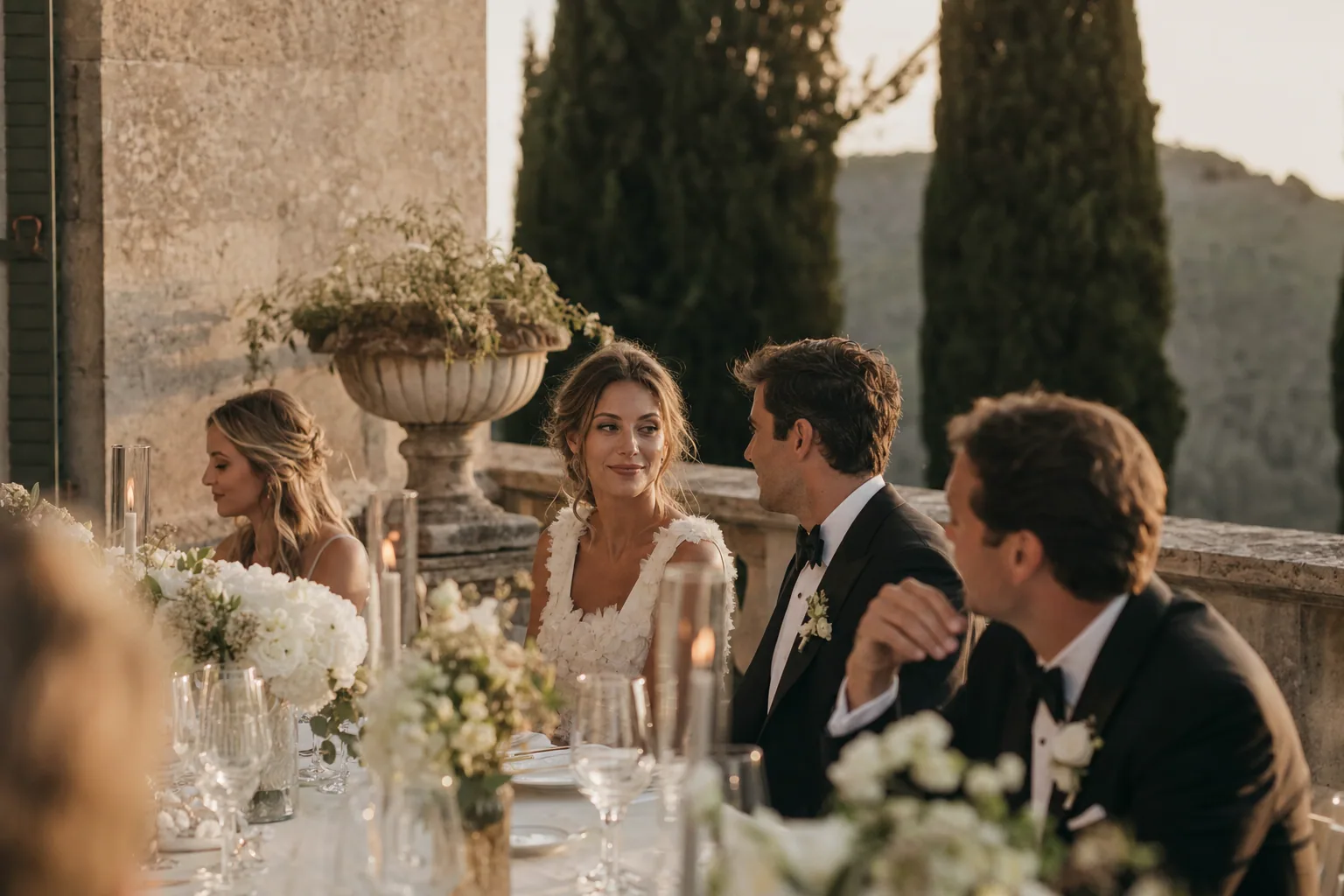
Sunny day cocktail hours can utilize outdoor terraces, gardens, and courtyards, typically lasting 60-90 minutes. This timing allows for mingling, drinks, and casual portraits while maintaining comfortable temperatures as the sun begins to set.
Rainy day cocktail hours often work better in covered or indoor spaces, but can be equally magical. Spanish venues excel at creating cozy, intimate atmospheres with strategic lighting and décor. Consider shortening the cocktail hour slightly (45-60 minutes) on rainy days to maintain energy and move guests into the main reception space.
Reception Timeline Flexibility
Reception timing should include built-in flexibility for weather-related delays or changes. Build 15-30 minutes of buffer time into your schedule between major events (ceremony to cocktails, cocktails to dinner, dinner to dancing).
Spanish dining culture favors later meal times, which works beautifully for wedding receptions. Dinner typically begins between 8:30-9:30 PM, allowing ample time for weather adjustments earlier in the day without affecting the evening celebration.
Coordinating with Your Creative Team
Successful weather adaptation requires seamless communication between your photographer, videographer, wedding planner, and venue coordinator. Establish clear communication protocols and decision-making timelines before your wedding day.
Pre-Wedding Weather Strategy Sessions
Schedule a weather strategy call with your creative team 48-72 hours before your wedding. Discuss forecast scenarios, backup plans, and timing adjustments. We always review alternative shooting locations, indoor lighting conditions, and equipment needs based on expected conditions.
Your wedding planner should coordinate these discussions and make final weather-related decisions to avoid overwhelming you on your wedding day.
Day-of Communication Protocols
Establish a clear chain of command for weather-related decisions. Typically, your wedding planner makes timing calls in consultation with the venue coordinator, then communicates changes to the creative team and key family members.
We recommend designating specific family members or friends as communication liaisons to relay any schedule changes to guests, especially if you're managing group transportation arrangements.
Building Buffer Time for Weather Pivots
Strategic buffer time is essential for weather adaptability without creating a rushed feeling throughout your day. The key is building these buffers invisibly into your timeline.
Strategic Buffer Placement
Place 15-minute buffers after getting ready, before the ceremony, between ceremony and cocktails, and before dinner service. These small cushions allow for weather-related adjustments without significantly impacting your overall timeline.
Avoid placing buffers during emotional moments like the ceremony, first dance, or speeches. Instead, build flexibility around logistical transitions where slight delays won't affect the emotional flow of your day.
Communicating Flexibility to Guests
International guests may be unfamiliar with Spanish weather patterns and venue flexibility. Include weather information and timeline flexibility notes in your welcome materials or wedding website. This helps guests pack appropriately and understand potential schedule adjustments.
Consider the comprehensive weather backup planning strategies that can help you prepare guests for various scenarios while maintaining excitement about your celebration.
How Spanish Venues Handle Weather Changes
Spanish wedding venues have extensive experience managing weather-related changes, often with more sophistication than couples expect. Understanding their typical protocols helps you plan more effectively.
Venue Weather Protocols
Most established Spanish wedding venues make weather-related decisions by 2:00 PM for evening events. They consider not just current conditions, but forecasted changes throughout the day. Many venues have covered outdoor spaces that provide weather protection while maintaining an outdoor atmosphere.
Venue coordinators typically handle logistical changes—moving furniture, adjusting lighting, reconfiguring spaces—without requiring your direct involvement. This allows you to focus on enjoying your day while professionals manage the details.
Spanish Hospitality and Weather Flexibility
Spanish wedding culture embraces weather changes as part of the celebration rather than viewing them as problems to solve. Venues often have creative solutions that enhance rather than compromise your wedding experience.
We've seen venues transform covered terraces into intimate, candlelit spaces during rain, or create stunning sunset cocktail areas when weather clears unexpectedly. This adaptability is part of Spanish hospitality culture and often leads to unique, memorable moments.
Regional Considerations Across Spain
Different regions of Spain require specific weather timeline considerations based on their unique climate patterns and seasonal variations.
Coastal vs Inland Timeline Adjustments
Coastal regions like the Balearic Islands or Costa Brava experience more moderate temperatures but higher humidity and potential for sudden weather changes. Build slightly more buffer time into coastal wedding timelines, especially during transitional seasons.
Inland regions, particularly around Madrid or in Andalusia, experience more extreme temperatures and clearer weather patterns. Summer weddings may require earlier ceremony times or extensive shade planning, while winter celebrations might need contingencies for cooler temperatures.
Seasonal Timeline Strategies
Spring weddings (March-May) require the most timeline flexibility due to unpredictable weather patterns. Summer celebrations offer more predictable conditions but require heat management strategies. Autumn weddings balance beautiful light with potential rain, while winter celebrations focus on maximizing limited daylight hours.
Understanding these patterns helps you make informed decisions about your overall wedding timeline and weather preparation strategies.
Final Recommendations for Weather-Flexible Wedding Timelines
Creating a successful weather-flexible timeline requires balancing preparation with adaptability, structure with spontaneity. The goal is feeling confident and relaxed regardless of what weather your wedding day brings.
Remember that some of the most magical wedding moments we've captured happened because of, not despite, unexpected weather. Rain can create intimate, cozy atmospheres and dramatic, romantic imagery. Sunshine provides classic beauty and vibrant energy. Overcast skies offer soft, dreamy lighting that's incredibly flattering.
Consider protecting your investment and peace of mind with comprehensive wedding insurance that covers weather-related changes or delays.
Most importantly, trust in your venue's expertise, your creative team's adaptability, and Spain's incredible capacity for creating magical celebrations in any weather. Your love story is the constant—everything else is just beautiful scenery, whether it's painted with sunshine or raindrops.
The key to a perfect wedding day timeline in Spain isn't controlling the weather—it's embracing the beauty that each type of weather can bring to your celebration. With thoughtful planning, clear communication, and strategic flexibility, your Spanish destination wedding will be absolutely stunning, rain or shine.