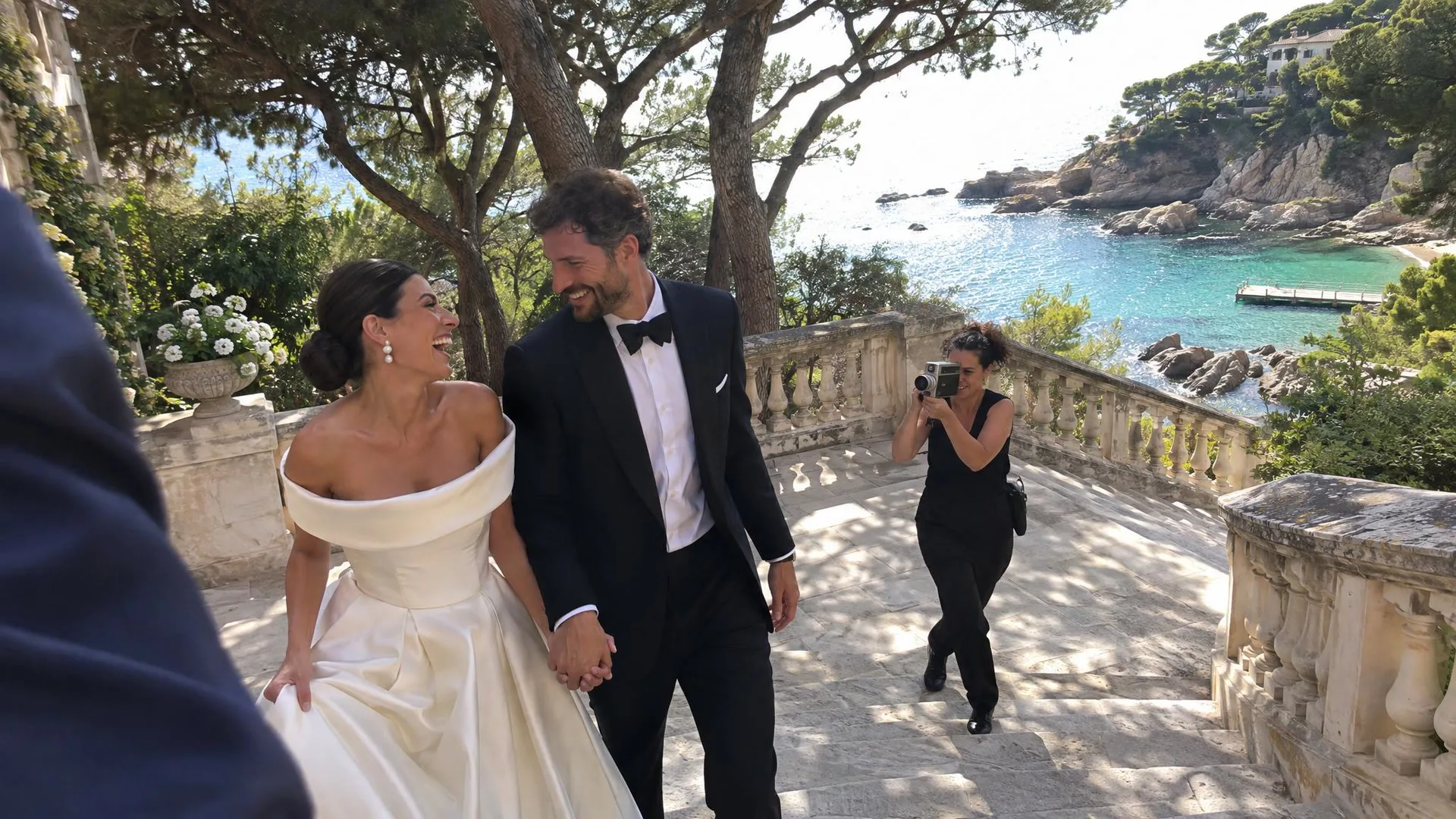
A post in one of the biggest wedding planning forums this spring had nothing to do with cameras, and yet it says more about Super 8 and VHS than most trend articles. A bride who had almost skipped video wrote that her mother had just found the VHS tape of her parents' wedding, more than thirty years old. They worked out how to play it, and she spent the evening crying: grandparents who are gone, parents dancing in a way she had never seen, guests who are no longer around, all moving and talking again.
Hundreds of people agreed, and the comments turned into a long, honest conversation about what a wedding video is actually for. If you are thinking about a Super 8 wedding film or a camcorder passed around your guests, that conversation is a good place to start.
What people took from that old tape
Read the replies together and three ideas come up again and again.
It was the people, not the picture. Several commenters pointed out that the tape was grainy, shaky and barely edited, and it did not matter. What moved everyone were voices, faces and small gestures. One reply summed it up: the quality is not what makes you cry, the moment is.
Voices are the part you miss. Photos keep faces. Video keeps the way someone laughed, the speech your uncle got wrong, your grandmother saying your name. Many people said this was the reason they would never skip video again.
Guests filming guests feels different. A lot of couples described handing a camera, or a phone, to friends and family and asking them to collect messages and little interviews through the evening. People are more relaxed with a cousin than with a stranger. Others pushed back: if everyone is filming, nobody is living the moment, and someone still has to turn hours of clips into something watchable.
That tension is exactly where Super 8 and VHS sit today.
Super 8 and VHS are not the same thing
They are often mentioned together, but they do very different jobs.
Super 8 is real film. A small camera, a cartridge that runs for a few minutes, footage that has to be processed and scanned before anyone sees it. The look is warm, soft and grainy, with colour that no filter quite copies. In practice it is something to plan: you choose which moments go on film, because there is only so much of it. It also records no sound. Every reply in a recent planning thread about Super 8 made that point.
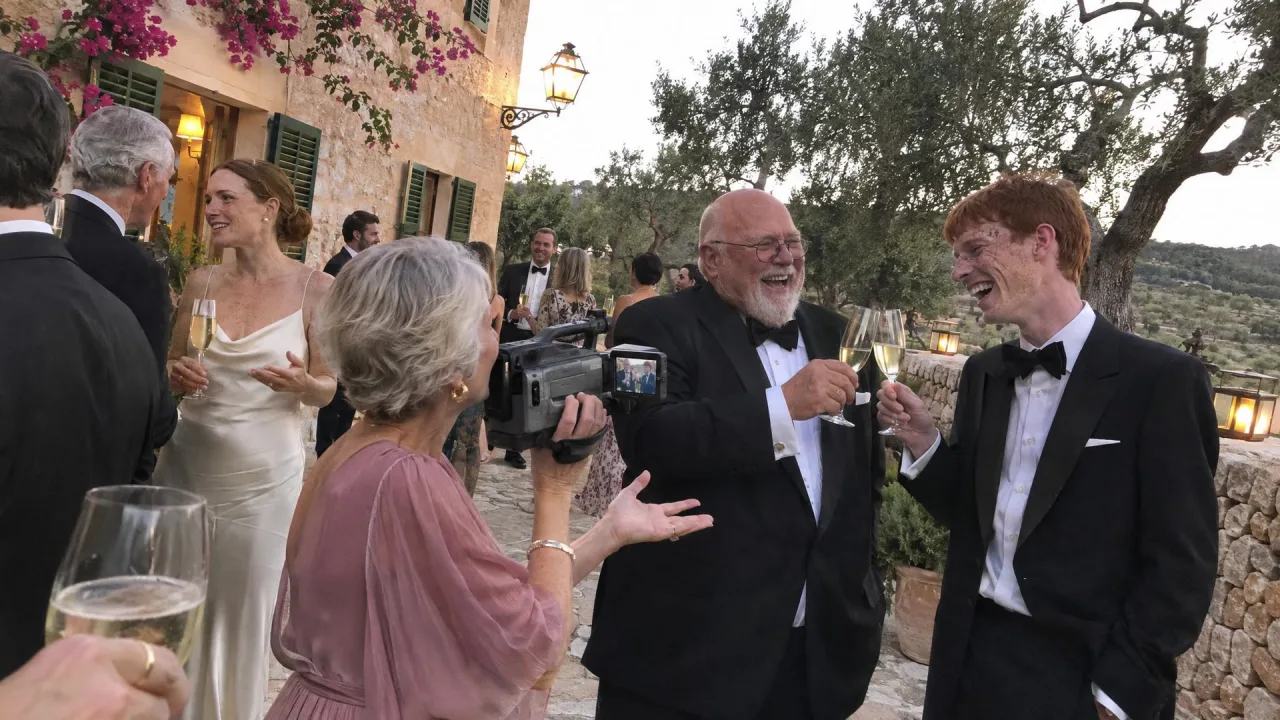
VHS is a camcorder: cheap to run, light, a bit clumsy, with built-in audio of a very home-video kind. Its real strength is social. When a guest holds it, people talk to it, joke with it and forget it is there. Professional crews have noticed the same thing in discussions among videographers: people stop posing when the camera looks like a toy.
So, roughly:
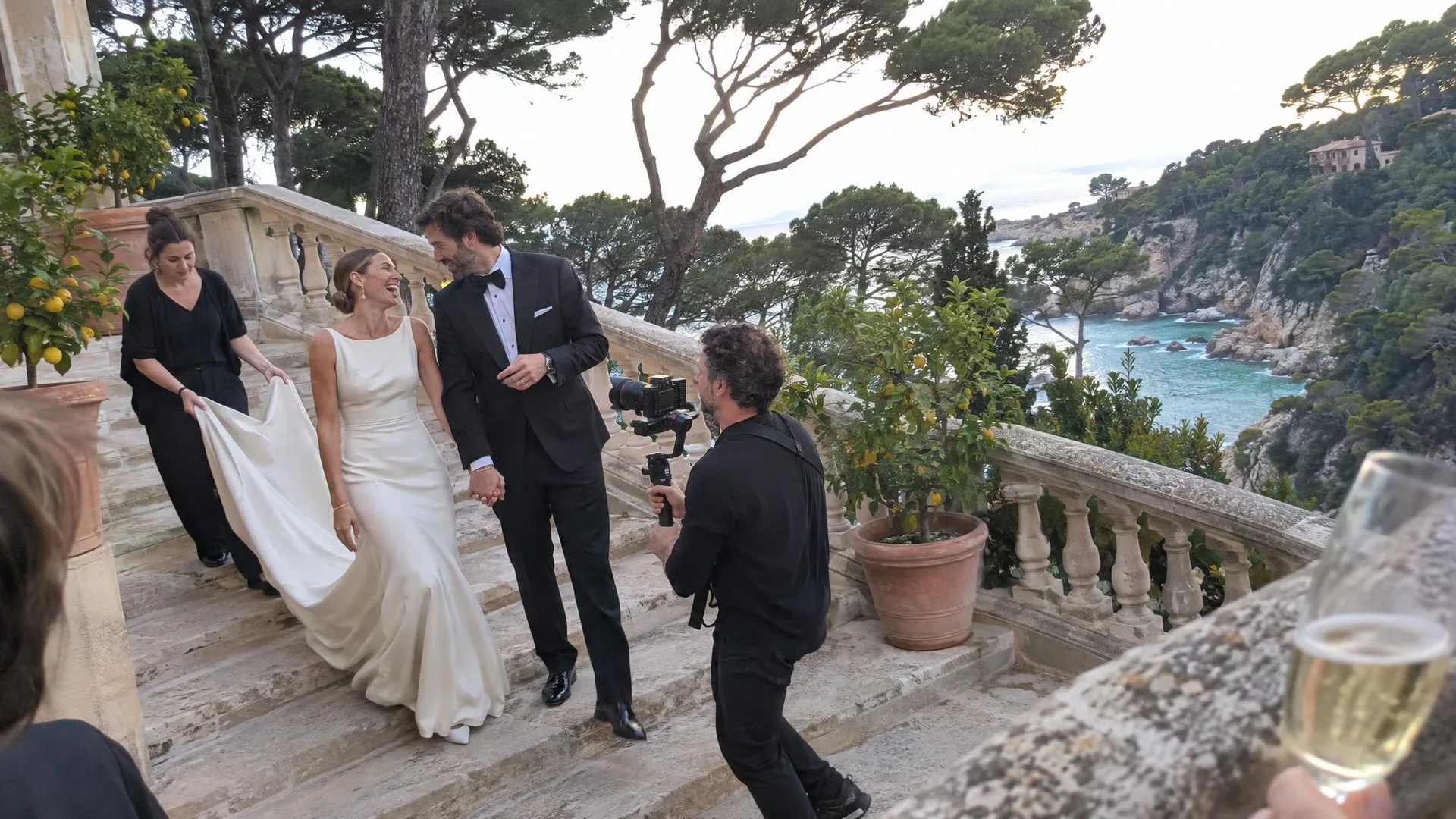
- Super 8 gives you texture and feeling: the light on the sea, the walk down the stairs, the first minutes as a married couple.
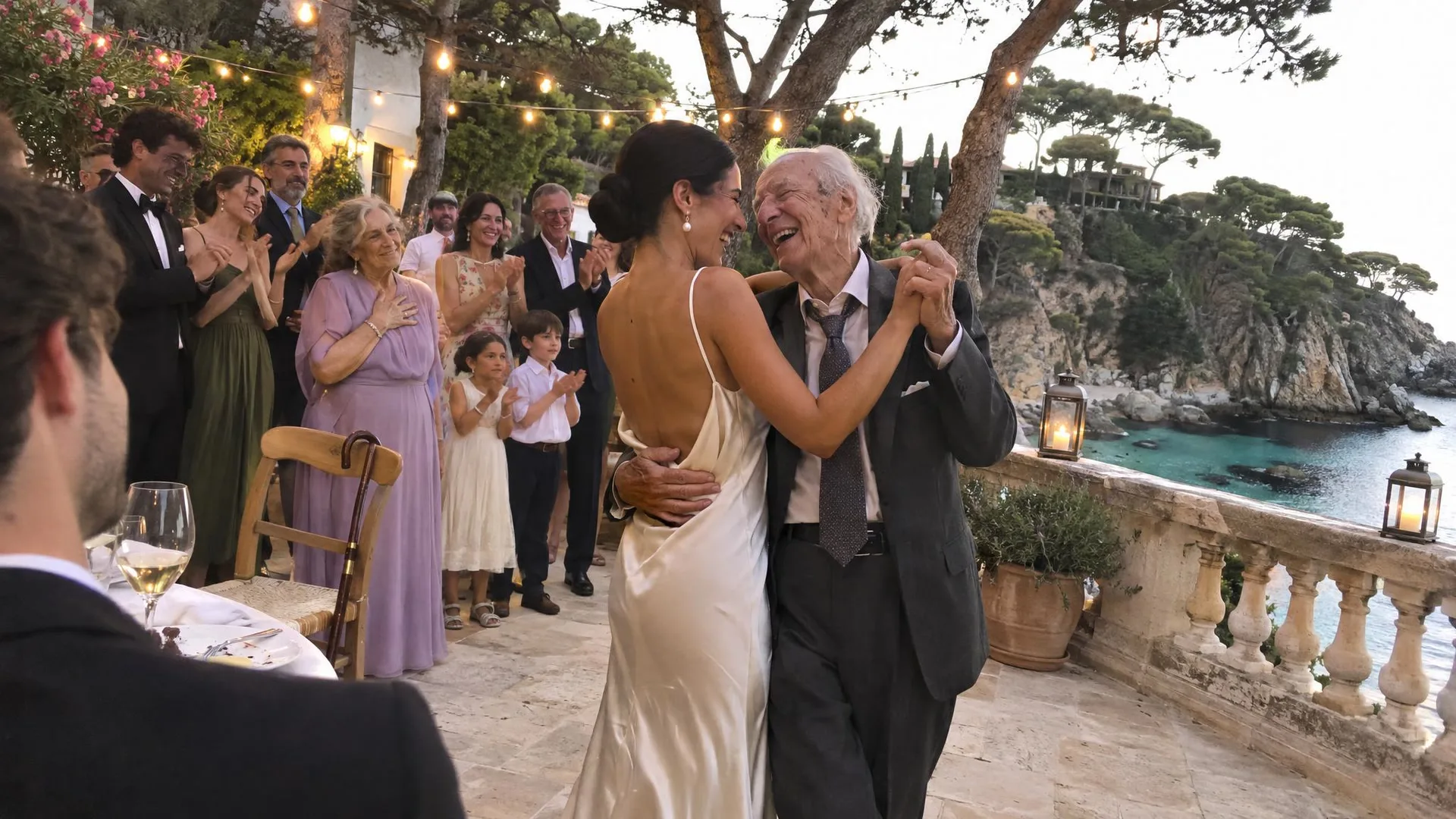
- VHS gives you the inside view: conversations at the tables, the friend who will not stop dancing, messages nobody would say to a professional camera.
The honest limits
Both formats are lovely, and both have limits that planning threads keep repeating.
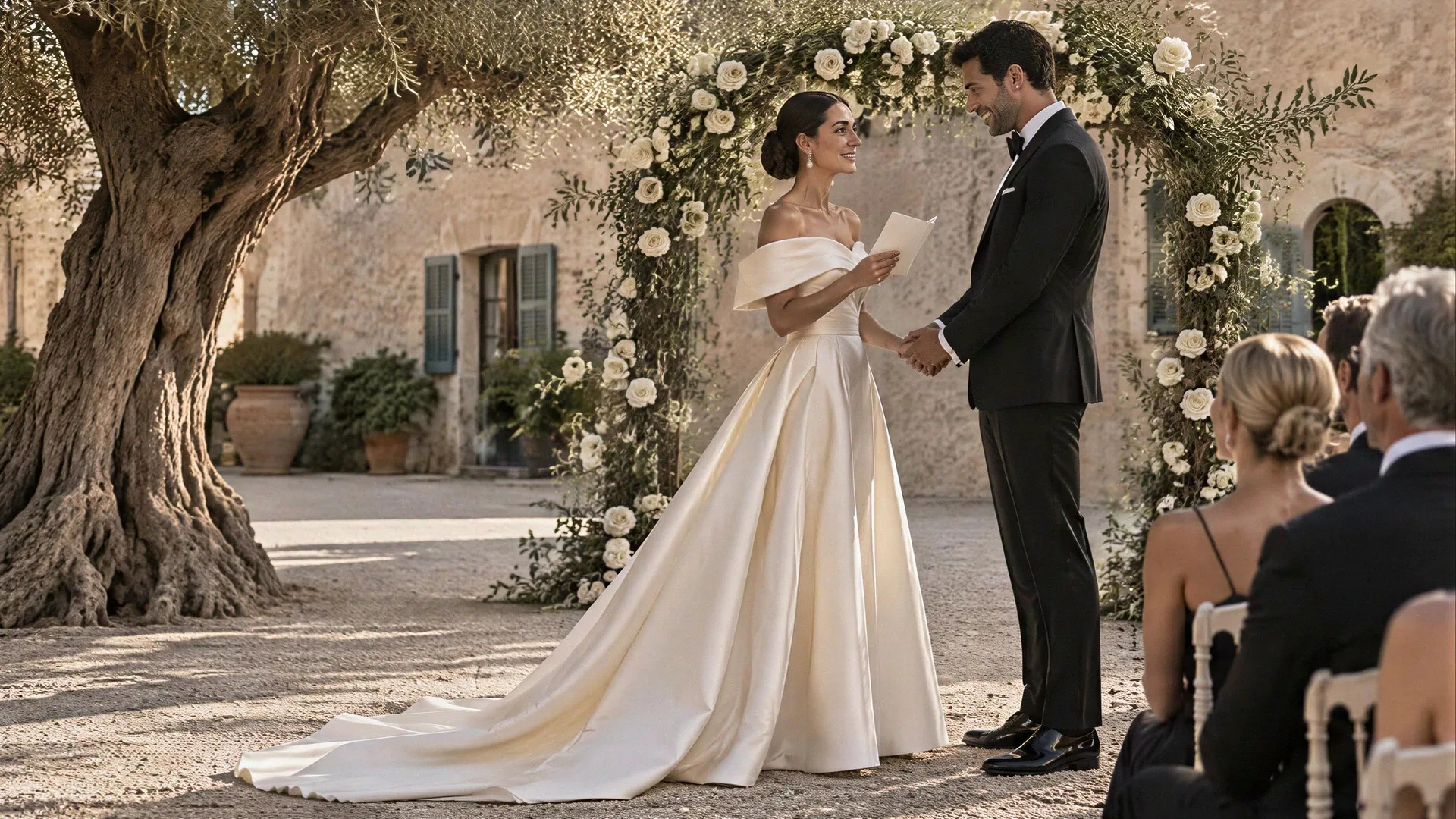
No Super 8 film can carry your vows. If the ceremony matters to you, you need separate, clean audio. A Super 8 sequence works beautifully alongside the vows, never instead of them.
There is less footage than you think. A cartridge records about three and a half minutes, and not every second ends up usable. A film made only on Super 8 is short by nature, usually a few minutes.
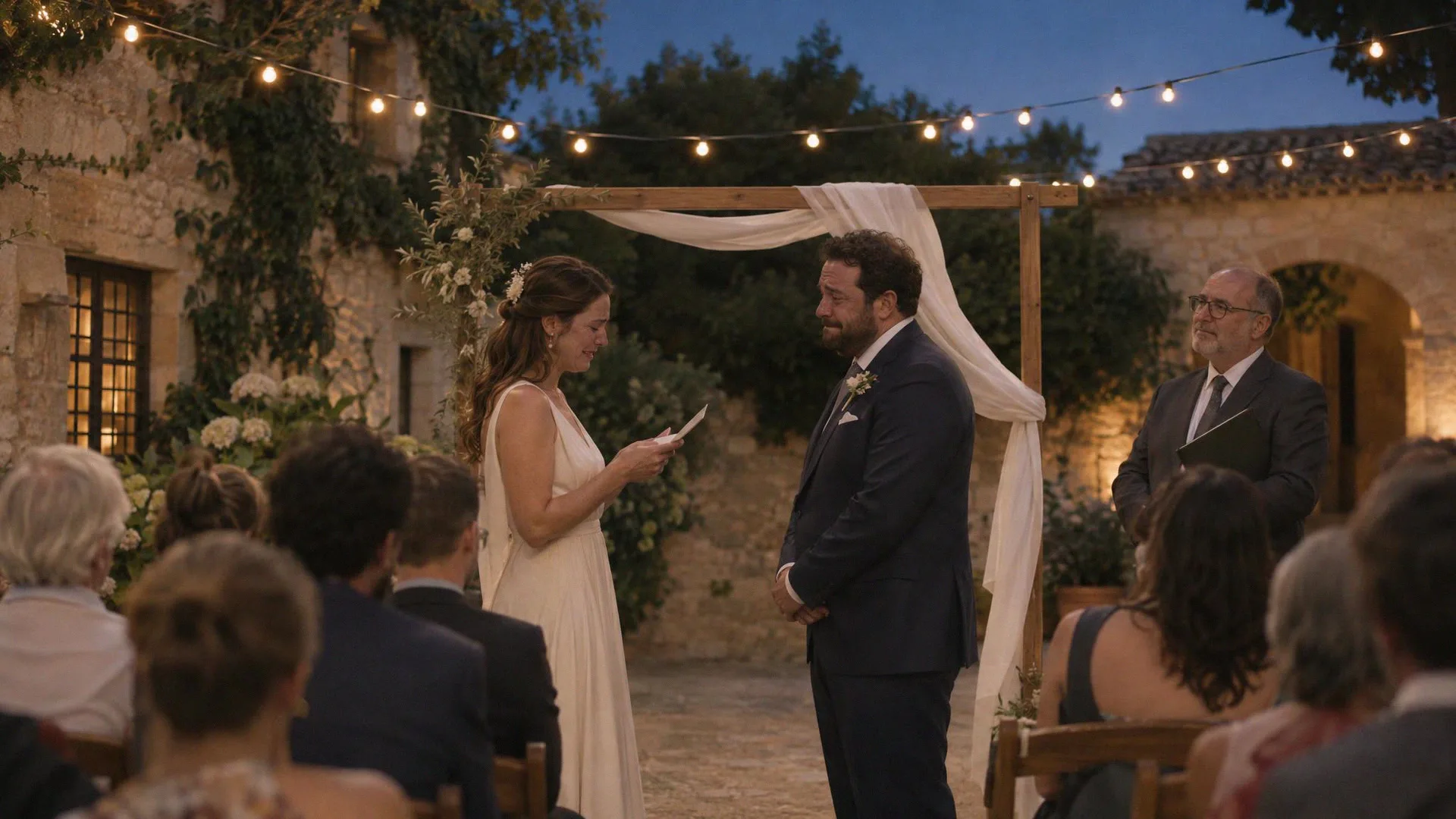
Dark rooms are hard. Super 8 and old camcorders both struggle in a dim reception. Late dinner under string lights will look moody at best and muddy at worst, which is fine for texture and disappointing if it is your only record of the speeches.
Guest footage catches the mood, not the moment. Guests film what is in front of them. Nobody is standing in the right spot for the first kiss unless a professional planned it. Treat VHS as an extra layer, not your coverage.
Thirty years is a long time. One of the most upvoted comments in that videographer discussion made a fair point: a trend that feels perfect now may feel dated later, and you may want a clean, high-resolution record of the day. That argues for a mix, not for skipping analog.
The mix that works
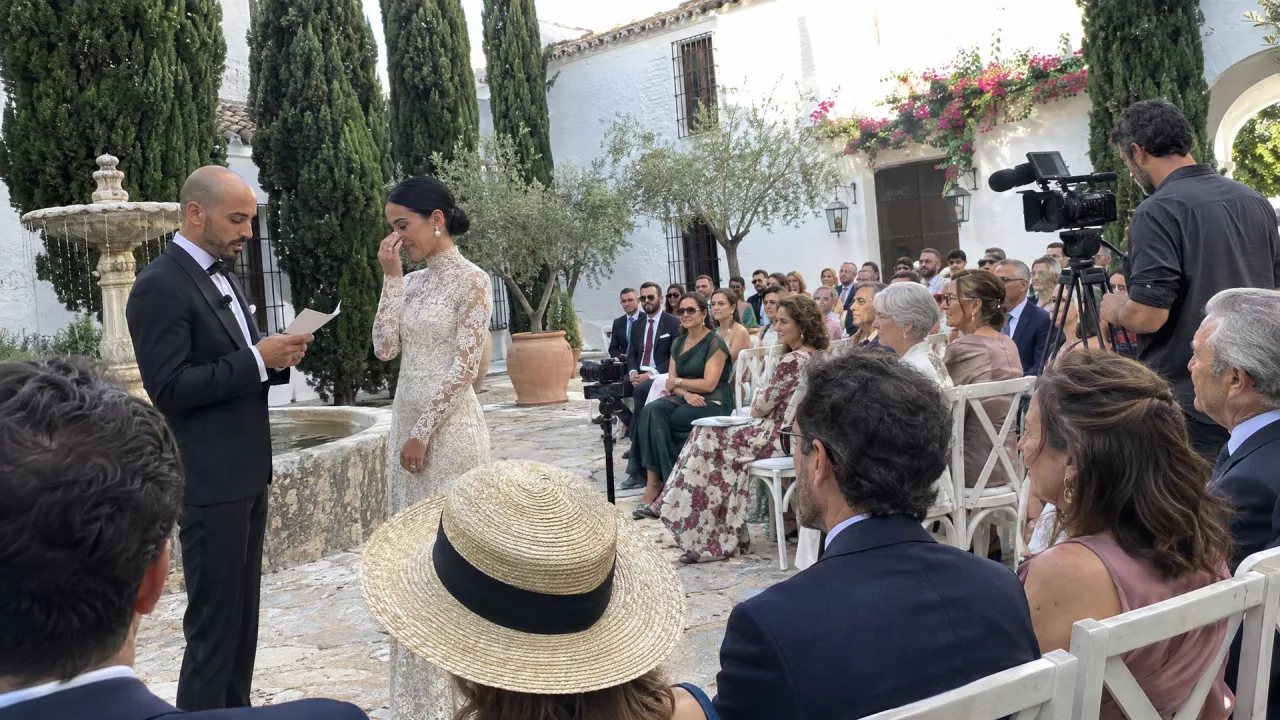
Most filmmakers and couples in these threads landed in the same place: shoot the day on modern cinema cameras with proper sound, and use analog as a layer inside it.
- Protect the audio first. Lavalier microphones on the couple and officiant, a separate recorder for the ceremony and speeches. Our guide to wedding ceremony audio explains what to ask.
- Pick your Super 8 moments. Golden light, outdoors, movement: the walk after the ceremony, a boat, the first minutes alone, guests throwing petals. Bright Spanish daylight is kind to film.
- Give the VHS a job. Hand it to two or three outgoing people, give them a few questions to ask, and tell them the day before, not on the day.
- Ask how it ends up in the film. Is Super 8 cut into the main film, delivered as a separate short, or both? Is the raw footage included?
- Keep the long record. If you want the ceremony from start to finish, ask for it explicitly. Our article on the full ceremony wedding video shows why couples rewatch it more than any trailer.
Why it suits a destination wedding in Spain
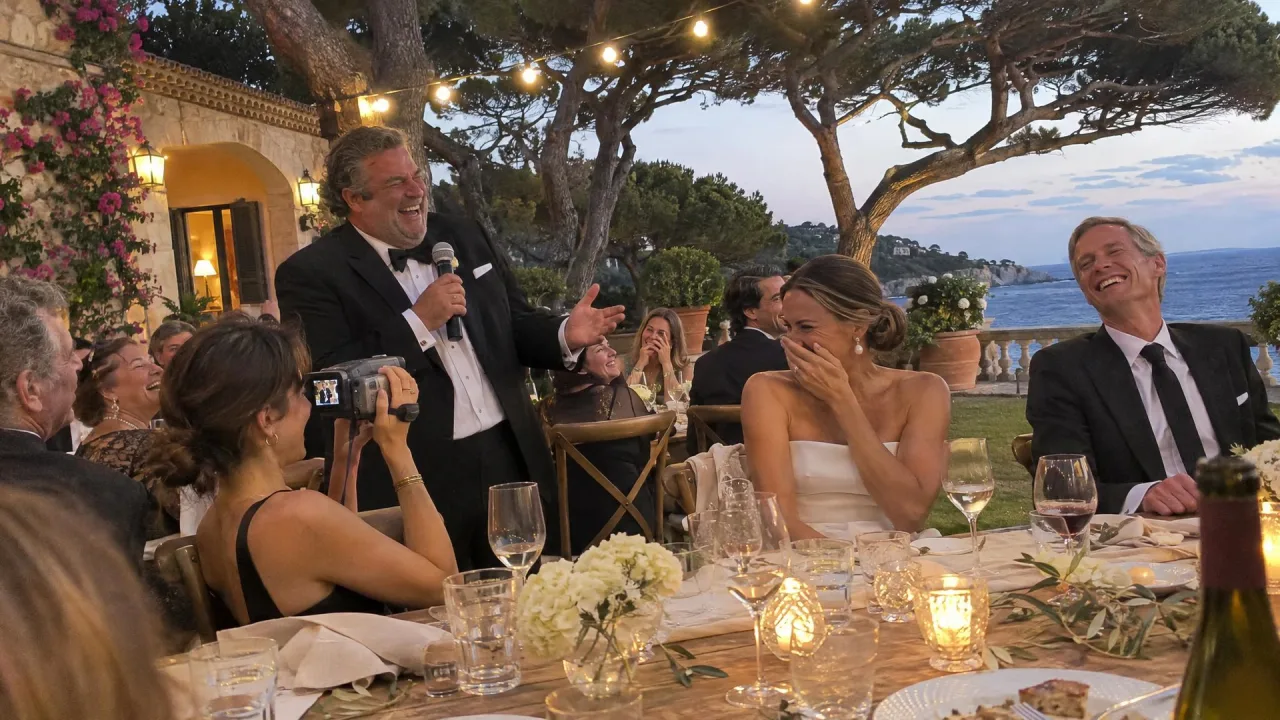
Spain is generous with light. Long afternoons, pale stone, the sea under strong sun: the outdoor hours of a wedding in Barcelona, on the Costa Brava or in Mallorca and Menorca are exactly the conditions where Super 8 shines. Evenings are long and warm, and the party usually moves outside, which is good news for a camcorder too.
There is also a practical side. Destination weddings bring together people who rarely meet: grandparents who travelled, friends from three countries, cousins who only see each other at weddings. A VHS camera going around the tables collects precisely the voices that the old tape in that forum post made so precious.
If you are still deciding on the overall style, our guide to documentary vs cinematic wedding films in Spain explains how each one is shot and edited. Analog fits both.
Questions to ask your videographer
- Do you shoot Super 8 yourself, or is it a separate person or company?
- How many cartridges are included, and how much finished film should we expect from them?
- Which moments would you put on film, given our timeline and the light?
- How do you capture sound for the ceremony and speeches?
- Who holds the VHS camera, and how do you brief them?
- Will analog footage be cut into the main film, delivered separately, or both?
For a longer list, see what to ask a wedding videographer before a Spain destination wedding.
How we use Super 8 and VHS
We make documentary and cinematic wedding films in Spain, and analog is part of how we work, never a replacement for the main film. Our Medium package includes a VHS camera that travels between your guests. In Full (€5,300 + VAT) and Full+ (€6,300 + VAT) you choose one Super 8 cartridge or the VHS camera, and for an extra €900 you can have three Super 8 cartridges in total for the day. For the ceremony and speeches we use lavalier microphones and a separate audio recorder, so the film keeps both the texture and the voices. Travel and accommodation outside our base are quoted separately.
You can compare what each package includes on our wedding film packages and prices page, or write to us with your date and tell us which moments you would put on film.