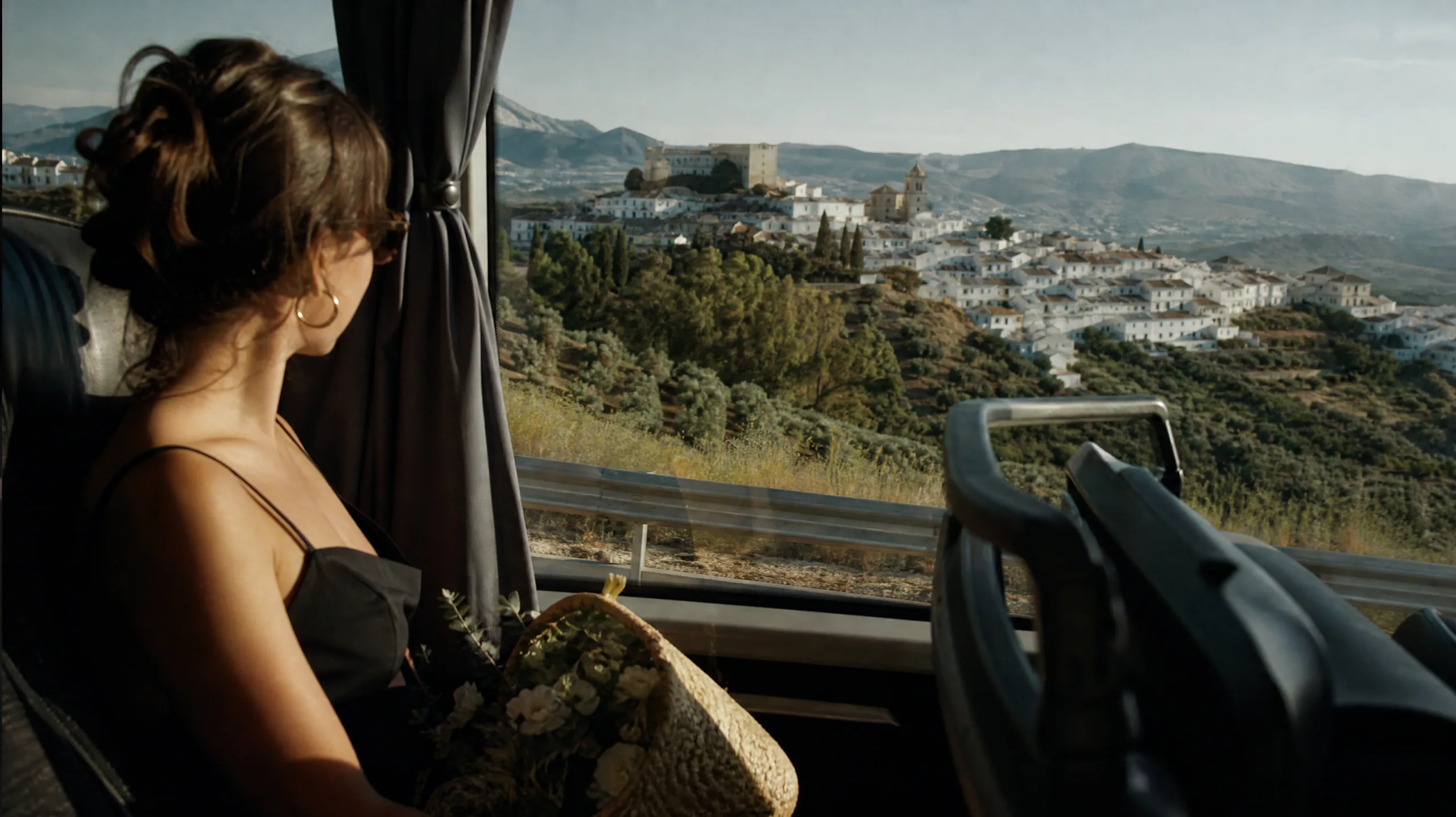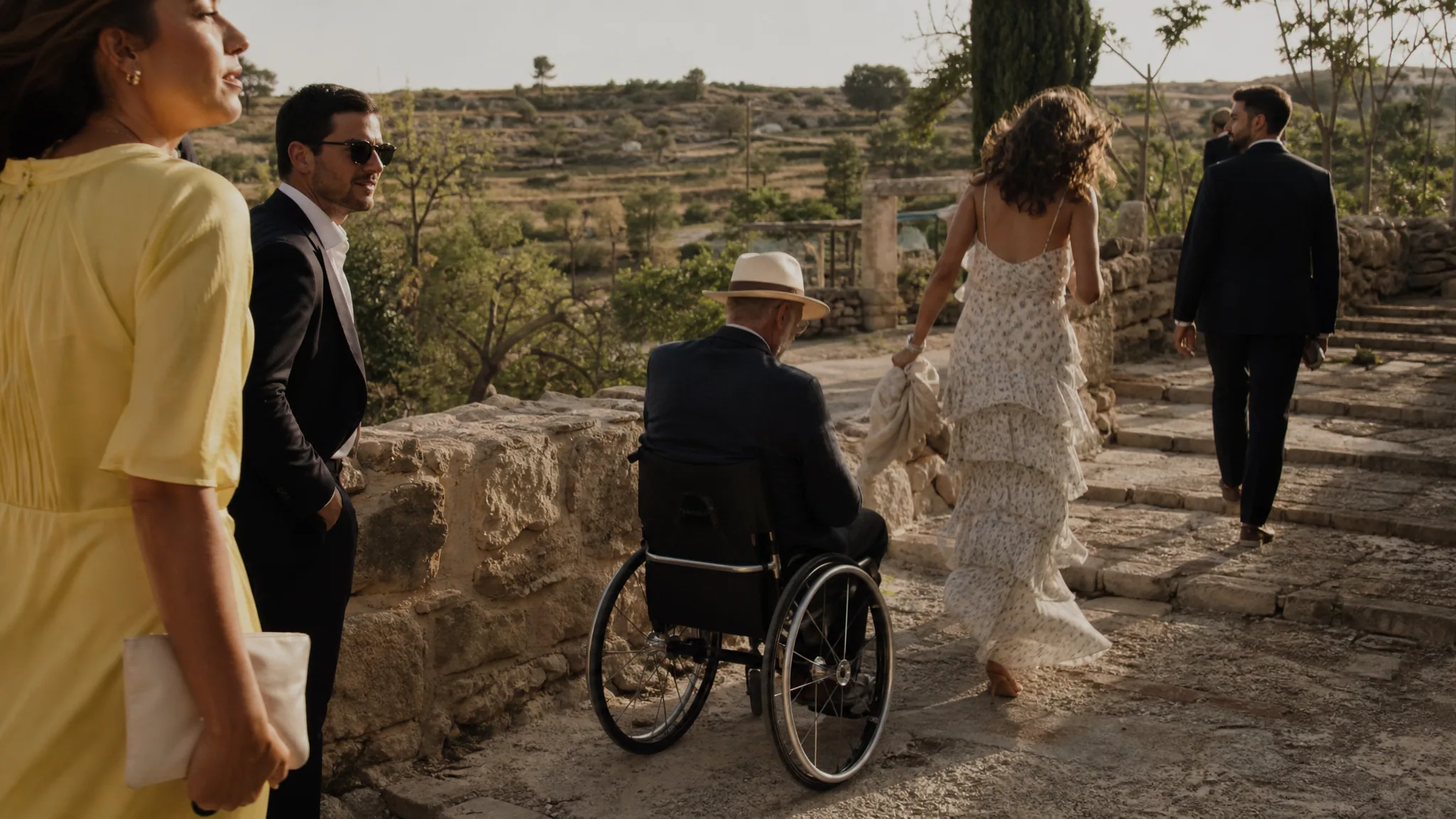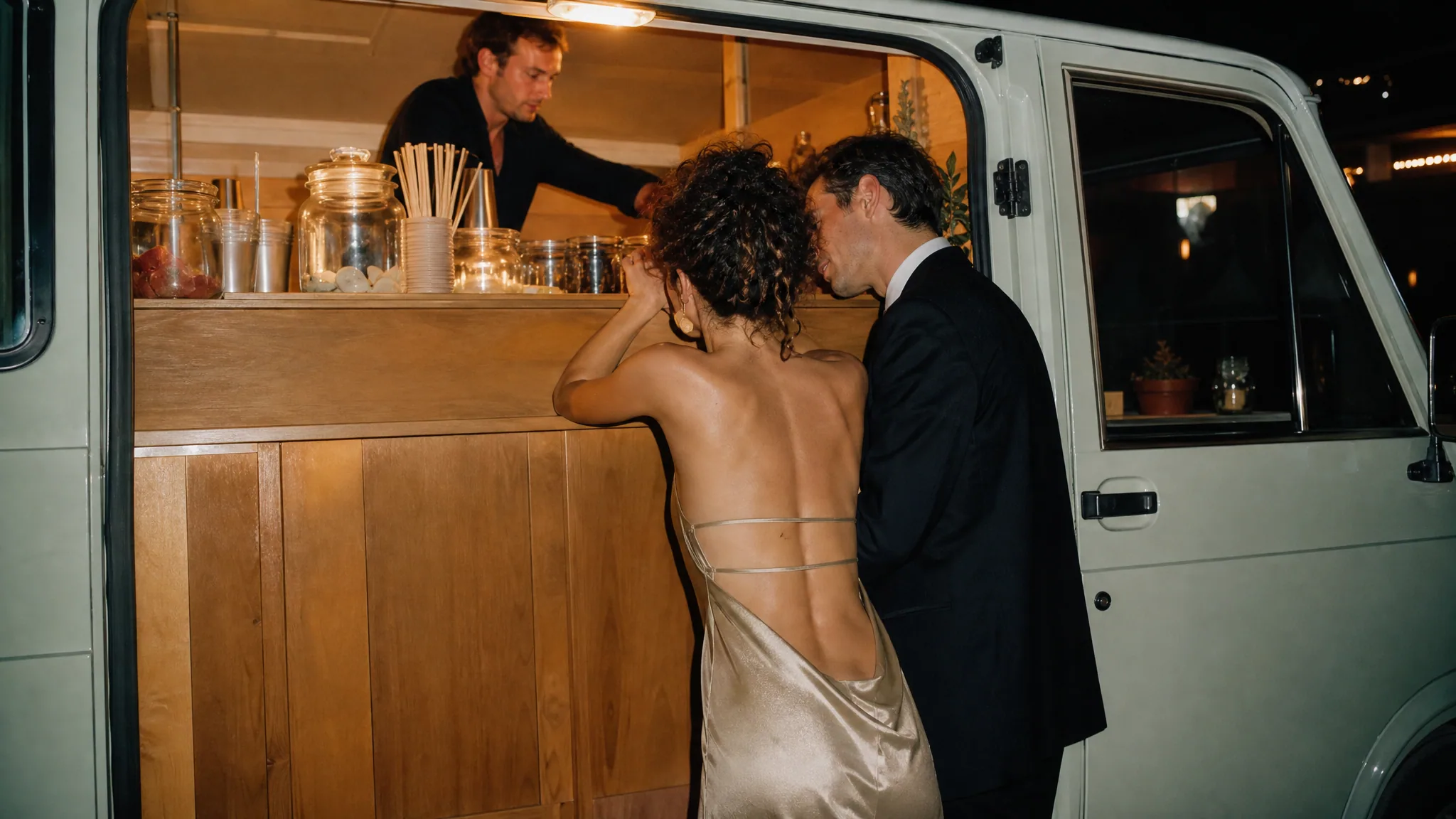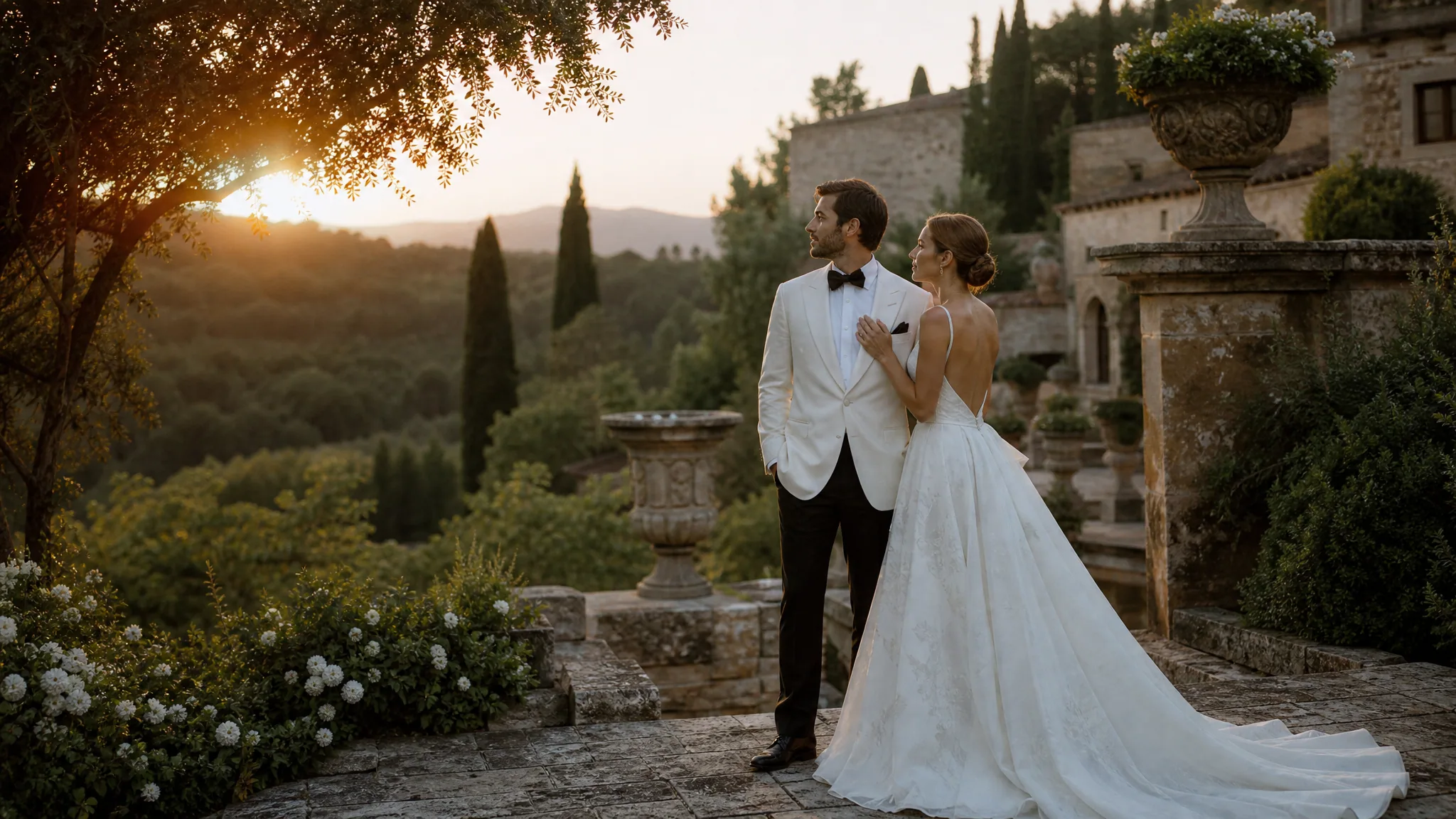
International couples fall in love with Spain’s outdoor evenings for good reason: soft light over olive groves, long dinners under stars, and that late Mediterranean warmth that makes a wedding feel unhurried. The same conditions that make those nights beautiful also invite mosquitoes, moths, and garden insects—especially near water features, irrigated lawns, and warm string lights.
This guide helps destination couples treat insect control as quiet logistics, not an afterthought. The goal is simple: keep guests comfortable through cocktail hour and dinner without turning your wedding into a campsite briefing.
Why Insects Become a Wedding Logistics Issue in Spain
Many Spanish wedding venues sit in countryside, coastal, or garden settings where insect activity rises after sunset. Rural masías, fincas, and estate lawns often sit beside irrigation canals, pools, ponds, or dense planting. Warm nights, still air, and soft ambient lighting create the exact conditions mosquitoes and moths prefer.
For guests flying in from cooler climates, the surprise can be sharper. Someone who packed delicate evening wear and no repellent may spend the speeches waving their arms instead of watching your vows on film. Insect pressure is not a failure of the venue—it is a planning variable you can design around.
Treat bug comfort the same way you treat shade, hydration, and evening lighting: as part of guest experience infrastructure.
Map Venue Terrain, Water, and Lighting Before You Design the Night
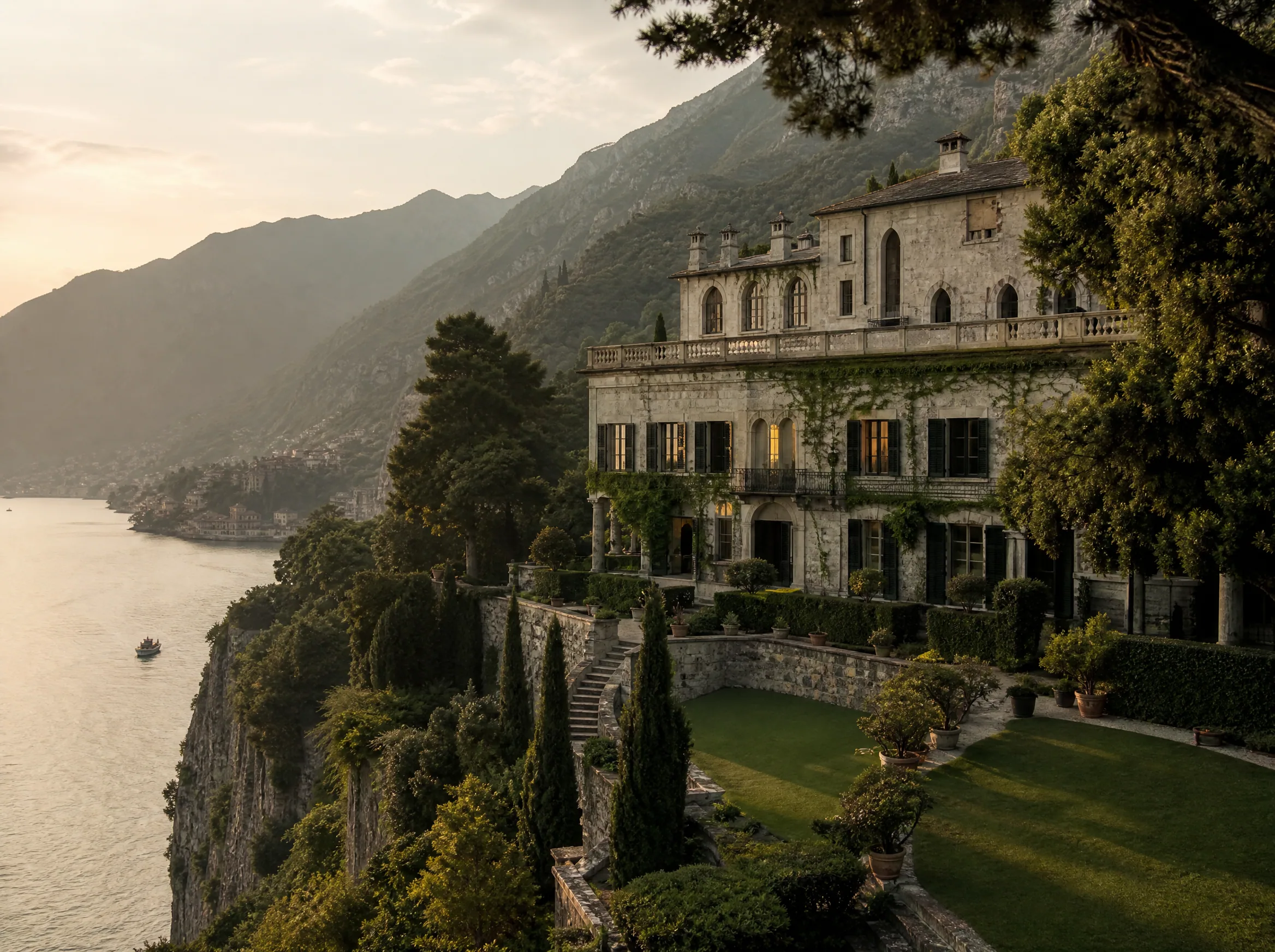
Ask your planner or venue coordinator for a simple site walk focused on insect risk, not only aesthetics. Note standing water, dense hedges, compost areas, livestock proximity, pool edges, and poorly drained corners. Ask which ceremony and dinner zones stay breezier after dusk and which pockets feel still.
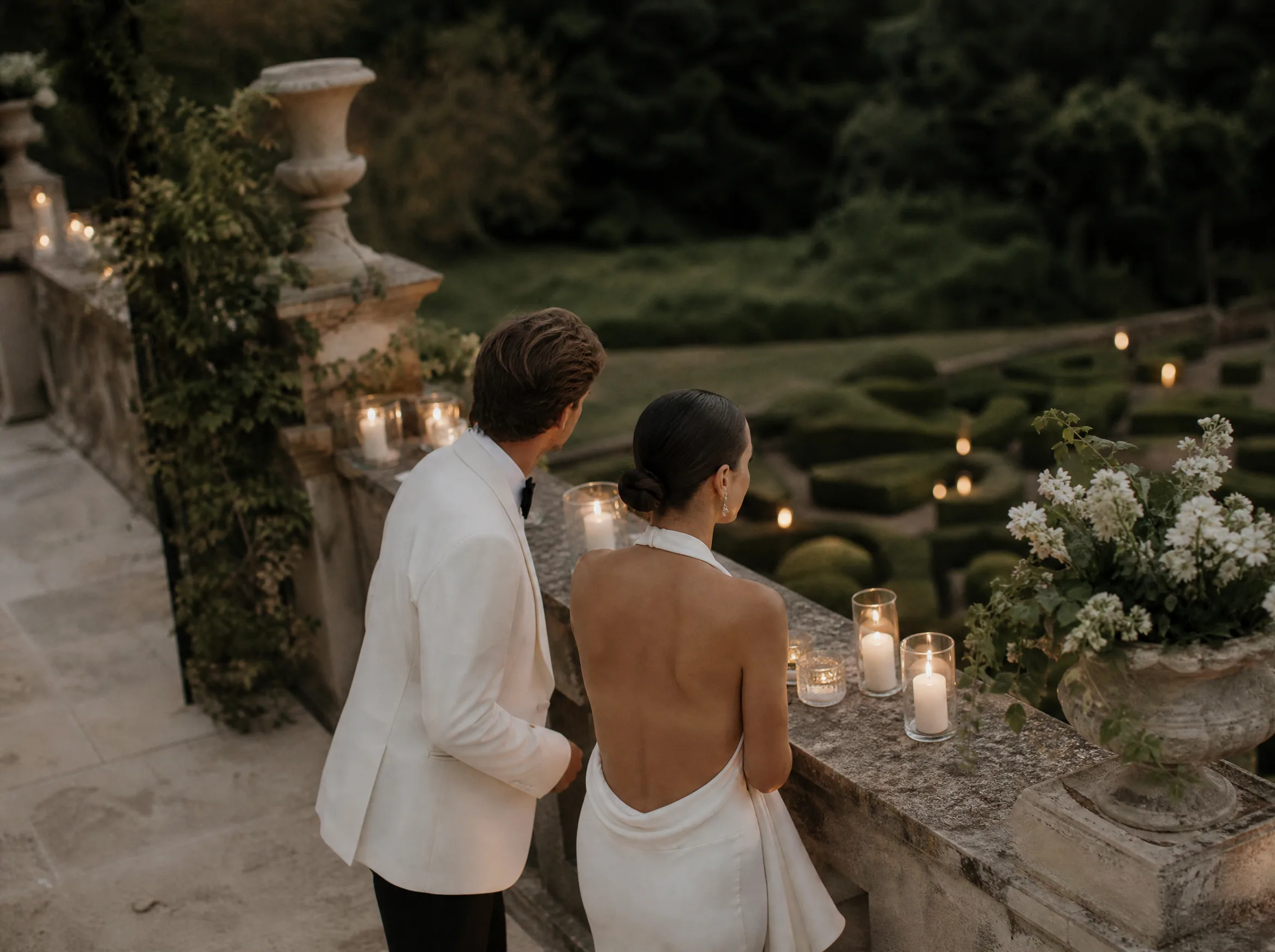
Lighting matters as much as landscape. Warm bulbs and open flames attract moths; cooler or shielded fixtures often pull insects away from guest faces and plated food. If your design depends on candle clusters and festoon lights over long tables, decide early whether those lights sit above seats, along perimeter paths, or both.
Share the preferred dinner layout with your lighting designer and photographer before rentals are locked. Moving a head table three meters for breeze and fewer bugs is easier than apologizing to guests mid-toast.
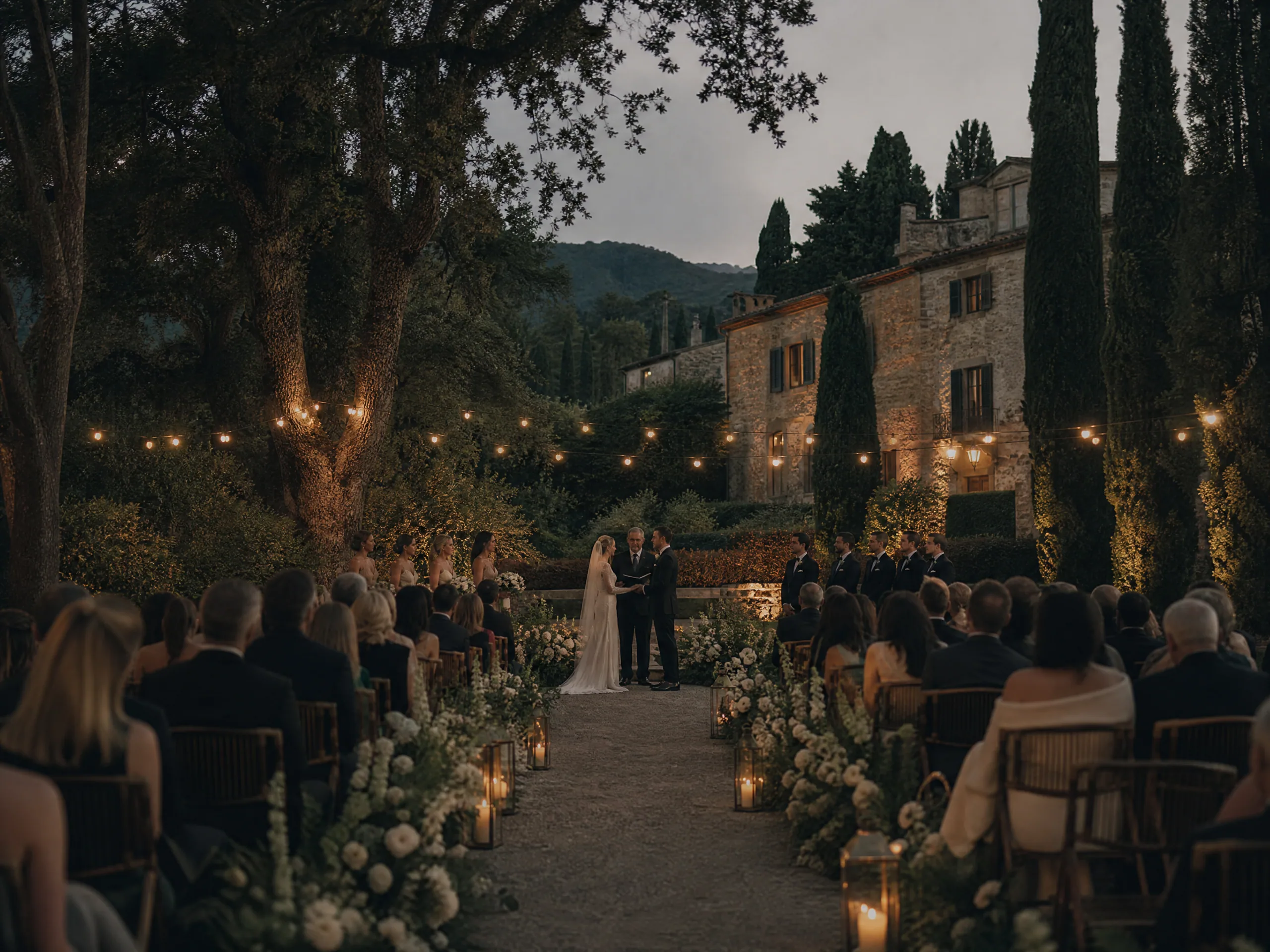
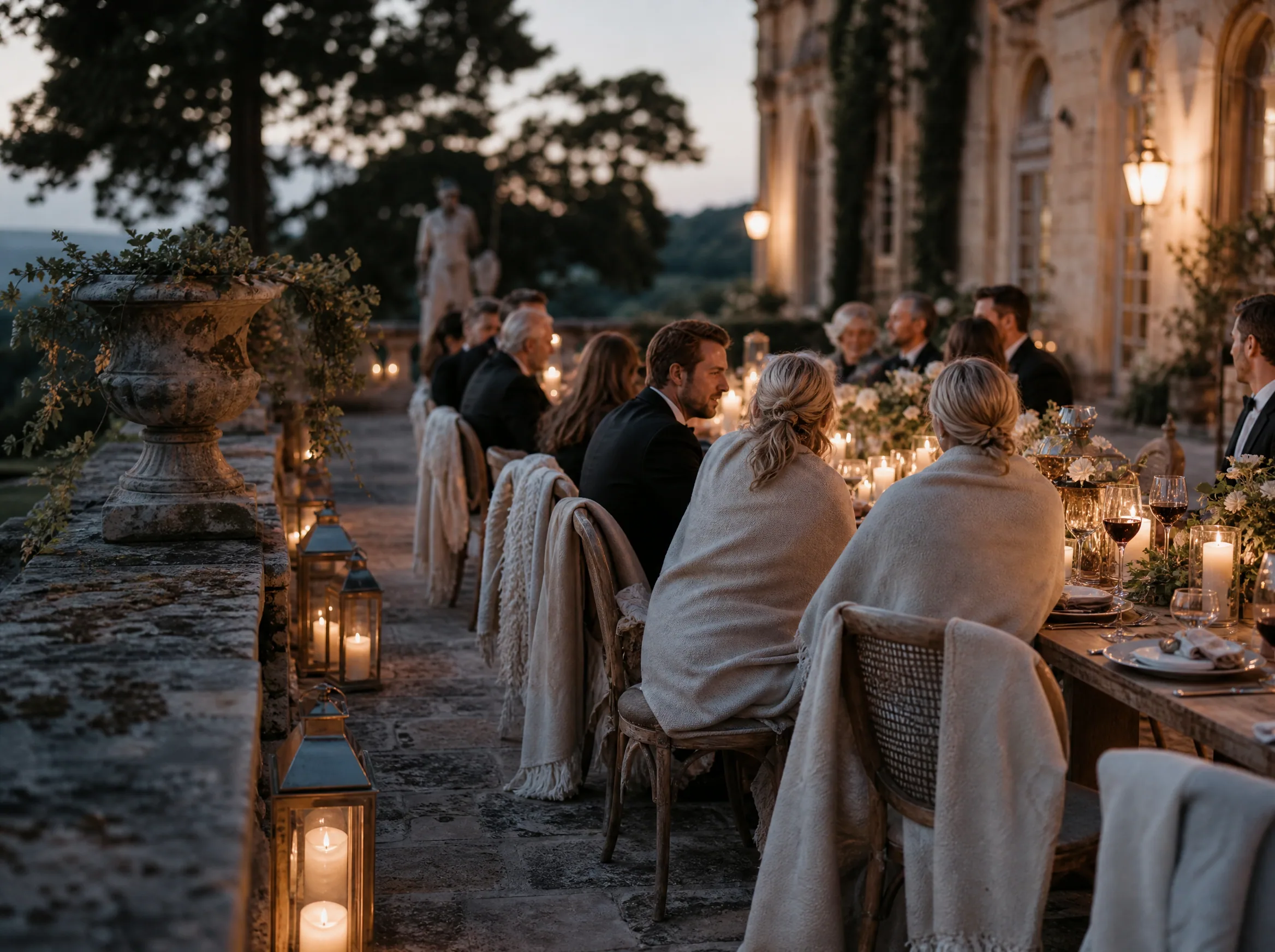
Build an Outdoor Evening Comfort Plan Into the Timeline
Insect pressure usually rises as temperature drops and lights come on. Build a short buffer into the run of show between ceremony and dinner for venue teams to refresh citrus fans, light approved candles, or adjust fans if allowed. Do not leave this to improvisation during cocktail hour.
If your cocktail hour is in a garden known for mosquitoes, consider a slightly earlier dinner seating or a transitional space with better airflow—an open courtyard, terrace with cross-breeze, or covered porch. Guests forgive a schedule shift more easily than an hour of itchy ankles.
For multi-day weekends, note that welcome parties by the pool can be worse than the wedding dinner itself. Brief your welcome-host venue with the same insect questions you ask your wedding day estate.
Coordinate With Venue Rules on Sprays, Candles, and Open Flame
Never assume you can fog, spray, or burn whatever you bought online. Spanish venues—especially historic properties, agricultural estates, and sites with fire restrictions—often limit chemical treatments, open flame, and DIY pest products. Ask what the venue already does, what professional treatments are allowed, and how far in advance they must be scheduled.
Clarify who applies any treatment: venue staff, an approved local service, or your planner’s vendor list. Confirm scent intensity around food service areas so citrus or citronella notes do not clash with plated courses or overwhelm guests with fragrance sensitivities.
If open-flame mosquito candles are allowed, place them where they support comfort without creating photography glare, fabric risk, or conflicts with any existing sparkler/fireworks rules on the property.
Protect Cocktail Hour and Dinner Seating First
Prioritize the moments when guests stand still or sit for long stretches: welcome drinks, speeches, and dinner. Moving cocktail stations a few meters toward breeze or hardscape can matter more than decorative fans nobody uses. For seated dinners, ask about under-table fans, perimeter candle lines, or lightweight throws that also help with temperature drops after dusk.
Food presentation attracts insects too. Coordinate with catering on covered stations, timing of cheese/fruit displays, and whether dessert should move indoors or under a clearer canopy. A beautiful grazing table loses its charm when wasps arrive before the first toast.
If children or elders are attending, give them the most protected seats—closer to airflow, farther from hedges and water.
Brief Hair, Makeup, and Attire Choices for Buggy Evenings
Beauty and wardrobe teams should know if the celebration is fully outdoors after sunset. Soft updos and lighter fragrances can be more practical than heavy scents that attract attention in warm air. Advise the couple and wedding party to patch-test any repellent on skin before the wedding day so products do not interfere with makeup or stain silk.
For guest dress codes, a short note helps: closed-toe evening options or slightly longer hemlines can feel better on grass at dusk, and a light wrap does double duty for temperature and exposed arms. Keep the tone practical, never alarmist.
Photographers and videographers should also pack personal repellent. Crew comfort protects your coverage when golden hour runs long.
Give Guests Practical Tools Without Turning the Night Into a Campout
International guests appreciate discreet support. Consider a small amenity station with fragrance-light wipes, approved lotion repellent, after-bite pens, and tissues—styled to match your welcome aesthetic, not a pharmacy shelf. Place it near restrooms or the cocktail bar where guests can use it without announcing a problem.
Include one calm line in your wedding weekend info: outdoor evenings may bring garden insects; amenities will be available on site. Avoid over-warning in save-the-dates. Destination guests already manage flights, heat, and dress codes; a single practical note is enough.
If many guests are staying in nearby villas with pools, mention that evening terrace time can be buggier than town hotel courtyards so they pack accordingly.
Plan Photography and Film Moments Away From Swarm Zones
Your portraits and evening dance floor deserve intentional placement. Ask your film team which corners historically attract moths once lights ignite, and which backdrops stay cleaner on camera. A romantic path lined with warm bulbs can look cinematic and still be miserable if insects orbit every face.
For first dances and cake cutting outdoors, test the lighting plan at dusk if possible—or review recent weddings at the same venue from the same season. Small shifts in fixture direction, table spacing, or dance-floor distance from hedges can protect both comfort and image quality.
KUDRYASTUDIO teams often prefer evening frames that keep faces clean and atmosphere intact; insect logistics are part of protecting those frames, not a separate “operations only” concern.
Checklist: Insect-Smart Questions for Your Spain Venue and Planner
Before you finalize outdoor evening plans, ask:
- Which zones have the least insect pressure after sunset in our wedding month?
- What professional or venue-led treatments are allowed, and when must they be booked?
- Are citronella, mosquito candles, fans, or misting options permitted near dining?
- Where should cocktail hour and long dinner tables sit relative to water, hedges, and lights?
- How will catering protect open food displays outdoors?
- What guest amenities can we provide without violating venue rules?
- Do welcome-party and day-after brunch locations need the same plan?
Answer these early and your Spanish outdoor evening stays what you booked it for: warm light, unhurried dinner, and guests who remember the speeches—not the bites.