The RSVP date passes, most people have answered, and then there is the group that hasn't. Ten names, twenty, sometimes a quarter of the list. The caterer wants a final number, the hotel wants to know how many rooms to keep, and you are refreshing the wedding website between meetings.
A recent planning thread asked what to do about exactly this: guests who never replied and might still turn up on the day. The most upvoted answers agreed with each other. Send one clear, friendly message with a firm new date. Say plainly that anyone who doesn't reply by then will be counted as not attending. Then stick to it, because the guests who did reply deserve a chair and a plate. One commenter described a wedding where people who never answered arrived anyway, and the guests who had confirmed ended up hunting for chairs in a storage room while the buffet ran out.
For a destination wedding in Spain the problem is the same, but the calendar is different. Guests have flights and hotel rooms to book, your suppliers may work in another language, and some deadlines arrive months before the wedding. Here is how to plan it so the final count is calm instead of chaotic.
Work backwards from your earliest supplier deadline
The RSVP date is not a number you pick because it looks right on the card. It comes from the first supplier who needs a confirmed count. For a wedding in Spain, check these dates in your contracts before you print anything:
- Hotel room block release date. Many hotels hold a group of rooms only until a set date, after which unbooked rooms go back on sale. This is often the earliest deadline of all.
- Caterer's final guest count. Spanish caterers usually price per guest (per cubierto), and the contract states when the number is fixed. Read whether it can still go down after that date or only up.
- Transport. Shuttles from town to a finca or masia are booked by seats, and bus companies need numbers to send the right vehicle.
- Seating plan and printing. Escort cards, table plans and menus need a few days, especially if they are printed in two languages.
Take the earliest of these, subtract two or three weeks of buffer, and that is your RSVP deadline. For most destination weddings that ends up around eight to ten weeks before the date, which is earlier than guests expect for a local wedding. Say so on the invitation and the website, and explain why: "we need numbers early for the hotel and transport".
Our destination wedding timeline for Spain shows where save-the-dates, invitations and supplier deadlines fall across the whole year.
Make it easy to answer
A lot of late replies are not rudeness. People mean to answer, then lose the link, or wait to check flight prices, or assume the other half of the couple already replied. Remove the friction:
- One place to reply. A wedding website form or a short online form, with the link on the invitation and in every reminder.
- Ask everything at once. Attending or not, names of everyone in the party, children and their ages, dietary needs, and whether they will use the shuttle. One form now saves three rounds of messages later.
- Be clear about who is invited. Write the names of every invited person. If plus-ones or children are not included, the names on the envelope say it for you.
- Spanish relatives may prefer WhatsApp. For some families a voice note or a quick message is more natural than a website form. That is fine, as long as one person collects every answer in the same spreadsheet.

How to chase late replies without drama
When the date passes, split the list between you: each partner contacts their own side, or a parent who knows the family takes the older relatives. Then send one short message. Something like:
"Hi! We're confirming numbers with the venue and the hotel this week and haven't had your reply yet. Could you let us know by Friday? If we don't hear back by then, we'll count you as not attending. We'd love to have you there."
It is warm, it gives a date, and it explains what happens next. Several people in the thread said this wording is not rude; it is simply clear. After the new date, mark the silent guests as declined, give the supplier your number and stop worrying about it.
If someone who never replied appears on the day, decide in advance what happens. At a seated dinner in Spain with a printed table plan, there is usually no spare seat or meal. A day-of coordinator can handle that conversation quietly so you don't have to. Our guide on hiring a day-of coordinator when planning from abroad explains what they cover.
Expect some changes after people say yes
With international guests, a yes in spring is not a guarantee in September. Flights change, babysitters cancel, someone gets ill the week before. Couples in the thread who had destination weddings said dropouts between the RSVP date and the wedding were normal. Plan for it:
- Check your caterer contract for whether the count can drop after the deadline. If it can't, you pay for those meals anyway, so don't panic when a few people cancel.
- Keep the seating plan in a format you can change fast, and don't split couples across tables to fill gaps.
- Send the final list to the shuttle company and the venue in the same message, so everyone works from one number.
If you are building a welcome drink or a brunch around the wedding day, our weekend itinerary templates for international guests help you ask for all events in the same RSVP.

What the final number changes on the day
The final count is not just a catering detail. It shapes the whole day:
- Seating and timing. A dinner for 140 takes longer to serve than a dinner for 70, which moves speeches, cake and first dance.
- Transport. The number of shuttle runs and their times depend on how many people need them.
- Budget. Every confirmed guest adds food, drink, rentals and often transport. Our breakdown of a destination wedding budget in Spain shows how per-guest costs add up.
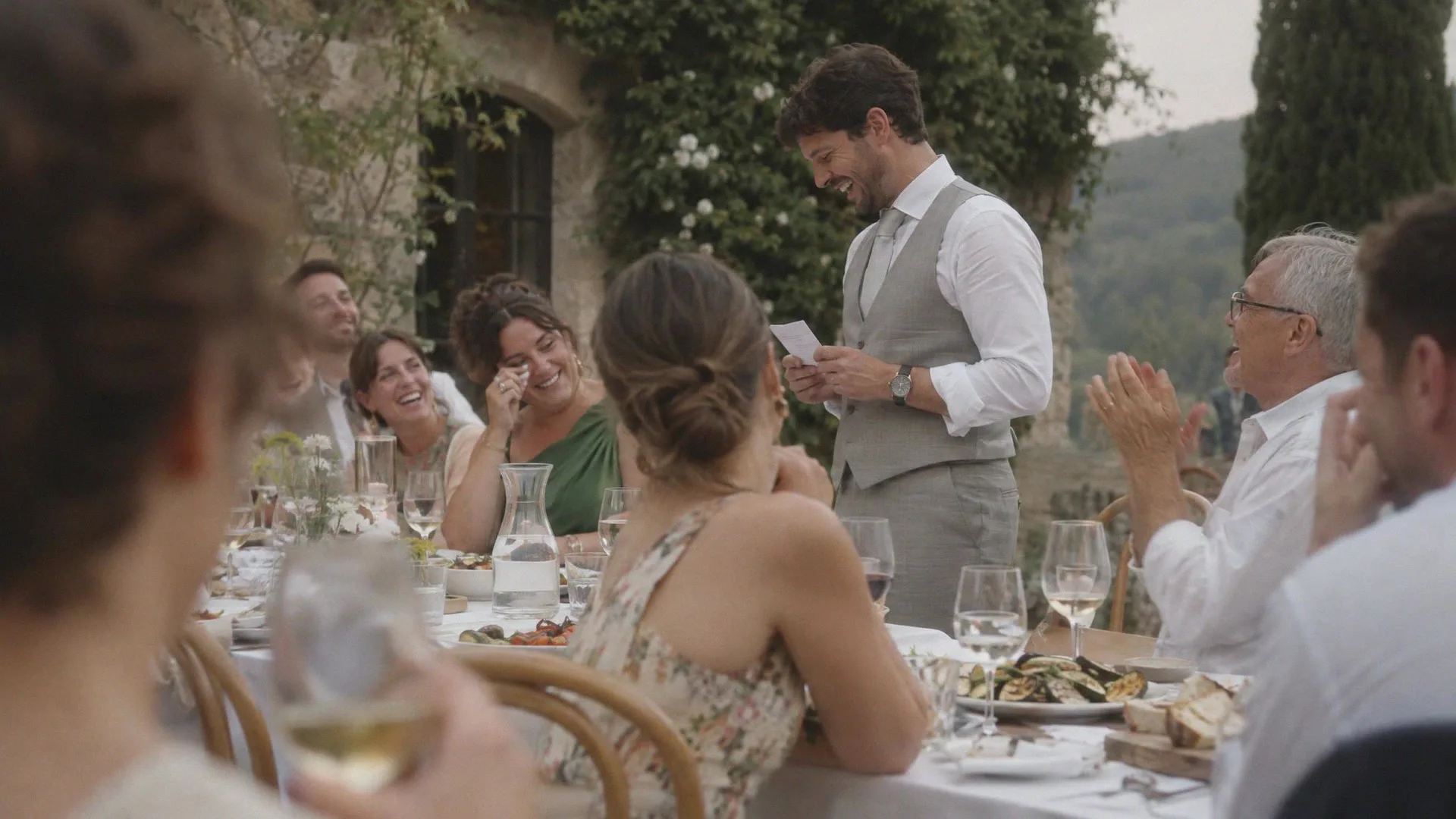
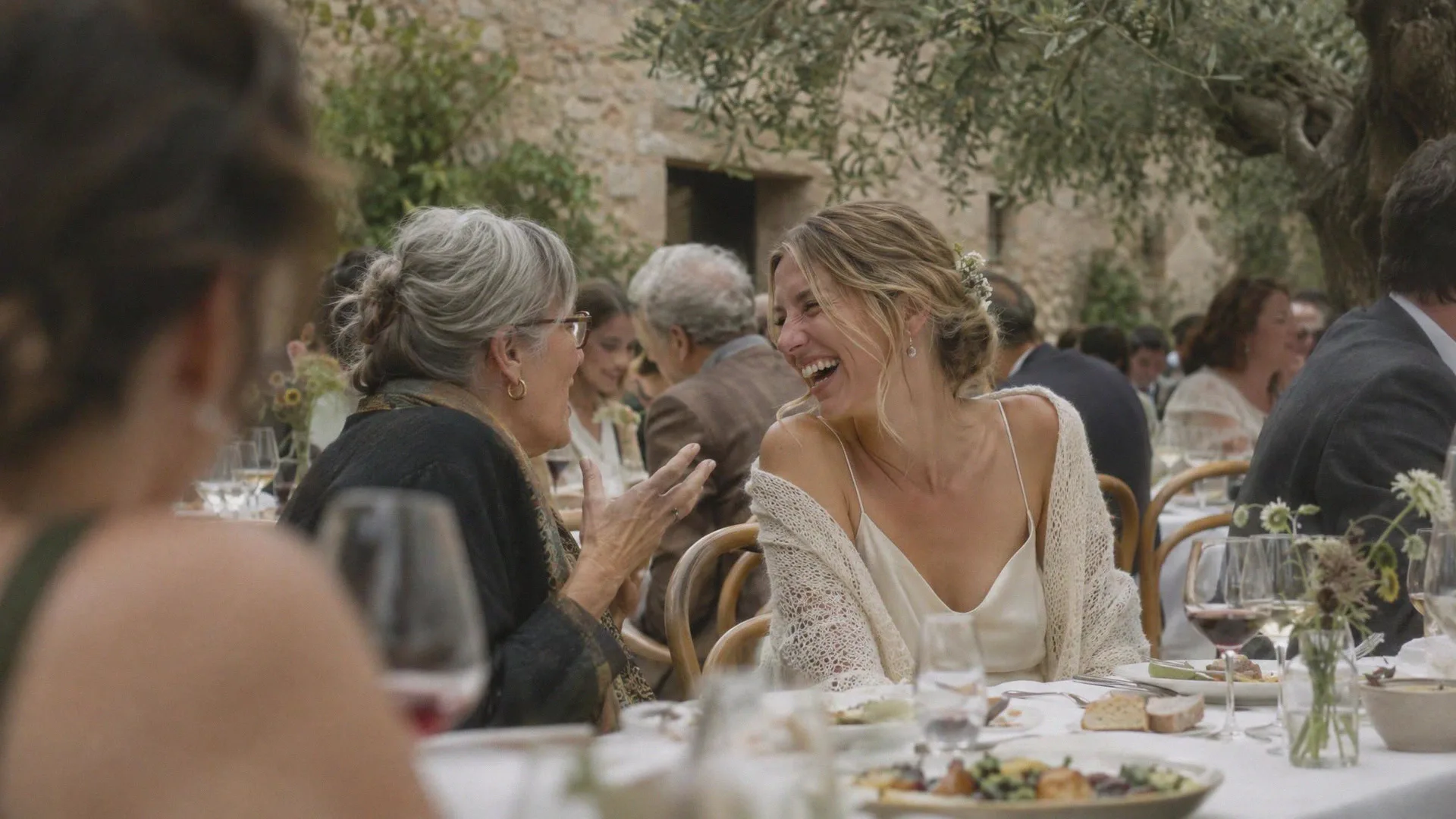
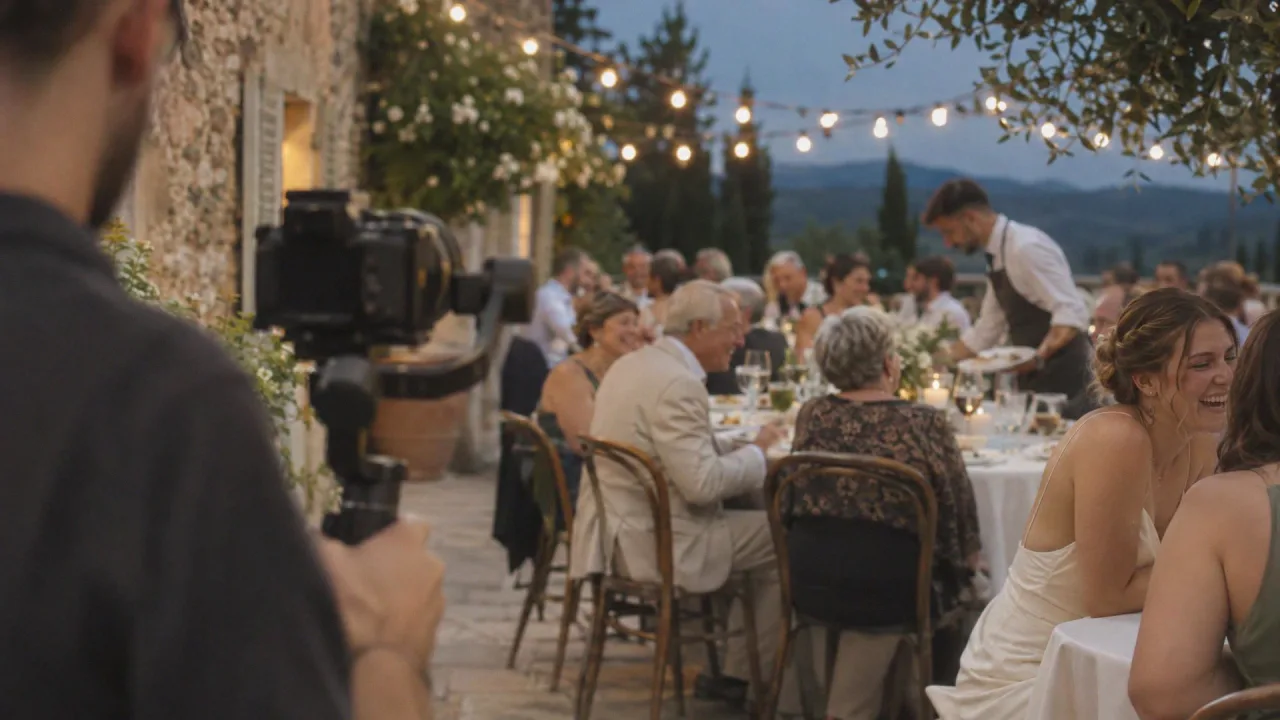
- Your film. Your videographer works from the timeline and the table plan. Share the final version with them: who sits where, which tables have grandparents or friends who flew in from far away, and who is giving a speech. A long dinner with a big guest list is also when a second camera helps, so both the speeches and the reactions around the room are covered.
A simple RSVP checklist
- Find the earliest supplier deadline (often the hotel block) and set the RSVP date two or three weeks before it.
- Put the RSVP date, the reason and one reply link on the save-the-date follow-up, the invitation and the website.
- Ask for names, children, dietary needs and transport in one form.
- One week after the deadline, send one friendly message with a firm new date.
- Mark silent guests as declined and send one final number to every supplier.
- Share the final table plan and timeline with your coordinator and videographer.
Planning your film around the guest list
A calm guest count makes a calm wedding day, and a calm day is easier to film well. If you know roughly how many guests you will have, you can already plan the coverage: how many hours, whether you need a second camera for a long dinner, and what is realistic in the budget. Our guide to wedding videographer costs in Spain explains what affects the price (films from €2,900). When you have a date and a rough guest number, send us a message and we will suggest the coverage that fits your day.