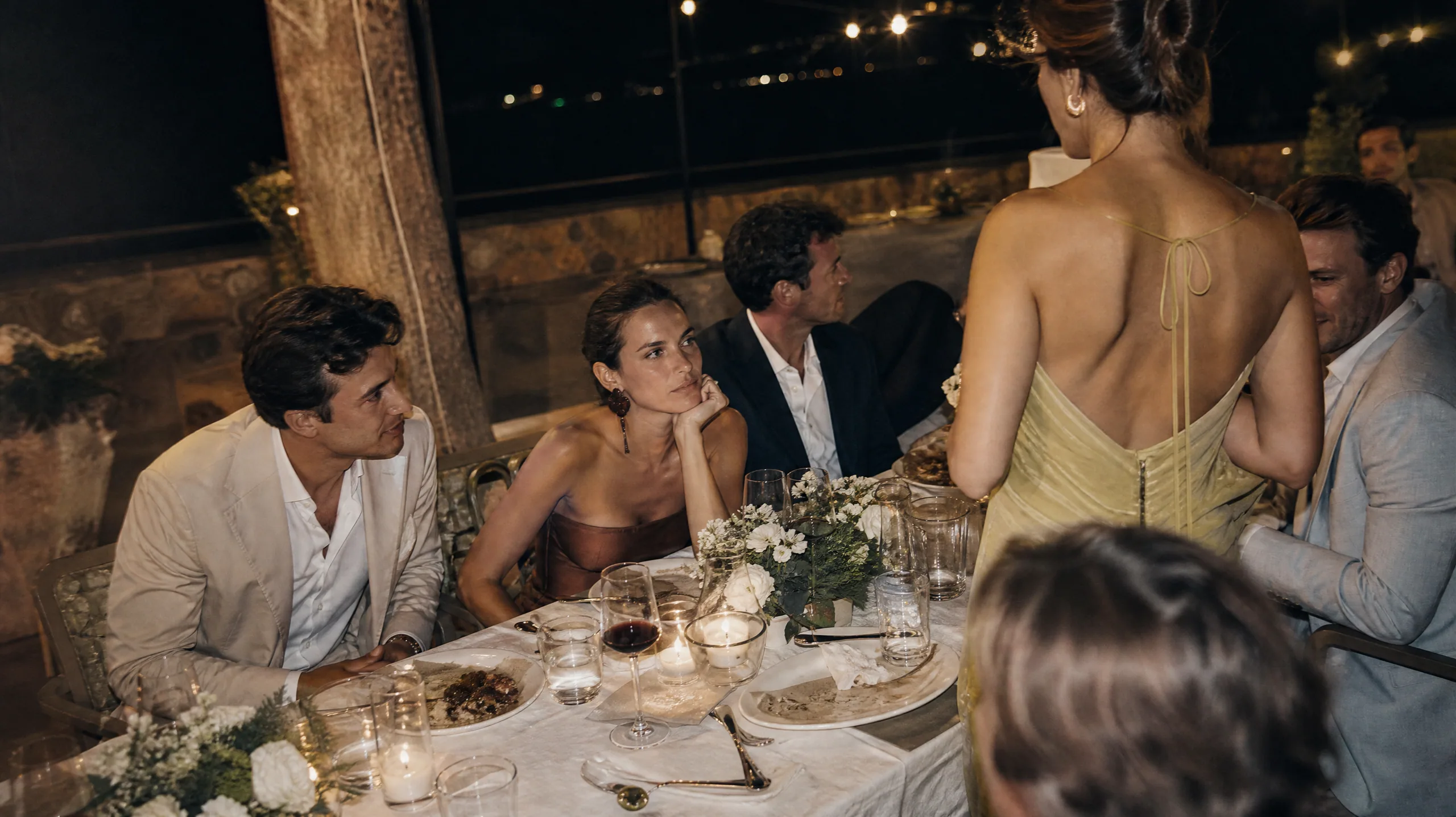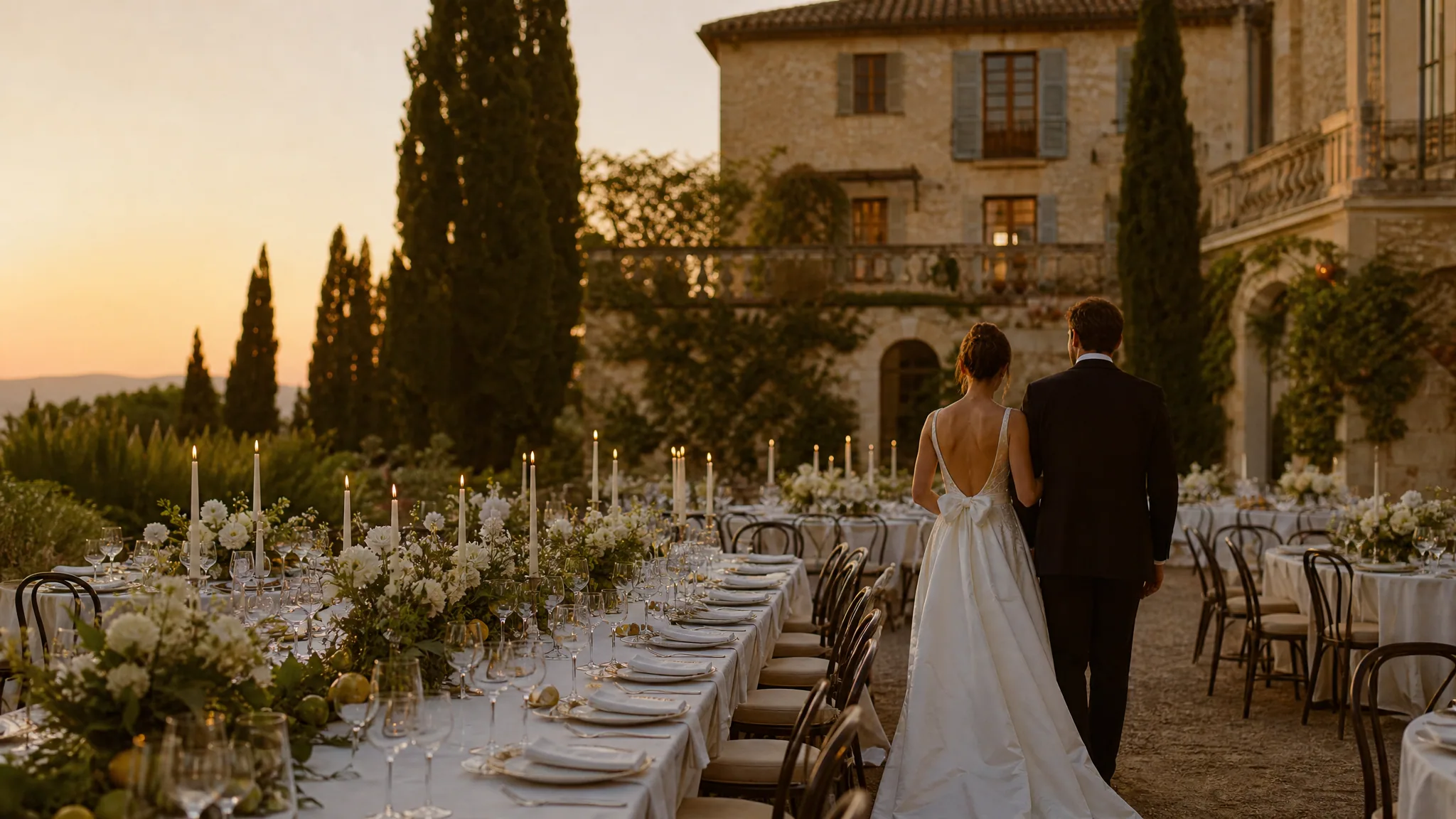
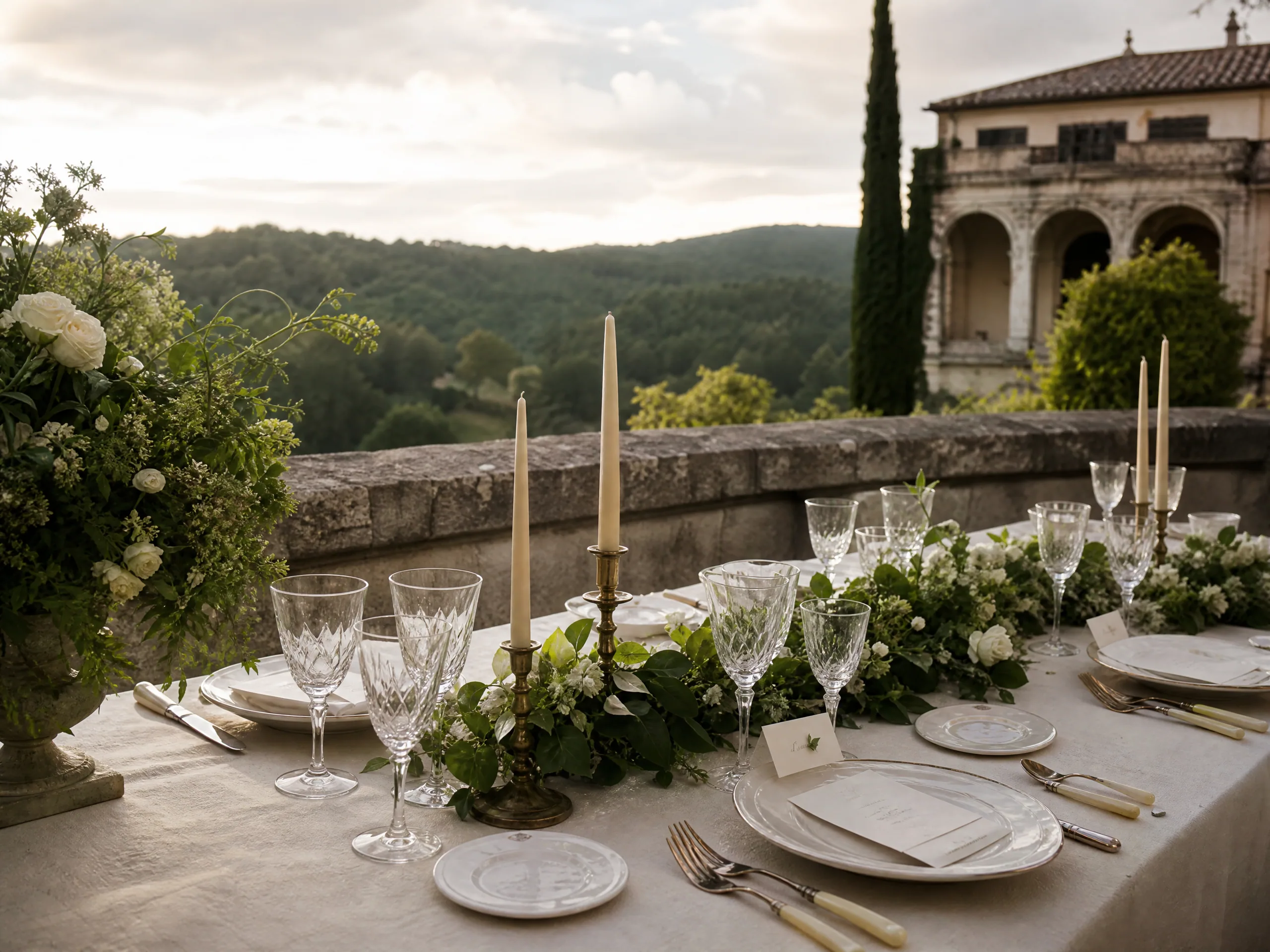
Destination weddings in Spain ask guests to travel, adapt to new timing, and navigate unfamiliar venues. The paper they hold—menus, ceremony programs, escort cards, and small directional signs—should make that experience feel considered, not improvised.
Many international couples design stationery at home and assume everything will ship cleanly. Then a package sits in customs, place-card names change after the final RSVP wave, or a bilingual menu needs one last edit two days before the wedding. Local printing in Spain is not a compromise. It is often the smarter logistics plan.

Why Shipping Stationery Into Spain Is Riskier Than It Looks
Cross-border shipping introduces variables you cannot control: transit delays, damaged corners, humidity warping, and customs holds that ignore your wedding weekend calendar. Even when parcels arrive on time, last-minute guest changes make preprinted name cards obsolete.
Printing locally compresses the decision loop. You can approve a proof after final meal counts, correct a spelling the morning after a late RSVP, and reprint a short run without waiting for an international courier. For destination couples, that flexibility is part of guest experience design.
Decide What Must Be Printed Locally vs What Can Travel With You
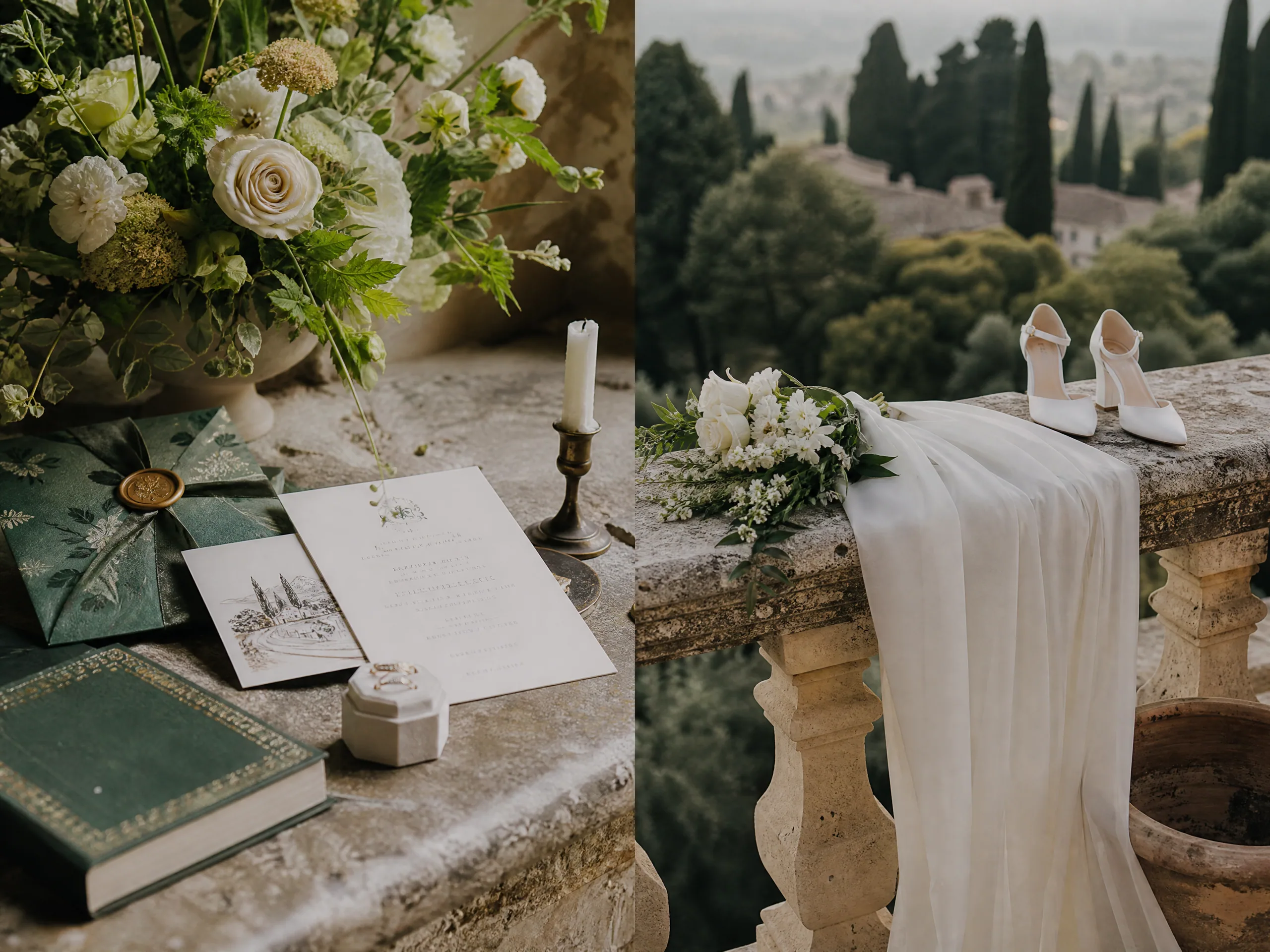
Not every paper item needs a Spanish print shop. Invitation suites and save-the-dates are usually handled months earlier from home. Day-of pieces are different: menus, programs, escort cards, place cards, welcome notes, bar menus, and wayfinding signs benefit from local production because wording and names stay fluid longer.
Create two lists early. List A: pieces that must match the final guest count and bilingual ceremony plan. List B: decorative or keepsake pieces that can travel in luggage or arrive earlier with wider buffers. Protect List A with a Spanish printer and a clear approval calendar.
Build a Stationery Timeline That Matches Spanish Vendor Reality
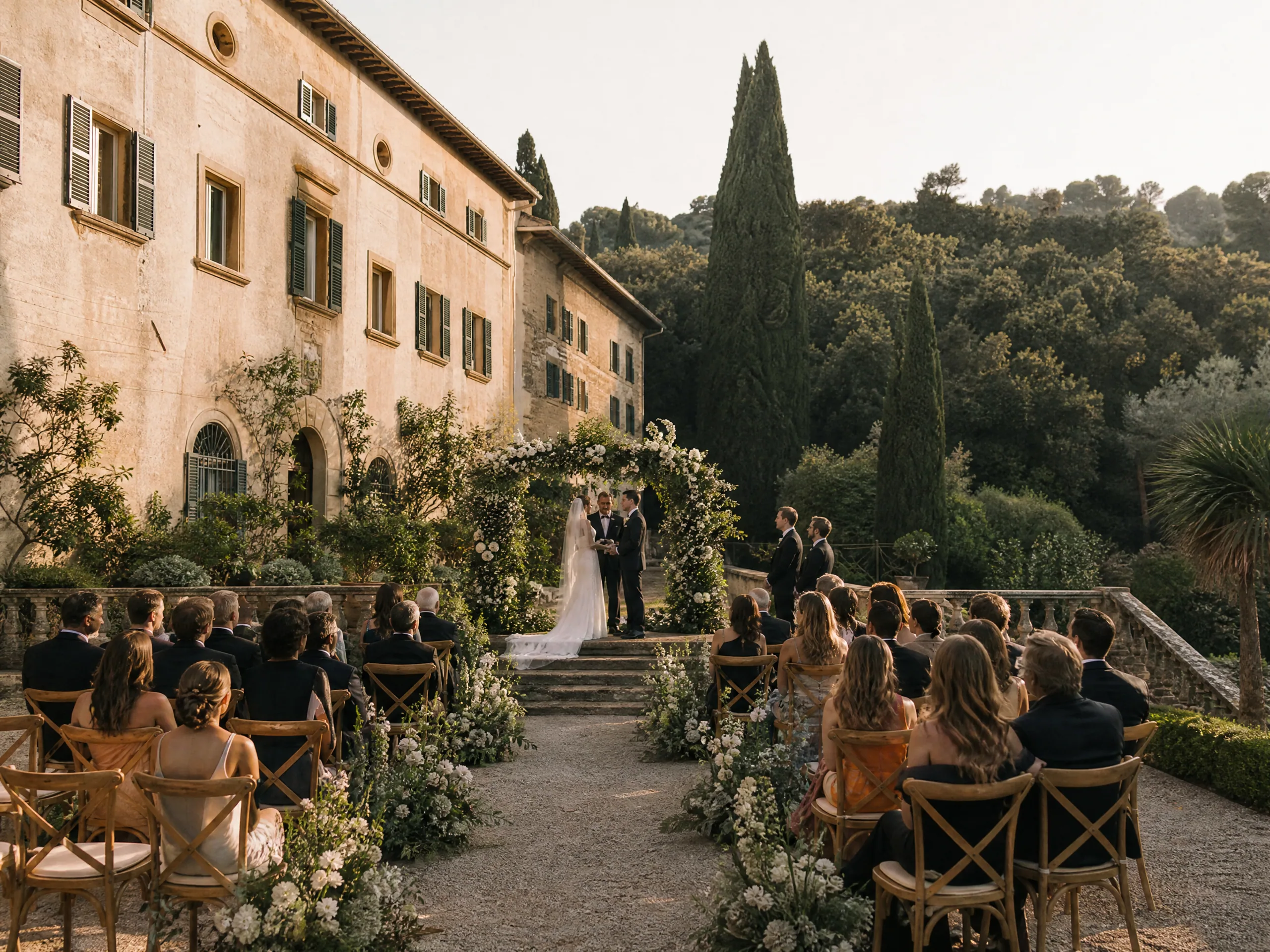
Work backward from the wedding day, not from design inspiration. Confirm final ceremony language order, dinner format, and seating strategy before locking print files. Then leave room for proofing, one revision round, and a small reprint buffer.
A practical pattern for many Spain destination weekends: design system finalized three to four weeks out, printer shortlisted and files preflighted two weeks out, final names and meal icons locked five to seven days out, printing completed two to four days before the celebration, and on-site sorting the day before. Rural venues and island logistics may need even earlier cutoffs for delivery.

Choose the Right Local Printer for Wedding Day Paper Goods
Not every copy shop is ready for wedding hospitality standards. Look for a printer comfortable with short runs, thick card stock, precise color matching, and quick turnaround. Ask whether they can deliver to your hotel, planner office, or venue—and whether weekend pickup is possible if something changes.
In cities such as Barcelona, Madrid, Valencia, or Palma, you usually have options ranging from boutique print studios to high-quality digital shops. Share samples of paper weight and finish preferences early. Request a physical or high-resolution digital proof before the full run, especially for dark backgrounds, metallic effects, or delicate serif type.
Prepare Print-Ready Files International Couples Can Approve Remotely
Remote planning fails when files are decorative PDFs instead of production-ready artwork. Export print PDFs with correct trim size, bleed, safe margins, and embedded fonts. Keep text in outlines only if your printer prefers that workflow—and confirm before you flatten everything.
Name files clearly: menu-dinner-final.pdf, escort-cards-alpha.pdf, ceremony-program-en-es.pdf. Include a one-page production note with quantity, paper stock, sides (single/double), finishing, and whether pieces are cut flat or need scoring. Your planner or day-of coordinator should be able to approve without guessing.
Design Bilingual Menus and Programs Without Crowding the Page
International guest lists often need English plus Spanish, or another family language alongside Spanish. Bilingual design is hospitality, but overcrowded cards feel chaotic on camera and at the table. Choose a hierarchy: one language slightly dominant, clear section labels, and generous spacing.
For menus, pair dish names with short descriptors instead of long paragraphs. For programs, keep ceremony explanations concise and place longer cultural notes on a welcome card or wedding website. Guests should understand the moment quickly—especially outdoors, in wind, or in low evening light.
Handle Names, Accents, Dietary Icons, and Last-Minute Changes
Place cards and escort cards are where small errors become personal. Confirm accent marks, hyphenated surnames, preferred nicknames, and plus-one wording with your guest list source of truth. If dietary indicators appear on cards, use a simple icon system explained once at the welcome desk or on a discreet key.
Expect changes. Hold a small emergency reserve of blank cards and a matching pen or a local reprint plan for five to ten replacements. Couples who assume the list is frozen usually discover one more flight delay, one more seating swap, or one more allergy note after the first print run.
Plan Delivery, Sorting, and Venue Setup Like a Production Task
Printing is only half the logistics. Decide who receives the boxes, where they are stored overnight, and who sorts escort cards into display order. Estate venues may have limited climate-controlled storage; humidity and direct sun can warp stock left in a car or courtyard.
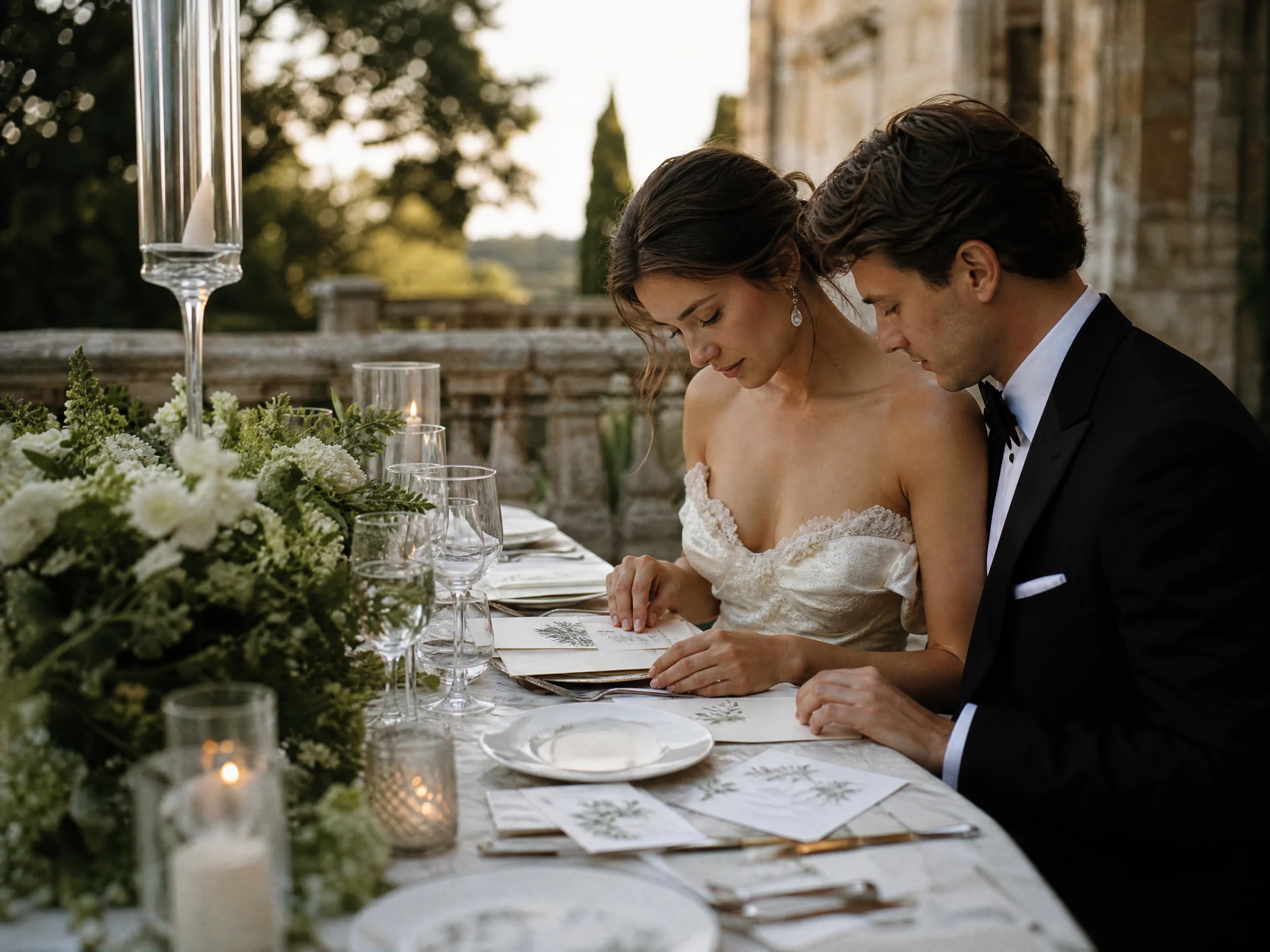
Assign owners: one person confirms quantities on delivery, one person sorts by table or alphabet, and one person places menus and cards during setup. Photograph the final escort display once complete. That photo helps if wind, curious guests, or last-minute table changes disturb the arrangement before cocktail hour.
A Practical Local-Printing Checklist for Destination Couples
Confirm which day-of stationery pieces will be printed in Spain and who owns vendor communication. Shortlist a printer with proven short-run quality and a delivery or pickup plan that matches your venue geography. Lock bilingual content, dietary icons, and seating names before the final proof. Build a reprint buffer for names and a spare set of menus. Schedule sorting and placement into the day-before or morning-of run of show—not as an undefined “someone will handle it” task.
When paper goods are planned with the same care as transfers and timing, guests feel oriented and looked after. The celebration reads as intentional from the first welcome note to the last course—exactly the kind of calm detail that holds up in real hospitality and on film.