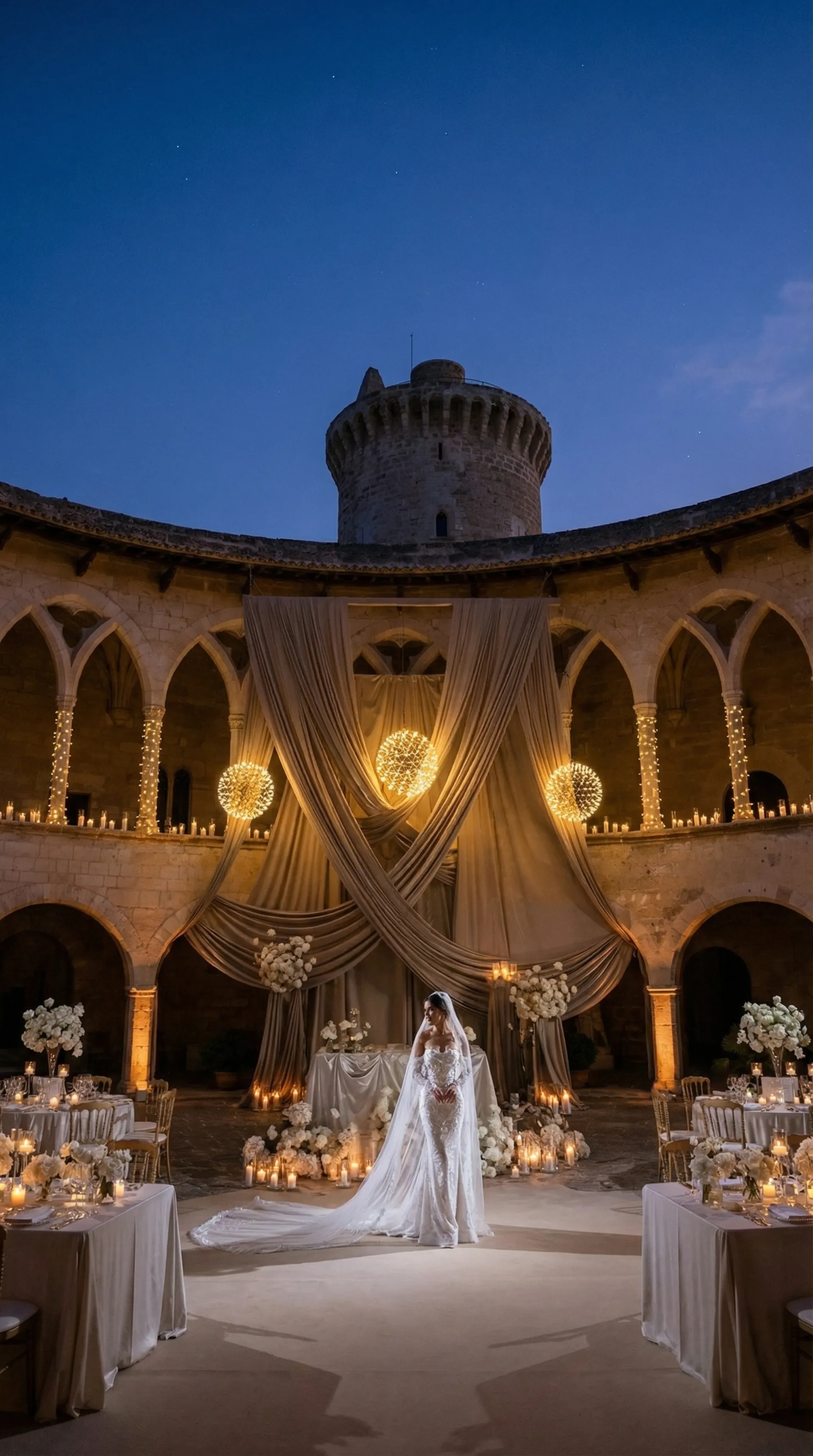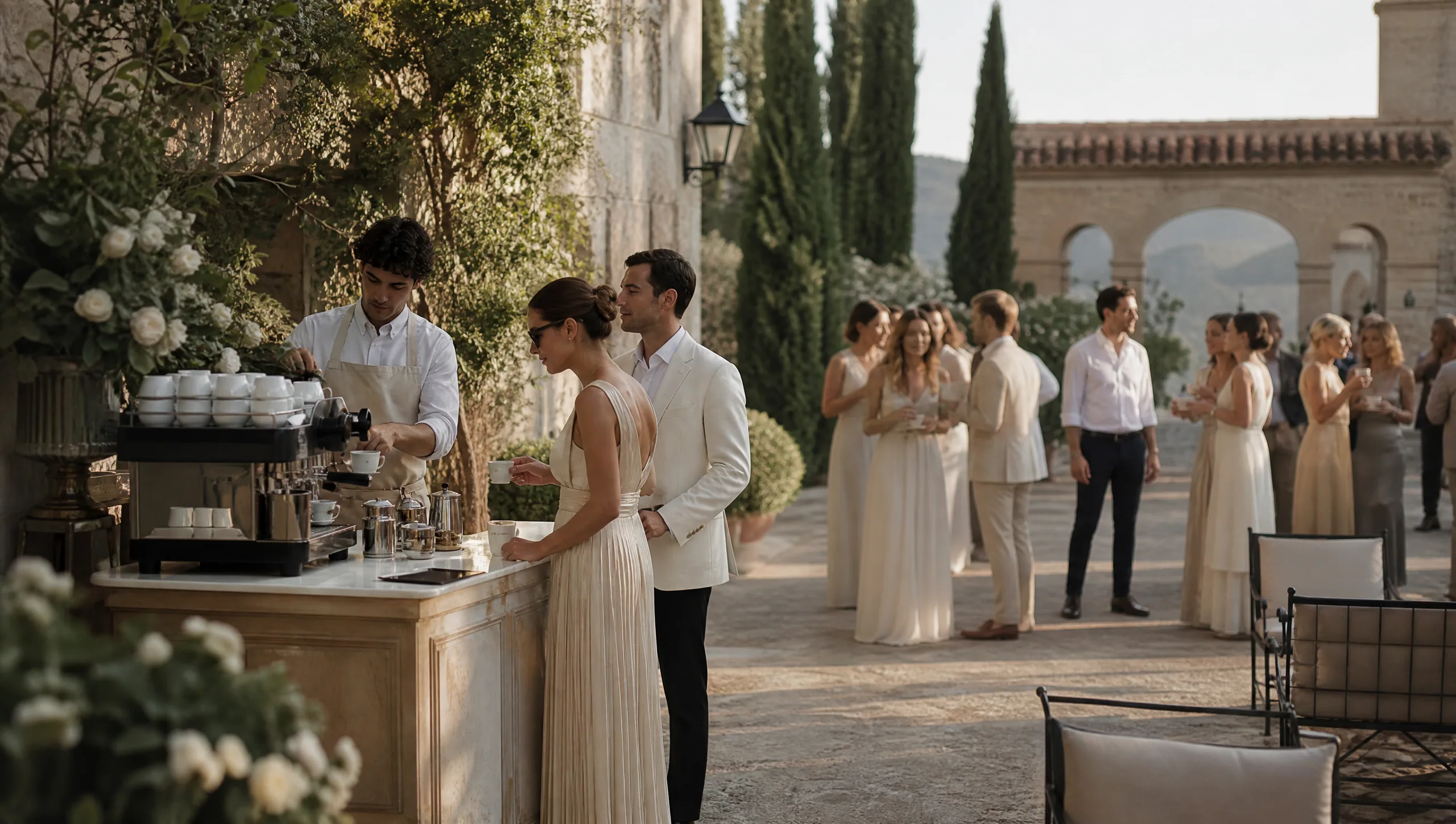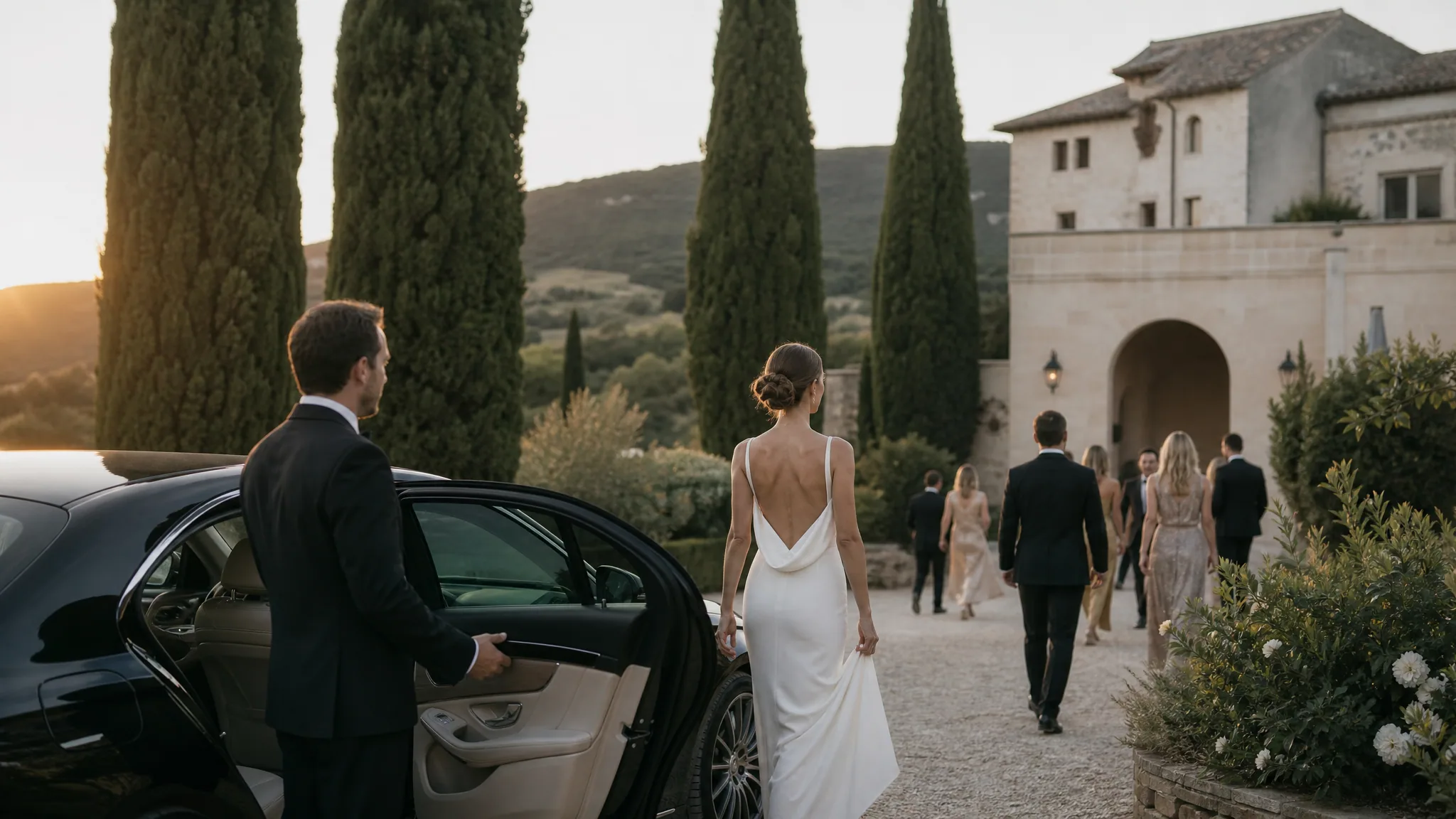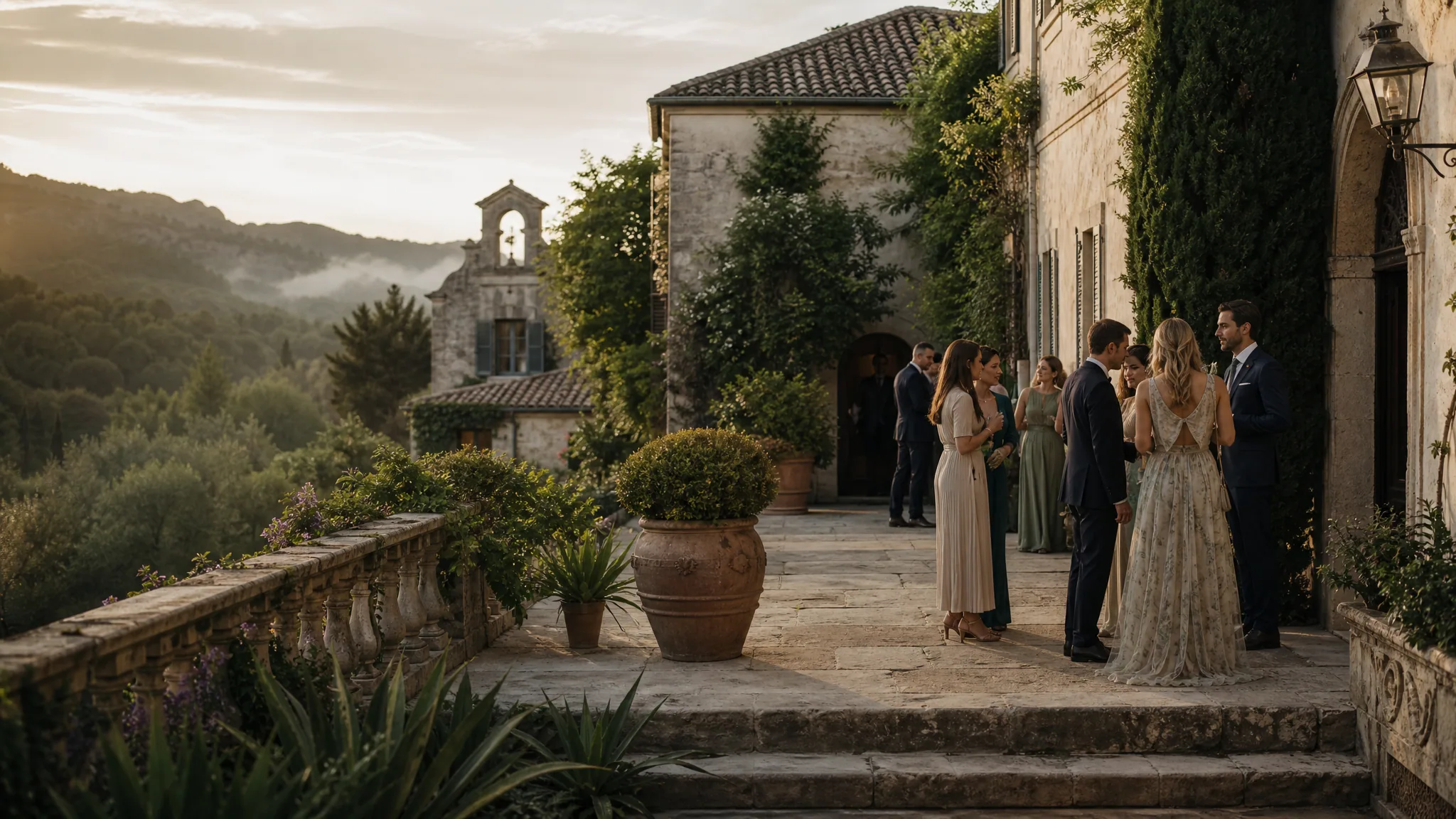
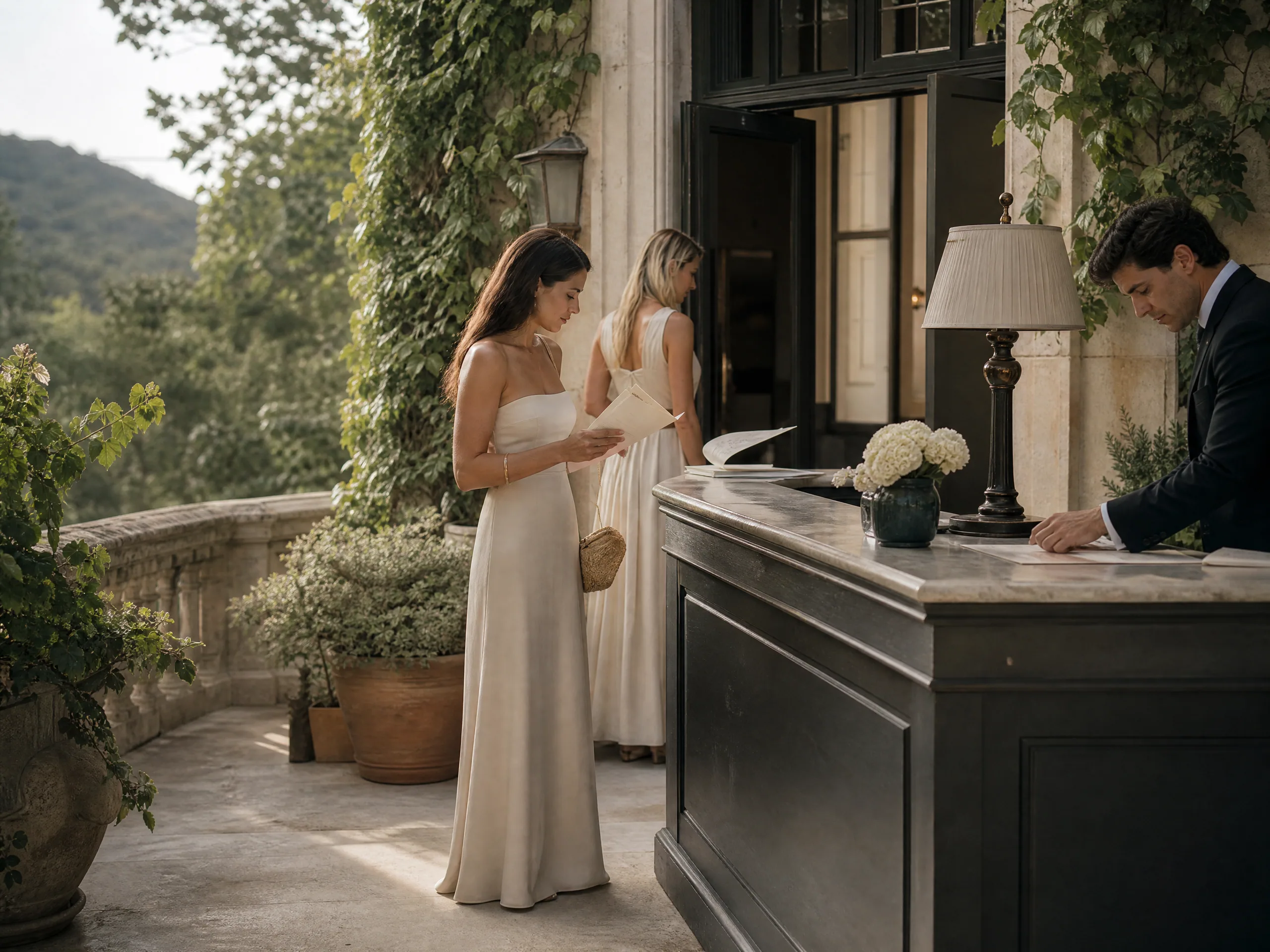
International guests at a Spain destination wedding ask the hotel reception the same questions the couple cannot take mid-prep: Where is the shuttle? What do we wear tonight? How late is dinner? A one-page front-desk briefing sheet turns every receptionist into a calm information point, cuts WhatsApp noise, and keeps your weekend timeline intact even when guests arrive on staggered flights.
Why hotel desks become the real guest hotline
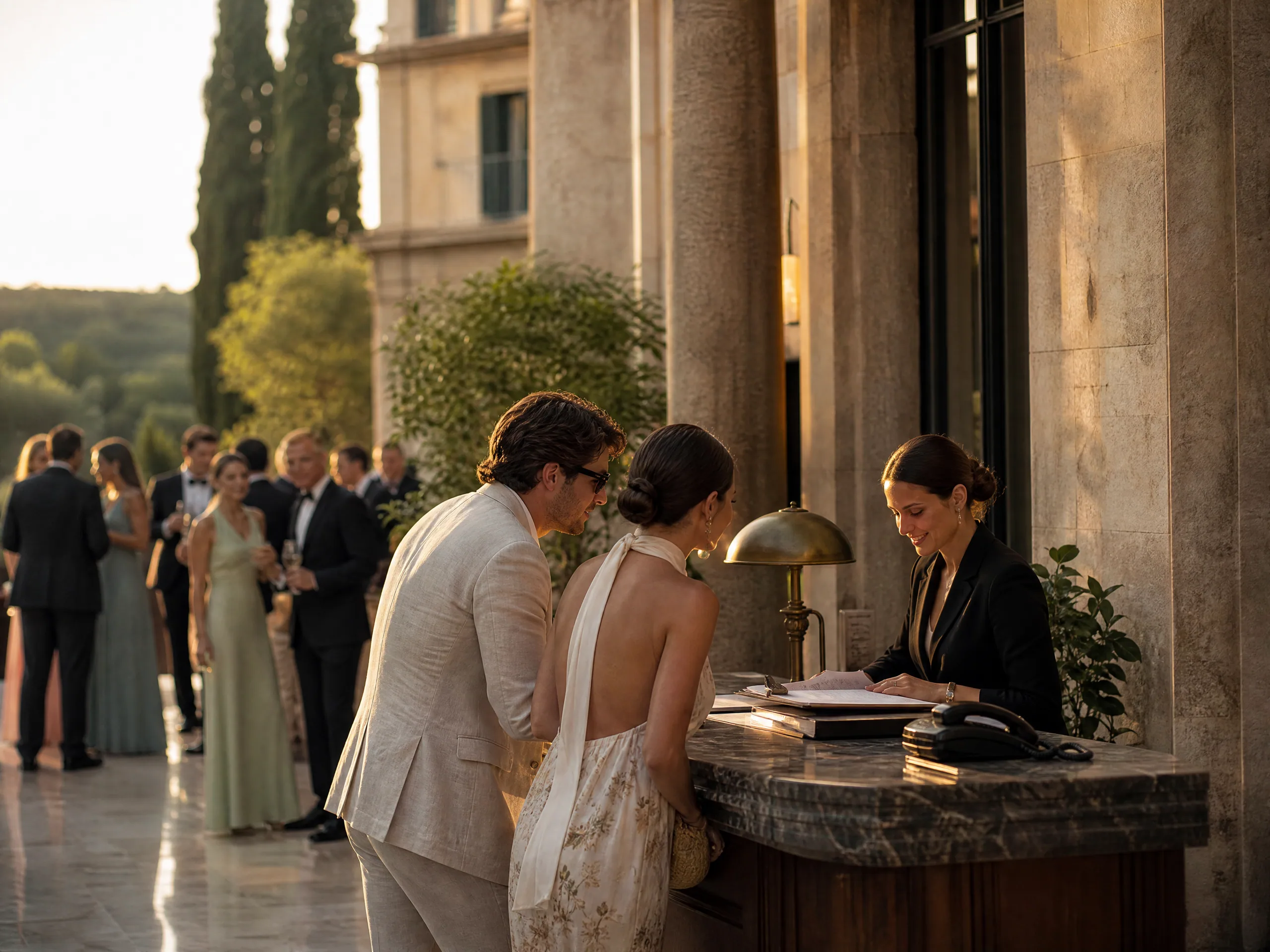
Guests land tired, change currency, and look for the nearest fluent English or Spanish speaker—often the hotel front desk, not your wedding WhatsApp group. Without a shared brief, staff invent answers, quote wrong call times, or send taxis to the wrong estate gate. A printed and digital briefing sheet is cheap insurance: one source of truth for room blocks across multiple hotels, villas, and city overflow properties.
Build one sheet per hotel, not one vague weekend flyer
Each property needs its own page with the hotel name, wedding couple names, event dates, and the property’s room-block code. List tonight’s and tomorrow’s call times in local Spanish time, shuttle pickup points on the property map, and walking or taxi notes if the venue is rural. Separate sheets prevent a city boutique hotel from reading vineyard shuttle instructions meant for the countryside finca guests.
Put shuttle, dress code, and dinner timing above the fold
Front-desk staff glance for thirty seconds between check-ins. Lead with departure windows, boarding headcount rules, black-tie versus smart-casual dress notes, and Spanish dinner timing so guests do not expect a 6 p.m. meal. Add a short line on siesta-friendly free afternoons and when the welcome desk or WhatsApp quiet hours begin, so reception does not promise round-the-clock planner access.
Include maps, pins, and gate-access details reception can read aloud
Paste the Google Maps pin, estate name as it appears on navigation apps, and any gate code or guest-list procedure private venues require. Note where coaches stop versus where rideshares should drop. If luggage tags or welcome bags mention the venue address, mirror that wording exactly so guests and desks stay consistent.
Add medical, pharmacy, and after-hours contacts without drama
List the nearest 24-hour pharmacy, the planner or day-of coordinator phone for true emergencies, and the hotel’s own night manager. Keep tone practical, not alarming. Guests with medication, mobility needs, or lost-luggage stress get faster help when reception already knows whom to call instead of guessing the couple’s personal numbers.
Train the desk in two languages and one tone
Provide Spanish and English versions of the same sheet. Mark pronunciation tips for the couple’s names and key family VIPs if an MC brief is not already circulating. Ask the hotel to keep the sheet at the desk and in the night binder, and to avoid inventing “helpful” extras like unofficial afterparties or unapproved restaurant bookings that collide with your reserved rehearsal dinner.
Distribute before first arrivals and refresh after every schedule change
Email the PDF to the rooms manager 48–72 hours before the first guest flight, then confirm a printed copy is at the desk. When ceremony call times shift for light or wind, send a one-line update and replace the sheet—old printouts cause more confusion than no sheet at all. Copy the same file into your guest WhatsApp pinned message so digital and desk answers match.
Coordinate room blocks, late check-out, and luggage storage on the same page
Note wedding-day check-out exceptions, luggage-hold hours, and whether beauty appointments or steamer requests should go through housekeeping or an external salon. When farewell brunch or airport transfer windows are fixed, put them on the sheet so early leavers do not monopolize the couple’s morning for logistics questions.
How Kudrya Studio runs hotel front-desk briefing logistics
We draft bilingual desk sheets per hotel, align shuttle and dress-code language with the guest itinerary, and confirm each property has the live version before arrivals begin. Guests get clear answers at check-in, reception stays confident, and the couple keeps the wedding day for celebrating—not for repeating the same directions.