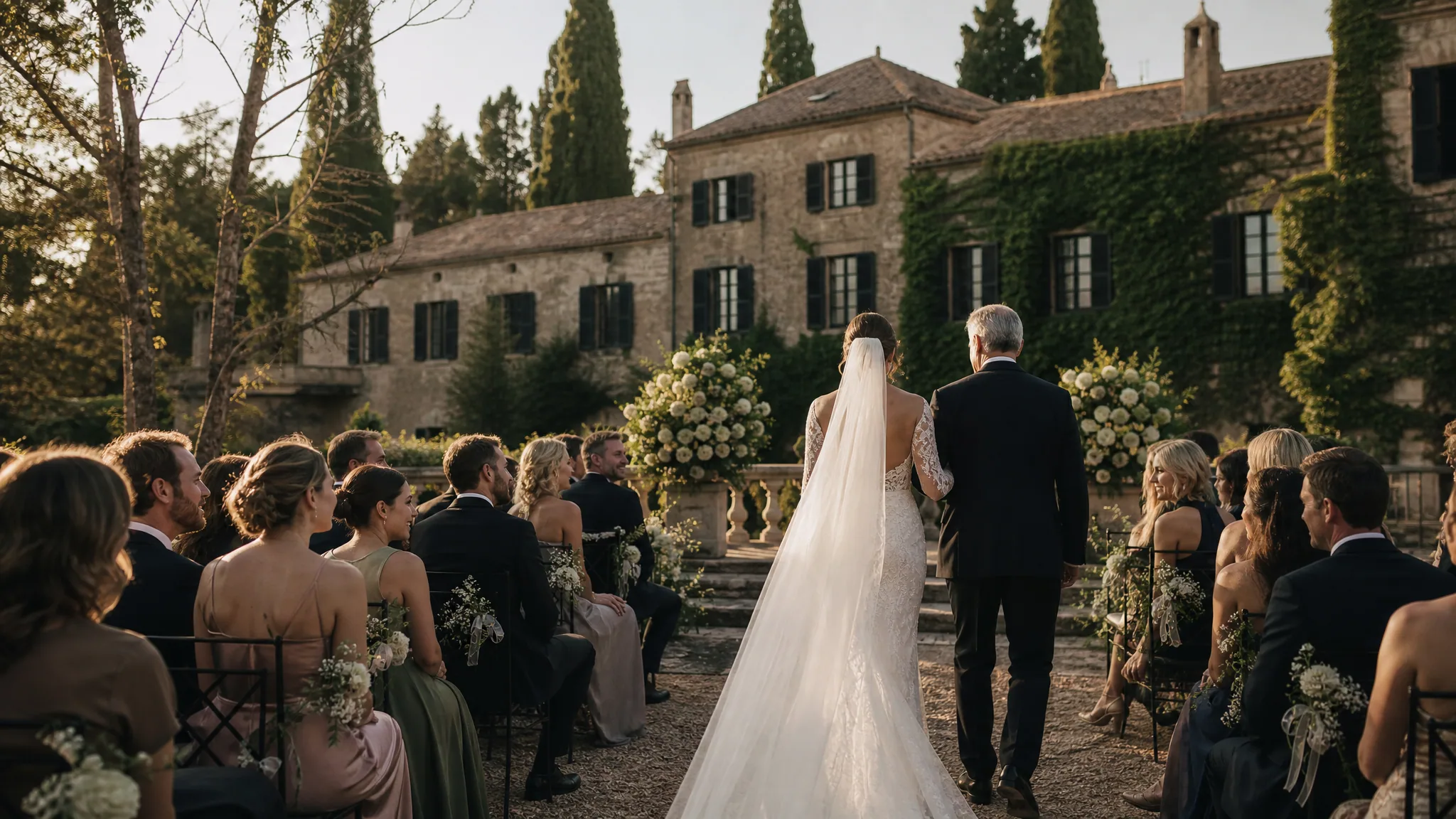
International guests arrive at Spanish destination weddings ready for heat, late dinners, and olive-grove ceremonies—and then the couple exchanges thirteen coins, a cord is draped over shoulders, or an older relative steps forward for a blessing no one briefed in the WhatsApp group. Spanish wedding traditions are not decoration; they are timed, photographed, and emotionally loaded moments. When guests understand what is happening, the ritual lands. When they do not, the aisle fills with whispered questions and phones lifting at the wrong second.
A short tradition briefing—sent with the itinerary and repeated by the coordinator or MC—turns cultural texture into shared meaning instead of confusion. For destination weekends in Spain, that briefing belongs in the same logistics lane as dress code, shuttle windows, and unplugged-ceremony rules.
Why tradition briefings matter for international guest lists
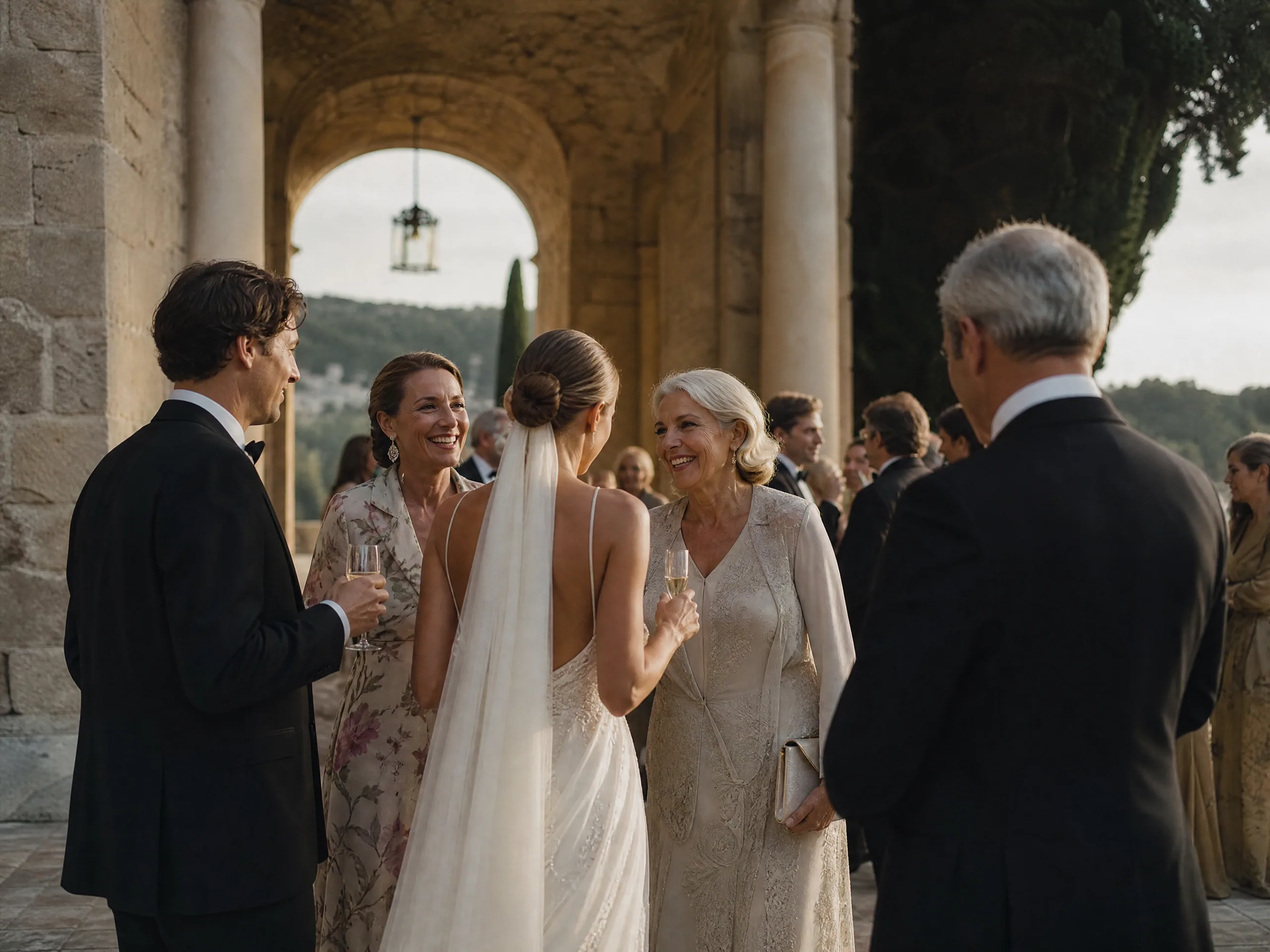
Many destination couples marry in Spain with guests from the US, UK, Northern Europe, Latin America, and Asia. Some guests know Catholic or Hispanic ceremony forms; others have only attended civil hotel weddings. Arras, lazo, veil blessings, and parental coin presentations can look like unscripted improvisation if no one explains the symbolism beforehand. A one-page note or two-minute MC cue prevents guests from treating sacred or family-led moments as photo ops, and it helps elders who know the custom feel honored rather than isolated in a room that does not recognize the cue.
Map which Spanish rites you are actually using
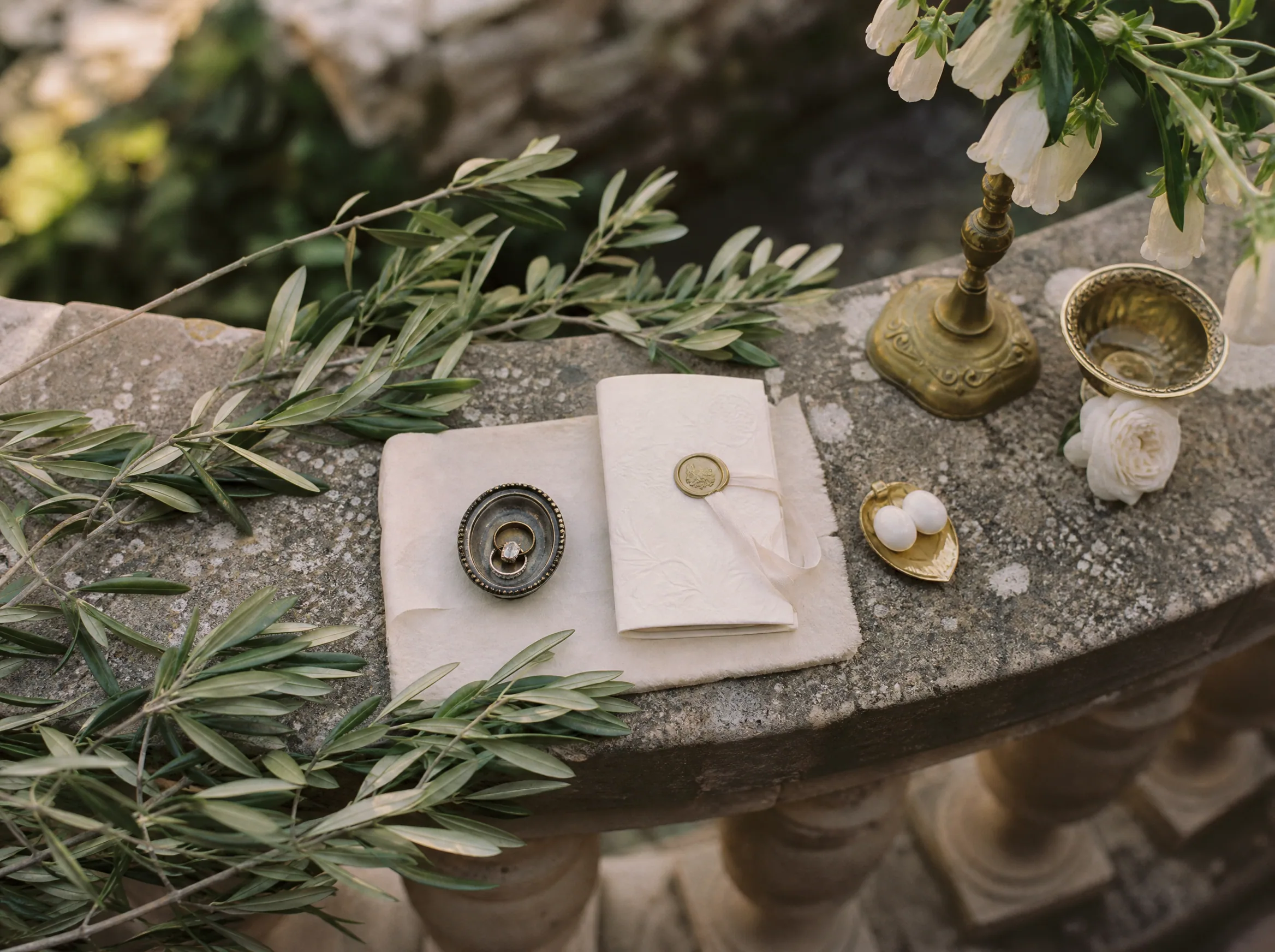
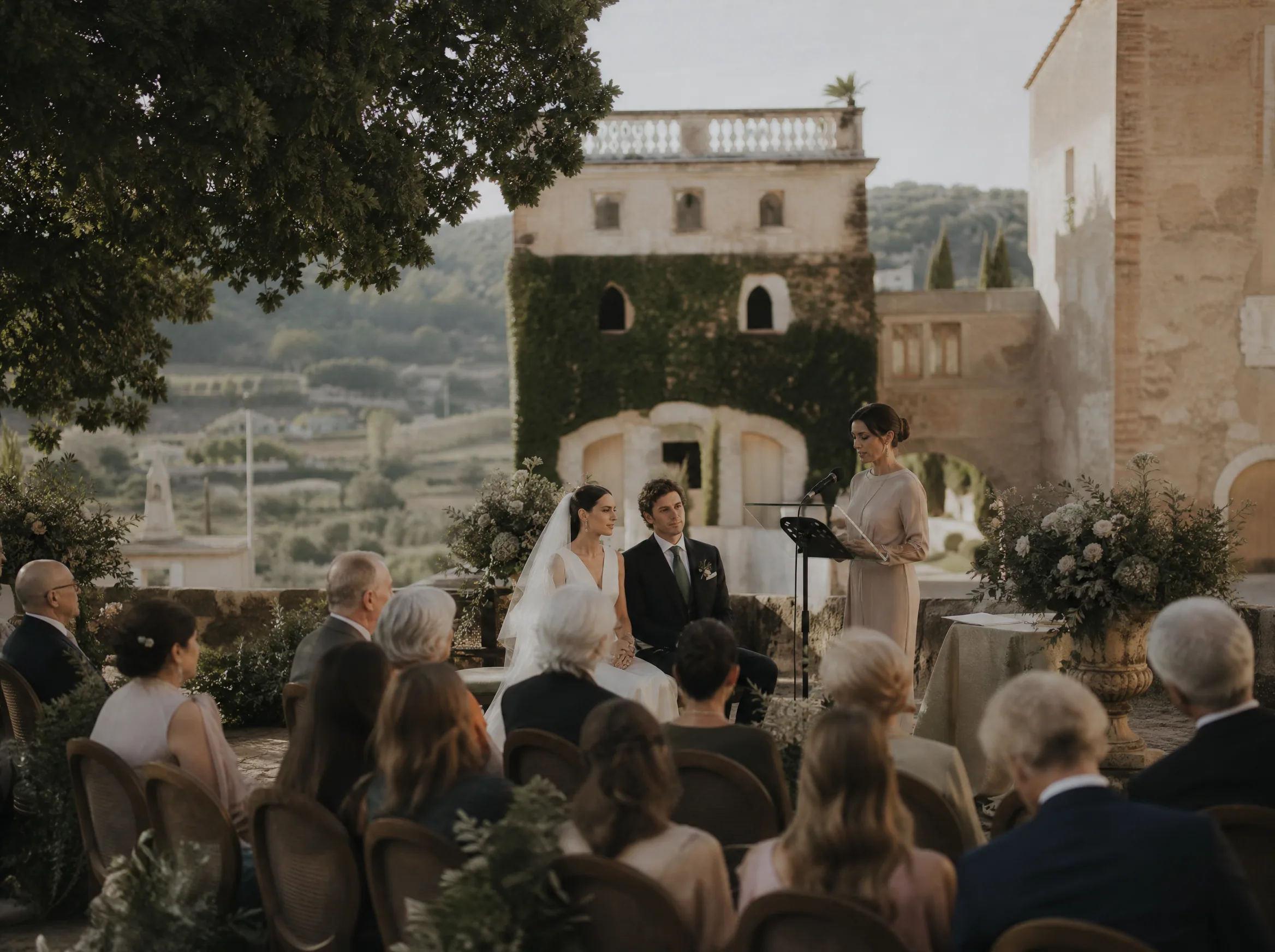
Not every Spanish wedding includes every tradition. Confirm with the celebrant, parish, or civil officiant which elements are planned: las arras (thirteen coins), el lazo or unity cord, veil or mantle blessing, parental presentations, readings in Spanish and English, or regional customs tied to Catalonia, Andalusia, Galicia, or the Balearics. Write the final list into the run-of-show. Guests should never receive a generic “Spanish traditions” email that promises rites you later cut for timing or venue rules.
Explain las arras without turning the aisle into a lecture
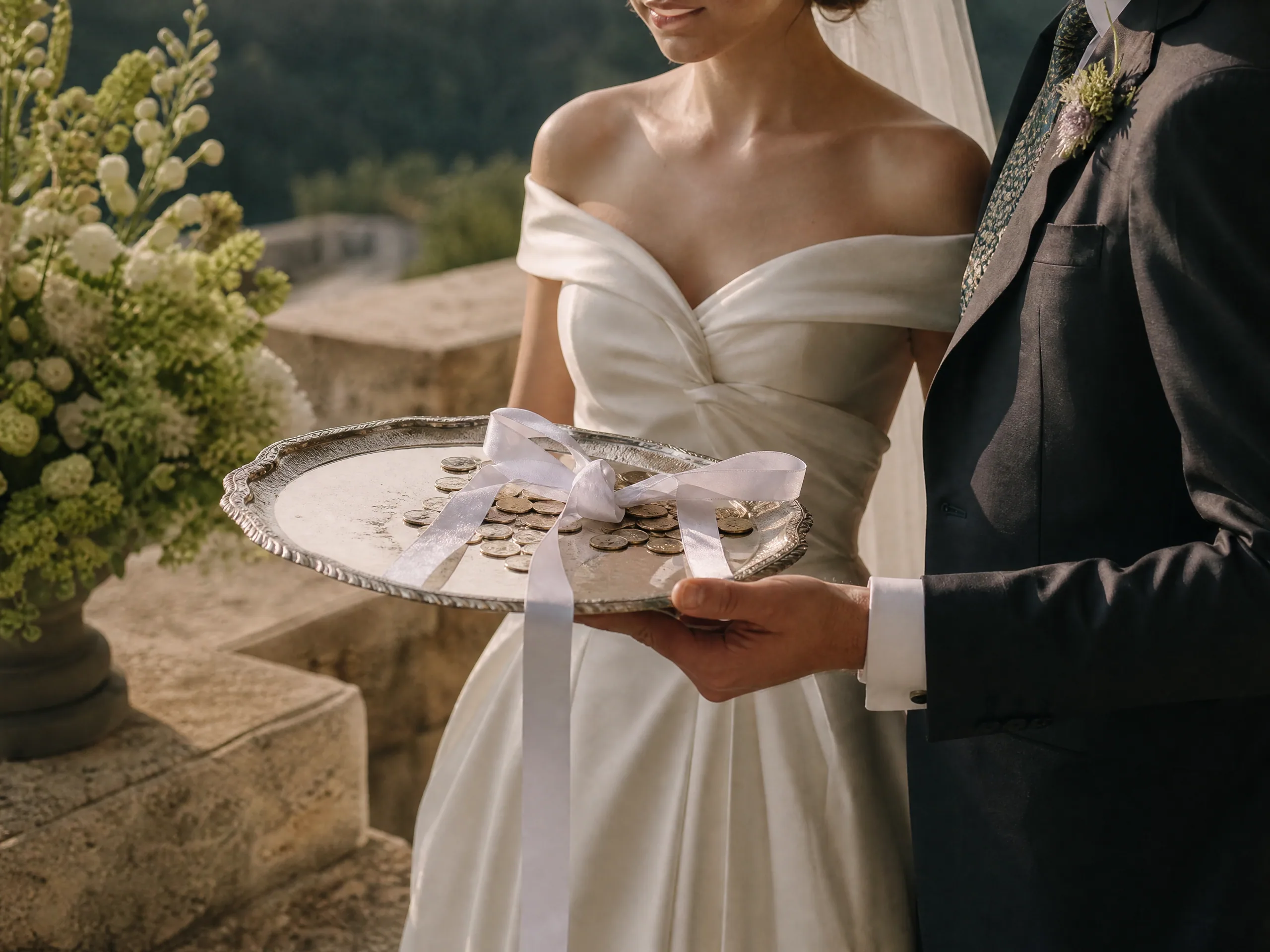
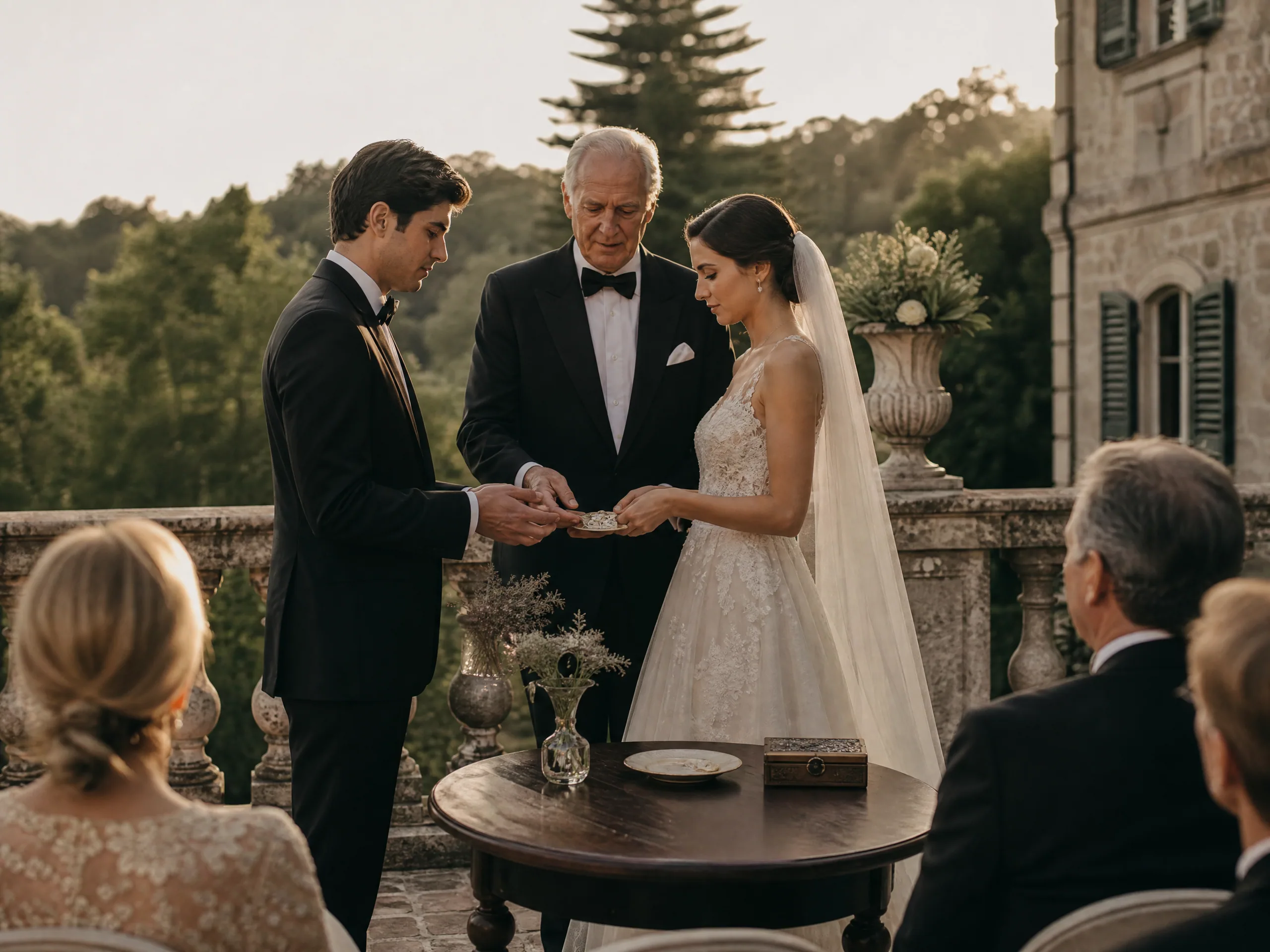
Las arras are typically thirteen coins presented as a symbol of shared prosperity and mutual support. Guests need three facts, not a history seminar: who presents the coins, when in the ceremony they appear, and whether guests should remain seated or stand. If a parent, padrino, or wedding party member carries the arras box or tray, name that person in the program so guests recognize the cue. Photographers and videographers should know the handoff angles in advance so the couple is not blocked by curious guests leaning into the aisle.
Brief the lazo or unity-cord moment for clear sightlines
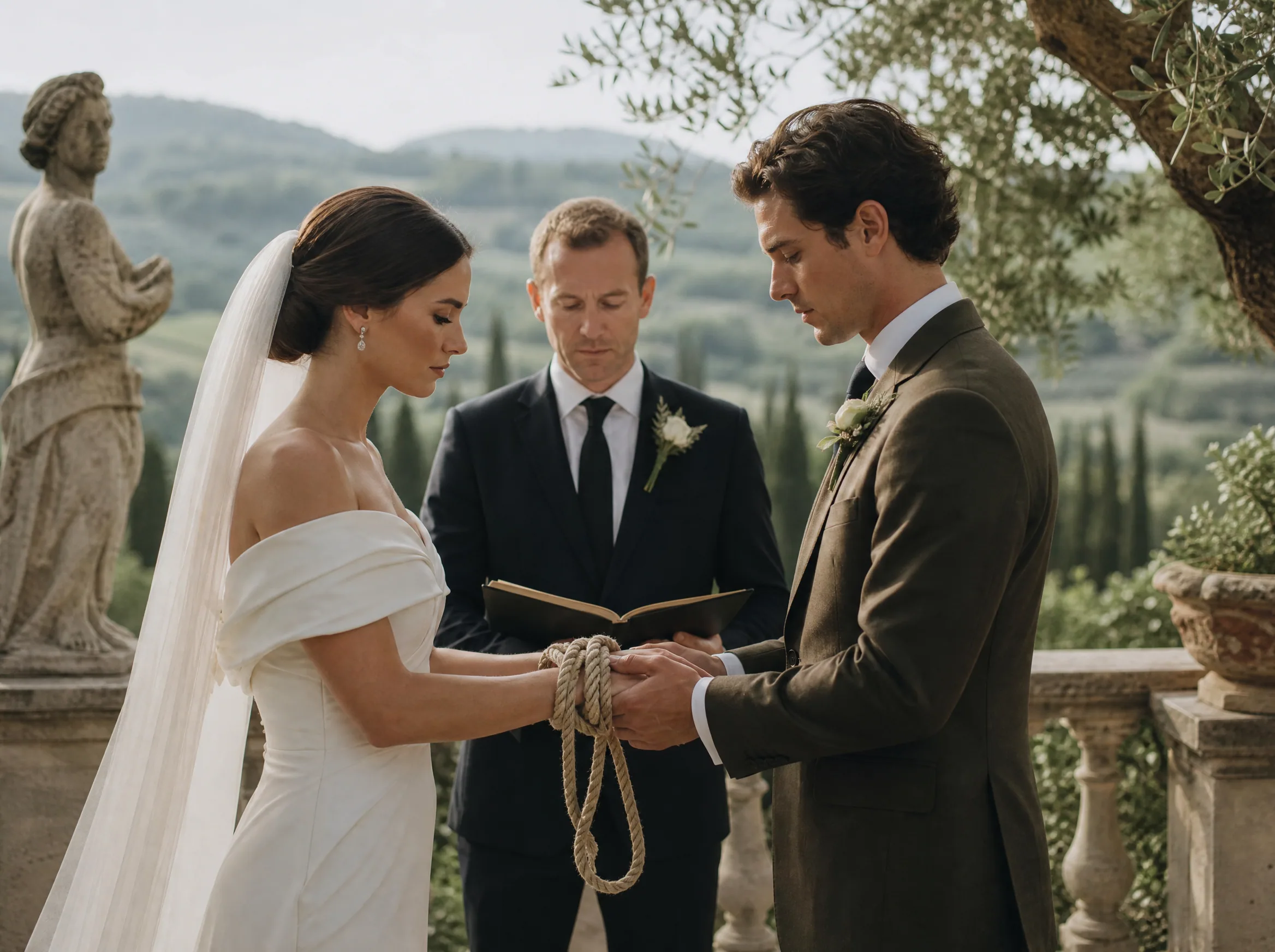
The lazo—often a rosary, cord, or floral lasso placed around the couple’s shoulders—is visually powerful and easy to misunderstand. Tell guests it represents unity and that it is not a signal to applaud mid-prayer or to crowd forward for phones. Assign who places and removes the lazo, how long it stays, and whether the couple remains kneeling or standing. For outdoor estates, check wind: lightweight cords and floral lassos shift easily and need a rehearsal touch so the moment looks intentional on camera.
Align programs, MC cues, and unplugged rules
Bilingual ceremony programs should list tradition moments in plain language next to the order of service—“Exchange of arras (thirteen coins)” and “Lazo unity blessing”—so non-Spanish speakers can follow without interrupting neighbors. If the ceremony is unplugged, say so again beside those lines; tradition moments attract the most mid-aisle filming. Give the MC or celebrant a thirty-second script that names the symbolism once, then lets silence and music carry the rest.
Seat family and sponsors where the rite can actually land
Arras presenters, lazo bearers, readers, and parents need reserved seats with clear walk paths to the couple. International guests often fill front rows early; ushers should hold sponsor and immediate-family seats until processional. If mobility or age makes aisle walking difficult, plan a shorter path or a seated presentation so the tradition does not become a logistics stumble mid-ceremony.
Rehearse the handoffs the night before
Coins drop. Boxes stick. Cords twist. A five-minute rehearsal with the people who will touch the props prevents public improvisation. Confirm who holds the arras until the cue, who receives them after the exchange, and where the lazo is staged so it does not appear in cocktail portraits as an afterthought. If children are involved as coin or cushion bearers, walk the route twice and assign an adult shadow for outdoor gravel or steps.
Set photo and video priorities for tradition beats
Tradition moments are short. Tell guests which beats are for professionals only—close-up coin exchange, lazo placement, blessing hands—and which wider moments are fine for the shared album later. Coordinate with your photographer so second shooters cover faces of parents and padrinos, not only the couple. Destination guests who flew for family meaning will treasure those frames more than another wide estate establishing shot.
Send the briefing early, then reinforce on the day
Include a short traditions paragraph in the digital itinerary one to two weeks before travel, repeat it on the welcome desk card, and let the coordinator or MC deliver a calm spoken cue before the processional or at the top of the ceremony. Avoid surprising guests with unexplained props at the altar. Clarity is hospitality: international friends should feel included in Spanish ceremony customs, not left decoding them in real time.
When arras, lazo, and related rites are briefed with the same care as shuttle times and dinner seating, the ceremony reads as intentional Spanish hospitality—rooted, photographed cleanly, and shared by everyone who crossed an ocean to be there.