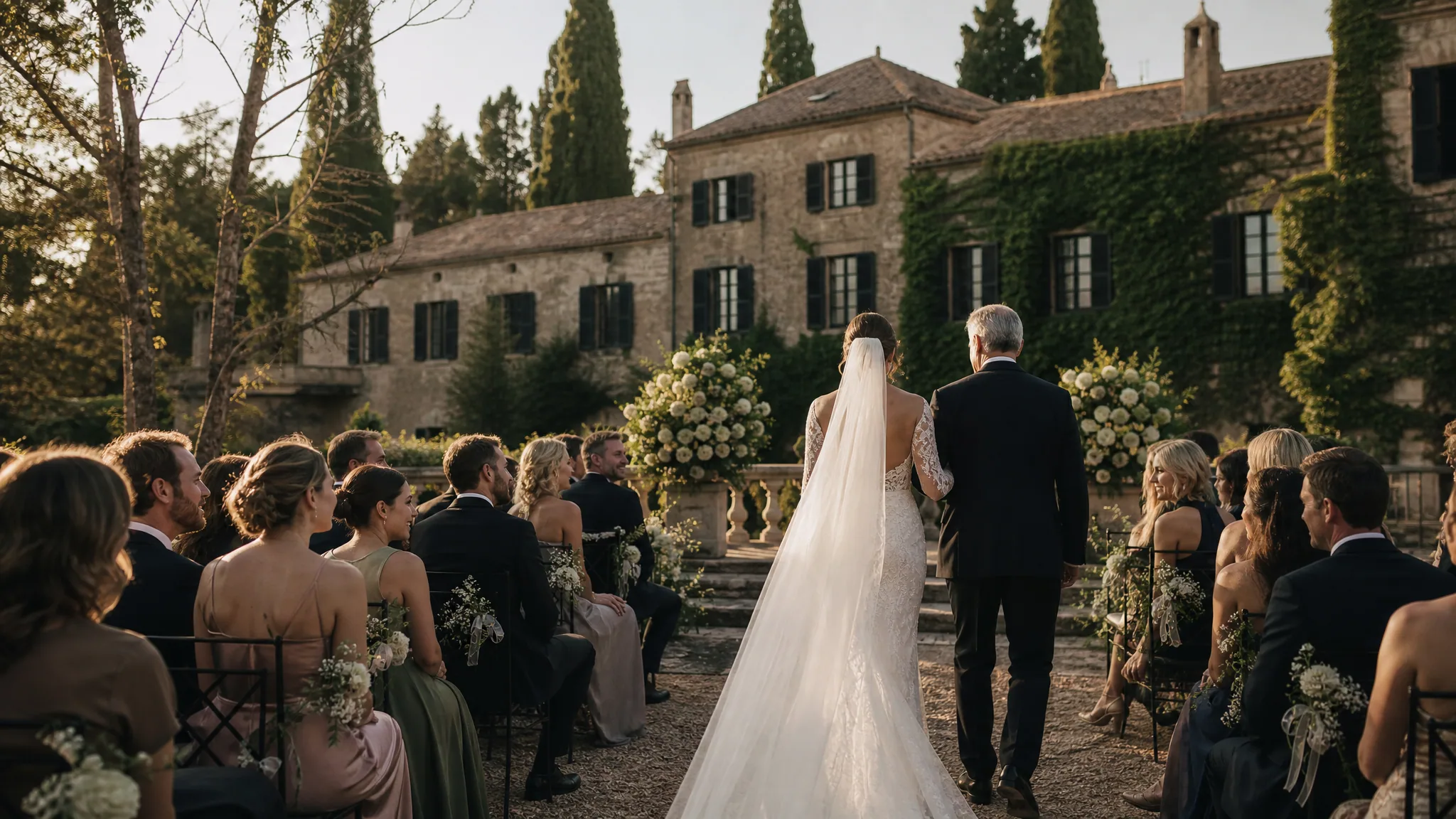

International guests packing for a destination wedding in Spain already juggle flights, formalwear, and late Spanish dinners. Then someone asks in the group chat: “What do we bring as a gift?” In many Spanish and Southern European circles, cash in an envelope remains the default; in others, couples prefer registries or charitable donations. When the answer is vague, guests either overpack fragile presents or under-give out of fear of getting it wrong. A short gift-etiquette briefing turns generosity into a calm logistics item instead of a weekend-long social puzzle.
For destination weekends, the goal is clarity before boarding—not a lecture at the welcome desk. Couples and planners who publish one sentence on the website, itinerary, or hotel briefing sheet prevent suitcase disasters and awkward cash handoffs at the cocktail hour.

Why gift norms confuse international guest lists
Guests arrive with different cultural defaults. North American friends may expect a registry and a wrapped box. British guests may lean toward vouchers or contributions. Spanish relatives may assume an envelope is obvious. Mixed guest lists need an explicit rule: envelope preferred, registry linked, or “your presence is the gift” with an optional charity. Silence reads as a test. Clarity reads as hospitality.
Put the rule where people actually look—travel FAQ, WhatsApp pinned message, and the printed pocket itinerary—not only on a wedding website tab nobody opens after booking flights.

Decide envelope, registry, or hybrid—and say it once
Pick one primary path. If cash envelopes are preferred, say so politely and note currency (EUR). If a registry exists, link it early and confirm shipping addresses that work for Spain-based fulfillment. Hybrid works when you allow envelopes on the day and registry before travel—but label which option is easiest for overseas guests.
Avoid contradictory signals. A full gift table display plus “no gifts please” confuses vendors and guests. Align stationery, website copy, and family messaging in one pass before save-the-dates go out.

Brief guests on cash envelopes without making it awkward
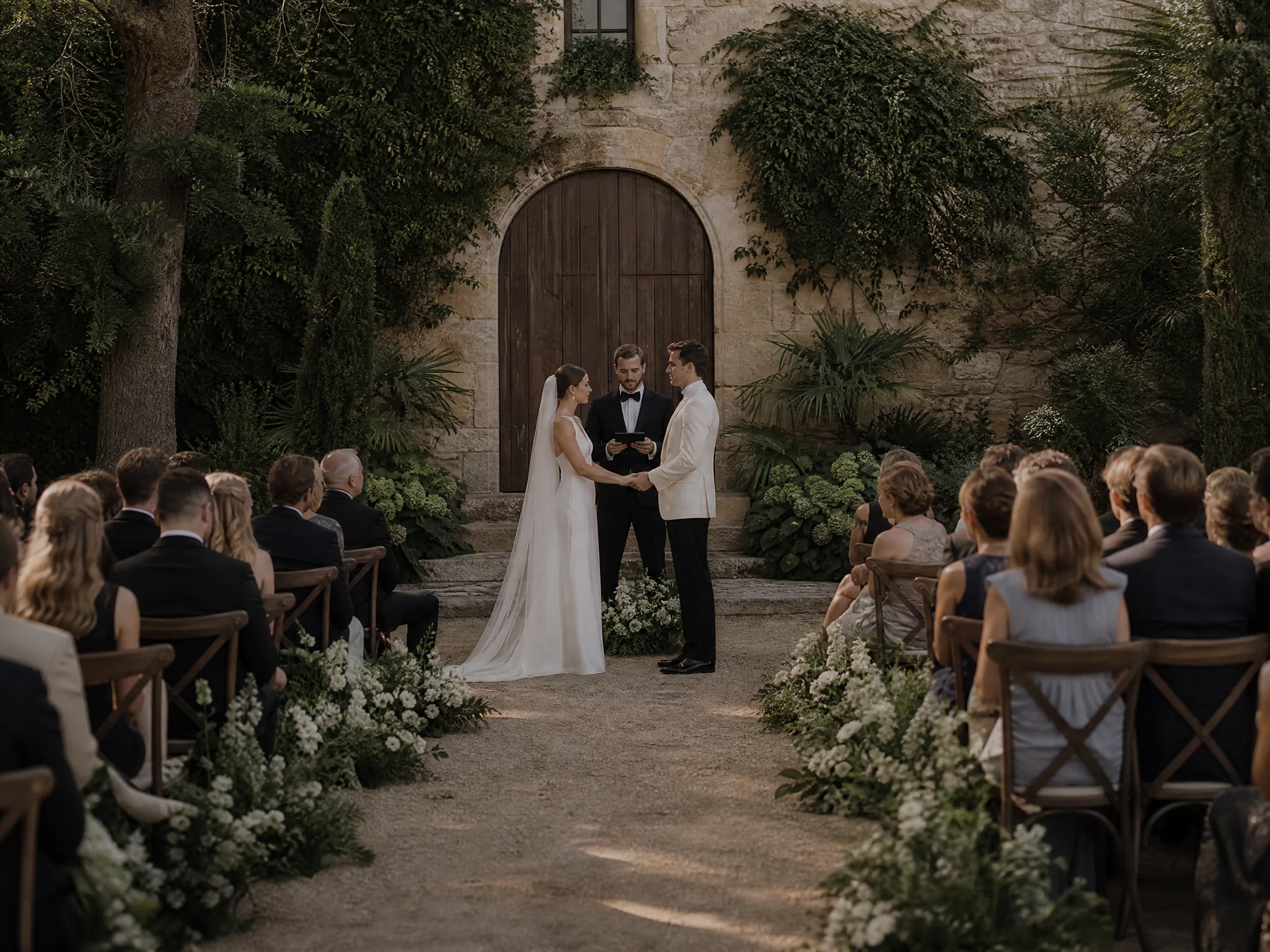
Cash gifts are common and practical for couples hosting abroad, but wording matters. Prefer warm logistics language: “If you wish to give, a sealed EUR envelope is easiest for travelers.” Include a discreet collection point—welcome desk, sealed box near the guestbook, or a trusted attendant—so guests are not hunting for the couple mid-ceremony photos.
Remind guests not to leave envelopes at unattended gift tables overnight. Pair the collection point with the same security habits you use for jewelry and cards: supervised during events, locked after.

Help overseas guests avoid packing physical presents
Fragile glassware, large décor, and duty-sensitive liquids are poor travel companions. Tell guests explicitly that physical gifts shipped from home are optional and usually harder than a transfer or envelope. If someone insists on a physical present, suggest purchasing in Spain after arrival or using a Spain-friendly registry with local delivery.
This one line saves more suitcase space than another packing list tip—and reduces day-of gift-table chaos at rural estates with limited storage.
Set timing: before travel, at the welcome, or after the weekend
Some guests prefer to send a registry gift weeks ahead; others tip the envelope into the box at cocktail hour; others transfer after they return home. Publish preferred windows so nobody feels late. For Spanish bank holidays and slow rural post, “arrive by two weeks before” is kinder than “day before.”
If digital transfers are welcome, share the correct details privately or via a secure link—never pinned in a public WhatsApp group with full account numbers. Keep the public message high-level; keep payment rails with the coordinator.
Coordinate family messaging so aunts do not invent a second policy
Parents and older relatives often answer gift questions first. Brief them with the same one-paragraph policy you publish for guests. Otherwise, Spanish relatives may tell cousins “bring cash” while the website says “registry only,” and the couple inherits the conflict at the rehearsal dinner.
Give family a short script in both languages when the guest list is bilingual. Consistency is part of the weekend’s hospitality brand.
Plan the physical collection point and end-of-night custody
Designate who holds envelopes and cards from ceremony start through departure. On outdoor estates, wind, dust, and multiple buildings make unsupervised tables risky. Use a labeled, lidded box; assign a coordinator or trusted friend; and move contents to a locked room before late dancing begins.
Include this in the vendor timeline the same way you schedule cake cutting—because lost envelopes become the most emotional “logistics” failure of the weekend.
Align thank-you logistics with destination travel realities
International gifts may arrive in waves: early registry shipments, day-of envelopes, and delayed bank transfers after guests fly home. Track names against the seating chart and plus-one list so thank-you notes do not miss a partner who contributed jointly.
If guests gave in EUR cash, note approximate amounts privately for your own records only—never announce figures. Thank for the gesture and the travel, not the math.
Send the gift briefing with the travel FAQ—not as an afterthought
Bundle gift etiquette with the same packet that covers dress code, shuttle times, and dinner timing. Guests who flew across an ocean will follow a clear, kind instruction; they will not decode mixed signals under jet lag. One paragraph, one collection plan, one family script—and the gift question disappears from the group chat.
When generosity has a path, guests relax into the weekend you actually planned: ceremony light, late dinner, and a Spain that feels intentional rather than improvised.