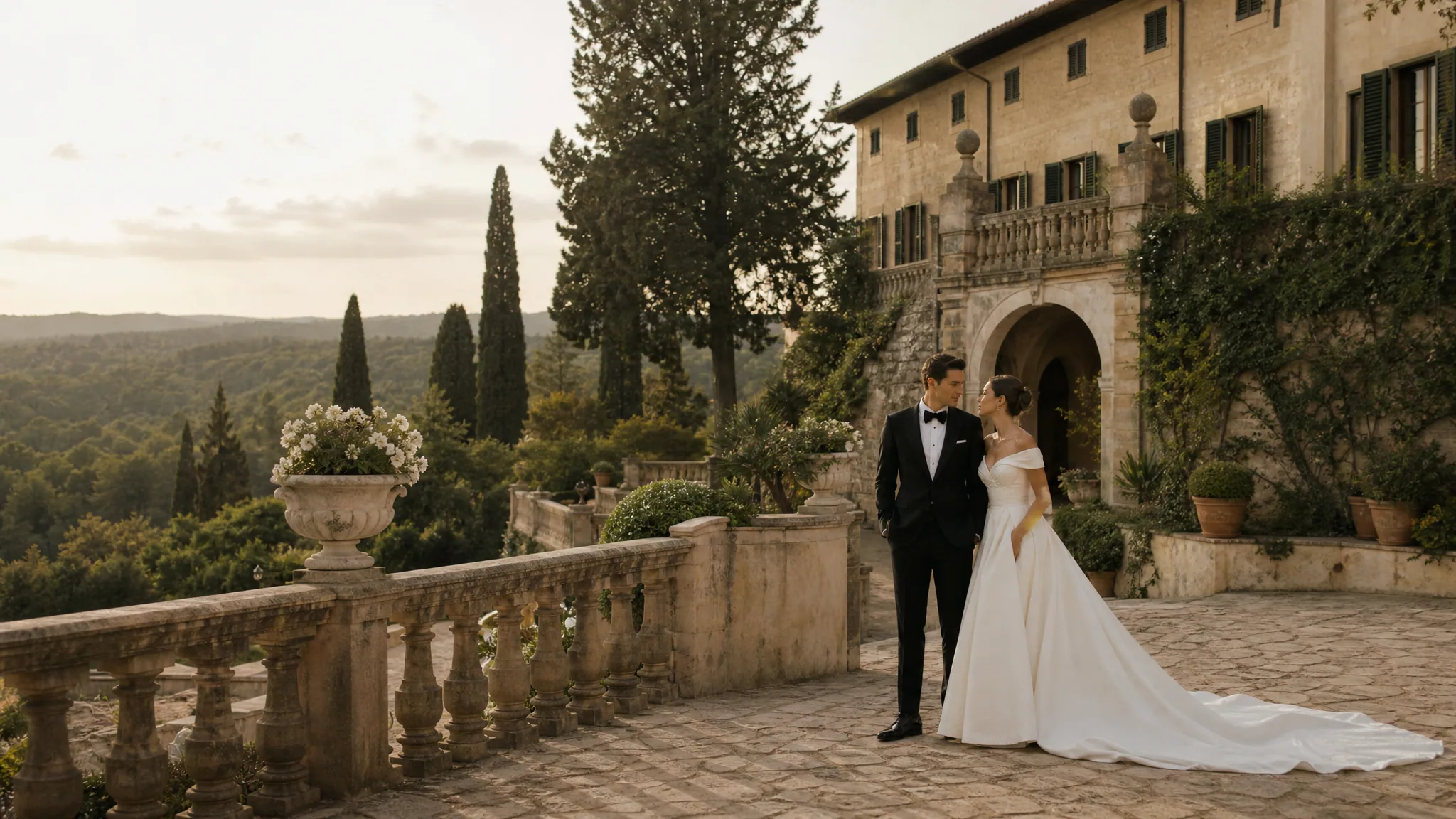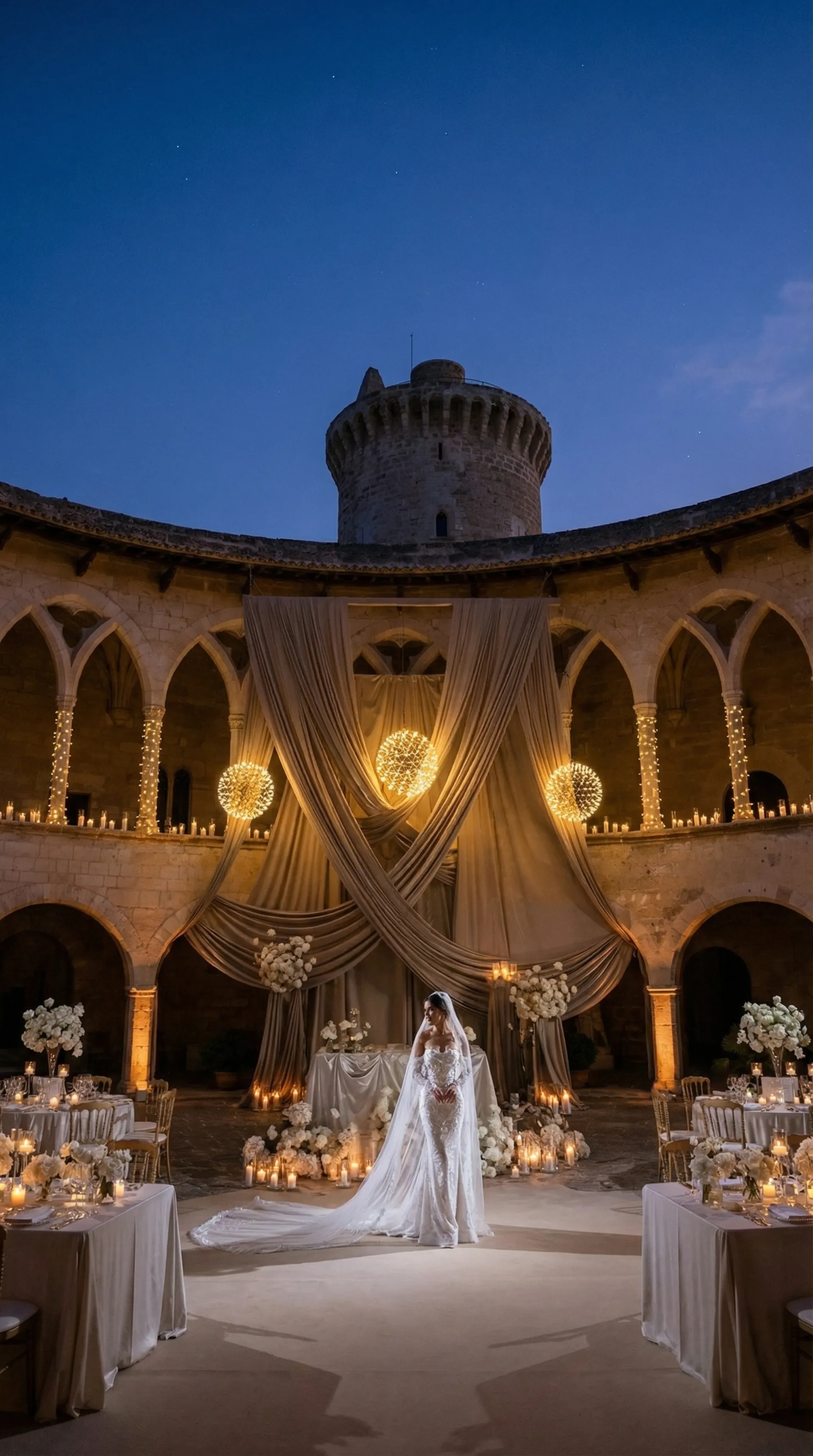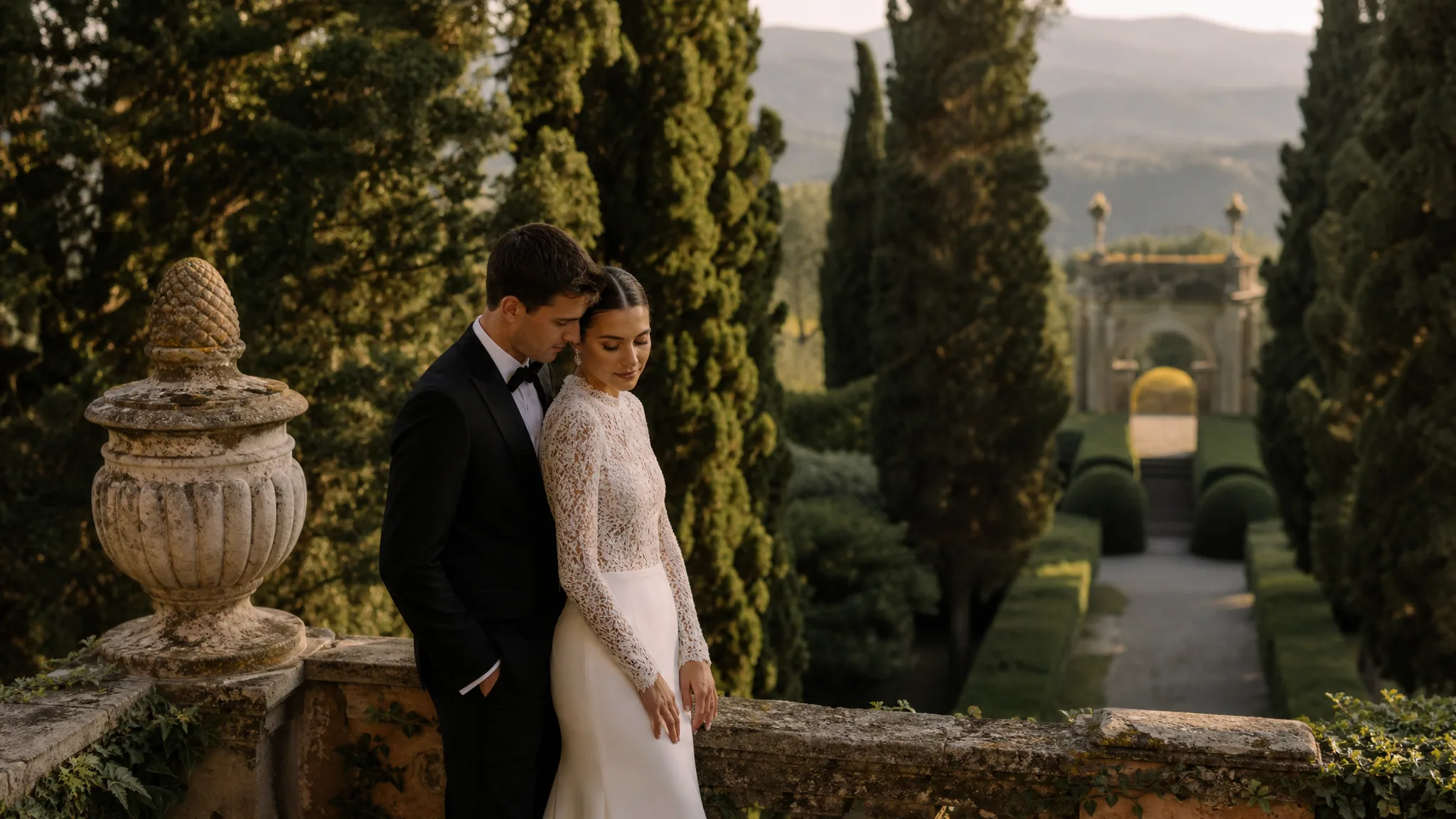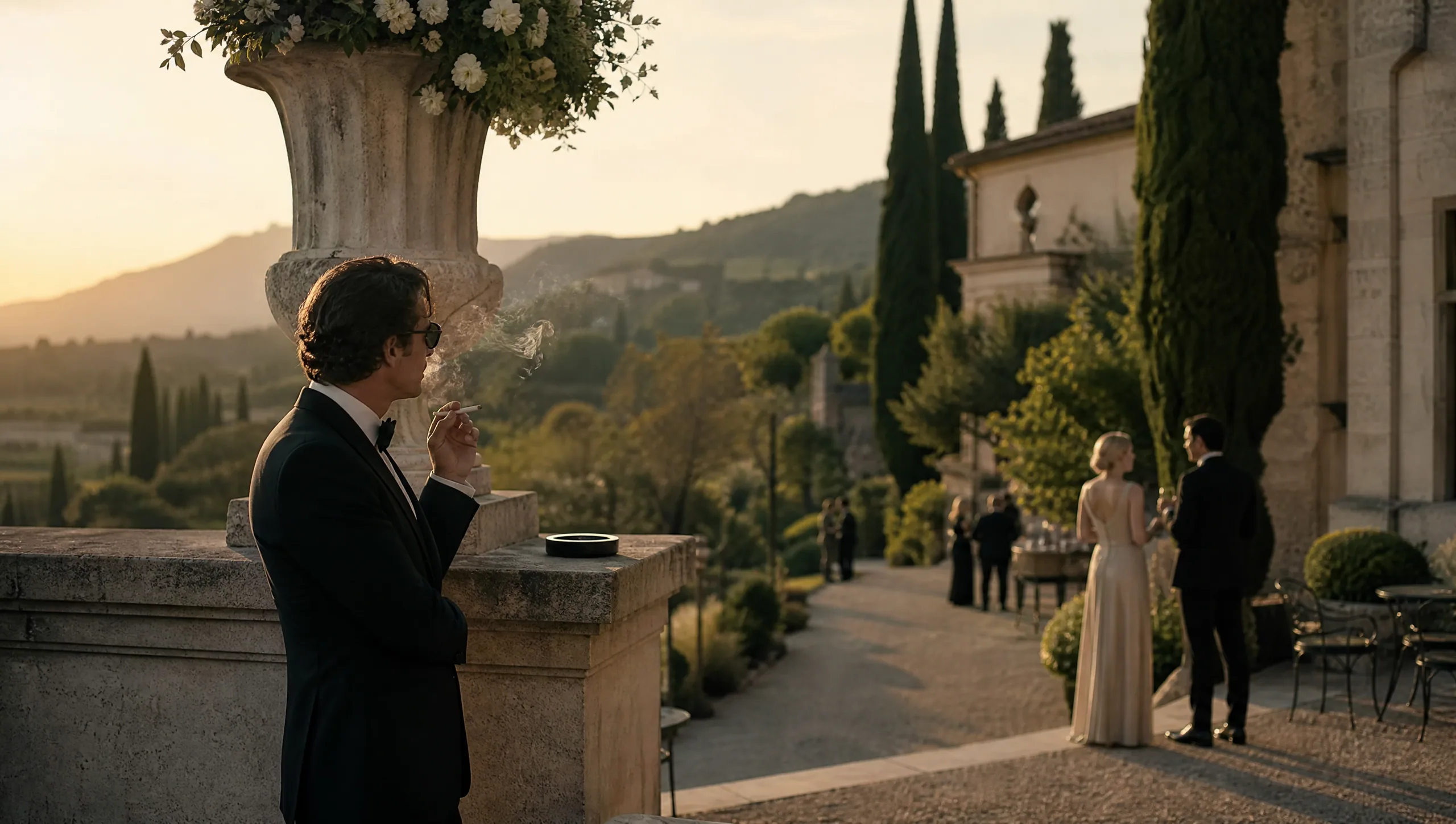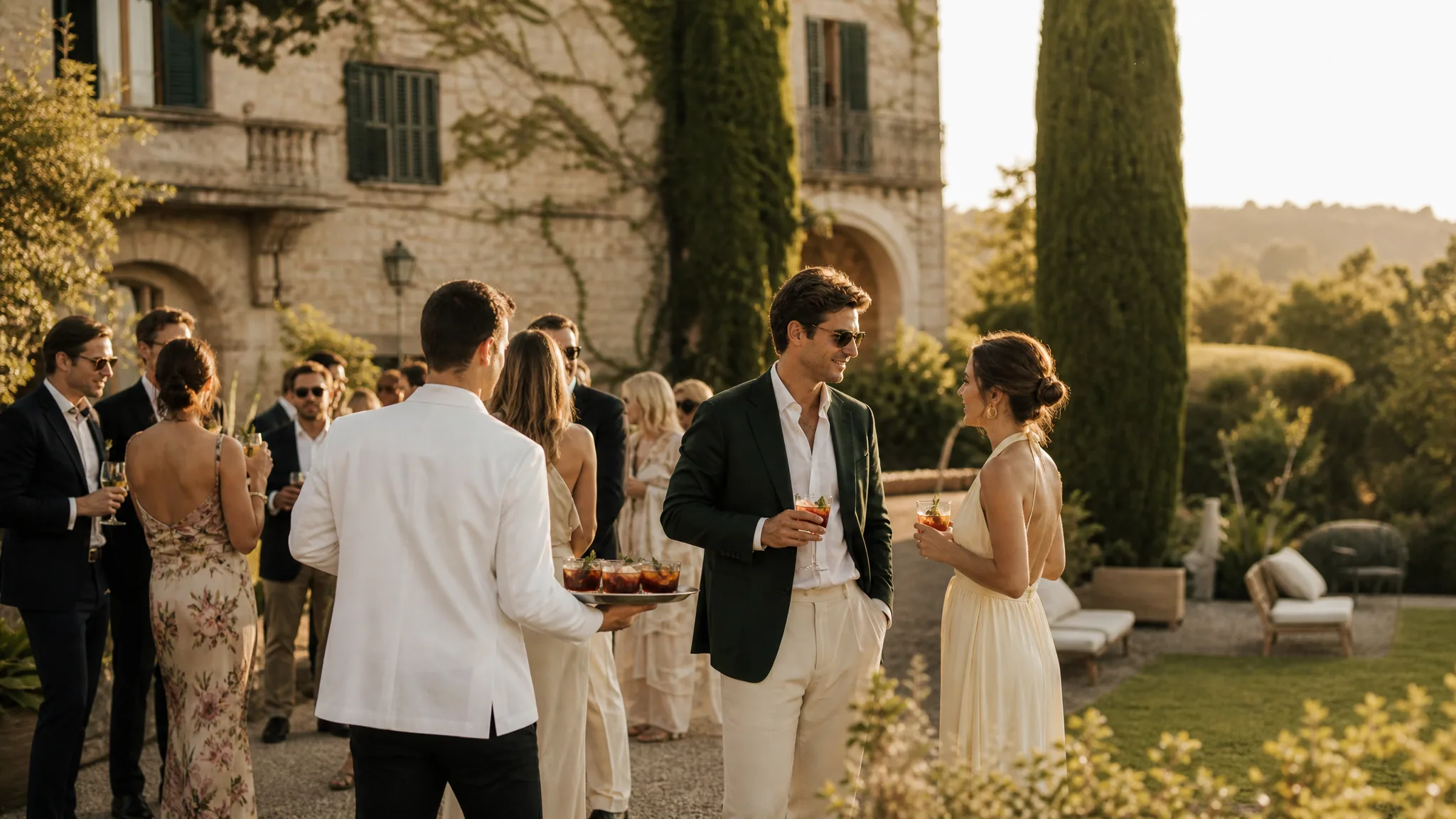
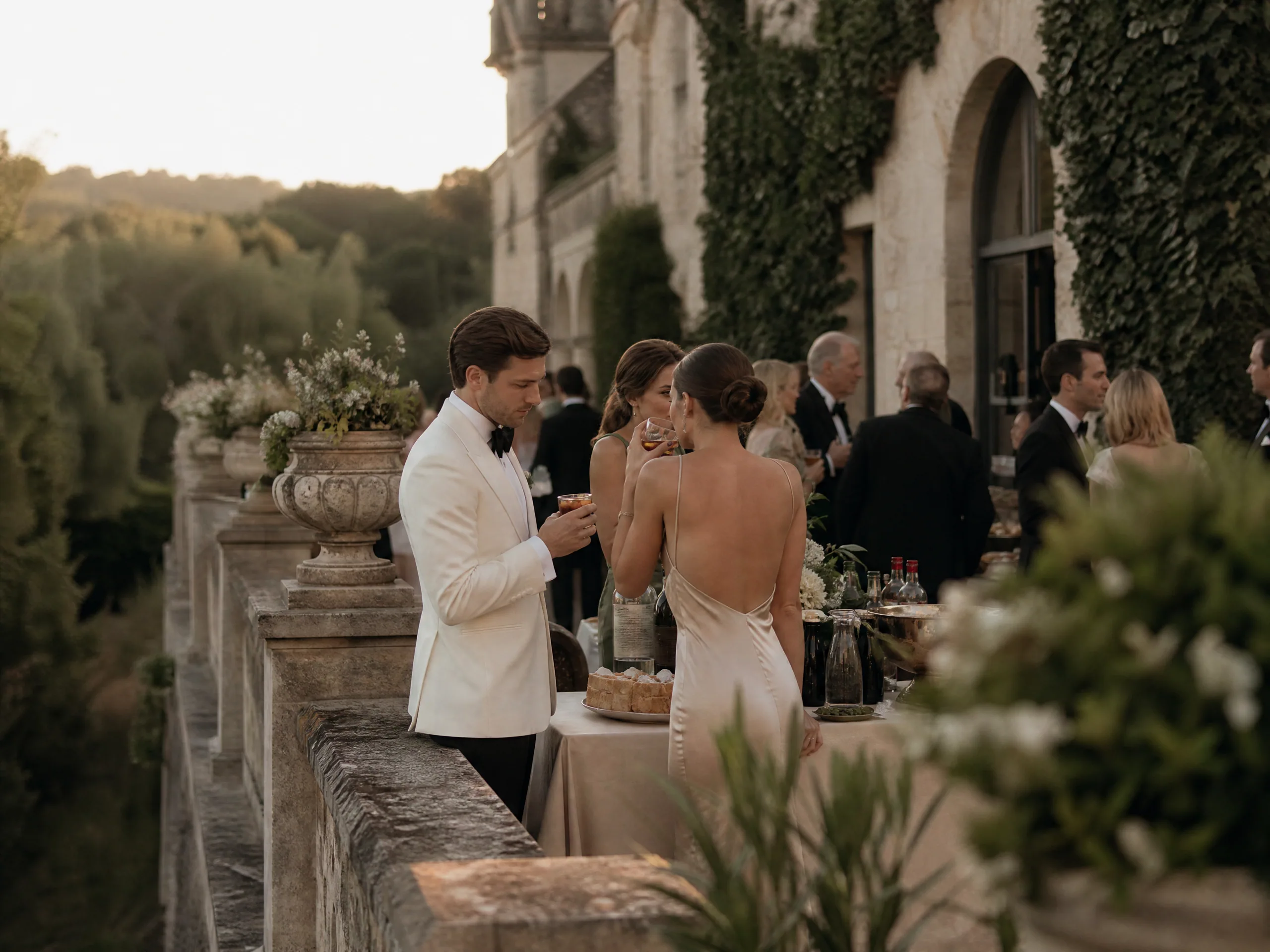
International guests flying into Spain for a destination wedding often expect the evening to start when the invitation says “cocktail hour.” Locals know something else is coming first: aperitivo—the soft landing between afternoon heat and a late Spanish dinner. When couples skip the briefing, guests arrive hungry at the wrong time, drink too fast before a long reception, or wonder why the bar is serving vermouth and olives at 7:30 p.m. instead of full plates. A clear aperitivo-hour plan protects energy, pacing, and the dinner reveal.
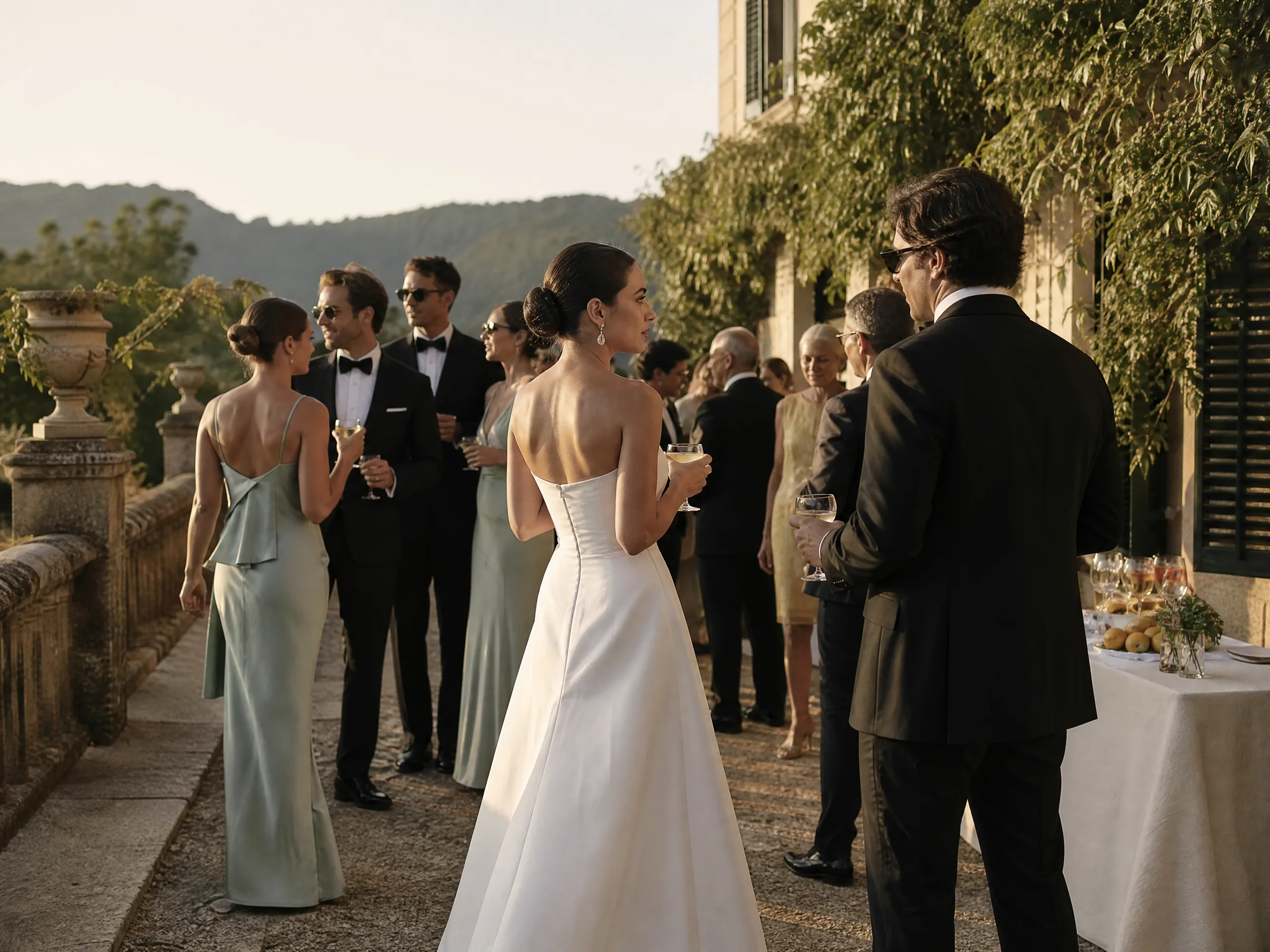
Why Spanish Aperitivo Timing Confuses Destination Guests
In Northern Europe and North America, cocktail hour often means substantial canapés and a near-meal before seated dinner around 6:30 or 7:00. In Spain, dinner for a wedding may begin closer to 9:00 or 10:00 p.m., and aperitivo is the bridge—not a substitute. Guests who ate lunch at noon and expect dinner at seven will crash unless you name the rhythm: light aperitivo, then dinner, then dancing. Put the sequence on the pocket itinerary so nobody assumes the first drink station is the main meal.
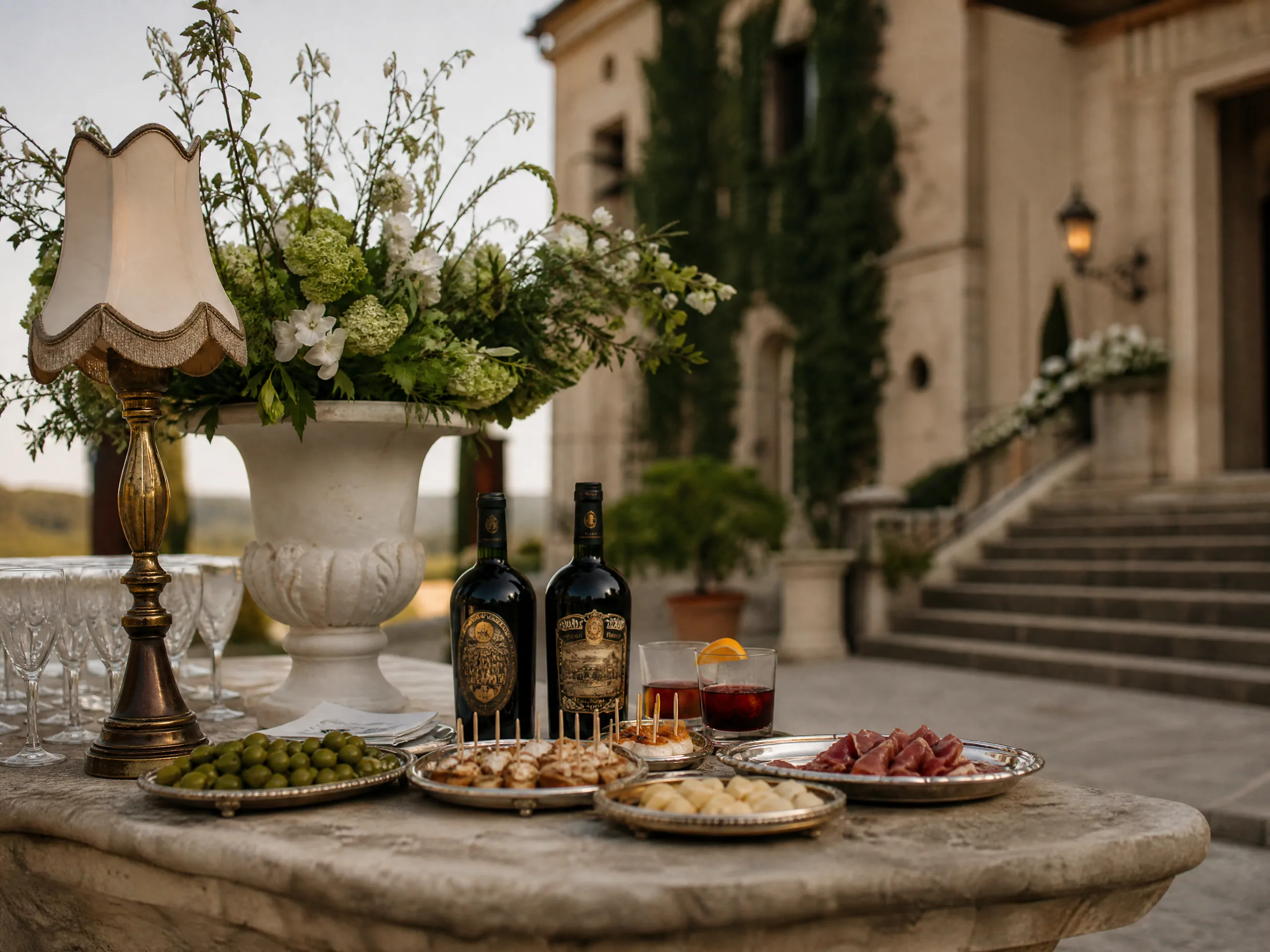
Build a Vermouth-and-Light-Bite Window Into the Timeline
Reserve 45–75 minutes for aperitivo after ceremony photos and before doors open for dinner. Classic Spanish cues—vermouth on ice, tonic, soft drinks, olives, chips, nuts, and a few cold bites—signal “settle in” without competing with the plated menu. If your venue leans coastal or estate-garden, place the station where shade and seating exist so older guests and jet-lagged travelers can land comfortably. Share the window in English and Spanish on signage: “Aperitivo / Light bites before dinner.”
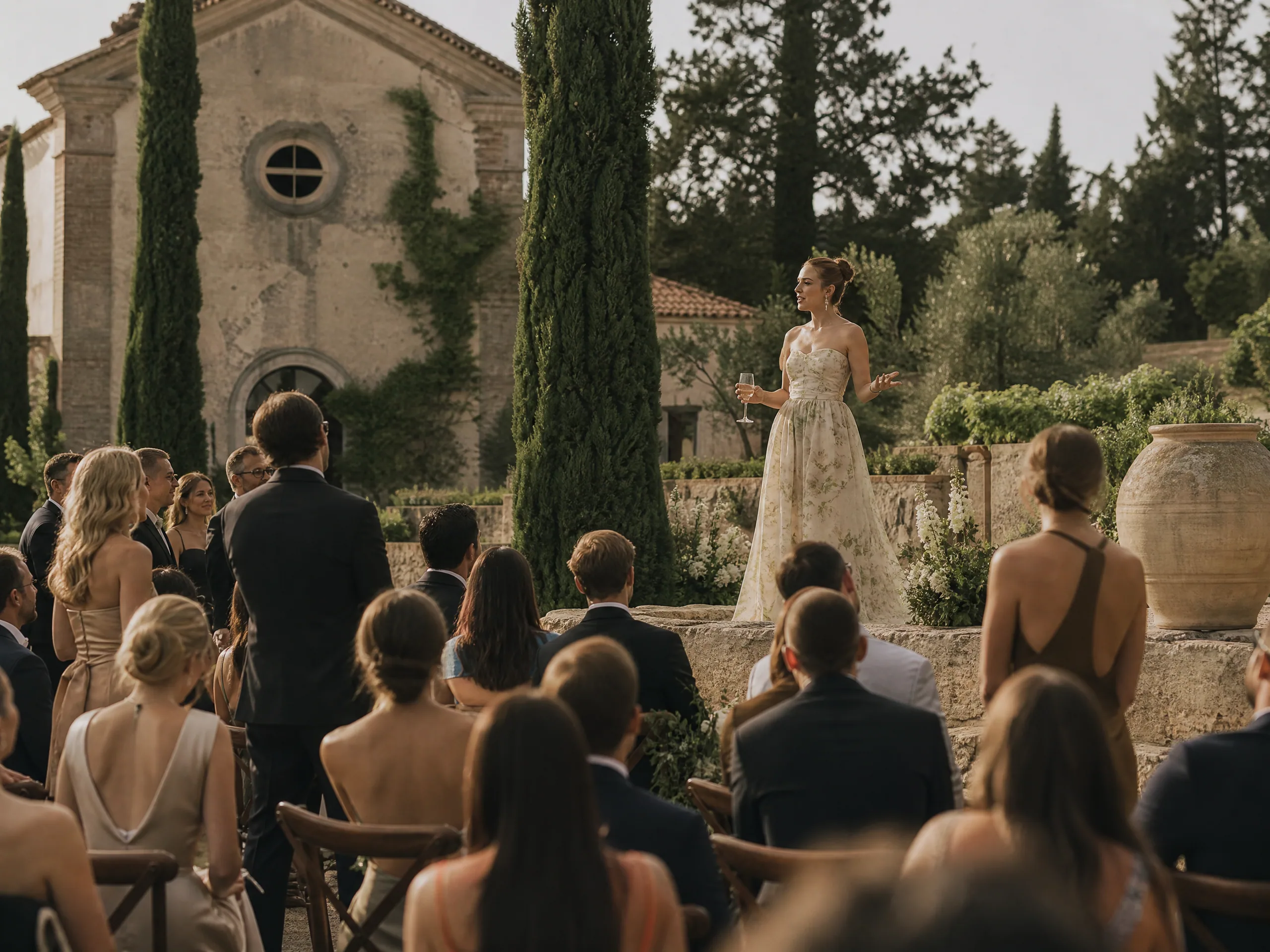
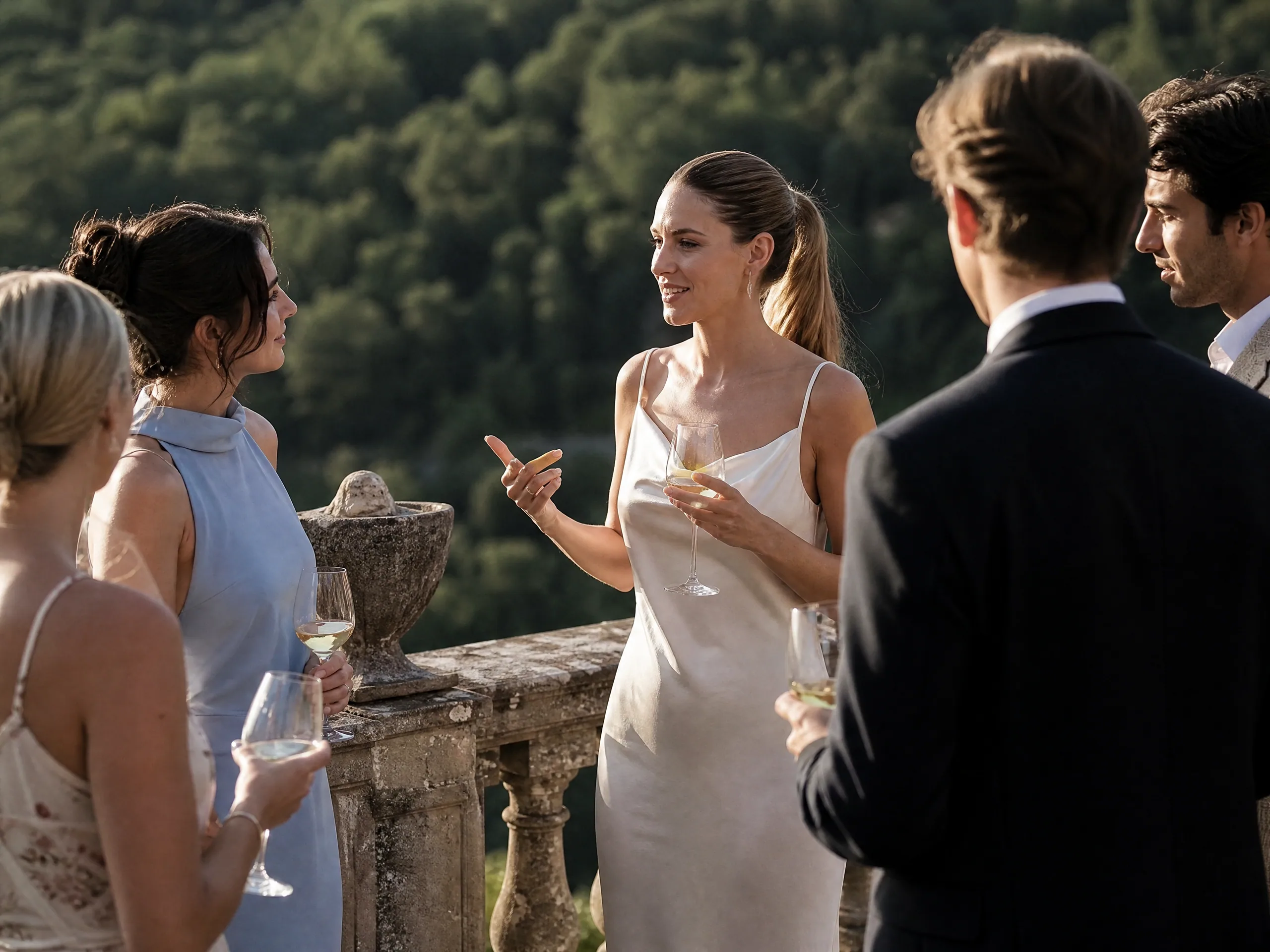
Brief Guests on What Aperitivo Is—and Is Not
Include two sentences in the welcome note or WhatsApp group: aperitivo is a social warm-up with drinks and small snacks; dinner is later and fuller. Suggest guests who need a heavier bridge eat a proper late lunch or early hotel snack before ceremony call times. Couples who skip this line invite a wave of “Is this all we’re eating?” questions at the bar. Clarity keeps the mood generous instead of anxious.
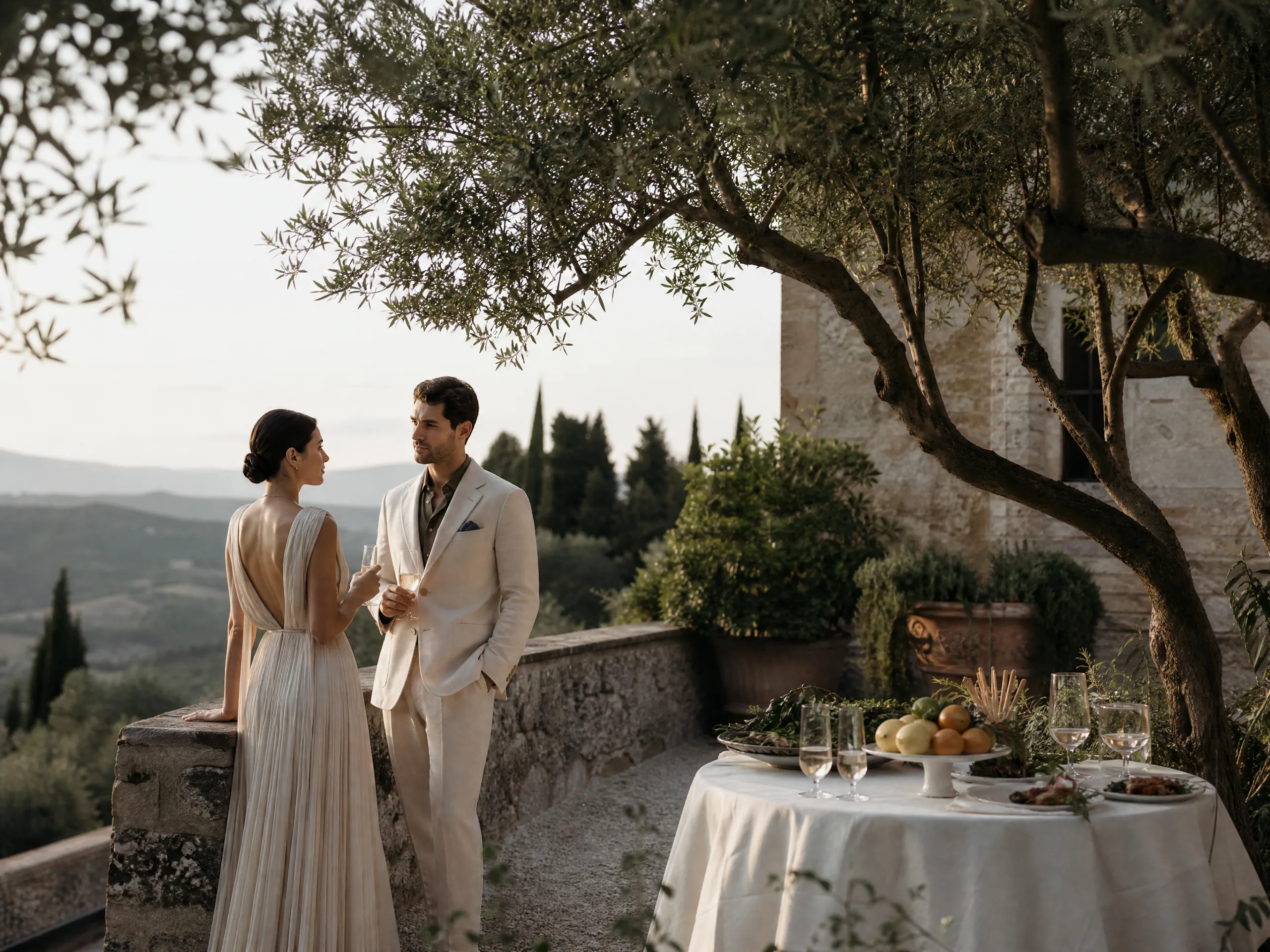
Menu Design: Keep Aperitivo Light Enough for a Late Dinner
Work with catering so aperitivo portions stay intentionally modest. Prioritize salty, acidic, and shareable items that wake the palate—citrus, olives, anchovy toasts, gazpacho shooters, cheese bites—over mini-burgers that steal appetite from the main service. Flag allergens on bilingual cards the same way you would for dinner. If children or non-drinkers are present, stock sparkling water, soft drinks, and a couple of zero-proof options so the hour feels inclusive.
Alcohol Pacing for Long Spanish Wedding Nights
Vermouth, wine, and beer during aperitivo plus cava toasts and a long open bar can overwhelm guests unused to Spanish timing. Train bar staff to offer water automatically, keep soft drinks visible, and avoid pushing doubles early. Couples can ask for a short “sip and settle” cue from the MC before dinner seating. Guests who understand the night runs late drink more slowly—and enjoy dancing more.
Seating, Shade, and Mobility During the Aperitivo Hour
Aperitivo fails when everyone stands in full sun with nowhere to rest. Provide mixed seating clusters, a few high-tops, and clear paths for accessibility. Place restrooms and water refill points on the wayfinding map. If the ceremony was outdoors at golden hour, add fans or shade sails so the first social block recovers energy instead of draining it. Logistics here matter as much as the drink list.
Coordinate Photo Blocks Without Starving the Guest Experience
Family formals often collide with aperitivo. Assign a planner or usher to rotate priority groups through portraits while the rest of the guest list starts drinks. Give the couple a 10-minute “guest hello” pass mid-aperitivo so hosts are seen before dinner doors. When portraits run long, ask catering to extend light bites rather than opening dinner cold. Guests forgive delayed doors more easily when snacks and communication stay steady.
Print the Sequence on Guest Materials
Timeline cards should show ceremony end, aperitivo location, dinner seating time, and approximate first-dance window. Avoid vague labels like “cocktails” if dinner is two hours later—use “aperitivo / vermouth hour” so expectations match Spain. Hotel front-desk sheets and welcome bags can repeat the same line for late arrivals. Consistent wording across WhatsApp, print, and signage prevents three different guest theories about when food arrives.
Planner Checklist Before You Lock the Bar Call
Confirm venue noise and alcohol service rules for the aperitivo terrace, staffing ratios for a slow-start bar, ice and glassware counts for warm evenings, and a rain plan that still offers shade or cover. Align kitchen timing so dinner is not rushed because aperitivo ran long. Brief ushers on how to answer “When do we eat?” with the printed time. When aperitivo is designed on purpose, international guests feel the Spanish rhythm instead of fighting it—and the dinner landing feels intentional.