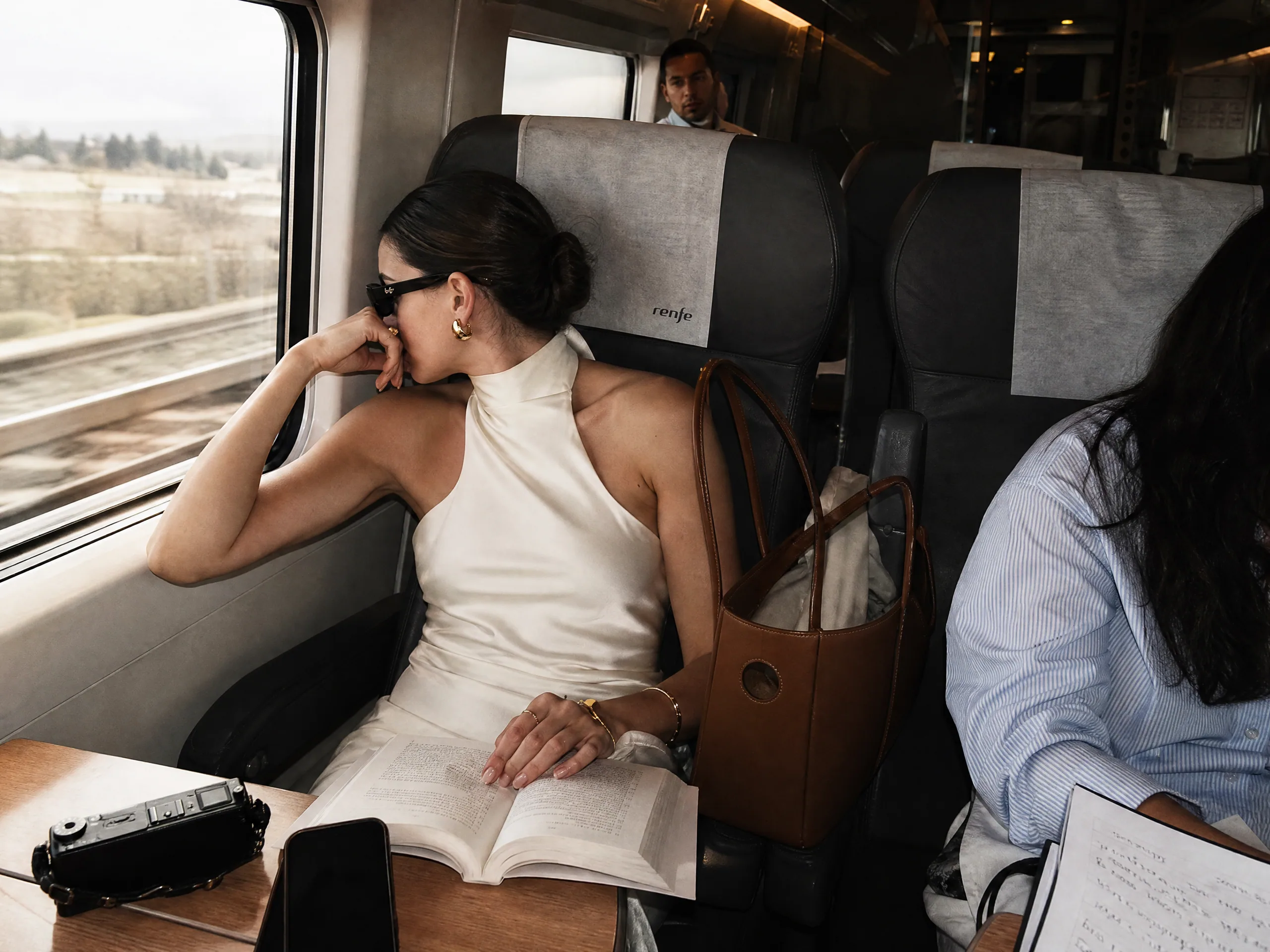
Spain’s high-speed rail network—Renfe’s AVE and competing operators on selected corridors—is one of the most practical ways for destination wedding guests to move between Madrid, Barcelona, Seville, Valencia, Málaga, and Córdoba without renting a car. For international guests, though, Spanish train booking is not “book the day before and hope.” Seat maps fill, advance fares disappear, and a missed connection can cascade into late arrivals at the welcome dinner.
This guide is for couples and planners hosting multi-city or fly-into-one-city destination weddings in Spain who need a clear guest brief: when to buy tickets, which train class to choose in formalwear, how station transfers work, and what to do when a strike notice or delay hits mid-weekend.
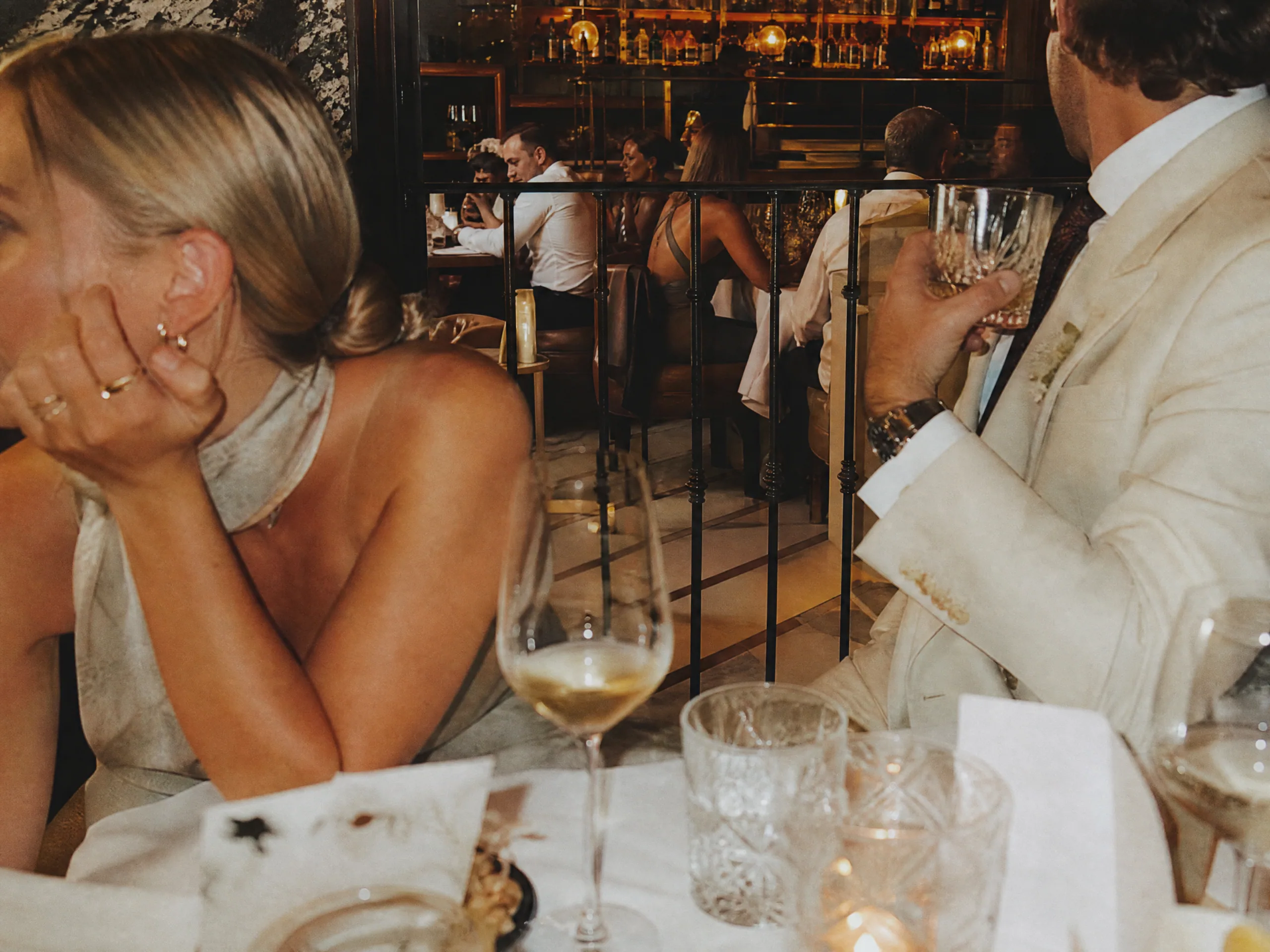
Why Spanish high-speed rail needs a guest brief
Guests from the US often assume Spanish trains behave like Amtrak; guests from the UK compare them to UK rail; guests from Northern Europe expect Swiss-level punctuality and flexible ticket changes. Spain’s high-speed product is excellent—fast, frequent on major corridors, and usually cheaper than last-minute flights—but it rewards early booking and clear station logistics.
Without a brief, guests buy the wrong station pair, arrive at the wrong terminal, or schedule a train that lands 20 minutes before ceremony call time with no buffer for luggage, taxis, or rural transfers.
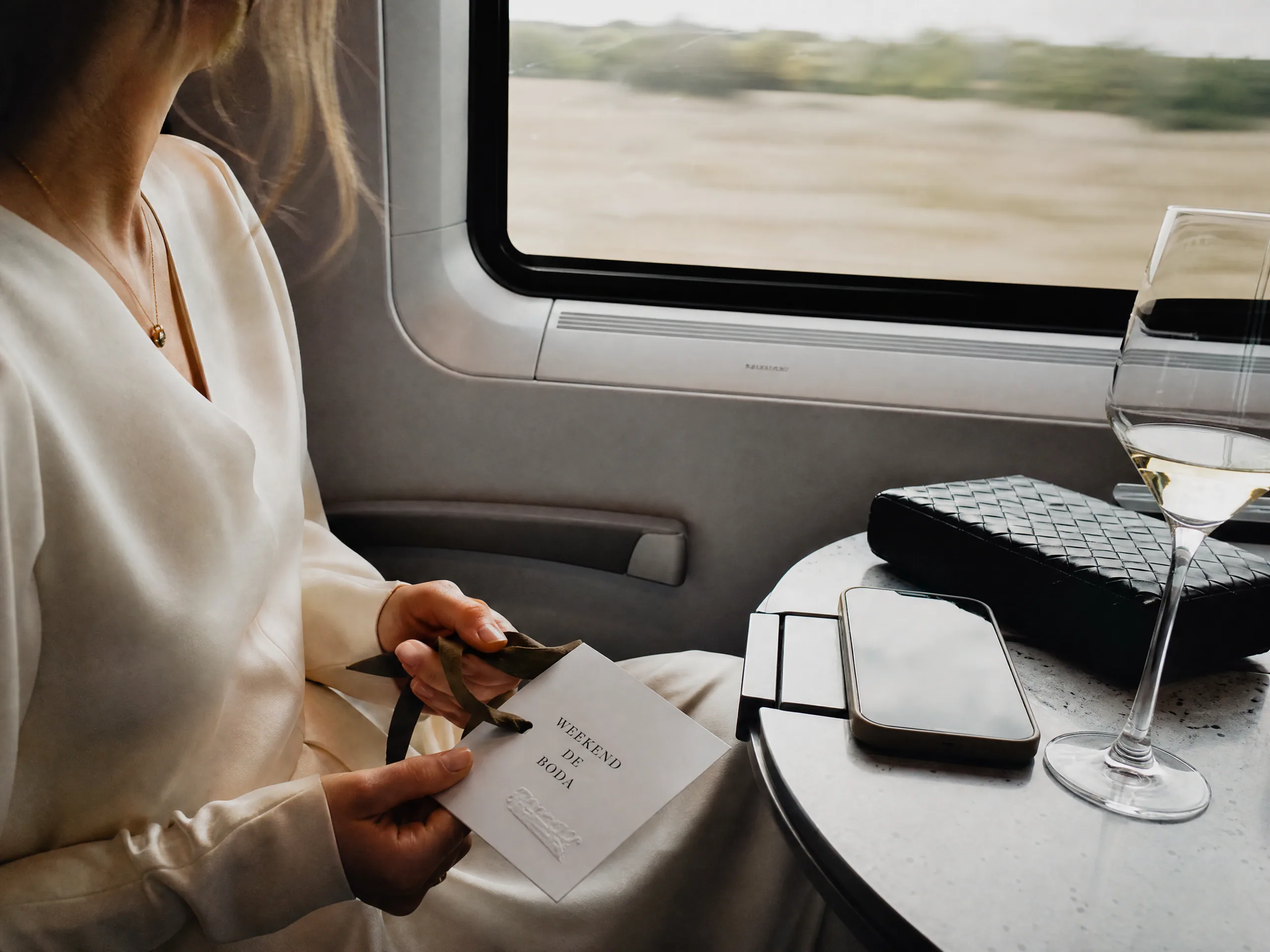
Map the fly-in city versus the wedding city
Many Spain wedding weekends split airports and venues: fly into Madrid or Barcelona for price and frequency, then take AVE south or east to Andalusia, Valencia, or another region. Put the recommended airport → train → hotel path in the guest portal, not only the venue pin.
State the exact station names in Spanish and English where helpful—for example Madrid Puerta de Atocha–Almudena Grandes, Madrid Chamartín Clara Campoamor, Barcelona Sants, Sevilla Santa Justa, Málaga María Zambrano, Valencia Joaquín Sorolla. Wrong station selection is a common international-guest error.

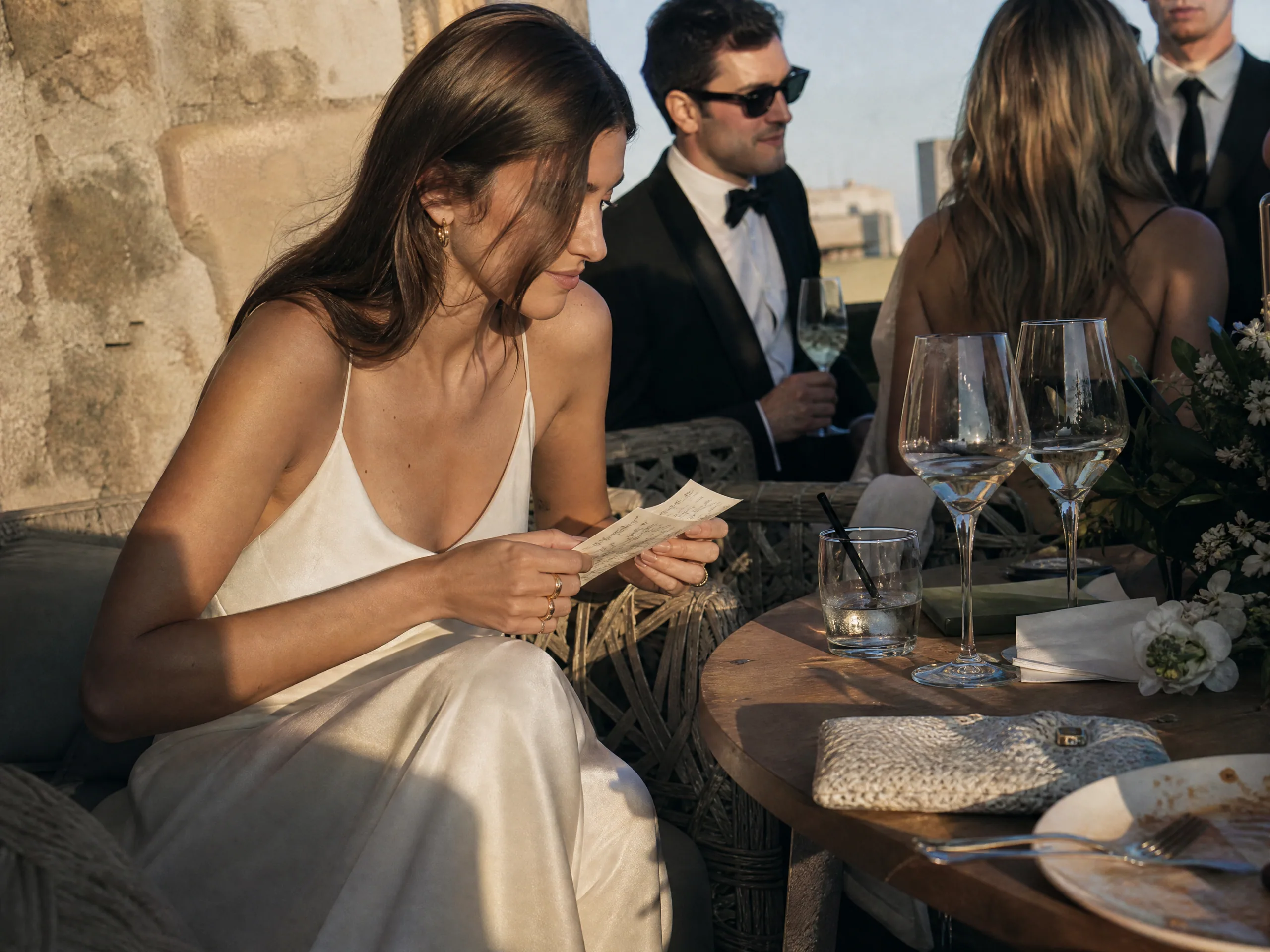
Book early: fare windows that matter
Advise guests to lock long-distance AVE seats as soon as travel dates are firm—ideally when they book flights, not the week of the wedding. Promo and advance fares sell out on popular Friday and Sunday afternoon trains, especially around Spanish bank-holiday puentes and summer Saturdays.
Ask guests to screenshot confirmation numbers and save QR boarding passes offline. Rural estates with weak signal are a poor place to discover a ticket app that will not load.
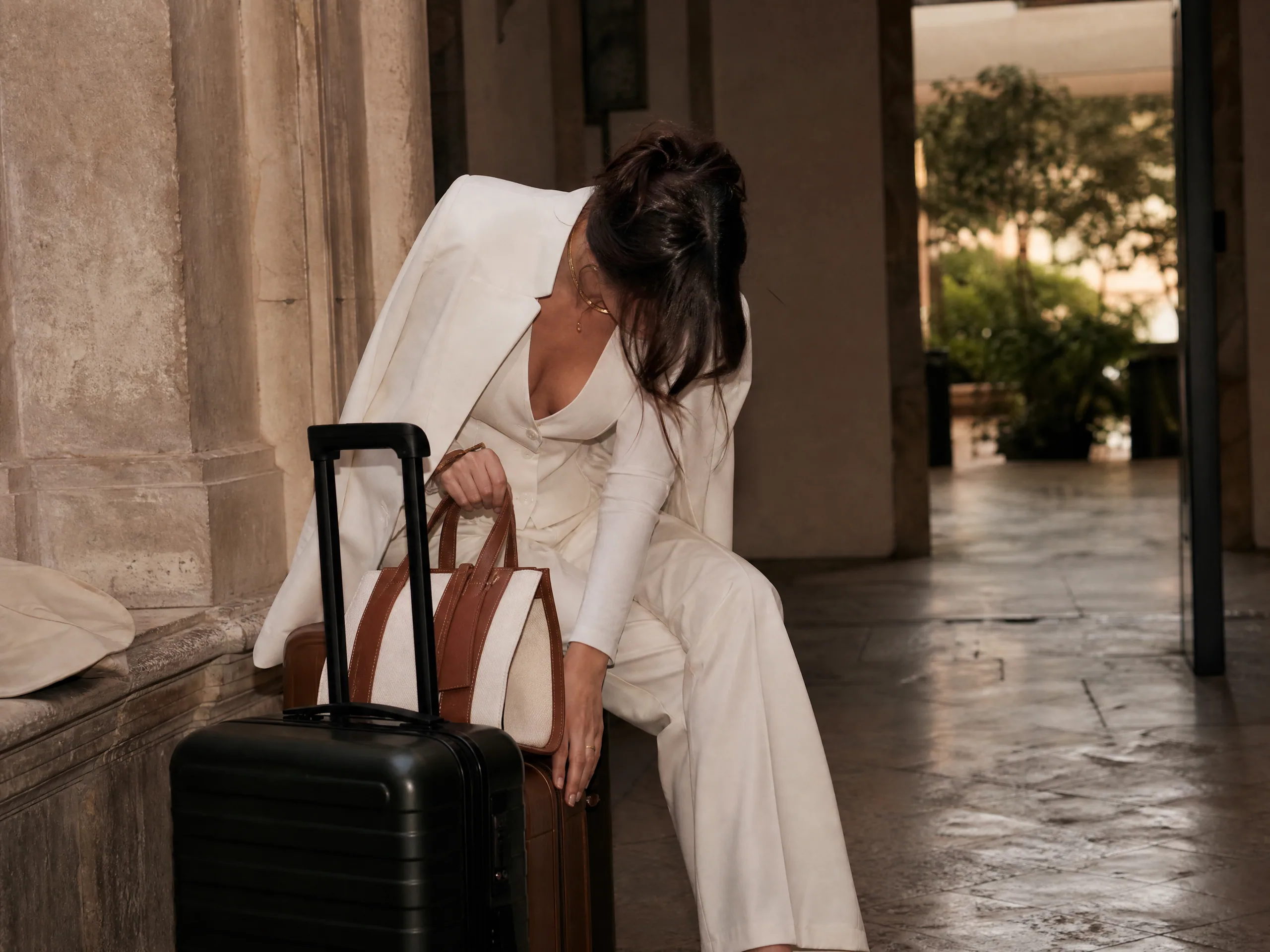
Choose class and luggage with formalwear in mind
Standard (Turista) is fine for most guests; Preferente or similar premium classes can be worth it for older relatives, anyone traveling with garment bags, or groups who want quieter cars and more predictable seating. Mention that garment bags and hard cases still need to fit overhead or in vestibule racks—there is no airline-style checked hold.
Remind guests packing black-tie or delicate fabrics to keep a soft carry-on for the train day and not rely on fragile hanging storage in crowded aisles.
Build buffers around ceremony and dinner call times
Never schedule guests to arrive at the wedding-city station with only a short taxi hop before formal call times. Build a buffer for: train delay, station exit navigation, luggage reclaim from racks, taxi queue, and the last rural stretch if the venue is outside town.
For welcome dinners and farewell brunches, publish a “latest recommended arrival train” and a “earliest sensible departure train” so guests do not invent aggressive connections.
Station-to-venue transfers after the train
High-speed rail solves the intercity leg; it does not solve the last mile. Pair train guidance with a transfer plan: pre-booked private transfers, a shuttle meeting point with a sign and WhatsApp ping, or clear ride-hailing notes for the specific station exit.
For group arrivals on the same train, designate one greeter or driver contact so twelve guests are not each negotiating separate taxis in formalwear.
Ticket changes, name rules, and who holds the booking
Spanish long-distance tickets often carry passenger names and change/refund rules that vary by fare type. Tell guests whether they should book individually or whether the couple/planner will hold a block of seats for key family members.
If elders or non-Spanish speakers are traveling, assign a bilingual point person to handle change requests rather than leaving them alone with a ticket app during a delay.
Strikes, delays, and backup plans
Spain occasionally sees transport disruption notices. Your guest brief should already include a backup: alternate later trains, a same-day flight option on the corridor if relevant, or an emergency private-transfer contact for VIP family. Link this to your wider strike contingency messaging rather than inventing a new channel mid-crisis.
On the wedding weekend, designate who monitors Renfe alerts and who texts the group if a key arrival train slips.
What to put in the guest portal
Keep the rail brief short and operational: recommended fly-in city, exact station names, “book by” date, class suggestion, latest arrival train for each major event, meeting point for transfers, QR/offline pass tip, and emergency contact. Avoid dumping a full Spanish rail encyclopedia onto the welcome page.
One clear corridor map plus three bullet timelines beats a long essay guests will skip on the airport Wi-Fi.
How Kudrya Studio helps
At Kudrya Studio we plan destination wedding weekends in Spain with guest logistics as part of the creative brief—not an afterthought. That includes intercity rail timing, station-to-estate transfers, and the guest-portal language that keeps international travelers calm when the weekend spans more than one city.
If your Spain celebration needs a rail-and-transfer plan that matches ceremony call times, tell us where guests land and where they celebrate—we will help you brief the journey as carefully as the aisle.