
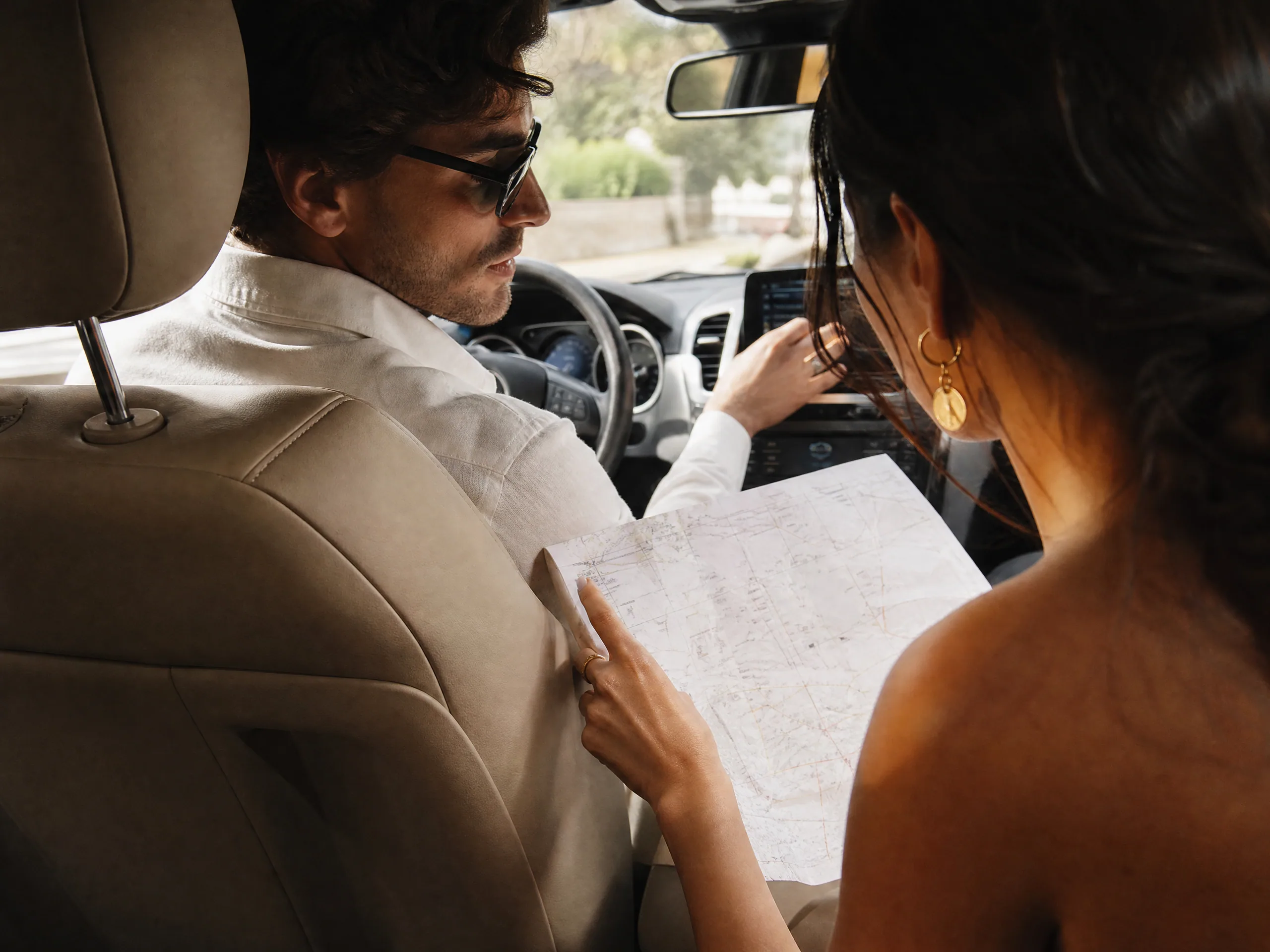
Spain’s motorways are fast, scenic, and quietly expensive for guests who have never met a peaje booth. International friends often rent a car for a rural estate weekend, follow the fastest GPS route, then discover cashless toll lanes, Via-T stickers they did not order, and a post-rental invoice that arrives weeks later. A clear toll brief keeps wedding logistics graceful—and keeps the group chat free of “why did my card just get charged?” surprises.
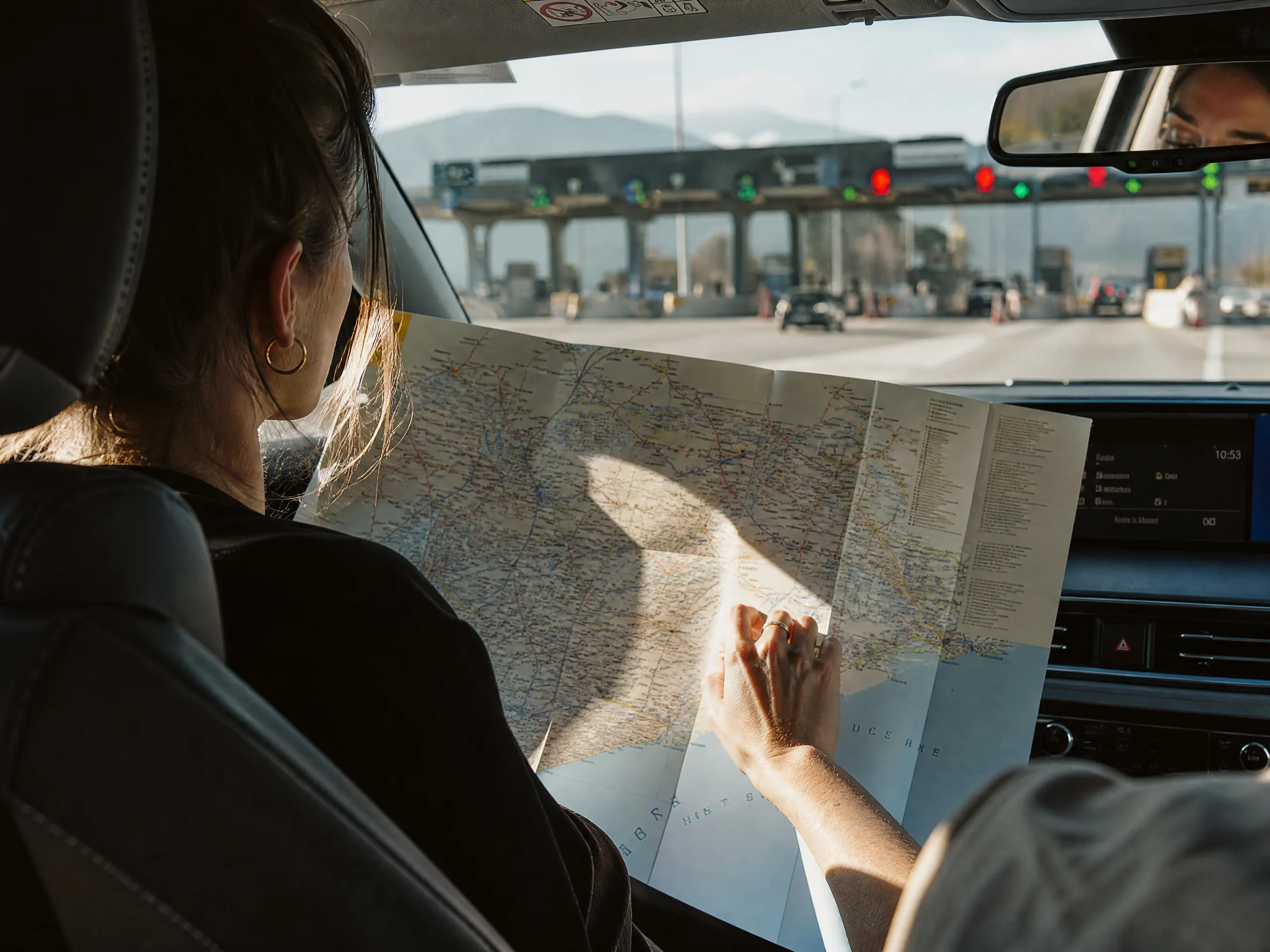
Why Spanish tolls need their own guest brief
Home-country driving habits do not translate cleanly here. Some Spanish AP motorways are tolled end to end; others free until a specific tunnel, bridge, or coastal stretch. Guests who expect US-style EZ-Pass ubiquity, UK congestion-zone rules, or fully free EU autoroutes can panic at the first barrier. When the only instruction is “drive to the finca,” people pick the fastest route, miss the cash lane, or reverse dangerously at a plaza. Treat peajes as part of the weekend plan, not a footnote.
What peajes are—and where they appear on wedding weekends
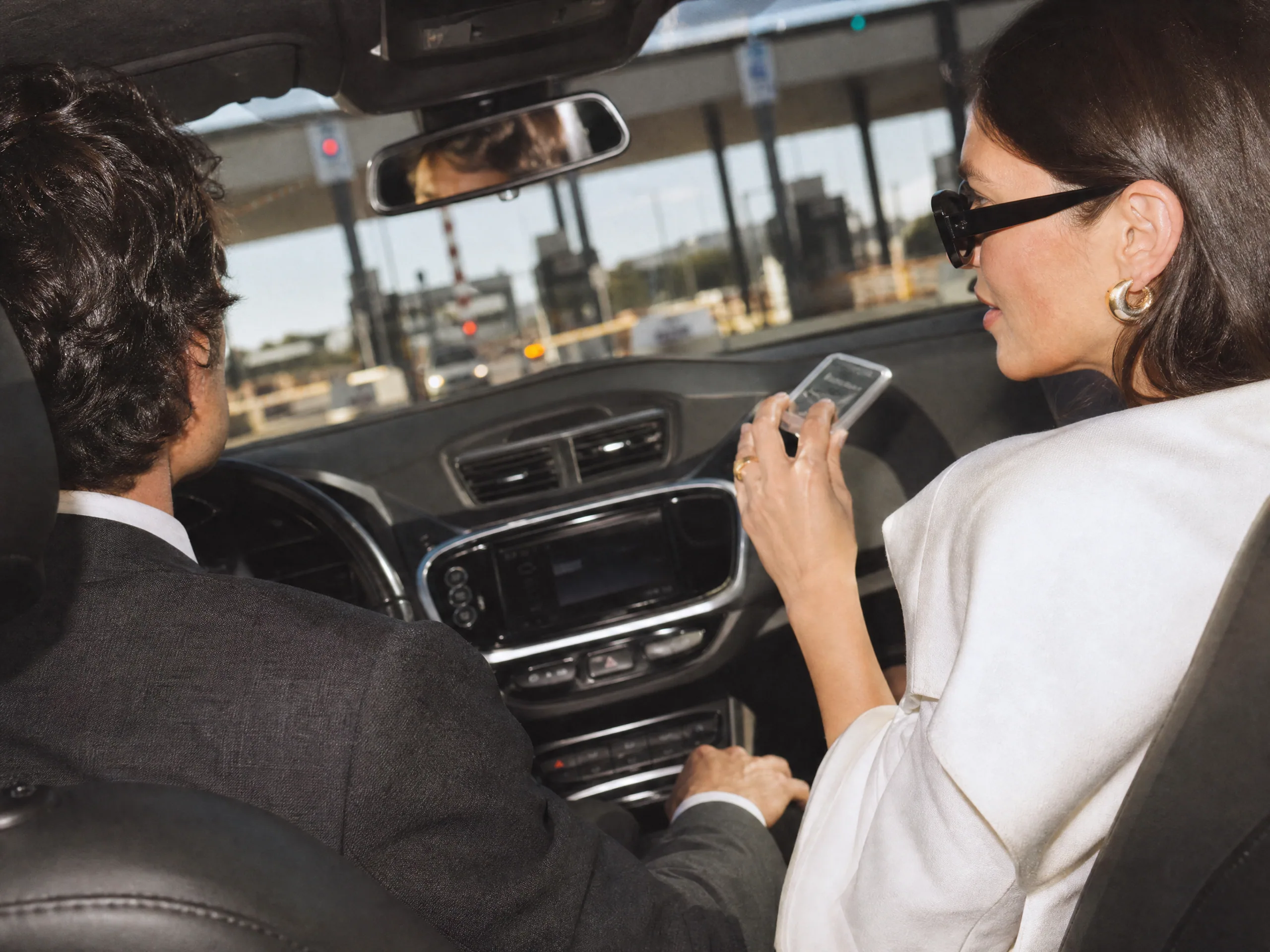
Peaje means toll. On wedding weekends, guests hit them most often on airport-to-estate corridors, coastal APs between hotel towns, and inland motorways linking Barcelona, Madrid, Valencia, Málaga, or Bilbao hubs to countryside venues. Scenic N or C roads may be slower and toll-free; the AP alternative can save forty minutes and cost several euros per car. Tell guests which route you prefer for ceremony call times versus leisurely welcome-day drives.

Via-T, telepeaje, and rental-car toll packages
Via-T (telepeaje) is Spain’s electronic toll tag system. Many rentals offer an optional tag or “toll package” that lets the car use dedicated lanes and bills tolls to the rental contract later. That convenience is excellent for tight shuttle-replacement drives—and confusing when guests decline the package, still enter a Via-T-only lane, and trigger administrative fees. Brief guests: accept the tag if they will use AP roads daily, or decline it and commit to staffed/card lanes only.
Cash, card, and lanes that trap tourists
Plaza signage separates Via-T, cards, and occasional cash. Not every booth still takes notes; not every card terminal loves every foreign chip-and-PIN. Guests should keep a backup payment method, avoid the left-most telepeaje lanes unless the car has a working tag, and never reverse out of a barrier once the arm is down. If a guest is wave-through on a tag they thought they declined, have them photograph the plaza name and time so the rental invoice can be checked later.
Shared cars, split costs, and who owns the invoice
Destination weekends often mean one cousin drives four people. Decide in advance whether tolls are a couple-covered welcome expense, a shared float in the group chat, or each driver’s responsibility. Rental invoices can land after guests fly home, with tolls plus processing fees. Put the rule in writing: primary driver keeps receipts or screenshots, and any disputed plaza charge goes through the rental company—not the hotel front desk on checkout morning.
Airport pickup drives and first-day toll surprises
Jet-lagged arrivals are when toll mistakes happen. GPS defaults to the fastest AP route from the airport; guests in formalwear-adjacent travel clothes fumble for cards while a queue builds behind them. Send a first-drive note with the recommended route, expected peaje count, and whether to buy the rental toll package at the desk before leaving the lot. If you are providing meet-and-greet transfers, say so clearly so guests do not rent a car “just for the airport leg.”
Rural estates: AP speed versus scenic free roads
Private estates love being twenty minutes off the motorway—and that last stretch is usually free. The cost lives on the AP approach. For rehearsal nights and ceremony mornings, recommend the tolled route if it protects call times; for free-afternoon sightseeing, offer the scenic alternative. Pin both in the guest map pack so nobody argues with the GPS while already late for family formals.
When shuttles beat rental cars on toll-heavy corridors
If most hotels sit on one side of a tolled coastal AP and the venue sits on the other, a couple-funded shuttle often costs less stress than twelve separate peaje transactions. Rentals still make sense for day trips and staggered arrivals; ceremony and late-night returns are where buses shine. Spell out which legs are shuttle-only so guests do not abandon a rented car in a village with no overnight parking plan.
What to put in the guest driving and toll brief
Include: preferred airport-to-hotel route, whether Via-T/toll packages are recommended, expected peaje stops, payment methods that work, a no-reverse-at-barriers reminder, cost-splitting rules for shared cars, and a contact for rental-invoice questions after the weekend. Add one line in Spanish for local drivers helping international friends. Clear tolls feel invisible; unclear tolls become the loudest story of the drive.