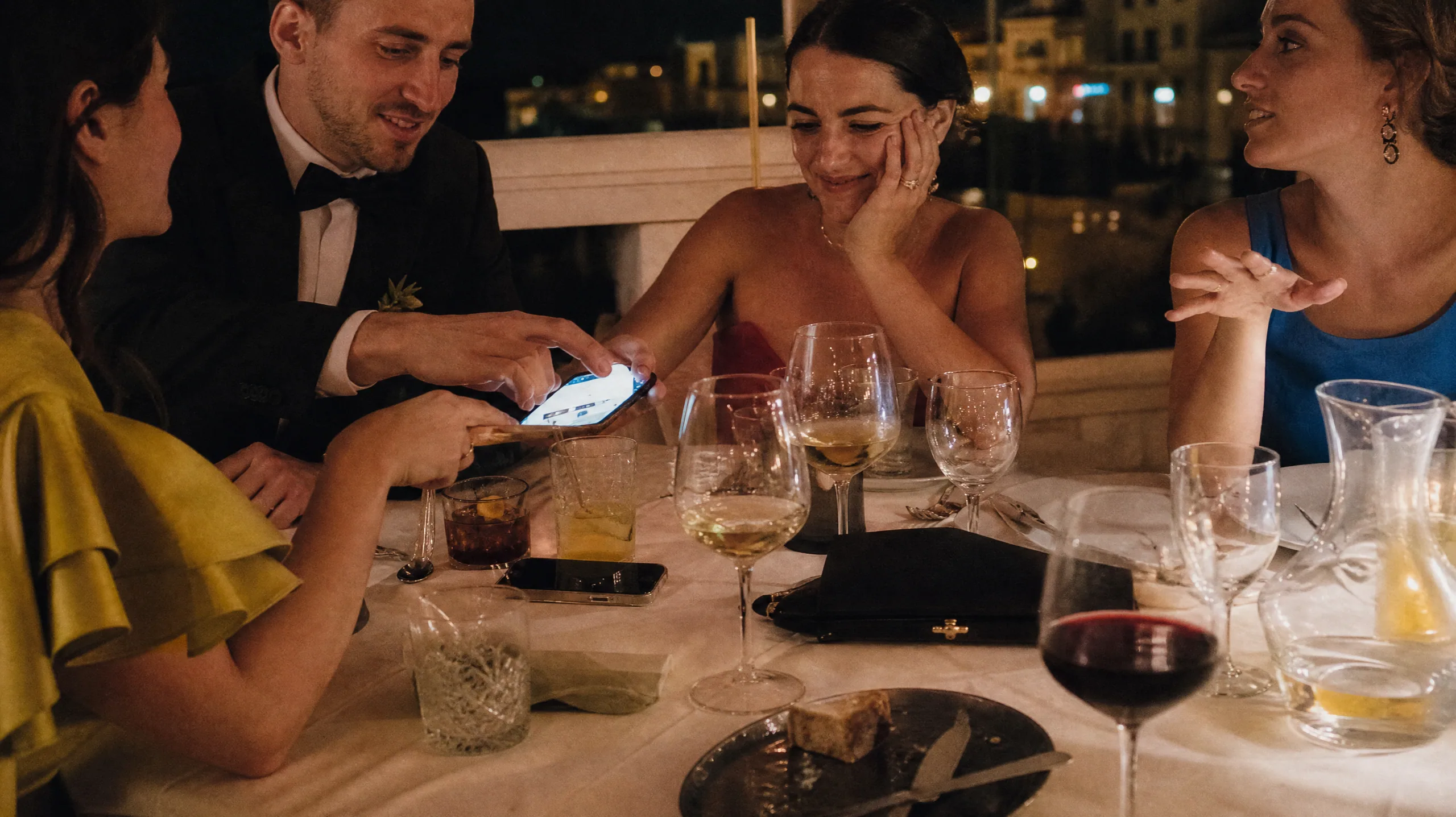
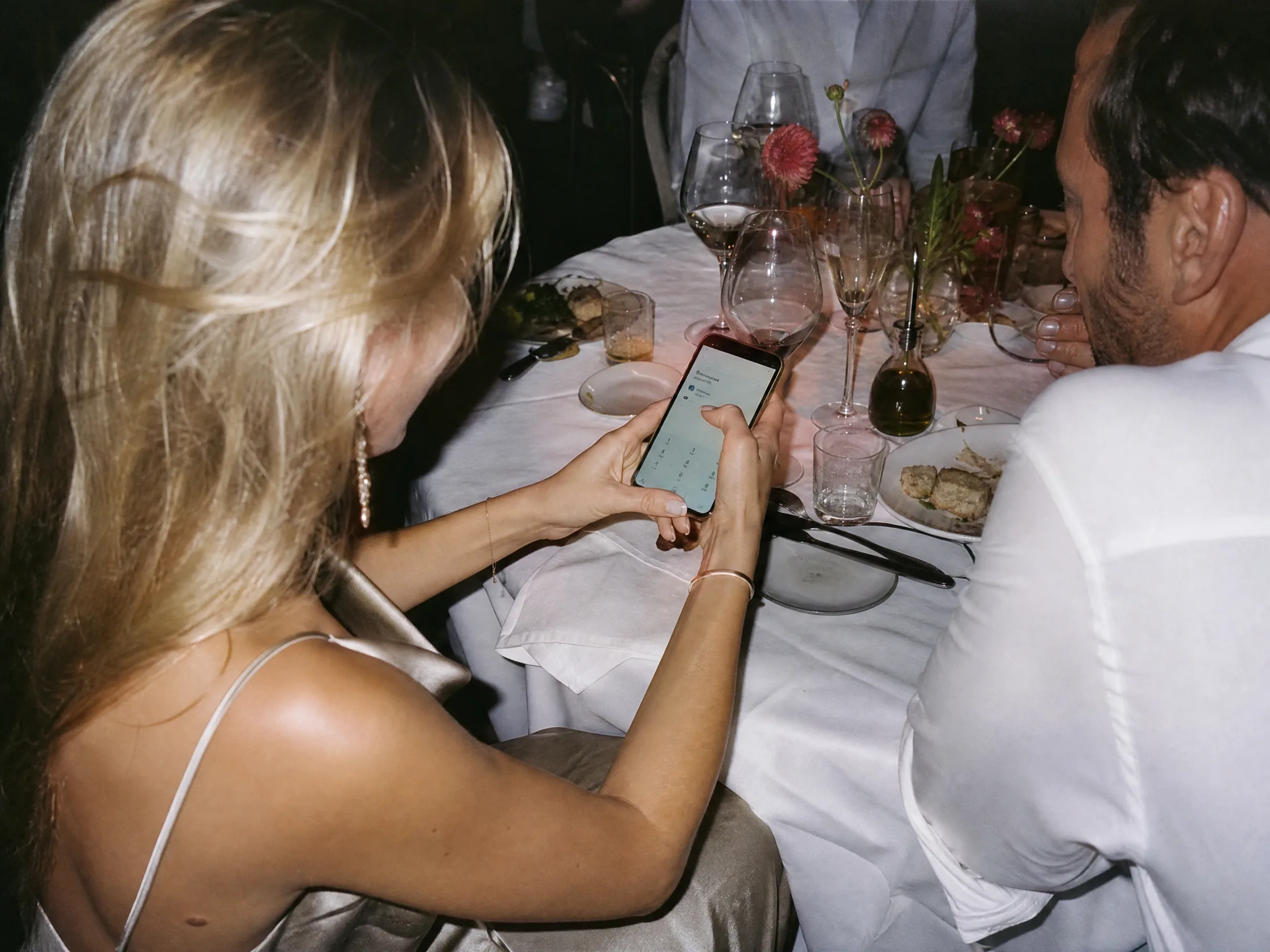
International guests at a Spanish destination wedding weekend often hit an unexpected pause at the end of a welcome dinner: locals reach for Bizum, the table wants to split the check, and travelers with foreign cards stare at an app they cannot install. The meal was warm; the payment moment feels awkward. A short logistics note in your guest portal prevents that silence from becoming the night’s lasting memory.
This guide is for hosts and coordinators writing practical payment briefings for US, Canadian, UK, Australian, and other international travelers. It covers what Bizum is, who can use it, how to set group-dinner rules before anyone sits down, and how to keep welcome meals, free-afternoon lunches, and post-wedding brunches moving without turning your cousin into an unpaid accountant.
Explain Bizum in one plain sentence
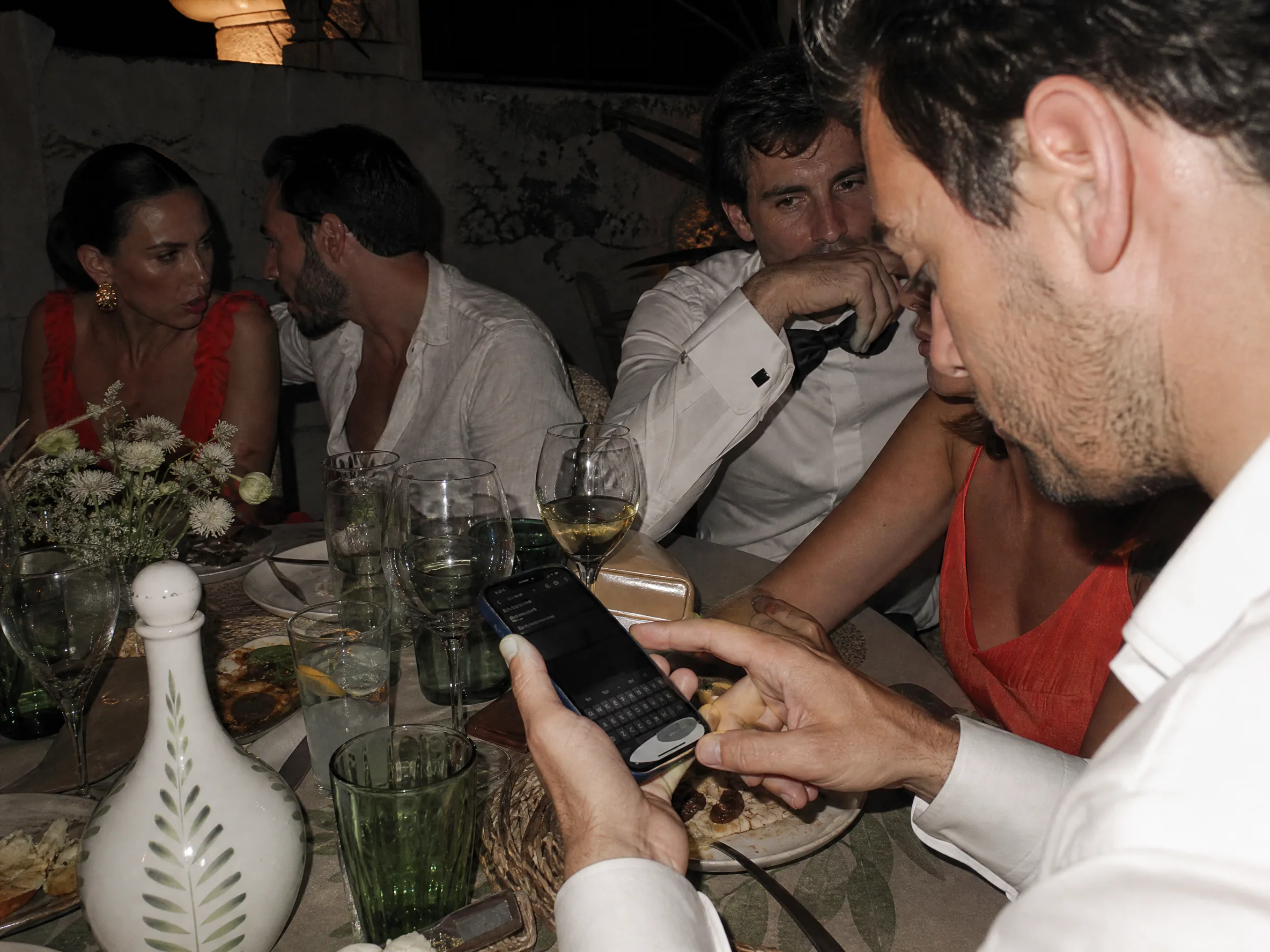
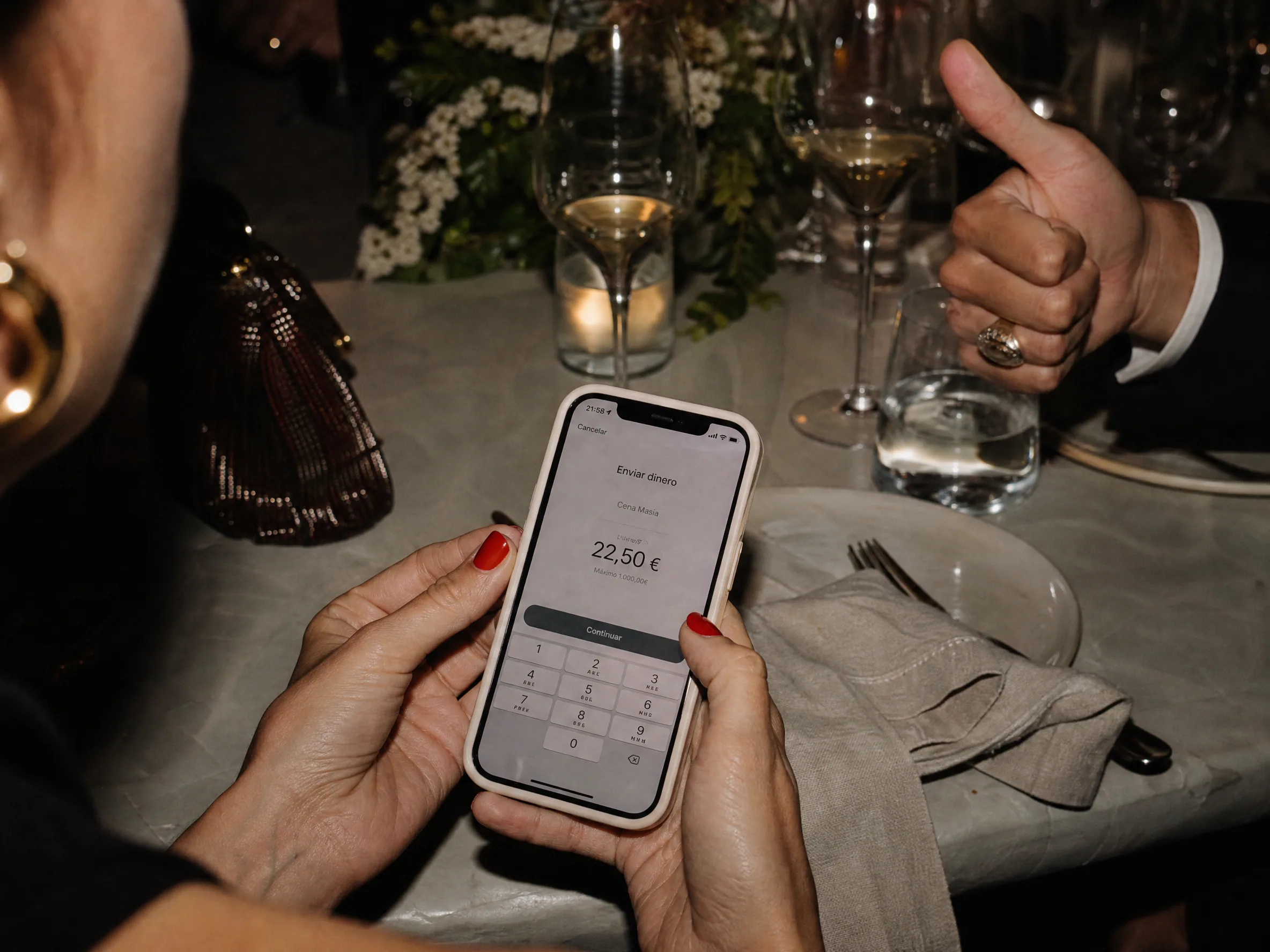
Tell guests that Bizum is a Spanish bank-linked instant payment tool most locals use to send small amounts between friends—useful for splitting dinners, but not a universal app every international traveler can open on arrival. One plain sentence in the welcome email is enough: “Some Spanish guests may offer to Bizum their share; if you do not have a Spanish bank account, you will not use Bizum—use the fallback below instead.”
Avoid jargon-heavy explanations about SEPA rails or bank partnerships. Guests need a decision rule, not a fintech lecture. If they leave the paragraph knowing Bizum is optional and Spain-specific, the briefing already worked.
Clarify who can use Bizum—and who cannot
Bizum generally requires a participating Spanish (or supported) bank account and phone number setup completed before the trip. US and many other foreign cards do not unlock Bizum at the table. Guests who recently opened a Spanish fintech account may have it; most flying in for the wedding will not.
Publish that boundary explicitly so Spanish friends do not keep asking international guests for a Bizum username, and so non-Spanish guests do not feel broken for declining. Frame it as infrastructure, not skill: “If your banking is outside Spain, skip Bizum and use the group fallback.”

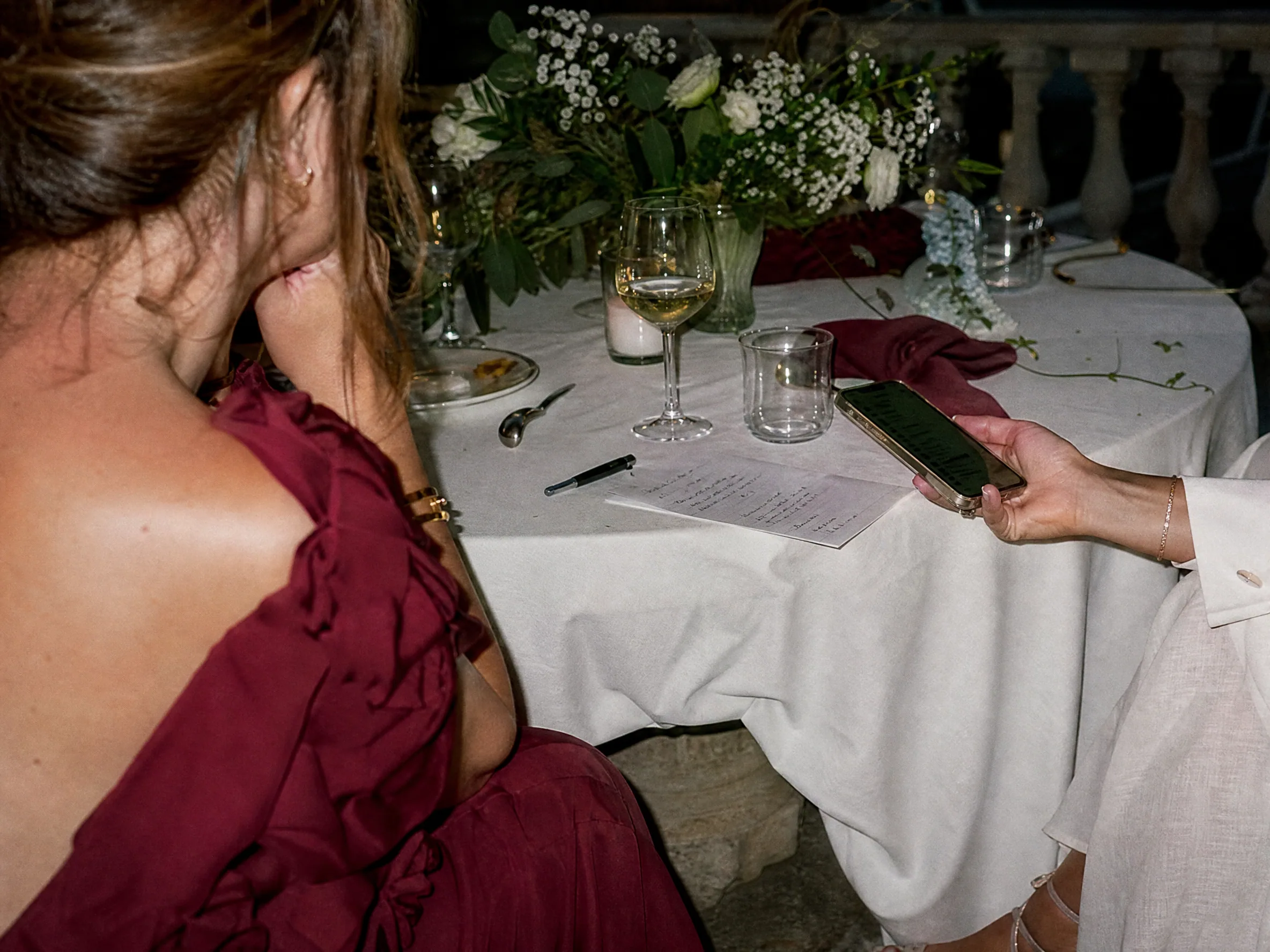
Publish a non-Bizum fallback before the first shared meal
Every multi-day wedding weekend needs one published fallback that works for foreign cards and cash. Common patterns: one designated payer settles with a card and collects reimbursements later via each guest’s familiar method (Venmo, PayPal, Wise, bank transfer, or cash), or the restaurant splits by card where the POS allows multiple payments.
Write the fallback as a named plan in the guest portal—“Welcome dinner: Ana pays; reimburse Ana within 24 hours using the method you already use at home”—so the table does not invent process under fluorescent light while the server waits. If you expect large welcome dinners, confirm with the restaurant in advance whether they can run multiple cards; many can, some prefer a single ticket.
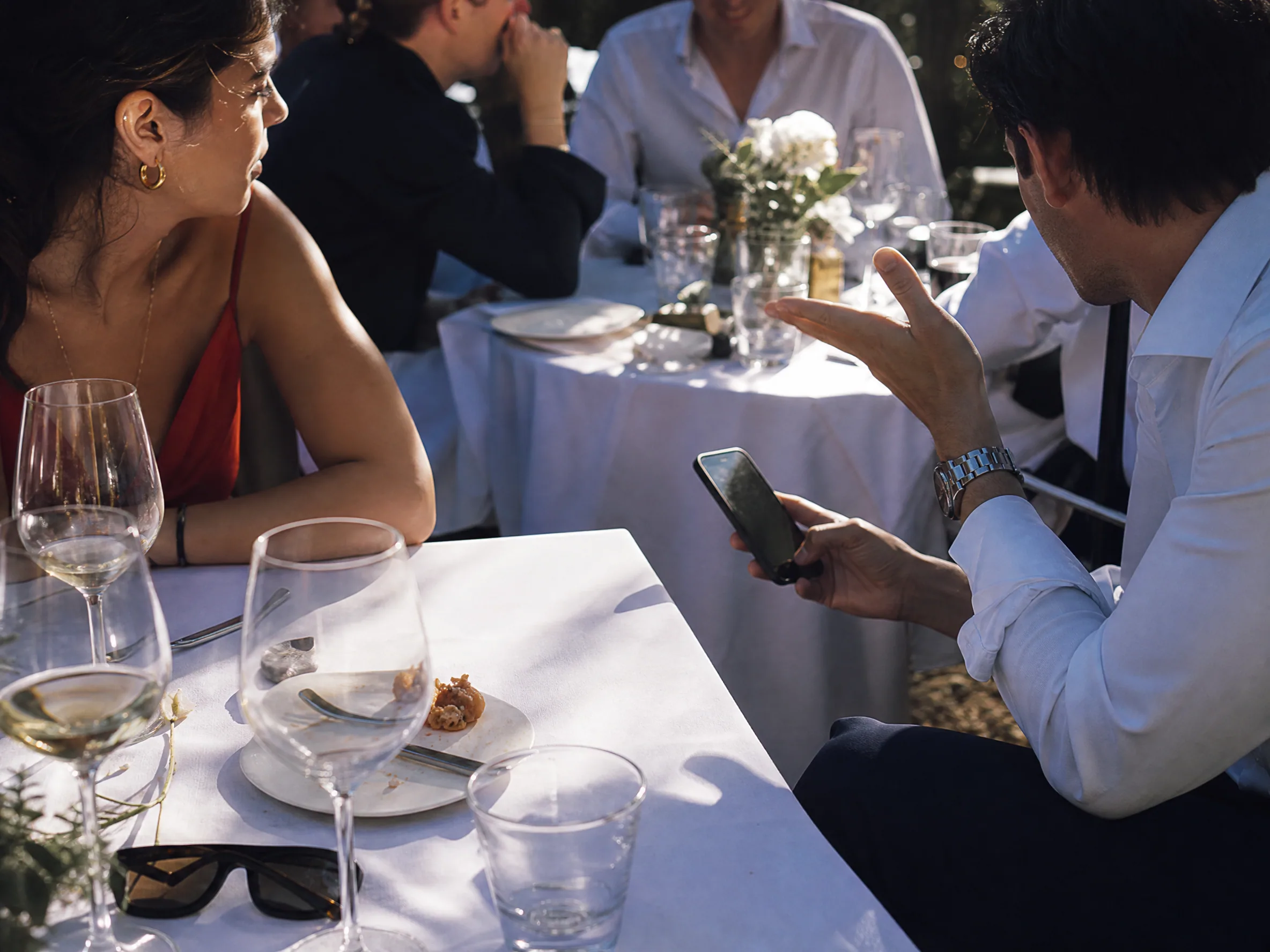
Set group-dinner bill rules before anyone sits down
Ambiguity creates the worst checks. Decide and publish: Is the welcome dinner hosted (couple or family pays)? Is it guest-pay equal split? Are drinks separate? Are kids’ meals handled differently? Put the rule in the same place as the restaurant pin and reservation time.
Equal split is simplest when the menu is shared-tapas style; itemized fairness fights are harder after two bottles of wine. If the couple is hosting, say so twice—once in the invitation logistics and once in the day-of reminder—so guests do not awkwardly open payment apps for a meal that was never meant to be split.
Choose a designated payer and a reimbursement path
When guests are paying, appoint one calm designated payer per table or per meal—ideally someone bilingual or already comfortable with Spanish receipts (factura). Give them the restaurant name, reservation surname, and approximate headcount. Everyone else owes that person, not the venue.
Reimbursement should use tools international guests already trust. Do not invent a new app for the wedding. A single spreadsheet row or WhatsApp note—“owed / paid”—keeps the designated payer from chasing people during ceremony prep. Set a reimbursement deadline (for example, before the next shared meal) so debts do not trail into Sunday brunch.
Brief guests on cards, cash, and tip norms at shared tables
Most Spanish restaurants accept cards; some smaller bars still prefer cash for tiny tabs. Contactless foreign cards usually work, but chip-and-PIN and occasional declines still happen—especially with certain US banks abroad. Suggest guests alert their bank before travel and carry a modest euro cash buffer for cafés, taxis, and stubborn terminals.
On tipping at shared meals: Spain does not follow US percentage norms. A small round-up or modest tip for excellent service is appreciated; guests should not stage a debate over 20% while the check is open. If your group includes Americans used to automatic tipping culture, one line in the portal prevents both over-tipping awkwardness and under-tipping assumptions.
Handle welcome dinners, free afternoons, and brunch differently
Not every meal needs the same payment script. Hosted welcome dinners should say “hosted.” Free-afternoon clusters exploring a mercado or tapas street should default to “pay as you go / small separate tickets.” Post-wedding brunch can be hosted, partially hosted, or guest-pay—just do not leave it implied.
For spontaneous free-afternoon groups, encourage separate tickets whenever the venue allows. It removes Bizum from the critical path. Save designated-payer logistics for reserved long tables where one check is inevitable.
What to do when the check arrives and half the table is confused
If confusion starts, the designated payer (or host) should narrate one sentence: “I’m settling the full ticket; please send me your share by tonight using our fallback.” Then stop the app-comparison circle. Asking the server to split six ways while people negotiate Bizum vs Venmo is how a forty-minute dinner becomes a seventy-minute exit.
If a guest cannot reimburse immediately, note it and move the group outside so the restaurant can turn the table. Wedding weekends run on shuttle windows and beauty appointments; payment friction should never steal the next logistics block.
Add payment lines to the guest-portal checklist
Include a compact checklist block: hosted vs guest-pay for each major meal; designated payer names; non-Bizum fallback method; whether the restaurant can split cards; cash buffer suggestion; reimbursement deadline. Link the restaurant pin and reservation surname in the same card.
When payment rules are as clear as shuttle times, international guests stop apologizing for not having Bizum—and Spanish guests stop trying to collect usernames that will never exist. That is the whole goal: a warm table, a clean exit, and no one doing currency math during the toast.