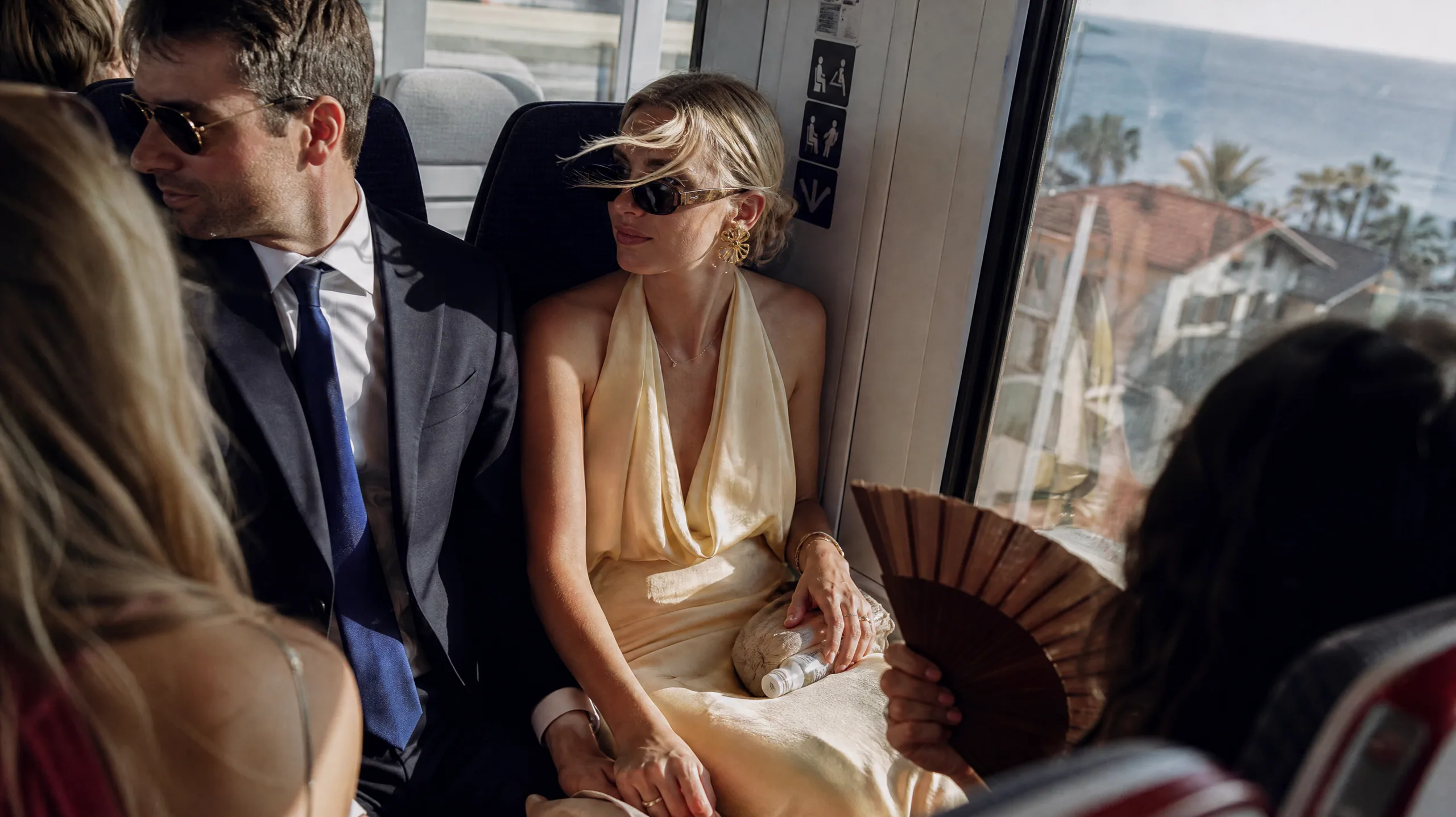
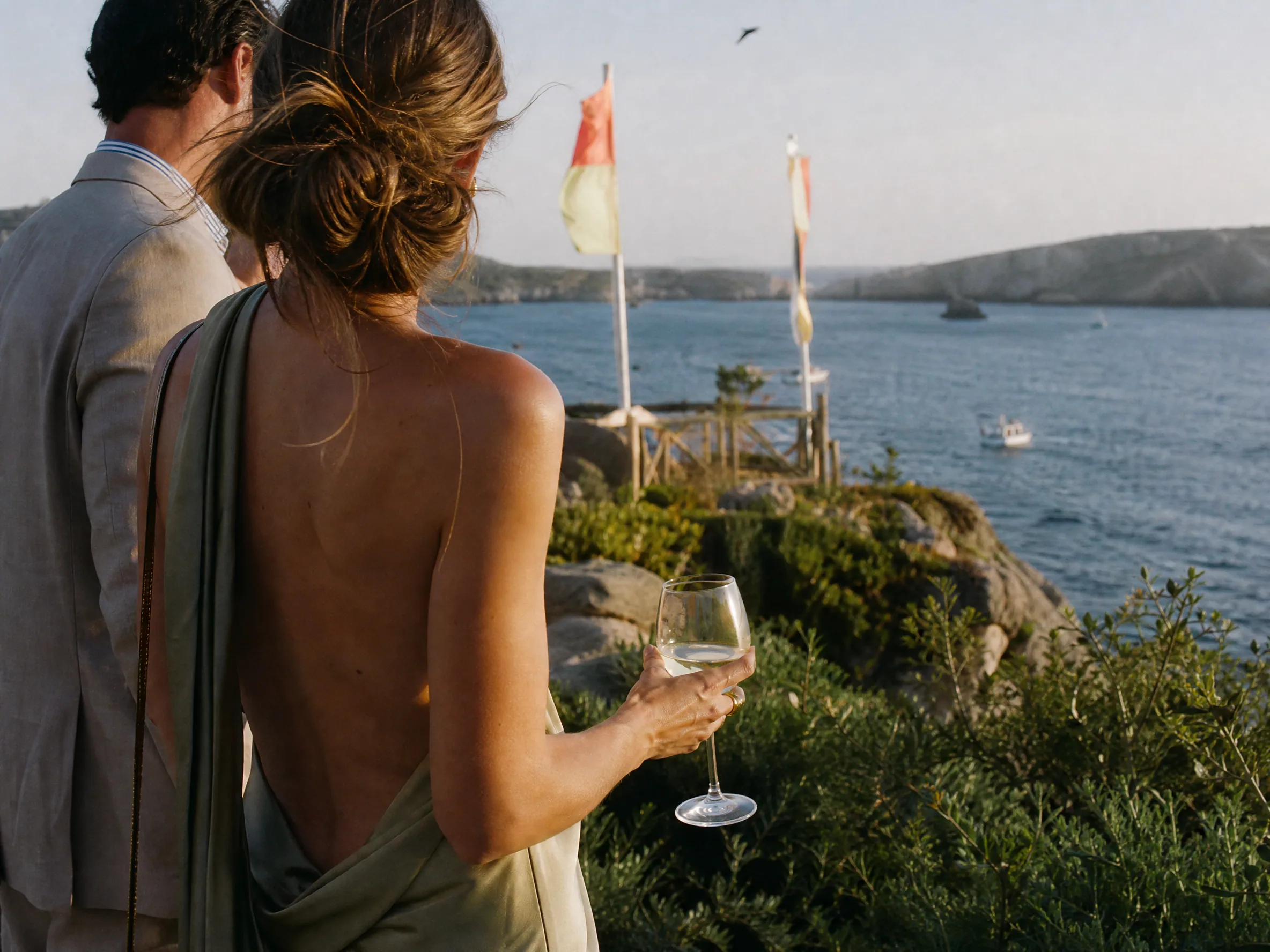
Coastal destination weddings in Spain often promise a free afternoon by the sea: a hotel pool hour, a walk to the cove, or a quick dip before rehearsal dinner. International guests may treat every blue stretch of water as swim-ready. Spanish beaches run a clear flag system—and ignoring it is how weekends lose a guest to a rip current, a jellyfish advisory, or a closed bathing zone right when photos are meant to start.
This guide is for hosts and coordinators writing a short, practical briefing so guests can read banderas de playa, time swims around ceremony call times, and enjoy the Mediterranean without turning the WhatsApp group into a rescue channel.
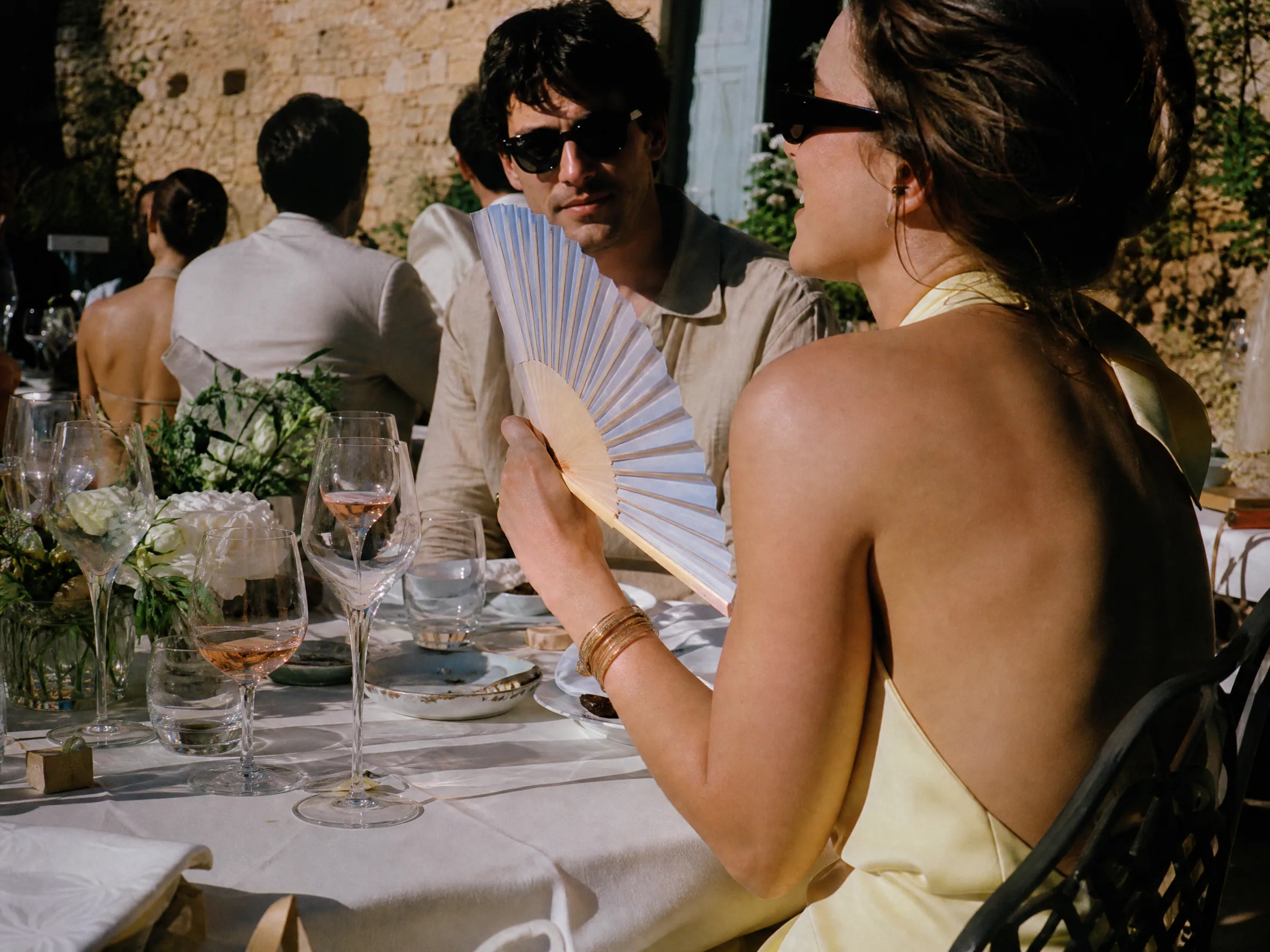
Why beach flags belong in the wedding weekend brief
Tide tables help with ceremony footwear on wet sand. Flags answer a different question: is bathing allowed right now? Lifeguard posts raise green, yellow, or red flags (and sometimes additional advisory signs) based on surf, wind, currents, and water quality. Put the flag rule in the same guest card as shuttle times so free-afternoon plans stay optional—and reversible—when the beach flips to yellow or red.
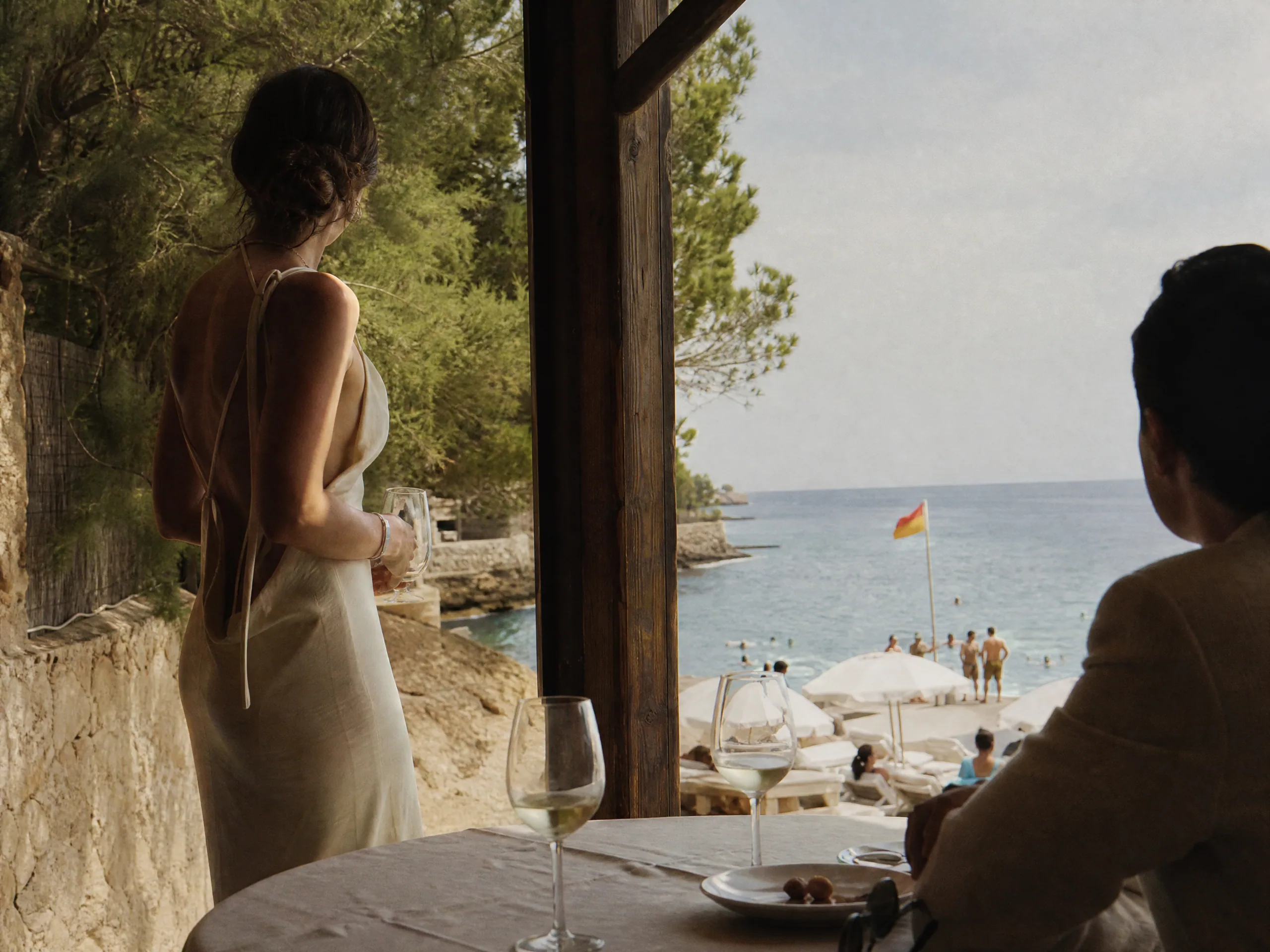
Translate the three colors guests will see
Print the Spanish words guests will actually see on the mast: bandera verde (bathing allowed, calm conditions), bandera amarilla (caution—swim near lifeguards, watch children), and bandera roja (bathing prohibited). Add one plain English line under each. If your coast also uses purple or other advisory flags for marine life, say so explicitly so guests do not invent meanings from Instagram photos.

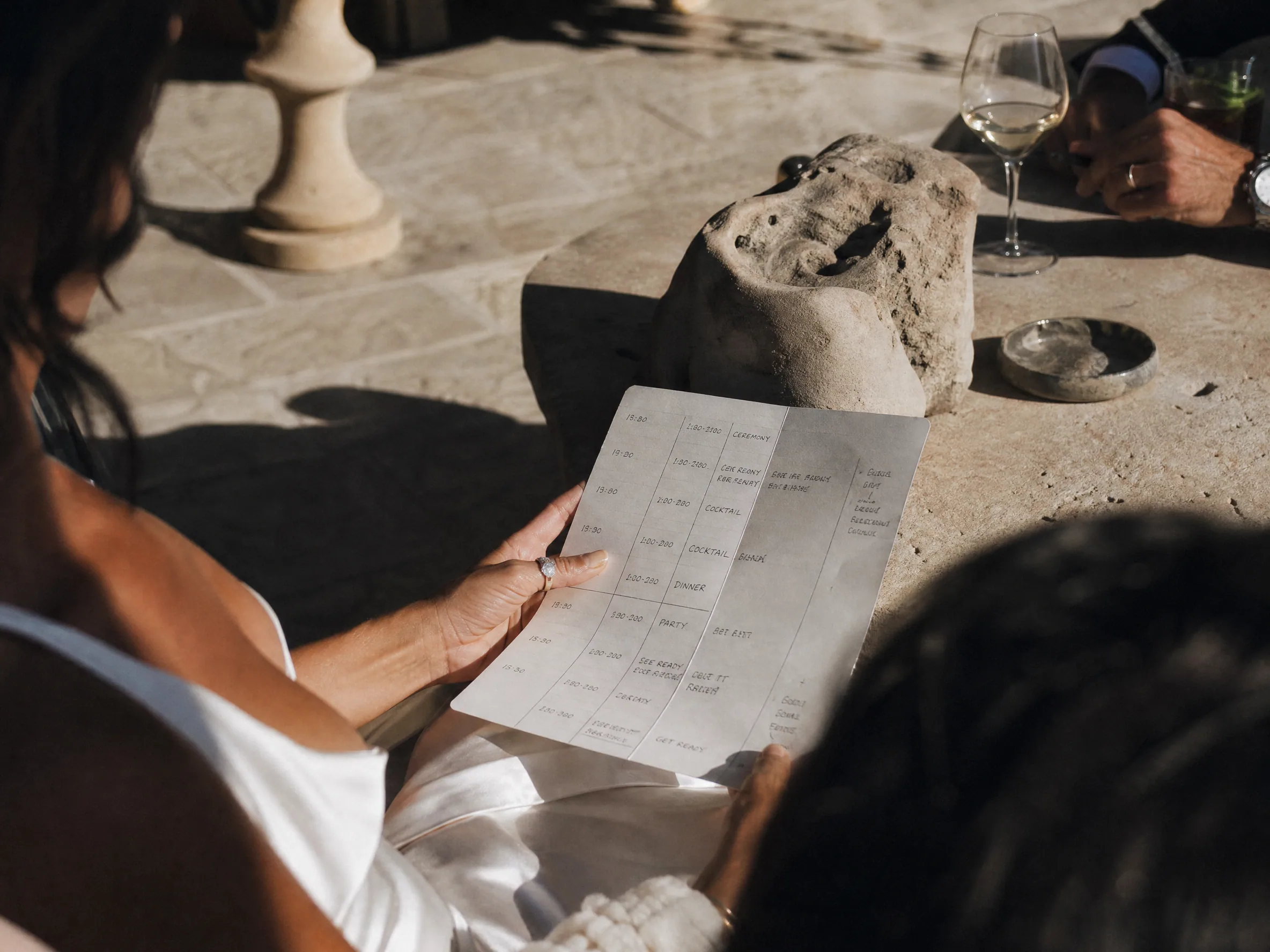
Map swim windows against wedding call times
A “beach morning” that ends thirty minutes before hair appointments or family formals is a gift. A swim that runs long because guests misread yellow-flag chop is a delay. Publish a recommended swim window (for example, after hotel breakfast and before a hard return time), plus a backup: hotel pool, shaded terrace, or town paseo if the sea flag is red. Coordinators should treat the return time as non-negotiable even when the water looks inviting.
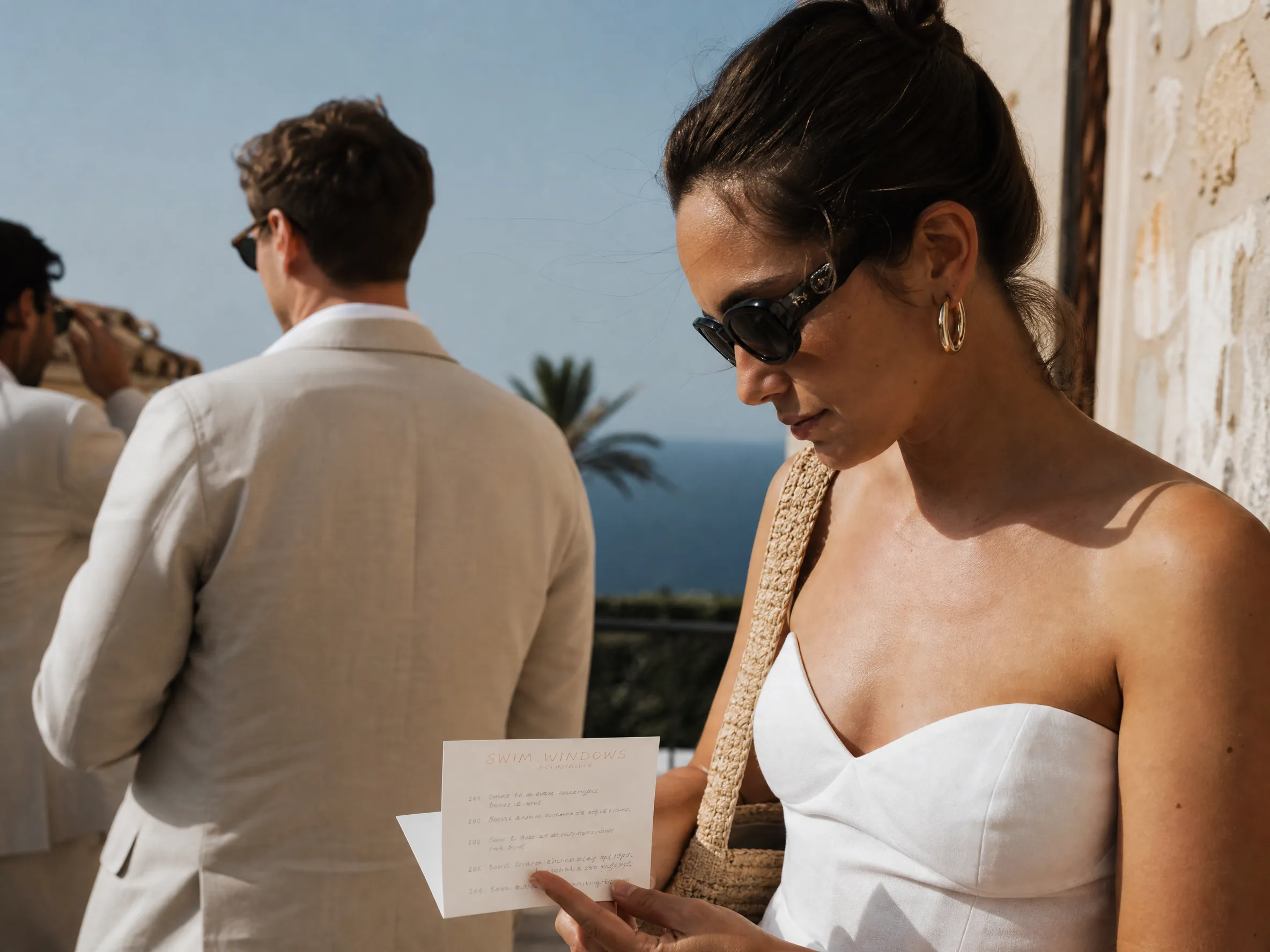
Lifeguard hours are not all-day permission
Many Spanish beaches only staff towers for posted seasonal hours. Outside those windows the mast may be empty even when the water looks calm. Tell guests not to treat “no flag visible” as green. If your weekend falls in shoulder season, note that some municipalities reduce coverage on weekdays—another reason to prefer hotel pools for late-evening cool-downs after rehearsal.
Rip currents, wind, and Mediterranean surprises
Guests from lakes or hotel lagoons may underestimate Mediterranean chop on yellow-flag days. Brief them to swim parallel to shore if caught in a current, to stay near the flagged bathing area, and to keep children in shallow water with a sober adult watching—not scrolling. Coastal wind briefings for ceremony seating pair well here: the same afternoon breeze that lifts veils can also push swell into coves that looked glassy at breakfast.
Jellyfish, rocks, and footwear for cove beaches
Rocky coves and urban beaches demand water shoes more often than Caribbean-style sand shelves. If local conditions include seasonal jellyfish, say whether guests should bring a small after-sting kit from a farmacia and whether the venue prefers pool time instead. Pair this with your existing wet-sand footwear note for ceremonies so guests pack one practical shoe strategy for both sand aisles and free swims.
Alcohol, sun, and the pre-event cut-off
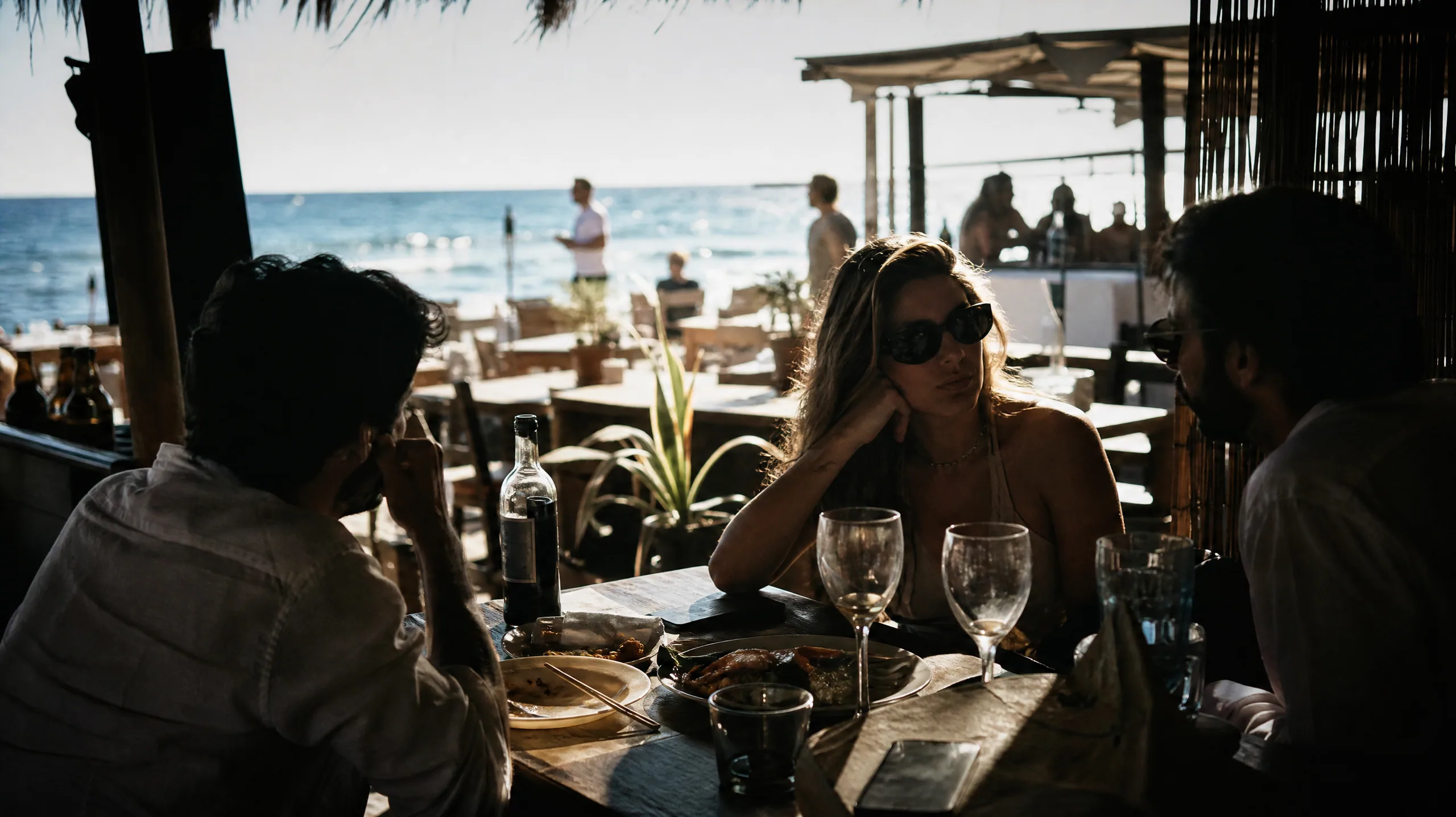
A chiringuito lunch with tinto de verano feels like the Spanish dream—until dehydrated guests face an outdoor ceremony. Set a clear cut-off: last alcoholic drink and last open-water swim X hours before call time. Offer shade, water refill points, and electrolyte options so the “beach day” ends with guests who can stand through vows, not guests recovering under a parasol.
Kids, non-swimmers, and hotel-pool alternatives
Not every guest wants Mediterranean open water. List the hotel or venue pool hours, depth notes, and whether a quieter indoor option exists for anxious swimmers or young children. If the wedding party plans a group cove trip, designate one logistics lead with a headcount and a WhatsApp pin for the return shuttle—same discipline you already use for estate transfers.
What to put on the one-page guest card
Keep it to six lines: the three flag colors with translations; lifeguard-hour reminder; recommended swim window and hard return time; pool backup; “red flag = no bathing, no debate”; and the coordinator contact for weather flips. Link one official local beach or tourism page if you have it, but do not rely on guests researching Spanish municipal sites on arrival day. Clarity on paper beats a thread of conflicting screenshots.