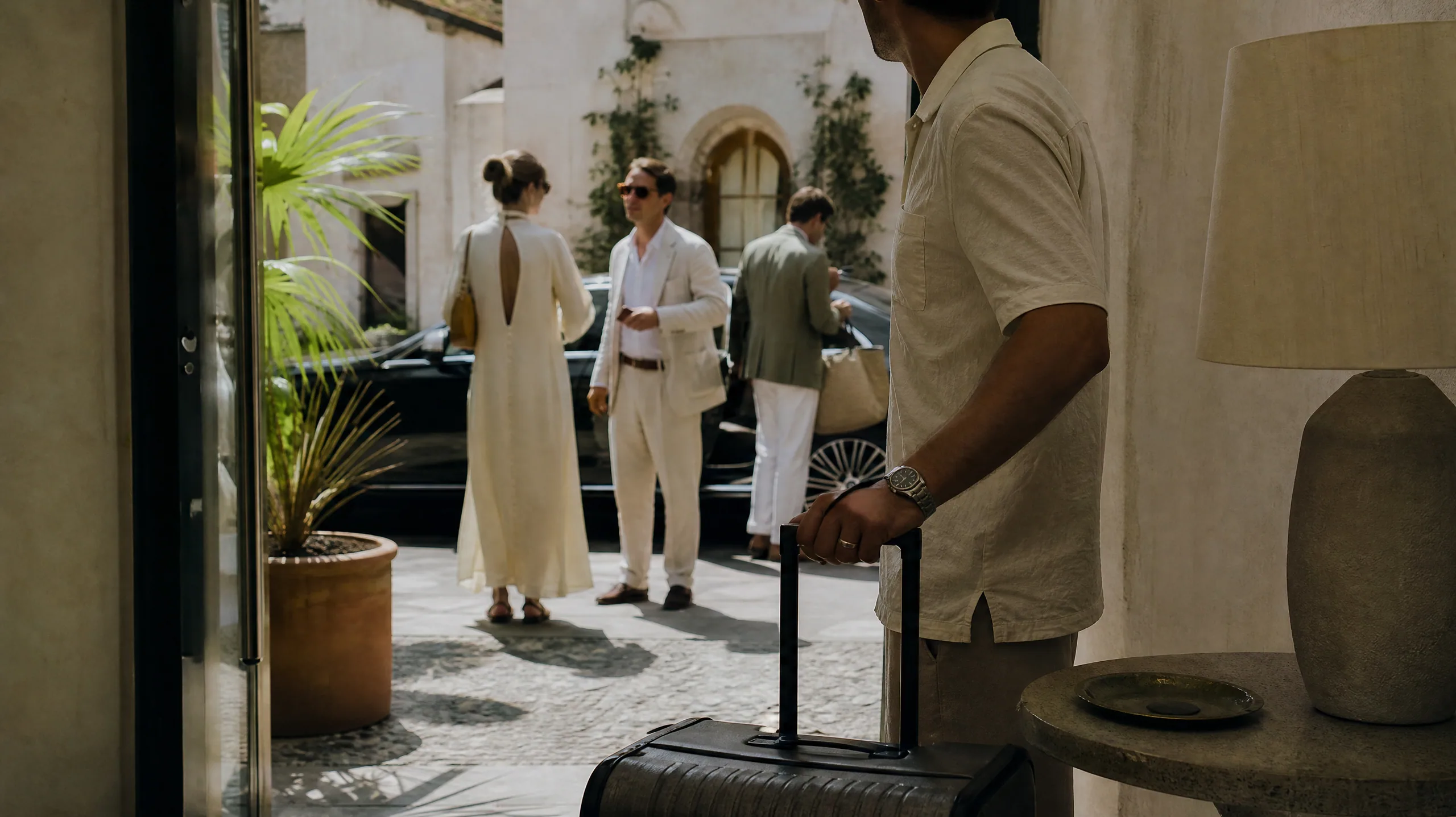

International guests arriving for a destination wedding in Spain often meet their first surprise at the hotel desk: a passport scan, a registration form, and a calm insistence that every adult’s document details go on file before keys are handed over. It can feel abrupt after a long flight—especially when the lobby is full of wedding guests checking in together.
That process is Spain’s ficha policial (traveler registration / parte de viajeros). Hotels and many tourist apartments are legally required to collect and transmit guest identity data. This guide helps hosts write a short pre-arrival note so guests bring the right documents, expect the pause at check-in, and do not treat a routine Spanish requirement like a problem with the wedding block.
Why the ficha policial belongs in the guest brief
Guests from countries where a credit card and smile open the room door assume passport photocopying is optional. In Spain it is standard hospitality compliance. When twenty wedding guests arrive in one wave without warning, the desk slows, WhatsApp fills with “they want my passport?”, and the welcome-drink timing slips.
A six-sentence note reframes the moment: this is normal, it protects the hotel’s license, and it goes faster when everyone has a physical passport ready—not a phone photo buried in camera roll.

What hotels usually collect at check-in
Expect full name as printed on the passport, document type and number, nationality, date of birth, and arrival/departure dates for the stay. Many desks scan the passport biodata page; some still use paper forms guests sign. Children may be listed on a parent’s registration depending on property policy, but adults almost always need their own document present.
Tell guests the hotel is not “keeping the passport overnight” as a rule—scanning or noting details is the norm. If a property briefly holds a document during registration, it should return it before guests leave the desk.
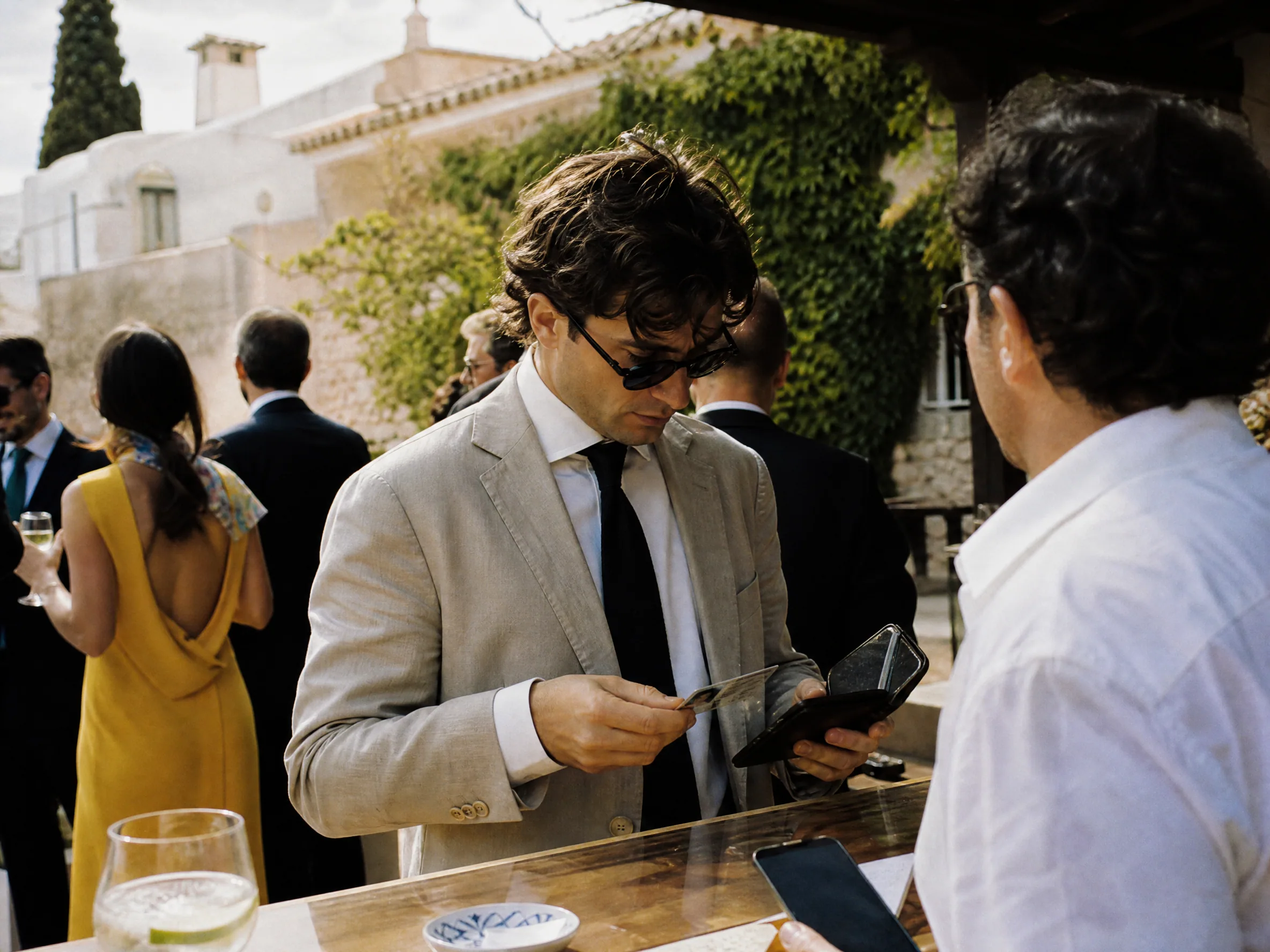
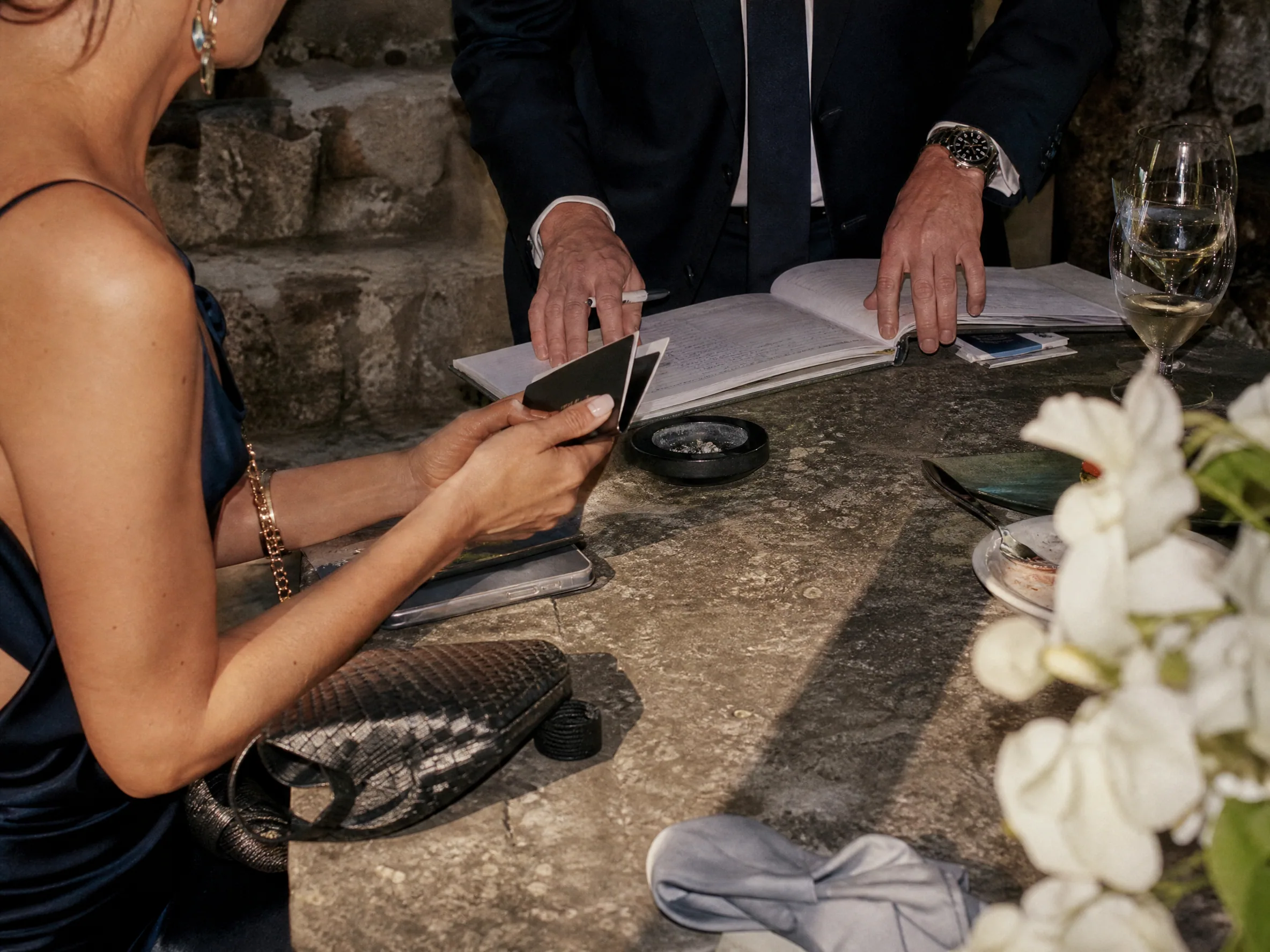
Passports, national ID cards, and digital copies
EU/EEA guests may check in with a national identity card where the hotel accepts it; most non-EU wedding guests should plan on a passport. A phone photo helps if a form needs a number re-typed, but desks usually want the physical document for the official scan.
Ask guests to keep passports in the room safe (caja fuerte) after check-in rather than carrying them to every vineyard visit. For ceremony days, a secondary photo ID in the day bag is enough unless the hotel or venue has said otherwise.
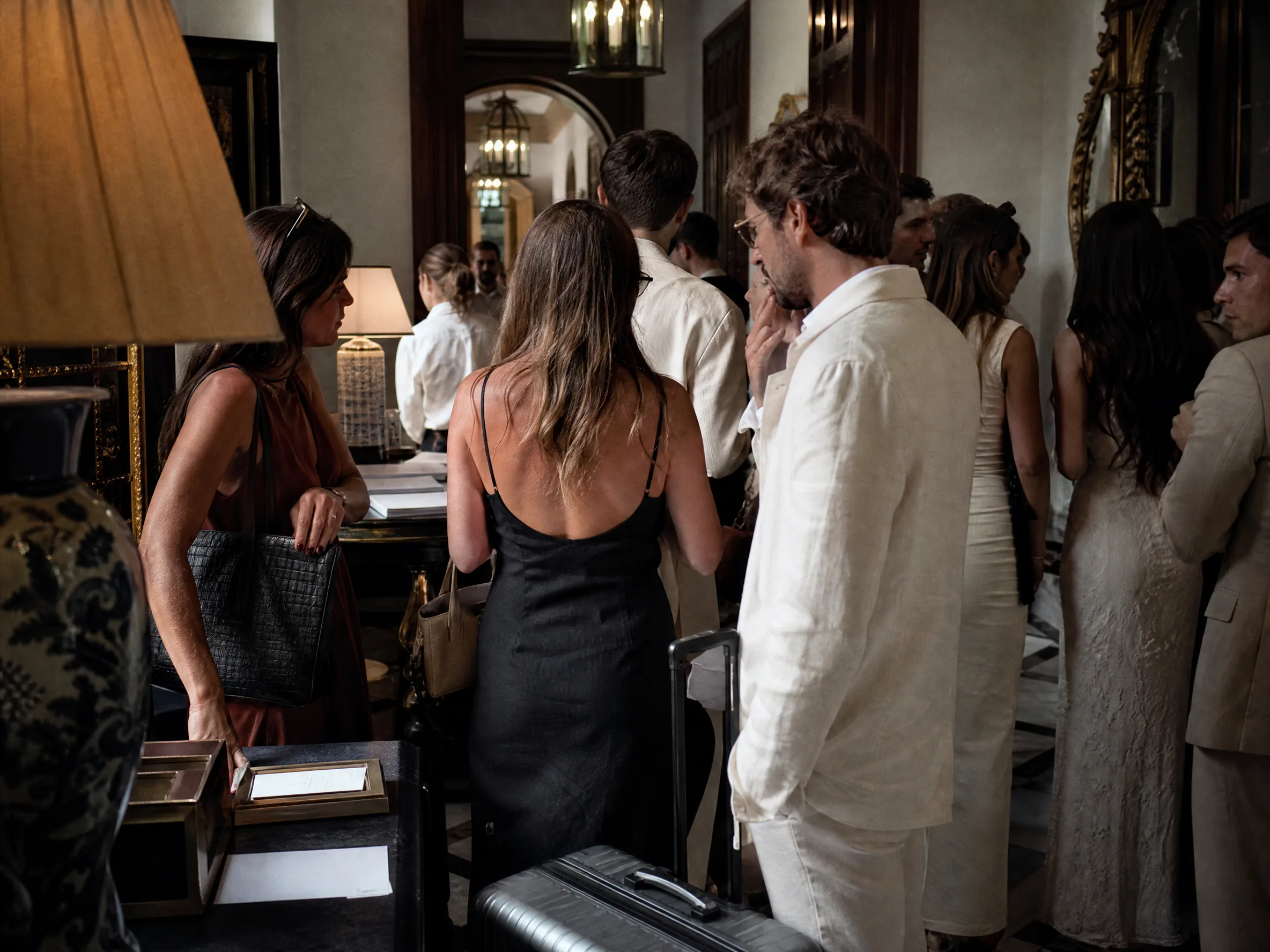
Group arrivals, wedding blocks, and lobby bottlenecks
Block bookings do not skip ficha policial work—they concentrate it. If eight couples land on the same airport transfer, stagger lobby waves: two rooms at a time while others wait at the bar or outside with luggage. Share the front-desk WhatsApp contact so late buses can warn the night receptionist.
Hosts can ask the hotel whether a pre-registration link or encrypted guest list can be started before arrival. Some properties accept passport details in advance; many still require the physical document on the day. Confirm which model your block uses and put that sentence in the guest email.
Late-night check-ins after long-haul flights
Spanish wedding weekends often mean midnight arrivals from long-haul connections. Night desks are thinner, scanners fail, and tired guests lose patience. Put the hotel address, door code or night-bell instructions, and “have passports out before you reach the counter” on the arrival card.
If the property uses a lockbox for very late arrivals, confirm how ficha policial is completed the next morning—guests should not assume keys alone finished legal registration.
Tourist apartments, villas, and estate house stays
Private villas and rural estates used for wedding houses still fall under tourist-accommodation rules in many regions. The host, agency, or on-site manager may collect the same identity data guests associate only with big hotels. Brief villa guests the same way: passports on day one, not “we’ll sort papers later.”
When the wedding party splits across a hotel plus a countryside house, say which address handles whose registration so nobody thinks the other property already filed their details.
Privacy worries and how to reassure guests
Guests sometimes push back because passport scans feel invasive. The host note should stay factual: Spanish lodging law requires traveler identification; reputable hotels transmit data through official channels; the wedding couple did not invent an extra form. Offer to introduce skeptical relatives to the front-desk manager rather than debating privacy theory in the lobby queue.
Do not collect passport scans into a shared WhatsApp album yourself. Point guests to the hotel’s own secure process. Host-built spreadsheet collections create privacy risk the ficha policial system was never meant to replace.
Timing registration around welcome drinks and rehearsals
Build a buffer between airport transfer ETA and the first hosted event. Forty-five minutes looks generous on a spreadsheet and disappears when three rooms need form reprints. Publish a “keys first, cava second” line so guests do not arrive at the welcome vermouth still holding unchecked luggage.
For same-day rehearsal dinners, tell out-of-town speakers and officiant parties to check in before changing clothes—not after the first toast.
What to put on the one-page guest card
Keep it operational: hotel name and address; “every adult needs a physical passport or accepted national ID at check-in”; “Spain requires hotels to register guest details (ficha policial)—this is normal”; night-desk or lockbox instructions; room-safe reminder after scanning; and the front-desk phone for delayed buses.
One calm paragraph prevents the most common destination-wedding lobby spiral: surprised guests, defensive desk staff, and a welcome event held hostage by paperwork that was always going to take ten minutes.