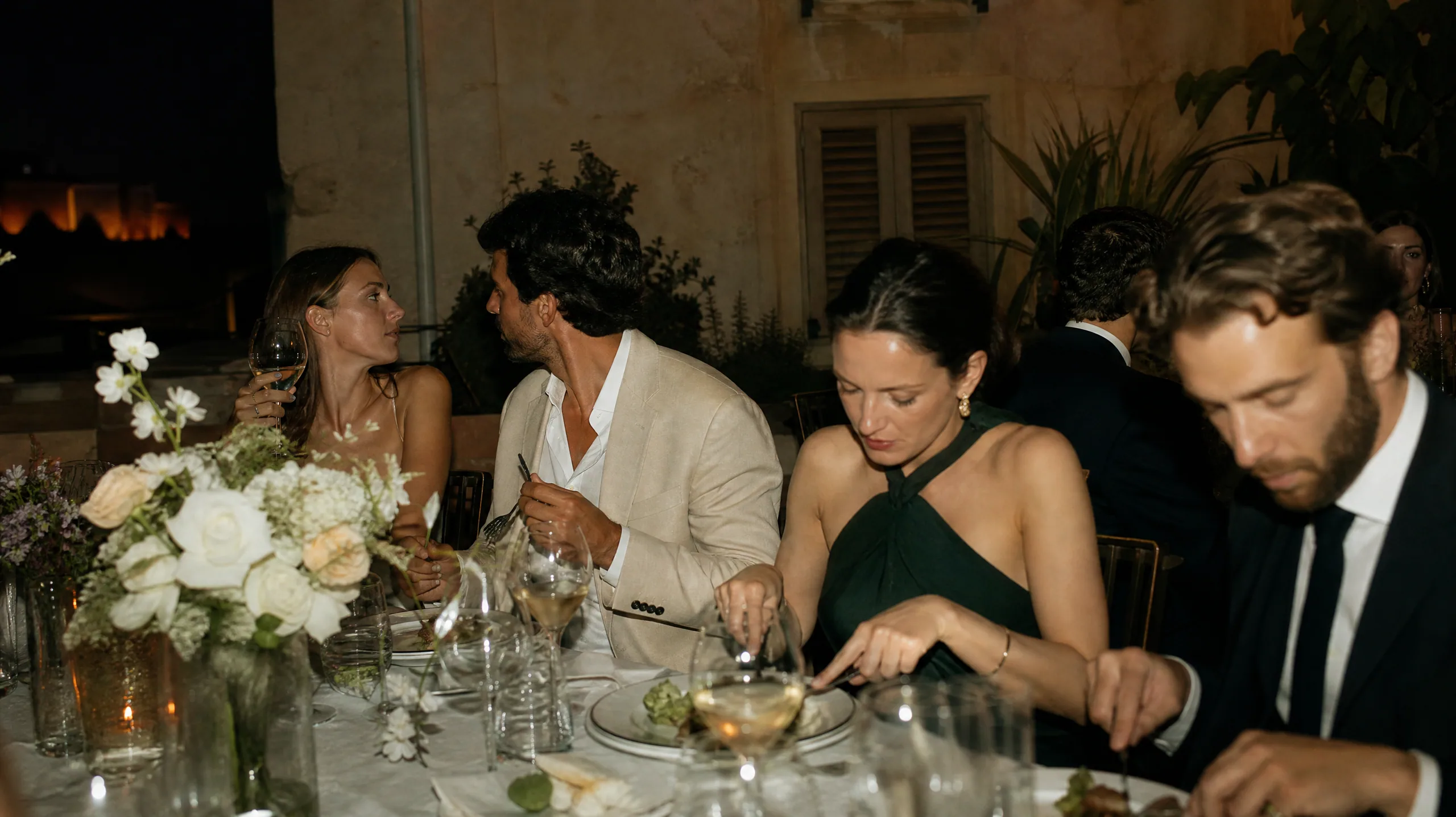
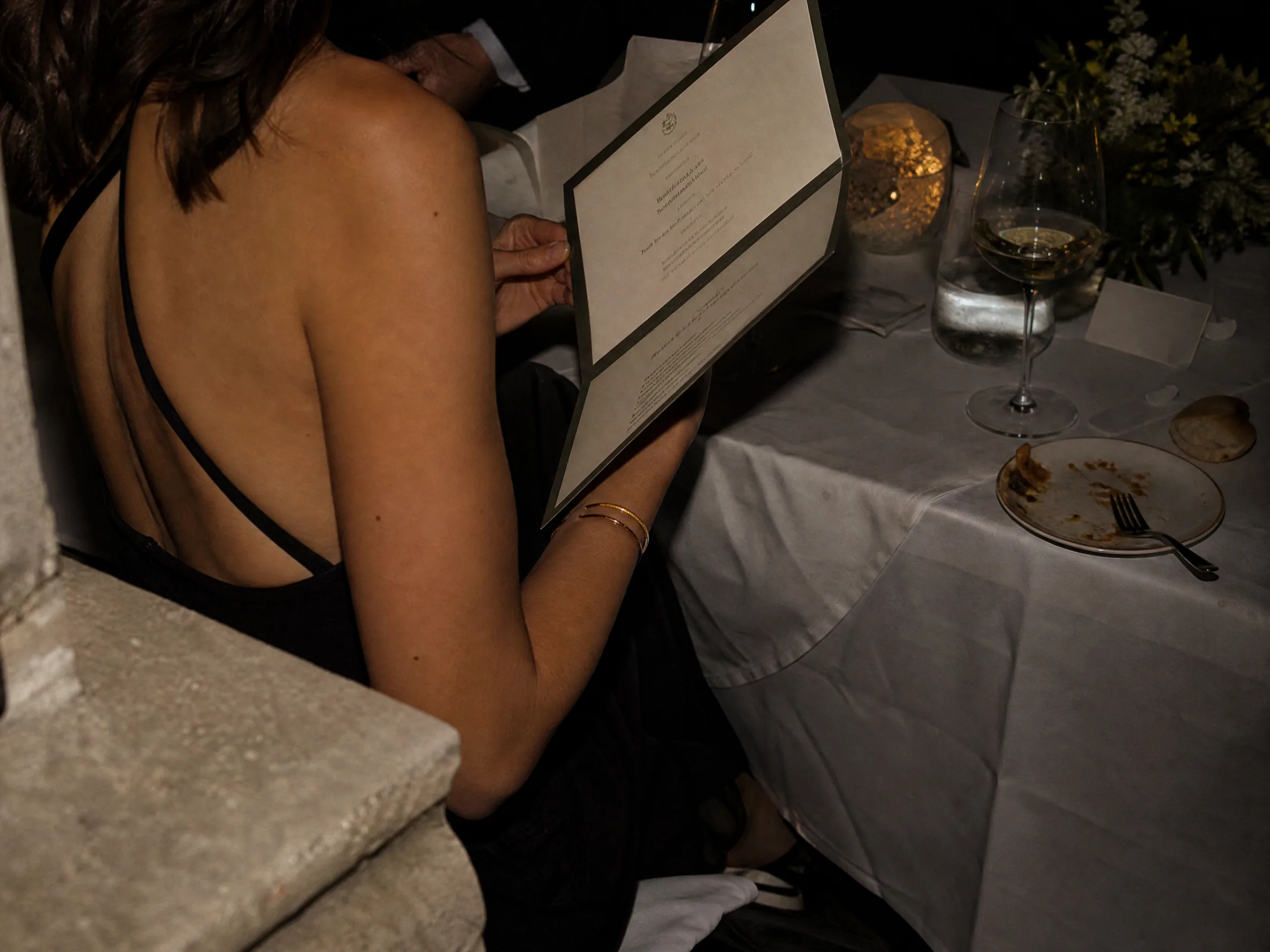
Spanish hotel blocks for destination weddings often sell as media pensión—half-board that bundles breakfast and one main meal, usually dinner. International guests who booked “a room near the venue” may not realize dinner is already on the folio, that wedding catering replaces it, or that skipping breakfast before a noon ceremony wastes a paid meal window.
This guide helps hosts brief destination wedding guests on Spanish media pensión hotel meal plans: what is included, how wedding dinners and welcome nights interact with the board, kids and dietary rules, and how to avoid awkward double charges or empty seats at your events.
What media pensión usually includes in Spain
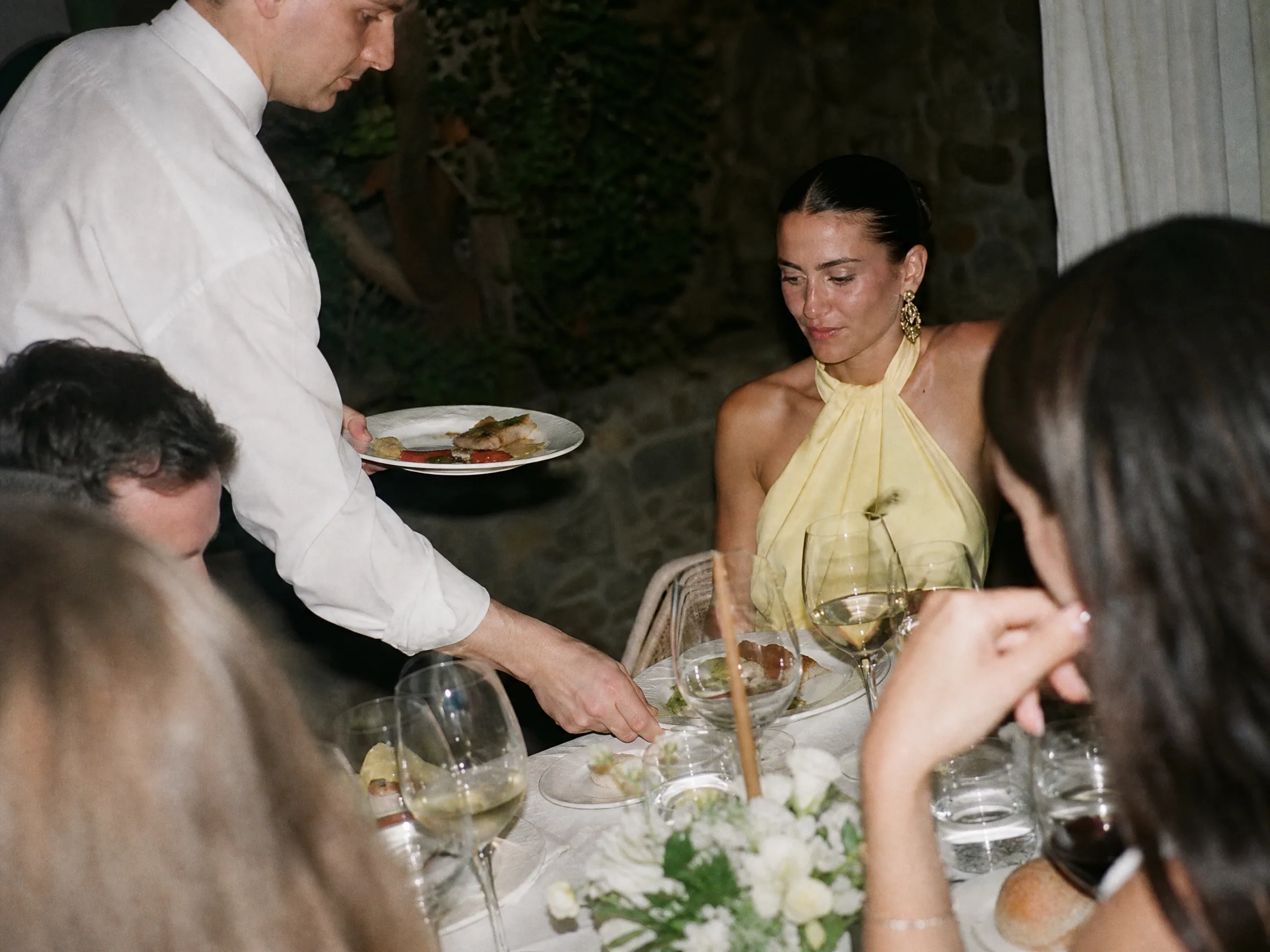
Media pensión typically means breakfast plus dinner in the hotel restaurant, sometimes with a set menu or buffet. Lunch is usually excluded unless the property upgrades to pensión completa (full board). Drinks beyond water, specialty coffees, and minibar items are rarely included.
Put the exact pattern in the guest brief: “Breakfast buffet 07:30–10:30; dinner 20:00–22:00, set menu, soft drinks extra.” Guests from all-inclusive resort cultures otherwise assume unlimited bars and late brunch—and arrive at the wedding hungry or overfed at the wrong time.
Why wedding hotel blocks love half-board
Rural estates, coastal resorts, and pueblo hotels use media pensión to lock kitchen staffing and give traveling guests a reliable evening meal on free nights. Couples often negotiate a block rate that already includes board for the welcome night or the night before guests depart.
That is useful logistics—until nobody explains it. Guests then book separate restaurant reservas for nights already paid, or they skip the hotel dinner and ask why the room rate felt high. Name which nights are half-board and which nights the wedding itself replaces dinner.
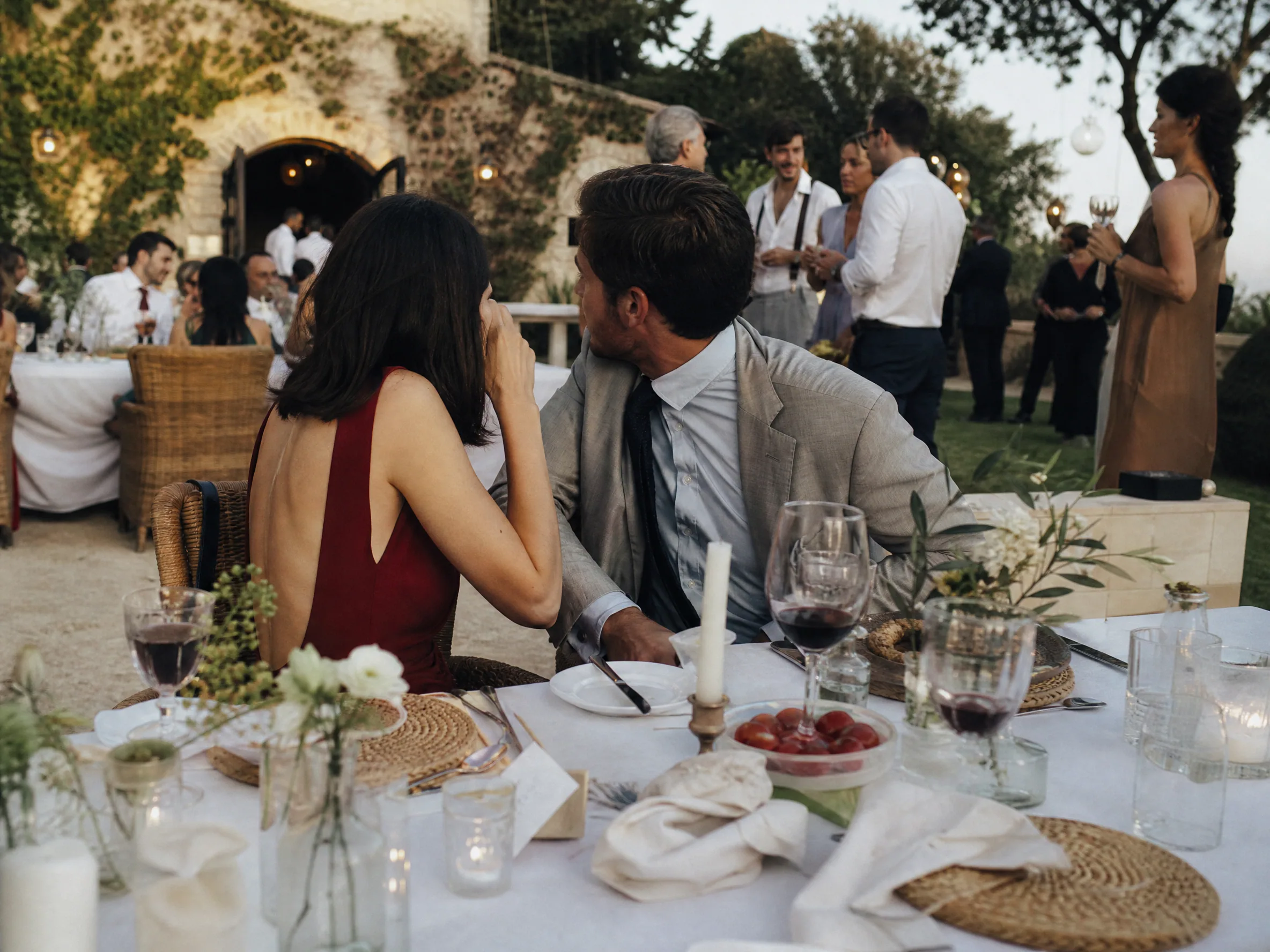
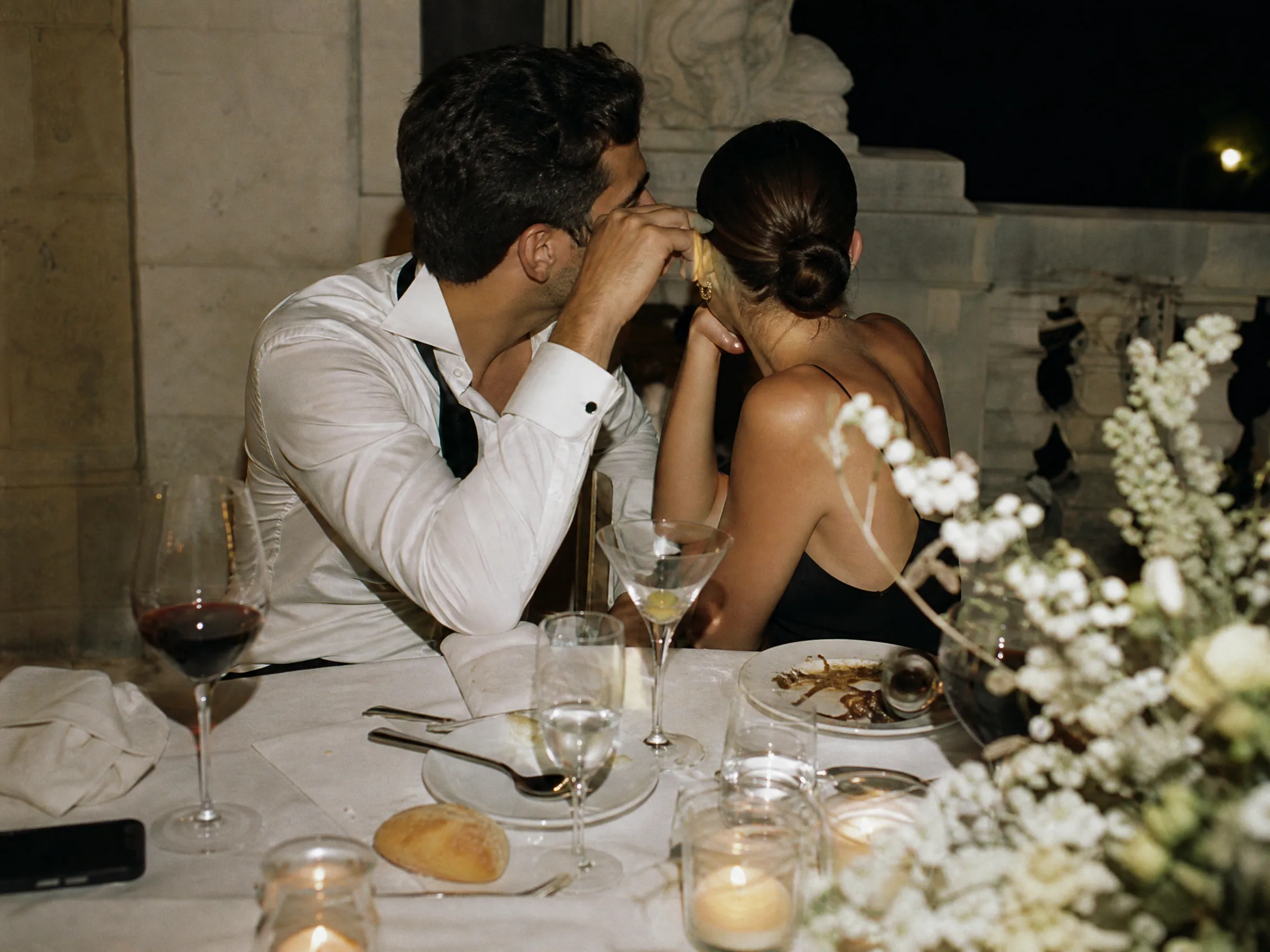
Wedding dinners vs included hotel dinners
Ceremony and reception nights usually replace the hotel’s included dinner. Confirm with the property whether those nights are credited, swapped for a boxed meal, or still billed if unused. Do not leave guests guessing whether they “owe” the hotel restaurant a cover.
Send a one-line rule: “Friday welcome dinner is hotel media pensión; Saturday wedding dinner is at the venue—hotel dinner is not served / is credited that night.” Ambiguity creates empty hotel dining rooms and guests who eat twice.
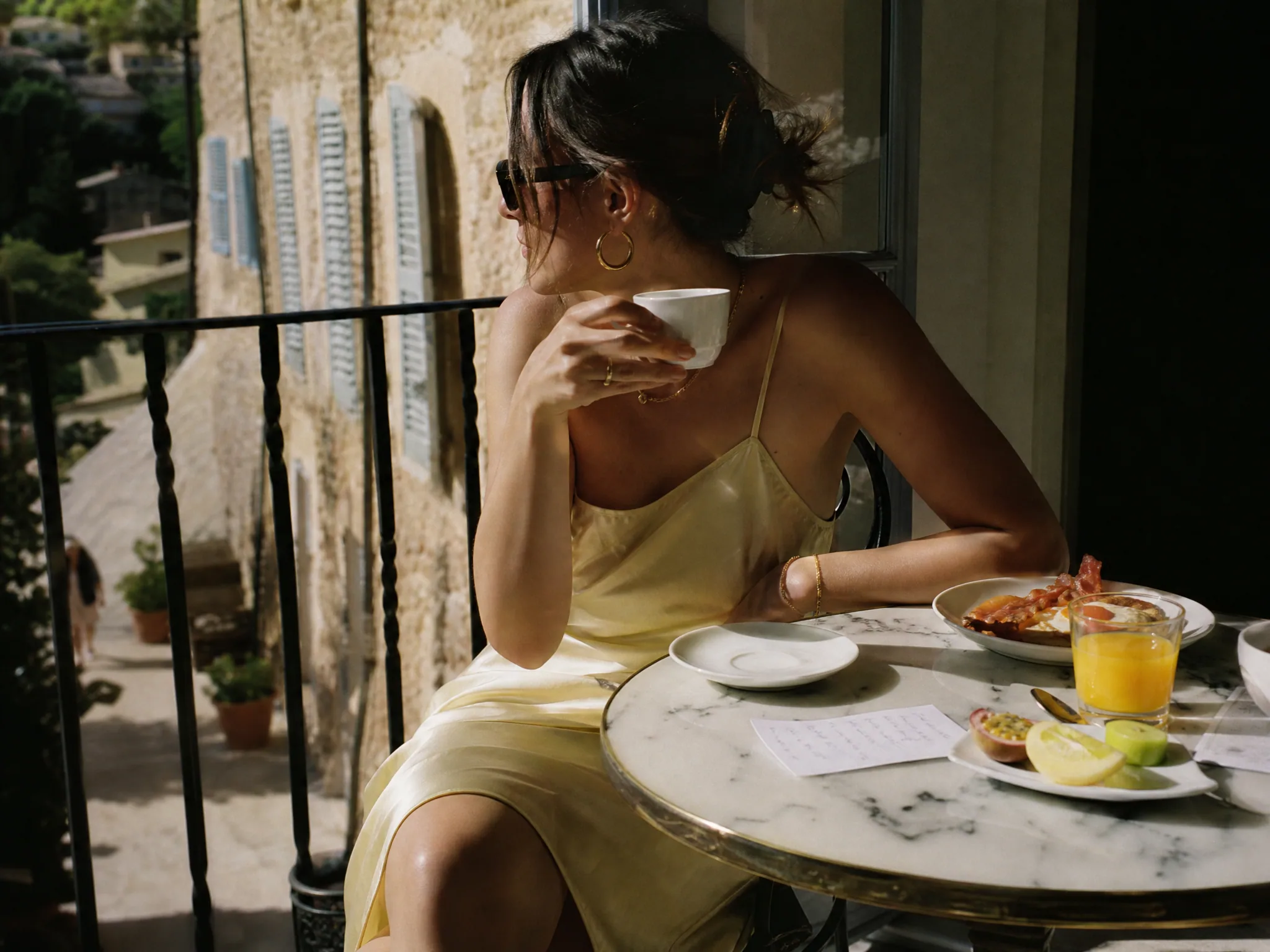
Breakfast windows vs ceremony call times
Spanish hotel breakfast often ends by 10:00 or 10:30. Hair and makeup call times, shuttle loads, and church call sheets can collide with that window. Guests who treat breakfast as optional discover they paid for a meal they never reached.
Ask the hotel for early breakfast boxes, a private buffet extension for the wedding block, or a quiet room with coffee and fruit before call time. Put the adjusted breakfast hour in the same message as shuttle and ceremony times.
Kids rates, cots, and half-board multipliers
Children’s media pensión is priced differently by age band. Some hotels include under-six breakfast only; others charge a percentage of adult board for dinner. Cot or cuna requests and connecting rooms complicate the folio further when board is per person, not per room.
Collect ages when you lock the rooming list and have the hotel quote kids’ board in writing. Parents who assumed “kids eat free” should not meet a surprise charge at checkout on departure morning.
Dietary needs inside set-menu half-board
Hotel set menus are less flexible than wedding catering. Vegetarian, vegan, gluten-free, and allergy guests need advance flags so the kitchen can plate alternatives without a public scramble at 21:00.
Mirror your wedding dietary cards in a short hotel note to the F&B manager. Guests should not invent allergies at the buffet line and should not skip dinner because they fear cross-contact—then raid the minibar instead.
How to brief guests without sounding like a hotel brochure
Keep the tone practical: which nights are half-board, meal hours, dress code for the hotel restaurant, whether jackets are expected, and whether welcome drinks at the bar are separate. Link the hotel restaurant name so guests do not wander into the wrong outlet.
Add a map pin for the dining room in large resorts. Guests who came for a villa wedding may not know the difference between the pool grill and the half-board restaurant until their reserved table is released.
Credits, no-shows, and checkout surprises
Unused half-board nights are often non-refundable. Guests who dine out every free evening still pay. If your group prefers restaurant hopping, negotiate a room-only block or breakfast-only (alojamiento y desayuno) instead of forcing media pensión onto people who will not use it.
At checkout, have a point person review boards and tourist tax before guests queue. Surprise dinner charges after a wedding night already hosted elsewhere are a fast way to sour an otherwise smooth Spanish weekend.
When to skip media pensión entirely
Skip half-board when the venue is far from the hotel, when every night is a hosted event, or when your crowd is restaurant-driven and will treat hotel dinner as optional. In those cases, breakfast-only keeps mornings stable without locking evenings.
Choose media pensión when free evenings need a default meal, kitchens are limited nearby, or older guests and families want a predictable dinner without navigating Spanish late-night reservas. Match the board to the weekend rhythm—not to a package that merely looked cheaper per person.