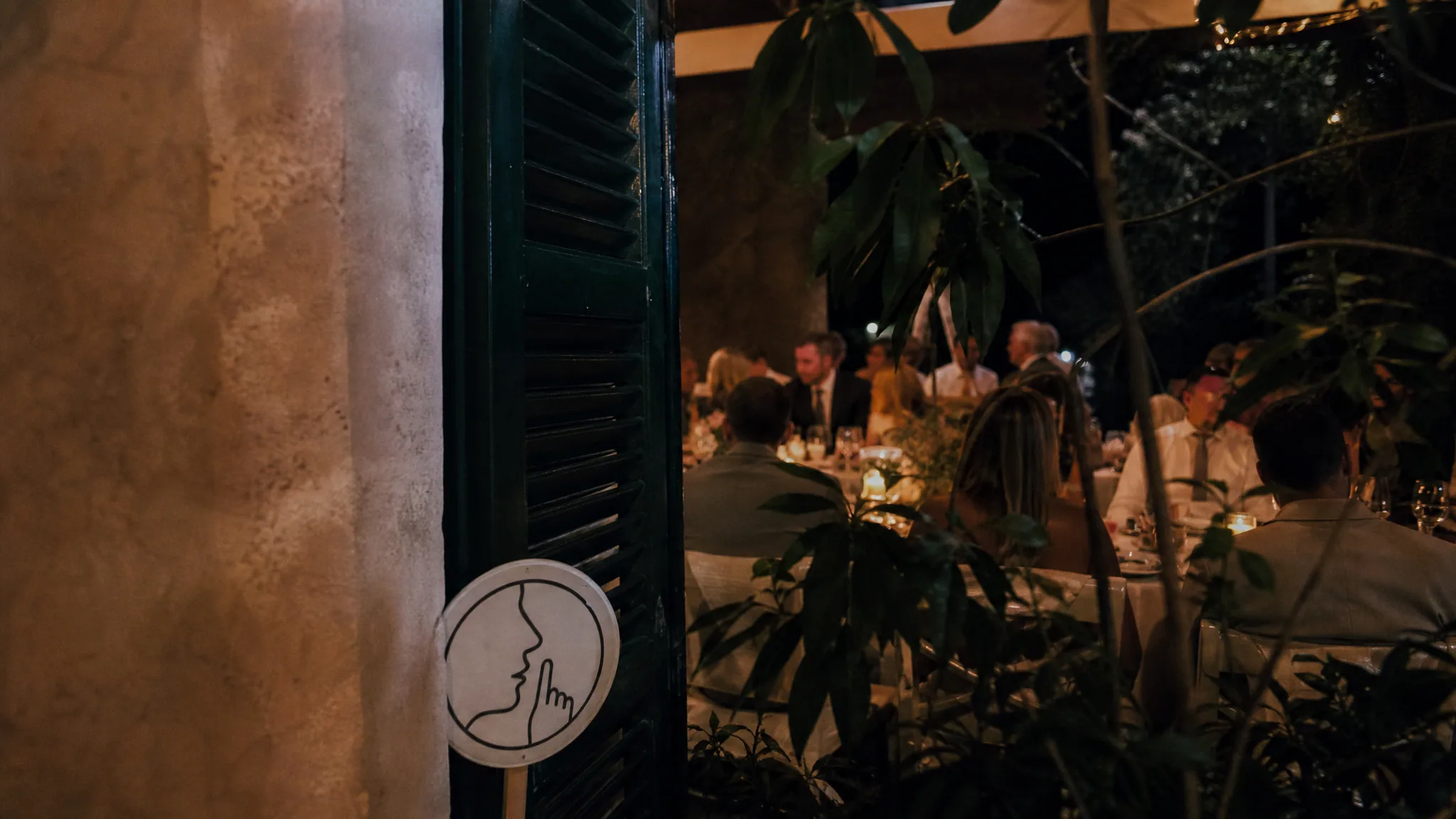
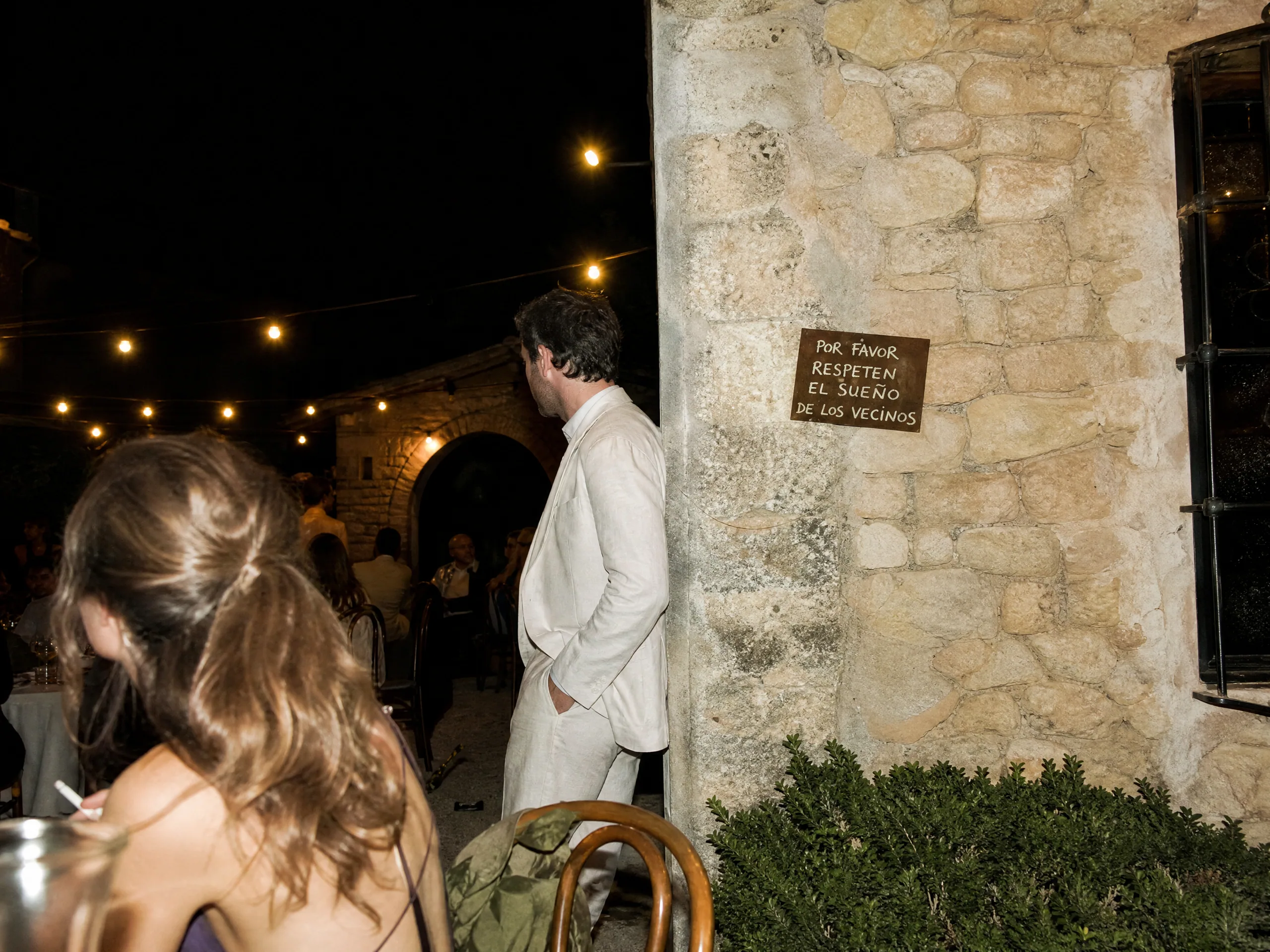
Destination wedding weekends in Spain often unfold in rented villas, rural fincas, and hillside estates where the celebration feels private—until a neighbor hears the hora loca bass line after midnight. Spanish towns and communities commonly enforce a horario de silencio (quiet-hours window), and international guests rarely know when music must drop, when outdoor conversations move indoors, or how to brief the villa cluster without killing the joy. A clear quiet-hours note is guest hospitality and venue protection in one message.

Why Quiet-Hours Briefings Matter on Villa Weekends
Hotel blocks absorb sound differently than freestanding villas with terraces, pools, and open countryside acoustics. Guests who treat a private estate like a sealed ballroom can trigger neighbor complaints, police visits, or sudden volume cutoffs during speeches and dancing. Naming quiet-hours expectations before arrival keeps the weekend festive and respectful—especially when the couple has promised the landlord a calm return of the keys.
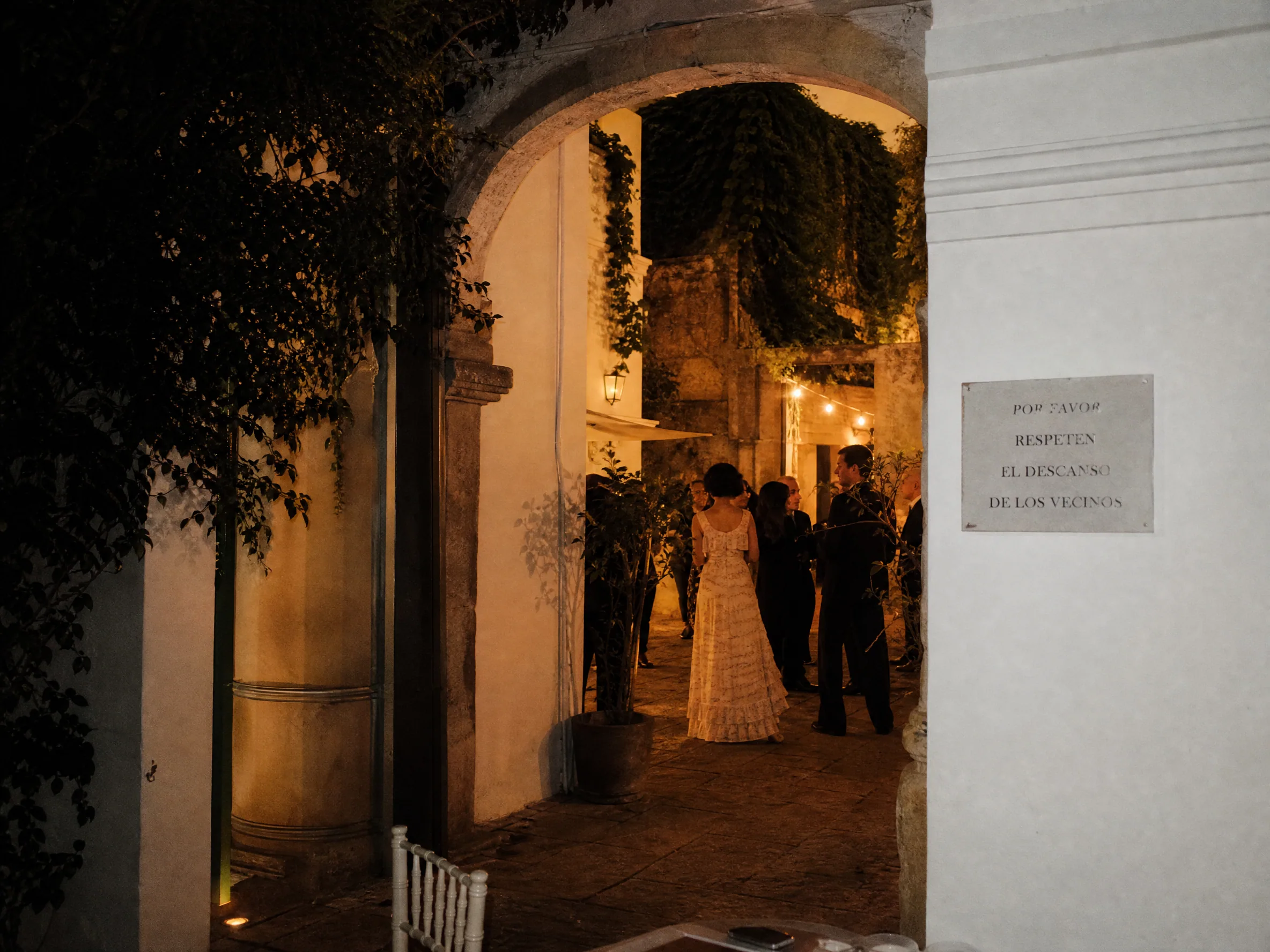
What Horario de Silencio Usually Means in Spain
Quiet hours are local, not one national clock. Many municipalities and community-of-owners rules tighten overnight noise—often roughly from late evening into early morning—with stricter expectations on weeknights and slightly more flexibility on Saturdays depending on the town. Rural estates may feel remote and still sit next to another house, farm, or village lane. Tell guests that “private villa” does not mean “no noise rules,” and that outdoor speakers after the cutoff are the fastest way to end the party early.
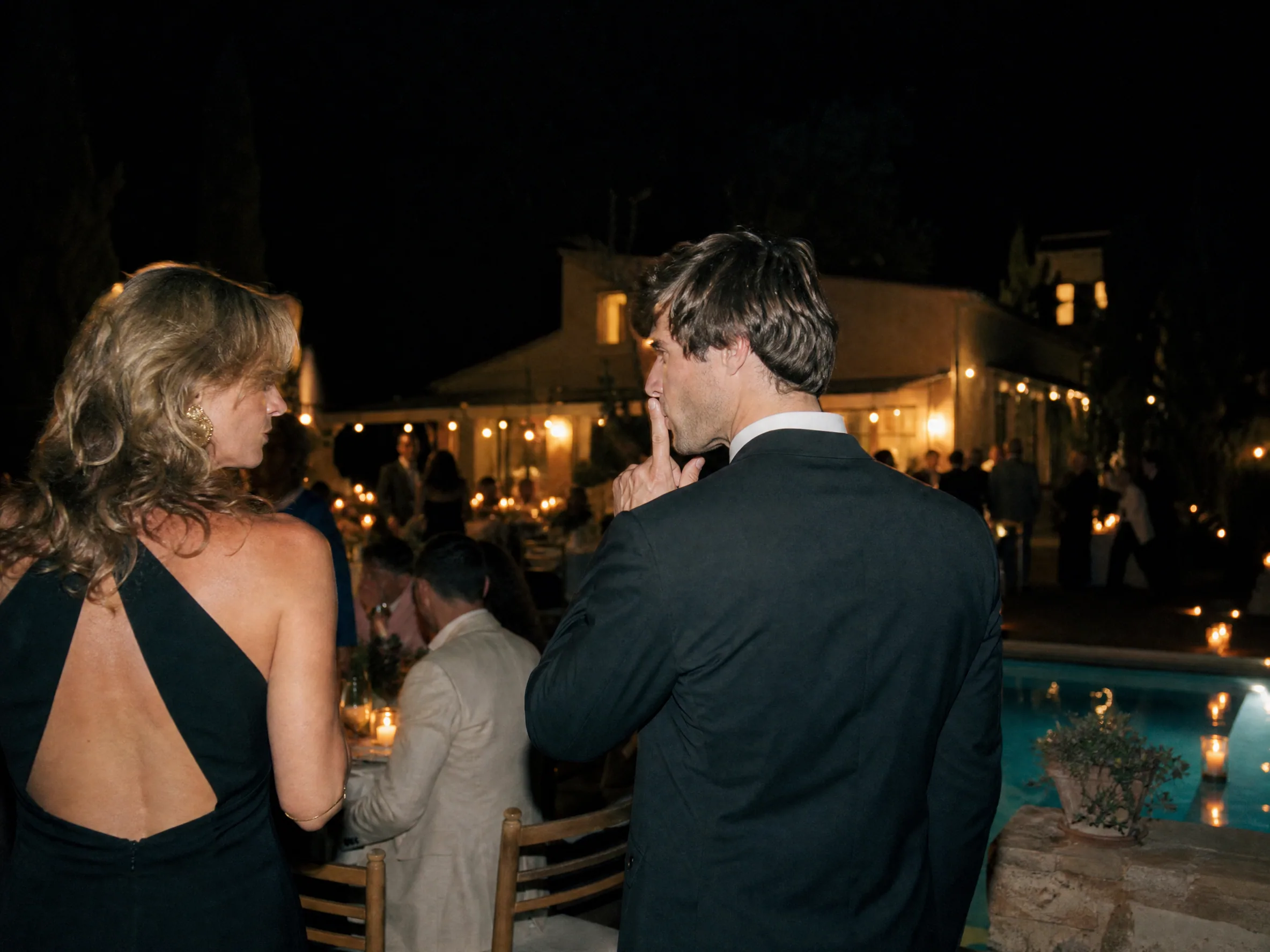
Pool Parties, Terraces, and Outdoor Speaker Placement
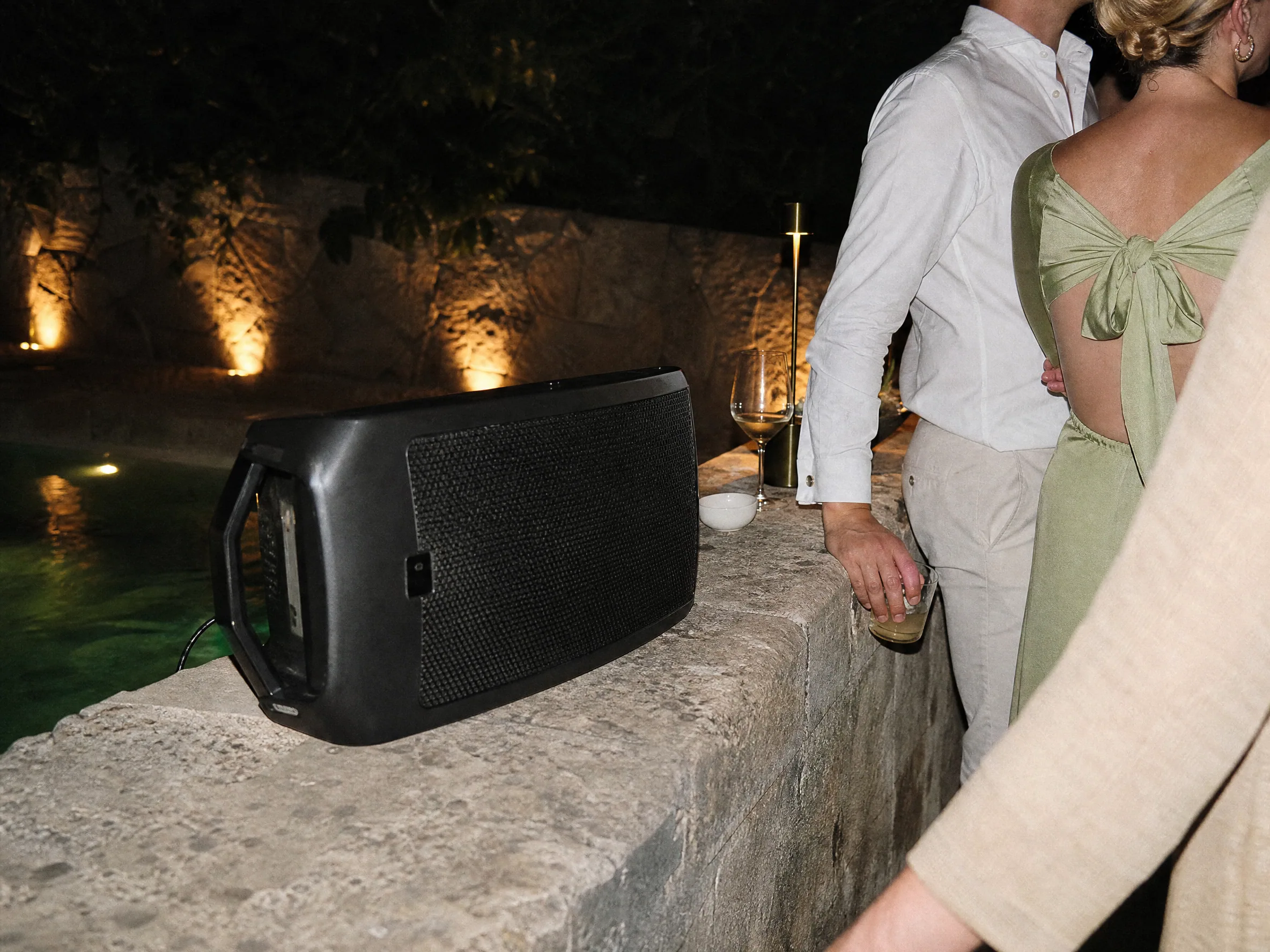
Pool decks and upper terraces throw sound farther than indoor lounges. If the welcome drinks or post-ceremony hangout lives outdoors, place speakers toward the house rather than toward neighboring properties, and keep bass moderate even before official quiet hours. Designate one person—planner, sibling, or day-of coordinator—to own volume decisions so twenty guests are not negotiating the dial at once.

Hora Loca, After-Parties, and the Midnight Handoff
Spanish wedding timelines often run late: dinner, sobremesa, then a high-energy hora loca. Build a handoff plan for when outdoor dancing ends and the celebration moves indoors, to a second venue, or to a hotel after-party with proper sound isolation. Guests need the clock in writing—when outdoor music stops, where the shuttle goes, and whether the villa living room can continue at conversation volume only.
How to Message Guests Without Sounding Strict
Frame quiet hours as local courtesy and a gift to the couple’s landlord relationship, not as a lecture. A short WhatsApp pin works: outdoor music ends at X, voices drop on terraces after Y, taxis and shuttles use the quiet driveway route, and any late-night conversation moves inside with doors closed. Bilingual wording helps mixed Anglo–Spanish guest lists understand the same cutoff.
Neighbor Courtesy Before the Weekend Starts
If the villa sits near other homes, a simple pre-weekend courtesy note from the couple or planner—dates of celebration, expected end of outdoor music, and a contact number—often prevents complaints. Guests should not knock on neighbors’ doors with party invitations unless the couple has already made that introduction. Knowing which side of the property faces other windows also helps when choosing smoking areas and taxi pickup points.
Cars, Doors, and Late-Night Arrival Noise
Quiet hours are not only about playlists. Slamming car doors, trunk music on arrival, suitcase wheels on gravel at 1 a.m., and shouted goodbyes in the driveway create the same neighbor friction as a loud speaker. Brief guests to dim headlights toward houses, keep farewell volume low, and use the designated pickup bay rather than idling under bedroom windows.
What To Do If Someone Complains Mid-Celebration
Have a response script ready: thank the neighbor, drop outdoor volume immediately, move guests indoors, and loop in the planner or villa manager. Do not argue about “private property” on the driveway. If local police or security arrive, cooperate, document the time, and shift to the indoor or second-venue plan. A calm five-minute reset protects the rest of the night better than a defensive standoff.
Planner Checklist for Couples and Hosts
Confirm quiet-hours language in the villa contract and community rules before you print the weekend timeline. Align DJ and playlist cutoffs with that window, book an after-party venue if dancing must continue, brief ushers and house captains on volume ownership, and pin the quiet-hours note in the guest WhatsApp group on arrival day. Kudrya Studio weekends run smoother when celebration energy and local courtesy share the same plan.