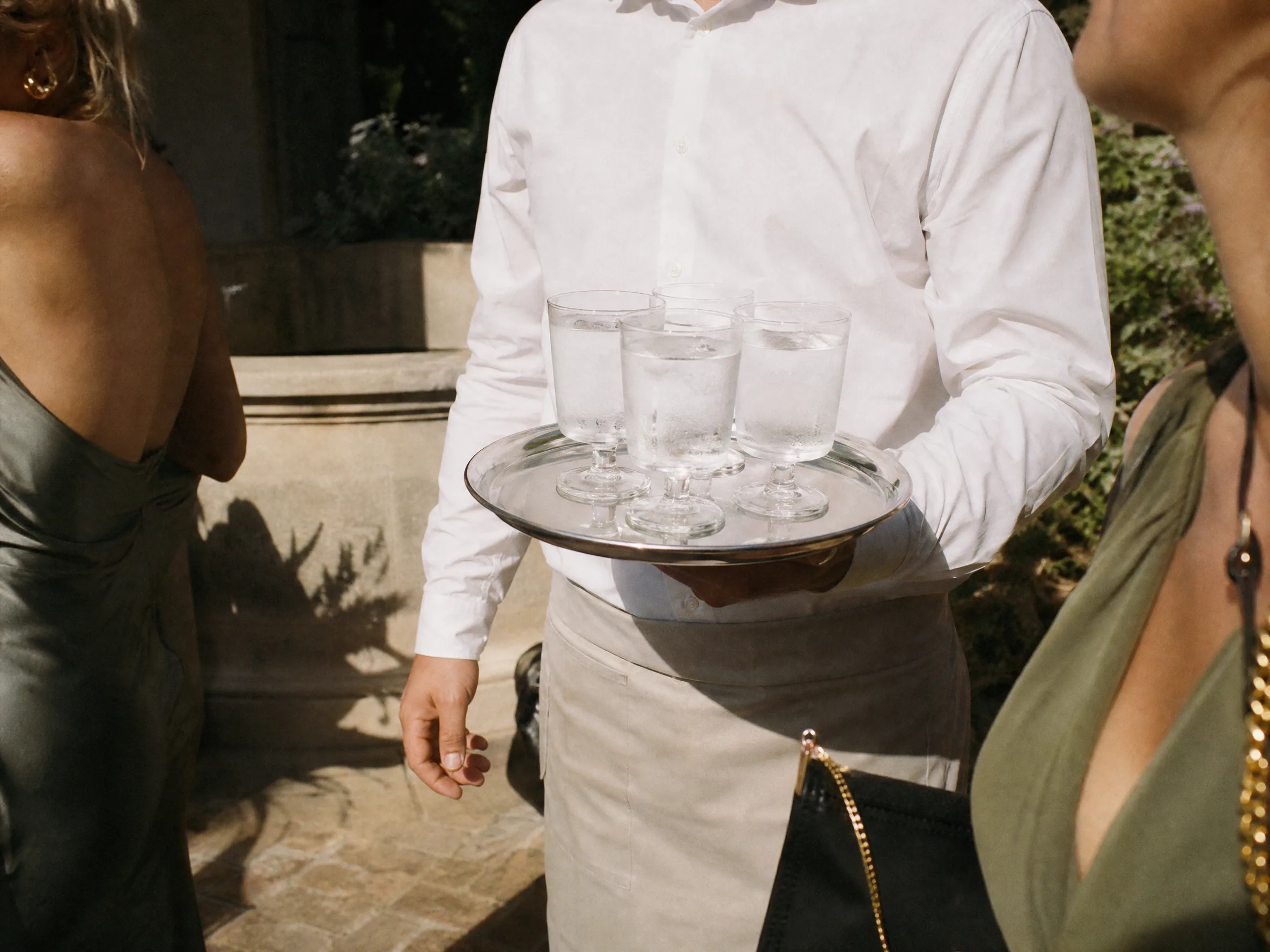
International guests flying into Spanish destination weddings often pack suitcases of bottled water—or spend the welcome evening debating whether the villa faucet is safe. In most Spanish cities and many coastal towns, agua del grifo is potable and regulated; the real friction is taste, rural estate systems, restaurant customs, and unclear guest messaging. A short tap-water briefing saves money, cuts plastic logistics, and keeps hydration simple between long ceremony and reception days.
Why Tap-Water Clarity Belongs in the Guest Briefing
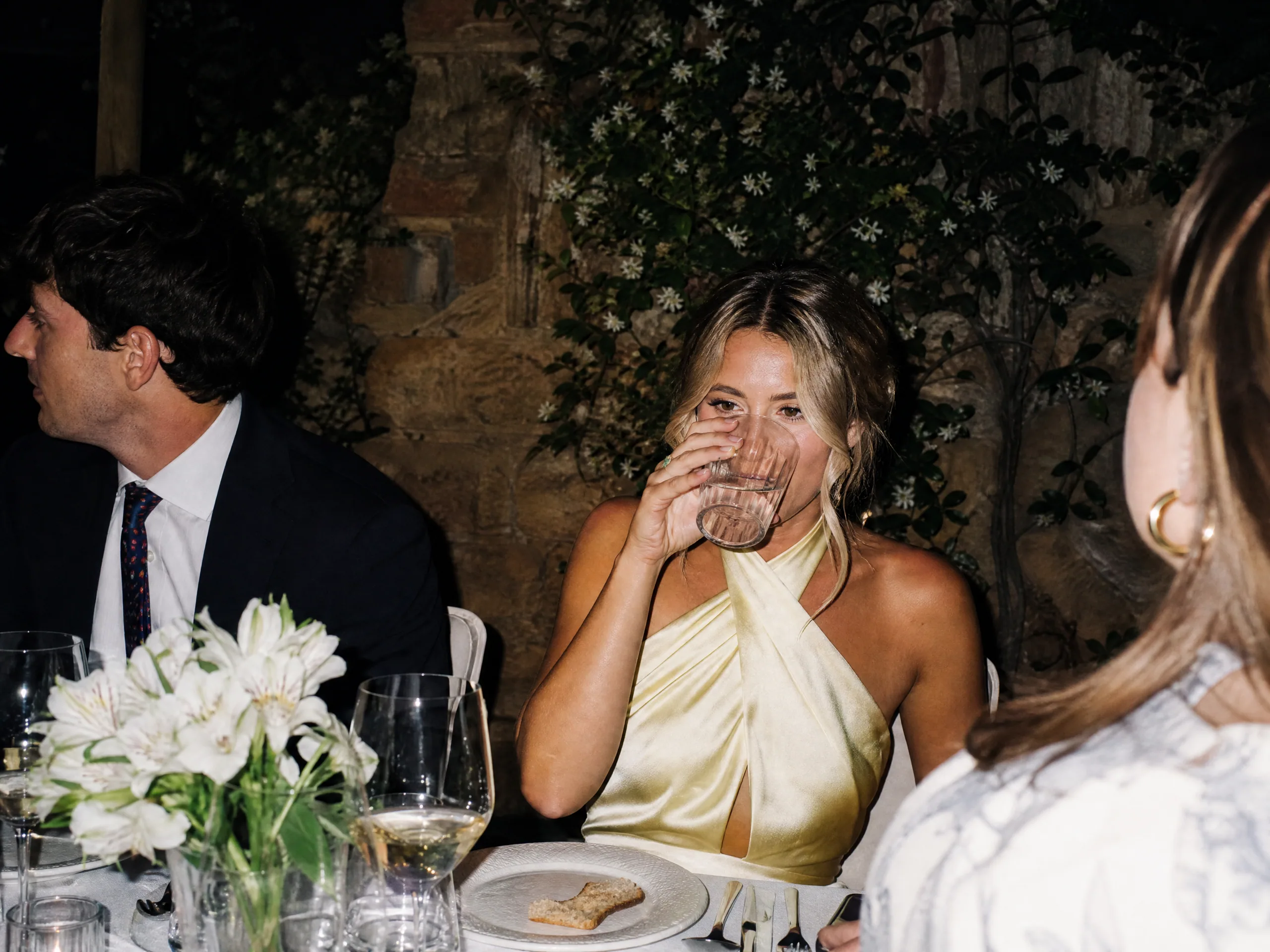
Hydration is already a wedding-weekend operations issue—especially in summer heat, vineyard hills, and late Spanish dinner hours. When guests do not know if the faucet is safe, they buy cases of bottles, fill mini-fridges, and message the couple at midnight asking where to find more. KUDRYA Studio planners treat agua del grifo as guest logistics: one clear sentence on safety, one note on taste, and one exception list for rural estates or private wells. Confidence reduces clutter in hotel rooms and welcome bags.
Mainland Cities, Islands, and Rural Estate Exceptions
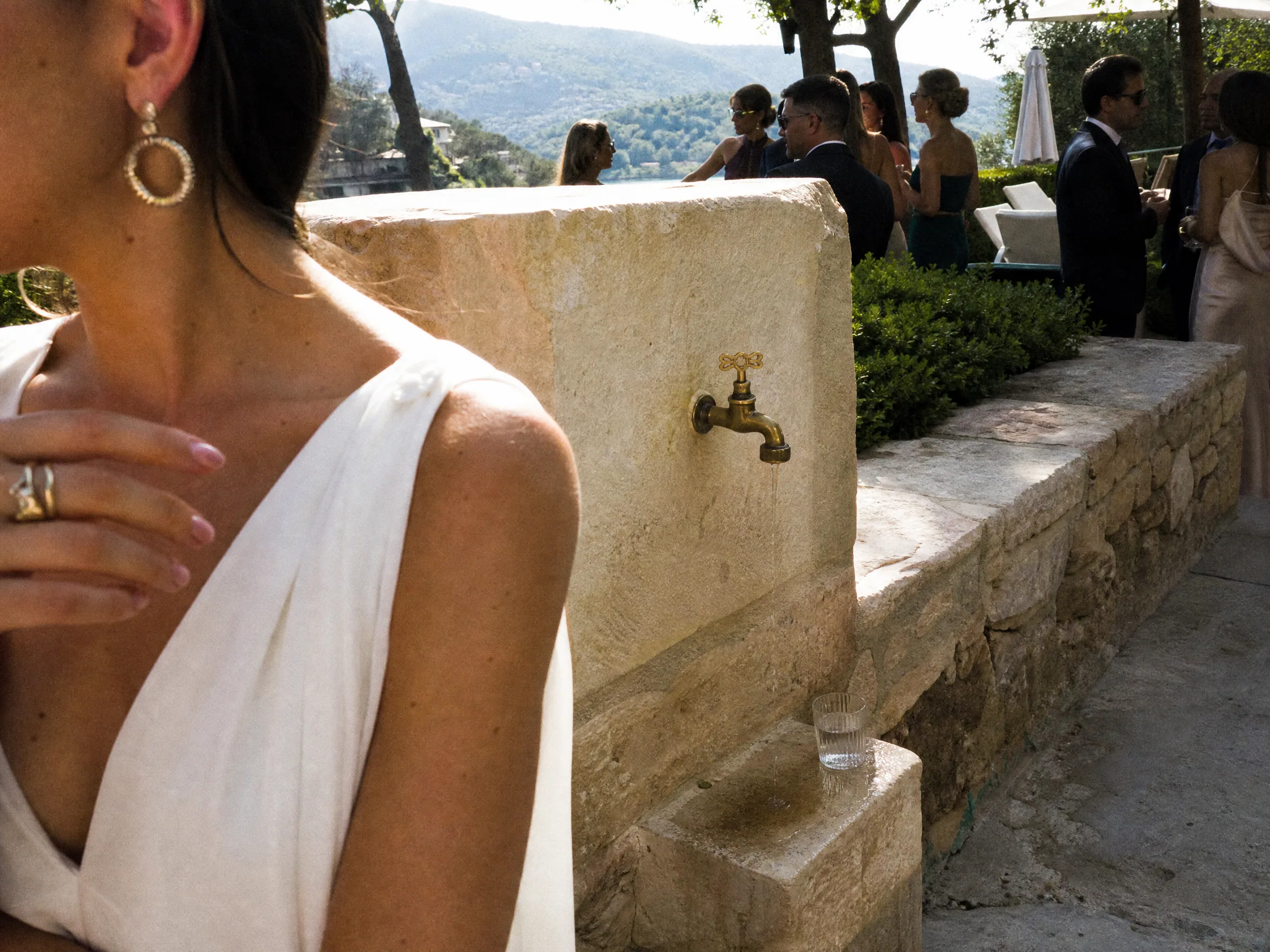
Public tap water across mainland Spain is generally treated to drinking standards in municipal networks. Guests arriving from the US, UK, Canada, or further afield can usually drink, cook, and brush teeth with hotel and city apartment taps. Private fincas, mountain casas, and some island villas may use cisterns, wells, or mixed systems—those need a venue-confirmed note, not a generic “Spain is fine” line. If the property manager flags boil advisories, tanker fills, or filter-only water, put that in the welcome PDF before guests land.
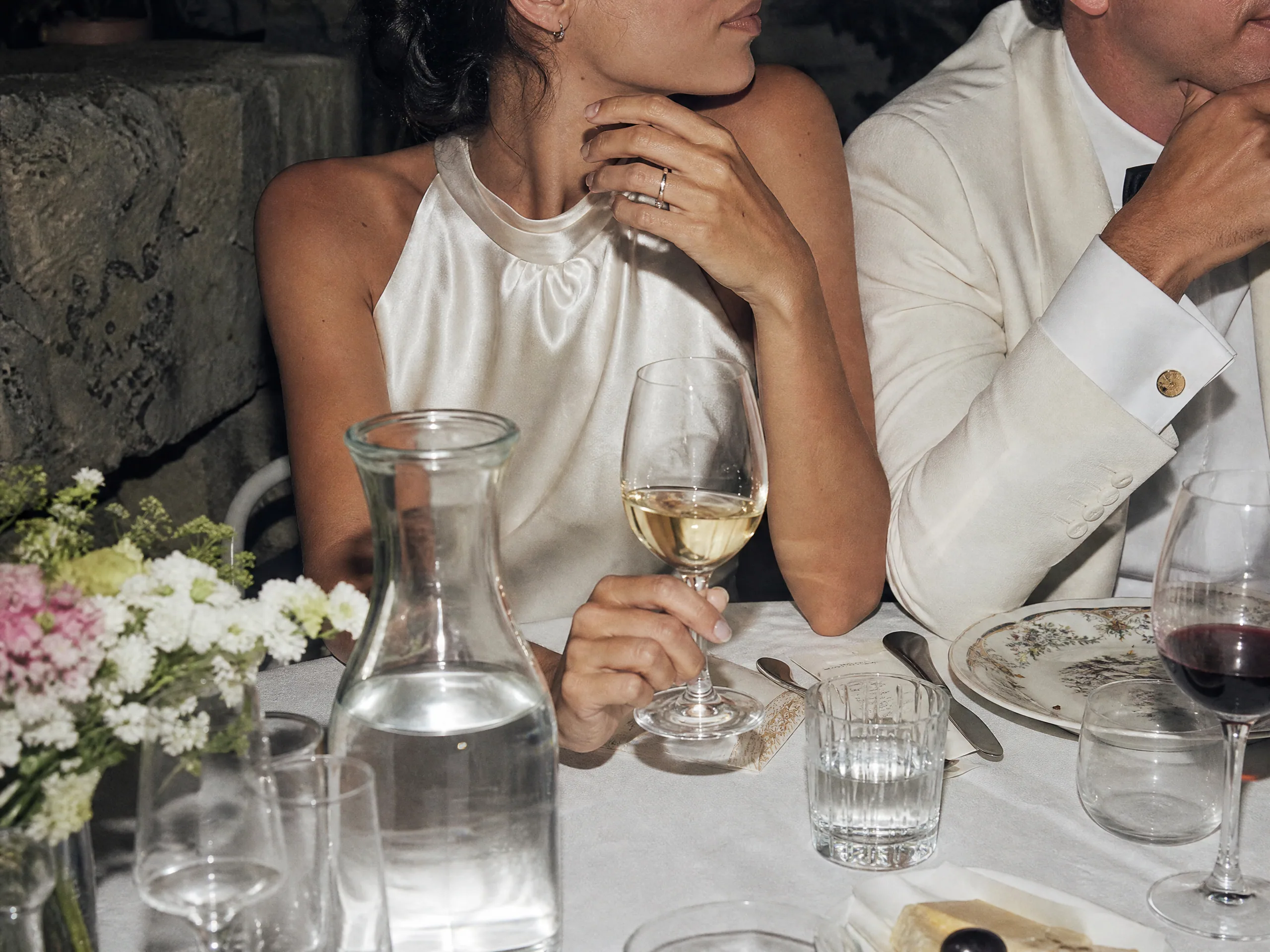
Taste and Hardness Are Not the Same as Safety
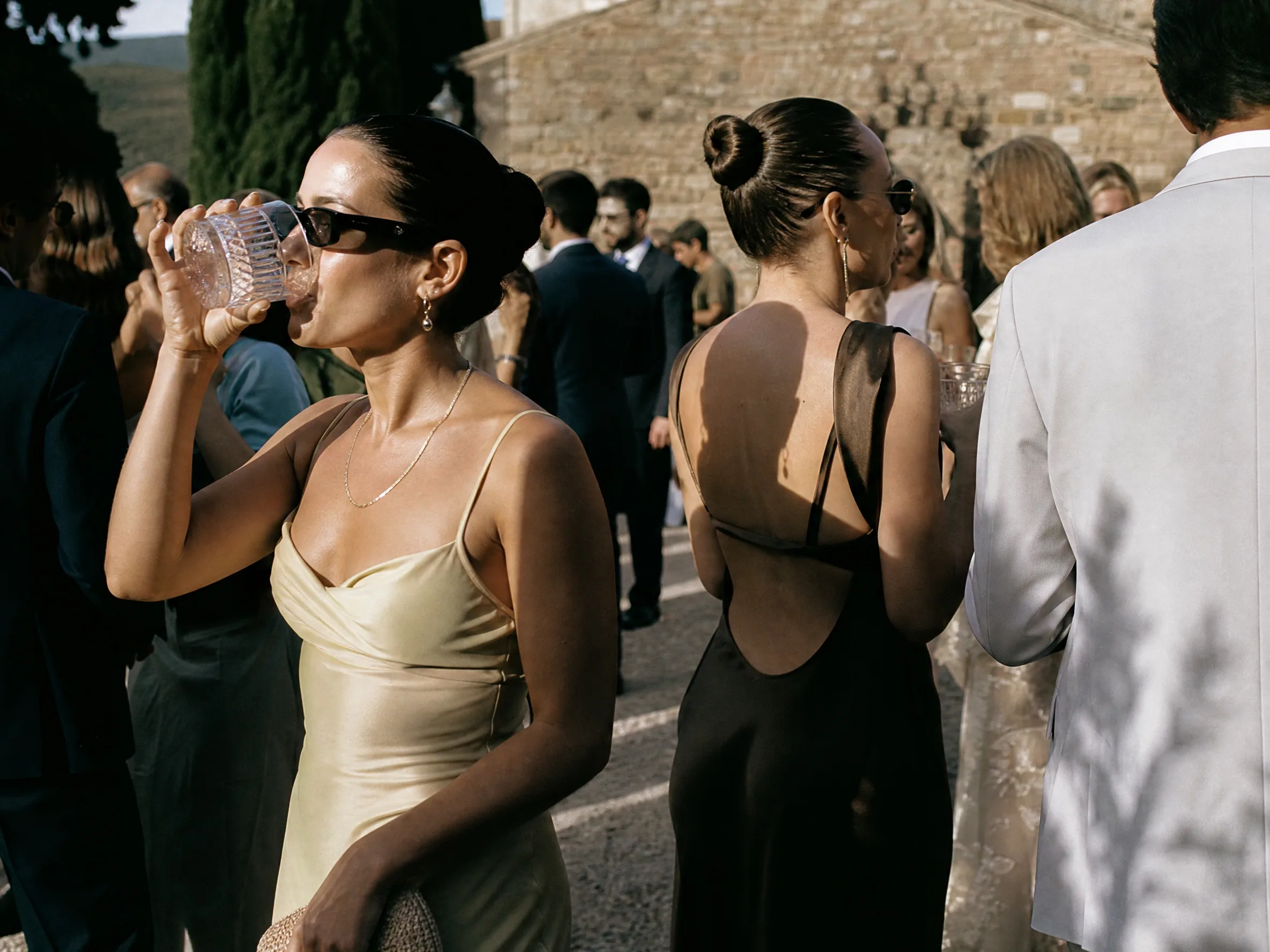
Spanish tap water is often harder and more mineral-forward than what North American or Northern European guests expect. A chalky or chlorine-forward taste does not automatically mean the water is unsafe. Brief guests that “different” is normal in many regions, and offer a simple workaround: chilled carafes in the fridge, a small pitcher filter in the villa kitchen, or sparkling bottles for people who simply prefer the flavor. Separating safety from preference stops panic shopping runs on the morning of the ceremony.

Hotels, Villas, and In-Room Carafes
City hotel blocks usually sit on municipal supply—guests can refill bottles from the bathroom tap unless the property leaves complimentary sealed bottles as hospitality, not as a warning. Multi-bedroom villas benefit from a labeled glass carafe station near the kitchen sink and a note on the welcome chalkboard: “Grifo water is drinkable—chill before serving.” For estates on private supply, label clearly: “Use marked filtered tap / bottled only.” Ambiguous crystal carafes without labels create more questions than they solve.
Restaurant Agua del Grifo Customs on Free Evenings
On free nights, guests exploring tapas bars may ask for agua del grifo. In some cities it is offered freely; in others staff default to bottled still or sparkling and may hesitate or charge a small fee. Coach guests to ask politely—“¿Tenéis agua del grifo?”—and accept bottled water without a scene if the restaurant prefers it. Couples should not turn dinner into a sustainability lecture; the goal is calm hydration, not reforming every bar’s service model during wedding week.
Ice, Coffee Machines, and Cocktail-Hour Trust
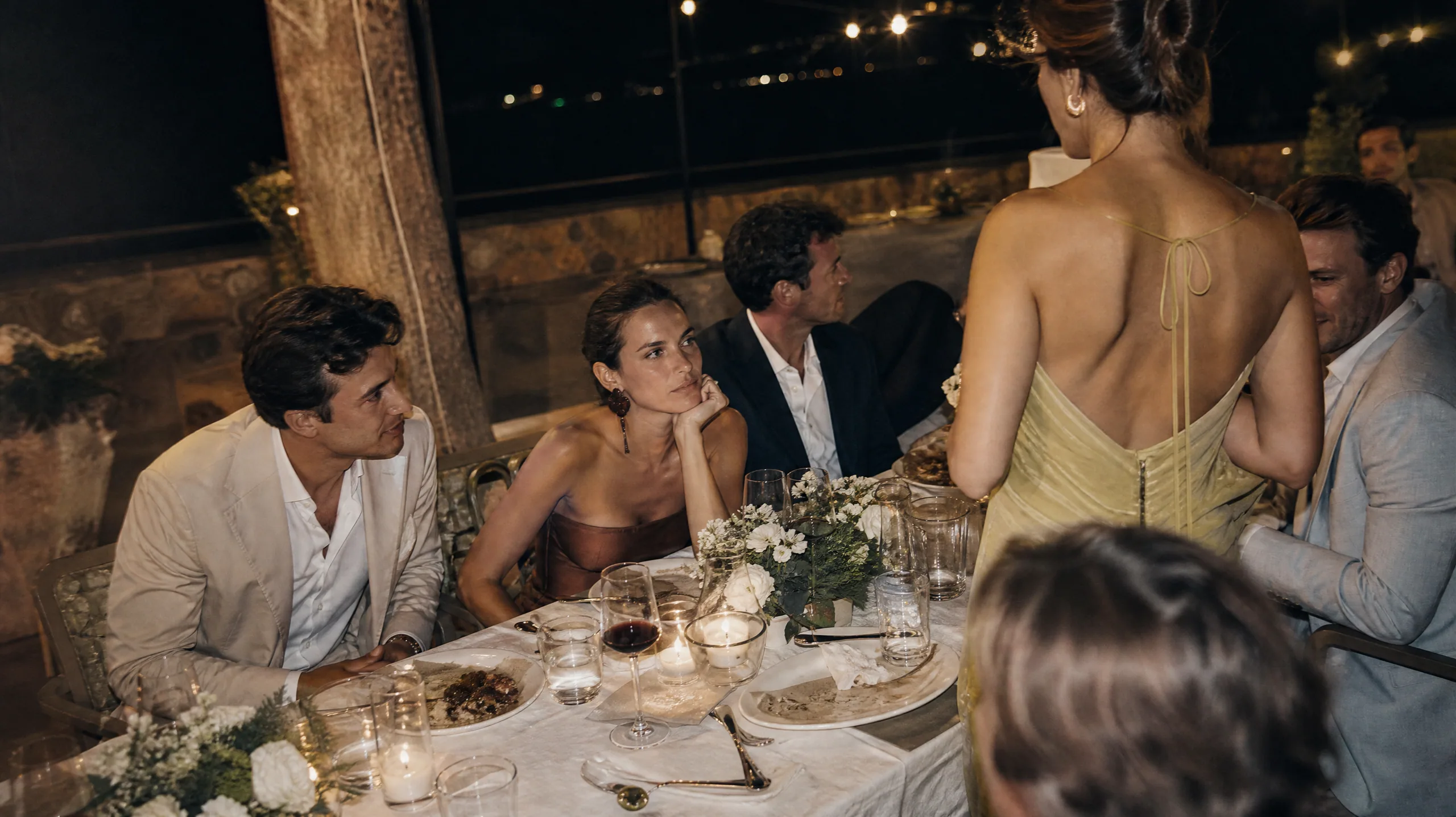
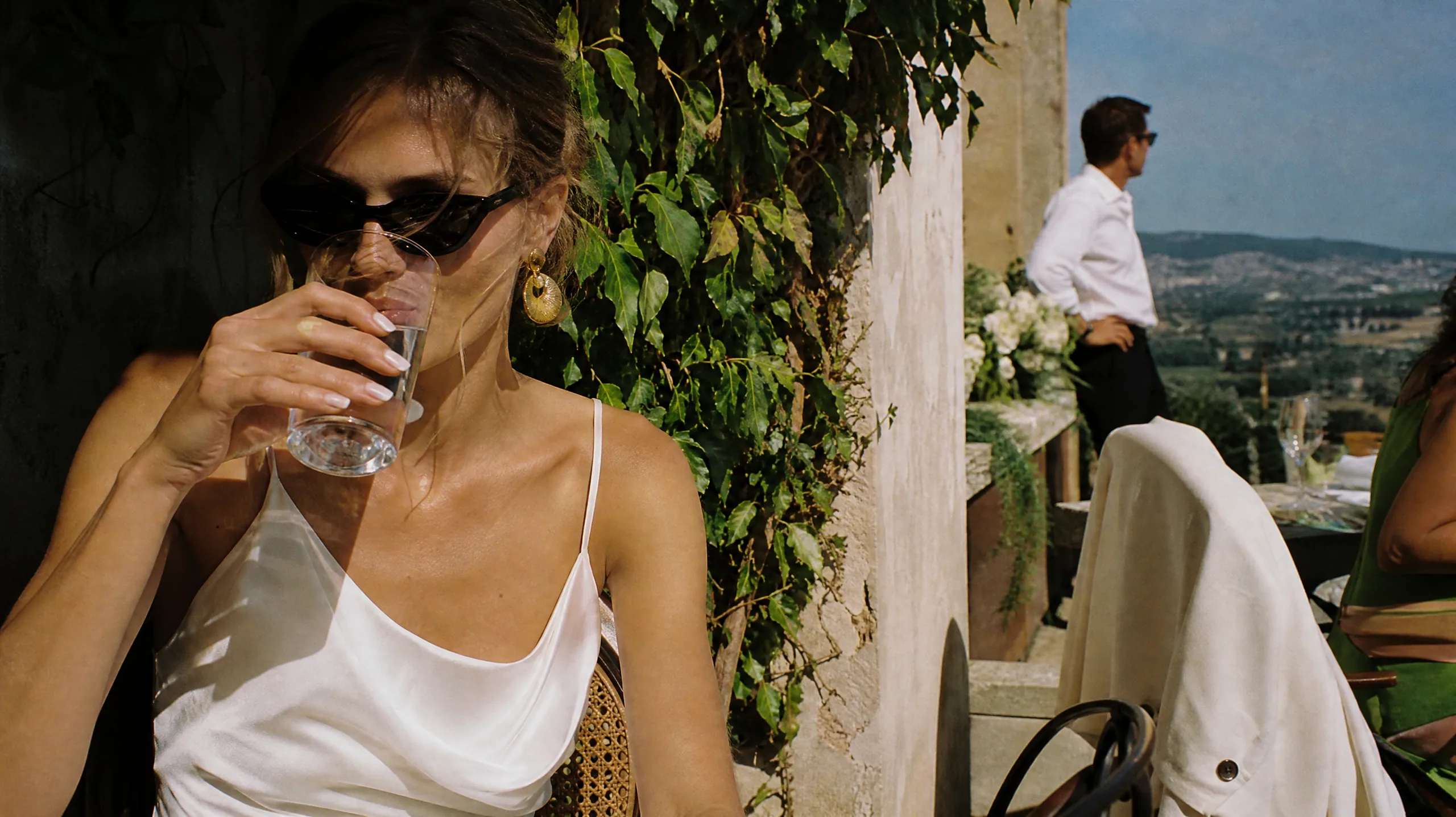
Guests who avoid the tap sometimes still accept ice cubes, espresso water, and bartender mixers—logically inconsistent, but common. If municipal water is safe at the venue, say so once for ice and coffee stations too. If the estate uses a separate ice supplier or filtered bar system, mention that in the vendor briefing so waitstaff can answer confidently. Outdoor summer cocktail hours need visible water stations either way; flavor preference should never leave guests dehydrated in full sun.
Kids, Pregnancy, and Sensitive Guests
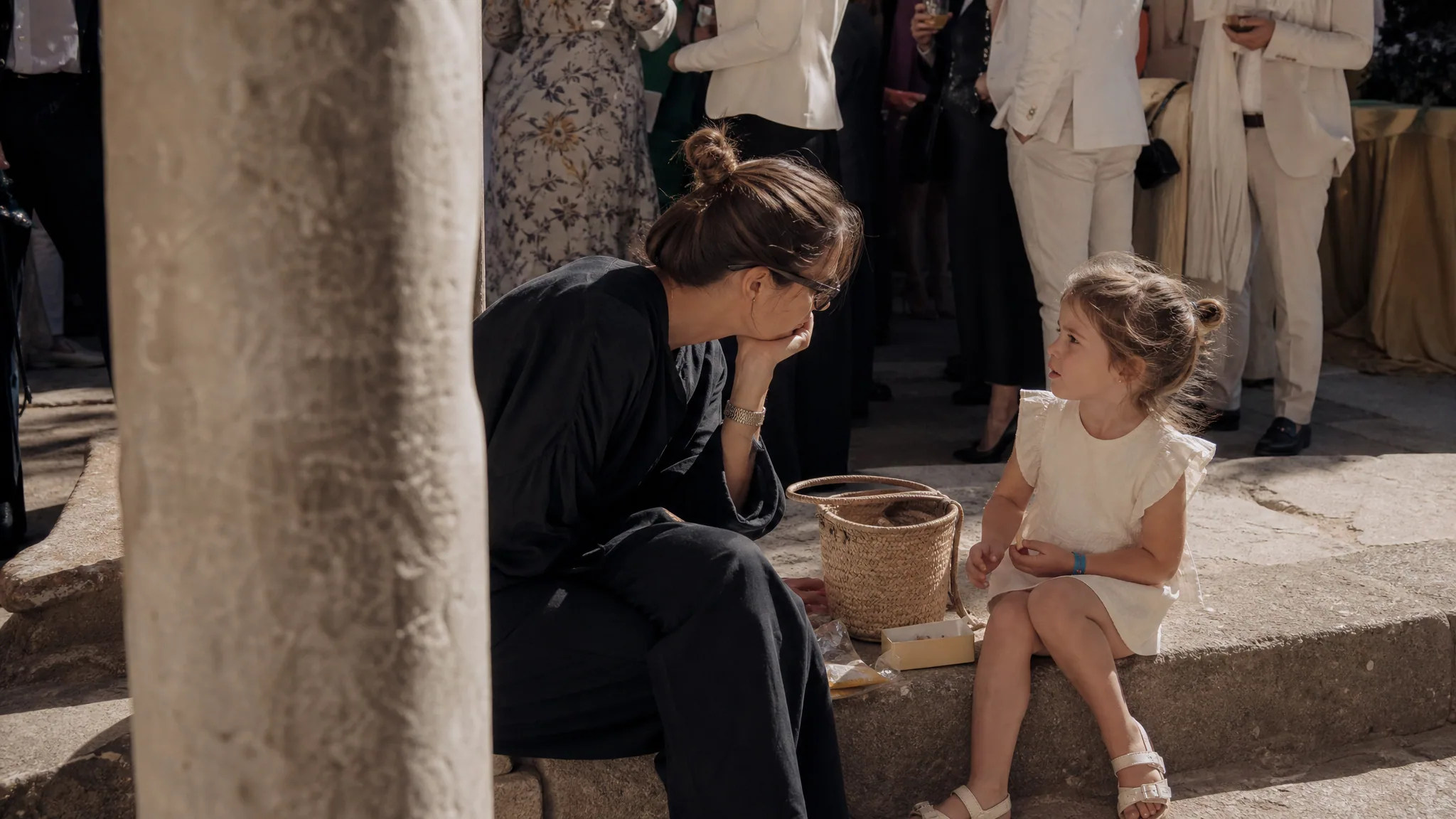
Families traveling with young children, pregnant guests, or anyone with a clinician-advised restricted water protocol deserve a softer option without drama. Keep a modest sealed-bottle reserve in the villa pantry and hotel welcome desk, and point to it in the family WhatsApp note—not in the main all-guest blast if municipal water is fine for everyone else. For countryside pollen-and-heat weekends, pair the water note with the hydration timing already covered in heatwave guest logistics so one PDF does both jobs.
How to Message Guests Without Sounding Alarmist
Lead with the answer, not the fear. Example: “Tap water at the hotel and city restaurants is drinkable. The villa uses municipal supply—feel free to refill bottles; a filter pitcher is in the fridge if you prefer the taste. Guests who want sealed bottles will find a small reserve under the stairs.” Avoid long epidemiology essays. One WhatsApp pin plus one line in the weekend timeline outperforms a five-paragraph email nobody finishes on the plane.
Planner Checklist for Couples and Hosts
Confirm with the venue or property manager: municipal vs private supply, any recent advisories, and whether ice is made on-site. Decide bottle-reserve quantity for sensitive guests only. Add one sentence to the welcome guide and hotel concierge brief. Place a filter pitcher and labeled carafes in villas. Tell catering that water stations stay visible from cocktail hour through open dancing. KUDRYA Studio’s rule: hydration logistics should feel invisible—guests drink calmly, and nobody spends the rehearsal dinner hunting plastic multipacks.